
How to get from Kuala Lumpur to Ipoh
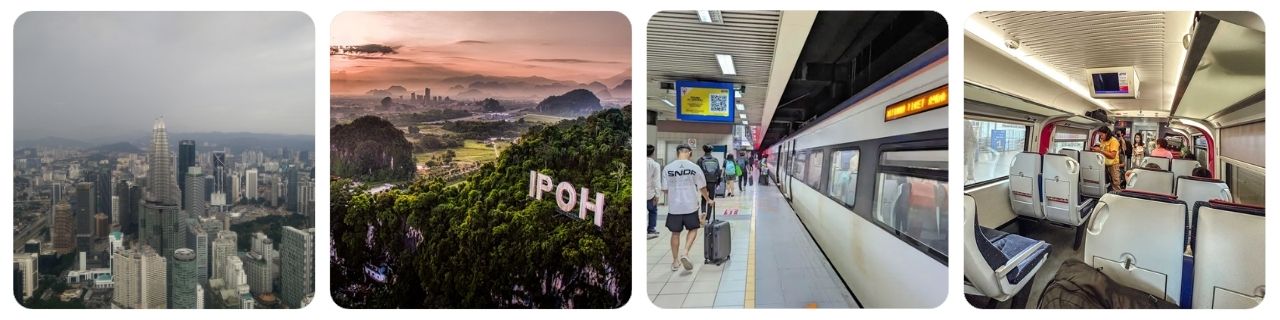
Thinking of trading Kuala Lumpur’s skyscrapers for Ipoh’s heritage streets and limestone hills? Here’s how to compare trains, buses, private transfers and self-drive options so you can pick the best way to go.
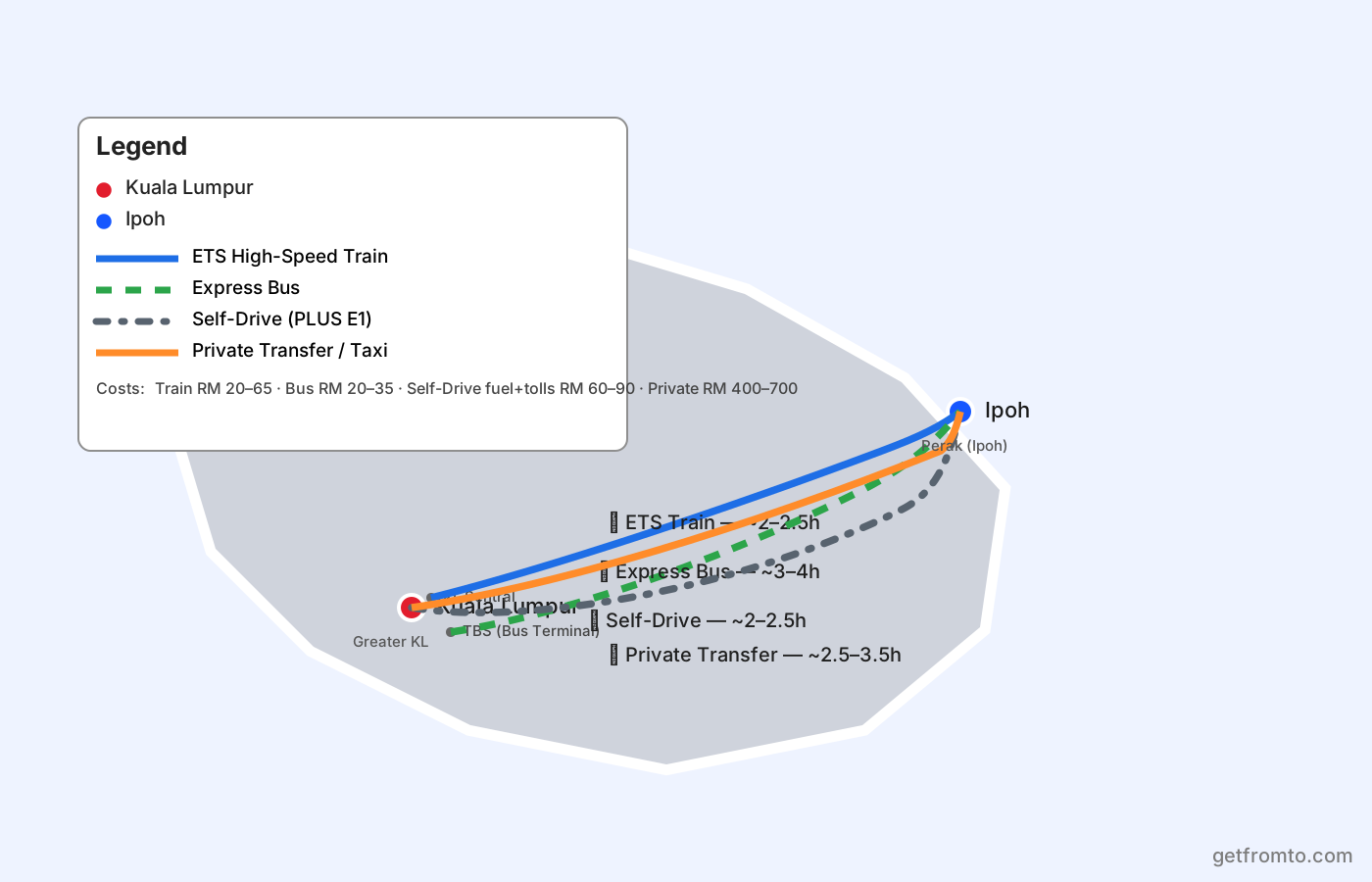
At A Glance (Kuala Lumpur to Ipoh)
| Mode | Duration | Best For |
|---|---|---|
| 🚆 ETS Train (KL Sentral → Ipoh) | ~2–2.5h on the train | Most travelers, fast & comfortable |
| 🏷️ Cost: ~RM 25–45 one-way (Silver/Gold/Platinum classes) » compare train tickets | Trip.com train deals | ||
| 🚌 Express Bus (TBS / KL Sentral → Ipoh Amanjaya) | ~3–4h depending on traffic | Budget travelers, frequent departures |
| 🏷️ Cost: ~RM 20–40 one-way » check bus timetables | ||
| 🚗 Self-Drive / Rental Car (via North–South Expressway) | ~2.5–3h (≈200 km) | Flexibility, side trips, groups |
| 🏷️ Cost: From ~RM 150–250 per day (car rental + fuel + tolls) » compare rental cars | ||
| 🚕 Private Transfer / Taxi (Door-to-door) | ~2.5–3h door-to-door | Door-to-door comfort, late arrivals, families |
| 🏷️ Cost: From ~RM 500–900 per vehicle one-way » compare private taxis | GetTransfer intercity rides | ||
Which Option or Route Should You Choose?
- Fastest & most convenient: For most travelers, the ETS train from KL Sentral to Ipoh is the sweet spot of speed, comfort and price. Seats are reserved, there’s air-conditioning and power sockets, and both stations are close to city centers.
- Cheapest: If you’re watching your budget and don’t mind a slightly longer journey, the express bus from TBS or KL Sentral to Ipoh Amanjaya is typically the lowest-cost option, especially if you book promos in advance.
- Most scenic & flexible: Travelers keen on roadside food stops and detours (e.g., Kellie’s Castle, smaller Perak towns) often prefer self-driving via the North–South Expressway or a pre-arranged private transfer.
- Maximum comfort / group travel: Families with kids, elderly parents or lots of luggage might appreciate a door-to-door private transfer or taxi, or using ride-hailing apps like Grab or AirAsia Ride for the city segments.
How to Book and Practical Tips
- Book train tickets early for weekends & holidays: ETS trains can sell out days in advance on school holidays and festive periods. Use the official KTMB booking system or trusted platforms like KTMB Integrated Ticketing System (KITS), or compare options on 12Go Asia and Trip.com train packages.
- Use central bus terminals: For buses, aim for Terminal Bersepadu Selatan (TBS) in KL and Terminal Amanjaya in Ipoh. They’re safer, well-organised and have better facilities than informal roadside pick-ups.
- Consider door-to-door tours: If you only have a day and want everything handled, look at guided day trips like an Ipoh heritage day tour from Kuala Lumpur or similar options on Klook, which bundle transport and sightseeing.
- Stash luggage if you have late-night departures: If your train/bus is much later than hotel check-out, consider luggage storage services in KL, such as Radical Storage locations in Kuala Lumpur, so you can explore bag-free.
- Ride-hailing for station transfers: In both KL and Ipoh, Grab is widely available and usually cheaper than metered taxis. You can also pre-book more premium airport or hotel pickups via Welcome Pickups in Kuala Lumpur or intercity rides on GetTransfer.
- Driving or biking: Confident drivers can rent a car and follow the North–South Expressway; compare rates on Booking.com Cars. In KL itself, some travelers rent scooters for short hops via sites like BikesBooking, but scooters aren’t ideal for the long highway run to Ipoh.
🚆 Option #1 — ETS Train (Fast, Comfortable, Central-to-Central)
Scenic ride Reserved seating Popular on weekends
- Overview: Take the ETS (Electric Train Service) from Kuala Lumpur (usually KL Sentral, sometimes the old Kuala Lumpur station) directly to Ipoh Railway Station. The journey is roughly 2–2.5 hours, with modern, air-conditioned coaches, assigned seats, and luggage racks.
- Classes & typical fares: ETS Silver, Gold and Platinum services run this route. Expect roughly RM 25–45 one-way depending on class, time of day and how early you book.
- How to book (with price): Book directly via the official KTMB KITS website or mobile app, or compare options across operators and times on 12Go Asia and Trip.com. Prices usually start around RM 25–30 (Silver) and go up for Gold/Platinum and peak dates.
- Pros: Fastest public-transport option, comfortable and scenic; both stations are close to their respective city centers; no traffic worries.
- Cons: Seats sell out on popular dates; fixed departure times; you’ll still need short transfers to/from KL Sentral and Ipoh Station.
Step-by-step: ETS Train from Kuala Lumpur to Ipoh
- Check schedules: Look up ETS departures for “Kuala Lumpur / KL Sentral → Ipoh” on the official ETS timetable page or on aggregators like 12Go Asia.
- Buy tickets: Purchase online through KTMB KITS (recommended for busy days) or at KL Sentral ticket counters and machines. Have your passport/ID details ready when booking online.
- Get to KL Sentral: From central KL, reach KL Sentral via LRT, MRT, KTM Komuter, monorail or taxi/Grab. Follow signs for “Intercity / ETS” once inside the station.
- Boarding: Arrive at least 20–30 minutes before departure. Check your coach and seat number on the ticket, then wait at the correct platform gate. Staff will scan your ticket/QR code before boarding.
- On board: Store larger bags at the carriage ends or overhead. Snacks and simple meals may be sold on board on some services; pack water and light snacks just in case.
- Arrival in Ipoh: The train stops at Ipoh Railway Station, walking distance to Ipoh Old Town. To reach hotels farther away (e.g., around Ipoh Garden or Tambun), use Grab or a local taxi from outside the station.
Getting to the main embarking points (KL Sentral & Kuala Lumpur Station)
- From Bukit Bintang / KLCC: Take the MRT Putrajaya Line or LRT Kelana Jaya Line to KL Sentral, then follow “KTM / ETS” signs. Alternatively, grab a taxi or book a ride via Grab for a direct drop-off at the KL Sentral arrival hall.
- From KLIA / KLIA2: Use the KLIA Ekspres/Transit to KL Sentral, then walk upstairs to the KTM / ETS concourse. This is usually the fastest way to connect straight from the airport to your Ipoh train.
- Kuala Lumpur old station: Some ETS services may list “Kuala Lumpur” as the boarding point at the historic old station on Jalan Sultan Hishamuddin. It’s one KTM Komuter stop from KL Sentral, or a short Grab ride away.
- Locations/Trip Planner: 🔗 Google Map / 🔗 OpenStreetMap
🚌 Option #2 — Direct Bus (Most Popular, Good Value)
Low cost Frequent departures Traffic-dependent
- Overview: Express buses run throughout the day from KL to Ipoh, mainly from Terminal Bersepadu Selatan (TBS) or occasionally KL Sentral and other terminals, arriving at Terminal Amanjaya (also known as Terminal Meru Raya) north of Ipoh.
- Typical duration: Around 3–4 hours depending on departure point, traffic, and rest stops.
- Fares: Expect roughly RM 20–40 one-way, with higher prices on peak travel dates and during festive seasons.
- How to book (with price): You can buy tickets on the day at TBS or book ahead online via the official TBS website, bus-operator sites like Transnasional / Plusliner, or multi-operator platforms such as 12Go Asia’s KL–Ipoh buses.
- Pros: Cheap, frequent departures, easy last-minute option outside major holidays.
- Cons: Journey time can vary with traffic; buses arrive at Ipoh Amanjaya, which is a short drive away from Ipoh Old Town (you’ll need a taxi/Grab or local bus).
Step-by-step: Bus from Kuala Lumpur to Ipoh
- Choose your terminal: Most travelers use TBS because it’s well-organised and connected to rail lines. Some buses also depart from KL Sentral or other terminals; check your ticket carefully.
- Check schedules & operators: Browse departures and bus companies on 12Go Asia or via the TBS booking portal. Look at departure time, seat layout (2+1 is more spacious), and reviews.
- Buy your ticket: Purchase online (e-ticket/QR code) or at the ticket counters/vending machines at TBS. Aim to book at least a day ahead for weekends and public holidays.
- Arrive early: Get to TBS about 30–45 minutes before departure to clear security, find the correct gate, and queue for boarding.
- On the bus: Buses usually have air-conditioning and reclining seats. Some offer Wi‑Fi and power outlets; bring a light jacket, as AC can be strong.
- Arrival in Ipoh (Amanjaya): From Terminal Amanjaya, use Grab or a taxi to reach Ipoh Old Town (about 20–30 minutes) or your hotel. Some local buses also connect to the city center but may take longer.
Getting to the main embarking points (TBS & KL Sentral)
- Reaching TBS from central KL: Take the LRT (Ampang/Sri Petaling Line) or KTM Komuter to Bandar Tasik Selatan station, which connects directly into TBS. Follow signs for the bus terminal inside the complex.
- From KLCC / Bukit Bintang: Use the LRT/MRT network to connect to Bandar Tasik Selatan, or grab a taxi/Grab directly to TBS if you have heavy luggage or are travelling in a group.
- From KLIA / KLIA2: Some buses to Ipoh depart directly from the airports; otherwise, you can take the KLIA Transit train to Bandar Tasik Selatan and walk into TBS.
- Locations/Trip Planner: 🔗 Google Map / 🔗 OpenStreetMap
🚗 Option #3 — Self-Drive / Rental Car (Flexible, Great for Side Trips)
Freedom to explore Door-to-door Tolls & parking
- Overview: Drive from Kuala Lumpur to Ipoh via the North–South Expressway (E1). The distance is roughly 200 km, with a typical driving time of around 2.5–3 hours depending on traffic and stops.
- Costs: Expect highway tolls of around RM 18–20 one-way for a standard car plus fuel. Daily rental rates often start from about RM 120–200 per day depending on car type and season.
- How to book (with price): Compare car rental deals in KL or Ipoh using Booking.com Cars. If you just want a scooter or motorbike to explore KL or short distances, you can also compare two‑wheel rentals via BikesBooking.
- Pros: Maximum flexibility for stops and detours; great for families or groups; easy to visit sights outside Ipoh like Kellie’s Castle or Gua Tempurung.
- Cons: You’ll deal with traffic, tolls and parking; Malaysian highway driving can feel fast if you’re not used to it; not ideal if you’re jet-lagged.
Step-by-step: Driving from Kuala Lumpur to Ipoh
- Pick up your car: Collect your rental in central KL or at KLIA/KLIA2. Check that your rental includes Touch ’n Go or RFID for tolls, or get your own Touch ’n Go card.
- Join the North–South Expressway (E1): From central KL, follow signs towards the PLUS / North–South Expressway heading north in the direction of Ipoh / Penang.
- Plan rest stops: There are several R&R (rest & service) areas with toilets, food stalls and petrol stations. Stop for breaks if you’re tired or travelling with kids.
- Approaching Ipoh: Follow signs for Ipoh exits (e.g., Ipoh Selatan/Ipoh Utara) and then your specific neighborhood or hotel. Use navigation apps like Google Maps, Waze or OsmAnd (which uses OpenStreetMap data).
- Parking in Ipoh: Around Ipoh Old Town and New Town, expect a mix of street parking (often coupon-based or app-based) and private car parks near malls and hotels.
Getting to the main embarking points (Kuala Lumpur city & expressway)
- From KL city hotels: Most hotels in Bukit Bintang, KLCC or Chinatown are within 10–20 minutes’ drive of the nearest highway on-ramp. Set your navigation to “Ipoh” and follow the suggested PLUS Highway route.
- From KLIA / KLIA2: If you’re picking up a car at the airport, simply follow signs towards Kuala Lumpur, then merge onto the North–South Expressway northbound when prompted.
- Driving tips: Stick to the left/middle lanes unless overtaking, observe speed limits, and keep some cash or ensure your toll card/app has balance before entering the highway.
- Locations/Trip Planner: 🔗 Google Map / 🔗 OpenStreetMap
🚕 Option #4 — Private Transfer / Taxi (Door-to-Door Comfort)
Door-to-door Great for groups Higher cost
- Overview: Book a car with driver from your KL hotel, KLIA/KLIA2 or another pick-up point directly to your accommodation in Ipoh. This is the most hassle-free option if you have lots of luggage or are travelling with young children or elderly relatives.
- Typical duration: Roughly 2.5–3 hours depending on traffic and exact pick-up/drop-off locations.
- Estimated cost: Expect somewhere from RM 500–900 per vehicle one-way, depending on vehicle size (sedan vs. MPV/van), pick-up point (city vs. airport) and provider.
- How to book (with price):
- Check intercity taxis and private cars via platforms like 12Go Asia taxi listings or GetTransfer.
- Look for fixed-price private transfers on activities/attractions platforms, such as Klook’s Ipoh–Kuala Lumpur private transfer or Booking.com’s KL–Ipoh private transfer.
- In Kuala Lumpur city, premium airport and hotel transfers can also be arranged via services like Welcome Pickups.
- Pros: Direct, comfortable and fully customised; you can schedule food or restroom stops and travel at your preferred time.
- Cons: Considerably more expensive than train or bus; prices can surge around major holidays.
Step-by-step: Private Transfer / Taxi from Kuala Lumpur to Ipoh
- Compare providers: Use platforms like 12Go Asia, GetTransfer, Klook or Booking.com to compare vehicle types, reviews and included services.
- Book in advance: Reserve your car at least a day or two before travel (longer ahead for public holidays). Provide your hotel name or exact address and contact details.
- Pick-up: Your driver will usually meet you in your hotel lobby, at a designated pickup point in central KL, or at the airport arrivals hall with a sign.
- En route: You can request quick food, prayer or restroom stops along the highway R&R areas. Many providers include bottled water in the car.
- Arrival in Ipoh: You’ll be dropped directly at your hotel or agreed address. Confirm your return-trip plans if you want the same driver or company going back to KL.
- Ride-hailing alternative: For segments within each city (e.g., hotel → KL Sentral or Ipoh Station → hotel), Grab and other ride-hailing apps are usually cheaper than a fully private intercity transfer, though they may not always accept long-distance trips.
Getting to the main embarking points (City Hotels & Airports)
- From KL city: Most private transfers will pick you up directly from your hotel or apartment in popular areas like Bukit Bintang, KLCC or Chinatown.
- From KLIA / KLIA2: If you’re flying in and heading straight to Ipoh, some providers offer direct airport–Ipoh transfers. Confirm where to meet your driver (usually the arrivals hall).
- From Ipoh back to KL: You can book the reverse route using the same platforms or companies; confirm pick-up time and location (hotel, Ipoh Station, Amanjaya, etc.).
- Locations/Trip Planner: 🔗 Google Map / 🔗 OpenStreetMap
FAQ (Kuala Lumpur to Ipoh)
What’s the easiest way to get from Kuala Lumpur to Ipoh?
Most travelers find the ETS train from KL to Ipoh the easiest overall: it’s fast, comfortable, and takes you from city center to city center without dealing with highway traffic.
How long does each option take?
The ETS train is about 2–2.5 hours. The express bus usually takes 3–4 hours depending on traffic. Driving yourself or using a private transfer typically takes around 2.5–3 hours.
Do I need to book ETS train tickets in advance?
Yes, especially for weekends, school holidays and major festivals. Trains can sell out, so it’s wise to book in advance through the official KTMB system or trusted platforms like 12Go Asia or Trip.com.
Which stations and terminals do I use?
In Kuala Lumpur, you’ll usually depart from KL Sentral (or occasionally the historic Kuala Lumpur station) for trains, and TBS or KL Sentral for long-distance buses. In Ipoh, trains arrive at Ipoh Railway Station close to the Old Town, while most buses arrive at Terminal Amanjaya north of the city.
Is Ipoh doable as a day trip from Kuala Lumpur?
Yes, with an early-morning ETS train or private transfer you can comfortably visit Ipoh as a long day trip, especially if you focus on Old Town, cave temples and a few key food stops. For a more relaxed pace and to sample more food and nearby attractions, many visitors still prefer at least one night in Ipoh (check hotel deals on platforms like Booking.com).
Are ride-hailing apps available in Ipoh?
Yes. Grab is widely used in Ipoh for short trips between the station, Amanjaya terminal and various neighborhoods. It’s usually cheaper and more convenient than hailing a taxi on the street.




Related Tours/Services
Popular Routes
Recent Routes
- How to get from PortMiami Cruise Terminal to Miami International Airport
- How to get from Samarkand to Bukhara
- How to get from Bell Tower (Xi’an) to Xi’an North Railway Station
- How to get from Canal City Hakata to Hakata Station
- How to get from Rialto Bridge (Venice) to Venezia Santa Lucia Station
- How to get from Florence Cathedral (Duomo) to Firenze Santa Maria Novella Station
- How to get from Nice to Paris
- How to get from Ribeira District (Porto) to Porto Campanhã Station
- How to get from Anne Frank House to Amsterdam Sloterdijk Station
- How to get from Buckingham Palace to London Victoria Station
Top Travel Gears

DUDE Wipes Unscented Pocket Packs, Adult Flushable Travel Wipes, 48 Count

zelin Anti Theft Zipper Clips, Travel Essentials, Carabiner, 4Pcs Grey

INIU 10000mAh 45W Fast Charging Portable Charger, Smaller Travel Power Bank | Flight-Safe, Detachable USB C Cable, Travel Essential, External Battery Phone Pack for iPhone 18 17 Samsung iPad etc
travel inspira Luggage Scale Digital Suitcase Weight Scale for Travel
2026 Travel Essentials for Apple Watch Charger,Cruise Vacation Camping Essentials,iPhone Charger,Multi Charging Cable,3 in 2 Charging Docks for iWatch Series 12 11-2/Ultra,iPhone 18 17-12,Car