
How to get from Guangzhou to Shenzhen
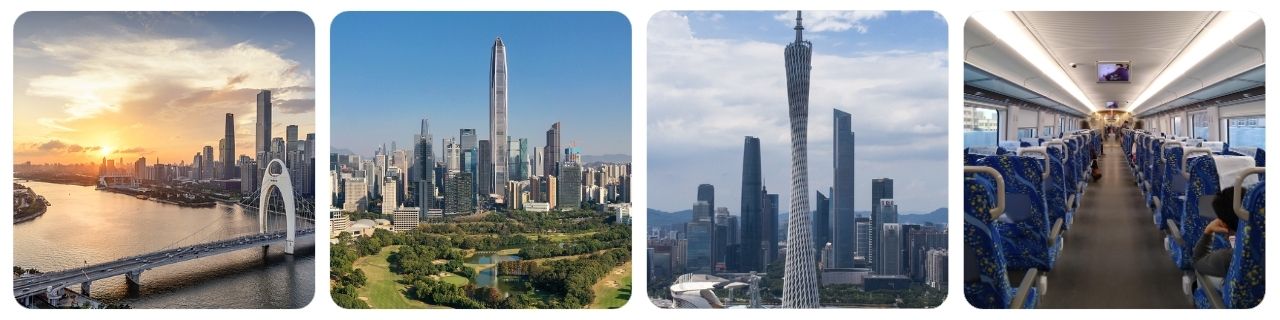
Traveling between Guangzhou and Shenzhen is fast and straightforward thanks to high-speed rail, classic trains, intercity buses and door-to-door transfers, so you can choose the balance of speed, comfort and budget that suits you best.
At A Glance (Guangzhou to Shenzhen)
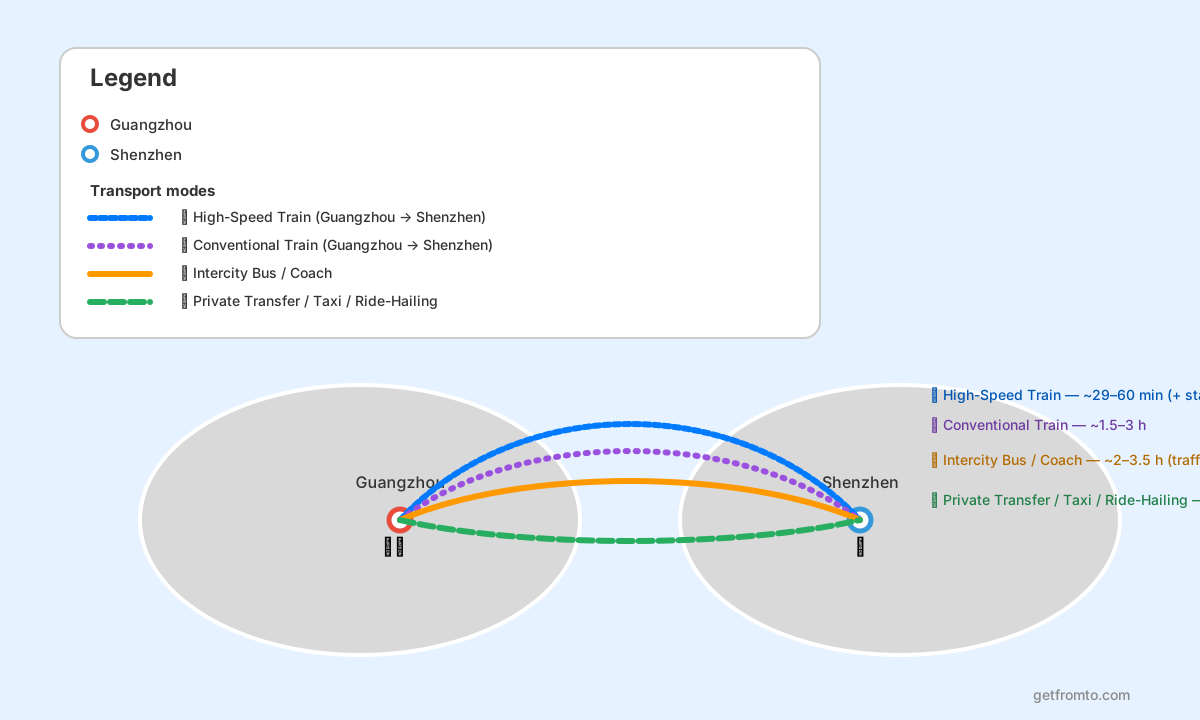
| Mode | Duration | Best For |
|---|---|---|
| 🚄 High-Speed Train (Guangzhou → Shenzhen) | ~29–60 min on train (+30–60 min station transfers) | Fastest, easiest for most travelers |
| 🏷️ Cost: ~CNY 75–150 one-way (2nd–1st class) » compare trains | live schedules | alt. listings | ||
| 🚆 Conventional Train (Guangzhou → Shenzhen) | ~1.5–3 h (route and stops dependent) | Cheaper rail, flexible timing |
| 🏷️ Cost: ~CNY 40–90 seat/sleeper » see slower trains | check options | ||
| 🚌 Intercity Bus / Coach | ~2–3.5 h (traffic-dependent) | Direct routes to specific districts, those who dislike trains |
| 🏷️ Cost: ~CNY 70–120 one-way » bus timetable | compare all modes | ||
| 🚗 Private Transfer / Taxi / Ride-Hailing | ~1.5–2.5 h door-to-door | Groups, lots of luggage, late-night arrivals |
| 🏷️ Cost: ~CNY 350–800 per car (route & vehicle type) » prebook transfers | Shenzhen⇄Guangzhou charter | ||
Which Option or Route Should You Choose?
- Fastest / Most convenient: 🚄 High-Speed Train is the clear winner: departures from early morning to late night, modern stations and predictable travel times.
- Cheapest overall: 🚆 Conventional trains can be a bit slower but often have the lowest fares if you choose hard-seat or hard-sleeper, especially outside peak times.
- Best with lots of luggage or kids: 🚗 Private transfers, taxis and ride-hailing give door-to-door comfort from hotel or airport straight to your destination in Shenzhen.
- Best if you want a direct stop near your suburb: 🚌 Intercity buses sometimes stop closer to residential areas or industrial parks than the big railway hubs.
- Most flexible for side trips: If you plan to explore smaller towns in the Pearl River Delta along the way, mix 🚄 high-speed rail with 🚗 short ride-hailing hops rather than committing to a single bus or car all the way.
How to Book and Practical Tips
- Book rail tickets online when possible: For English-friendly booking and mobile QR tickets, use platforms such as Trip.com trains, or compare different train types on 12Go Asia and Klook high-speed rail.
- Carry your passport: Foreign travelers must show their original passport (not just a photo) when boarding trains and sometimes for ticket collection.
- Arrive early at stations: Guangzhou and Shenzhen stations are large; allow 30–60 minutes for security scans and walking to the right waiting hall, more during major holidays.
- Decide your station pair by where you stay: For business districts like Zhujiang New Town or Futian CBD, using Guangzhou South / East with Shenzhen North or Futian will usually minimize transfer time on the metro.
- Use ride-hailing apps inside the cities: Popular apps like DiDi and Meituan Taxi are widely used in both Guangzhou and Shenzhen and are an easy alternative to street taxis, especially late at night or with language barriers.
- Prebook private cars if you have heavy luggage: For door-to-door comfort between hotels, airports and factories, compare point-to-point services on GetTransfer and city charters such as Klook private car.
- Sort accommodation and onward flights in one place: If you are staying over, look at hotel options in Shenzhen or Guangzhou on Booking.com Hotels (Shenzhen), and use the same platform for any onward flight or car rental needs.
- Plan luggage on travel days: If your train is hours after hotel checkout, consider booking left-luggage or lockers at the station, or using flexible networks like Radical Storage’s China-focused travel hub at Radical Storage – travel China so you can explore bag-free.
- Make time to actually enjoy the cities: With such a short intercity ride, you can easily book Guangzhou or Shenzhen walking tours or city highlights on GetYourGuide Guangzhou or GetYourGuide Shenzhen on the same day you travel.
🚄 Option #1 — High-Speed Train (Fastest, Most Convenient)
Very frequent Fastest Comfortable
- Overview: Modern G/D and C-category trains link Guangzhou South / Guangzhou East / Guangzhou main station to Shenzhen North, Futian and Shenzhen (Luohu) in as little as 29 minutes, with up to hundreds of departures per day.
- Typical duration: ~29–60 minutes on the train itself, plus 30–60 minutes to get to and from the stations at each end.
- How to book (with price): Second-class seats typically run around CNY 75–120 one-way; first class and business class cost more. You can compare schedules and prices on Trip.com’s Guangzhou–Shenzhen trains, or cross-check options via 12Go Asia and Klook high-speed rail.
- Seat classes: Most trains offer 2nd class (standard), 1st class (more space) and sometimes business class. For this short hop, 2nd class is usually perfectly comfortable.
- Pros: Fastest option, frequent departures, comfortable seats, clean toilets, easy for non-Chinese speakers when booked via English-friendly platforms.
- Cons: Can be busy around weekends and holidays; you must go through airport-style security and show original ID; big stations can feel overwhelming at first visit.
Step-by-step: High-Speed Train
- Pick your departure and arrival stations: From Guangzhou, most travelers use Guangzhou South (Guangzhounan) or Guangzhou East (Guangzhoudong). In Shenzhen, popular choices are Shenzhen North (Shenzhenbei), Futian and Shenzhen (Luohu). Choose the pair that matches where you stay.
- Search schedules and prices: Enter your dates on Trip.com or 12Go Asia, filtering for high-speed trains. Check travel time and station locations.
- Book your ticket: Use your passport details to purchase an e-ticket. During busy seasons (Golden Week, Chinese New Year, weekends) book several days in advance.
- Get to the station: Use the metro, taxi or ride-hailing (DiDi, Meituan, CaoCao) to reach Guangzhou South or East. Build in a buffer of at least 30–45 minutes for security and finding your gate.
- Security & boarding: Show your ID and ticket QR code at the entrance, then again at the gate when boarding. Pay attention to the train number, carriage and seat printed on your ticket.
- Onboard: Stow larger luggage in racks at carriage ends and smaller bags overhead. Trains are air-conditioned; some offer power sockets and trolley snacks.
- Arrival in Shenzhen: Follow station signs to the metro or taxi ranks. Shenzhen North and Futian are directly connected to the Shenzhen Metro for easy last-mile travel.
Getting to the main embarking points (Guangzhou South / Guangzhou East)
- Guangzhou South Railway Station: Reachable via Metro Line 2 and Line 7. From Zhujiang New Town / Tianhe, take Line 3 then transfer to Line 2, or simply use a direct DiDi ride if you have large luggage.
- Guangzhou East Railway Station: Served by Metro Line 1 and Line 3. It is convenient if you stay around Tianhe, CITIC Plaza or Zhujiang New Town.
- Shenzhen North Railway Station: When returning or connecting, use Shenzhen Metro Line 4 (Longhua Line); the station is a major interchange with shopping and food inside.
- Futian Station: Right under the Futian CBD; you can connect to Lines 2, 3 and 11 of Shenzhen Metro for easy access to Huaqiangbei, Nanshan and the airport.
- Taxis / Ride-hailing: At all major stations you will find official taxi ranks; ride-hailing apps like DiDi and Meituan Taxi are often faster and let you avoid language issues by entering your destination in English or Chinese characters.
- Locations/Trip Planner: 🔗 Google Map / 🔗 OpenStreetMap
🚆 Option #2 — Conventional Train (Cheapest Rail, More Local)
Budget-friendly Scenic More time
- Overview: Slower conventional trains (including some C-category intercity services) run between Guangzhou / Guangzhou East and Shenzhen (Luohu) or Shenzhen East. They are older but still comfortable for this short distance.
- Typical duration: Around 1.5–3 hours depending on stops and train type.
- How to book (with price): Expect about CNY 40–90 for a seat or basic sleeper on this route. Check mixed high-speed and regular train options on 12Go Asia and Trip.com. These platforms clearly label train categories and travel times.
- Classes & comfort: Hard-seat is cheapest but can be crowded; soft-seat or hard-sleeper (if available) are more comfortable if you prefer more space.
- Pros: Often the lowest rail fares, more relaxed pace, and sometimes easier last-minute availability than the most popular high-speed departures.
- Cons: Takes longer than high-speed trains, older interiors, and fewer English signs. Air-con can be strong, so a light layer is useful.
Step-by-step: Conventional Train
- Choose your stations: From Guangzhou, you will usually depart from Guangzhou Railway Station or Guangzhou East. In Shenzhen, look for trains arriving at Shenzhen (Luohu) or Shenzhen East, which are both linked to the Shenzhen Metro.
- Search tickets: On 12Go Asia or Trip.com, uncheck filters like “high-speed only” to see slower trains. Compare departure times and durations.
- Book with ID: Enter your passport details, pick a class (hard/soft seat or sleeper) and pay online via card or wallet, depending on the platform.
- Arrive at the station: As with high-speed trains, allow 30–45 minutes for security and finding your waiting room, more at major holidays.
- Boarding: Conventional trains may not have seat-back screens; keep your paper or e-ticket handy and ask staff if you’re unsure of your carriage.
- Arrival in Shenzhen: From Shenzhen (Luohu), you can walk directly into the Shenzhen Metro (Line 1) or connect to Hong Kong Lo Wu checkpoint if continuing onward; from Shenzhen East, connect via the metro or taxi.
Getting to the main embarking points (Guangzhou Railway Station / Guangzhou East)
- Guangzhou Railway Station: Served by Metro Line 2 and Line 5. It is closer to older parts of the city and some wholesale markets.
- Guangzhou East: A convenient hub for travelers staying in Tianhe business district; reachable via Metro Line 1 and Line 3.
- Shenzhen (Luohu) Station: Directly connected to Shenzhen Metro Line 1; Luohu is also a major border crossing for Hong Kong-bound travelers.
- Shenzhen East Station: Located in Longgang District with metro and bus connections; taxis and ride-hailing work well for late arrivals.
- Backup plans: If your chosen train is sold out, look for a nearby departure on the same day via Trip.com or 12Go, or switch to the high-speed option.
- Locations/Trip Planner: 🔗 Google Map / 🔗 OpenStreetMap
🚌 Option #3 — Intercity Bus / Coach (Direct, Good Value)
Low cost Direct drop-offs Traffic-sensitive
- Overview: Intercity buses link Guangzhou’s main bus terminals with several districts of Shenzhen, sometimes dropping you closer to residential or industrial zones than the big rail hubs.
- Typical duration: Around 2–3.5 hours depending on route, traffic and intermediate stops.
- How to book (with price): Expect roughly CNY 70–120 for a one-way ticket. Check real-time schedules and prices on 12Go Asia buses or compare against combined options on Guangzhou–Shenzhen travel overview.
- Comfort: Many coaches are air-conditioned with reclining seats; some offer USB charging. Overnight-style sleepers are less common for this short route.
- Pros: Direct to certain neighborhoods, avoids the biggest railway crowds, can be easier for passengers uncomfortable with stations and boarding gates.
- Cons: Vulnerable to traffic jams (especially near toll gates and city ring roads), fewer English signs and announcements, and fewer departures than trains.
Step-by-step: Intercity Bus / Coach
- Identify convenient bus terminals: In Guangzhou, popular terminals include Guangzhou Provincial Bus Station, Guangdong Provincial Bus Station and Tianhe Bus Station. In Shenzhen, common arrival points include Shenzhen Futian Bus Station and Shenzhen Nanshan/Bagualing depending on the route.
- Check schedules online: Use the search form on 12Go Asia to see departure times, journey lengths and user reviews for different operators.
- Book your seat: Reserve and pay online when possible; for same-day travel you can often buy at the station ticket window, but seats may sell out during peak periods.
- Arrive early: Reach the bus station at least 30 minutes before departure to find your gate, pass security and buy snacks or water.
- On the road: The bus may make one or more short rest stops; keep your ticket with you when getting off and remember the plate number or operator name.
- Arrival in Shenzhen: From the bus station, transfer to the metro, local bus or taxi for the last stretch to your hotel or factory.
Getting to the main embarking points (Guangzhou Bus Terminals)
- Guangzhou Provincial / Guangdong Provincial Bus Stations: Located near the older city center, reachable by metro (Line 2 or 5 depending on the exact station) and numerous city buses.
- Tianhe Bus Station: Handy if you stay in the Tianhe business district; use Metro Line 3 or local buses to reach the terminal.
- Shenzhen Futian / Nanshan Bus Stations: Once you arrive, connect via the Shenzhen Metro or use DiDi / Meituan for door-to-door transfer to your final stop.
- Language tip: Have your destination written in Chinese characters (e.g. 深圳北站, 深圳福田) on your phone to show staff or your driver.
- Locations/Trip Planner: 🔗 Google Map / 🔗 OpenStreetMap
🚗 Option #4 — Private Transfer, Taxi & Ride-Hailing (Door-to-Door)
Hassle-free Door-to-door Best for groups
- Overview: A private transfer or taxi links your hotel, office or Guangzhou Baiyun International Airport directly with your address in Shenzhen—no station changes, no luggage hauling through metro tunnels.
- Typical duration: Around 1.5–2.5 hours depending on traffic and exact pick-up / drop-off points.
- How to book (with price): For transparent, prebooked pricing, compare routes on GetTransfer’s Guangzhou→Shenzhen page or point-to-point car charters such as Klook Shenzhen & Guangzhou transfer. Expect roughly CNY 350–800 per car depending on vehicle type and time of day.
- Ride-hailing alternatives: Inside China, apps like DiDi, Meituan Taxi and CaoCao can sometimes be used for longer intercity trips if drivers accept; check the estimated fare and confirm with the driver before starting.
- Airport transfers: If you are landing at Baiyun Airport and going directly to Shenzhen, consider booking a dedicated service such as Welcome Pickups’ guide for Guangzhou Airport to Shenzhen or Klook’s airport shuttles from Guangzhou and Shenzhen airports.
- Pros: Maximum convenience, ideal for late-night arrivals, families, large luggage or business travelers who need to work en route.
- Cons: More expensive than trains; subject to highway congestion; drivers may not speak English (apps help bridge the gap).
Step-by-step: Private Transfer / Taxi
- Choose your provider: Compare door-to-door prices for your dates and group size using GetTransfer or private car charters on Klook. Check luggage allowance and vehicle type.
- Enter precise addresses: Fill in your hotel or office addresses in both cities. For factories or parks, copy-paste the Chinese address to avoid confusion.
- Confirm pick-up time: Allow a buffer for check-out or flight arrival. Drivers typically wait at the lobby, airport arrivals hall or a clear meeting point with a sign.
- Share contact details: Make sure your phone and messaging apps (often WeChat or WhatsApp) are working so the driver can reach you on arrival.
- Enjoy the ride: Use the time to rest, work or enjoy the Pearl River Delta scenery. Toll fees are usually included in the quoted price, but double-check the booking conditions.
- Alternative: ride-hailing: If you prefer spontaneous booking and speak some Chinese, you can also request a long-distance ride via DiDi or Meituan Taxi. Always confirm the price and destination with the driver before setting off.
Getting to the main embarking points (Hotel / Airport / Business Districts)
- From Guangzhou city hotels: Most providers pick you up directly from central districts such as Tianhe, Yuexiu or Haizhu. Just be ready in the lobby 5–10 minutes early.
- From Guangzhou Baiyun International Airport (CAN): Meet your driver after customs at the arrivals hall; many transfers include a name sign. If arranging yourself, follow taxi and ride-hailing signs to the official pick-up zones.
- To Shenzhen districts: Common destinations include Futian CBD, Luohu, Nanshan/Shekou (for tech parks and expat areas) and industrial parks around Longhua or Bao’an.
- Drop-off flexibility: Private transfers usually allow multiple quick stops in the same general area (e.g. dropping colleagues at different hotels—confirm in advance).
- Locations/Trip Planner: 🔗 Google Map / 🔗 OpenStreetMap
FAQ (Guangzhou to Shenzhen)
Do I need to book Guangzhou–Shenzhen train tickets in advance?
Most days you can still get a seat a day or two before, but during Chinese public holidays, weekends and rush hours, high-speed trains can sell out. It is smart to book as soon as your dates are fixed using platforms like Trip.com, 12Go or Klook, or directly via the official 12306 system if you are comfortable with Chinese interfaces.
Which is better: Guangzhou South to Shenzhen North, or Guangzhou East to Shenzhen (Luohu)?
If you are heading to Futian CBD, Nanshan or tech parks, Guangzhou South to Shenzhen North or Futian is usually best. If you stay near the older Luohu and Dongmen areas, or plan to continue to Hong Kong via Lo Wu, then Guangzhou East or Guangzhou main station to Shenzhen (Luohu) is very convenient.
Can I use metro cards from Guangzhou in Shenzhen?
Each city runs its own metro payment system, so a stored-value card from Guangzhou will not automatically work in Shenzhen. However, most travelers now use mobile payment QR codes (Alipay, WeChat Pay) that can work in both systems once set up, or simply buy single-journey tickets from the machines.
What is the easiest way from Guangzhou Baiyun Airport to Shenzhen?
The most common choice is either a high-speed rail connection via Guangzhou South (airport metro or taxi → Guangzhou South → Shenzhen) or a prebooked private transfer/taxi direct from the airport to your address in Shenzhen. The train is usually cheapest and often fastest; a private transfer is more comfortable if you are tired from a long flight or carry bulky luggage.
Is it worth renting a car to drive between Guangzhou and Shenzhen?
For most visitors, the answer is no—rail is much easier. Self-driving in China involves local driving licenses, busy multi-lane highways and strict traffic rules. Unless you already know the area very well or have a special reason, it is simpler to let trains or professional drivers handle this short intercity leg and rent a car only for rural side trips when really needed.




Related Tours/Services
Popular Routes
Recent Routes
- How to get from PortMiami Cruise Terminal to Miami International Airport
- How to get from Samarkand to Bukhara
- How to get from Bell Tower (Xi’an) to Xi’an North Railway Station
- How to get from Canal City Hakata to Hakata Station
- How to get from Rialto Bridge (Venice) to Venezia Santa Lucia Station
- How to get from Florence Cathedral (Duomo) to Firenze Santa Maria Novella Station
- How to get from Nice to Paris
- How to get from Ribeira District (Porto) to Porto Campanhã Station
- How to get from Anne Frank House to Amsterdam Sloterdijk Station
- How to get from Buckingham Palace to London Victoria Station
Top Travel Gears

DUDE Wipes Unscented Pocket Packs, Adult Flushable Travel Wipes, 48 Count

zelin Anti Theft Zipper Clips, Travel Essentials, Carabiner, 4Pcs Grey

INIU 10000mAh 45W Fast Charging Portable Charger, Smaller Travel Power Bank | Flight-Safe, Detachable USB C Cable, Travel Essential, External Battery Phone Pack for iPhone 18 17 Samsung iPad etc

travel inspira Luggage Scale Digital Suitcase Weight Scale for Travel
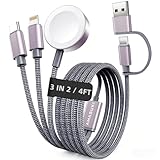
2026 Travel Essentials for Apple Watch Charger,Cruise Vacation Camping Essentials,iPhone Charger,Multi Charging Cable,3 in 2 Charging Docks for iWatch Series 12 11-2/Ultra,iPhone 18 17-12,Car