
How to get from Osaka to Kyoto
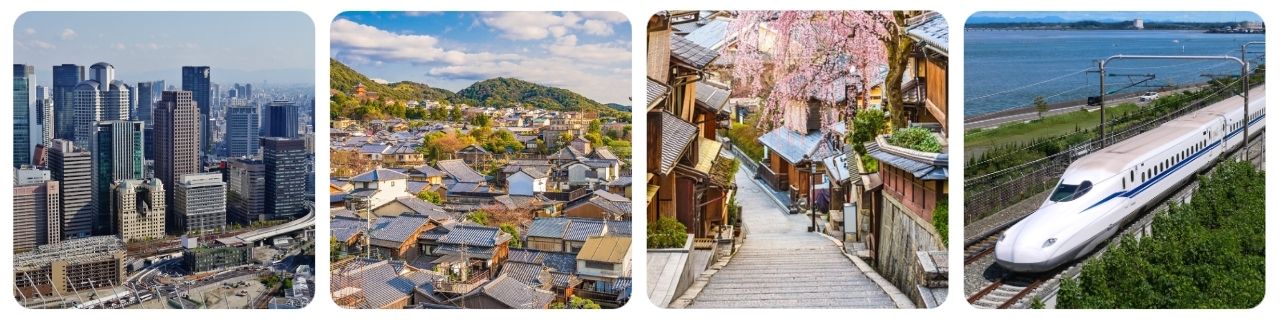
Getting from Osaka to Kyoto is one of the easiest city-to-city trips in Japan: fast JR trains, private railways, buses, and even door-to-door transfers make the short hop simple for every budget and travel style.
At A Glance (Osaka to Kyoto)
| Mode | Duration | Best For |
|---|---|---|
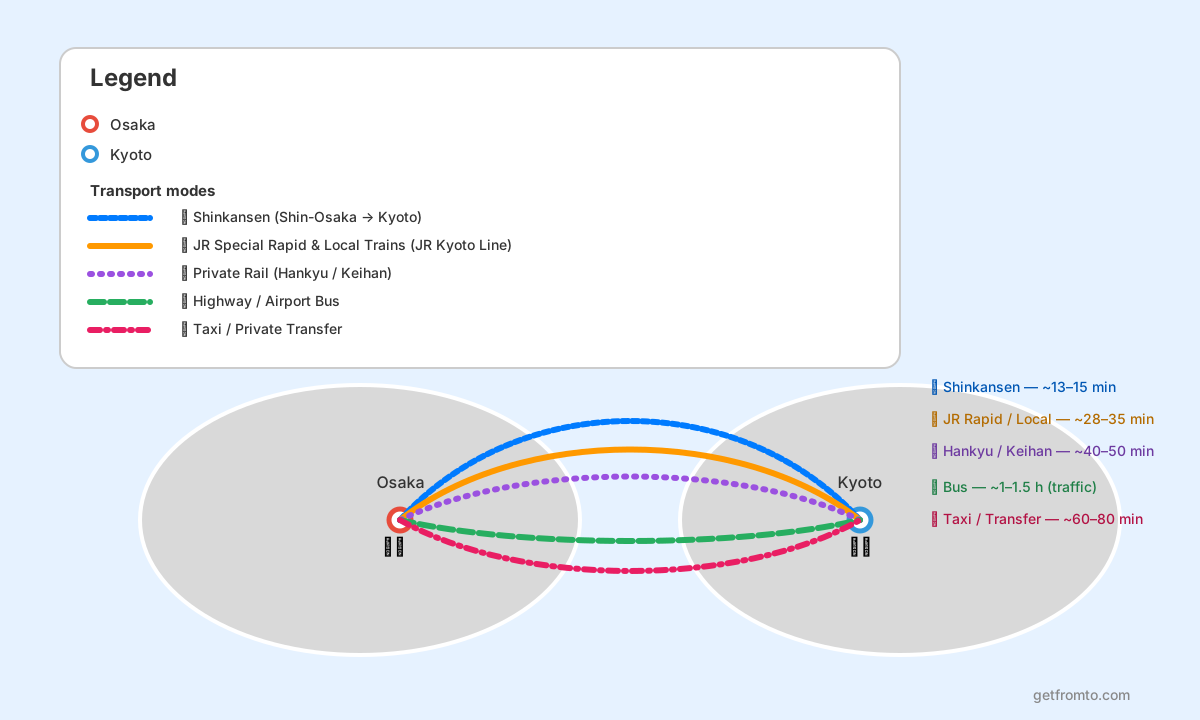
| 🚄 Shinkansen (Shin-Osaka → Kyoto) | ~13–15 minutes on the train (+ station transfers) | Fastest option, JR Pass users |
| 🏷️ Cost: From around ¥1,500–3,000 one-way depending on seat type and ticket. Check current Osaka–Kyoto Shinkansen prices on Klook or compare train options on Trip.com. | ||
| 🚞 JR Special Rapid & Local Trains (JR Kyoto Line) | ~28–35 minutes Osaka Station → Kyoto Station | Best value, simple route, IC card users |
| 🏷️ Cost: Around ¥600–1,000 one-way on regular JR trains. You can also compare JR fares and other modes on the Osaka–Kyoto page at 12Go. | ||
| 🚃 Private Rail (Hankyu / Keihan) | ~40–50 minutes Umeda/Namba → central Kyoto | Staying near Umeda/Namba, scenic local feel |
| 🏷️ Cost: Roughly ¥420–600 one-way depending on line and distance. See route maps and passes on the official Hankyu Railway and Keihan Railway websites. | ||
| 🚌 Highway / Airport Bus | ~1–1.5 hours (traffic-dependent) | Those preferring one-seat rides, airport links |
| 🏷️ Cost: From around ¥2,500–3,500 one-way on intercity buses. Check current Osaka–Kyoto bus schedules and prices on 12Go. | ||
| 🚕 Taxi / Private Transfer | ~60–80 minutes door-to-door | Groups with luggage, late-night arrivals |
| 🏷️ Cost: Metered taxi can easily exceed ¥18,000–25,000 depending on distance and traffic. Pre-booked Osaka–Kyoto car transfers via GetTransfer or private rides on GetYourGuide give fixed prices in advance. | ||
Which Option or Route Should You Choose?
- Fastest / Most convenient: If every minute counts, take the Shinkansen between Shin-Osaka and Kyoto, especially if you already have a JR Pass or are connecting from another bullet-train line.
- Cheapest / Most economical: For most travelers, the sweet spot is the JR Special Rapid or local JR Kyoto Line trains between Osaka Station and Kyoto Station—fast, frequent, and inexpensive.
- Best if you are staying near Umeda, Namba, or Gion: Use Hankyu or Keihan private railways if your hotel is close to their stations; they bring you directly into Kyoto’s shopping and historic districts.
- One-seat rides and airport links: If you want to sit down once and arrive without transfers—especially when coming from Kansai International Airport—look at highway or airport buses or a private transfer.
- Maximum comfort with luggage or kids: Families or small groups with big bags may prefer a door-to-door private car so you avoid crowded trains at rush hour.
How to Book and Practical Tips
- Use IC cards for local trains: On JR, Hankyu, and Keihan lines, simply tap an IC card such as ICOCA, Suica, or PASMO to ride between Osaka and Kyoto—no need to buy paper tickets for each trip.
- Avoid rush hour if you can: Commuter trains between Osaka and Kyoto can be very crowded around 7:30–9:30 and 17:00–19:30 on weekdays. If you have luggage, travel outside peak times.
- Plan routes with official tools: JR routes and real-time info are available on the JR West route maps and timetables. For buses and subway in Kyoto, use the Kyoto City Bus & Subway guide.
- Taxis and ride-hailing apps: In Osaka and Kyoto, you can hail taxis on the street or via apps like GO, DiDi (in some areas), and Uber (mainly dispatching regular taxis). For fixed-price airport or intercity rides, compare options on GetTransfer or book Osaka-based private transfers through Welcome Pickups.
- Store luggage if you’re doing a day trip: If you’re just popping into Kyoto or Osaka for the day, you can use station coin lockers or third-party storage like Radical Storage in Osaka or Radical Storage in Kyoto to explore hands-free.
- Book activities and side trips in advance: Popular Kyoto experiences and transfers from Osaka can be reserved on GetYourGuide or rail/transfer products on Klook’s Kansai–Kyoto guides.
- Staying overnight? If you plan to base yourself in Kyoto after arriving from Osaka, compare central options around Kyoto Station, Kawaramachi, and Gion on Booking.com.
🚄 Option #1 — Shinkansen (Fastest & JR Pass-Friendly)
Fastest JR Pass users Higher cost
- Overview: Take the Tokaido Shinkansen from Shin-Osaka to Kyoto. The ride itself is only about 13–15 minutes, with frequent Hikari and Kodama services stopping at both stations.
- How to book (with price): If you have a valid Japan Rail Pass, you can ride this segment at no extra cost (seat reservations optional). Without a pass, one-way fares generally start around ¥1,500–3,000 depending on whether you choose a non-reserved or reserved seat and current pricing. You can check live Osaka–Kyoto Shinkansen prices on Klook or compare different Shinkansen options on Trip.com.
- Pros: Fastest rail option; very frequent departures; smooth and comfortable; ideal if you’re already at Shin-Osaka for a longer bullet-train trip. Cons: Slightly higher cost than regular JR trains for such a short distance; you must travel via Shin-Osaka rather than downtown Osaka Station.
- Official info: For route maps and general JR information in the Kansai area, see JR West’s official route and timetable page.
Step-by-step: Shinkansen from Shin-Osaka to Kyoto
- Reach Shin-Osaka Station: From central Osaka (Umeda/Osaka Station), take the JR Kyoto Line one stop north to Shin-Osaka, or use the Midosuji subway line straight to Shin-Osaka.
- Buy or confirm your ticket: If you don’t have a JR Pass, purchase a Shinkansen ticket at ticket machines or counters. JR Pass holders should reserve a seat if you want to guarantee a place together at busy times.
- Go through Shinkansen gates: Follow signs for the Shinkansen concourse, insert your ticket (and JR Pass reservation if applicable), and find the right platform number for trains bound for Kyoto, Nagoya, or Tokyo that stop at Kyoto.
- Board and ride: Line up at the car number shown on your ticket. Once onboard, store larger luggage in the racks at the ends of the car and enjoy the short ride.
- Arrive at Kyoto Station: Follow signs from the Shinkansen platforms down into the main station concourse, where you can connect to JR lines, the subway, local buses, or taxis.
Getting to the main embarking points (Shin-Osaka & Kyoto Station)
- Shin-Osaka Station: Connected by JR lines and Osaka Metro’s Midosuji Line; allow a little extra time if you’re transferring from Namba or other southern districts.
- Kyoto Station: The main transport hub for Kyoto, with JR lines, Shinkansen, the Karasuma subway line, and many city buses directly outside the station building.
- Local transit in Kyoto: Use the Kyoto City Bus & Subway route map to plan onward connections to places like Gion, Arashiyama, and Kiyomizu-dera.
- Locations/Trip Planner: 🔗 Google Map / 🔗 OpenStreetMap
🚞 Option #2 — JR Special Rapid & Local Trains (Best Overall Value)
Low cost Frequent Central-to-central
- Overview: JR’s Special Rapid and local trains on the JR Kyoto Line connect Osaka Station (Umeda area) with Kyoto Station in about 28–35 minutes, running every few minutes throughout most of the day.
- How to book (with price): No advance booking is needed—just tap in with an IC card or buy a paper ticket at the station. Fares are typically around ¥600–1,000 one-way depending on any fare changes. You can see average Osaka–Kyoto JR train times and fares on Trip.com or compare with other transport modes on 12Go.
- Pros: Excellent value; very frequent; direct from city center to city center; covered by many regional JR passes. Cons: Can be crowded at rush hour; mostly non-reserved seating; you’ll stand if trains are packed.
- Official info: For route maps across the Osaka–Kyoto area, see the JR West Kansai area route map (PDF).
Step-by-step: JR Osaka Station → Kyoto Station
- Head to JR Osaka Station: Reach Osaka Station (often signed together with Umeda) via JR, Hankyu, Hanshin, or Osaka Metro from wherever you’re staying in the city.
- Buy or tap in: Use your IC card at the gates, or buy a ticket to Kyoto Station from the machines (many have English menus). Keep your ticket handy until you exit in Kyoto.
- Find the JR Kyoto Line platform: Follow signs for the JR Kyoto Line (often toward Kyoto or Kusatsu). Look for trains labeled Rapid, Special Rapid, or Local bound for Kyoto.
- Board the right train: Special Rapids stop at fewer stations and are a bit faster; locals stop at every station. Either one will get you to Kyoto—just check the destination.
- Ride to Kyoto Station: The journey takes about 30 minutes on a Special Rapid. Check station announcements or carriage screens so you don’t miss your stop.
- Exit at Kyoto: Tap out with your IC card or insert your paper ticket at the gates, then follow signs for buses, taxis, or the subway, depending on where you’re staying.
Getting to the main embarking points (JR Osaka & Kyoto Stations)
- JR Osaka Station: A massive hub connected to Umeda’s shopping complexes and multiple private railways. Leave extra time to navigate between platforms if you’re new to the station.
- JR Kyoto Station: The main arrival point for most visitors, with easy transfers to city buses and Kyoto Subway. Tourist information desks and signage in English help you get oriented quickly.
- Luggage tips: If you’re only visiting Kyoto for the day, consider leaving large bags at coin lockers or nearby facilities like Radical Storage near Osaka-Umeda Station or storage options close to Kyoto Station.
- Locations/Trip Planner: 🔗 Google Map / 🔗 OpenStreetMap
🚃 Option #3 — Hankyu & Keihan Private Railways (Great for Central Kyoto)
Flexible routes Good for Kawaramachi/Gion Non-JR lines
- Overview: Private railways Hankyu and Keihan connect Osaka with central Kyoto, including areas around Kawaramachi and Gion. Journeys take roughly 40–50 minutes, often with easy transfers from popular districts like Umeda and Namba.
- How to book (with price): No reservations required—just tap your IC card or buy a ticket on the day. One-way fares are usually around ¥420–600. For route details, see Hankyu’s lines and stations and Keihan’s overview of Keihan train lines.
- Pros: Direct access to Kyoto’s downtown shopping streets and Gion area; pleasant commuter trains; great if your hotel is near their stations. Cons: Not covered by some JR-only passes; you may need an extra transfer depending on where you stay.
Step-by-step: Osaka → Kyoto via Hankyu or Keihan
- Choose the line that suits your base: If you’re near Umeda, Hankyu Kyoto Line from Osaka-Umeda Station to Kyoto-Kawaramachi is very convenient. If you’re closer to Yodoyabashi or Kyobashi, Keihan’s main line to Gion-Shijo or Sanjo is ideal.
- Head to the departure station: Walk or take local subway/metro to Osaka-Umeda (Hankyu) or Yodoyabashi/Kyobashi (Keihan). Follow signs for the correct railway company.
- Buy or tap in: Use your IC card at the gates or buy a ticket to your chosen Kyoto station (Kawaramachi, Gion-Shijo, Sanjo, etc.).
- Select express vs local: Limited Express or Rapid Express services are faster and usually don’t cost extra. Local trains stop more often and take a bit longer.
- Ride into Kyoto: Enjoy riverside and city views as you approach Kyoto. Listen for bilingual announcements or check carriage displays for upcoming stops.
- Walk to your accommodation: Many guesthouses and hotels in central Kyoto are within walking distance of Kawaramachi, Gion-Shijo, or Sanjo Stations.
Getting to the main embarking points (Hankyu & Keihan)
- Hankyu Osaka-Umeda Station: Located in the Umeda complex above ground, near major department stores. Follow the purple Hankyu signs and allow a few extra minutes to navigate.
- Keihan Yodoyabashi & Kyobashi Stations: Yodoyabashi is central and connected to Osaka Metro; Kyobashi is a big interchange with JR, Keihan, and the subway.
- Central Kyoto stations: Kyoto-Kawaramachi, Gion-Shijo, and Sanjo sit near popular shopping and historic areas; check hotel directions carefully when booking on sites like Booking.com.
- Locations/Trip Planner: 🔗 Google Map / 🔗 OpenStreetMap
🚌 Option #4 — Highway / Airport Bus (Simple, One-Seat Ride)
Easy with luggage Airport-friendly Traffic-dependent
- Overview: Intercity buses and some airport buses connect Osaka and Kyoto in around 1–1.5 hours. They are slower than trains but give you a reserved seat and extra luggage space.
- How to book (with price): Typical fares start from about ¥2,500–3,500 one-way. You can check routes, departure times, and ticket prices on platforms like 12Go, or via the bus companies and airport websites directly.
- Pros: One seat from departure to arrival; easier with large suitcases; some buses offer direct links from Kansai Airport to Kyoto. Cons: Slower than trains; journey time varies with traffic; fewer departures than commuter trains.
Step-by-step: Bus from Osaka to Kyoto
- Pick your route and company: Decide whether you want a city-to-city highway bus or an airport bus route (for example, Kansai Airport → Kyoto).
- Check schedules and book: Use 12Go to compare different bus options, or consult the relevant bus company or airport website. Reserve seats in advance during busy seasons.
- Arrive at the bus stop/terminal: Get to your departure point 15–20 minutes early so you can find the correct bay and queue.
- Store luggage: Large bags are usually placed in the bus hold; take valuables and essentials onboard.
- Ride to Kyoto: Enjoy the scenery; some buses offer Wi‑Fi or rest stops. Keep your ticket handy for inspection or exit.
- Disembark in Kyoto: Buses often stop at or near Kyoto Station or other central areas where you can transfer to city buses, subway, or taxis.
Getting to the main embarking points (Bus Stops & Airport)
- Osaka bus terminals: Many city buses and highway buses leave from areas around Osaka/Umeda or Namba; check your ticket or booking confirmation for the exact stop.
- Kansai International Airport (KIX): If you’re coming straight from the airport, follow signage for limousine buses and check the destination list for Kyoto and Osaka.
- Kyoto bus arrivals: Intercity buses often arrive near Kyoto Station, where you can switch to local bus and subway networks (see the Kyoto City Transport guide).
- Locations/Trip Planner: 🔗 Google Map / 🔗 OpenStreetMap
🚕 Option #5 — Taxi or Private Transfer (Door-to-Door)
Most convenient Great with kids & bags Highest cost
- Overview: A metered taxi or pre-booked private transfer from your Osaka hotel directly to your Kyoto accommodation is the most convenient but also the most expensive option.
- How to book (with price): For fixed-price intercity rides, check offers for Osaka → Kyoto on GetTransfer or private transfer listings such as GetYourGuide’s Osaka–Kyoto transfer. Prices often start from around ¥18,000–25,000 per vehicle, depending on size and time of day.
- Pros: Door-to-door comfort; perfect with children, seniors, or large luggage; no need to navigate large stations. Cons: Significantly more expensive than trains; subject to road traffic; must be booked in advance for best rates.
- Ride-hailing alternatives: In both Osaka and Kyoto, you can use taxi apps such as GO, DiDi (in some areas), and Uber to book regular taxis. For airport transfers into Osaka before heading on to Kyoto, services like Welcome Pickups at Kansai Airport can also be considered.
Step-by-step: Private Transfer Osaka → Kyoto
- Get a quote: Enter your pickup and drop-off addresses and date/time on GetTransfer or on a private transfer product page on GetYourGuide.
- Choose your vehicle: Select a sedan, minivan, or larger vehicle depending on your group and luggage. Check inclusions like tolls, waiting time, and child seats if needed.
- Confirm your booking: Add flight or hotel details so your driver knows exactly where and when to meet you; keep your confirmation handy on your phone.
- Meet your driver: At the arranged time, your driver will typically wait in your hotel lobby or a clearly marked meeting point.
- Travel directly to Kyoto: Enjoy a comfortable ride; you can schedule stops en route if included in your booking.
- Arrive at your accommodation: Pay attention to check-in times—if you arrive early, store your bags at the hotel or with a luggage service and start exploring.
Getting to the main embarking points (Hotel Lobbies & Airports)
- Hotel pickups in Osaka: Make sure your hotel name and address are correctly spelled in Latin characters; share a location pin if your accommodation is in a smaller back street.
- Kyoto drop-offs: Smaller ryokan and guesthouses may have limited parking out front; your driver will usually stop briefly while you unload.
- Luggage & bikes: If your transfer cannot take extra luggage or bicycles, you can always send bags ahead via luggage delivery, or rent bikes on arrival through providers listed on platforms like BikesBooking for wider Japan trips.
- Locations/Trip Planner: 🔗 Google Map / 🔗 OpenStreetMap
FAQ (Osaka to Kyoto)
What is the fastest way to get from Osaka to Kyoto?
The fastest practical way for most travelers is the Shinkansen between Shin-Osaka and Kyoto, which takes around 13–15 minutes of train time. However, by the time you factor in getting to and from Shin-Osaka, JR Special Rapid trains from Osaka Station to Kyoto Station can be almost as quick door-to-door.
What is the cheapest way to travel between Osaka and Kyoto?
JR Special Rapid and local JR trains or private lines like Hankyu and Keihan are usually the best value, with fares often under ¥1,000 each way. They are frequent, comfortable commuter-style trains that locals use daily.
Do I need to reserve seats on trains between Osaka and Kyoto?
For JR commuter trains, Hankyu, and Keihan, seats are non-reserved—just tap in and board. On the Shinkansen, non-reserved cars are available, but you may want a reserved seat if you’re traveling at peak times or in a larger group.
Can I use the Japan Rail Pass for Osaka–Kyoto?
Yes. The Japan Rail Pass covers JR trains between Osaka and Kyoto, including the Shinkansen (Hikari and Kodama on the Tokaido line, subject to pass rules) and JR Special Rapid/local trains on the JR Kyoto Line. Private railways like Hankyu and Keihan are not covered.
Which station should I arrive at in Kyoto?
If you are staying near Kyoto Station or planning onward JR travel, arriving at Kyoto Station is best. For downtown shopping and Gion-area stays, stations like Kawaramachi, Gion-Shijo, or Sanjo on Hankyu or Keihan can be more convenient.
What about luggage when traveling between Osaka and Kyoto?
Trains have overhead racks and limited luggage space at the ends of cars. If you’re carrying very large suitcases, avoid the busiest commuter times, or consider luggage storage and delivery services. Short-term luggage storage options are available through coin lockers and services like Radical Storage in Kyoto and Radical Storage in Osaka.





Related Tours/Services
Popular Routes
Recent Routes
- How to get from PortMiami Cruise Terminal to Miami International Airport
- How to get from Samarkand to Bukhara
- How to get from Bell Tower (Xi’an) to Xi’an North Railway Station
- How to get from Canal City Hakata to Hakata Station
- How to get from Rialto Bridge (Venice) to Venezia Santa Lucia Station
- How to get from Florence Cathedral (Duomo) to Firenze Santa Maria Novella Station
- How to get from Nice to Paris
- How to get from Ribeira District (Porto) to Porto Campanhã Station
- How to get from Anne Frank House to Amsterdam Sloterdijk Station
- How to get from Buckingham Palace to London Victoria Station
Top Travel Gears

DUDE Wipes Unscented Pocket Packs, Adult Flushable Travel Wipes, 48 Count

zelin Anti Theft Zipper Clips, Travel Essentials, Carabiner, 4Pcs Grey

INIU 10000mAh 45W Fast Charging Portable Charger, Smaller Travel Power Bank | Flight-Safe, Detachable USB C Cable, Travel Essential, External Battery Phone Pack for iPhone 18 17 Samsung iPad etc
travel inspira Luggage Scale Digital Suitcase Weight Scale for Travel
2026 Travel Essentials for Apple Watch Charger,Cruise Vacation Camping Essentials,iPhone Charger,Multi Charging Cable,3 in 2 Charging Docks for iWatch Series 12 11-2/Ultra,iPhone 18 17-12,Car