
How to get from Dumaguete to Apo Island
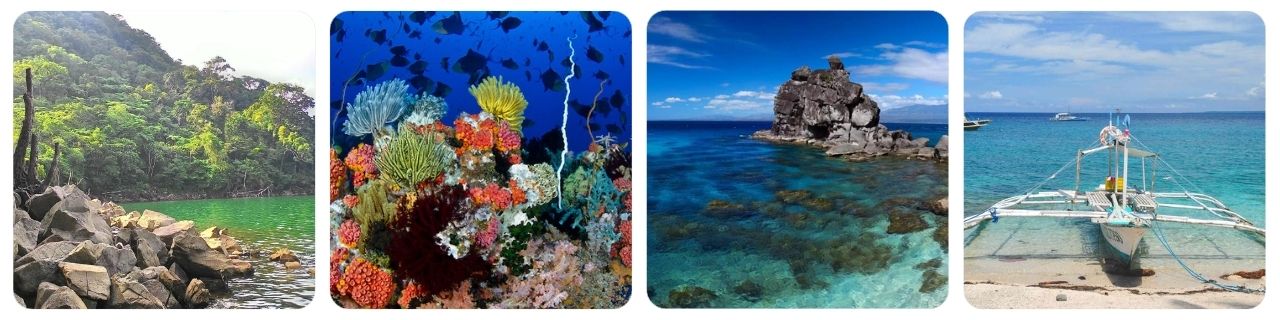
From Dumaguete, reaching tiny Apo Island is a straightforward combo of a short coastal drive and a scenic pump-boat crossing – here’s how to choose the right route, book tickets, and time your trip for calm seas and sea-turtle encounters.
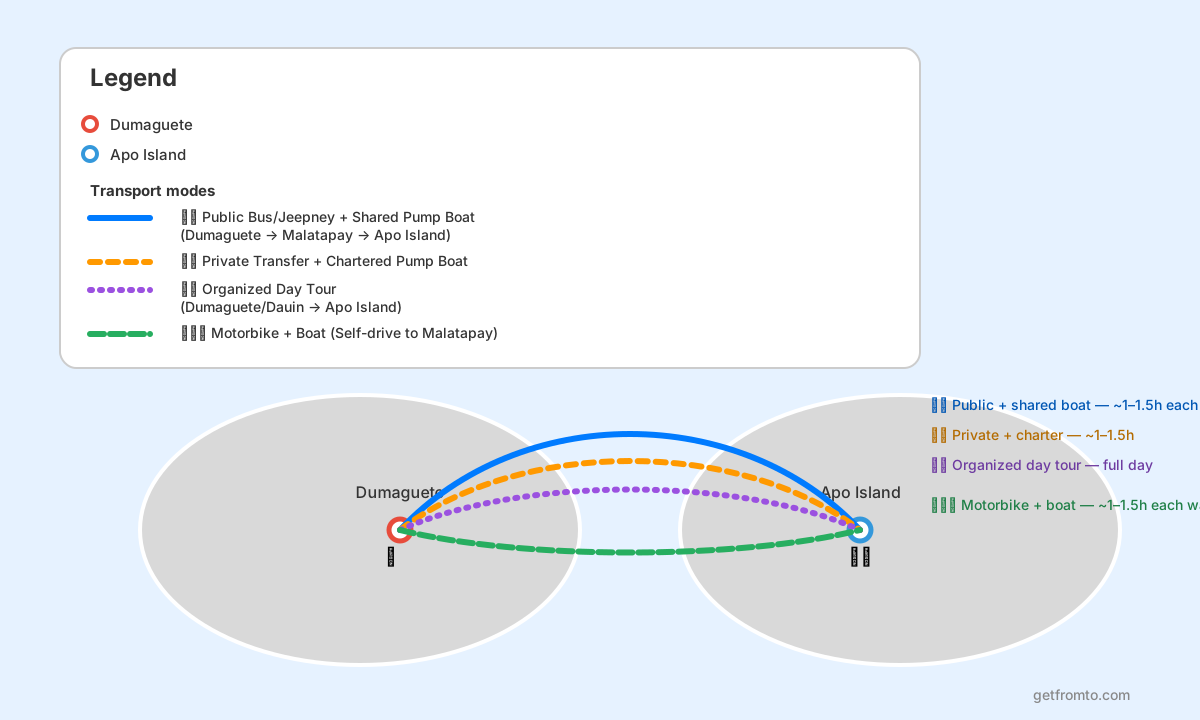
At A Glance (Dumaguete to Apo Island)
| Mode | Duration | Best For |
|---|---|---|
| 🚌⛵ Public Bus/Jeepney + Shared Pump Boat (Dumaguete → Malatapay → Apo Island) | ~1–1.5h each way (road + boat) | Budget travelers, DIY trips |
| 🏷️ Cost: Roughly ₱350–700 per person round-trip (public transport, shared boat, basic fees). If you still need to reach Dumaguete from Manila or Cebu, you can compare ferries and buses on 12Go Asia. | ||
| 🚖⛵ Private Transfer + Chartered Pump Boat | ~1–1.5h door-to-island (group) | Families, groups, flexible timing |
| 🏷️ Cost: Private boat charter typically around ₱3,000–6,000 per boat round-trip (4–9 passengers) plus land transfer. For longer overland legs elsewhere in the Philippines, you can pre-book cars and vans on GetTransfer.com or use local ride-hailing apps like Grab where available. | ||
| 🛥️ Organized Day Tour (Dumaguete/Dauin → Apo Island) | Full-day trip ~8–9h | First-timers, hassle-free snorkeling or diving |
| 🏷️ Cost: About ₱3,000–6,500 per person including hotel pickup, boat, island fees and gear. Compare offers such as Dumaguete–Apo snorkeling and hiking joiner trips on GetYourGuide or Apo Island join-in snorkeling tours on Klook. | ||
| 🏍️⛵ Motorbike + Boat (Self-drive to Malatapay) | ~1–1.5h per way door-to-island | Experienced riders, road-trip feel |
| 🏷️ Cost: Local motorbike rentals are usually a few hundred pesos per day; you can also compare scooters and motorbikes around the Philippines on BikesBooking, then share boat charter costs with friends. | ||
Which Option or Route Should You Choose?
- Fastest / Most Convenient: If you want everything bundled (transport, permits, snorkeling gear, lunch), pick Option #3 – Organized Day Tour from Dumaguete or Dauin. It removes language barriers and boat logistics, ideal for first-timers or short stays.
- Cheapest / Most Economical: Backpackers and budget travelers will prefer Option #1 – Public Bus/Jeepney + Shared Pump Boat, which uses local transport and the scheduled public boats from Malatapay.
- Best for Groups & Flexibility: Friends, families or divers with gear often choose Option #2 – Private Transfer + Chartered Pump Boat, letting you choose departure time and split the charter cost.
- Most Scenic / Adventure Feel: Confident riders who enjoy coastal roads can go for Option #4 – Motorbike + Boat, riding the coastal highway to Malatapay before hopping on a banca to Apo.
How to Book and Practical Tips
- Sort your Dumaguete base first: Stay a night in Dumaguete or Dauin before and after Apo, especially in case of sea-condition cancellations. You can compare city hotels and beach resorts around Dumaguete on Booking.com.
- Flying into Dumaguete (DGT): If you are coming from Manila, Cebu or abroad, check flight options to Dumaguete on Booking.com Flights or compare international fares into Dumaguete on Trip.com, then connect by tricycle or taxi to your hotel.
- Booking tours online: For hassle-free day trips, browse Apo Island snorkeling and turtle tours departing Dumaguete on GetYourGuide or join-in and private Apo Island tours on Klook. These usually include hotel pickup, boat, lunch, and marine sanctuary fees.
- Private transfers and airport pickups: To simplify arrivals in Manila, Cebu, or other Philippine gateways, you can pre-book airport taxis and private transfers via Welcome Pickups in Manila or through GetTransfer.com's Philippines listings. On the ground in Dumaguete itself, ride-hailing app Grab (where active) and local tricycles are the most convenient ways to reach terminals.
- Cash and fees: Apo Island is a protected marine sanctuary with environmental and snorkeling/diving fees, plus a small fee for guides. ATMs are in Dumaguete city; bring enough cash (in small bills) for boat, tricycle, island fees, and food as there are no ATMs on Apo.
- Luggage and storage: Traveling with big dive bags or backpacks? Consider leaving non-essential luggage at your Dumaguete hotel, or if you have a longer layover in Manila on the way to Negros, you can pre-book storage spots around major hubs such as Pasay via Radical Storage.
- Weather and sea conditions: Crossings depend on wind and waves. During the rainy season or when the Philippine Coast Guard issues advisories, boats may be delayed or canceled. Build a buffer day into your itinerary and avoid planning onward flights on the same afternoon.
- Respect the marine sanctuary: Apo Island is both a barangay and a protected landscape and seascape. Follow your guide's instructions, use reef-safe sunscreen, never touch turtles or corals, and pack out any trash you bring.
🚌⛵ Option #1 — Public Bus/Jeepney + Shared Pump Boat (Most Popular, Budget-Friendly)
Lowest cost Local experience Fixed schedule
- Overview: From Dumaguete city, you first travel about 24 km south to Malatapay Market in Zamboanguita by Ceres bus or jeepney (~30–45 minutes), then board a shared public pump boat to Apo Island (~40–60 minutes depending on sea conditions). This is the classic DIY route used by many locals and budget travelers.
- Typical timings: Public buses and jeepneys towards Bayawan, Siaton or Zamboanguita leave Dumaguete throughout the day; just ask to be dropped at Malatapay. Public boats between Malatapay and Apo normally run in the morning, with first departures around 7–8am and last trips back mid- to late afternoon (often around 3–4pm). Always confirm current schedules with the Bantay Dagat or coast guard at the pier.
- How to book (with price): No online booking is needed. Expect roughly ₱25–50 per person for the bus/jeepney one way, plus a few tens of pesos for a tricycle from your hotel to the terminal. Public boat seats are paid at the small pier or Bantay Dagat office; tourists should budget a few hundred pesos each way, plus separate island and sanctuary fees when registering on Apo. If there are enough of you, the boatmen may also offer a small-group charter boat instead of the regular public boat.
- Pros: Lowest total cost, very flexible, and you travel alongside locals. Easy to go at your own pace and stay overnight on the island if you arrange a return seat or boat ahead of time.
- Cons: Dependent on boat schedules and sea conditions; limited departures (especially outside peak days like market Wednesdays); requires some Tagalog or Bisaya basics and patience to coordinate buses, tricycles, and boats on your own.
Step-by-step: Public Bus/Jeepney + Shared Pump Boat
- From your hotel to the terminal: Take a tricycle or Grab from your Dumaguete accommodation to either the Ceres bus terminal (near the city's south highway) or the jeepney loading area across from Robinsons Place Mall. Tell the driver you're heading to Malatapay for Apo Island.
- Ride to Malatapay Market: Board any southbound Ceres bus (Bayawan, Siaton, etc.) or jeepney and ask the conductor to drop you at Malatapay Market. The ride takes about 30–45 minutes depending on stops; pay the fare in cash when the conductor comes around.
- Walk to Malatapay pier: From the highway, follow the main market road down towards the sea (5–10 minutes on foot). You'll pass stalls and small eateries before reaching the beach and small pier area where pump boats are moored.
- Register and secure a seat: Check in at the Bantay Dagat/Coast Guard kiosk, give your name and destination, then either join the passenger list for the next public boat or negotiate with boatmen for a small-group charter. Confirm your return time before you leave the shore, especially if you're doing a day trip.
- Boat crossing to Apo Island: Put valuables in a dry bag, wear the provided life jacket, and climb aboard when your boat is called. The crossing usually takes 40–60 minutes. In choppy seas, expect occasional spray and some bumpiness.
- Arrival and island registration: On Apo, follow the path to the registration/collector's house where you pay environmental and marine sanctuary fees, and can hire a snorkeling guide if needed. From here, you can walk to the turtle area, beaches, or your chosen accommodation.
Getting to the main embarking points (Malatapay)
- From central Dumaguete (boulevard area): Flag a tricycle anywhere in town and ask for the Ceres bus terminal or jeepney stand “to the south”. Trikes are usually shared; you can also negotiate a private ride for a slightly higher fare.
- From Dumaguete Airport (Sibulan): Take an airport tricycle into town and either drop bags at your hotel first or continue straight to the bus terminal. Allow extra time in case of traffic and to buy snacks and water before the bus ride.
- From Dauin beach resorts: Many Dauin dive resorts can arrange a tricycle or van directly to Malatapay. Because you're already south of Dumaguete, the ride is shorter and you may be able to catch earlier boats with less rushing.
- Locations/Trip Planner: 🔗 Google Map / 🔗 OpenStreetMap
🚖⛵ Option #2 — Private Transfer + Chartered Pump Boat (Flexible & Comfortable)
Group value Custom schedule Less waiting
- Overview: Instead of relying on the shared public boat, you and your group charter an entire pump boat from Malatapay to Apo and back, paired with a private land transfer (tricycle, van, or car) from Dumaguete or Dauin. This is ideal for 4–9 people with snorkeling or dive gear.
- Typical timings: With a private vehicle, the drive from Dumaguete or Dauin to Malatapay can take as little as 25–35 minutes, and the boat crossing itself 40–60 minutes. You can time your departure early to have more hours on Apo, then return mid-afternoon before seas get choppier.
- How to book (with price): Boat charters are usually arranged directly at Malatapay or in advance through Dumaguete or Dauin dive shops, travel agencies, or Apo Island accommodations. Small bangkas good for about four passengers often cost in the range of ₱3,000–3,500 round-trip, while larger boats for eight or nine people can run around ₱5,000–6,000 for the day. Your private van or car from Dumaguete can be arranged via your hotel, local travel agencies, or pre-booked airport/city transfers elsewhere in the country using services such as GetTransfer.com or Welcome Pickups (for Manila/Cebu legs), then connecting by local taxi or Grab in Dumaguete.
- Pros: Maximum control over departure and return times, no waiting for boats to fill, more space for gear, and easier to split costs among a group. Great if you want to stay for sunset or overnight and coordinate a specific pickup time.
- Cons: Higher upfront cost if you're only one or two people; still subject to sea-condition cancellations; you need to coordinate with boatmen and drivers in advance, especially in peak season and on Wednesdays when Malatapay market is busy.
Step-by-step: Private Transfer + Chartered Pump Boat
- Arrange your charter and vehicle: A day or two before, ask your Dumaguete or Dauin hotel, dive shop, or a local agency to reserve a pump boat and, if needed, a private van or car. Confirm passenger count, inclusions (life jackets, snorkel gear, lunch), and your desired departure and return times.
- Hotel pickup and drive to Malatapay: Your driver collects you at your accommodation, loads any dive or snorkel gear, and drives south along the coastal highway to Malatapay. The drive passes small towns and coconut groves along the shoreline.
- Meet your boat at the pier: At Malatapay, your driver drops you close to the beach; walk to the pier area and introduce yourself to the boat crew. Check sea conditions and reconfirm your planned return time and meeting point on Apo.
- Board and cross to Apo Island: After life jackets and basic safety briefing, board your chartered banca. Because the boat is dedicated to your group, you can often choose when to stop for photos or adjust departure by a few minutes to match the tide and swell.
- Register, enjoy the island, and return: On arrival at Apo, register and pay environmental and sanctuary fees, explore the turtle area, hike to viewpoints, or dive. Be back at the small dock or agreed beach on time for your return trip to Malatapay, then meet your driver for the ride back to your hotel.
Getting to the main embarking points (Malatapay, with private transfer)
- From Dumaguete city hotels: Ask reception for a private van or car quote to Malatapay (round-trip, with waiting time) and consider sharing with other guests. Some properties will group guests going to Apo Island on the same day.
- From Dauin dive resorts: Many dive resorts already operate their own boats to Apo; if they don't, they often have trusted boatmen and drivers they regularly work with. Booking through them can simplify timing with your dive schedule.
- From other Visayas hubs: If you're arriving the same morning from Cebu, Bohol, or Siquijor, consider staying overnight in Dumaguete and taking a private transfer to Malatapay the next day instead of rushing to make the last boat. You can coordinate ferries into Dumaguete on platforms like 12Go Asia and then arrange a private transfer locally.
- Locations/Trip Planner: 🔗 Google Map / 🔗 OpenStreetMap
🛥️ Option #3 — Organized Day Tour from Dumaguete/Dauin (Most Convenient)
All-in-one Hotel pickup Guided snorkeling
- Overview: Join a day tour where a local operator handles return transfers, boat, permits, guide, and often lunch. You'll be picked up from Dumaguete or Dauin early morning, cross to Apo for snorkeling or diving with turtles and reefs, then return by late afternoon.
- Typical timings: Many tours pick up between 6:30–8:00am, drive about 30–45 minutes to the pier (often Malatapay or a private resort jetty), then cross 30–60 minutes by boat. You usually get several hours of water time plus lunch before heading back, returning between 3:00–5:00pm.
- How to book (with price): Joiner snorkeling tours from Dumaguete commonly start around the equivalent of a few thousand pesos per person depending on inclusions; private tours cost more but offer flexibility. You can book options like Dumaguete–Apo Island snorkeling-and-hiking joiner tours on GetYourGuide or join-in and private snorkeling trips on Klook, or reserve directly through Dumaguete and Dauin dive shops.
- Pros: Simplest option for most visitors; clear inclusions, guided experience, and minimal admin. Great for non-divers and families who just want to see turtles and healthy coral without worrying about logistics.
- Cons: Less flexible schedule, larger groups on some tours, and slightly higher cost compared to DIY public transport. Some tours may cancel or be rescheduled at short notice in rough seas.
Step-by-step: Organized Day Tour
- Choose and book your tour: Decide if you want a snorkeling-focused outing, a dive trip, or a mixed hiking-and-snorkeling day. Compare reviews and inclusions on GetYourGuide and Klook, or contact your hotel/dive shop to see which operators they recommend.
- Confirm pickup details: Provide your hotel address and room number, and ask for the exact pickup time and vehicle description. Confirm whether gear, lunch, drinking water, and marine fees are included or extra.
- Morning pickup and transfer: Be ready in the lobby 10–15 minutes before pickup with swimwear, towel, reef-safe sunscreen, and cash for any extras. The minivan or jeepney will gather all guests and drive to the chosen jetty or to Malatapay.
- Boat departure and safety briefing: Meet your boat crew, put on life jackets, and listen to the short safety and turtle-encounter briefing. The crossing is usually straightforward but can be choppy on windy days.
- Guided snorkeling or diving: On Apo Island, your guides lead you to turtle-grass beds, shallow reefs, and wall sections suitable for your skill level. Many tours include multiple snorkel or dive sessions with breaks for snacks and lunch.
- Return to your hotel: In the afternoon, you sail back to the mainland and are driven directly to your hotel or a central drop-off point in Dumaguete.
Getting to the main embarking points (Tour meetup)
- From Dumaguete: Most operators offer door-to-door pickup from hotels and guesthouses. If yours doesn't, the meetup is often at a central dive shop or the city boulevard; tricycles can easily take you there.
- From Dauin: Dive resorts south of Dumaguete commonly run their own boats; your “embarking point” may simply be the resort beachfront. Ask if they can also accept non-guests on Apo day trips if you're staying elsewhere.
- From Siquijor or other islands: If you're on Siquijor, you'll typically need to ferry to Dumaguete first and join a day tour from there. Time your ferry carefully so you can make the tour pickup window.
- Locations/Trip Planner: 🔗 Google Map / 🔗 OpenStreetMap
🏍️⛵ Option #4 — Motorbike + Boat (For Confident Riders)
Adventure vibe Scenic coastal ride Most flexible
- Overview: Rent a motorbike in or near Dumaguete, ride the coastal highway south to Malatapay, park near the market or pier, and then continue by shared or chartered pump boat to Apo Island. This option gives you maximum independence and lets you explore other parts of Negros Oriental before or after your island trip.
- Typical timings: The ride from Dumaguete to Malatapay on a motorbike takes about 30–40 minutes at a relaxed pace, plus time to find parking and organize your boat. Crossing to Apo adds another 40–60 minutes each way.
- How to book (with price): Motorbike rentals are widely available in Philippine cities and tourist hubs, usually for the equivalent of a few hundred pesos per day depending on engine size and insurance. For inspiration and price comparisons across the country you can browse options on BikesBooking, then rent locally in Dumaguete or nearby. At Malatapay, you'll pay the same public boat or charter rates as in Options #1–2 and settle a small parking fee if applicable.
- Pros: Total freedom to leave early, stop at viewpoints or beaches along the way, and combine Apo Island with a wider Negros Oriental road trip. Easy to adjust timings based on weather and your energy levels.
- Cons: Best only for riders experienced with Philippine traffic and road conditions. You'll be exposed to sun and rain on the ride and must be very cautious in wet weather. Not ideal if you're uncomfortable riding with dive gear or large backpacks.
Step-by-step: Motorbike + Boat
- Rent your bike and gear up: Arrange a motorbike rental with helmet and basic insurance, check lights and brakes, and make sure you have a valid license. Pack a dry bag for valuables and a rain jacket in case of sudden showers.
- Ride to Malatapay: From central Dumaguete, follow the south highway towards Dauin and Zamboanguita, watching for signs or a turn-off to Malatapay Market. Expect a mix of tricycles, buses, and occasional trucks on the road.
- Park safely: Near the market or beach, choose a safe, visible parking spot; in some cases locals will offer guarded parking for a modest fee. Remove valuables from the bike and lock it securely.
- Arrange your boat: Head to the pier, register with the Bantay Dagat or coast guard, and either join a shared public boat or split a charter with other travelers. Follow the same procedures as described in Options #1–2.
- Return and ride back before dark: Plan to be back at Malatapay early enough to ride in daylight, as rural highways are darker and livelier with animals and pedestrians after sunset.
Getting to the main embarking points (Malatapay by motorbike)
- From Dumaguete: The straightforward route is south via the national highway. Keep your speed moderate, stay alert for tricycles stopping suddenly, and watch for the left turn towards Malatapay Market and Apo Island boats.
- From other Negros destinations: If you're coming from the south (e.g., Bayawan) or from Valencia via mountain roads, plan your route the day before and avoid unfamiliar roads after dark.
- Safety tips: Always wear a helmet, avoid riding in heavy rain or strong winds (especially if boat crossings might be canceled anyway), and do not drink and ride. Consider leaving dive cylinders and heavy gear with a dive shop that supplies them on Apo instead of carrying everything on the bike.
- Locations/Trip Planner: 🔗 Google Map / 🔗 OpenStreetMap
FAQ (Dumaguete to Apo Island)
Do I need to book the boat from Malatapay to Apo Island in advance?
Most independent travelers simply show up at Malatapay Market in the morning and secure a seat on the next available public boat or negotiate a charter on the spot. However, during peak seasons, holidays, or if you are a large group, it is wise to ask your Dumaguete or Dauin accommodation, a local travel agency, or an Apo Island resort to reserve a boat and confirm crossing times a day or two ahead.
What time do boats usually leave for Apo Island and return?
Schedules vary slightly by season and weather, but in general the first boats from Malatapay to Apo tend to depart around 7–8am, with additional crossings through late morning. Returns from Apo are usually grouped in the early to mid-afternoon, often with the last public boat leaving around 3–4pm. Private charters can sometimes leave earlier or later if sea conditions are safe; always verify on the ground.
Is Apo Island safe to visit in the rainy or habagat (southwest monsoon) season?
Many people visit year-round, but from roughly June to October seas can be rougher and trips are more likely to be canceled by the coast guard at short notice. If you're traveling in the wet season, keep your schedule flexible, monitor local weather forecasts, and avoid planning tight same-day connections with flights or onward ferries.
Are there ATMs, Wi‑Fi, or mobile data on Apo Island?
Apo Island is intentionally low-key. There are no ATMs, so bring sufficient cash from Dumaguete. Electricity is usually limited to certain evening hours depending on the generator, and Wi‑Fi (if available at all) is slow. Mobile data can be intermittent. Plan to be offline, and settle bills, tour balances, and ferry tickets on the mainland beforehand when possible.
Can non-swimmers or children still enjoy a trip to Apo Island?
Yes, but they should wear life jackets at all times on the boat and in the water, and ideally stay within shallow, calm areas with a guide. Many tours provide flotation devices and will adjust snorkeling spots based on ability. Families with young children often prefer organized day tours or private charters where the crew can give extra attention and avoid strong-current sites.




Related Tours/Services
Popular Routes
Recent Routes
- How to get from PortMiami Cruise Terminal to Miami International Airport
- How to get from Samarkand to Bukhara
- How to get from Bell Tower (Xi’an) to Xi’an North Railway Station
- How to get from Canal City Hakata to Hakata Station
- How to get from Rialto Bridge (Venice) to Venezia Santa Lucia Station
- How to get from Florence Cathedral (Duomo) to Firenze Santa Maria Novella Station
- How to get from Nice to Paris
- How to get from Ribeira District (Porto) to Porto Campanhã Station
- How to get from Anne Frank House to Amsterdam Sloterdijk Station
- How to get from Buckingham Palace to London Victoria Station
Top Travel Gears

DUDE Wipes Unscented Pocket Packs, Adult Flushable Travel Wipes, 48 Count

zelin Anti Theft Zipper Clips, Travel Essentials, Carabiner, 4Pcs Grey

INIU 10000mAh 45W Fast Charging Portable Charger, Smaller Travel Power Bank | Flight-Safe, Detachable USB C Cable, Travel Essential, External Battery Phone Pack for iPhone 18 17 Samsung iPad etc
travel inspira Luggage Scale Digital Suitcase Weight Scale for Travel
2026 Travel Essentials for Apple Watch Charger,Cruise Vacation Camping Essentials,iPhone Charger,Multi Charging Cable,3 in 2 Charging Docks for iWatch Series 12 11-2/Ultra,iPhone 18 17-12,Car