
How to get from Tokyo to Kanazawa
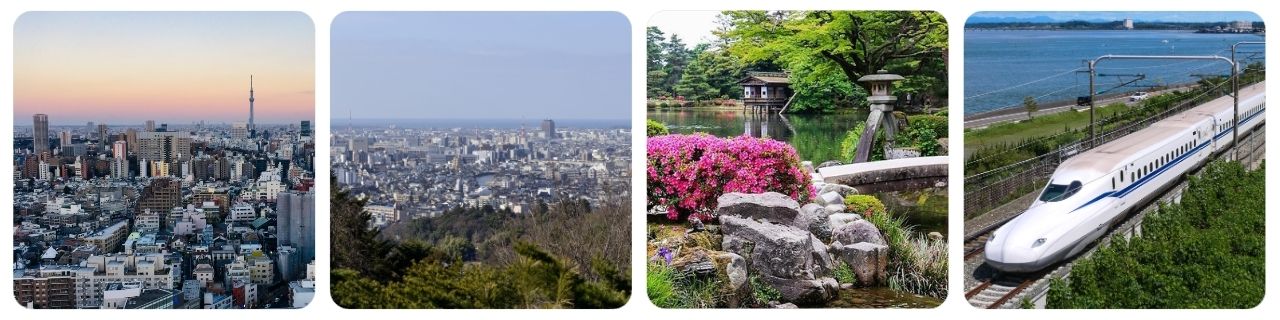
Tokyo to Kanazawa is one of Japan’s classic routes – here’s how to choose between bullet train, highway bus, flights via Komatsu, or a self-drive road trip.
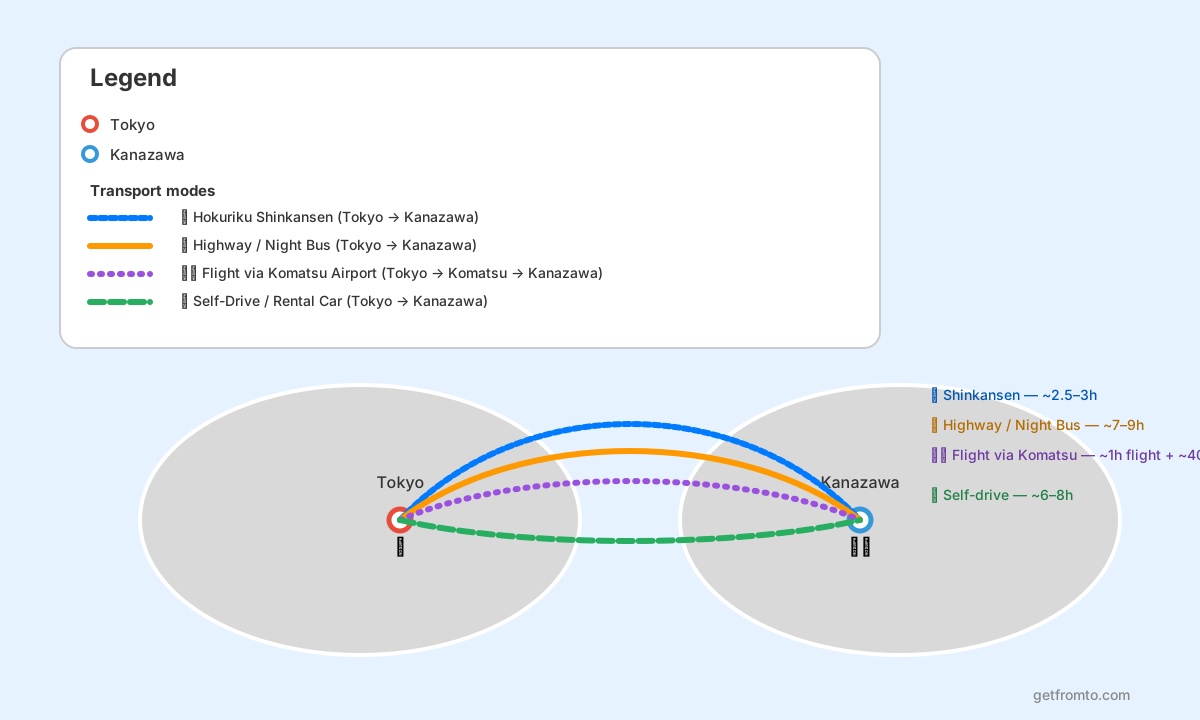
At A Glance (Tokyo to Kanazawa)
| Mode | Duration | Best For |
|---|---|---|
| 🚄 Hokuriku Shinkansen (Tokyo → Kanazawa) | ~2.5–3h from Tokyo Station | Fastest trip, first-time visitors, day trips |
| 🏷️ Cost: ~¥14,000–¥18,000 one-way in Ordinary reserved seat (more for Green/Gran Class) » check Hokuriku Shinkansen tickets | online JR tickets | ||
| 🚌 Highway / Night Bus (Tokyo → Kanazawa) | ~7–9h (often overnight) | Cheapest fares, saving a hotel night |
| 🏷️ Cost: ~¥5,000–¥9,000 one-way depending on season and seat type » compare highway buses | ||
| ✈️ Flight via Komatsu Airport (Tokyo → Komatsu → Kanazawa) | ~1h flight + ~40m airport bus + transfer time | Peak seasons, using airline miles, bad snow on rail/bus routes |
| 🏷️ Cost: ~¥10,000–¥30,000+ one-way including airport bus » search Tokyo–Komatsu flights | Komatsu Airport bus info | ||
| 🚗 Self-Drive / Rental Car (Tokyo → Kanazawa) | ~6–8h driving, route and stops dependent | Road-trip lovers, detours via the Alps or onsen towns |
| 🏷️ Cost: Expressway tolls roughly ~¥9,000–¥12,000 one-way + fuel and rental fees » compare rental cars | expressway toll overview | ||
Which Option or Route Should You Choose?
- Fastest & most convenient: For most travelers, Option #1 Hokuriku Shinkansen wins—direct from Tokyo Station to Kanazawa Station in around 2.5 hours with frequent departures.
- Cheapest overall: If you want to save money and do not mind sleeping on a bus, choose Option #2 Highway / Night Bus, which can be less than half the price of the Shinkansen and saves a night of accommodation.
- Best in peak seasons or bad weather: When tickets on popular trains are sold out, or when heavy snow disrupts expressways, Option #3 Flight via Komatsu can be a good backup, especially if you have airline miles or find a sale fare.
- Most scenic & flexible: If you want to explore places like Nagano, Matsumoto, the Japanese Alps or onsen towns at your own pace, consider Option #4 Self-Drive / Rental Car, but factor in tolls, winter road conditions, and Japanese driving rules.
How to Book and Practical Tips
- Booking trains: You can buy Hokuriku Shinkansen tickets at JR ticket counters and machines in Japan, or reserve in advance with online platforms like Klook’s Tokyo–Kanazawa Shinkansen tickets or Trip.com’s Japan train booking. JR passes like the Japan Rail Pass or Hokuriku Arch Pass are worth considering if you’re doing multiple long-distance journeys.
- Booking buses: For highway and night buses, check English-friendly aggregators such as highwaybus.com, Willer Express, or Japan Bus Online—these sites let you compare seat types, departure points and night vs day buses.
- Booking flights: To fly via Komatsu, search and compare Tokyo–Komatsu flights on Booking.com or your preferred airline’s website, then match your flight time with the Komatsu–Kanazawa airport limousine bus schedule.
- Accommodation & add-ons: Once you know your arrival time, you can line up hotels in Kanazawa and optional extras like walking tours or day trips so your time in the city is well-planned.
- Transfers & taxis: For private transfers between airports and central Tokyo, services such as Welcome Pickups or GetTransfer can be convenient alternatives to regular taxis; locally in Japan you can also use ride-hailing apps like Uber or GO, or simply flag a licensed taxi at stations.
- Luggage & light travel: If you want to explore Tokyo or Kanazawa bag-free before or after your train, consider station lockers or third-party storage such as luggage storage near Tokyo Station or other Radical Storage locations.
🚄 Option #1 — Hokuriku Shinkansen (Fastest & Most Convenient)
Very fast Frequent departures Seat reservations recommended
- Overview: Take the Hokuriku Shinkansen directly from Tokyo Station (or Ueno) to Kanazawa Station. The fastest Kagayaki services take about 2.5 hours; slightly slower Hakutaka trains take around 3 hours but make more stops.
- How to book (with price): Ordinary reserved seats usually run about ¥14,000–¥18,000 one-way depending on date and class; Green and Gran Class cost more. You can book in English online via Klook’s Tokyo–Kanazawa route page, via Trip.com’s Japan Rail tickets, or at JR ticket counters once in Japan. If you have a JR Pass or Hokuriku Arch Pass, this trip may be fully covered.
- Pros: Fastest and most comfortable; easy to understand even if it’s your first time in Japan; trains run frequently throughout the day; covered by some JR rail passes.
- Cons: More expensive than buses; tickets can sell out in peak seasons (Golden Week, Obon, New Year); you must keep an eye on large luggage rules in Shinkansen cars.
Step-by-step: Hokuriku Shinkansen
- Decide your travel date and rough time (morning/afternoon). Kagayaki trains are fastest but seat-reservation-only; Hakutaka allows non-reserved seats on some services.
- Compare train times and seat classes. You can use the JR West or JR East online timetables, or booking sites such as Klook’s Japan Rail hub and Trip.com to see available departures and prices.
- Purchase your ticket: choose Ordinary, Green or Gran Class and whether you want reserved or non-reserved seating. If using a JR pass, reserve a seat at a JR ticket office or machine before boarding.
- On the day, travel to Tokyo Station (Marunouchi or Yaesu side) by JR local train or metro. Follow signs for the Shinkansen (新幹線) gates and specifically Hokuriku Shinkansen.
- Check your car and seat number, pass through the Shinkansen gate with your ticket or QR code, and wait on the correct platform. Trains stop precisely where the car numbers are marked on the floor.
- During the ride, enjoy reserved luggage racks and overhead space; an onboard trolley often sells drinks and snacks. On arrival at Kanazawa Station, follow signs to the East (Kenrokuen-guchi) or West (Kanazawa-guchi) exits, tourist information center, or your connecting bus or taxi.
Getting to the main embarking points (Tokyo Station)
- From central Tokyo: Most JR Yamanote Line and Chuo Line trains stop at Tokyo Station, making it easy to reach from Shinjuku, Shibuya, Ueno and Shinagawa. Tap in with an IC card (Suica, Pasmo, etc.) or a paper ticket.
- From Haneda Airport: Take the Tokyo Monorail to Hamamatsucho, then transfer to the JR Yamanote Line for Tokyo Station, or use a limousine bus or taxi. If you prefer a pre-booked car, look at private transfers into Tokyo, or use ride-hailing apps like Uber or GO taxi.
- From Narita Airport: Use the Narita Express or other JR/Keisei services into central Tokyo, then transfer to JR lines for Tokyo Station. If you have a lot of luggage, airport buses or a private transfer via GetTransfer can be more comfortable.
- Luggage at Tokyo Station: If you arrive early, coin lockers and services like luggage storage around Tokyo Station let you wander bag-free before your train.
- Arriving at Kanazawa Station: The station has an excellent tourist information center, bus terminal and taxi stands. Check the official Visit Kanazawa “Getting to Kanazawa” guide for diagrams and onward transport details.
- Locations/Trip Planner: 🔗 Google Map / 🔗 OpenStreetMap
🚌 Option #2 — Highway / Night Bus (Most Economical)
Low cost Overnight travel Longer journey
- Overview: Several highway buses connect Tokyo (typically Shinjuku Expressway Bus Terminal and Tokyo Station) with Kanazawa, often as overnight services. Travel time is around 7–9 hours depending on the route and rest stops.
- How to book (with price): Fares usually range from about ¥5,000–¥9,000 one-way depending on season, seat type and how early you book. You can compare operators and seat layouts on sites like Kosokubus, highwaybus.com, Willer Express and Japan Bus Online, and then pay by credit card.
- Pros: Cheapest long-distance option; some buses have personal curtains, power outlets and Wi‑Fi; overnight departures save a hotel night so you arrive in Kanazawa early.
- Cons: Much slower than the Shinkansen; sleep quality depends on the seat and how well you rest on buses; limited legroom unless you book premium seats; winter weather can affect expressways.
Step-by-step: Highway / Night Bus
- Pick whether you want a daytime or overnight bus. Overnight is popular because it arrives in Kanazawa in the morning and saves a night’s accommodation.
- Search for routes from “Tokyo” or “Shinjuku” to “Kanazawa” on highway bus aggregators. Take note of departure point (for example, Shinjuku Expressway Bus Terminal or Tokyo Station Yaesu), seat type (standard, 3-row, ladies-only, etc.) and facilities.
- Reserve online with your preferred operator or an English booking site. You will receive an e-ticket or reservation number; some companies require you to print a voucher, while others accept mobile screens.
- On the day, arrive at the bus terminal at least 20–30 minutes early to find your gate. Many terminals have convenience stores and restrooms where you can stock up on snacks and drinks.
- Board when your bus is called, show your ticket or reservation, then find your assigned seat. Keep valuables close and consider an eye mask and neck pillow for comfort.
- On arrival at Kanazawa Station West Exit, follow signs to the main station concourse, lockers and tourist information, or hop on a city bus or taxi to your accommodation.
Getting to the main embarking points (Shinjuku Expressway Bus Terminal and Tokyo Station)
- Shinjuku Expressway Bus Terminal (Busta Shinjuku): Located directly above JR Shinjuku Station’s South Exit. Reach it by JR lines, private railways or subways that terminate at Shinjuku. Follow signs for “Expressway Bus” or “バスタ新宿”.
- Tokyo Station bus stops: Long-distance buses typically depart from around the Yaesu side of Tokyo Station. Follow signs inside the station for highway buses or ask at the information counter if you are unsure.
- Using local transport: Suica, Pasmo and other IC cards work on most JR, metro and city bus lines in Tokyo, making it easy to connect from your hotel to the bus terminal.
- Taxi and ride-hailing: If you have heavy luggage or a late-night departure, a taxi or ride-hailing app like Uber or GO can be a stress-free way to reach the terminal on time.
- Locations/Trip Planner: 🔗 Google Map / 🔗 OpenStreetMap
✈️ Option #3 — Flight via Komatsu Airport (Flexible & Weather-Resilient)
Good in peak seasons Can use air miles Includes airport transfers
- Overview: Fly from Tokyo Haneda (HND) or sometimes Narita (NRT) to Komatsu Airport (KMQ), then take the airport limousine bus to Kanazawa Station. The flight is around 1 hour, and the bus ride about 40 minutes.
- How to book (with price): One-way fares typically range from ¥10,000–¥30,000+ depending on season, airline and how far ahead you book. Compare options using Booking.com’s Tokyo–Komatsu flight search or your airline’s site, then match your arrival time to the Komatsu–Kanazawa airport bus timetable.
- Pros: Handy if you are already near Haneda or Narita, or combining with another flight; less affected by snow on rail or road routes; good if you find a cheap fare or want to use frequent flier miles.
- Cons: Airport transfers add time; luggage rules and airport procedures can make it less convenient than the direct Shinkansen; bad weather can still cause delays or cancellations.
Step-by-step: Flight via Komatsu
- Choose whether you will depart from Haneda or Narita based on your accommodation and connecting flights. Haneda is closer to central Tokyo and usually has more frequent Tokyo–Komatsu flights.
- Search for flights on Booking.com Flights or directly with airlines such as ANA and JAL. Aim for flight times that give you at least 30–45 minutes buffer before the next airport bus to Kanazawa.
- Book your ticket and note the terminal and check-in time. For domestic flights in Japan, arriving 1–1.5 hours before departure is usually sufficient, but check your airline’s guidance.
- Fly to Komatsu Airport. After landing, follow signs for the airport limousine bus to Kanazawa Station and buy a bus ticket from the counter or machine in the arrivals hall.
- Board the bus and stow larger luggage in the hold if required. The ride to Kanazawa Station takes around 40 minutes and drops you close to the main station entrances.
- At Kanazawa Station, connect to city buses, taxis, or walk to nearby hotels. You can also join pre-booked city tours meeting at or near the station—check options on GetYourGuide experiences from Kanazawa Station.
Getting to the main embarking points (Haneda and Narita Airports)
- To Haneda Airport: From central Tokyo, use the Tokyo Monorail from Hamamatsucho or the Keikyu Line, or limousine buses from major hotel districts like Shinjuku and Shibuya. A pre-booked car via Welcome Pickups or GetTransfer in Japan can be helpful if you have large luggage or travel in a group; ride-hailing apps like Uber are also available around the airports.
- To Narita Airport: Narita Express (N'EX), Keisei Skyliner and airport buses connect Shinjuku, Tokyo Station, Ueno and other hubs to Narita. Pick the option that matches your budget and time.
- From Komatsu Airport to Kanazawa: Follow the clear “Bus” signs after arrivals to find the Komatsu–Kanazawa airport limousine bus stop. Timetables and fares are posted in English at the stop and on the Hokutetsu Komatsu Airport Line page.
- Locations/Trip Planner: 🔗 Google Map / 🔗 OpenStreetMap
🚗 Option #4 — Self-Drive / Rental Car (Scenic & Flexible)
Max flexibility Great for side trips Tolls and parking
- Overview: Driving from Tokyo to Kanazawa lets you detour via Nagano, the Japanese Alps, onsen towns or scenic coastal routes. Distance is roughly 400–450 km depending on the expressways you choose, with typical drive times of around 6–8 hours.
- How to book (with price): Small rental cars often start around ¥8,000–¥12,000 per day, plus ~¥9,000–¥12,000 in expressway tolls one-way and fuel. Compare options for pick-up in Tokyo and drop-off in Kanazawa or back in Tokyo using Booking.com’s car rental search or Trip.com (look for Japan car rentals). Request an ETC card for automatic toll payments if available.
- Pros: Total freedom to stop at service areas, viewpoints and towns like Nagano or Toyama; ideal for families or groups with lots of luggage; no need to worry about train reservations.
- Cons: Tolls and fuel add up quickly compared with bus or train; winter driving can be challenging with snow and ice; parking in big cities can be expensive; international visitors need an International Driving Permit plus their home license.
Step-by-step: Self-Drive / Rental Car
- Confirm that you are legally allowed to drive in Japan by obtaining an International Driving Permit (IDP) based on the Geneva Convention if your country requires it, and bring your home license.
- Use booking platforms such as car rentals in Tokyo or Trip.com to reserve a vehicle. Decide whether to pick up in central Tokyo or at an airport, and whether you will return the car in Kanazawa or back in Tokyo.
- At pick-up, ask staff to enable the in-car navigation system in English and provide an ETC card for tolls. Save key places like your Kanazawa hotel and Kanazawa Station in the GPS.
- Plan your route using Google Maps or Japanese expressway planners. Expressways such as the Kan-Etsu, Joshin-Etsu and Hokuriku Expressways are common choices; check for live traffic and any winter closures.
- Drive at your own pace, stopping at service areas for rest, food and fuel. In winter, confirm that your car has snow tires or chains if you plan to cross mountain passes.
- Arriving in Kanazawa, park at your hotel or in public car parks near the station or Kenrokuen Garden. Once in the city center, you might switch to walking, buses, or even a rented bicycle—platforms like BikesBooking can give you an idea of typical bike rental services you will also find in many Japanese cities.
Getting to the main embarking points (rental car branches in Tokyo)
- Central Tokyo rental locations: Major rental companies cluster around hubs like Shinjuku, Shibuya and Tokyo Station. Book a branch close to your hotel to avoid long transfers with luggage.
- Airport pick-up: Picking up your car at Haneda or Narita can be convenient if you plan to drive straight out of the city. Follow rental car signs from arrivals to your company’s counter or shuttle bus.
- Navigation tips: Japanese addresses can be tricky, so using phone numbers or map codes in car navigation is common. Save all key stops in advance and keep a backup navigation app on your phone.
- Safety and rules: Japan drives on the left. Always obey speed limits, pay attention to narrow local streets and pedestrians, and avoid driving when you are jet-lagged or very tired.
- Locations/Trip Planner: 🔗 Google Map / 🔗 OpenStreetMap
FAQ (Tokyo to Kanazawa)
How long does it take to travel from Tokyo to Kanazawa?
For most travelers the Hokuriku Shinkansen is the fastest, taking about 2.5–3 hours from Tokyo Station to Kanazawa Station. Highway buses take around 7–9 hours, usually overnight, while driving typically takes 6–8 hours depending on route and traffic. Flying via Komatsu involves about 1 hour in the air plus transfers.
Do I need to reserve a seat on the Hokuriku Shinkansen?
Seat reservations are strongly recommended, especially on Kagayaki services, during weekends and Japanese holidays. Hakutaka trains often have non-reserved cars, but these can fill up at peak times. If you are using a JR Pass or Hokuriku Arch Pass, you can still make free seat reservations at JR ticket offices or machines.
Is the Japan Rail Pass or Hokuriku Arch Pass worth it for this trip?
If Tokyo–Kanazawa is your only long-distance Shinkansen ride, buying regular tickets may be cheaper. The nationwide Japan Rail Pass and regional passes like the Hokuriku Arch Pass are better value if you plan multiple Shinkansen trips or a loop including Tokyo, Kansai and the Hokuriku region. Always compare the pass price against the total of your planned train fares.
What is the cheapest way to get from Tokyo to Kanazawa?
Overnight highway buses are usually the cheapest, with fares often between ¥5,000 and ¥9,000 depending on season and comfort level, and the bonus of saving a hotel night. Shinkansen tickets cost more but save a lot of time and are more comfortable.
Is winter travel on this route safe?
Hokuriku region winters can bring heavy snow, especially around January and February. Trains are generally the most reliable in snowy conditions; buses and cars may be slowed by expressway restrictions or closures. If you plan to drive, make sure your rental car has snow tires and check weather and road conditions before setting off.
What should I do with luggage if I want to explore before or after my trip?
Both Tokyo and Kanazawa Stations have coin lockers and manned storage counters. For more flexibility, you can also pre-book third-party storage services such as Radical Storage, which partners with local shops and hotels, or use luggage delivery services (takuhaibin) between hotels.

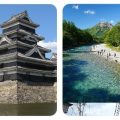
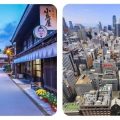
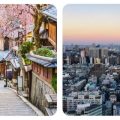
Related Tours/Services
Popular Routes
Recent Routes
- How to get from PortMiami Cruise Terminal to Miami International Airport
- How to get from Samarkand to Bukhara
- How to get from Bell Tower (Xi’an) to Xi’an North Railway Station
- How to get from Canal City Hakata to Hakata Station
- How to get from Rialto Bridge (Venice) to Venezia Santa Lucia Station
- How to get from Florence Cathedral (Duomo) to Firenze Santa Maria Novella Station
- How to get from Nice to Paris
- How to get from Ribeira District (Porto) to Porto Campanhã Station
- How to get from Anne Frank House to Amsterdam Sloterdijk Station
- How to get from Buckingham Palace to London Victoria Station
Top Travel Gears

DUDE Wipes Unscented Pocket Packs, Adult Flushable Travel Wipes, 48 Count

zelin Anti Theft Zipper Clips, Travel Essentials, Carabiner, 4Pcs Grey

INIU 10000mAh 45W Fast Charging Portable Charger, Smaller Travel Power Bank | Flight-Safe, Detachable USB C Cable, Travel Essential, External Battery Phone Pack for iPhone 18 17 Samsung iPad etc
travel inspira Luggage Scale Digital Suitcase Weight Scale for Travel
2026 Travel Essentials for Apple Watch Charger,Cruise Vacation Camping Essentials,iPhone Charger,Multi Charging Cable,3 in 2 Charging Docks for iWatch Series 12 11-2/Ultra,iPhone 18 17-12,Car