
How to get from Busan to Gyeongju

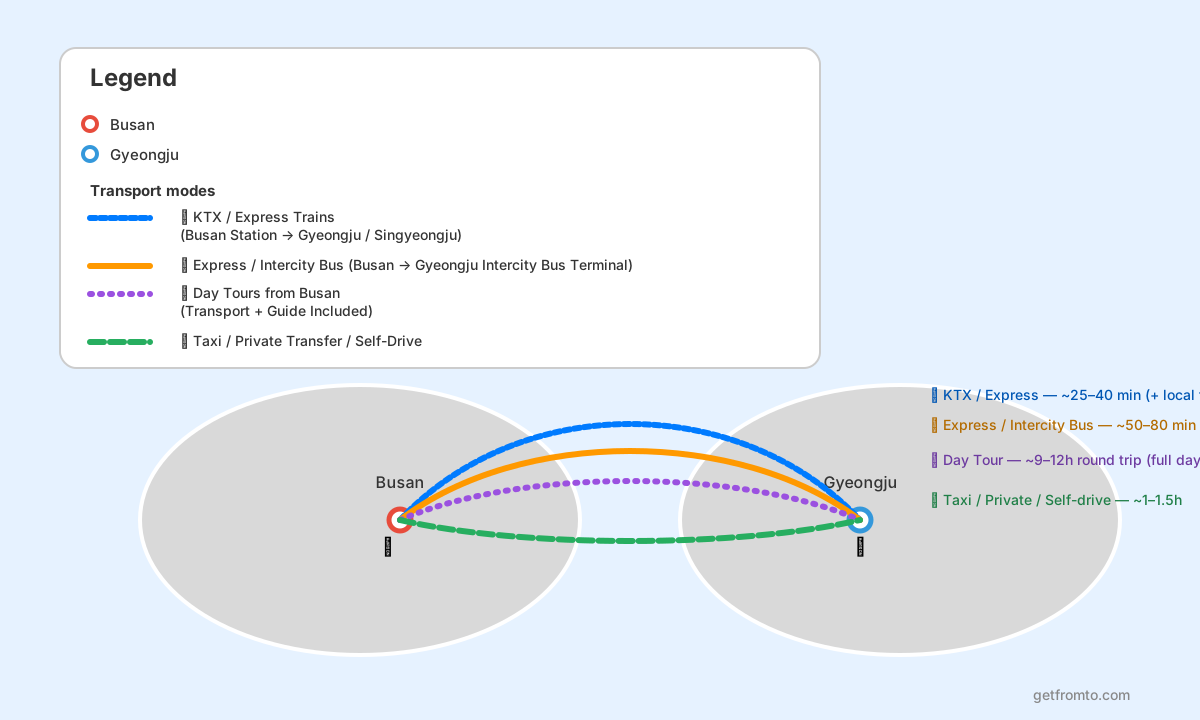
Getting from Busan to Gyeongju is one of the easiest side trips in Korea: a quick hop of about 1–2 hours by train or bus puts you in the heart of the ancient Silla capital.
At A Glance (Busan to Gyeongju)
| Mode | Duration | Best For |
|---|---|---|
| 🚄 KTX / Express Trains (Busan Station → Gyeongju / Singyeongju) | ~25–40 minutes on the train (+ local transfer) | Fastest trip, most travelers |
| 🏷️ Cost: ~₩8,500–15,000 one-way depending on train and class. You can compare KTX times and prices on Trip.com KTX Busan–Gyeongju or browse multi-mode options via 12Go Asia. | ||
| 🚌 Express / Intercity Bus (Busan → Gyeongju Intercity Bus Terminal) | ~50–80 minutes, traffic-dependent | Budget travel, direct drop near city center |
| 🏷️ Cost: ~₩7,500–12,000 one-way depending on terminal and bus grade. For easy booking in English, check intercity bus products like Klook’s Korea bus tickets. | ||
| 🚐 Day Tours from Busan (Transport + Guide Included) | ~9–12 hours round trip (full day) | First-time visitors, history lovers, no-hassle day trip |
| 🏷️ Cost: ~₩70,000–130,000+ per person including transport and guiding. Compare itineraries on Klook Gyeongju day tours or GetYourGuide UNESCO tours. | ||
| 🚖 Taxi / Private Transfer / Self-Drive | ~1–1.5 hours door-to-door | Families, groups, late-night or hotel-to-hotel travel |
| 🏷️ Cost: Metered taxi or private transfer typically from ~₩200,000+ per car depending on provider. Check private transfer quotes on GetTransfer or compare taxi-based options on 12Go taxi listings. Self-drive rental cars from Busan start from ~₩60,000–90,000 per day on Booking.com car rentals. | ||
Which Option or Route Should You Choose?
- Fastest and most convenient for most travelers: Take the KTX or express train from Busan Station. In under 40 minutes you are at Gyeongju or Singyeongju, with frequent departures all day.
- Cheapest and still very comfortable: Choose the express or intercity bus from Busan Central (Nopo), Seobu/Sasang, or Haeundae terminals. Buses are slightly slower than KTX but usually a bit cheaper and drop you close to downtown Gyeongju.
- Most hassle-free sightseeing day: If you just want to see the highlights without worrying about transport, book a guided day tour from Busan that includes round-trip transport, main UNESCO sites, and an English-speaking guide.
- Most flexible schedule: Travelers with lots of luggage, kids, or irregular timings often prefer private transfers or self-drive, leaving whenever they like and stopping at viewpoints or service areas along the way.
How to Book and Practical Tips
- Buy train tickets in advance at busy times. For weekends, holidays and cherry blossom season in Gyeongju, reserve KTX tickets ahead using the official Korail website for foreigners, or user-friendly platforms like Trip.com train bookings or 12Go Asia.
- Express and intercity buses are easy and frequent. You can buy tickets at Busan bus terminals on the day or, if you prefer to book in English, use services like Klook’s Korea bus ticket page, which specifically mentions Busan–Gyeongju routes.
- Use transport cards in both cities. In Busan and Gyeongju, rechargeable cards like T-money or Cashbee work on most city buses and subways, making transfers to and from stations or terminals smoother.
- Plan where you’ll stay. Consider sleeping in Gyeongju at least one night to enjoy the historic area after day-trippers leave. Compare hanok stays, guesthouses and hotels on Booking.com Gyeongju or split nights between Busan and Gyeongju.
- Arriving to Busan first? If you fly into Gimhae International Airport, you can take the light rail and metro into the city, or book a private airport transfer with Welcome Pickups in Korean gateway cities and use local ride-hailing apps like Kakao T or Uber (taxi) for short hops.
- Store big luggage in Busan. If you only need a small bag in Gyeongju, consider storing large suitcases in Busan using station lockers or services like Radical Storage in Busan while you explore the ancient capital lightly laden.
- Think about bikes and scooters. Gyeongju is relatively flat and great for cycling. You can look for rental bikes or scooters via local shops, or compare options in Korea on BikesBooking if you prefer to reserve in advance.
🚌 Option #1 — Direct Bus (Most Popular, Good Value)
Low cost Central drop-off Schedule-dependent
- Overview: Express and intercity buses run frequently between Busan and Gyeongju, mainly from Busan Central Bus Terminal (Nopo), Seobu/Sasang Bus Terminal and Haeundae Intercity Bus Terminal. Most services arrive at Gyeongju Intercity Bus Terminal, which is a short taxi or local bus ride from major sights like Daereungwon and Cheomseongdae.
- Typical duration: Around 50–80 minutes depending on departure terminal, bus type (standard vs premium) and traffic.
- How to book (with price): Standard one-way fares are usually in the ₩7,500–12,000 range. You can buy tickets in person on the day at the station ticket counters or reserve online through the Korean-language systems (KOBUS / Bustago). For English-friendly booking, use Klook’s Korea bus booking page, which includes Busan–Gyeongju services, or check overall route options on 12Go Asia.
- Pros: Cheap, frequent, no need to navigate train timetables; drops you close to Gyeongju’s downtown; luggage goes under the bus.
- Cons: Slightly slower and more traffic-dependent than KTX; most information at terminals is in Korean, though staff are used to helping visitors.
- Official info: For general express and intercity bus information, see the VisitKorea express and intercity bus guide. Gyeongju’s official tourism site also lists bus terminal information on its Gyeongju city bus terminals page.
Step-by-step: Busan to Gyeongju by Express / Intercity Bus
- Choose your Busan terminal: Most travelers use Busan Central Bus Terminal at Nopo (connected to Nopo Station on Metro Line 1). Seobu/Sasang Terminal and Haeundae Intercity Bus Terminal also have Gyeongju-bound buses but with slightly different timings.
- Buy or reserve your ticket: At the terminal, go to the ticket counter and say “Gyeongju” and your desired time. If you prefer to book ahead in English, use Klook’s intercity bus tickets and show your voucher at the counter for seat assignment.
- Arrive early and find your gate: Be at the terminal at least 15–20 minutes before departure. Check the electronic boards (look for “경주” for Gyeongju) and confirm the gate number on your ticket.
- Board and stow luggage: Place large bags in the under-floor compartment and keep valuables and essentials in a small daypack with you.
- Ride to Gyeongju: Settle in and enjoy the countryside views. Buses typically run non-stop or with very few stops en route.
- Arrive at Gyeongju Intercity Bus Terminal: From here, you can walk, take a short taxi ride, or hop on a local bus to your hotel or major sights. Tourist information is often available near the terminal.
Getting to the main embarking points (Busan Bus Terminals)
- Busan Central Bus Terminal (Nopo): Located next to Nopo Station (Line 1). Simply ride the metro to Nopo and follow signs for the bus terminal.
- Seobu/Sasang Bus Terminal: Connected to Sasang Station (Line 2). This terminal is handy if you are staying near western Busan or Gimhae Airport.
- Haeundae Intercity Bus Terminal: Best if you are staying in Haeundae area; reach it by local bus or short taxi ride from Haeundae Station.
- Local transport and ride-hailing: Use the Busan metro and city buses when possible; for door-to-terminal convenience, taxis and ride-hailing apps like Kakao T or Uber (taxi) are widely used.
- Locations/Trip Planner: 🔗 Google Map / 🔗 OpenStreetMap
🚄 Option #2 — KTX & Express Trains (Fastest and Most Efficient)
Very fast Frequent departures Needs local transfer
- Overview: High-speed and express trains connect Busan Station with Gyeongju Station and Singyeongju Station, taking around 25–40 minutes. This is the quickest way to travel between the two cities, with clean, comfortable trains and clear English announcements.
- Stations you’ll use: Most visitors board at Busan Station (downtown, on Metro Line 1). In Gyeongju, some trains stop at the old Gyeongju Station (closer to downtown), while faster KTX services serve Singyeongju Station, which is a short bus or taxi ride from the city center.
- Travel time and frequency: Trains run roughly every 30–60 minutes throughout the day, with journey times typically between 25 and 40 minutes.
- How to book (with price): Expect fares between ₩8,500–15,000 one-way depending on train type and seat class. Reserve directly via Korail’s global site, or use simple English interfaces like Trip.com Busan–Gyeongju KTX or multi-operator search on 12Go Asia.
- Pros: Fastest option; comfortable seats; easy for non-Korean speakers; trains run in all weather where buses might be delayed by traffic.
- Cons: You may need a short transfer from Singyeongju into downtown Gyeongju; slightly higher cost than the cheapest buses; popular departures can sell out in peak seasons.
Step-by-step: Busan to Gyeongju by Train
- Get to Busan Station: Take Metro Line 1 to Busan Station or a taxi/ride-hail if you’re staying further away. Allow extra time if traveling during rush hour.
- Buy or collect your ticket: Use station ticket machines, the Korail ticket office, or collect pre-booked tickets purchased via Trip.com or 12Go Asia. Check your departure time, car number and seat number.
- Board the correct train: Follow platform signs and electronic boards. Double-check the train number and destination (“Gyeongju” or “Singyeongju”). Arrive at the platform a few minutes before departure.
- Ride and enjoy the views: Store larger luggage in overhead racks or at carriage ends. Listen for audio announcements (usually in Korean and English) so you don’t miss your stop.
- Arrive at Gyeongju or Singyeongju: At Gyeongju Station you can walk or take a short taxi ride to many hotels and historic sites. From Singyeongju, transfer by local bus or taxi (there are clear signs and frequent services).
- Continue to your accommodation: Many hotels and guesthouses in Gyeongju are within a 5–15 minute taxi ride. Use Kakao T or local taxis waiting outside the station.
Getting to the main embarking points (Busan & Gyeongju Stations)
- Busan Station: Located on Metro Line 1 and served by many city buses. It’s a major hub with restaurants, cafes and luggage storage; see also the train-focused overview on VisitKorea’s train guide.
- Gyeongju Station: Close to central Gyeongju; you can often walk or take a short taxi ride to downtown guesthouses and the historic area.
- Singyeongju Station: Located outside the city center but connected by local buses and taxis. Look for buses heading toward Gyeongju downtown or take a taxi if you have luggage.
- Locations/Trip Planner: 🔗 Google Map / 🔗 OpenStreetMap
🚐 Option #3 — Guided Day Tours from Busan (Transport + Sightseeing)
No planning Guide included Less free time
- Overview: Many operators run full-day tours from Busan to Gyeongju, including return transport in a coach or minibus, a professional guide, and visits to top UNESCO sites such as Bulguksa Temple, Seokguram Grotto, Daereungwon, Cheomseongdae and more.
- Typical day: Expect an early morning pickup in Busan, 1–1.5 hours of driving each way, several key stops around Gyeongju, and return to Busan in the evening.
- How to book (with price): Prices usually start around ₩70,000–130,000+ per person depending on inclusions. Compare itineraries, reviews and languages on Klook’s Gyeongju UNESCO day tour, Klook Gyeongju full-day tour or tours like GetYourGuide’s UNESCO World Heritage guided day trip.
- Pros: Stress-free; great if you want commentary and context; efficient way to see many highlights in one day without changing hotels.
- Cons: Fixed schedule with limited free time; less flexibility for slow walkers or photographers; can feel busy at peak seasons.
Step-by-step: Joining a Gyeongju Day Tour from Busan
- Pick your tour style: Decide between small-group tours, larger coach tours, or themed itineraries (e.g., night view tours, Seokguram-focused tours). Read recent reviews and check what is included.
- Book online: Reserve your chosen date and confirm pickup location on Klook’s Gyeongju experiences or GetYourGuide’s Gyeongju tours. Many tours offer free cancellation up to a certain date.
- Confirm pickup time and point: Common pickup spots include Busan Station, Seomyeon, Haeundae or major hotels. Check your voucher so you know exactly where to wait.
- Prepare for the day: Wear comfortable walking shoes, bring water, and dress in layers. Pack a light rain jacket and sun protection depending on the season.
- Enjoy Gyeongju with your guide: Follow the itinerary, ask questions, and use the drive time to learn about Silla history before arriving at each stop.
Getting to the main embarking points (Busan Tour Meeting Spots)
- Common meeting points: Many tours depart from near Busan Station, Seomyeon, or Haeundae. All of these are easy to reach by metro or taxi.
- From your hotel: Check whether your tour includes hotel pickup. If not, ask reception to help you plan the quickest route to the meeting point by metro or bus.
- Using ride-hailing: Kakao T and taxi-hailing via Uber are convenient for early-morning starts when metros may be quiet or crowded.
- Locations/Trip Planner: 🔗 Google Map / 🔗 OpenStreetMap
🚖 Option #4 — Taxi, Private Transfer or Self-Drive
Door-to-door Flexible timing Highest cost
- Overview: A direct taxi or private transfer between Busan and Gyeongju takes around 1–1.5 hours depending on traffic. This is ideal for groups, travelers with heavy luggage, or anyone traveling early or late when public transport is less frequent.
- Taxi vs private transfer: Taxis can be hailed or booked via Kakao T or Uber and paid by meter or negotiated flat fare. Private transfers, pre-booked online, usually offer fixed pricing, English support and meet-and-greet at your hotel or the airport.
- How to book (with price): Expect prices typically starting from around ₩200,000–300,000+ per vehicle, depending on size and provider. Check quotes on GetTransfer or compare taxi-based options and estimated travel times on 12Go’s Busan–Gyeongju taxi page. If you prefer to drive yourself, compare rental cars in Busan on Booking.com car rentals.
- Pros: Hotel-to-hotel convenience; no transfers or ticket machines; easy with kids or large luggage; you can stop at service areas or viewpoints along the way.
- Cons: Significantly more expensive than bus or train; traffic can cause delays; drivers may not speak much English (translation apps help).
Step-by-step: Using a Taxi, Private Transfer or Rental Car
- Decide on taxi vs transfer vs rental car: For one-way travel with luggage, a taxi or private transfer is easiest. For a wider road trip around the region, renting a car in Busan may be more cost-effective.
- Get quotes and book: Use GetTransfer or local agencies to get fixed-price offers, or check estimated taxi costs through 12Go taxi listings. For rental cars, compare agencies and pickup points on Booking.com.
- Confirm pickup location and time: Make sure the driver knows your exact hotel, apartment or terminal, and confirm contact details in case of delays.
- Travel to Gyeongju: The drive usually follows expressways north through Gyeongsangbuk-do. Ask to be dropped at your hotel or a central landmark like Gyeongju Intercity Bus Terminal or Gyeongju Station.
Getting to the main embarking points (Hotels, Airport & Rental Locations)
- From Busan hotels: Most taxis and private transfers can collect you directly from your accommodation lobby. Be ready a little before the scheduled time.
- From Gimhae International Airport: If landing in Busan and going straight to Gyeongju, you can arrange a private transfer in advance or take the light rail into Busan then continue by train or bus.
- Rental car pickups: Rental offices are concentrated around Busan Station, Seomyeon and the airport; when booking via Booking.com, check office opening hours, insurance coverage and international driving permit requirements.
- Locations/Trip Planner: 🔗 Google Map / 🔗 OpenStreetMap
FAQ (Busan to Gyeongju)
Is it better to go from Busan to Gyeongju by train or bus?
For most travelers, the train is the best option: it is fast (about 25–40 minutes), frequent and easy to book in English. However, buses can be cheaper and drop you closer to downtown Gyeongju. If you are staying near a Busan bus terminal and value cost over speed, the bus is a great choice.
How long does it take to travel between Busan and Gyeongju?
High-speed and express trains typically take under 40 minutes of travel time. Express and intercity buses usually take between 50 and 80 minutes depending on traffic. Allow extra time for transfers to and from stations or terminals at each end.
Do I need to book tickets in advance?
Outside major holidays and cherry blossom season, you can often buy bus tickets on the day. KTX tickets can also be purchased same-day, but for weekends, public holidays and peak seasons it is wise to book train tickets in advance via Korail, Trip.com, 12Go or ticket counters. Day tours from Busan should be reserved ahead, especially on weekends.
Which station should I use in Gyeongju: Gyeongju or Singyeongju?
If you want to be closer to the historic downtown area, Gyeongju Station is more central. Singyeongju serves many KTX trains and offers faster services, but it is located outside the city center and requires a short bus or taxi ride. Choose based on which trains fit your schedule and where your accommodation is.
Are there luggage storage options in Busan and Gyeongju?
Yes. Busan Station and major metro stations offer coin lockers, and many bus terminals have storage too. If you want to leave big suitcases in Busan while you overnight in Gyeongju, consider using a dedicated service like Radical Storage in Busan or asking your Busan hotel to store luggage between stays.
Can I visit Gyeongju as a day trip from Busan?
Absolutely. With fast trains and frequent buses, many visitors do Gyeongju as a long day trip from Busan using early-morning departures and evening returns. However, staying at least one night in Gyeongju lets you enjoy the night illuminations around Donggung Palace & Wolji Pond and Woljeonggyo Bridge without rushing.




Related Tours/Services
Popular Routes
Recent Routes
- How to get from PortMiami Cruise Terminal to Miami International Airport
- How to get from Samarkand to Bukhara
- How to get from Bell Tower (Xi’an) to Xi’an North Railway Station
- How to get from Canal City Hakata to Hakata Station
- How to get from Rialto Bridge (Venice) to Venezia Santa Lucia Station
- How to get from Florence Cathedral (Duomo) to Firenze Santa Maria Novella Station
- How to get from Nice to Paris
- How to get from Ribeira District (Porto) to Porto Campanhã Station
- How to get from Anne Frank House to Amsterdam Sloterdijk Station
- How to get from Buckingham Palace to London Victoria Station
Top Travel Gears

LISEN Airplane Travel Essentials for Flying Airplane Phone Holder for Desk | Phone Stand Hands Free MagSafe Travel Accessories Flying Long Flight International Travel Must Haves Gifts for Men
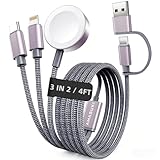
2026 Travel Essentials for Apple Watch Charger,Cruise Vacation Camping Essentials,iPhone Charger,Multi Charging Cable,3 in 2 Charging Docks for iWatch Series 12 11-2/Ultra,iPhone 18 17-12,Car
travel inspira Luggage Scale Digital Suitcase Weight Scale for Travel | Blue Backlight, Rubber Paint Handle, Tare & Data Lock, Auto-Off, Battery Included, 110 Pounds, Travel Essentials

zelin Anti Theft Zipper Clips, Travel Essentials, Carabiner, 4Pcs Grey | Elegant Zinc Alloy Zipper Pull Locks, Airplane Gadgets and Travel Accessories for Backpacks, Commuting and Outdoor Safety

DUDE Wipes Unscented Pocket Packs, Adult Flushable Travel Wipes, 48 Count | 6 pocket sized packs of 8 flushable butt wipes. Travel essentials. Hypoallergenic and fragrance free with aloe. Septic safe.