
How to get from Latacunga to Cotopaxi
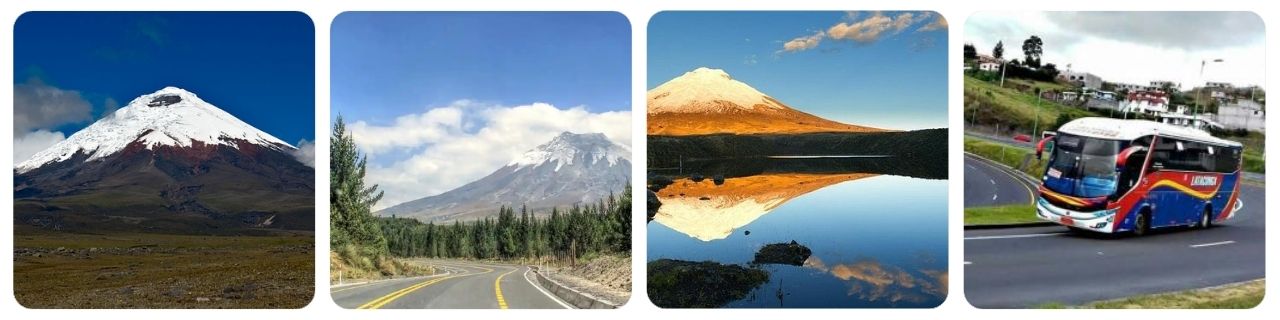
Thinking of visiting Cotopaxi from Latacunga? This guide walks you through every realistic way to reach the park entrances and main viewpoints, from budget buses to hassle-free tours and private transfers.
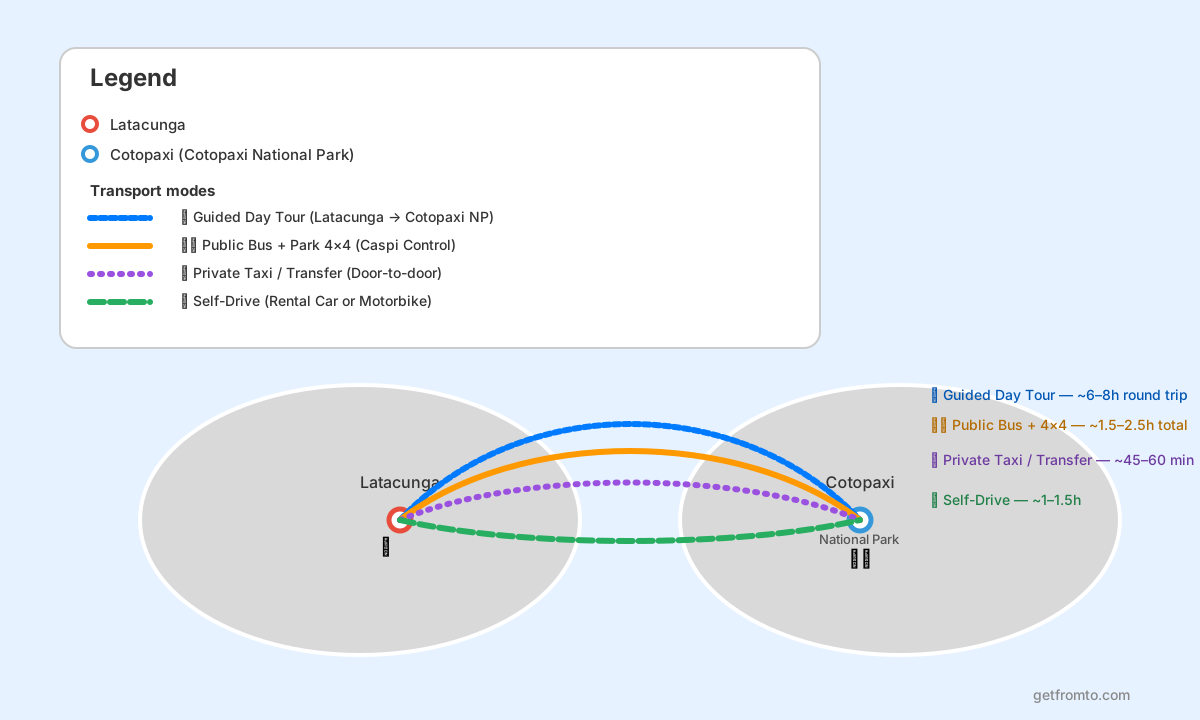
At A Glance (Latacunga to Cotopaxi)
| Mode | Duration | Best For |
|---|---|---|
| 🚌 Guided Day Tour (Latacunga → Cotopaxi NP) | ~6–8h round trip (including hiking & stops) | First-time visitors, hassle-free experience |
| 🏷️ Cost: ~US$50–90 per person (group tour) » compare tours | alt. listings | ||
| 🚌🚙 Public Bus + Park 4×4 (Caspi Control) | ~1.5–2.5h total (connection-dependent) | Backpackers, lowest cost & flexibility |
| 🏷️ Cost: Bus ~US$1.5–2.5 + shared 4×4 ~US$15–30 per vehicle (split between passengers) | ||
| 🚕 Private Taxi / Transfer (Door-to-door) | ~45–60m Latacunga → main park entrances | Small groups, photographers, tight schedules |
| 🏷️ Cost: ~US$30–60 per vehicle each way (negotiated locally) » Quito airport/city transfers | prebooked long-distance rides | ||
| 🚗 Self-Drive (Rental Car or Motorbike) | ~1–1.5h Latacunga → parking areas | Independent travelers, flexible sightseeing |
| 🏷️ Cost: Rental from ~US$35–60/day + fuel » search rental cars | motorbikes & scooters | ||
Which Option or Route Should You Choose?
- Fastest / Most Convenient: Choose Option #3 – Private Taxi / Transfer if you want to get from your hotel in Latacunga to Cotopaxi’s entrances in under an hour with minimal logistics. It’s ideal for sunrise/sunset trips or if you’re carrying lots of gear.
- Best Overall for First-timers: Go for Option #1 – Guided Day Tour if you want someone else to handle permits, weather checks, route choices, and high-altitude pacing. Many tours include breakfast, lunch, and equipment.
- Cheapest / Most Economical: Pick Option #2 – Public Bus + Park 4×4 if you’re on a strict budget and comfortable with basic Spanish and flexible timings.
- Most Scenic / Flexible Schedule: Consider Option #4 – Self-Drive if you’re confident on gravel roads and want the freedom to stop at viewpoints, Limpiopungo Lagoon, and nearby haciendas whenever you like.
How to Book and Practical Tips
- Book tours online in advance: For peak seasons (June–August and December–January), reserve guided Cotopaxi trips a few days ahead on platforms like GetYourGuide, Klook, or Trip.com.
- Base yourself in Latacunga or Quito: Many travelers sleep in Latacunga for easy access to Cotopaxi and the Quilotoa Loop. You can compare hotels and haciendas near the park on Booking.com, or stay in Quito and join full-day Cotopaxi tours from there.
- Altitude & weather: Cotopaxi’s main viewpoints sit around 3,800–4,600 m. Expect cold, windy conditions and rapid changes in weather. Bring layers, waterproofs, sun protection, snacks, and plenty of water.
- Park entry & ID: As of recent updates, Cotopaxi National Park has no general entrance fee, but you must present ID at the gate and may need a certified guide for certain hikes or summit climbs; always check the latest conditions through official Ecuador tourism or environment channels before your trip.
- Cash is king: Inside the park, card payments are rare. Carry small USD bills (US$1, 5, 10) for 4×4 rides, snacks, and toilet stops.
- Luggage storage: If you’re transiting through Quito and don’t want to bring all your bags to Latacunga, consider left-luggage services in the capital, for example locations listed on Radical Storage.
- Ride-hailing apps: In bigger cities like Quito, Uber, Cabify, and local apps can help you reach bus terminals or pick-up points; around Latacunga and the park itself, classic taxis or pre-booked drivers are more reliable.
🚌 Option #1 — Guided Day Tour from Latacunga (Most Popular, Hassle-free)
Door-to-door Certified guide Great for first visit
- Overview: Join a small-group or private day tour from Latacunga (or nearby haciendas) to Cotopaxi National Park. Your driver and guide handle the drive to Caspi Control, visits to the visitor center and Limpiopungo Lagoon, and (weather-permitting) the hike from the parking lot to the refuge and glacier lookout.
- How to book (with price): Expect to pay roughly US$50–90 per person for a shared day tour including transport, guide, and sometimes meals. Compare itineraries, group size, and inclusions using providers like GetYourGuide Cotopaxi tours or broader search results on Trip.com.
- What’s usually included: Round-trip transport, bilingual guide, basic safety briefing, park registration, and sightseeing stops. Some tours add bike descents, horseback riding, or lunch.
- Pros: Safest and simplest option; great if you’re not used to high altitude or driving on mountain roads; built-in explanations about geology, wildlife, and local culture.
- Cons: Fixed schedule; less flexibility to linger at favorite spots; generally more expensive than DIY bus + 4×4.
Step-by-step: Guided Day Tour
- Choose your base: Decide if you’ll depart from Latacunga center, a local hacienda, or even Quito (some tours start there but pass near Latacunga). Factor in altitude acclimatization and travel days.
- Compare tours online: Use search filters on GetYourGuide or Klook to sort by price, duration, and language. Look for tours that clearly state pick-up point, maximum group size, and whether equipment (like trekking poles) is included.
- Check park status: Before confirming, read recent park notices through Ecuador’s official tourism or environment channels to be aware of any closures, eruption alerts, or route changes.
- Book and confirm pickup: Enter your accommodation address or agree on a central meeting point (often near Latacunga’s main square or bus terminal). Save the voucher to your phone and note emergency contact numbers.
- Prepare for the day: The night before, pack layers, gloves, a hat, sunscreen, sunglasses, and snacks. Many tours pick up between 6:00–8:00 a.m. for the clearest morning views.
- Enjoy the itinerary: Your driver will take the Pan-American Highway to the park’s Caspi Control entrance, then climb by dirt road to viewpoints and trailheads. Follow your guide’s altitude advice—go slow, and hydrate.
Getting to the main embarking points (Latacunga)
- Hotel pickup: Many operators include pickup at central Latacunga hotels or guesthouses. Confirm if your accommodation is inside their free pickup zone or if a small surcharge applies.
- Central meeting points: If hotel pickup isn’t offered, tours often use plazas or easy-to-find streets near the historic center. Ask for the exact pin and landmark photos.
- Reaching Latacunga itself: From Quito, frequent buses run from Quitumbe Terminal toward Latacunga along the Pan-American; travel time is roughly 1.5 hours depending on traffic.
- Using ride-hailing & taxis: In Quito you can use Uber or Cabify to reach Quitumbe Terminal, then continue by bus. Within Latacunga, use licensed yellow taxis to get to the agreed tour meeting point.
- Locations/Trip Planner: 🔗 Google Map / 🔗 OpenStreetMap
🚌🚧 Option #2 — Public Bus + Park 4×4 (Cheapest DIY)
Low cost Local experience Spanish helpful
- Overview: Travel from Latacunga’s bus terminal along the Pan-American Highway toward Quito and ask the driver to drop you at the Cotopaxi National Park turnoff near Caspi Control. From there, hire a 4×4 pickup to drive you up the park road to the visitor center, Limpiopungo, and higher parking areas.
- How to book (with price): Buy bus tickets in person at Latacunga’s Terminal Terrestre; fares to the Cotopaxi turnoff are usually around US$1.5–2.5. At the Caspi Control entrance, expect shared 4x4s to charge about US$15–30 per truck one-way or round trip, which you can split between passengers—always agree the price and route before boarding.
- Schedule & frequency: Buses running Latacunga→Quito (and beyond to Ambato or Baeza) are frequent by day. It’s best to leave Latacunga in the early morning for clearer volcano views and to have enough time to explore before afternoon clouds.
- Pros: By far the cheapest way to reach the park; flexible departures; easy to combine with onward travel along the Pan-American.
- Cons: Requires basic Spanish; not all drivers are familiar with tourists’ needs; no guarantee of immediate 4×4 availability at the park gate, especially in bad weather or late afternoon.
Step-by-step: Bus + 4×4
- Get to Latacunga bus terminal: From your hotel, take a licensed taxi to Terminal Terrestre Latacunga. Agree on a fare beforehand or ensure the meter is used.
- Buy a ticket toward Quito: At the terminal counters, ask for a bus that passes the entrada al Parque Nacional Cotopaxi or Control Caspi. Keep your ticket handy and load your daypack onboard.
- Tell the driver your stop: When boarding, clearly say you’re going to Cotopaxi and ask them to let you off at the park entrance. Sit near the front so you can hear when they call your stop.
- Walk to Caspi Control: From the highway turnoff, it’s a short walk to the control post, where you register with your passport or ID and ask about current conditions and accessible areas.
- Arrange a 4×4 ride: Negotiate with waiting pickup drivers for transport up to the visitor center, Limpiopungo, and/or the parking lot near the refuge. Clarify if they will wait for you or return at a set time.
- Return trip: Head back to Caspi Control with enough daylight to catch a bus returning to Latacunga or onward to your next destination.
Getting to the main embarking points (Latacunga Bus Terminal)
- From Latacunga center: The bus terminal is a short taxi ride from the historic center; expect around 5–10 minutes depending on traffic.
- Using local taxis: Fares within town are usually just a few dollars; ask your accommodation what’s reasonable so you can negotiate with confidence.
- From Quito or other cities: If you’re arriving by intercity bus from Quito or Baños, you may already arrive at Latacunga’s terminal and can simply transfer to another bus heading toward Cotopaxi.
- Locations/Trip Planner: 🔗 Google Map / 🔗 OpenStreetMap
🚕 Option #3 — Private Taxi or Transfer (Fastest Door-to-door)
Flexible timing Door-to-door comfort Great for groups
- Overview: Hire a local taxi or pre-booked private driver to take you directly from your accommodation in Latacunga (or Quito) to Caspi Control and key spots inside Cotopaxi National Park. This is ideal for sunrise/sunset photography, families, or those who dislike bus changes.
- How to book (with price): In Latacunga, you can negotiate day rates directly with taxi drivers or through your hotel. Expect roughly US$30–60 each way from Latacunga to the main park areas depending on negotiation, waiting time, and exact itinerary. For trips from Quito airport or city, you can pre-book with services like Welcome Pickups Quito or quote rides via GetTransfer, then combine with local arrangements inside the park.
- Pros: Fastest and most comfortable way to travel; complete control over timing and stops; convenient for carrying camera gear, extra layers, or kids’ equipment.
- Cons: Higher overall cost than buses; you’ll still need to respect park closing times and any road restrictions; English may be limited, so save key phrases in Spanish.
- Ride-hailing as an alternative: In Quito, you can sometimes find drivers on Uber or Cabify willing to do inter-city trips, though they may prefer cash deals and not all are insured for long-distance rural roads. Confirm route and price very clearly before departure.
Step-by-step: Private Taxi or Transfer
- Request a quote: Ask your Latacunga hotel or guesthouse to recommend trusted taxi drivers for day trips to Cotopaxi. Get a written or WhatsApp quote detailing route (Caspi Control, Limpiopungo, parking, etc.) and waiting time.
- Compare online options: If you’re coming from Quito, compare airport or city transfers via Welcome Pickups, GetTransfer.com, or private transfer listings on GetYourGuide Quito.
- Agree the itinerary: Decide how long you want at each stop and whether you’ll attempt the hike from the parking lot to the refuge. Add a buffer for altitude-related slowdowns and frequent photo stops.
- Confirm pickup details: Share your exact address and a map pin with the driver and agree on pickup time (early mornings are best). Confirm payment method—most drivers prefer cash in USD.
- Register at the park: Your driver will stop at Caspi Control for registration. Keep your passport or ID ready and ask rangers about any current restrictions.
- Return safely: Aim to leave the higher areas by mid-afternoon to avoid fog and late-day storms. Have an agreed latest departure time with your driver.
Getting to the main embarking points (Hotel / City Pickup)
- Hotel or Airbnb: Most private drivers will pick you up at your accommodation door in Latacunga or Quito. Share building entrance details and any gate codes in advance.
- Central taxi ranks: In Latacunga, ask at official taxi stands or cooperatives if they offer fixed-price day trips to Cotopaxi; this is often cheaper and more transparent than negotiating on the street.
- Airport connections: If you’re flying into Quito and continuing directly to Latacunga or Cotopaxi, you can combine an airport pickup with a transfer south—compare this against separate bus and taxi legs using online tools.
- Locations/Trip Planner: 🔗 Google Map / 🔗 OpenStreetMap
🚙 Option #4 — Self-Drive Rental Car or Motorbike (Most Independent)
Maximum freedom Scenic stops Requires driving confidence
- Overview: Rent a car in Latacunga or Quito and drive yourself along the Pan-American Highway to the Cotopaxi turnoff, then continue on the park access road. This lets you choose your own pace, revisit viewpoints, and combine Cotopaxi with nearby attractions like El Boliche or Saquisilí market.
- How to book (with price): Daily rental rates in Ecuador usually start around US$35–60/day for a small car, more for 4×4 SUVs. Compare options on Booking.com Car Rentals. If you prefer two wheels, you can look for motorbike or scooter rentals based in Quito via platforms like BikesBooking.
- Road conditions: The Pan-American to the Cotopaxi turnoff is paved and generally in good condition. Inside the park, expect gravel, potholes, and washboarding—manageable in dry weather with slow, careful driving, but more challenging in heavy rain.
- Pros: Total flexibility over timing and stops; easy to carry picnic gear and camera equipment; you can combine Cotopaxi with other destinations in one loop.
- Cons: Requires comfort driving at altitude and on gravel roads; weather can reduce visibility; you’re responsible for navigation and car insurance details.
Step-by-step: Self-Drive
- Book your vehicle: Reserve a car or motorbike a few days ahead, especially in high season. Check inclusion of insurance, mileage limits, and whether taking the vehicle on gravel roads is allowed.
- Pick up and inspect: When collecting the vehicle, photograph existing scratches, check the spare tire, and make sure you have a physical or offline map in case mobile data drops out.
- Drive to the park: From Latacunga, join the Pan-American Highway heading north and follow signs for Parque Nacional Cotopaxi. Turn off at the signed entrance and continue to Caspi Control.
- Register and plan stops: At Caspi Control, register with park staff, confirm road conditions, and discuss which areas are open (Limpiopungo, visitor center, parking near the refuge, etc.).
- Explore safely: Drive slowly on gravel, keep headlights on in fog, and avoid driving after dark. Respect speed limits and wildlife crossings.
- Return to base: Aim to be back on the Pan-American before nightfall, especially if you’re unfamiliar with mountain driving.
Getting to the main embarking points (Rental Locations)
- Rental offices: Most major international and local agencies cluster around Quito airport and city center; Latacunga has fewer options, so many travelers pick up in Quito and then drive south.
- Parking near the park: There is basic parking near Caspi Control, Limpiopungo Lagoon, and the refuge parking lot—always follow ranger instructions and park only in designated areas.
- Combining with other trips: A rental car lets you string together Cotopaxi, Quilotoa, Baños, and other Andean highlights in a multi-day loop.
- Locations/Trip Planner: 🔗 Google Map / 🔗 OpenStreetMap
FAQ (Latacunga to Cotopaxi)
Do I need a guide to visit Cotopaxi from Latacunga?
Most viewpoints, the visitor center, and Limpiopungo Lagoon can be visited independently as long as the park is open and conditions are stable. However, for glacier hikes or summit attempts, a certified mountain guide is mandatory, and even for the refuge hike many travelers prefer joining a guided tour for safety, local knowledge, and logistics.
Is Cotopaxi National Park currently open and is there an entrance fee?
Park status can change due to volcanic activity, weather, or maintenance. In recent years, Cotopaxi has often had free general admission but required visitors to register with ID and follow time and area restrictions. Always verify the latest rules and any temporary closures before traveling, as hours and access can change with short notice.
What is the safest time of day to go from Latacunga to Cotopaxi?
Mornings are generally best: you’ll have clearer skies, calmer winds, and more time to adjust plans if weather or park conditions shift. Try to enter the park not long after opening and plan to be back on the main highway in the mid- to late afternoon to avoid fog, rain, or driving in the dark.
Can I visit Cotopaxi as a day trip and still catch onward buses?
Yes, many travelers visit Cotopaxi on a day trip from Latacunga and then continue that evening toward Baños, Quito, or other Andean towns. If you’re relying on public buses plus 4x4s, start early and keep your schedule flexible, allowing extra time for connections and changing weather.
Where can I find official information about Cotopaxi National Park?
Official Ecuadorian government and tourism sites publish updates on park status, safety measures, and general travel information. Use these alongside local advice from your accommodation or tour operator.

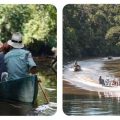


Related Tours/Services
Popular Routes
Recent Routes
- How to get from PortMiami Cruise Terminal to Miami International Airport
- How to get from Samarkand to Bukhara
- How to get from Bell Tower (Xi’an) to Xi’an North Railway Station
- How to get from Canal City Hakata to Hakata Station
- How to get from Rialto Bridge (Venice) to Venezia Santa Lucia Station
- How to get from Florence Cathedral (Duomo) to Firenze Santa Maria Novella Station
- How to get from Nice to Paris
- How to get from Ribeira District (Porto) to Porto Campanhã Station
- How to get from Anne Frank House to Amsterdam Sloterdijk Station
- How to get from Buckingham Palace to London Victoria Station
Top Travel Gears

DUDE Wipes Unscented Pocket Packs, Adult Flushable Travel Wipes, 48 Count

zelin Anti Theft Zipper Clips, Travel Essentials, Carabiner, 4Pcs Grey

INIU 10000mAh 45W Fast Charging Portable Charger, Smaller Travel Power Bank | Flight-Safe, Detachable USB C Cable, Travel Essential, External Battery Phone Pack for iPhone 18 17 Samsung iPad etc
travel inspira Luggage Scale Digital Suitcase Weight Scale for Travel
2026 Travel Essentials for Apple Watch Charger,Cruise Vacation Camping Essentials,iPhone Charger,Multi Charging Cable,3 in 2 Charging Docks for iWatch Series 12 11-2/Ultra,iPhone 18 17-12,Car