
How to get from La Paz to Coroico (Death Road)
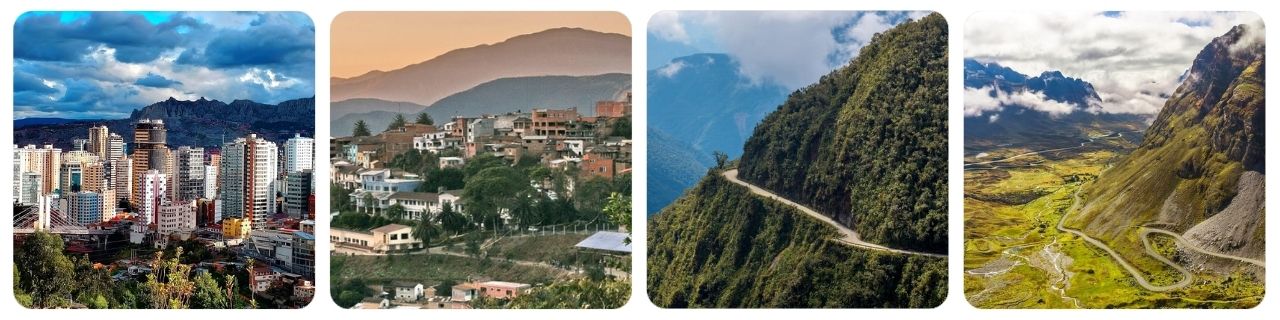
Getting from La Paz to Coroico – and experiencing Bolivia’s legendary Yungas ‘Death Road’ along the way – is usually done either on an organized downhill bike tour, by shared minibus on the new paved highway, or with a prebooked private transfer; this guide compares each option with safety notes, rough prices, and step-by-step instructions so you can pick the experience that fits your time, budget, and appetite for adventure.
At A Glance (La Paz to Coroico (Death Road))
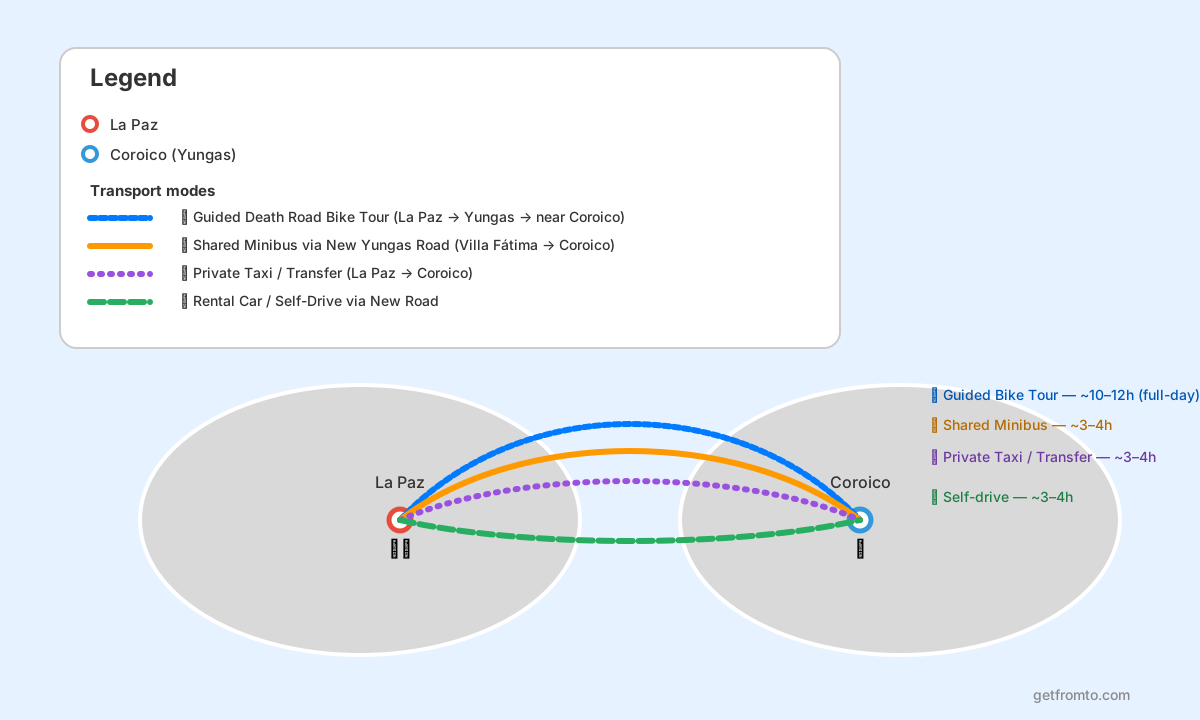
| Mode | Duration | Best For |
|---|---|---|
| 🚵 Guided Death Road Bike Tour (La Paz → Yungas → near Coroico) | ~10–12h full-day (hotel pickup, biking, lunch, return) | Adventure travelers, bucket-list experience |
| 🏷️ Cost: ~US$80–135 per person including bike, gear & lunch » Death Road tours | alt. tour listings | ||
| 🚌 Shared Minibus via New Yungas Road (Villa Fátima → Coroico) | ~3–4h depending on traffic & weather | Budget travel, locals’ way |
| 🏷️ Cost: ~Bs 25–40 one-way (approx. US$4–6), pay in cash at the minibus stand | ||
| 🚕 Private Taxi / Transfer (La Paz → Coroico) | ~3–4h door-to-door | Comfort, small groups, flexible stops |
| 🏷️ Cost: ~US$60–120 per vehicle depending on size & negotiation » compare private transfers | ||
| 🚗 Rental Car / Self-Drive via New Road | ~3–4h driving time (one-way) | Experienced mountain drivers wanting full independence |
| 🏷️ Cost: From ~US$40–70/day for a basic rental in La Paz + fuel & tolls » search car rentals | ||
Which Option or Route Should You Choose?
- Most Iconic & Adrenaline-Filled: The Guided Death Road bike tour is the classic backpacker experience, combining huge altitude loss, jungle scenery and a support vehicle – best if you’re fit, not afraid of heights, and okay with basic facilities.
- Cheapest & Most Local: The shared minibus from La Paz to Coroico via the new highway is what most locals use – very affordable but less comfortable and can be crowded.
- Most Comfortable / Flexible Schedule: A private taxi or prebooked transfer is ideal if you have luggage, are traveling as a group, or want photo stops without the pressure of a tour or shared van.
- Maximum Independence (High Skill Needed): Self-driving a rental car gives you full control over stops and timing, but only consider this if you’re very confident on steep, winding mountain roads and used to high altitude.
How to Book and Practical Tips
- Book Death Road with reputable companies: Prioritize agencies that provide full-face helmets, body armor, dual-suspension bikes and a support vehicle. Compare options and reviews on GetYourGuide (Death Road tours) or search activity listings on Trip.com Bolivia activities.
- Reserve private transfers in advance: If you want door-to-door comfort, prebook a driver from La Paz to Coroico on GetTransfer. As a backup or for short hops, rideshare apps like Uber and inDriver operate in La Paz, though they may not always accept out-of-town trips to Coroico.
- Have local cash (bolivianos): Minibuses and roadside stalls are cash-only; ATMs are available in La Paz and there is limited access in Coroico. Keep small notes for snacks, toilets, and entrance fees.
- Think about luggage: For a Death Road day trip before onward travel, consider leaving big bags in La Paz hotels (most will store) or look into city luggage storage options such as Radical Storage if locations are available.
- Where to stay: Base yourself near La Paz city center for early tour pickups, and consider an overnight in Coroico to enjoy the warmer Yungas climate; compare hotels and guesthouses on Booking.com La Paz and Booking.com Coroico.
- Altitude & weather: La Paz and La Cumbre pass are high (up to ~4,700 m), while Coroico is much lower and humid. Dress in layers, pack a rain jacket, and don’t plan strenuous hikes the same day if you’re still acclimatizing.
🚵 Option #1 — Guided Death Road Bike Tour (La Paz → Yungas → near Coroico)
Most iconic All gear included High-adrenaline
- Overview: You’re picked up early in La Paz, driven up to La Cumbre (~4,700 m) and then descend by mountain bike along the old Yungas ‘Death Road’ to the subtropical village area near Yolosa/Coroico (~1,200 m). A support vehicle follows, and the day usually ends with lunch and showers at a lodge before returning by road to La Paz or, on some tours, continuing to Coroico.
- How to book (with price): Expect around US$80–135 per person for a reputable tour, including bike, protective gear, guides, transport, and lunch. Compare itineraries and what’s included on GetYourGuide Death Road tours or browse extended combos (e.g. Death Road + Uyuni) on GetYourGuide La Paz activities.
- Pros: Safest way to experience Death Road (professional guides, vehicle support); legendary scenery; logistics handled for you; gear and lunch included.
- Cons: Demanding if you’re uncomfortable on bikes or with heights; long day with early start; weather can be cold and wet at the top; not ideal for small children or anyone with serious vertigo.
Step-by-step: Guided Death Road Bike Tour
- Choose a reputable operator: Look for companies with modern bikes, safety gear, English-speaking guides and strong reviews. Use platforms like GetYourGuide or Trip.com to compare.
- Pick your date & understand the itinerary: Most tours run daily, starting around 7:00–8:00 a.m. from La Paz and returning in the evening. Confirm if drop-off in Coroico instead of La Paz is possible if you plan to stay there.
- Confirm inclusions: Check that the tour includes transport from La Paz to La Cumbre, bike and safety gear, guides, lunch, showers, and transport back to La Paz or to the Coroico turnoff. Confirm whether park/road fees (often ~Bs 50) are included or paid in cash on the day.
- Prepare clothing & essentials: Wear closed shoes, bring warm layers for the high-altitude start, and pack sunscreen, insect repellent, a change of clothes, and any personal medication in a small daypack.
- Pickup in La Paz: Most operators offer hotel pickup around the central/tourist areas (e.g. around Sagárnaga or San Pedro). Be ready in the lobby 10–15 minutes before pickup time.
- Ride & descent: After a safety briefing at La Cumbre, you begin with a tarmac section before entering the narrow gravel parts of Death Road. Guides usually split the descent into short segments, regrouping at viewpoints.
- End of ride & onward to Coroico: At the bottom near Yolosa, you’ll have lunch and the option of showers/swim at a lodge. If you’ve arranged to overnight in Coroico, you can usually be dropped at the junction where taxis or minibuses continue uphill (~20–30 minutes) to town.
Getting to the main embarking points (La Paz tour offices / pickup areas)
- From central La Paz (Plaza Murillo / Sagárnaga area): Most tour companies cluster around the central tourist streets; book in person the day before or online, then be ready at your hotel/hostel for early pickup.
- From El Alto or La Paz airport: Stay the night in central La Paz before the tour. Use a licensed airport taxi, Uber or inDriver to reach your accommodation and acclimatize before biking.
- Locations/Trip Planner: 🔗 Google Map / 🔗 OpenStreetMap
🚌 Option #2 — Shared Minibus via New Yungas Road (Cheapest)
Lowest cost Frequent departures Basic comfort
- Overview: Shared minibuses and colectivos run from La Paz (Villa Fátima / Minasa terminal area) to Coroico via the new paved Yungas highway, not the old Death Road. It’s the standard way locals travel between La Paz and the Yungas.
- How to book (with price): There is usually no advance booking; you pay the driver or attendant in cash. Expect around Bs 25–40 per person one-way, with vehicles leaving when full (roughly every 30–60 minutes during the day).
- Pros: Cheapest option; relatively quick; authentic local experience; runs throughout the day.
- Cons: Space can be tight; limited luggage capacity; departure times depend on filling the vehicle; road can still be winding and occasionally rough.
Step-by-step: Shared Minibus from La Paz to Coroico
- Head to Villa Fátima / Minasa terminal: Take a city taxi or rideshare (Uber/inDriver) from your hotel in La Paz to the Coroico minibus area near Villa Fátima in the upper part of the city.
- Find the Coroico minibuses: Look for vehicles signed ‘Coroico’ or ask locals/drivers. Vans typically line up and depart once nearly full.
- Confirm fare & travel time: Ask the driver for the current fare (per person) and approximate duration; pay when boarding or during the journey – keep small notes.
- Stow luggage carefully: Larger bags may go on the roof or in the back – keep valuables, passports and electronics with you inside the vehicle.
- Enjoy the descent: As you leave La Paz, the highway climbs briefly then descends into greener valleys. Expect sharp curves, occasional fog or rain, and spectacular views.
- Arrival in Coroico: Minibuses usually drop passengers near the main plaza or a small terminal area; from there, it’s an easy walk or short taxi ride to most guesthouses.
Getting to the main embarking points (Villa Fátima / Minasa terminal)
- From central La Paz (e.g. Prado / Sagárnaga): Take a licensed taxi or rideshare up to Villa Fátima; show ‘Coroico minibuses Villa Fátima’ on your phone if the driver doesn’t speak English.
- From La Paz bus terminal: If arriving by long-distance bus, grab a taxi directly to Villa Fátima and connect to a Coroico minibus the same morning.
- From El Alto / airport: It’s easiest to go via central La Paz first, then continue by taxi to Villa Fátima; allow extra time for traffic, especially at rush hours.
- Locations/Trip Planner: 🔗 Google Map / 🔗 OpenStreetMap
🚕 Option #3 — Private Taxi or Transfer (Flexible & Comfortable)
Door-to-door Customizable stops Higher cost
- Overview: Hire a private car and driver from La Paz directly to Coroico via the new Yungas highway, optionally adding scenic stops at viewpoints or short detours towards stretches of the old road where it is permitted and safe.
- How to book (with price): Expect roughly US$60–120 per vehicle, depending on car size, route and bargaining. You can prebook online through services like GetTransfer Bolivia or arrange an all-day hire with a local taxi through your hotel.
- Pros: Most comfortable and flexible option; ideal with luggage or in a small group; you can choose departure time and ask for photo or snack stops.
- Cons: More expensive than minibuses; quality of vehicles and driving standards can vary – always prioritize safety over price.
Step-by-step: Private Transfer or Taxi
- Decide on route & timing: Choose whether you want the fastest route (new highway only) or to incorporate safe scenic viewpoints near sections of Death Road, and whether your driver will wait for you in Coroico or return to La Paz.
- Get quotes: Request offers from online platforms such as GetTransfer and ask your La Paz hotel to recommend trusted drivers for comparison.
- Confirm details in writing: Agree on total price, vehicle type, pickup point and time, stops, and whether the price includes return or is one-way only. Keep the driver’s phone/WhatsApp number handy.
- Pickup in La Paz: Your driver can collect you from the airport, bus terminal or your hotel. If starting at the airport, factor in extra time for city traffic when planning your departure.
- Drive to Coroico: Sit on the valley-side of the car if you prefer less exposure to drops. If conditions look unsafe (heavy rain, landslides), don’t hesitate to ask your driver to slow down or stop.
- Arrival & onward plans: Get dropped at your accommodation in Coroico or at a central point. Confirm the pickup point/time if your driver is returning for you later in the day or on another date.
Getting to the main embarking points (Hotel / Airport / City Pickup)
- From La Paz airport (El Alto): You can arrange a transfer that starts at the airport and continues straight to Coroico, useful if you want to skip staying in La Paz – but consider altitude and jet lag before tackling the mountain roads immediately.
- From La Paz city center: Most travelers arrange pickup directly from their hotel or hostel; this is easy if you’ve booked accommodation through platforms like Booking.com (your address will be clear for the driver).
- Ride-hailing as backup: Within La Paz, Uber and inDriver can help you reach a pre-arranged meeting point with your longer-distance driver if they can’t collect you door-to-door.
- Locations/Trip Planner: 🔗 Google Map / 🔗 OpenStreetMap
🚗 Option #4 — Rental Car / Self-Drive via New Road (Experienced Drivers Only)
Maximum independence Scenic route Higher risk
- Overview: Rent a car in La Paz and drive yourself to Coroico via the newer Yungas highway. This avoids the narrowest sections of the old Death Road but still involves steep, twisty mountain driving where weather and visibility can change quickly.
- How to book (with price): Standard cars from La Paz typically start around US$40–70 per day depending on season and class. You can compare rental companies and vehicle types on Booking.com Car Rental.
- Pros: Full flexibility over stops, photo breaks and timing; convenient if you’re exploring more of the Yungas region.
- Cons: Only suitable for confident mountain drivers; road hazards include fog, rain, landslides and aggressive overtaking; you must stay alert and avoid driving after dark.
Step-by-step: Self-Drive from La Paz to Coroico
- Book a suitable vehicle: Choose a reliable car with good brakes – ideally a compact SUV or similar, especially in rainy season – via Booking.com Car Rental or another reputable agency.
- Check paperwork & insurance: Ensure you have a valid driver’s license accepted in Bolivia (or an International Driving Permit), adequate insurance that covers mountain roads, and the rental company’s 24/7 emergency number.
- Plan your route: Set your GPS for Coroico via the new Yungas highway (the ‘Carretera Nueva’). Avoid navigating the old Death Road by car – it’s mainly for bikes and limited local traffic.
- Stock up before departure: Carry water, snacks, a basic first-aid kit, offline maps and some cash. Fill up on fuel in La Paz as options along the road can be limited.
- Drive cautiously: Allow 3–4 hours, leaving in the morning to avoid afternoon fog or rain. Take it slow on bends, use lower gears on descents, and don’t drive in heavy rain or after sunset if you can avoid it.
- Parking in Coroico: Most guesthouses can arrange safe parking or have small lots – confirm this when booking your accommodation.
Getting to the main embarking points (Car Rental Offices in La Paz)
- From La Paz airport: Some rental companies may operate at or near the airport, but many travelers find it easier to collect the car in the city after resting and acclimatizing.
- From central La Paz: Look for rental locations around central avenues; compare pick-up points when booking online with Booking.com Car Rental.
- Return logistics: If you plan to return the car in La Paz after visiting Coroico, confirm opening hours and after-hours drop-off options when signing your contract.
- Locations/Trip Planner: 🔗 Google Map / 🔗 OpenStreetMap
FAQ (La Paz to Coroico (Death Road))
Is Death Road still dangerous?
Death Road (Yungas Road) is much quieter since most regular traffic now uses the new highway, but it remains a narrow mountain road with steep drops and changing weather. If you want to ride it by bike, going with a reputable tour company that prioritizes safety equipment and experienced guides significantly reduces risk.
Can I go from La Paz to Coroico by public transport only?
Yes. Shared minibuses from La Paz’s Villa Fátima / Minasa terminal run throughout the day to Coroico via the new Yungas highway. It’s cheap and straightforward, though comfort is basic and schedules depend on vehicles filling up.
Do I need to book Death Road tours in advance?
In high season (roughly May–October and local holiday periods), it’s wise to book at least a few days in advance, especially if you want a specific operator or bike quality. In quieter months you may find spaces the day before, but it’s still best to reserve once your dates are fixed.
Is it possible to stay overnight in Coroico after a Death Road tour?
Yes – some tour companies can drop you near Coroico or Yolosita instead of returning you to La Paz, or you can continue from the tour endpoint by local taxi or minibus up to Coroico. Confirm this plan with the tour operator when booking.
What should I pack for a day on Death Road?
Layers for cold/high altitude and warm/humid lowlands, closed shoes, sunscreen, sunglasses, insect repellent, light rain jacket, snacks, some cash in bolivianos, and a dry bag or plastic bags to keep electronics and documents safe from rain and spray.




Related Tours/Services
Popular Routes
Recent Routes
- How to get from PortMiami Cruise Terminal to Miami International Airport
- How to get from Samarkand to Bukhara
- How to get from Bell Tower (Xi’an) to Xi’an North Railway Station
- How to get from Canal City Hakata to Hakata Station
- How to get from Rialto Bridge (Venice) to Venezia Santa Lucia Station
- How to get from Florence Cathedral (Duomo) to Firenze Santa Maria Novella Station
- How to get from Nice to Paris
- How to get from Ribeira District (Porto) to Porto Campanhã Station
- How to get from Anne Frank House to Amsterdam Sloterdijk Station
- How to get from Buckingham Palace to London Victoria Station
Top Travel Gears

DUDE Wipes Unscented Pocket Packs, Adult Flushable Travel Wipes, 48 Count

zelin Anti Theft Zipper Clips, Travel Essentials, Carabiner, 4Pcs Grey

INIU 10000mAh 45W Fast Charging Portable Charger, Smaller Travel Power Bank | Flight-Safe, Detachable USB C Cable, Travel Essential, External Battery Phone Pack for iPhone 18 17 Samsung iPad etc
travel inspira Luggage Scale Digital Suitcase Weight Scale for Travel

2026 Travel Essentials for Apple Watch Charger,Cruise Vacation Camping Essentials,iPhone Charger,Multi Charging Cable,3 in 2 Charging Docks for iWatch Series 12 11-2/Ultra,iPhone 18 17-12,Car