
How to get from Sucre to Tarabuco Market

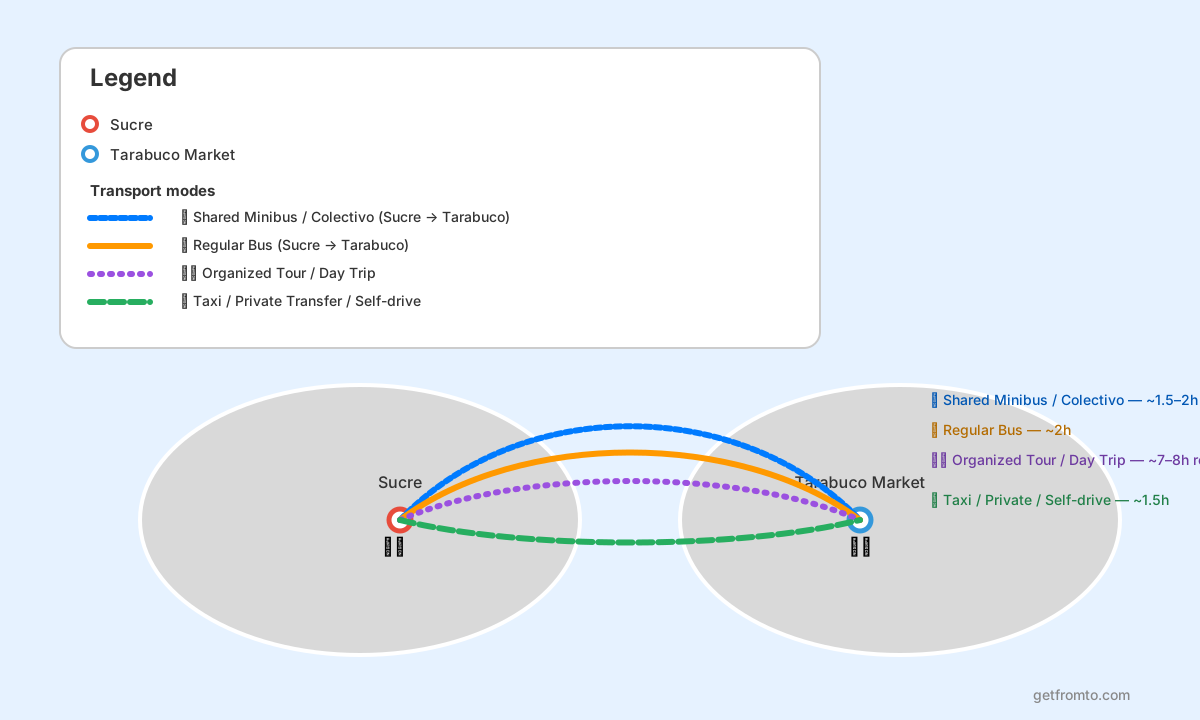
Sucre to Tarabuco Market is one of Bolivia’s classic Sunday excursions: a 60–70 km ride from the white city into Quechua countryside, easily done by shared minibus, regular bus, organized tour, taxi or self-drive; this guide walks you through each option, costs, and step-by-step instructions so you can enjoy the colourful Tarabuco Market at its liveliest.
At A Glance (Sucre to Tarabuco Market)
| Mode | Duration | Best For |
|---|---|---|
| 🚐 Shared Minibus / Colectivo (Sucre → Tarabuco) | ~1.5–2h each way | Budget travellers, local experience |
| 🧧 Cost: ~BOB 10–15 one-way (~BOB 20–30 return), pay in cash to driver | ||
| 🚌 Regular Bus (Sucre → Tarabuco) | ~2h each way (fewer stops) | Slightly more space, seated ride |
| 🧧 Cost: ~BOB 15–20 one-way; buy ticket at Sucre’s local bus stands | ||
| 🛣️ Organized Tour / Day Trip | ~7–8h round-trip (including market time) | Guided visits, minimal logistics |
| 🧧 Cost: ~BOB 150–250 per person (often includes transport + guide) » see Sucre tours | Sucre travel guide | ||
| 🚕 Taxi / Private Transfer / Self-drive | ~1.5h door-to-door (traffic-dependent) | Groups, off-Sunday visits, full flexibility |
| 🧧 Cost: Taxi or private car typically ~BOB 200–350 per vehicle round-trip (negotiated locally) » request private transfer | compare car rentals | ||
Which Option or Route Should You Choose?
- Cheapest / Most Local: Shared minibuses / colectivos are how most locals travel: very inexpensive, frequent on Sundays and sociable.
- Most Comfortable on a Budget: Regular buses give you a reserved seat and a slightly calmer ride, still at low cost.
- Most Convenient for First-timers: Organized tours handle transport, timing around the market, and explanations of Tarabuco culture.
- Most Flexible Schedule: Taxi/private transfer or self-drive works best if you’re a group, want to photograph scenery en route, or visit on a non-Sunday market day.
How to Book and Practical Tips
- Sunday is the key market day: Tarabuco Market is at its biggest on Sunday mornings. Aim to arrive in town around 9:00–10:00 so you see the busiest hours before stalls wind down early afternoon.
- Go early from Sucre: Most travellers leave between 6:30 and 8:30. Earlier departures mean cooler temperatures, better photos, and a seat on popular minibuses.
- Cash only: Bring small Boliviano notes and coins; market vendors and bus drivers generally don’t accept cards or large bills.
- Book tours in advance in high season: Around Easter, national holidays, and July–August, reserve day trips through agencies in Sucre or online platforms like GetYourGuide (Sucre tours) or Trip.com’s Sucre guide.
- Plan your base in Sucre: Many visitors stay near the historic centre; browse accommodation on Booking.com (Sucre) and ask your hotel for the latest bus stand information.
- Luggage & market comfort: It’s easier to leave big backpacks at your Sucre hotel; if you’re in long-term travel, luggage networks like Radical Storage can help you find storage options in larger South American hubs.
- Altitude & sun: Sucre and Tarabuco sit high in the Andes; wear a hat, sunscreen, and comfortable shoes, and carry water – market streets are cobbled and the sun can be intense.
🚐 Option #1 — Shared Minibus / Colectivo (Most Popular, Cheapest)
Lowest cost Frequent on Sundays Local vibe
- Overview: Shared minibuses (colectivos) run from Sucre’s southwestern area (near Mercado Campesino and local bus stands) directly to Tarabuco. They usually depart when full, especially early on Sunday mornings for the market, taking about 1.5–2 hours depending on traffic and stops.
- How to book (with price): No advance booking is needed; just show up at the Tarabuco minibus stand and ask for “Tarabuco”. Expect to pay around BOB 10–15 per person each way, in cash, paid directly to the driver or conductor.
- Pros: Very cheap, frequent Sunday departures, chance to travel with local families heading to the market.
- Cons: Basic comfort (tight seating), no fixed timetable, and can be slower if there are many pick-ups along the road.
Step-by-step: Shared Minibus / Colectivo
- From central Sucre (around Plaza 25 de Mayo), take a short taxi to the area near Mercado Campesino / local bus stands that serve Tarabuco. Confirm with the driver by saying “Parada a Tarabuco”.
- Look for minibuses signed “Tarabuco” (or ask vendors and locals); they usually gather in rows, especially on Sunday mornings.
- Check the fare and approximate departure time with the driver. Minibuses typically leave once full; on busy Sundays this can be every 15–30 minutes from around 6:30–9:30.
- Keep small bills ready, store large backpacks at your hotel in Sucre, and keep valuables on your lap or in a money belt.
- On arrival in Tarabuco, note where the minibus drops you; it’s usually a short walk up to the main square and market streets. Ask your driver about last return times to Sucre (often early to mid-afternoon).
Getting to the main embarking points (Sucre city centre / Mercado Campesino)
- From Sucre’s historic centre: Taxis are the easiest; agree the fare beforehand and mention that you are going to the Tarabuco bus/minibus stop near Mercado Campesino.
- From Sucre bus terminal: If you arrive on an overnight or intercity bus, you can either walk or taxi to the Tarabuco stands; taxis are recommended if you’re carrying luggage.
- Time buffer: On busy Sundays and holidays, arrive at the stand at least 30–45 minutes before your ideal departure to secure a seat together if travelling as a pair or group.
- Locations/Trip Planner: 🔗 Google Map / 🔗 OpenStreetMap
🚌 Option #2 — Regular Bus Sucre → Tarabuco (More Space, Still Cheap)
Budget-friendly Reserved seat Less frequent
- Overview: In addition to minibuses, some companies run regular buses between Sucre and Tarabuco, especially around market day. These buses generally leave at fixed times, may be slightly larger and more comfortable, and go directly to Tarabuco’s main drop-off points.
- How to book (with price): Tickets are usually sold same-day at the local bus stands or at small offices around Mercado Campesino. Expect to pay around BOB 15–20 per person each way. For updated info on Sucre’s bus terminals and services, check travel resources like Trip.com’s Sucre transport notes.
- Pros: Slightly more legroom than some minibuses, fixed departure times, and a more predictable ride.
- Cons: Fewer daily departures than colectivos; may run only on or near market days; still basic facilities.
Step-by-step: Regular Bus
- Ask at your hotel/hostel or the Sucre tourist information office where Tarabuco-bound buses currently depart (locations can change over the years).
- Head to the recommended stand or office at least 30–60 minutes before the departure time, especially on Sundays and holidays.
- Purchase your ticket at the window or from the conductor, checking whether the bus returns to Sucre the same afternoon and at what time.
- Keep your ticket handy, choose a seat (windows are great for views but sunnier), and keep daypacks with documents close by.
- On arrival in Tarabuco, note the bus company name and where it parks so you can easily find your return service.
Getting to the main embarking points (Local bus stands)
- Ask locally for “Tarabuco buses”: Use your accommodation or Sucre tourist information to confirm that day’s departure point; smaller terminals may change over time.
- Allow extra time on Sundays: Sunday is the busiest day, and buses can fill quickly, so treat the published departure time as the latest arrival time, not the earliest.
- Locations/Trip Planner: 🔗 Google Map / 🔗 OpenStreetMap
🛣️ Option #3 — Organized Tour / Day Trip (Guided, Easiest)
Stress-free Cultural insight Hotel pickup
- Overview: Many agencies in Sucre offer Sunday Tarabuco Market day trips, typically including round-trip transport, a Spanish/English-speaking guide, and free time to explore the market and nearby sights.
- How to book (with price): Expect prices around BOB 150–250 per person depending on group size and inclusions. You can book in person in Sucre’s centre or compare options on platforms such as GetYourGuide (Sucre tours) or check bundled experiences via Trip.com.
- Pros: Door-to-door service, guide explanations about Yampara culture and textiles, less stress about return times or finding the right bus.
- Cons: More expensive than public transport; less flexibility to wander off or change your schedule on the day.
Step-by-step: Organized Tour / Day Trip
- Compare agencies and online listings the day before you want to visit; check what’s included (guide language, meals, entrance fees, etc.).
- Reserve your place, leaving your accommodation name and address for pickup. Confirm pickup time (often around 7:30–8:00) and whether you must pay a deposit.
- On the morning of the tour, be ready in your lobby 10–15 minutes before pickup with cash, water, hat, and a small daypack.
- During the drive, your guide may give background on the region, markets, and how to respectfully take photos – feel free to ask questions.
- Back in Tarabuco, note the meeting point and time for the return to Sucre; tours usually get back mid- to late afternoon.
Getting to the main embarking points (Hotel / Central Sucre)
- Hotel pickup: Most tours collect you from central hostels and hotels; if you’re staying further out, agree a meeting point in the historic centre when booking.
- Stay central for convenience: Choosing accommodation close to Plaza 25 de Mayo or other central squares (see options on Booking.com) makes early pick-ups and evening returns easier.
- Locations/Trip Planner: 🔗 Google Map / 🔗 OpenStreetMap
🚕 Option #4 — Taxi, Private Transfer or Self-drive (Flexible, Door-to-door)
Door-to-door Great for groups Choose your schedule
- Overview: Hiring a taxi or private car from Sucre gives you full control over departure time, route stops, and how long you stay at the market. It’s ideal for families, photographers, or those visiting Tarabuco outside the main Sunday rush.
- How to book (with price): For local taxis, negotiate a round-trip price in Sucre (often about BOB 200–350 per vehicle depending on time and waiting). For pre-arranged private cars with professional drivers, you can request quotes through services like GetTransfer. If you prefer to drive yourself, compare rental offers on Booking.com Car Rental.
- Pros: Maximum flexibility, comfortable seats and luggage space, door-to-door pickup from your hotel or apartment.
- Cons: Higher cost, especially for solo travellers; you’ll need basic Spanish to negotiate with local drivers and to navigate rural roads if self-driving.
Step-by-step: Taxi / Private Transfer / Self-drive
- Ask your accommodation for trusted taxi contacts or local drivers used to doing the Sucre–Tarabuco run; agree on departure time and whether the driver will wait in Tarabuco or return later.
- Negotiate a clear price and what it includes (round-trip, waiting time, tolls or parking if any) before you set off.
- If booking online, compare quotes and vehicle types on platforms such as GetTransfer, then confirm pickup point, time, and driver/vehicle details.
- For self-drive, pick up your rental car in Sucre, check that you have a spare tyre and basic emergency kit, and study the route ahead of time (mobile data can be patchy outside town).
- Drive carefully on rural roads, watching for speed bumps and livestock; plan your return so you’re back in Sucre before dark if you’re not used to Bolivian night driving.
Getting to the main embarking points (Your hotel / rental office)
- From central Sucre hotels: Arrange pickup directly at your accommodation entrance; most drivers know the main streets but confirm the exact address and any one-way restrictions.
- From car rental offices: If renting a car locally or via Booking.com Car Rental, allow extra time for paperwork, vehicle inspection, and fuel before leaving Sucre.
- Locations/Trip Planner: 🔗 Google Map / 🔗 OpenStreetMap
FAQ (Sucre to Tarabuco Market)
When is the best day to visit Tarabuco Market?
The main Tarabuco Market takes place on Sundays, when villagers from the surrounding countryside come to buy and sell produce, textiles, and household goods. While there is a smaller market presence on other days, Sunday morning is when the town is at its liveliest and most colourful.
What time should I leave Sucre for the market?
Most travellers aim to leave Sucre between 6:30 and 8:30 in the morning, arriving in Tarabuco around 9:00–10:00. This timing lets you enjoy the busiest hours before stalls start packing up in the early afternoon and ensures you have options for minibuses or buses back to Sucre.
Is it safe to travel by public minibus or bus?
For most visitors, public transport between Sucre and Tarabuco is straightforward and uneventful, especially during the daytime on Sundays. As anywhere, keep valuables close, avoid flashing expensive items, and use your accommodation’s advice on which stands and departure times are recommended.
Can I visit Tarabuco Market without speaking Spanish?
Yes, many travellers visit with limited Spanish, especially on tours. On public buses, basic phrases for asking the destination, price, and time (“Tarabuco?”, “Cuánto cuesta?”, “A qué hora volvemos?”) are very helpful. For deeper cultural context, a guided tour from Sucre is a good choice.
Are there ATMs or card payment options in Tarabuco?
You shouldn’t rely on finding working ATMs or card payment in Tarabuco. Bring enough cash (Bolivianos) from Sucre for transport, snacks, and any handicrafts you want to buy, and keep smaller notes for easier transactions with market vendors.
- useful references:
- https://www.turismosucre.com/portal2/index.php?lang=en&option=com_content&view=frontpage
- https://www.minculturas.gob.bo/
- https://www.boliviaturismo.com.bo/sucre.html
- https://tourismbolivia.com/en/home/





Related Tours/Services
Popular Routes
Recent Routes
- How to get from PortMiami Cruise Terminal to Miami International Airport
- How to get from Samarkand to Bukhara
- How to get from Bell Tower (Xi’an) to Xi’an North Railway Station
- How to get from Canal City Hakata to Hakata Station
- How to get from Rialto Bridge (Venice) to Venezia Santa Lucia Station
- How to get from Florence Cathedral (Duomo) to Firenze Santa Maria Novella Station
- How to get from Nice to Paris
- How to get from Ribeira District (Porto) to Porto Campanhã Station
- How to get from Anne Frank House to Amsterdam Sloterdijk Station
- How to get from Buckingham Palace to London Victoria Station
Top Travel Gears

DUDE Wipes Unscented Pocket Packs, Adult Flushable Travel Wipes, 48 Count

zelin Anti Theft Zipper Clips, Travel Essentials, Carabiner, 4Pcs Grey

INIU 10000mAh 45W Fast Charging Portable Charger, Smaller Travel Power Bank | Flight-Safe, Detachable USB C Cable, Travel Essential, External Battery Phone Pack for iPhone 18 17 Samsung iPad etc
travel inspira Luggage Scale Digital Suitcase Weight Scale for Travel
2026 Travel Essentials for Apple Watch Charger,Cruise Vacation Camping Essentials,iPhone Charger,Multi Charging Cable,3 in 2 Charging Docks for iWatch Series 12 11-2/Ultra,iPhone 18 17-12,Car