
How to get from Santiago to Pichilemu

Getting from Santiago to Pichilemu is straightforward once you choose between budget-friendly buses, flexible self-drive options, or door-to-door transfers—this guide walks you through each route step-by-step so you can hit Chile’s surf capital with confidence.
At A Glance (Santiago to Pichilemu)
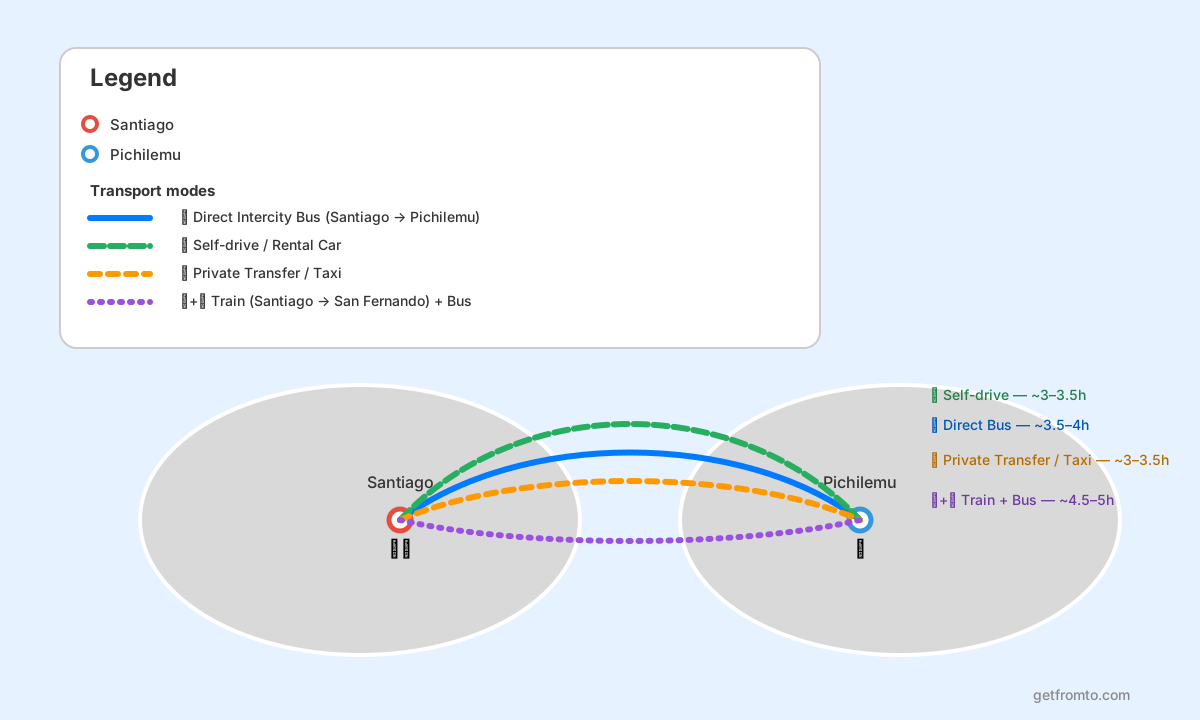
| Mode | Duration | Best For |
|---|---|---|
| 🚌 Direct Intercity Bus (Santiago → Pichilemu) | ~3.5–4h | Most travelers, low cost & simple |
| 🏷️ Cost: ~CLP 8,000–15,000 one-way (US$8–15) when booked ahead; check official operators such as TranSantin online and compare Chile routes with 12Go bus listings. | ||
| 🚗 Self-drive / Rental Car | ~3–3.5h (traffic-dependent) | Surfers with gear, families, scenic stops |
| 🏷️ Cost: Fuel + tolls ~CLP 30,000–50,000 return, plus car rental from ~CLP 35,000–60,000 per day via platforms like Booking.com car rentals. | ||
| 🚐 Private Transfer / Taxi | ~3–3.5h door-to-door | Groups, lots of luggage, late arrivals |
| 🏷️ Cost: From roughly CLP 220,000–300,000 per vehicle (shared between passengers) with pre-booked services like Welcome Pickups Santiago or custom quotes on GetTransfer.com; shorter city hops to the bus terminal are easy with Uber, Cabify or DiDi. | ||
| 🚆+🚌 Train (Santiago → San Fernando) + Bus | ~4.5–5h total (connections-dependent) | Rail fans, more scenic & relaxed route |
| 🏷️ Cost: Train from ~CLP 4,000–7,000 plus San Fernando → Pichilemu bus ~CLP 5,000–8,000; check current rail fares on the official EFE online ticket portal. | ||
Which Option or Route Should You Choose?
- Fastest & most convenient overall: For most travelers, the direct intercity bus from Santiago’s main terminals to Pichilemu is the sweet spot of speed, price and simplicity.
- Most flexibility & surfboard-friendly: If you’re carrying boards or planning winery and coastal stops, self-driving in a rental car gives you the most control over timing and detours.
- Lowest hassle with luggage or kids: Arriving on a late flight or traveling with family and lots of bags? A private transfer straight from the airport or your hotel keeps things stress-free.
- Most scenic and relaxed: If you love rail journeys, combine the EFE train to San Fernando with a regional bus to Pichilemu for countryside views and a more local feel.
How to Book and Practical Tips
- Book buses in advance on busy dates: Summer weekends (December–March) and long holidays see heavy traffic to the coast. Reserve bus tickets early directly with operators like TranSantin or through Chilean bus platforms; for other intercity routes and companies across Chile you can also compare options on 12Go.
- Use trusted platforms for flights, stays and cars: If you’re flying into Santiago first, you can bundle flights + hotels and search coastal stays in Pichilemu via Booking.com Flights and Booking.com hotels in Pichilemu, and secure your car rental through their dedicated car section.
- Transfers and ride-hailing: From the airport or city, pre-book a car with Welcome Pickups in Santiago or request quotes for longer intercity rides on GetTransfer.com. Within Santiago itself, Uber, Cabify and DiDi are widely used to reach bus and train stations.
- Luggage solutions in Santiago: If you have hours between landing and your bus, drop bags at secure locations near downtown and metro hubs using Radical Storage in Santiago so you can explore hands-free.
- Tours & activities: Before or after your Pichilemu trip, you can book Santiago city tours, day trips to nearby wine valleys, or even surf and adventure experiences via platforms like GetYourGuide or Klook.
- Two wheels at the coast: If you’d like to cycle around Santiago or along the Pichilemu coastline, compare bike and scooter rentals globally on BikesBooking and then look for local operators in Chile.
- Weather & seasonality: Pichilemu is lively in summer with warm days and cooler, often windy evenings. Pack layers, sun protection and a windbreaker—even in peak season—and book coastal accommodation early via sites like Trip.com or Booking.com if you’re traveling on key holidays.
🚌 Option #1 — Direct Bus (Most Popular, Good Value)
Low cost Frequent departures Coastal arrival
- Overview: Direct buses link Santiago’s major terminals (commonly Terminal Sur or Terminal San Borja) with Pichilemu’s coastal bus stops (including Terminal Infiernillo) in around 3.5 hours, making this the easiest and most budget-friendly route for most travelers.
- How to book (with price): One-way tickets usually run about CLP 8,000–15,000 depending on season, time of day and seat class. You can buy online through official operators such as TranSantin’s Pichilemu page, or compare multiple companies and timetables on Chilean bus platforms. For other Chile routes and companies such as Buses Nilahue, you can also check 12Go’s Chile bus operators.
- Pros: Direct, inexpensive, relatively frequent, and you arrive right in the town or near the beachfront. Many coaches offer reclining seats, heating and basic onboard services.
- Cons: Can sell out on summer weekends and holidays; luggage space is finite (surfboards are sometimes accepted but may incur a fee—confirm with the company in advance).
Step-by-step: Direct Bus from Santiago to Pichilemu
- Reach the bus terminal in Santiago: Most buses depart from Terminal Sur or Terminal San Borja. From central areas you can ride Metro Line 1 to Estación Universidad de Santiago for Terminal Sur / Alameda, or to Estación Estación Central and walk to nearby terminals. If you are staying farther away, order an Uber, Cabify or DiDi, or ask your hotel to call a radio taxi.
- Buy or collect your ticket: At the terminal, locate your company’s ticket office (for example TranSantin). Show your ID or reservation code if you booked online. Check the seat type (semi-cama vs. salón cama) and confirm the platform number (anden).
- Boarding and luggage: Arrive at least 20–30 minutes before departure. Large bags go in the under-bus hold—keep valuables in a small carry-on. Staff may tag your luggage; keep the stub for arrival.
- On the road: The trip typically takes around 3.5 hours via Rancagua and San Fernando before heading toward the coast. Snacks and restrooms vary by company, so bring water and something light to eat.
- Arrival in Pichilemu: Buses usually stop near the town center or by the coastal area (e.g., Terminal Infiernillo). From there you can walk to many guesthouses, hire a local taxi, or use a rideshare app if available.
Getting to the main embarking points (Santiago Bus Terminals)
- From downtown Santiago (Plaza de Armas / Lastarria): Take Metro Line 5 or 1 to connect with L1 and ride to Universidad de Santiago. Follow signs to Terminal Sur or cross Avenida Libertador Bernardo O’Higgins to reach Alameda Bus Station.
- From Providencia / Las Condes: Use Metro Line 1 directly to Universidad de Santiago or Estación Central. At peak times, allow extra time for crowded trains.
- From Santiago Airport (SCL): Airport buses (Centropuerto or Turbus) or a pre-booked car via Welcome Pickups, GetTransfer.com, Uber or Cabify can drop you at Terminal Sur / Alameda. This leg usually takes 30–60 minutes depending on traffic.
- Locations/Trip Planner: 🔗 Google Map / 🔗 OpenStreetMap
🚗 Option #2 — Self-drive / Rental Car (Most Flexibility)
Flexible stops Great with surf gear Tolls & driving rules
- Overview: Driving from Santiago to Pichilemu is a straightforward trip of about 3–3.5 hours via Highway 5 (Ruta 5 Sur) and Route 90, passing vineyards and farmland before reaching the Pacific coast.
- How to book (with price): Daily rental rates typically start around CLP 35,000–60,000 for a compact car, plus tolls (peajes) and fuel. Compare major international and local agencies at the airport or in the city center through Booking.com car rentals or similar platforms, and consider bundling with your Santiago hotel or flight on Trip.com.
- Pros: Maximum flexibility for surf spots, vineyards (like the Colchagua Valley) and small coastal towns. Easy for groups and families to split costs.
- Cons: You must be comfortable with Chilean driving rules, manage toll booths (some accept cards, others cash), and find safe parking in Pichilemu, especially near Punta de Lobos on busy days.
Step-by-step: Self-drive from Santiago to Pichilemu
- Collect your rental car: Pick up your vehicle at Santiago Airport (SCL) or a downtown agency. Verify insurance coverage, mileage limits, and whether your plan includes toll tags or electronic payments.
- Exit Santiago toward Ruta 5 Sur: Use your navigation app (Google Maps, Waze, etc.) to join Highway 5 southbound toward Rancagua and San Fernando. Expect several tolls along this stretch.
- Turn toward the coast: Near San Fernando, follow signs for Route 90 toward Pichilemu. The road becomes more rural and winding but is paved and generally in good condition.
- Final approach: As you near Pichilemu, you’ll pass farms and small villages before reaching town. Follow signs for the center, Playa Principal, or Punta de Lobos depending on your accommodation.
- Parking in Pichilemu: Many lodges and surf camps offer onsite parking. Beach and cliff-top viewpoints may use paid or informal lots—carry small bills and always avoid leaving valuables in the car.
Getting to the main embarking points (Car Pick-up Locations)
- From Santiago Airport (SCL): Most major rental brands have desks in the arrivals area or nearby. Pre-booking via Booking.com car rentals or similar platforms helps lock in better rates and ensures vehicles suitable for surfboards or extra luggage.
- From downtown / Providencia: If you prefer to avoid airport surcharges, pick up your car from a city agency. Reach them by Metro or ride-hailing (Uber, Cabify, DiDi) and schedule your pickup time to avoid rush-hour traffic.
- Locations/Trip Planner: 🔗 Google Map / 🔗 OpenStreetMap
🚆+🚌 Option #3 — Train to San Fernando + Regional Bus (Scenic & Relaxed)
More legroom Countryside views Extra connection
- Overview: Travel by EFE train from Santiago’s Estación Central to San Fernando (about 1h 40m), then connect to a regional bus for roughly another 2 hours to Pichilemu. The total is around 4.5–5 hours depending on connections.
- How to book (with price): Train fares typically start from about CLP 4,000–7,000 in economy. Check schedules and buy tickets on the official EFE Central booking site. At San Fernando, purchase a bus ticket at the local terminal for roughly CLP 5,000–8,000.
- Pros: Comfortable rail journey with space to move around and scenic views of the Central Valley, plus a more local-feeling bus connection.
- Cons: Longer total travel time than the direct bus and you must coordinate your train and bus schedules, especially in the evening.
Step-by-step: Train + Bus via San Fernando
- Reach Estación Central in Santiago: Take Metro Line 1 to Estación Central. The train station is integrated with the metro and Alameda bus terminal complex. Consider using Uber, Cabify or DiDi if you’re carrying heavy luggage.
- Board the EFE train to San Fernando: Arrive 20–30 minutes early, locate your platform and carriage, and keep your ticket handy for checks. Enjoy the ride through the agricultural heartland south of Santiago.
- Walk to the San Fernando bus terminal: On arrival, follow local signage or map directions to the nearby bus terminal. It is typically a short walk or quick taxi ride from the station.
- Catch the regional bus to Pichilemu: Buy your ticket at the counter, confirm the departure bay and estimated travel time, and board the bus toward Pichilemu. The road crosses rural landscapes before dropping to the coast.
- Arrive and connect within Pichilemu: Once you reach Pichilemu, walk or take a short taxi/colectivo ride to your hotel or surf camp.
Getting to the main embarking points (Estación Central & San Fernando)
- From central neighborhoods in Santiago: Use Metro Line 1 directly to Estación Central. The train concourse is signposted inside the adjacent rail terminal.
- From Santiago Airport (SCL): Take an airport bus to Estación Central or book a direct car transfer to the station using a provider like Welcome Pickups, GetTransfer.com, or ride-hailing apps.
- Locations/Trip Planner: 🔗 Google Map / 🔗 OpenStreetMap
🚐 Option #4 — Private Transfer / Taxi (Door-to-Door Comfort)
Door-to-door Great with luggage Highest cost
- Overview: A private transfer takes you directly from Santiago (city or airport) to your accommodation in Pichilemu in about 3–3.5 hours, with no need to change vehicles or manage luggage between terminals.
- How to book (with price): For a sedan or van shared among friends, expect prices starting around the low hundreds of US dollars (roughly CLP 220,000–300,000+ depending on vehicle size, season and pickup point). You can request fixed-price quotes for the Santiago–Pichilemu route through GetTransfer.com, and book trusted driver services to and from the airport or city hotels with Welcome Pickups Santiago.
- Pros: Maximum comfort and convenience, great if you have children, surfboards, or a lot of baggage. No need to navigate Spanish-language ticket counters.
- Cons: The most expensive option; availability can be limited in peak seasons. Always confirm whether tolls and waiting time are included in the quoted rate.
Step-by-step: Private Transfer from Santiago to Pichilemu
- Request and confirm your quote: Enter your pickup point (airport or hotel), destination (your accommodation in Pichilemu) and passenger count on a service like GetTransfer.com. Review the vehicle type, luggage capacity and final price before confirming.
- Meet your driver: At the airport, you’ll usually meet in the arrivals hall; in the city, your driver will arrive at your hotel or apartment at the agreed time. Messaging within the app or service makes it easy to coordinate.
- Drive to Pichilemu: The route follows the same roads as self-drive (Ruta 5 Sur and Route 90). You can request short stops, for example in wine country near San Fernando, if this is agreed in advance.
- Alternative: local ride-hailing: For shorter legs (e.g., from your Santiago hotel to the bus or train station), use Uber, Cabify or DiDi instead of a full private transfer to save money while still keeping things easy.
Getting to the main embarking points (Your Pickup Spot)
- From Santiago Airport (SCL): Choose a meeting point in the arrivals hall as indicated by your transfer service or ride-hailing app, and keep your phone connected to confirm details with the driver.
- From city hotels / apartments: Share your exact address, building entrance and any gate codes in advance so your driver can find you quickly, especially during early morning or late-night departures.
- Locations/Trip Planner: 🔗 Google Map / 🔗 OpenStreetMap
FAQ (Santiago to Pichilemu)
How long does it take to travel from Santiago to Pichilemu?
Most direct buses take around 3.5 hours from Santiago’s main terminals to Pichilemu. Driving yourself or using a private transfer usually takes 3–3.5 hours depending on traffic and stops, while the train + bus combination via San Fernando takes closer to 4.5–5 hours door-to-door.
Do I need to book bus tickets in advance?
On regular weekdays you can often buy tickets at the terminal on the day of travel. However, in Chile’s summer (roughly December to March), on long weekends, and during school holidays, buses to the coast can sell out. It’s wise to book online with operators like TranSantin or via national bus platforms at least a few days ahead.
Is there a direct train or flight from Santiago to Pichilemu?
There is no direct commercial flight between Santiago and Pichilemu. Rail services operated by EFE run between Santiago (Estación Central) and San Fernando, but you must change to a regional bus there to continue to Pichilemu. For most visitors, the direct bus or a self-drive is simpler.
What’s the best option if I’m carrying a surfboard?
Many surfers take the bus with their boards, but policies vary by company and staff. It is safest to confirm in advance whether boards are accepted and if there is an oversize luggage fee. If you are traveling with multiple boards or very large bags, self-driving or a private transfer gives you more space and flexibility. In Pichilemu itself, you can also rent boards and gear, often booked through local surf schools or via activity platforms such as GetYourGuide’s Chile experiences.
Is the road to Pichilemu safe to drive?
The main highways and paved roads between Santiago and Pichilemu are generally in good condition and widely used. Normal precautions apply: avoid driving tired, keep to speed limits, watch for slower vehicles and animals on rural stretches, and be particularly careful at night or in heavy rain or fog.
Can I do Santiago to Pichilemu as a day trip?
A same-day round trip is technically possible but would mean 6–7 hours of travel in one day, leaving limited time on the coast. Most travelers prefer to stay at least one night in Pichilemu, booking a hostel, surf camp or hotel through platforms like Booking.com to enjoy sunsets, surfing and the relaxed atmosphere.





Related Tours/Services
Popular Routes
Recent Routes
- How to get from PortMiami Cruise Terminal to Miami International Airport
- How to get from Samarkand to Bukhara
- How to get from Bell Tower (Xi’an) to Xi’an North Railway Station
- How to get from Canal City Hakata to Hakata Station
- How to get from Rialto Bridge (Venice) to Venezia Santa Lucia Station
- How to get from Florence Cathedral (Duomo) to Firenze Santa Maria Novella Station
- How to get from Nice to Paris
- How to get from Ribeira District (Porto) to Porto Campanhã Station
- How to get from Anne Frank House to Amsterdam Sloterdijk Station
- How to get from Buckingham Palace to London Victoria Station
Top Travel Gears

DUDE Wipes Unscented Pocket Packs, Adult Flushable Travel Wipes, 48 Count

zelin Anti Theft Zipper Clips, Travel Essentials, Carabiner, 4Pcs Grey

INIU 10000mAh 45W Fast Charging Portable Charger, Smaller Travel Power Bank | Flight-Safe, Detachable USB C Cable, Travel Essential, External Battery Phone Pack for iPhone 18 17 Samsung iPad etc
travel inspira Luggage Scale Digital Suitcase Weight Scale for Travel
2026 Travel Essentials for Apple Watch Charger,Cruise Vacation Camping Essentials,iPhone Charger,Multi Charging Cable,3 in 2 Charging Docks for iWatch Series 12 11-2/Ultra,iPhone 18 17-12,Car