
How to get from Buenos Aires to Tigre Delta
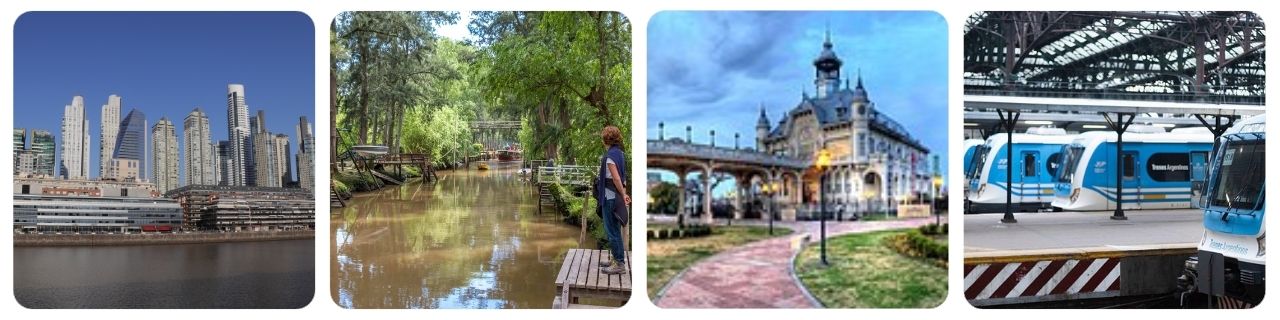
Planning a day trip from Buenos Aires to the Tigre Delta is easy once you understand how suburban trains, scenic tourist railways, guided boat tours and car transfers fit together along the Paraná Delta.
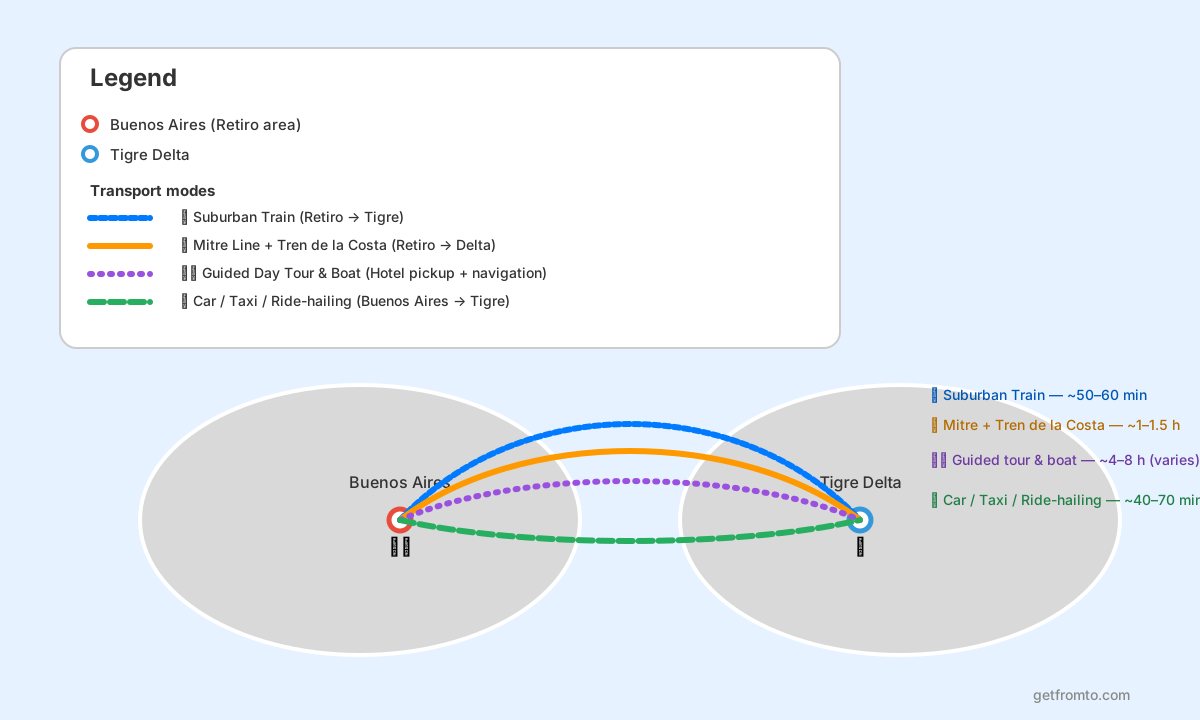
At A Glance (Buenos Aires to Tigre Delta)
| Mode | Duration | Best For |
|---|---|---|
| 🚆 Suburban Train (Retiro → Tigre) | ~50–60 minutes from Retiro (plus time to reach station) | Most travelers, fast & very cheap |
| 🏷️ Cost: typically ~AR$900–3,200 one-way with SUBE (under ~US$2–3; subject to change). Check current fares and schedules on the official Retiro–Tigre Mitre Line page. | ||
| 🚈 Mitre Line + Tren de la Costa (Retiro → Delta) | ~1–1.5h total including change at Mitre/Maipú | Scenic ride along the river suburbs |
| 🏷️ Cost: still inexpensive; expect a little more than the direct train because you pay Mitre + Tren de la Costa tickets. See the connection explained on Viví Tigre – Cómo llegar. | ||
| 🛥️ Guided Day Tour & Boat (Hotel Pickup + Navigation) | ~4–8h door-to-door, depending on tour | Hassle-free visits, first-timers, limited Spanish |
| 🏷️ Cost: usually ~US$40–120 per person including transport and boat ride. Compare options such as Tigre Delta tours on GetYourGuide, curated day trips on Klook or small-group excursions on Trip.com. | ||
| 🚗 Car / Taxi / Ride-hailing (Buenos Aires → Tigre) | ~40–70 minutes one-way depending on traffic | Door-to-door comfort, families, late returns |
| 🏷️ Cost: comparable to a longer city taxi ride; exact fares vary with traffic and apps like Uber or Cabify show live pricing before you book. For pre-booked private rides, check fixed-price transfers on Welcome Pickups or GetTransfer. | ||
Which Option or Route Should You Choose?
- Fastest & Best Value: For most independent travelers, the suburban Mitre train from Retiro to Tigre is ideal – it is frequent, cheap with a SUBE card, and drops you a short walk from the riverfront and Puerto de Frutos.
- Most Scenic: If you like pretty stations, views of leafy suburbs and the riverfront, combine the Mitre Line with the Tren de la Costa to Delta station. It is slower and requires a change but feels like a small excursion in itself.
- Most Hassle-Free: If you do not want to worry about tickets, SUBE cards or Spanish announcements, choose a guided Tigre Delta tour with navigation and hotel pickup. This also works well if you are on a tight schedule.
- Most Flexible Schedule: If you are traveling with kids, elderly relatives or a lot of luggage, a door-to-door car, taxi or pre-booked transfer can be the least stressful, especially for evening returns.
- Combining with a Wider Argentina Trip: If Tigre is just one stop in a longer journey, you might arrive or leave Buenos Aires by long-distance bus or train. For those legs, you can compare routes and carriers (for example, Buenos Aires to Bahía Blanca) on 12Go, then use the local options in this guide to reach Tigre.
How to Book and Practical Tips
- Sort your base in Buenos Aires first: Choose a hotel or apartment with easy access to Retiro or the Linea Mitre corridor – Microcentro, Retiro, Recoleta and Palermo all work well. You can compare locations and prices on Booking.com hotels in Buenos Aires.
- Get a SUBE card early: The SUBE smart card is needed for suburban trains, buses and the Subte. You can buy or top it up at kioskos, subte stations and train stations, or read how it works on the official SUBE website.
- Decide how structured you want the day to be: Confident, budget-conscious travelers usually choose the train and then buy a short boat trip from the riverfront once in Tigre. If you prefer a turnkey experience, pre-book a Tigre Delta tour that includes navigation and free time at Puerto de Frutos.
- Tickets & timetables: Suburban train tickets are bought (or paid via SUBE) on the spot; there is no seat reservation. For scenic Tren de la Costa, day tours and boat cruises, it is worth checking schedules in advance on official sites such as Viví Tigre – Cómo llegar or by browsing recent departures on tour platforms.
- Consider your luggage: Tigre is nicer with a light daypack. If you are between check-out and a night bus or flight, leave big bags in the city using short-term luggage storage near Retiro or central neighborhoods via Radical Storage in Buenos Aires.
- Extra days in the city: If you have more time in Buenos Aires before or after Tigre, you could rent a bicycle or scooter to explore neighborhoods on two wheels (not to ride to Tigre itself) using providers on BikesBooking’s Buenos Aires scooter rentals.
- Arriving by air: If you still need to arrange flights into Buenos Aires, compare options into Ezeiza (EZE) or Aeroparque (AEP) using Booking.com Flights. From the airport, you can head to your hotel with a pre-booked car on Welcome Pickups or GetTransfer, then follow this guide out to Tigre.
🚆 Option #1 — Suburban Mitre Train (Retiro → Tigre, Most Popular & Best Value)
Low cost Frequent departures Can be crowded at rush hour
- Overview: Take the Mitre Line suburban train from Retiro Mitre station to Tigre, the last stop on the branch. The ride takes about 50–60 minutes and runs roughly every 15–20 minutes most of the day.
- How to pay & book (with price): You do not pre-book seats. Tap your SUBE card at the turnstiles in Retiro and again when exiting in Tigre. As of recent years, the full journey typically costs in the low thousands of pesos (often in the ~AR$900–3,200 range depending on current tariffs and card registration) – usually well under a few US dollars. For updated schedules and official information, see the Trenes Argentinos Retiro–Tigre page.
- Pros: Cheapest and often fastest way; scenic elevated sections with views over Palermo and the northern suburbs; very frequent departures; works seamlessly with other SUBE-based transport.
- Cons: Can be busy at commuter times; you need to be comfortable in a local suburban train environment and keep an eye on your belongings, especially around Retiro.
- Bonus – bus alternative: If you prefer buses, line 60 from Constitución, or lines 21/343 from Liniers, also reach Tigre, but they can take 1.5–2 hours in traffic and are less straightforward than the train. They also use the SUBE system.
Step-by-step: Riding the Mitre Train to Tigre
- Reach Retiro Mitre station: From most central districts you can take the Subte Line C to Retiro, another train line, a city bus or a taxi/ride-hailing service (Uber or Cabify). The station is at Av. Ramos Mejía 1303, well signposted and described on the city’s official getting around guide.
- Load your SUBE card: If you do not have one yet, buy a SUBE at kiosks or station counters and load balance at machines or kiosks. For details see the national tourism article “SUBE card: where to buy and how to use it”.
- Follow signs for Linea Mitre – Ramal Tigre: Inside Retiro, look for the Mitre Line concourse and platforms 1–2 signed “Tigre”. Check the next departure on boards and tap in through the turnstiles.
- Ride to Tigre terminus: The train passes through Palermo and northern suburbs before arriving at Tigre. Keep your belongings close, and if you can, sit by the window for views of the city and river.
- Walk to the riverfront & Puerto de Frutos: From Tigre station, follow the crowds or signs toward the river and Puerto de Frutos (10–15 minutes on foot). Along the way, you will pass the fluvial station, boat piers and riverside promenades.
Getting to the main embarking points (Retiro & Tigre)
- From central Buenos Aires to Retiro: Subte Line C connects Constitución, Avenida de Mayo and Retiro; many buses also stop near the station. Taxi, Uber or Cabify are inexpensive for small groups and can drop you directly at the Mitre concourse entrance.
- From Tigre station to boats & Puerto de Frutos: Exit the station, walk straight towards the river and follow signs to the Estación Fluvial and Puerto de Frutos. It is an easy, flat walk; if you prefer not to walk, local taxis usually wait outside the station.
- From Tigre back to Buenos Aires: Simply reverse the journey: trains from Tigre back to Retiro run frequently throughout the day. Avoid the worst commuter crushes (roughly 7–9 a.m. towards Retiro and 5–7 p.m. leaving the city) when possible.
- Locations/Trip Planner: 🔗 Google Map / 🔗 OpenStreetMap
🚈 Option #2 — Mitre + Tren de la Costa to Delta (Scenic Combo)
Scenic Fun for slow travelers Requires a change of trains
- Overview: Instead of riding directly to Tigre, take the Mitre Line from Retiro to Mitre station, then walk over the bridge to Maipú station and board the Tren de la Costa to Delta. This tourist train hugs the river suburbs with pretty stops and cafés.
- How to book (with price): Both the Mitre segment and the Tren de la Costa use the SUBE card. Fares are slightly higher than the straight Retiro–Tigre train because you are paying for two segments, but still very budget-friendly by international standards. The municipality explains the connection clearly on Viví Tigre – Cómo llegar.
- Pros: More relaxed, with the option to hop off in riverside neighborhoods like San Isidro; stations are charming and there are viewpoints along the line.
- Cons: Slower and with one change; schedules for the Tren de la Costa can be less frequent than the main Mitre line, so check times in advance, especially in low season.
Step-by-step: Mitre + Tren de la Costa to Delta
- Go to Retiro Mitre: Reach Retiro as in Option #1 (Subte, bus, or taxi/ride-hailing).
- Take the Retiro–Mitre branch: In the Mitre station concourse, follow signs for the Retiro–Mitre branch (usually platforms 3 or 4). Tap in with SUBE and ride to the last stop, Mitre.
- Walk to Maipú (Tren de la Costa): At Mitre station, follow signs or locals over the pedestrian bridge crossing Av. Maipú to reach Estación Maipú, the start of the Tren de la Costa.
- Ride the Tren de la Costa to Delta: Tap your SUBE card and board the tourist train heading to Delta. Enjoy the short ride with views of the river and leafy suburbs.
- Walk to the fluvial terminal and Puerto de Frutos: From Delta station it is a brief walk to the main boat terminals, Parque de la Costa amusement park and Puerto de Frutos market.
Getting to the main embarking points (Mitre & Maipú / Delta)
- Reaching Mitre station: Take the Mitre Line from Retiro towards Mitre and get off at the last station. If you are staying in northern neighborhoods like Belgrano or Núñez you can often board the same branch closer to home.
- Transferring to Maipú: The pedestrian bridge between Mitre and Maipú stations is straightforward; simply follow the flow of passengers crossing Av. Maipú to the Tren de la Costa entrance.
- Delta station area: Once you arrive at Delta, check station maps for the short walk to the amusement park, fluvial terminal and riverside promenades.
- Locations/Trip Planner: 🔗 Google Map / 🔗 OpenStreetMap
🛥️ Option #3 — Guided Tigre Delta Tour with Navigation (Easiest)
No planning Hotel pickup Higher cost
- Overview: Many agencies offer half-day or full-day tours from Buenos Aires that include bus or van transport to Tigre, a guided cruise through the delta and time to explore Puerto de Frutos or San Isidro. Some even sail from Puerto Madero to Tigre by boat and return by bus.
- How to book (with price): Typical prices range from about US$40–120 per person depending on group size, inclusions and whether lunch is provided. You can compare itineraries and reviews for Tigre Delta tours on GetYourGuide, browse day trips like the Tigre Delta Tour From Buenos Aires or premium navigation options on Trip.com, or look for small-group outings via Klook’s Tigre Delta day trips.
- Pros: Easiest option, especially if you speak little Spanish; hotel pickup saves you from navigating stations; guided commentary helps you understand history, architecture and daily life in the delta.
- Cons: More expensive than DIY; less flexibility with timing; quick stops at highlights may feel rushed compared with exploring independently.
Step-by-step: Joining a Guided Tour
- Choose your style of tour: Decide whether you want a half-day or full-day experience, whether lunch should be included, and if you prefer a boat both ways or a mix of bus + boat.
- Book online: Reserve a date and time on platforms like GetYourGuide, Trip.com or Klook using a credit card. Check the cancellation policy and whether hotel pickup is included or if you need to meet at a central point (often around downtown or Puerto Madero).
- Confirm pickup details: After booking, you will receive an email or app voucher with exact pickup time, vehicle details and an emergency contact number. Make sure they have your hotel address or a clear meeting point.
- Enjoy the ride & navigation: On the day, your guide will collect you, drive to Tigre (often stopping in San Isidro), arrange the boat tickets and accompany the group on board. Listen out for tips about where to eat and what to see at Puerto de Frutos.
- Return to Buenos Aires: Most tours drop you back at your hotel or a central spot. Keep the guide’s contact details until you are safely back, in case of any change in timing.
Getting to the main embarking points (Tour Meeting Points)
- Hotel pickup: Many tours include pickup from centrally located hotels. Check that your accommodation is within the pickup zone; if not, they may suggest a nearby hotel or landmark.
- Central meeting points: If you need to meet the group, common spots include areas around Microcentro, San Telmo or Puerto Madero. Use a licensed city taxi, Uber or Cabify to get there with time to spare.
- Boat departure piers: Some tours leave by boat from Puerto Madero or from piers in Tigre itself. The exact pier will be indicated on your voucher – plan to arrive at least 15–20 minutes early.
- Locations/Trip Planner: 🔗 Google Map / 🔗 OpenStreetMap
🚗 Option #4 — Car, Taxi or Private Transfer (Most Flexible)
Door-to-door Great with luggage Traffic-dependent cost & time
- Overview: Drive or ride north from Buenos Aires along the Autopista Panamericana (Acceso Norte, Ramal Tigre) and follow signs to Tigre. This is the most flexible option, letting you stop in San Isidro or return late without worrying about train timetables.
- How to book (with price): If you do not have a car, you can book a private transfer from your hotel or the airport through Welcome Pickups or GetTransfer, both of which show fixed prices before you confirm. As an alternative, rideshare apps like Uber and Cabify operate widely in Buenos Aires and display an estimate to Tigre before you book. Prices depend on distance and traffic but are usually reasonable when split between several passengers.
- Pros: Maximum flexibility on departure and return times; ideal if you want to combine Tigre with other northern suburbs or travel with bulky luggage; direct point-to-point trips without changing vehicles.
- Cons: You will need to budget for tolls and parking; traffic can be heavy at peak hours; you will not experience local public transport unless you also ride the train or boat on a separate outing.
Step-by-step: Car or Private Transfer to Tigre
- Decide whether to self-drive or hire a driver: If you are comfortable driving in Argentine traffic, you can rent a car (search options together with hotels on Booking.com). Otherwise, pre-book a one-day transfer with Welcome Pickups, GetTransfer or use Uber/Cabify.
- Plan your route: From central Buenos Aires, join the Autopista Panamericana north and follow the Ramal Tigre signs, then exit for Tigre and the riverfront. Modern GPS apps handle this easily.
- Park near the river: On arrival, look for car parks or signed lots near Puerto de Frutos or the fluvial terminal. Paid parking is common on busy days.
- Combine with local boats: Even if you arrive by car, consider taking a one- or two-hour boat ride through the delta, which you can book on the spot at the fluvial terminal or through agencies recommended by the official article “How to get to Tigre and what to do there”.
Getting to the main embarking points (By Road)
- From central Buenos Aires: Allow at least 45–60 minutes to reach Tigre by car, more at rush hour. Your driver or app will likely choose the Panamericana – Ramal Tigre route.
- Drop-offs and pickups: Ask your driver to drop you near the Estación Fluvial or Puerto de Frutos, which makes it easy to board boats or explore the market right away.
- Late returns: If you plan dinner in Tigre or a sunset cruise, a pre-booked transfer or rideshare makes returning to Buenos Aires after dark simpler than timing the last trains.
- Locations/Trip Planner: 🔗 Google Map / 🔗 OpenStreetMap
FAQ (Buenos Aires to Tigre Delta)
Do I need to book tickets in advance for the train from Buenos Aires to Tigre?
Most visitors buy or tap in with their SUBE card on the day; there is no seat reservation system on the Mitre suburban trains. It is still wise to avoid the sharpest weekday rush hours and to check the latest timetable or any planned works via the official Trenes Argentinos Retiro–Tigre page before you go.
Is Tigre Delta better as a day trip or an overnight stay?
For many travelers, Tigre works perfectly as a full day trip from Buenos Aires, combining a riverside walk, boat navigation and Puerto de Frutos. If you love quiet evenings, river views and want to explore more islands by boat or kayak, consider staying overnight in a riverside lodge or cabin in Tigre or on one of the nearby islands, reserving accommodation via sites like Booking.com.
Can I use the SUBE card on everything (train, bus, Subte and Tren de la Costa)?
Yes – the SUBE card is designed as a unified payment method for metropolitan trains, city buses (colectivos), the Subte and even the Tren de la Costa. You simply load credit and tap on readers. For details, check the official pages at argentina.gob.ar/SUBE or the explanatory article about the SUBE card for travelers.
Is Tigre Delta safe to visit on my own?
Tigre is a popular leisure destination for local families, and the central areas around the station, Puerto de Frutos and the main canals feel relaxed during the day. As always, use basic city common sense: keep valuables out of sight, stay on well-lit streets at night, and follow local advice about which areas and boat routes are recommended. Using official boats and licensed tour operators adds an extra layer of safety.
Can I bring luggage or strollers on the train and boats?
Yes, moderate-size luggage and folded strollers are common on the Mitre trains and many boats. However, narrow aisles and busy commuter times can make large suitcases awkward. If you are heading to or from the airport the same day, consider leaving large bags at a luggage storage point in Buenos Aires – for example, via Radical Storage locations in central neighborhoods – and travel to Tigre with a daypack only.




Related Tours/Services
Popular Routes
Recent Routes
- How to get from PortMiami Cruise Terminal to Miami International Airport
- How to get from Samarkand to Bukhara
- How to get from Bell Tower (Xi’an) to Xi’an North Railway Station
- How to get from Canal City Hakata to Hakata Station
- How to get from Rialto Bridge (Venice) to Venezia Santa Lucia Station
- How to get from Florence Cathedral (Duomo) to Firenze Santa Maria Novella Station
- How to get from Nice to Paris
- How to get from Ribeira District (Porto) to Porto Campanhã Station
- How to get from Anne Frank House to Amsterdam Sloterdijk Station
- How to get from Buckingham Palace to London Victoria Station
Top Travel Gears

DUDE Wipes Unscented Pocket Packs, Adult Flushable Travel Wipes, 48 Count

zelin Anti Theft Zipper Clips, Travel Essentials, Carabiner, 4Pcs Grey

INIU 10000mAh 45W Fast Charging Portable Charger, Smaller Travel Power Bank | Flight-Safe, Detachable USB C Cable, Travel Essential, External Battery Phone Pack for iPhone 18 17 Samsung iPad etc
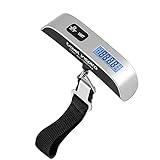
travel inspira Luggage Scale Digital Suitcase Weight Scale for Travel
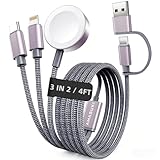
2026 Travel Essentials for Apple Watch Charger,Cruise Vacation Camping Essentials,iPhone Charger,Multi Charging Cable,3 in 2 Charging Docks for iWatch Series 12 11-2/Ultra,iPhone 18 17-12,Car