
How to get from Sao Paulo to Ilhabela

Planning to trade São Paulo’s skyscrapers for Ilhabela’s waterfalls and beaches? Here’s exactly how to get from the city to the island, step by step.
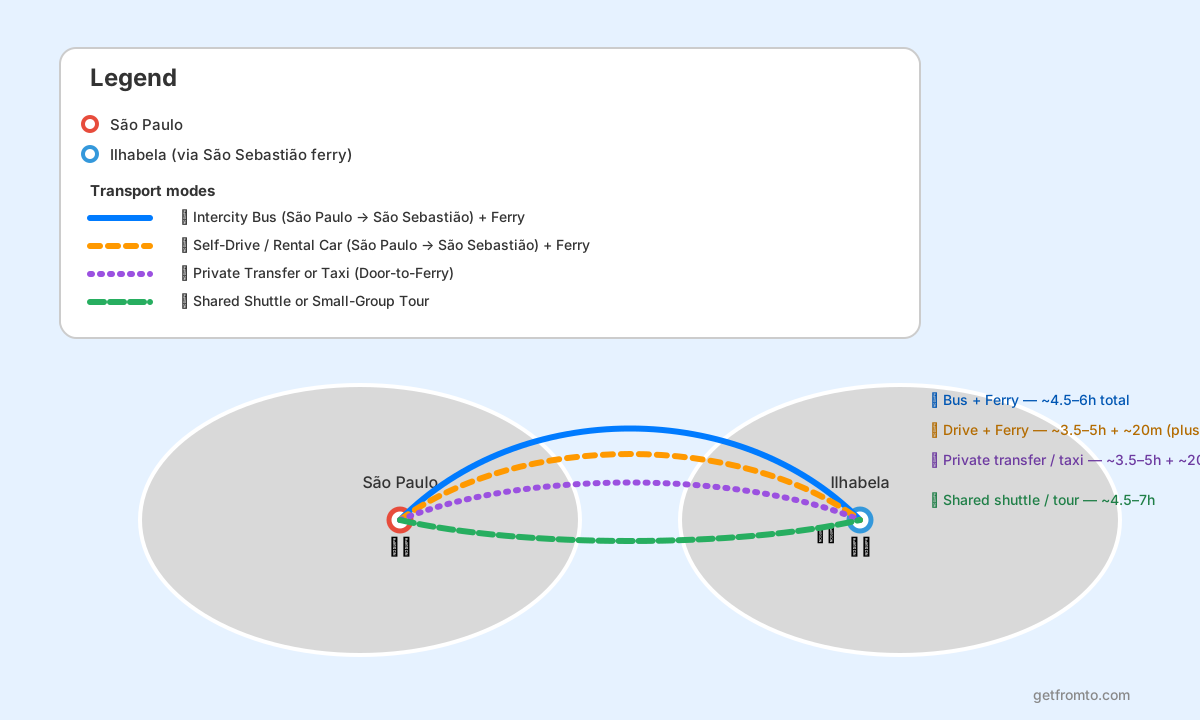
At A Glance (Sao Paulo to Ilhabela)
| Mode | Duration | Best For |
|---|---|---|
| 🚌 Intercity Bus (São Paulo → São Sebastião) + Ferry | ~4.5–6h total (bus + transfer + ferry, traffic-dependent) | Budget travelers, solo backpackers |
| 🏷️ Cost: ~R$80–130 one-way bus ticket + free/low-cost passenger ferry. Compare regional buses from São Paulo on 12Go or use local platforms, then add the short ferry ride. | ||
| 🚗 Self-Drive / Rental Car (São Paulo → São Sebastião) + Ferry | ~3.5–5h drive + ~20m ferry (plus any waiting time) | Families, groups, flexible stops along the coast |
| 🏷️ Cost: From ~R$200–350 per day for an economy rental car (plus tolls, fuel and vehicle ferry fee). You can compare rental deals in São Paulo on Booking.com Cars. | ||
| 🚖 Private Transfer or Taxi (Door-to-Ferry) | ~3.5–5h door-to-door to ferry, then ~20m crossing | Comfort, late-night arrivals, lots of luggage |
| 🏷️ Cost: Priced per vehicle (typically several hundred reais, depending on pickup point and season). Check flat-fee airport transfers with Welcome Pickups or request quotes via GetTransfer; for shorter segments you can also use ride-hailing apps like Uber, 99 or inDrive. | ||
| 🚐 Shared Shuttle or Small-Group Tour | ~4.5–7h depending on pickup area and stops | Those who want a hassle-free, social option |
| 🏷️ Cost: Often from around R$200–400 per person for door-to-door shuttles or day trips, including the ferry crossing. Look for packages on platforms like GetYourGuide or check occasional transfers on Klook and Trip.com. | ||
Which Option or Route Should You Choose?
- Fastest and most convenient overall: If you are happy to pay more for comfort, Option #3 – Private Transfer or Taxi is the smoothest way to go from your hotel or the airport directly to the São Sebastião ferry terminal, then onto Ilhabela.
- Best value for most travelers: Option #1 – Direct Bus balances price and comfort. The intercity buses are generally comfortable, and the only extra step is a short hop from the São Sebastião bus stop to the ferry.
- Most flexibility and scenic stops: If you want to explore beaches along the North Coast (Caraguatatuba, Maresias, etc.), Option #2 – Self-Drive / Rental Car gives you full control over your schedule.
- Social and semi-guided: Travelers who like having logistics handled and perhaps a guide should look at Option #4 – Shared Shuttle or Small-Group Tour, especially if you are short on time or prefer not to plan.
How to Book and Practical Tips
- Step 1 – Plan how you will arrive in São Paulo: International visitors usually fly into GRU, CGH or VCP. You can search multi-airport fares using Booking.com Flights or Trip.com, then connect onward by bus, car or transfer.
- Step 2 – Pick your mainland route to São Sebastião: Decide between bus, rental car, private transfer or shuttle. In high season (Christmas, New Year, Carnival and long weekends), book at least a few days ahead.
- Step 3 – Factor in ferry waiting time: The ferry from São Sebastião to Ilhabela runs 24/7 and normally takes about 15–20 minutes, but queues can be long on holidays. Try to arrive in off-peak hours (late morning or mid-afternoon) if you are traveling by car.
- Step 4 – Reserve accommodation before you cross: Hotels and pousadas often sell out on weekends. You can compare a wide range of stays in town, on the north or south of the island via Booking.com Ilhabela hotels.
- Step 5 – Think about transport on the island: Public buses, taxis and ride-hailing apps cover most populated areas, but many beaches and waterfalls are reached via rough dirt roads or boat. For more freedom, consider local car or scooter rentals, or even booking two wheels through global platforms like BikesBooking where available.
- Luggage and layovers: If you have a long wait in São Paulo before your bus or transfer, you can drop bags near Tietê bus terminal using services such as RadicalStorage so you can explore the city hands‑free.
🚌 Option #1 — Direct Bus (Most Popular, Good Value)
Low cost No driving stress Fixed schedule
- Overview: Intercity coaches run from São Paulo’s main Tietê Bus Terminal to São Sebastião on the North Coast. The ride usually takes about 4.5–6 hours depending on traffic and route. From the arrival point in São Sebastião it is a short taxi, ride-hail or local bus ride to the ferry terminal, followed by a quick ferry crossing to Ilhabela.
- Typical travel time: Expect around 4–5 hours on the road in normal conditions, though some services can take longer on busy weekends or holidays when coastal traffic is heavy.
- How to book (with price): One-way fares commonly range from R$80–130, depending on bus company, seat type and date. You can buy tickets directly at Tietê’s ticket counters or online via Brazilian platforms (Buson, ClickBus, Buser, etc.). For general intercity bus planning from São Paulo, many international travelers also browse routes on 12Go and then purchase the exact São Paulo–São Sebastião ticket locally.
- Pros: Good value, reasonably comfortable, and you avoid the stress of driving mountain roads and coastal traffic.
- Cons: You are tied to the fixed departure schedule, journey times can stretch on holiday weekends, and you still need to connect from the bus stop to the ferry.
Step-by-step: Direct Bus from São Paulo
- Get to Tietê Bus Terminal: From most central neighborhoods you can ride Metro Line 1 (Blue) to the ‘Portuguesa–Tietê’ station, which connects directly to the terminal, or use ride-hailing apps such as Uber, 99 or inDrive if you are traveling with luggage.
- Buy or pick up your ticket: If you have pre-booked online, follow signs to your bus company’s counter to validate tickets if required, then check the departure gate and platform. If not, purchase at the counter using your passport or ID.
- Board the bus to São Sebastião: Aim to be at the boarding gate at least 20–30 minutes before departure. Keep valuables with you and place larger bags in the luggage bay; you will be given a baggage tag.
- Enjoy the ride via inland highways and Tamoios (SP-099): The usual route follows major highways out of São Paulo and then the scenic Rodovia dos Tamoios down to the coast before continuing along the SP-55 toward São Sebastião.
- Connect to the ferry terminal: In São Sebastião, you will typically arrive at or near the main bus terminal. From there, take a short taxi, ride-hail or local bus (operated by Fênix) towards the ‘Balsa’ / ferry area.
- Cross by ferry to Ilhabela: Foot passengers board the São Sebastião–Ilhabela ferry, which usually takes about 15–20 minutes. Services operate 24 hours a day and are the only way to reach the island by road + boat.
- Continue to your accommodation: On the Ilhabela side, taxis, local buses and ride-hails connect the ferry terminal with central Vila, northern beaches and the south of the island.
Getting to the main embarking points (Tietê Bus Terminal)
- From central São Paulo: Take Metro Line 1 (Blue) directly to ‘Portuguesa–Tietê’, which is integrated with the bus terminal concourse. Follow signs for ‘Rodoviária’.
- From Guarulhos (GRU) Airport: Options include airport buses, the airport train/Metro combination, or a pre-booked taxi/transfer. If you prefer a fixed-fee ride, consider arranging a pickup via Welcome Pickups or using ride-hailing apps like Uber, 99 or inDrive.
- Luggage storage near Tietê: If you arrive early, you can store bags in advance at partner locations around the terminal using a service like RadicalStorage at Tietê, then return for your bus.
- Locations/Trip Planner: 🔗 Google Map / 🔗 OpenStreetMap
🚗 Option #2 — Self-Drive / Rental Car (Most Flexible, Great for Road Trips)
Flexible stops Good for families Mountain driving
- Overview: Pick up a rental car in São Paulo and drive about 200–210 km to São Sebastião via the inland highways and Rodovia dos Tamoios (SP‑099), then continue along the coastal SP‑55 to the ferry terminal and cross to Ilhabela.
- Typical travel time: Around 3.5–5 hours depending on departure point and traffic. Weekends and holidays can add significant delays near the coast and at the ferry queue.
- How to book (with price): Economy rentals in São Paulo often start from around R$200–350 per day plus insurance, tolls and fuel. Use comparison tools like Booking.com car rentals in Brazil to compare major agencies, then pick up in the city or at the airport.
- Pros: Maximum flexibility to stop at viewpoints and beaches, easy to carry surfboards or bulky luggage, and convenient if you are traveling with kids or a group.
- Cons: You must be comfortable with Brazilian highway driving and mountain descents, pay attention to speed limits and tolls, and factor in the extra time for vehicle queues at the ferry.
Step-by-step: Self-drive from São Paulo
- Pick up your rental car: Collect your vehicle in São Paulo (downtown or airport). Before leaving, confirm that your contract allows you to cross by ferry to Ilhabela and drive on unpaved roads, which are common on the island.
- Exit the city toward the Vale do Paraíba: Most routes follow Marginal Tietê to connect with Rodovia Presidente Dutra or Rodovia Ayrton Senna / Carvalho Pinto, heading east toward São José dos Campos.
- Take Rodovia dos Tamoios (SP‑099): Near São José dos Campos, follow signs to ‘Caraguatatuba / Rodovia dos Tamoios’. This road crosses the Serra do Mar down to the coast before reaching Caraguatatuba.
- Drive along the SP‑55 to São Sebastião: Once at the coast, follow the SP‑55 south toward São Sebastião, passing beaches and small towns. Expect slower traffic and occasional speed bumps.
- Join the ferry queue: In São Sebastião, follow signs for ‘Travessia Ilhabela / Balsa’. There are separate lines for cars and priority vehicles. In busy periods, staff may direct you into holding lanes.
- Board the ferry: Pay the vehicle fare (foot passengers remain free) and drive onto the ferry when directed. Set your handbrake and remain with or near your vehicle during the 15–20 minute crossing.
- Drive to your stay on Ilhabela: After disembarking, follow SP‑131 north or south along the island to reach your hotel, campsite or vacation rental.
Getting to the main embarking points (São Paulo → São Sebastião Ferry)
- Navigation in São Paulo: Use an offline map app or GPS, as mobile signal can drop on parts of the mountain road. Toll booths accept cash and common cards.
- Fuel and rest stops: Top up fuel before descending the mountain and again near Caraguatatuba or São Sebastião; services become more spaced out along the coast.
- On Ilhabela: Some roads to beaches and trailheads are unpaved and may require a higher-clearance vehicle, especially after heavy rain. Always check with your rental company before venturing onto rough tracks.
- Locations/Trip Planner: 🔗 Google Map / 🔗 OpenStreetMap
🚖 Option #3 — Private Transfer or Taxi (Most Comfortable, Door-to-Door)
Door-to-door Stress-free Highest cost
- Overview: A private car and driver picks you up at your São Paulo hotel or airport and drives you directly to the São Sebastião ferry terminal. You then cross on the ferry (either staying in the vehicle or as a foot passenger), and continue by car or local transport on Ilhabela.
- Typical travel time: Similar to self-drive: around 3.5–5 hours on the road plus ferry time and any queue. The main advantage is convenience and comfort, not speed.
- How to book (with price): Prices are usually quoted per vehicle, based on distance, group size and pickup point. For an idea of services, you can check airport transfer offers with Welcome Pickups or request point‑to‑point quotes with GetTransfer. As a lower‑cost alternative, compare regular taxis and ride-hailing apps such as Uber, 99 or inDrive for shorter segments (for example, airport → Tietê or airport → rental car office).
- Pros: No need to navigate, handle tolls or deal with parking; ideal after a long international flight or when traveling with children and lots of luggage.
- Cons: Significantly more expensive than buses, and you are still subject to potential traffic and ferry queues.
Step-by-step: Private Transfer or Taxi
- Request quotes and book: Contact transfer companies or use platforms like Welcome Pickups and GetTransfer to request a quote from your exact pickup address (e.g., GRU Airport Terminal 3) to ‘Travessia São Sebastião–Ilhabela’.
- Confirm ferry arrangements: Ask whether the driver plans to take the car onto the ferry or drop you at the terminal as a foot passenger. If the car boards, confirm that ferry fees are included or paid separately.
- Meet your driver: On the day, meet at the agreed location. Many services track flights, but send a message if significantly delayed.
- Relax on the drive: Your driver will handle toll roads and route choices; you can enjoy the scenery and rest.
- Board the ferry: Follow the driver’s instructions for the vehicle queue and boarding; if crossing on foot, walk through the passenger entrance and board when allowed.
- Continue to your stay: Once in Ilhabela, either stay with the same driver (for vehicle crossings) or switch to a local taxi or ride-hail to reach your final destination.
Getting to the main embarking points (Private Transfer)
- Airports (GRU, CGH, VCP): Many private transfer companies can pick up at any of São Paulo’s main airports and drive directly to the coast. This is ideal if you land late at night when bus options are limited.
- Central hotels and neighborhoods: For hotels in Paulista, Vila Madalena or Centro, a private transfer saves you from navigating public transport with bags. You can also combine a short ride-hail to a safe pickup point with a pre-booked transfer for the long leg.
- Backup option – ride-hailing: If you prefer to improvise, you can price out a long‑distance trip in apps like Uber or 99; just be sure to confirm that the driver is comfortable with the long coastal drive and possible ferry queue.
- Locations/Trip Planner: 🔗 Google Map / 🔗 OpenStreetMap
🚐 Option #4 — Shared Shuttle or Small-Group Tour
Semi-guided No planning Limited dates
- Overview: Some agencies and tour operators offer shared shuttles or day trips between São Paulo and Ilhabela, often including pickup at central hotels, transport to the ferry, assistance with the crossing and sometimes local tours by boat or jeep on the island.
- Typical travel time: Around 4.5–7 hours each way, depending on pickup rounds in São Paulo, traffic and any sightseeing stops.
- How to book (with price): Prices vary widely with what is included, but simple shared transfers often start around R$200–400 per person. Check availability and reviews on platforms such as GetYourGuide (Ilhabela tours), look for regional shuttles on Klook airport & city transfers, or browse Brazilian agencies that advertise in Portuguese.
- Pros: You do not need to worry about tickets, routes or driving; logistics are handled by the operator and you may have a guide on board.
- Cons: Less flexibility with timing, potentially early departures, and you share the vehicle with other passengers.
Step-by-step: Shared Shuttle or Tour
- Search for operators: Look up ‘São Paulo to Ilhabela transfer’ or ‘Ilhabela day trip from São Paulo’ on GetYourGuide, Klook or Trip.com, and read recent reviews to confirm reliability.
- Check what is included: Confirm whether the price covers ferry tickets, hotel pickup and drop-off, and any activities in Ilhabela (such as boat tours or beach stops).
- Reserve your seats: Book online and provide your hotel address or chosen pickup point. Keep an eye on your email or app for final confirmation and pickup time.
- Meet at pickup point: Be ready 10–15 minutes before the scheduled time. The shuttle may complete several pickups before leaving São Paulo.
- Travel to the ferry and cross: Staff usually guide passengers to the ferry and handle the vehicle or passenger process, then escort you to the other side.
- Enjoy the island or continue to your hotel: Some shuttles drop you in central Vila, while others include island tours before returning you to your accommodation or to São Paulo later the same day.
Getting to the main embarking points (Shuttle / Tour)
- Central pickup hubs: Many tours pick up around Avenida Paulista, Bela Vista or Consolação. Check your voucher for the exact hotel or meeting point.
- Airport pickups: Some shuttles may offer GRU or CGH pickup for a surcharge; if not, consider taking a short taxi or ride-hail to a downtown meeting point.
- Combining shuttles with local tours: If you book a shuttle only to reach Ilhabela, you can later add boat trips, jeep tours and hiking excursions via GetYourGuide once you are on the island.
- Locations/Trip Planner: 🔗 Google Map / 🔗 OpenStreetMap
FAQ (Sao Paulo to Ilhabela)
How long does it take to travel from São Paulo to Ilhabela?
In normal conditions, allow about 4.5–6 hours door‑to‑door from central São Paulo: roughly 3.5–5 hours by car or bus to São Sebastião plus about 15–20 minutes for the ferry crossing, not including any waiting time in the queue.
Do I need to book the São Sebastião–Ilhabela ferry in advance?
For most passengers and private cars, advance booking is not required; you normally join the queue and pay at the terminal for vehicles, while foot passengers cross for free. At peak holiday times, however, waits can be long, so arriving at less busy hours and checking official notices before departure is wise.
Can I reach Ilhabela without a car?
Yes. Many visitors arrive by bus and cross as foot passengers, then rely on local buses, taxis, ride-hailing apps and organized tours to get around. A car is convenient but not essential, especially if you stay near Vila or other well‑served areas.
Is driving to Ilhabela difficult?
The highways from São Paulo to the coast are paved and generally well‑maintained, but sections of the mountain descent and the coastal road can be winding, with sharp curves and varying weather. Drive cautiously, especially in rain or at night, and allow extra time on holiday weekends.
Do I need a 4×4 on Ilhabela?
You do not need a 4×4 for the main ring road and many popular beaches, but some trails and remote beaches are only accessible with high‑clearance or 4×4 vehicles or by boat. If you plan to explore more adventurous areas, consider 4×4 excursions instead of taking a rental car off-road.





Related Tours/Services
Popular Routes
Recent Routes
- How to get from PortMiami Cruise Terminal to Miami International Airport
- How to get from Samarkand to Bukhara
- How to get from Bell Tower (Xi’an) to Xi’an North Railway Station
- How to get from Canal City Hakata to Hakata Station
- How to get from Rialto Bridge (Venice) to Venezia Santa Lucia Station
- How to get from Florence Cathedral (Duomo) to Firenze Santa Maria Novella Station
- How to get from Nice to Paris
- How to get from Ribeira District (Porto) to Porto Campanhã Station
- How to get from Anne Frank House to Amsterdam Sloterdijk Station
- How to get from Buckingham Palace to London Victoria Station
Top Travel Gears

DUDE Wipes Unscented Pocket Packs, Adult Flushable Travel Wipes, 48 Count

zelin Anti Theft Zipper Clips, Travel Essentials, Carabiner, 4Pcs Grey

INIU 10000mAh 45W Fast Charging Portable Charger, Smaller Travel Power Bank | Flight-Safe, Detachable USB C Cable, Travel Essential, External Battery Phone Pack for iPhone 18 17 Samsung iPad etc
travel inspira Luggage Scale Digital Suitcase Weight Scale for Travel
2026 Travel Essentials for Apple Watch Charger,Cruise Vacation Camping Essentials,iPhone Charger,Multi Charging Cable,3 in 2 Charging Docks for iWatch Series 12 11-2/Ultra,iPhone 18 17-12,Car