

How to get from Shibuya Crossing to Tokyo Station
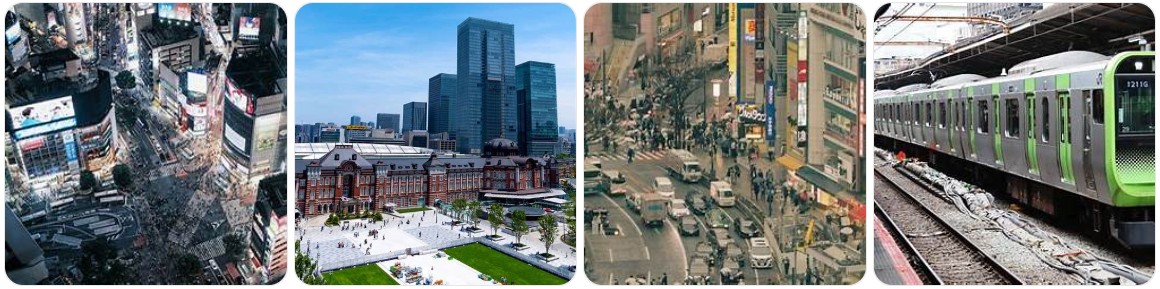
Shibuya Crossing (right by Shibuya Station’s Hachiko side) is one of the easiest places in Tokyo to start a trip to Tokyo Station. For most travelers, the simplest route is the JR Yamanote Line (no transfer), while subway options can be great if you want a specific side of Tokyo Station (Yaesu vs Marunouchi/Otemachi). Taxis and private transfers are fastest door-to-door but cost much more.
At A Glance (Shibuya Crossing to Tokyo Station)
| Mode | Duration | Best For |
|---|---|---|
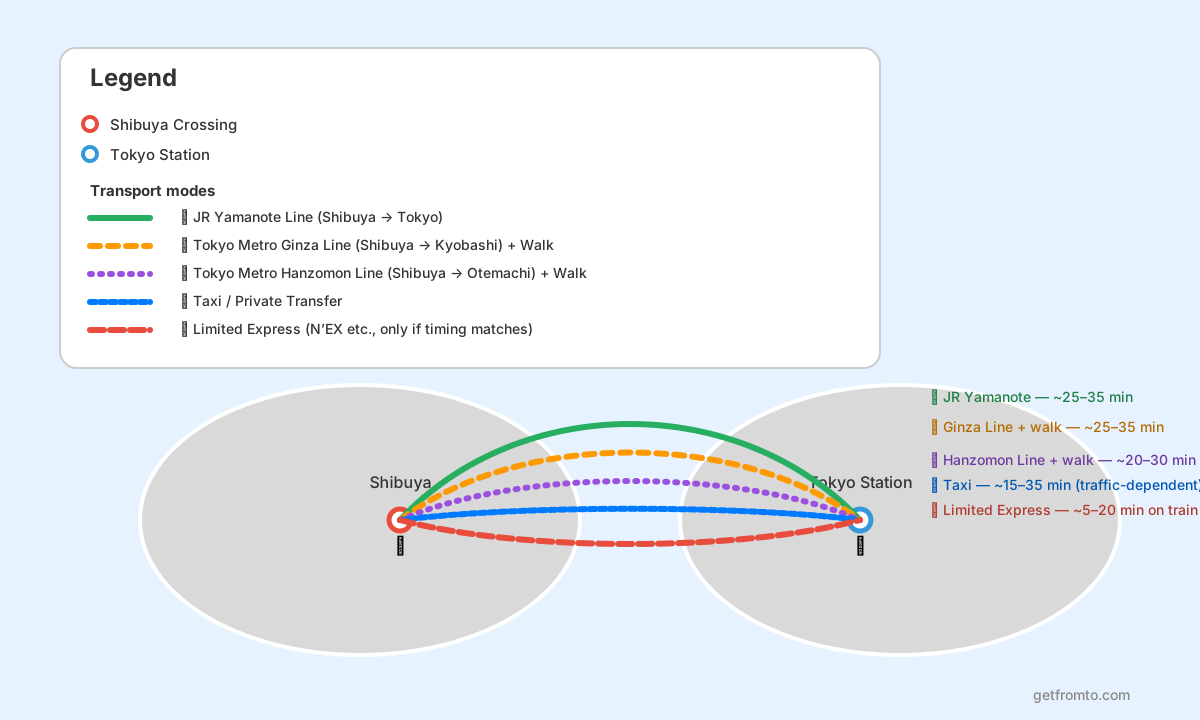
| 🚆 JR Yamanote Line (Shibuya → Tokyo) | ~25–35 min total (including station walking) | Most travelers, simplest route, no transfers |
| 🏷️ Cost: ~¥208–¥210 IC/paper (typical local fare) » compare transport platforms | alt. travel booking | ||
| 🚇 Tokyo Metro Ginza Line (Shibuya → Kyobashi) + Walk | ~25–35 min total | Yaesu side access, metro users, easy signs |
| 🏷️ Cost: ~¥209–¥210 IC/paper » subway pass options | alt. ticket listings | ||
| 🚇 Tokyo Metro Hanzomon Line (Shibuya → Otemachi) + Walk | ~20–30 min total | Marunouchi/Otemachi side, offices, shorter train ride |
| 🏷️ Cost: ~¥190–¥230 typical metro fare band » metro passes | ||
| 🚕 Taxi / Private Transfer | ~15–35 min (traffic-dependent) | Door-to-door comfort, luggage, late-night arrivals |
| 🏷️ Cost: ~¥4,000–¥7,000+ (higher late night / traffic) » private ride options | GetTransfer alternatives | ||
| 🚄 Limited Express (N’EX etc., only if timing matches) | ~5–20 min on train + waiting time | Rare cases with reserved-seat trains already booked |
| 🏷️ Cost: Much higher than local trains (reserved-seat fare applies) » rail booking tools | ||
Which Option or Route Should You Choose?
- Fastest/Most Convenient (most travelers): Option #1 — JR Yamanote Line. It is direct, frequent, easy to understand, and usually the best value.
- Best for Yaesu side (buses, some hotels, shinkansen side): Option #2 — Ginza Line to Kyobashi + walk. The walk into Tokyo Station’s Yaesu side can be straightforward.
- Best for Marunouchi / Otemachi offices: Option #3 — Hanzomon Line to Otemachi + walk. Good if your destination is west/north of Tokyo Station.
- Most Comfortable with luggage / family / late night: Option #4 — Taxi / Private Transfer. Door-to-door, but costs far more than rail.
- Only if already booked / timing lines up: Option #5 — Limited Express. Very fast on train, but not a typical city-center choice.
How to Book and Practical Tips
- Use an IC card (Suica/PASMO) if possible: It is the easiest way to tap in/out on JR and Tokyo Metro without buying single tickets each time.
- Know which side of Tokyo Station you need: Marunouchi (historic red-brick side) vs Yaesu (many buses, shinkansen areas, hotels). This affects whether Kyobashi or Otemachi is better.
- Factor station walking time: The train ride may be short, but Shibuya and Tokyo Station are both large stations. Add 5–15 minutes for exits/platforms.
- Avoid peak commuter times if possible: Roughly weekday mornings and early evenings can be crowded, especially with luggage.
- Luggage storage can help: If you want to sightsee before/after, compare nearby luggage storage on Tokyo Station luggage storage or Shibuya luggage storage.
- Private transfer backup: If trains feel overwhelming, book a ride in advance on Welcome Pickups or GetTransfer. In Tokyo, ride-hailing alternatives such as GO, S.RIDE, and Uber (taxi dispatch) are also commonly used depending on area/time.
- If you need a hotel near the arrival side: Compare stays around the station on Tokyo Station hotels on Booking.com.
🚆 Option #1 — JR Yamanote Line (Most Popular, Good Value)
Easy route No transfer Can be crowded
- Overview: Walk from Shibuya Crossing to JR Shibuya Station, then take the JR Yamanote Line (clockwise direction toward Shinagawa/Tokyo) directly to Tokyo Station.
- Typical time: About 26–30 minutes on the train plus station walking (often 25–35 minutes total from crossing to exit).
- How to book (with price): Usually easiest by IC card (Suica/PASMO). Ballpark local fare is around ¥208–¥210 for this ride. If you need route planning/booking tools, compare platforms like 12Go or Trip.com Trains (local commuter rides are often easiest to pay at the station).
- Pros: Simple, frequent, no transfer, great for first-time visitors. Cons: Tokyo Station is huge; you may still walk a lot after arrival.
Step-by-step: JR Yamanote Line
- Start at Shibuya Crossing and head toward the Hachiko side / JR entrances of Shibuya Station.
- Follow signs for JR Lines and enter with IC card or buy a local ticket.
- Look for the JR Yamanote Line platform for trains heading toward Shinagawa / Tokyo (not the opposite loop toward Shinjuku/Ueno).
- Board the train and ride directly to Tokyo Station.
- At Tokyo Station, follow signs to your target side: Marunouchi (west) or Yaesu (east). Use the JR East Tokyo Station maps if you want a platform/gate layout before arrival.
Getting to the main embarking points (JR Shibuya Station)
- From Shibuya Crossing: You are already beside Shibuya Station. Walk toward the Hachiko side / JR gates; signage is abundant.
- Need station layout first? Check JR East Shibuya Station map.
- If you are carrying luggage: Consider dropping bags first via luggage storage in Shibuya to make station navigation easier.
- Locations/Trip Planner: 🔗 Google Map / 🔗 OpenStreetMap
🚇 Option #2 — Tokyo Metro Ginza Line to Kyobashi + Walk (Great for Yaesu Side)
Frequent service Good for Yaesu Includes final walk
- Overview: Take the Tokyo Metro Ginza Line from Shibuya to Kyobashi, then walk to Tokyo Station (especially convenient for the Yaesu side).
- Typical time: Around 18 minutes on the train plus ~8–12 minutes walking (often 25–35 minutes total depending on exits and crowds).
- How to book (with price): Single fares are usually around ¥209–¥210 (IC/paper). For tourists doing multiple rides in a day, compare Tokyo subway ticket options on Klook or GetYourGuide listings.
- Pros: Useful if your hotel/meeting point is on the Yaesu side; straightforward metro line from Shibuya. Cons: Still requires a city walk after Kyobashi.
Step-by-step: Ginza Line to Kyobashi
- From Shibuya Crossing, follow signs for Tokyo Metro Ginza Line (G01) at Shibuya Station.
- Enter via IC card or buy a metro ticket at the machine.
- Board a Ginza Line train toward Asakusa.
- Get off at Kyobashi (G10).
- Exit and walk to Tokyo Station (Yaesu side). If you need final orientation, use the Tokyo Station City map/area map.
Getting to the main embarking points (Tokyo Metro Ginza Line at Shibuya)
- From Shibuya Crossing: Look for orange Ginza Line signs (station code G01).
- Station info/maps: Tokyo Metro’s Shibuya Station page includes maps and exit guidance.
- Fare/route planning: Use the official Tokyo Metro Fare/Transfer Search and regular ticket info.
- Locations/Trip Planner: 🔗 Google Map / 🔗 OpenStreetMap
🚇 Option #3 — Tokyo Metro Hanzomon Line to Otemachi + Walk (Fast for Marunouchi/Otemachi)
Short ride Business-district friendly Long station corridors possible
- Overview: Ride the Tokyo Metro Hanzomon Line from Shibuya to Otemachi, then walk to Tokyo Station / Marunouchi area.
- Typical time: Roughly 17 minutes on the train plus ~5–12 minutes walking (often 20–30 minutes total).
- How to book (with price): Metro fares typically fall around ¥190–¥230 depending on route/ticket type. Check current fares on the Tokyo Metro Fare/Transfer Search. If you will ride multiple metro lines the same day, compare passes via Klook.
- Pros: Excellent for Otemachi/Marunouchi destinations; often very efficient. Cons: Otemachi/Tokyo underground connections can be long if you are new to the area.
Step-by-step: Hanzomon Line to Otemachi
- From Shibuya Crossing, follow signs for Tokyo Metro Hanzomon Line (Z01).
- Tap in with IC card or buy a ticket.
- Take a train on the Hanzomon Line toward Oshiage.
- Get off at Otemachi and follow signs for Tokyo Station / Marunouchi (or your office/building exit).
- If you are connecting to JR/shinkansen, allow extra time for underground corridors and ticket gates.
Getting to the main embarking points (Tokyo Metro Hanzomon Line at Shibuya)
- From Shibuya Crossing: Follow Tokyo Metro signs for Z01 (Hanzomon Line).
- Useful prep: Download the Tokyo Metro subway map if you want station numbers and line colors offline.
- Arrival-side navigation: For Tokyo Station exits/facilities, use the Tokyo Station City information map.
- Locations/Trip Planner: 🔗 Google Map / 🔗 OpenStreetMap
🚕 Option #4 — Taxi / Private Transfer (Door-to-Door, Best for Luggage)
Door-to-door Luggage-friendly Traffic-dependent cost/time
- Overview: Take a street taxi or pre-book a private transfer from the Shibuya Crossing area to your exact Tokyo Station entrance/hotel.
- Typical time: Around 15–35 minutes depending on traffic, weather, and pickup point.
- How to book (with price): Ballpark daytime cost is often around ¥4,000–¥7,000+, with higher late-night surcharges and traffic delays. Compare pre-booked options on Welcome Pickups or GetTransfer. You can also use ride-hailing apps like GO, S.RIDE, or Uber (taxi dispatch in Tokyo).
- Pros: No stairs/transfers, easiest with strollers or heavy bags. Cons: Most expensive option; traffic can erase any time advantage.
Step-by-step: Taxi / Private Transfer
- Set your destination precisely (for example: Tokyo Station Marunouchi North/ South or Tokyo Station Yaesu Central Exit / nearby hotel).
- If using an app, pin a pickup point slightly away from the busiest edge of Shibuya Crossing for easier pickup.
- If hailing a street taxi, confirm the destination and preferred station side (Marunouchi or Yaesu) before departure.
- During peak traffic, ask to be dropped at the closest convenient gate and walk the final few minutes if needed.
Getting to the main embarking points (Taxi pickup around Shibuya Crossing)
- Best pickup strategy: Move to a calmer side street or hotel frontage near Shibuya Station rather than the middle of the crossing area.
- If pre-booking: Share a recognizable landmark (Hachiko, Shibuya Scramble Square area, or your hotel entrance) to reduce pickup confusion.
- If continuing onward from Tokyo Station: Reserve luggage storage first via Tokyo Station luggage storage or use station facilities shown on the Tokyo Station City map.
- Locations/Trip Planner: 🔗 Google Map / 🔗 OpenStreetMap
🚄 Option #5 — Limited Express (N’EX etc.) if Timing Matches
Very fast onboard Reserved seating Not the usual city-center choice
- Overview: Some limited express services (such as airport-oriented trains) may stop at both Shibuya and Tokyo, making the on-train segment very quick.
- Typical time: The train ride itself can be very short, but total travel time depends heavily on waiting time, platform access, and schedule alignment.
- How to book (with price): Reserved-seat/limited-express fares apply, so this is usually much more expensive than a local JR/Metro ride. Only consider it if you already have a reservation or your timing is perfect. Compare train booking tools on Trip.com Trains.
- Pros: Comfortable seats; fast onboard. Cons: Poor value for a short city transfer unless bundled with a longer trip.
Step-by-step: Limited Express (only if already planned)
- Check whether your reserved train departs from Shibuya Station and stops at Tokyo Station.
- Arrive early and confirm the correct platform and car number.
- Board using your reserved-seat ticket/QR/ticket pickup instructions.
- At Tokyo Station, follow signs from the arrival platform to your target exit (Marunouchi/Yaesu).
Getting to the main embarking points (JR platforms in Shibuya)
- From Shibuya Crossing: Enter JR Shibuya Station and verify the exact platform; limited express departures are less frequent and may use different guidance than commuter trains.
- Station layout help: Use JR East Shibuya Station map and JR East Tokyo Station map.
- Locations/Trip Planner: 🔗 Google Map / 🔗 OpenStreetMap
FAQ (Shibuya Crossing to Tokyo Station)
What is the easiest way to get from Shibuya Crossing to Tokyo Station?
For most travelers, the JR Yamanote Line is the easiest because it is direct, frequent, and simple to follow from JR Shibuya Station.
How long does it take?
Most trips take about 20–35 minutes total depending on route and station walking. The train/subway ride itself can be shorter, but both Shibuya and Tokyo Station are large stations.
Which is better: JR Yamanote or Tokyo Metro?
Choose JR Yamanote for the simplest no-transfer route. Choose Ginza Line to Kyobashi for the Yaesu side, or Hanzomon Line to Otemachi for Marunouchi/Otemachi destinations.
How much does it cost?
A normal local rail/subway ride is usually around ¥200-ish (roughly ¥190–¥230 depending on line and fare type). Taxis/private transfers are much more expensive but more convenient with luggage.
Can I use Suica or PASMO?
Yes. IC cards are the easiest payment method for JR and Tokyo Metro. Just tap in and tap out.
Is there a direct bus from Shibuya Crossing to Tokyo Station?
There are city bus combinations in Tokyo, but for this route they are usually slower and less convenient than rail unless you have a very specific stop and light traffic.
Which Tokyo Station exit should I choose?
Use Marunouchi for the historic red-brick facade/business district side, and Yaesu for many buses, shinkansen areas, and lots of hotels/shops.
What if I have large luggage?
Use Taxi / Private Transfer for door-to-door convenience, or store bags at Shibuya/Tokyo Station using station facilities or services like Radical Storage.





Related Tours/Services
Popular Routes
Recent Routes
- How to get from Oslo Opera House to Oslo Central Station
- How to get from Helsinki Cathedral to Helsinki Central Station
- How to get from Bucharest Old Town to Gara de Nord
- How to get from Ban Jelačić Square (Zagreb) to Zagreb Glavni Kolodvor
- How to get from Knez Mihailova Street (Belgrade) to Belgrade Centre (Prokop) Station
- How to get from The Bund (Shanghai) to Shanghai Railway Station
- How to get from Odori Park (Sapporo) to Sapporo Station
- How to get from Plaza de Armas to Terminal Alameda (Santiago)
- How to get from Times Square to Penn Station (New York)
- How to get from India Gate to New Delhi Railway Station
Top Travel Gears

zelin Anti Theft Zipper Clips, Travel Essentials, Carabiner, 4Pcs Grey
2026 Travel Essentials for Apple Watch Charger,Cruise Vacation Camping Essentials,iPhone Charger,Multi Charging Cable,3 in 2 Charging Docks for iWatch Series 12 11-2/Ultra,iPhone 17-12,Car

INIU 10000mAh 45W Fast Charging Portable Charger, Smaller Travel Power Bank

LISEN Airplane Travel Essentials for Flying Airplane Phone Holder for Desk
FYY Electronic Organizer, Travel Tech Pouch Bag, Cable Organizer Black
