

How to get from Tsim Sha Tsui to Hung Hom Station (Hong Kong)
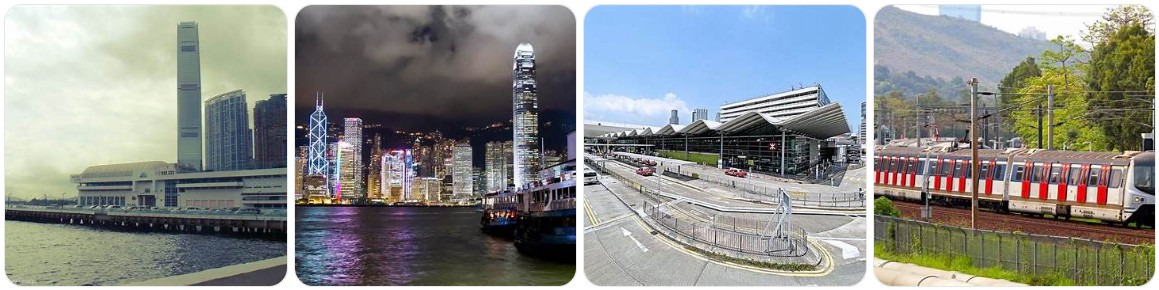
Tsim Sha Tsui to Hung Hom Station is a short hop across East Tsim Sha Tsui/Hung Hom, and you can do it on foot, by one-stop MTR, or by a quick bus/minibus/taxi depending on your luggage and exact starting point.
At A Glance (Tsim Sha Tsui to Hung Hom Station (Hong Kong))
| Mode | Duration | Best For |
|---|---|---|
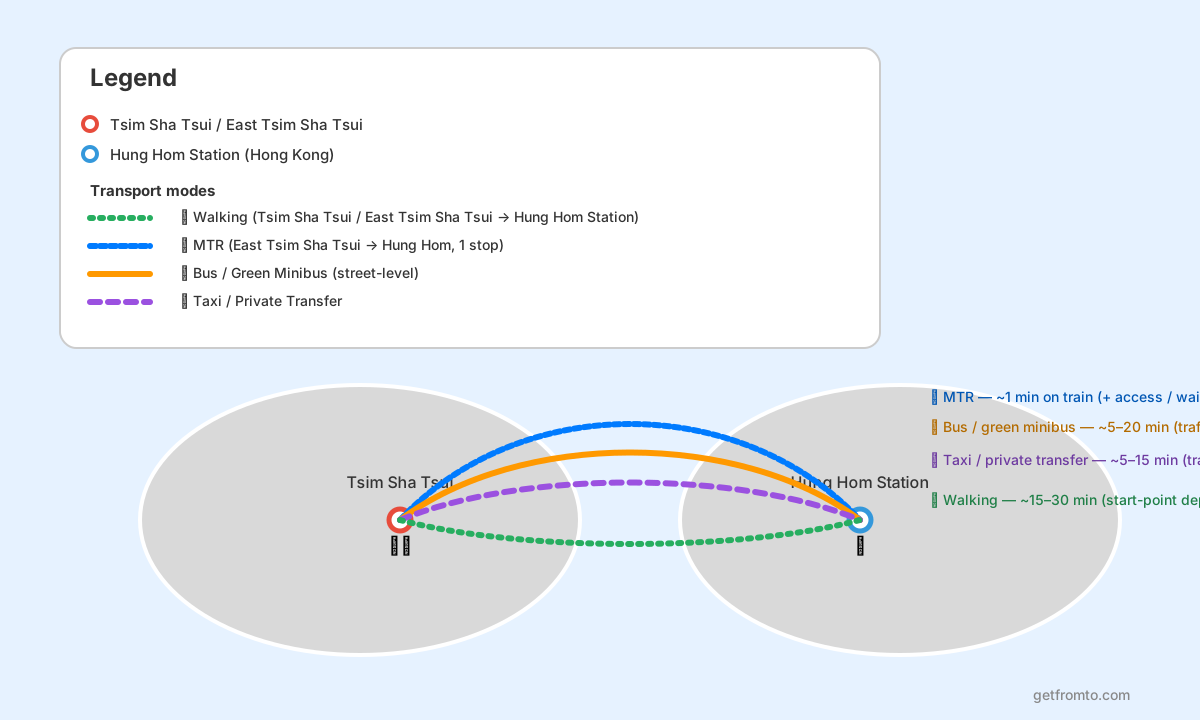
| 🚶 Walking (Tsim Sha Tsui / East Tsim Sha Tsui → Hung Hom Station) | ~15–30 min (start-point dependent) | Budget travelers, light luggage, good weather |
| 🏷️ Cost: Free | helpful if you want to stop for luggage storage at Radical Storage in Hong Kong | ||
| 🚇 MTR (East Tsim Sha Tsui → Hung Hom, 1 stop) | ~1 min on train (+ station access/wait time) | Fastest public transport, all-weather, easiest with moderate luggage |
| 🏷️ Cost: Typically low local MTR fare (about HK$2–6 depending on payment/ticket type) » fares & tickets | route planner | ||
| 🚌 Bus / Green Minibus (street-level) | ~5–20 min (traffic dependent) | Specific street-to-street trips, avoiding station stairs |
| 🏷️ Cost: Usually ~HK$5–10 » check live routes | ||
| 🚕 Taxi / Private Transfer | ~5–15 min (traffic dependent) | Heavy luggage, late night, door-to-door convenience |
| 🏷️ Cost: Taxi usually ~HK$35–80 for this short city ride (meter + surcharges/traffic); private transfer prices vary on Klook | Trip.com | Welcome Pickups | ||
Which Option or Route Should You Choose?
- Fastest / Most Reliable: Option #2 — MTR (East Tsim Sha Tsui → Hung Hom). The train ride itself is only one stop and avoids road traffic.
- Cheapest / Most Economical: Option #1 — Walking if your hotel is in East Tsim Sha Tsui and you have light bags.
- Most Convenient with Heavy Luggage: Option #4 — Taxi / Private Transfer (door-to-door, especially useful in heat/rain).
- Flexible Street-to-Street Public Option: Option #3 — Bus / Green Minibus if your start point is not close to East Tsim Sha Tsui Station entrances.
How to Book and Practical Tips
- No booking needed for MTR/bus/minibus: Use Octopus, contactless bank card (where available), QR ticket, or single-journey ticket for MTR. For buses/minibuses, Octopus is usually the easiest.
- Use official planners before leaving: Check HKeMobility for live point-to-point routing and the MTR system map / station layouts.
- Know the station pair: The direct train to Hung Hom starts from East Tsim Sha Tsui Station (not the Tsuen Wan Line platforms at Tsim Sha Tsui Station). The two stations are connected by pedestrian subways.
- If you have big bags: Choose taxi/private transfer or walk using wider pavements; consider temporary bag drop at luggage storage in Hong Kong before sightseeing.
- Ride-hailing alternatives: In Hong Kong, travelers commonly use Uber and local taxi apps (availability varies by area/time). You can also pre-arrange private rides via GetTransfer or Welcome Pickups.
- If staying nearby: Compare hotels around Tsim Sha Tsui/Hung Hom on Booking.com Hong Kong stays.
🚶 Option #1 — Walking (Cheapest, Easy in Good Weather)
Free Flexible Weather-dependent
- Overview: If you are already in East Tsim Sha Tsui (K11 MUSEA / Mody Road / Salisbury Road side), walking to Hung Hom Station can be straightforward and often takes about 15–25 minutes. From the western side of Tsim Sha Tsui (Harbour City/Nathan Road side), allow 20–30+ minutes.
- How to do it (with price): No fare. Use phone navigation or official route planning via HKeMobility if you want a walking route estimate.
- Pros: Free, scenic if you detour along the promenade, no waiting. Cons: Heat, humidity, rain, and luggage can make it uncomfortable.
Step-by-step: Walking
- Identify your exact start point in Tsim Sha Tsui: If you are near East Tsim Sha Tsui exits (Mody Road / Salisbury Road / Chatham Road South), walking is usually most practical.
- Head east / southeast toward Hung Hom: Follow major roads and pedestrian links toward the Hong Kong Coliseum / Hung Hom Station area.
- Use elevated walkways or signed station approaches where available: The Hung Hom station area has multiple exits and walkways linking to Tsim Sha Tsui East/Hung Hom.
- Enter the station at the closest exit for your onward train: Check the MTR station map/layout resources if you need a specific exit (e.g., train platform, bus terminus, Coliseum side).
Getting to the main embarking points (Tsim Sha Tsui / East Tsim Sha Tsui)
- From hotels on Nathan Road: Walk east via Middle Road/Mody Road subway links toward East Tsim Sha Tsui before continuing to Hung Hom.
- From K11 MUSEA / Avenue of Stars area: You are already on the eastern side of Tsim Sha Tsui; this is one of the easiest starting zones for a walk to Hung Hom Station.
- With luggage: If pavements/crowds feel tiring, switch to MTR or taxi/private transfer.
- Locations/Trip Planner: 🔗 Google Map / 🔗 OpenStreetMap
🚇 Option #2 — MTR (East Tsim Sha Tsui → Hung Hom, Fastest Public Transport)
Low cost Fastest Requires correct station
- Overview: Take the MTR from East Tsim Sha Tsui Station to Hung Hom Station (one stop). The in-train time is about 1 minute, but total trip time is usually 8–20 minutes including walking inside stations and waiting.
- How to book (with price): No advance booking needed. Pay using Octopus / QR / single-journey ticket / eligible contactless payment. Typical local fare for this very short hop is generally around HK$2–6. Check current fare/payment details at MTR tickets & fares.
- Pros: Very fast, sheltered, frequent service, easy in rain. Cons: You must start from East Tsim Sha Tsui platforms (not just any Tsim Sha Tsui entrance); some station walking may be long depending on your hotel.
- Official websites: MTR system map / station maps, MTR tickets & fares, HKeMobility trip planner, Transport Department HKeMobility info.
Step-by-step: MTR (East Tsim Sha Tsui → Hung Hom)
- Get to East Tsim Sha Tsui Station: If you are at Tsim Sha Tsui Station on Nathan Road, use the underground pedestrian links/signage to East Tsim Sha Tsui.
- Enter the station and pay: Tap Octopus / contactless where accepted, or buy a single-journey ticket/QR option from MTR machines.
- Follow signs for the train toward Hung Hom: This is a very short one-stop ride.
- Ride to Hung Hom Station: Stay alert because the trip is quick (about 1 minute on the train).
- Exit at Hung Hom using the exit closest to your destination: Useful if you are heading to the Hong Kong Coliseum, PolyU, cross-harbour buses, or onward rail services.
Getting to the main embarking points (East Tsim Sha Tsui Station)
- From Nathan Road / Tsim Sha Tsui MTR: Use the connected subways toward East Tsim Sha Tsui (allow extra walking time).
- From Tsim Sha Tsui East hotels (Mody Road / Chatham Road South): East Tsim Sha Tsui station entrances are often closer than Tsim Sha Tsui station.
- From the harbourfront/K11 MUSEA area: Follow signs to nearby East Tsim Sha Tsui station exits/entrances and take the one-stop train.
- Locations/Trip Planner: 🔗 Google Map / 🔗 OpenStreetMap
🚌 Option #3 — Bus / Green Minibus (Street-Level, Flexible)
Good value Street-to-street Traffic-dependent
- Overview: Several buses/minibuses connect Tsim Sha Tsui East and the Hung Hom Station vicinity. This is useful if your pickup point is already on a bus corridor and you want to avoid station transfers.
- How to use (with price): Usually pay with Octopus (most convenient). Typical fare is often around HK$5–10 depending on route/operator. Use HKeMobility to check the best current route, stop, and ETA.
- Pros: Can be more direct from some hotels, easy street boarding, good if station entrances are far. Cons: Traffic can make a short trip slower than MTR; stop names can be confusing for first-time visitors.
- Official websites: HKeMobility and Transport Department (HKeMobility).
Step-by-step: Bus / Green Minibus
- Open HKeMobility and search point-to-point: Enter your exact Tsim Sha Tsui starting address and “Hung Hom Station”.
- Pick a route with a nearby stop: For such a short trip, prioritize the least walking and fewest crossings rather than absolute in-vehicle time.
- Board at the correct direction-bound stop: Confirm destination display/sign before boarding.
- Pay with Octopus (recommended): Tap when boarding (and follow local rules by service type).
- Alight at/near Hung Hom Station: Walk the last few minutes to your needed station exit.
Getting to the main embarking points (Bus/Minibus stops in Tsim Sha Tsui East)
- Best starting area: Tsim Sha Tsui East (Mody Road / Chatham Road South / Salisbury Road corridors) often has convenient stops toward Hung Hom.
- If starting from western Tsim Sha Tsui: Consider walking to East Tsim Sha Tsui first, or just use MTR / taxi to save time.
- Accessibility tip: Buses can be easier than long underground passages if you prefer fewer stairs/escalators, but traffic can vary.
- Locations/Trip Planner: 🔗 Google Map / 🔗 OpenStreetMap
🚕 Option #4 — Taxi / Private Transfer (Most Convenient with Luggage)
Door-to-door Comfortable Higher cost for short hop
- Overview: A taxi is often the easiest option if you have heavy luggage, children, or a tight schedule. For this short route, total travel time is usually 5–15 minutes depending on traffic and pickup delay.
- How to book (with price): Street-hailed red urban taxis are common in Kowloon. Metered cost for a short Tsim Sha Tsui → Hung Hom Station ride is often around HK$35–80 (varies by exact pickup point, traffic, baggage/tunnel charges where applicable). For pre-booked rides, compare Welcome Pickups, GetTransfer, Klook, GetYourGuide Hong Kong, or Trip.com.
- Pros: No station navigation, good in rain/heat, easiest for luggage. Cons: Can be slower than MTR in traffic and costs much more than train/walk for such a short distance.
- Ride-hailing alternatives: Uber is commonly used in Hong Kong; local taxi apps are also available depending on your preference and pickup point.
- Official websites: For route planning/traffic context, use HKeMobility.
Step-by-step: Taxi / Private Transfer
- Set destination clearly: Use “Hung Hom Station” (紅磡站) in your map/app and, if needed, show the Chinese name to the driver.
- Choose pickup point: Stand somewhere safe/legal for pickup (hotel entrance is easiest).
- Confirm drop-off side/exits if needed: Hung Hom Station has multiple exits; if you need the Coliseum / PolyU / bus terminus side, mention it.
- Pay by meter or pre-booked app price: Keep small change/card as backup depending on operator/app.
- If continuing to rail: Allow a few extra minutes to walk from taxi stand to the correct MTR or intercity concourse.
Getting to the main embarking points (Taxi pickup in Tsim Sha Tsui)
- Hotels and malls: Most have designated loading/drop-off areas that are easier for taxis than roadside hails in busy lanes.
- Busy shopping streets: Walk to a wider main road if your lane is crowded and hard for cars to stop safely.
- Luggage tip: If you are sightseeing before departure, stash bags at Radical Storage and travel light.
- Locations/Trip Planner: 🔗 Google Map / 🔗 OpenStreetMap
FAQ (Tsim Sha Tsui to Hung Hom Station (Hong Kong))
What is the fastest way to get from Tsim Sha Tsui to Hung Hom Station?
For most travelers, the MTR from East Tsim Sha Tsui to Hung Hom is the fastest public option. The train ride is only one stop, though total time depends on how far you are from the station entrance.
Can I walk from Tsim Sha Tsui to Hung Hom Station?
Yes. Walking is practical, especially from East Tsim Sha Tsui, and is often around 15–25 minutes in normal conditions.
Do I need to start from Tsim Sha Tsui Station or East Tsim Sha Tsui Station for the direct train?
Use East Tsim Sha Tsui Station for the direct one-stop rail hop to Hung Hom. Tsim Sha Tsui and East Tsim Sha Tsui are linked by underground passages, so you may need extra walking time between them.
How much does the MTR cost for this route?
It is usually a very low local fare (commonly around HK$2–6 depending on payment/ticket type). Check current details on the MTR fares page.
Is a taxi worth it for such a short distance?
A taxi/private transfer is worth it if you have heavy luggage, children, or bad weather. Otherwise, MTR or walking is usually better value.
What app should I use to plan the route live?
Use HKeMobility for point-to-point public transport, walking, and traffic-aware routing in Hong Kong.





Related Tours/Services
Popular Routes
Recent Routes
- How to get from Oslo Opera House to Oslo Central Station
- How to get from Helsinki Cathedral to Helsinki Central Station
- How to get from Bucharest Old Town to Gara de Nord
- How to get from Ban Jelačić Square (Zagreb) to Zagreb Glavni Kolodvor
- How to get from Knez Mihailova Street (Belgrade) to Belgrade Centre (Prokop) Station
- How to get from The Bund (Shanghai) to Shanghai Railway Station
- How to get from Odori Park (Sapporo) to Sapporo Station
- How to get from Plaza de Armas to Terminal Alameda (Santiago)
- How to get from Times Square to Penn Station (New York)
- How to get from India Gate to New Delhi Railway Station
Top Travel Gears

zelin Anti Theft Zipper Clips, Travel Essentials, Carabiner, 4Pcs Grey

2026 Travel Essentials for Apple Watch Charger,Cruise Vacation Camping Essentials,iPhone Charger,Multi Charging Cable,3 in 2 Charging Docks for iWatch Series 12 11-2/Ultra,iPhone 17-12,Car

INIU 10000mAh 45W Fast Charging Portable Charger, Smaller Travel Power Bank

LISEN Airplane Travel Essentials for Flying Airplane Phone Holder for Desk
FYY Electronic Organizer, Travel Tech Pouch Bag, Cable Organizer Black
