

How to get from Venice to Milan
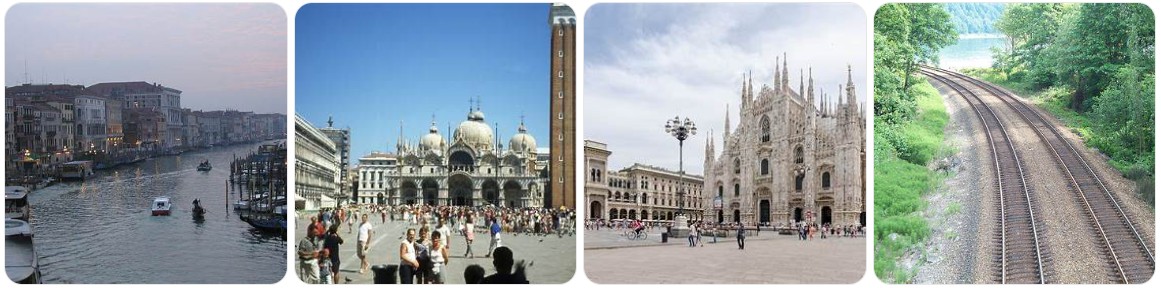
Venice to Milan is one of Italy’s easiest intercity routes, with frequent high-speed trains from Venezia Santa Lucia and Milano Centrale, plus budget buses and private transfers. Most travelers should take the train for the best mix of speed, comfort, and city-center convenience; buses are the cheapest, while private cars help if you have lots of luggage or need door-to-door service.
At A Glance (Venice to Milan)
| Mode | Duration | Best For |
|---|---|---|
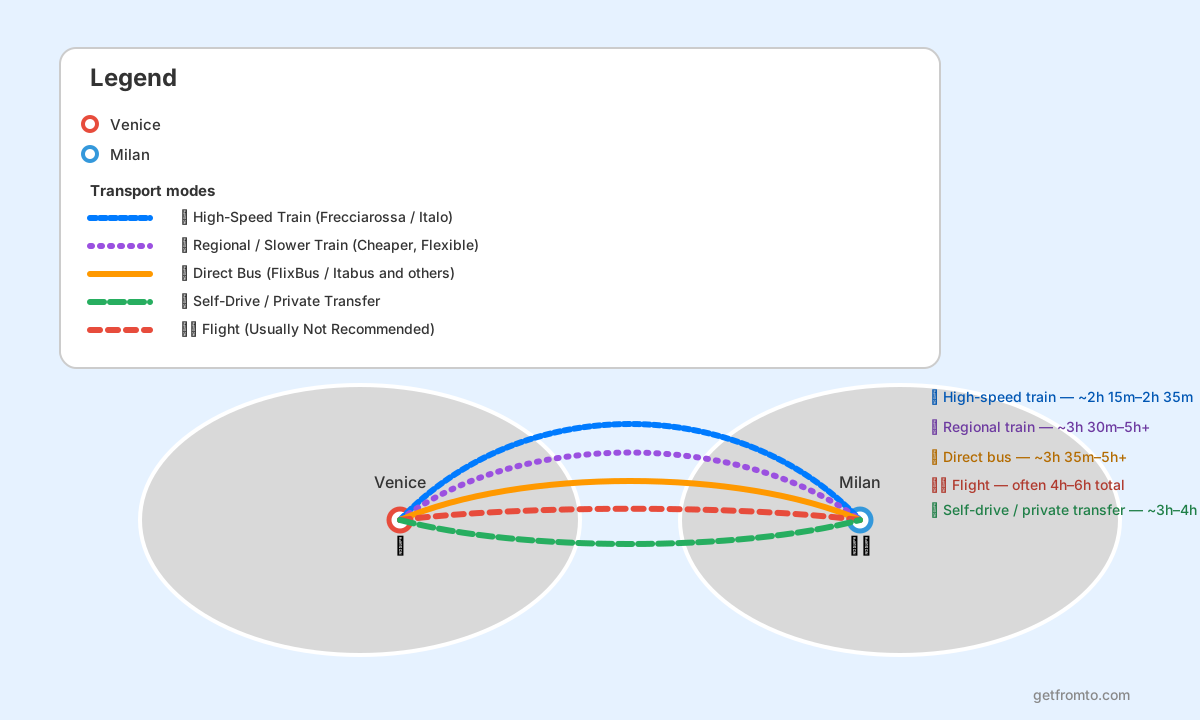
| 🚄 High-Speed Train (Frecciarossa / Italo) | ~2h 15m–2h 35m station-to-station | Fastest city-center to city-center travel |
| 🏷️ Cost: ~€15–€80 one-way depending on timing/class » compare trains/buses | alt. rail listings | ||
| 🚆 Regional / Slower Train (Cheaper, Flexible) | ~3h 30m–5h+ (often with changes) | Budget travelers with flexible schedules |
| 🏷️ Cost: ~€20–€45 » check schedules | ||
| 🚌 Direct Bus (FlixBus / Itabus and others) | ~3h 35m–5h+ (traffic-dependent) | Lowest cost, overnight/late departures |
| 🏷️ Cost: ~€7–€35 » bus times | alt. listings | ||
| 🚗 Self-Drive / Private Transfer | ~3h–4h driving (+ breaks/tolls) | Door-to-door convenience, families, groups |
| 🏷️ Cost: Car rental + fuel/tolls/parking, or private car ~€250+ total » compare car rental | private transfers | GetTransfer | ||
| ✈️ Flight (Usually Not Recommended) | ~1h flight + airport transfers/check-in (often 4h–6h total) | Rare cases with onward flights or loyalty needs |
| 🏷️ Cost: Flight fare + airport transfers/bags » search flights | alt. flight search | ||
Which Option or Route Should You Choose?
- Fastest / Most Convenient: Option #1 — High-Speed Train (usually the best overall choice: city center to city center, frequent departures, comfortable seats).
- Cheapest / Most Economical: Option #3 — Direct Bus (especially if you book early or travel at off-peak times).
- Most Flexible Schedule: Option #1 — High-Speed Train + Option #2 — Regional Train (many departures across the day from Santa Lucia and Mestre).
- Best for Families / Heavy Luggage: Option #4 — Private Transfer or Self-Drive (door-to-door and easier with strollers/big bags).
- Only if You Need an Airport Connection: Option #5 — Flight (usually slower than rail after airport time).
How to Book and Practical Tips
- Book trains early for the best fares: High-speed rail prices are dynamic; booking 1–4 weeks ahead often gives much better prices than same-day travel.
- Choose the right Venice station: Venezia Santa Lucia is on the island (best for most visitors), while Venezia Mestre is on the mainland and can sometimes have more departures or cheaper fares.
- Arrive early for trains: 15–20 minutes is usually enough to find the platform and coach; longer if traveling with children or large luggage.
- Validate if needed: Digital tickets usually don’t require validation, but some paper regional tickets do—check the ticket rules carefully.
- Bus travel varies with traffic: Build buffer time for road congestion when arriving in Milan for a flight, event, or timed reservation.
- Luggage storage can help: If you want to explore before departure or after arrival, compare left-luggage options and city storage points via Radical Storage.
- Transfers / ride-hailing: In Venice and Milan, taxis are available; in Milan, ride-hailing options such as Uber (availability varies by service type) can be useful. For pre-booked airport/city pickups, Welcome Pickups and GetTransfer are alternatives.
🚄 Option #1 — High-Speed Train (Best Overall, Fastest City-Center Route)
Fastest overall City-center to city-center Dynamic pricing
- Overview: Take a direct high-speed train (typically Frecciarossa or Italo) from Venice (usually Venezia Santa Lucia or Venezia Mestre) to Milano Centrale. It’s the most efficient way to travel between the two cities.
- Travel time: Typically ~2h 15m–2h 35m on the fastest services; some departures may take longer.
- How to book (with price): Tickets can start around €14.90–€20+ when booked early, but can rise significantly close to departure. Compare options on 12Go or check alternatives on Trip.com rail search. Official operators include Trenitalia and Italo’s Venice–Milan page.
- Pros: Fast, comfortable, central arrival, frequent departures, easy with carry-on luggage. Cons: Peak-time fares can be high; changes may be needed on some departures.
Step-by-step: High-Speed Train
- Choose your departure station: Pick Venezia Santa Lucia if you’re staying in Venice proper; pick Venezia Mestre if you’re on the mainland or near the airport.
- Compare departure times and fares: Search your date on 12Go, Trip.com, or the official operator sites.
- Select fare type carefully: Cheaper fares may be non-refundable or non-changeable; flexible fares cost more but are safer if your plans might shift.
- Download/store your ticket: Keep the QR code/ticket reference on your phone and take a screenshot in case of poor signal.
- Arrive at the station early: Check the departure board for train number and platform (binario), then go to the correct coach area.
- Board and ride to Milan: Most high-speed services arrive at Milano Centrale, with onward connections by metro, tram, taxi, and local rail.
Getting to the main embarking points (Venezia Santa Lucia / Venezia Mestre)
- From Venice historic center to Venezia Santa Lucia: Walk if nearby, or use ACTV vaporetto to the Ferrovia stop (the station area).
- From Venice Marco Polo Airport (VCE) to Venezia Mestre: Use airport buses (ACTV/ATVO) as listed on the Venice Airport transport page.
- From Venice Marco Polo Airport (VCE) to Venezia Santa Lucia: Airport bus to Piazzale Roma, then short walk or vaporetto to the station area; private transfer options are available via Welcome Pickups in Venice.
- Locations/Trip Planner: 🔗 Google Map / 🔗 OpenStreetMap
🚆 Option #2 — Regional / Slower Train (Budget-Friendly, Flexible)
Mid-range cost More departure options Longer journey
- Overview: Use Regionale / Intercity / mixed connections via hubs such as Verona or Brescia when high-speed prices are expensive or sold out.
- Travel time: Usually ~3h 30m–5h+ depending on connections and waiting times.
- How to book (with price): Often ~€20–€45, sometimes competitive vs. high-speed at the last minute. Check journey combinations on 12Go or official rail booking on Trenitalia.
- Pros: Can save money; more flexibility if you miss a connection on some fare types. Cons: Slower and less comfortable than high-speed; more chance of delays affecting onward plans.
Step-by-step: Regional / Slower Train
- Search by total journey time, not just ticket price: A very cheap ticket with a long layover can cost you half a day.
- Check connection stations: Confirm transfer time, platform changes, and whether the ticket is tied to specific trains.
- Prepare for validation rules: Some regional paper tickets require validation before boarding; digital tickets follow different rules.
- Keep buffer in Milan: If you have a hotel check-in, event, or flight, allow extra time for connection delays.
Getting to the main embarking points (Venezia Santa Lucia / Venezia Mestre)
- Same access points as high-speed trains: Choose Santa Lucia for Venice island stays and Mestre for mainland/airport convenience.
- If staying near Mestre: Starting from Venezia Mestre can reduce your total travel time even if the ticket itself looks similar.
- Locations/Trip Planner: 🔗 Google Map / 🔗 OpenStreetMap
🚌 Option #3 — Direct Bus (Most Popular Budget Option, Good Value)
Low cost Many departures Traffic-dependent
- Overview: Direct long-distance buses connect Venice (often Tronchetto / Mestre / airport-area stops) to Milan (commonly Lampugnano or San Donato, sometimes Centrale area depending on operator).
- Travel time: Typically ~3h 35m–5h+ depending on departure point, traffic, and intermediate stops.
- How to book (with price): Fares often start around €7–€15 if booked early, commonly €10–€35. Compare schedules on 12Go and alternative listings on Klook.
- Pros: Cheapest option, useful late-night/early departures, decent luggage policies. Cons: Traffic can cause delays; arrival point may require an extra metro ride to central Milan.
Step-by-step: Direct Bus
- Pick the correct Venice departure stop: Some buses leave from Venezia Tronchetto, others from Venezia Mestre or near the airport—double-check your ticket.
- Confirm the Milan arrival terminal: Many buses arrive at Lampugnano (good metro links), while some use San Donato or other terminals.
- Arrive 20–30 minutes early: Bus boarding queues can be busy, especially on weekends and holidays.
- Keep essentials handy: Carry charger, water, and a light layer; bus temperatures vary.
- Plan last-mile transit in Milan: If you arrive outside the center, use metro/taxi/ride-hailing to your hotel.
Getting to the main embarking points (Tronchetto / Mestre / Airport-area bus stops)
- To Tronchetto from Venice: Use vaporetto or People Mover depending on where you stay; allow extra time if carrying large luggage over bridges.
- To Mestre bus stops: Local train, tram, or taxi from Venice/Piazzale Roma can be easier than crossing central Venice with suitcases.
- From Marco Polo Airport: Some intercity buses depart nearby; check the airport transport information for getting to Mestre or the city.
- Locations/Trip Planner: 🔗 Google Map / 🔗 OpenStreetMap
🚗 Option #4 — Self-Drive / Private Transfer (Door-to-Door, Family-Friendly)
Door-to-door Good for groups Parking/tolls extra
- Overview: Rent a car or book a private transfer from Venice to Milan if you want total flexibility, hotel pickup, or a stop en route (e.g., Verona, Lake Garda, Bergamo area).
- Travel time: Usually ~3h–4h driving time, longer with traffic and breaks.
- How to book (with price): Compare rentals on Booking.com car rental. Private transfer prices vary widely by vehicle size/date but often start around €250–€450+ total via Welcome Pickups or GetTransfer.
- Pros: Door-to-door, ideal for families/groups, flexible stops, less hassle with bags. Cons: Tolls, fuel, ZTL restrictions, parking costs in Milan, and city driving stress.
Step-by-step: Self-Drive / Private Transfer
- Decide pickup point carefully: Cars cannot access most of historic Venice, so pickups are usually at Piazzale Roma, Tronchetto, or the mainland (Mestre/airport).
- Book the vehicle size you need: Account for luggage, child seats, and comfort for a 3–4 hour ride.
- Confirm tolls/parking policy: Check whether tolls are included for private transfers and where drop-off is permitted in Milan.
- Use ride-hailing for shorter segments: In Milan, taxis or Uber (availability depends on service level) may be easier than driving/parking downtown.
- If renting: Review fuel policy, one-way fee, and ZTL rules before departing.
Getting to the main embarking points (Piazzale Roma / Tronchetto / Mestre)
- Piazzale Roma: Main road-access point for Venice island; easiest for private car pickups if you are staying in central Venice.
- Tronchetto: Useful for parking and some transfer pickups, especially if arriving by car or cruise connections.
- Mestre / Airport: Simplest for travelers staying on the mainland or landing at Marco Polo Airport; airport transfer details are listed on the official Venice Airport transport page.
- Locations/Trip Planner: 🔗 Google Map / 🔗 OpenStreetMap
✈️ Option #5 — Flight (Usually Not Recommended, But Possible)
Useful for onward flights Airport transfers available Usually slower than train
- Overview: Flying between Venice and Milan is rarely the best choice for point-to-point travel because the train is usually faster door-to-door, but it may help if you are connecting to another flight or using points/status.
- Travel time: Flight time is short, but total journey is often ~4h–6h+ including airport transfers, check-in, security, and baggage claim.
- How to book (with price): Search fares on Booking.com Flights or Trip.com Flights. Always compare total cost including baggage and airport transfer tickets.
- Pros: Can fit better with onward international itineraries; sometimes useful for airport-to-airport transfers. Cons: Usually slower, more expensive, less comfortable for short-haul city hopping.
Step-by-step: Flight
- Check whether rail is faster from your hotel: If you’re starting in central Venice and ending in central Milan, train usually wins.
- Choose the right airports: Venice usually uses Marco Polo (VCE); in Milan, compare Linate vs Malpensa based on your final destination or onward flight.
- Book airport transfers in advance if needed: Pre-booked pickups can reduce stress for early departures or family trips via Welcome Pickups or GetTransfer.
- Leave extra time for check-in/security: Especially if you have checked bags or are flying in peak season.
- Plan city transfer in Milan: Linate is closer to central Milan than Malpensa, but verify the best airport for your exact schedule.
Getting to the main embarking points (VCE / LIN / MXP)
- Venice Marco Polo Airport (VCE): Reach it by ACTV/ATVO buses, water transfers, taxi, or pre-booked transfer; see the official transport page.
- Milan Linate (LIN): Close to central Milan and often easiest for city access; airport and shuttle information is available via Linate Shuttle.
- Ride-hailing alternative: In Milan, taxis and Uber (service availability/type varies) can be practical for airport-to-hotel transfers, especially late at night.
- Locations/Trip Planner: 🔗 Google Map / 🔗 OpenStreetMap
FAQ (Venice to Milan)
What’s the best way to get from Venice to Milan?
For most travelers, the high-speed train is the best option because it is fast, comfortable, and arrives in central Milan without airport hassle.
How long is the train from Venice to Milan?
The fastest high-speed services are usually around 2h 15m–2h 35m, while slower or connecting rail options can take 3h 30m+.
Is the bus cheaper than the train?
Usually yes. The direct bus can be the cheapest option, often from around €7–€15 when booked early, but travel time is longer and traffic can cause delays.
Should I depart from Venezia Santa Lucia or Venezia Mestre?
If you’re staying in Venice proper, Santa Lucia is easier. If you’re near the airport or mainland, Mestre may be more convenient and sometimes offers better scheduling options.
Is flying between Venice and Milan worth it?
Usually no for city-to-city travel. The flight option is mainly useful if you have a same-day onward flight or a specific airline reason.
Can I bring large luggage on trains and buses?
Yes, but space and policies vary by operator and fare. Trains are generally easier for luggage; buses may require checked hold luggage and stricter boarding cutoffs.
What if I arrive early or have a late hotel check-in?
Use station/central storage solutions and city luggage points; Radical Storage can be useful if you want to explore before heading to your accommodation.
Can I do a stopover on the way (like Verona)?
Yes, this is easiest by car/private transfer or by booking separate train tickets (or a flexible rail itinerary) if you want time in Verona or around Lake Garda.


Related Tours/Services
Popular Routes
Recent Routes
- How to get from Dubrovnik Gruz Cruise Port to Dubrovnik Old Town
- How to get from Dublin Dun Laoghaire Cruise Port to Dublin City Centre
- How to get from Yokohama Daikoku Cruise Terminal to Tokyo Station
- How to get from Puerto Princesa Cruise Port to Underground River
- How to get from Adelaide Outer Harbor Cruise Terminal to Adelaide City Centre
- How to get from Port Louis Cruise Terminal to Flic en Flac
- How to get from Durban Cruise Terminal to uShaka Marine World
- How to get from Walvis Bay Cruise Port to Swakopmund
- How to get from PortMiami Cruise Terminal to Miami International Airport
- How to get from Samarkand to Bukhara
Top Travel Gears

LISEN Airplane Travel Essentials kitchen Tool Airplane Phone Holder Desk | Home & Kitchen Tools (Cookbook Stands) Phone Stand MagSafe Travel Accessories Flying Long Flight Travel Tech Gifts for Men
travel inspira Luggage Scale Digital Suitcase Weight Scale for Travel | Blue Backlight, Rubber Paint Handle, Tare & Data Lock, Auto-Off, Battery Included, 110 Pounds, Travel Essentials

zelin Anti Theft Zipper Clips, Travel Essentials, Carabiner, 4Pcs Grey | Elegant Zinc Alloy Zipper Pull Locks, Airplane Gadgets and Travel Accessories for Backpacks, Commuting and Outdoor Safety
2026 Travel Essentials for Apple Watch Charger,Cruise Vacation Camping Essentials,iPhone Charger,Multi Charging Cable,3 in 2 Charging Docks for iWatch Series 12 11-2/Ultra,iPhone 18 17-12,Car

FYY Electronic Organizer, Travel Tech Pouch Bag, Cable Organizer Black | Wrist Strap, Waterproof, Double Layers Portable Electronics Travel Carrying Case for Cord, Charger, Daily Business Trips Use
