
How to get from Porto to Lisbon
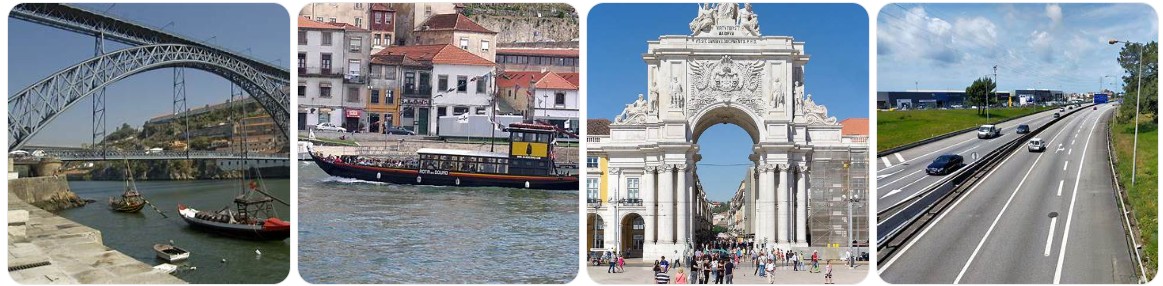
Porto to Lisbon is one of the easiest intercity trips in Portugal, with frequent trains, buses, flights, and private transfers running all day. For most travelers, the train is the best mix of speed and comfort, while buses are usually the cheapest and private transfers are the easiest if you have lots of luggage or want scenic stops.
At A Glance (Porto to Lisbon)
| Mode | Duration | Best For |
|---|---|---|
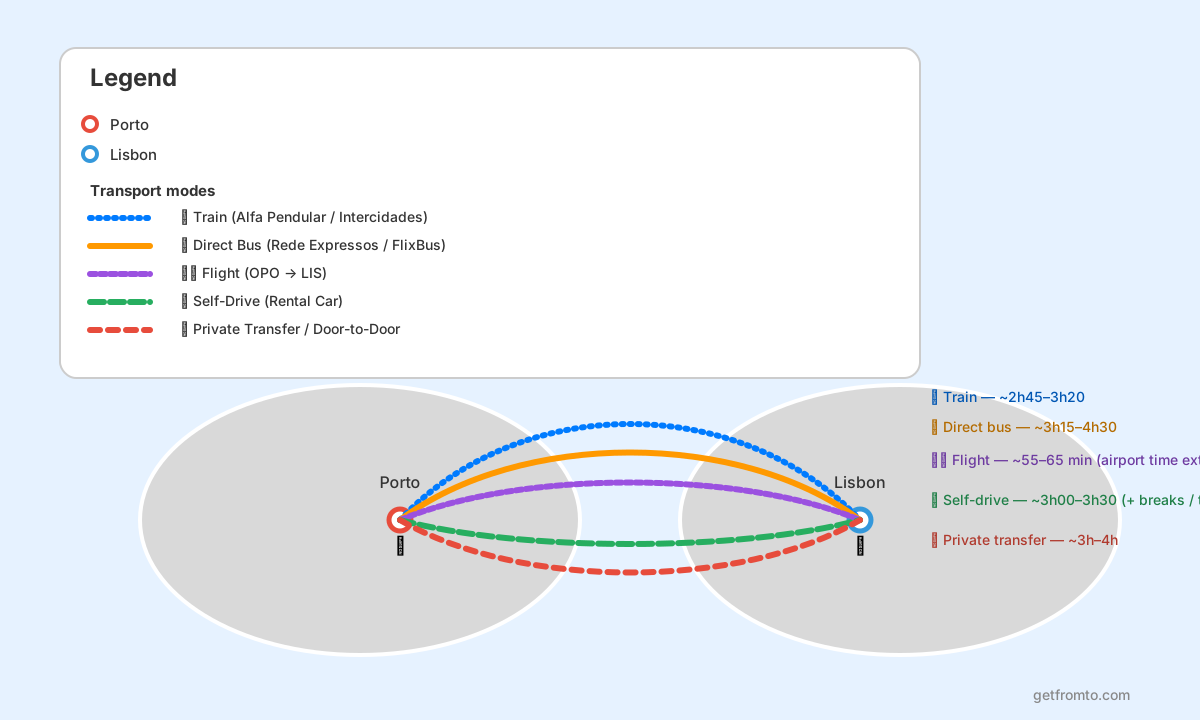
| 🚆 Train (Alfa Pendular / Intercidades) | ~2h45–3h20 station-to-station | Fastest city-center to city-center, comfort, easy luggage |
| 🏷️ Cost: ~€15–€45 one-way depending on train type/class and how early you book » CP tickets & schedules | compare train listings | ||
| 🚌 Direct Bus (Rede Expressos / FlixBus) | ~3h15–4h30 (traffic-dependent) | Lowest fares, flexible departures, late-night trips |
| 🏷️ Cost: ~€4–€20 one-way » Rede Expressos | compare buses | ||
| ✈️ Flight (OPO→LIS) | ~55–65m flight (+ airport time, usually 3–5h total) | Mileage runs, airport-to-airport connections |
| 🏷️ Cost: Often ~€35–€120+ one-way » search flights | alt. flight search | ||
| 🚗 Self-Drive (Rental Car) | ~3h00–3h30 driving (+ breaks/tolls) | Side trips (Aveiro/Coimbra/Óbidos), flexible schedule |
| 🏷️ Cost: Car hire + fuel + tolls; rentals often from budget to premium » compare Porto car rental | ||
| 🚘 Private Transfer / Door-to-Door | ~3h–4h door-to-door (longer with scenic stops) | Families, groups, heavy luggage, zero-stress travel |
| 🏷️ Cost: Usually ~€180–€450+ per vehicle (varies by vehicle/stops) » private transfers | alt. transfer quotes | tour-style transfer | ||
Which Option or Route Should You Choose?
- Fastest city-center to city-center: Option #1 (Train) — usually the best overall once airport check-in/security time is included.
- Cheapest / most economical: Option #2 (Direct Bus) — especially if you book early or travel off-peak.
- Most convenient with lots of luggage or kids: Option #5 (Private Transfer) — door-to-door with no station changes.
- Most flexible / scenic stops: Option #4 (Self-Drive) — easy detours to Aveiro, Coimbra, Fátima, Nazaré, or Óbidos.
- Best for airport connections: Option #3 (Flight) — mainly useful if you are already connecting via OPO/LIS.
How to Book and Practical Tips
- Book train tickets early for the best fares on CP, especially on Alfa Pendular services and holiday weekends.
- Check which station you depart from/arrive at: Porto usually Campanhã (sometimes São Bento connection), Lisbon often Oriente, Santa Apolónia, or for buses Sete Rios / Oriente.
- Buses can be cheapest but travel times vary with traffic entering Lisbon/Porto.
- Flights are rarely the quickest door-to-door unless you need an airport transfer/connection.
- Keep a backup option during rail strikes, major holidays, or storms (train ↔ bus swap is easy on this route).
- Use luggage storage if you have time before check-in: Porto luggage storage and Lisbon luggage storage.
- Ride-hailing alternatives for station transfers: Uber and Bolt are commonly used in both cities; pre-booked cars via Welcome Pickups or GetTransfer can be useful for early/late departures.
- Traveling light after arrival? Compare local bike/scooter rentals on BikesBooking Lisbon or BikesBooking Porto.
🚆 Option #1 — Train (Best Overall: Fast, Comfortable, City Center to City Center)
Fast Comfortable Best overall
- Overview: Direct long-distance trains run frequently between Porto and Lisbon, mainly from Porto Campanhã to Lisbon Oriente and/or Santa Apolónia. The fastest services are Alfa Pendular; Intercidades is usually a little slower but can be cheaper.
- Typical duration: ~2h45–3h20 depending on service and final Lisbon station.
- How to book (with price): Book on CP (Comboios de Portugal) for schedules and official tickets. Ballpark fares are often ~€15–€45 one-way depending on class, promo availability, and booking time. You can also compare listings on 12Go train listings or 12Go route comparison.
- Pros: Fast city-center travel, assigned seats on many services, easier with luggage than flying. Cons: Prices rise closer to departure; occasional delays/strikes can happen.
Step-by-step: Train from Porto to Lisbon
- Go to Porto Campanhã Station (many travelers connect from São Bento by urban train/metro/taxi if staying in the historic center).
- Check your train type and final stop on the board: Alfa Pendular or Intercidades, usually heading south to Lisbon (Oriente and sometimes continuing to Santa Apolónia).
- Keep your ticket ready (mobile or printed). Arriving 15–25 minutes early is usually enough.
- Board the correct carriage/seat and store luggage in overhead racks or end-of-car luggage areas.
- Get off at Lisbon Oriente (great for airport/Parque das Nações/metro connections) or Santa Apolónia (good for central/eastern Lisbon access).
- Use metro/taxi/Uber/Bolt to reach your accommodation; if you arrive before check-in, consider luggage storage in Lisbon.
Getting to the main embarking points (Porto Campanhã / Lisbon Oriente or Santa Apolónia)
- Porto Campanhã: Reach by metro (see Metro do Porto and maps/timetables), taxi, Uber, or Bolt.
- Lisbon Oriente: Excellent metro and rail interchange; useful if you want quick access to the airport and Parque das Nações.
- Santa Apolónia: Convenient for Alfama/Baixa connections via metro, taxi, or rideshare.
- Locations/Trip Planner: 🔗 Google Map / 🔗 OpenStreetMap
🚌 Option #2 — Direct Bus (Most Popular, Good Value)
Low cost Frequent departures Traffic-dependent
- Overview: Direct coaches between Porto and Lisbon are frequent throughout the day and often the cheapest option. Common operators include Rede Expressos and FlixBus, with arrivals typically at Sete Rios and/or Oriente in Lisbon.
- Typical duration: ~3h15–4h30 depending on service pattern and traffic.
- How to book (with price): Check official schedules on Rede Expressos / Tickets, Prices and Schedules. Budget fares can start very low (sometimes around €4–€8 on promo/advance purchase) and commonly sit around €6–€20. Compare route listings on 12Go and alternatives such as Trip.com.
- Pros: Cheapest fares, many departures, simple booking. Cons: Traffic can stretch arrival time, especially entering Lisbon at peak times.
Step-by-step: Direct bus Porto → Lisbon
- Choose your departure point in Porto (often central coach terminals/major pickup points depending on operator).
- Book a ticket on Rede Expressos or compare on 12Go.
- Arrive 20–30 minutes early with your mobile ticket and ID if requested by the operator.
- Check platform/stand information and board the correct coach.
- Ride to Lisbon Sete Rios or Lisbon Oriente depending on the service you selected.
- Continue by metro, taxi, Uber, or Bolt to your hotel; if you are heading to the airport, Oriente is often the easiest bus arrival point.
Getting to the main embarking points (Porto bus terminals / Lisbon Sete Rios or Oriente)
- Porto departures: Confirm the exact terminal/pickup point on your ticket before travel day; operators may use different departure locations.
- Lisbon Sete Rios: Strong metro/taxi access and convenient for many central neighborhoods.
- Lisbon Oriente: Best for airport and east Lisbon, also a major metro/rail hub.
- Locations/Trip Planner: 🔗 Google Map / 🔗 OpenStreetMap
✈️ Option #3 — Flight (Best for Airport Connections, Not Usually Fastest Door-to-Door)
Airport connection Frequent flights Airport overhead
- Overview: Direct flights from Porto Airport (OPO) to Lisbon Airport (LIS) are available (often TAP). Flight time is short, but total journey time grows after airport transfers, check-in, and security.
- Typical duration: ~55–65 minutes in the air, but usually 3–5 hours total door-to-door.
- How to book (with price): Search on Booking.com Flights, Trip.com OPO→LIS, or directly with airlines (e.g., TAP). Ballpark one-way fares often run around €35–€120+ depending on date, baggage, and booking window.
- Pros: Useful for onward international connections and frequent-flyer mileage. Cons: Usually slower than train door-to-door, more hassle with baggage/security.
Step-by-step: Flight OPO → LIS
- Travel to Porto Airport (OPO) using metro/taxi/rideshare. Porto Airport has metro access via Line E and airport public transport info is listed on the airport site.
- Arrive early enough for check-in/security (especially with checked baggage).
- Fly OPO→LIS (direct flight around 1 hour).
- At Lisbon Airport (LIS), continue by metro, taxi, Uber, or Bolt. Lisbon Airport also has direct metro access to the city.
- If your final destination is central Lisbon, compare whether a train would be easier for future trips because it avoids airport procedures.
Getting to the main embarking points (Porto Airport OPO / Lisbon Airport LIS)
- Porto Airport (OPO): Use Porto Airport public transportation (including metro) or Metro do Porto.
- Lisbon Airport (LIS): Use Lisbon Airport public transportation and Lisbon Metro.
- Private pickup option: Welcome Pickups or GetTransfer; ride-hailing alternatives include Uber and Bolt in both cities.
- Locations/Trip Planner: 🔗 Google Map / 🔗 OpenStreetMap
🚗 Option #4 — Self-Drive (Best for Scenic Stops and Flexible Itinerary)
Flexible Scenic detours Tolls/parking
- Overview: Renting a car lets you travel Porto→Lisbon at your own pace and add stops such as Aveiro, Coimbra, Fátima, Nazaré, or Óbidos. The A1 motorway is the usual direct route.
- Typical duration: ~3h00–3h30 driving time direct, longer with stops/traffic.
- How to book (with price): Compare rentals on Booking.com Porto car rental and return in Lisbon (or vice versa, check one-way fees). Total cost includes rental + fuel + tolls + parking.
- Pros: Maximum flexibility, ideal for sightseeing and small towns. Cons: Tolls, city parking, and driving in Lisbon can be stressful for some travelers.
Step-by-step: Self-drive Porto → Lisbon
- Pick up your rental in Porto (city center or airport) and confirm toll policy (electronic toll device/transponder options).
- Set your destination (Lisbon hotel or car return point) and choose direct route vs. stopover route.
- Drive south (A1 is the common fast route), adding stops if desired.
- Allow extra time for fuel breaks, toll plazas/electronic toll management, and city traffic entering Lisbon.
- Return the car in Lisbon city or airport; if you arrive early and don’t want to carry bags, use luggage storage in Lisbon.
Getting to the main embarking points (Porto city / OPO rental pickup points)
- Porto city rental pickup: Good if you are staying centrally and leaving after breakfast.
- OPO airport pickup: Often more inventory and easier highway access; compare airport vs city rates.
- Alternative two-wheel option: For local exploration before/after the intercity leg, compare scooters/motorbikes on BikesBooking Porto scooters or BikesBooking Lisbon motorcycles.
- Locations/Trip Planner: 🔗 Google Map / 🔗 OpenStreetMap
🚘 Option #5 — Private Transfer / Door-to-Door (Most Convenient)
Door-to-door Great for groups Higher cost
- Overview: Private transfer services pick you up at your hotel/airport in Porto and drop you directly in Lisbon. Some providers also offer sightseeing stopovers (Aveiro, Coimbra, Nazaré, Óbidos, Fátima).
- Typical duration: ~3h–4h direct, or longer if you add stops.
- How to book (with price): Request quotes via Welcome Pickups or GetTransfer. You can also compare activity-style transfers on GetYourGuide private transfer, GetYourGuide transfer with stops, or Klook private city transfer. Ballpark pricing is often ~€180–€450+ per vehicle depending on car type, distance, time, and stops.
- Pros: Least hassle, excellent for families/groups, no station navigation. Cons: Most expensive if traveling solo.
Step-by-step: Private transfer Porto → Lisbon
- Book your transfer and confirm pickup time, pickup address, number of passengers, and luggage count.
- Share any child-seat requirements and preferred route (direct vs stopovers).
- Meet your driver at your hotel, airport, or agreed meeting point in Porto.
- Travel directly to Lisbon or add scenic stops along the way.
- Get dropped off at your hotel/apartment/airport in Lisbon.
- If ride-hailing is enough for a short city transfer, compare Uber or Bolt as lower-cost alternatives to private pre-booked transfer services.
Getting to the main embarking points (Your hotel / airport / custom pickup)
- Porto pickup: Hotel, apartment, Campanhã/São Bento station, or OPO airport depending on provider.
- Lisbon drop-off: Hotel/apartment, Oriente/Santa Apolónia/Sete Rios, or LIS airport.
- Good for early flights or late arrivals: Pre-booked transfers can be easier than waiting for taxis, especially with lots of luggage.
- Locations/Trip Planner: 🔗 Google Map / 🔗 OpenStreetMap
FAQ (Porto to Lisbon)
What is the best way to get from Porto to Lisbon?
For most travelers, the train is the best overall option because it is fast, comfortable, and goes city-center to city-center.
What is the cheapest way to travel from Porto to Lisbon?
Usually the direct bus, especially if you book early or travel at off-peak times.
Is flying from Porto to Lisbon worth it?
It can be useful for airport connections, but for a simple city-to-city trip, the train is often quicker door-to-door once airport procedures are included.
Which Lisbon station should I choose? Oriente is great for airport and metro connections; Santa Apolónia can be convenient for central/eastern neighborhoods. For buses, Sete Rios and Oriente are common arrival points.
Can I do scenic stops on the way?
Yes — self-drive and private transfer are the easiest for stops in Aveiro, Coimbra, Fátima, Nazaré, or Óbidos.
Are Uber and Bolt available in Porto and Lisbon?
Yes, both are commonly used in Porto and Lisbon for station/airport transfers. For fixed pre-booked pickup, Welcome Pickups and GetTransfer are alternatives.
How much luggage can I bring?
Train and private transfers are generally easiest for larger luggage. Bus and flight baggage rules vary by operator/fare, so check the policy before booking.
Should I book in advance?
Yes, especially for weekend travel, holidays, and the fastest train departures. Advance booking often gives much better prices.





Related Tours/Services
Popular Routes
Recent Routes
- How to get from PortMiami Cruise Terminal to Miami International Airport
- How to get from Samarkand to Bukhara
- How to get from Bell Tower (Xi’an) to Xi’an North Railway Station
- How to get from Canal City Hakata to Hakata Station
- How to get from Rialto Bridge (Venice) to Venezia Santa Lucia Station
- How to get from Florence Cathedral (Duomo) to Firenze Santa Maria Novella Station
- How to get from Nice to Paris
- How to get from Ribeira District (Porto) to Porto Campanhã Station
- How to get from Anne Frank House to Amsterdam Sloterdijk Station
- How to get from Buckingham Palace to London Victoria Station
Top Travel Gears

DUDE Wipes Unscented Pocket Packs, Adult Flushable Travel Wipes, 48 Count

zelin Anti Theft Zipper Clips, Travel Essentials, Carabiner, 4Pcs Grey

INIU 10000mAh 45W Fast Charging Portable Charger, Smaller Travel Power Bank | Flight-Safe, Detachable USB C Cable, Travel Essential, External Battery Phone Pack for iPhone 18 17 Samsung iPad etc
travel inspira Luggage Scale Digital Suitcase Weight Scale for Travel
2026 Travel Essentials for Apple Watch Charger,Cruise Vacation Camping Essentials,iPhone Charger,Multi Charging Cable,3 in 2 Charging Docks for iWatch Series 12 11-2/Ultra,iPhone 18 17-12,Car