

How to get from Buenos Aires to Colonia del Sacramento
Argentina · Cities & Metropolitan Areas · Urban & Cultural · Uruguay · Buenos Aires · Colonia del Sacramento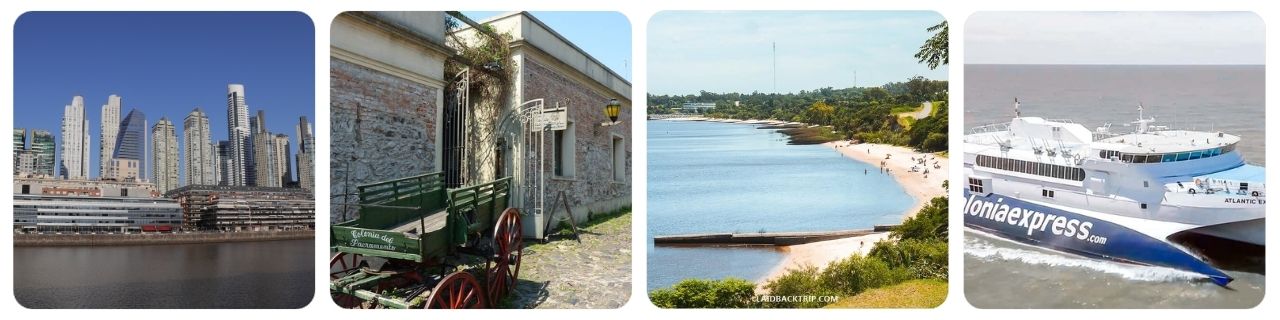
Planning a day trip from Buenos Aires to Colonia del Sacramento is straightforward: fast ferries cross the Río de la Plata in just over an hour, and with a bit of planning you can be wandering the cobbled streets of this UNESCO-listed town the same day.
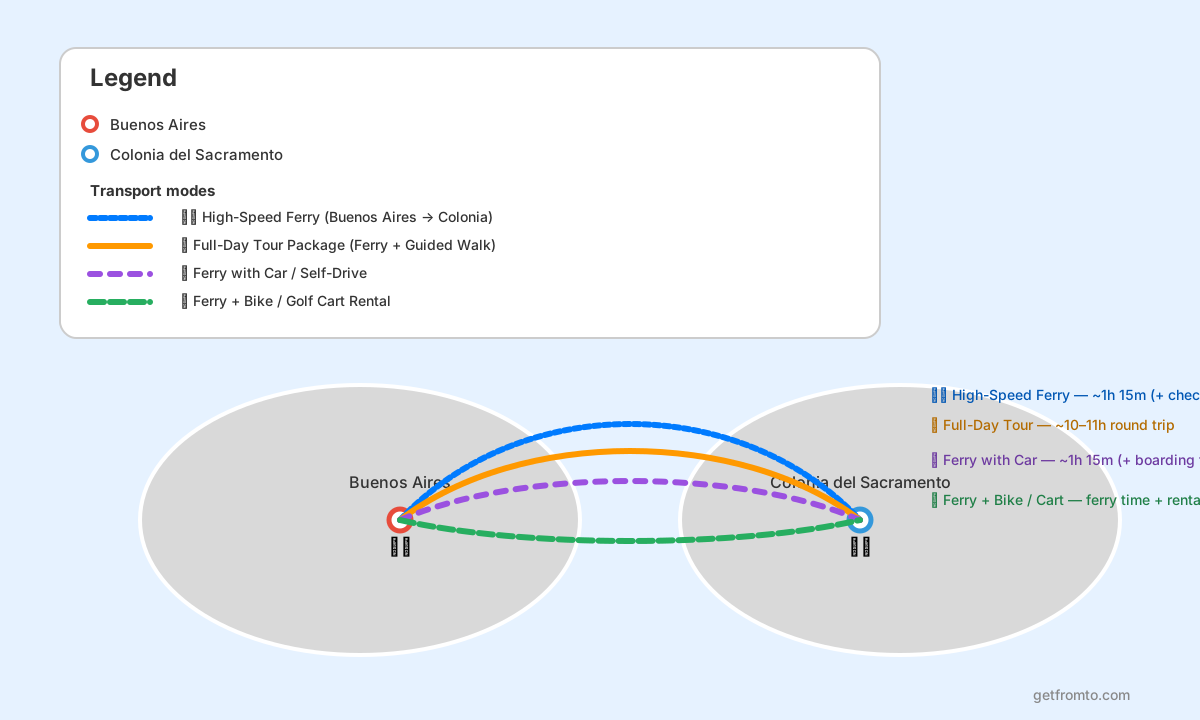
At A Glance (Buenos Aires to Colonia del Sacramento)
| Mode | Duration | Best For |
|---|---|---|
| ⛴️ High-Speed Ferry (Buenos Aires → Colonia) | ~1h 15m on water + 1–2h check-in and immigration | Most travelers, day trips, simple logistics |
| 🏷️ Cost: ~US$45–90 one-way in economy, more for business class » compare ferries | Colonia Express listings | ||
| 🧭 Full-Day Tour Package (Ferry + Guided Walk) | ~10–11h round trip from Buenos Aires | First-time visitors, guided experience, minimal planning |
| 🏷️ Cost: ~US$110–220 per person depending on inclusions » day tour options | ||
| 🚗 Ferry with Car / Self-Drive | ~1h 15m crossing + boarding time | Road trips in Uruguay, families with lots of luggage |
| 🏷️ Cost: From roughly US$150–250+ each way for a car + driver (varies by season and vehicle size) » check Buquebus | Colonia Express | ||
| 🚲 Ferry + Bike / Golf Cart Rental | Same as high-speed ferry + rental pick-up time | Active travelers, slow explorers |
| 🏷️ Cost: Ferry ticket + ~US$15–30 for daily bike or cart rental. Compare rental options on BikesBooking. | ||
Which Option or Route Should You Choose?
- Fastest & Most Convenient: For most people, Option #1 — Direct High-Speed Ferry is ideal. It offers multiple departures daily, a quick 1h 15m crossing, and straightforward immigration handled at the port.
- Easiest for First-Time Visitors: If you prefer everything arranged, from ferry tickets to a walking tour, choose Option #2 — Full-Day Tour Package. Hotel or central pick-up is often included and you get a guided stroll around the Historic Quarter.
- Best for Road Trips & Families: If you want to continue driving into the Uruguayan countryside (vineyards, beaches, estancias), Option #3 — Ferry with Car / Self-Drive lets you bring your own or a rental vehicle.
- Most Scenic & Flexible: Active travelers who like to explore at their own pace will love Option #4 — Ferry + Bike / Golf Cart Rental. Cycle the riverside rambla or cruise in a golf cart between beaches, viewpoints, and the old town.
How to Book and Practical Tips
- Booking ferries: You can book directly with the ferry companies or compare times and prices on platforms like 12Go. Be sure to check if your ticket includes port taxes and which terminal (Buquebus or Colonia Express) you depart from.
- Day tours & add-ons: For packages that bundle ferry tickets with guided tours or lunch, browse Colonia excursions from Buenos Aires on GetYourGuide. You can often choose between free time, a shared tour, or private guide options.
- Hotels & overnight stays: If you decide to stay in Colonia instead of returning the same day, compare hotels and guesthouses on Booking.com, Trip.com, or even hotel deals on Klook.
- Getting to and from the ferry terminals: In Buenos Aires, you can use metered taxis, ride-hailing apps like Uber, Cabify, and DiDi, or pre-book private transfers. Services such as Welcome Pickups and GetTransfer offer fixed-price rides from the airports or central hotels to the port.
- Luggage storage: If your ferry is later in the day and you need to explore Buenos Aires hands-free, book short-term luggage storage around the city through Radical Storage.
- Documents & border control: Check that your passport or national ID (for eligible South American citizens) is valid, and keep onward travel details handy. Immigration for both Argentina exit and Uruguay entry is usually done at the Buenos Aires ferry terminal.
- Money & cards: Argentine pesos and Uruguayan pesos are both useful, but you can pay with cards in many places. Inform your bank about cross-border travel to avoid blocked transactions.
- Seasickness & comfort: The Río de la Plata is usually calm, but windy days can be choppy. If you’re prone to motion sickness, choose a large ferry, sit toward the middle of the vessel, and consider bringing medication.
⛴️ Option #1 — Direct High-Speed Ferry (Most Popular, Fastest)
Fast crossing Multiple departures Border formalities at port
- Overview: Take a high-speed ferry from Buenos Aires’ Puerto Madero area directly to Colonia del Sacramento. The sailing itself takes about 1h 15m, but check-in, immigration, and boarding mean your total port-to-port time is closer to 2.5–3h.
- How to book (with price): Search departures with Buquebus or Colonia Express and compare classes (tourist, business, sometimes premium). One-way economy tickets typically start around the mid-US$40s in low season and can reach US$70–90+ in peak periods, with business class higher. You can compare options on 12Go or book package-style ferry tickets and upgrades via GetYourGuide.
- Check-in & immigration: Plan to arrive at the terminal 90–120 minutes before departure. You’ll check in, pass through security, and clear both Argentine exit and Uruguayan entry controls before boarding.
- Onboard experience: Expect airplane-style seating, duty-free shopping, cafés, and sometimes outdoor decks. Wi‑Fi may be available but can be patchy; downloads and offline maps are a good idea.
- Pros: Fast, frequent, comfortable, and easy to understand even for first-time visitors. Cons: Prices climb close to departure and on weekends/holidays; popular morning and evening crossings can sell out.
Step-by-step: Direct High-Speed Ferry
- Choose your sailing: Decide whether you want an early start (better for day trips) or a later boat. Check which company (Buquebus or Colonia Express) has times and fares that suit you.
- Book your ticket: Reserve directly on the ferry operators’ websites or through platforms like 12Go or GetYourGuide. Print your confirmation or keep a clear screenshot with barcode/QR code.
- Prepare documents: Ensure your passport or valid ID (for eligible Mercosur citizens) is with you, along with any visas you may need for Argentina or Uruguay.
- Travel to the Buenos Aires ferry terminal: From central Buenos Aires, take a taxi, a ride-hailing service (Uber, Cabify, DiDi), or a pre-booked transfer via Welcome Pickups or GetTransfer.
- Check in and clear border control: At the terminal, follow signs for check-in, baggage drop (if any), and then security and immigration. Keep your boarding pass handy.
- Board and sail: Once boarding is called, proceed to your assigned deck and seat. Enjoy views of the Buenos Aires skyline fading behind you and the low, wide Río de la Plata.
- Arrival in Colonia: Disembark, pass a brief customs check if required, and walk out into the small, walkable port area. The Historic Quarter is about 10–15 minutes on foot from the terminal.
Getting to the main embarking points (Buenos Aires ferry terminals)
- Buquebus terminal (Puerto Madero): Located near the northern end of Puerto Madero, this terminal is easy to reach by taxi or ride-hailing from neighborhoods like Microcentro, Recoleta, or Palermo (typically 10–30 minutes depending on traffic).
- Colonia Express terminal (Puerto Madero Sur): Slightly farther south, this terminal sits close to the edge of Puerto Madero and La Boca. Always double-check which terminal your ticket uses so you tell your driver the correct destination.
- From Ezeiza (EZE) or Aeroparque (AEP): Allow at least 1–1.5h from Aeroparque and 1.5–2h from Ezeiza. For peace of mind, pre-book a transfer with Welcome Pickups or compare private rides with GetTransfer; otherwise, use official airport taxis or ride-hailing apps.
- Public transport: You can combine the Subte (metro) and local buses with a short walk to Puerto Madero, but if you’re carrying luggage or pressed for time, taxis and transfers are much easier.
- Locations/Trip Planner: 🔗 Google Map / 🔗 OpenStreetMap
🧭 Option #2 — Full-Day Tour Package (Ferry + Guided Walking Tour)
Guide included Hotel/central pickup Fixed schedule
- Overview: Join a small-group or larger tour that includes round-trip ferry tickets from Buenos Aires and a guided walk through Colonia’s Historic Quarter. Some tours also add lunch, museum entries, or free-time suggestions.
- How to book (with price): Expect full-day packages to start around US$110–150 per person for basic options, rising to US$180–220+ for small groups or private tours with lunch. Browse different styles of tours on GetYourGuide, where you can see detailed itineraries and reviews, or look for hotel packages that bundle ferry + hotel on sites like Booking.com or Trip.com.
- What’s typically included: Round-trip ferry tickets, port taxes, local guide in Colonia, and often a walking tour of key sights (lighthouse, Puerta de la Ciudadela, Calle de los Suspiros, Plaza Mayor). Some tours include a set lunch; others give you free time to choose your own restaurant.
- Pros: Very low effort, ideal if you’re short on time or nervous about handling border formalities. Great for learning the history behind the cobbled streets and Portuguese-Spanish architecture. Cons: Fixed ferry times and touring pace; usually more expensive than DIY ferry + self-guided visit.
Step-by-step: Full-Day Tour Package
- Pick your tour style: Decide whether you prefer a small-group experience, a standard group tour, or a private guide. Check what languages are offered.
- Book online: Reserve your chosen date and tour on platforms like GetYourGuide, where ferry tickets and port taxes are usually included in the price.
- Confirm meeting details: Some tours include hotel pickup around central Buenos Aires; others have a fixed meeting point near the ferry terminal or on Avenida 9 de Julio. Save these details offline.
- Day-of logistics: Be at the meeting point early, with passport/ID and booking confirmation. Your guide usually helps with check-in and immigration at the terminal.
- Guided tour in Colonia: After arrival, follow your guide through the Historic Quarter. You’ll likely visit key viewpoints, learn about Portuguese and Spanish periods, and get tips for cafés, ice cream shops, and sunset spots.
- Return to Buenos Aires: Your guide will bring you back to the port in time for the return ferry, and you’ll clear immigration again on arrival in Buenos Aires.
Getting to the main embarking points (tour meeting points and ferry terminals)
- Hotel pickup: If included, the tour vehicle will collect you from your hotel in centrally located neighborhoods. Double-check the pickup window and keep your phone available for messages from the operator.
- Central meeting points: Some tours meet near Obelisco or in Microcentro and then walk or drive as a group to the ferry terminal.
- Independent arrival: If pickup is not included, use a metered taxi, ride-hailing app, or pre-booked transfer through Welcome Pickups or GetTransfer to reach the terminal at least 90 minutes before departure.
- Locations/Trip Planner: 🔗 Google Map / 🔗 OpenStreetMap
🚗 Option #3 — Ferry with Car / Self-Drive
Road trip friendly Great with kids & gear Must book early
- Overview: Some ferries between Buenos Aires and Colonia carry vehicles. You drive your own car (or a rental, if permitted) onto the ship, sail across the Río de la Plata, and disembark ready to continue driving in Uruguay.
- How to book (with price): Vehicle spaces are limited and must be reserved in advance directly with operators like Buquebus or via car-capable sailings with Colonia Express. Expect to pay a base fare for the vehicle plus individual passenger fares; for a small car and driver, total one-way costs often land in the low hundreds of US dollars once taxes and fees are included.
- Rental car considerations: If you’re renting a car in Argentina and plan to take it into Uruguay, check with the rental company about cross-border permission, insurance, and paperwork. Not all companies allow this, and some charge extra.
- Pros: Perfect if you’re exploring beyond Colonia (Carmelo, Montevideo, Punta del Este, rural estancias) or traveling with kids, surfboards, or bulky luggage. Cons: More expensive than foot-passenger travel; requires extra time for vehicle check-in and boarding.
Step-by-step: Ferry with Car
- Confirm vehicle eligibility: Check operator rules on vehicle size, documents, and insurance. Have your registration and proof of insurance handy at the port.
- Book a car space: Reserve your sailing on the official websites of Buquebus or Colonia Express. Select the vehicle type, number of passengers, and desired class.
- Arrive early: Vehicle check-in often closes earlier than foot-passenger check-in. Aim to be at the port 2–3h before departure.
- Border & customs: You may need to show car documents at customs in addition to your personal travel documents. Follow staff instructions for inspections and lane assignments.
- Disembark and drive: In Colonia, follow the designated lanes off the ship and out of the port. From there, routes to Montevideo and Punta del Este are well signposted.
Getting to the main embarking points (with a vehicle)
- Navigating in Buenos Aires: Puerto Madero’s ferry terminals are accessible via city avenues; allow extra time for traffic and for locating the correct vehicle entrance.
- Fuel & tolls: Fill up before reaching the port and have some cash or card ready for tolls on Uruguayan highways after you disembark.
- Parking alternative: If you decide not to ship your car, both operators and nearby private lots sometimes offer paid parking so you can cross as a foot passenger.
- Locations/Trip Planner: 🔗 Google Map / 🔗 OpenStreetMap
🚲 Option #4 — Ferry + Bike or Golf Cart Rental (Flexible & Scenic)
Active exploring Great views Some hills & cobblestones
- Overview: Combine a standard ferry ticket with a bike or golf cart rental in Colonia. The town is compact and largely flat along the riverfront, making it perfect for slow, scenic exploration.
- How to book (with price): First, purchase a regular foot-passenger ferry ticket as in Option #1. Then, reserve a bike or cart online or rent on arrival. Expect daily bike rentals from roughly US$15–25 depending on the shop and inclusions (helmet, lock, map). You can compare bike and scooter rentals on BikesBooking or book local rentals and experiences through tour platforms.
- Pros: Very flexible; you can stop at beaches, viewpoints, and cafés whenever you like. Great for photography and sunset rides along the rambla. Cons: Cobblestone streets and hills in the old town may be challenging for some riders, and weather (wind, rain, summer heat) can affect comfort.
Step-by-step: Ferry + Bike / Cart Rental
- Book your ferry: Follow the same steps as in Option #1 to secure a ferry from Buenos Aires to Colonia and back.
- Reserve your wheels: If you want guaranteed availability, pre-book a rental time slot. Otherwise, walk from the port to the rental shops you’ll see along the main avenues and near the Historic Quarter.
- Pick up your bike or cart: Present ID and complete any rental paperwork. Check brakes, lights, and tire pressure before leaving.
- Plan an easy loop: A classic loop includes the Historic Quarter, lighthouse, riverside beaches, and the Real de San Carlos area (bullring and old pier). Leave time to return your bike and walk back to the port.
- Return and board your ferry: Allow at least 30–45 minutes to return equipment, settle any balance, and walk back to the terminal for your return crossing.
Getting to the main embarking points (and around town)
- In Buenos Aires: Reach the ferry terminals via taxi, ride-hailing apps, or private transfer as in the other options. Bicycles are rented in Colonia, not brought from Buenos Aires.
- From Colonia port to rental shops: Most rental shops are within a 10–15 minute walk from the ferry terminal. Follow the waterfront or main avenues toward the Historic Quarter.
- Safety tips: Wear a helmet if available, watch for uneven cobblestones, and use lights at dusk. Lock your bike when stopping at beaches or cafés.
- Locations/Trip Planner: 🔗 Google Map / 🔗 OpenStreetMap
FAQ (Buenos Aires to Colonia del Sacramento)
How long does the ferry from Buenos Aires to Colonia del Sacramento take door to door?
Most high-speed sailings take about 1h 15m on the water. Once you add 90–120 minutes for check-in, immigration, boarding, and disembarkation, plan for roughly 3–4 hours total from arriving at the Buenos Aires port to walking out of Colonia’s terminal.
Do I need a passport or visa to visit Colonia del Sacramento from Buenos Aires?
Foreign visitors typically enter Uruguay with a valid passport, while citizens of some neighboring countries can use a national ID. Visa requirements vary by nationality, so always check the latest rules for both Argentina and Uruguay before travel. If you’re traveling with children, confirm any special documentation they may need for leaving or entering each country.
Can I visit Colonia as a day trip or should I stay overnight?
Colonia is a perfect day trip: you can stroll the Historic Quarter, climb the lighthouse, and enjoy a long lunch before returning to Buenos Aires. If you’d like a slower pace, more time at the beaches, or a relaxed evening in town, consider staying one or two nights at a local hotel or guesthouse.
How far is the Historic Quarter from the Colonia ferry terminal?
The ferry terminal in Colonia is very close to the center. Most travelers walk about 10–15 minutes to reach the Historic Quarter; taxis are available just outside the terminal if you prefer to ride, especially with heavy luggage or mobility issues.
Can I bring a lot of luggage on the ferry?
Ferries generally allow suitcases similar to what you’d bring on a flight, but there may be limits on the number and size of bags. Check your ticket for luggage allowances and arrive early if you’re checking larger suitcases. Inside the terminal, you’ll find basic services like cafés, currency exchange, and restrooms, but not always full left-luggage facilities—use city storage services in Buenos Aires if you need to stash extra bags before or after your ferry.