

How to get from Da Nang to Hue

Getting from Da Nang to Hue is a short 2–3 hour hop of about 100km, with options ranging from scenic trains over the Hai Van Pass to budget buses, private cars, motorbikes and full-day tours that bundle in sightseeing.
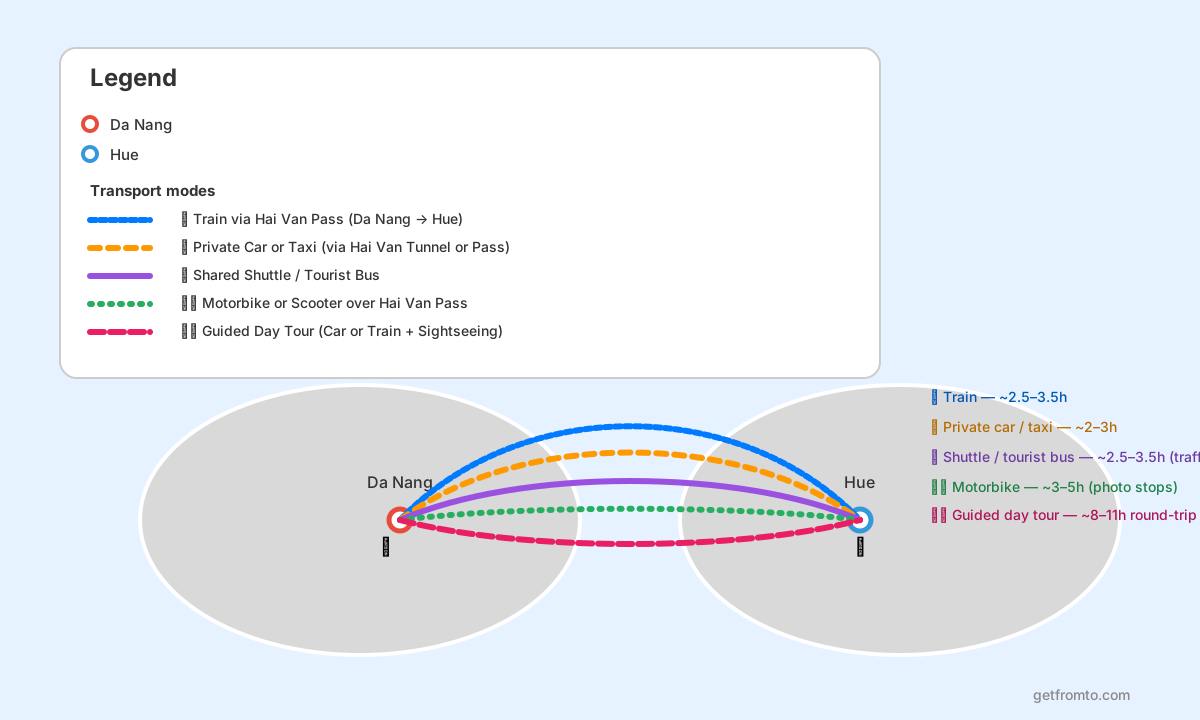
At A Glance (Da Nang to Hue)
| Mode | Duration | Best For |
|---|---|---|
| 🚆 Train via Hai Van Pass (Da Nang → Hue) | ~2.5–3.5h station to station | Scenic views, comfortable seats |
| 🏷️ Cost: ~VND 230k–550k one-way (class-dependent) » compare trains | Da Nang–Hue train tickets | ||
| 🚗 Private Car or Taxi (via Hai Van Tunnel or Pass) | ~2–3h door-to-door | Fastest, flexible schedule, door-to-door |
| 🏷️ Cost: ~VND 1,000k–1,600k per car » fixed-price taxis | private transfers incl. Hue | alt. car options | ||
| 🚌 Shared Shuttle / Tourist Bus | ~2.5–3.5h (traffic & stops) | Budget travelers, light luggage |
| 🏷️ Cost: ~VND 150k–350k per seat » compare buses & vans | limousine shuttles | Hue–Da Nang shuttle | ||
| 🏍️ Motorbike or Scooter over Hai Van Pass | ~3–5h with photo stops | Experienced riders, independent & scenic |
| 🏷️ Cost: Rental ~VND 180k–400k per day » compare bikes | local scooter rentals | ||
| 🗺️ Guided Day Tour (Car or Train + Sightseeing) | ~8–11h round-trip | One-day explorers, hassle-free sightseeing |
| 🏷️ Cost: ~VND 1,000k–2,000k+ per person » scenic train day trip | private Hue tours | ||
Which Option or Route Should You Choose?
- Fastest & most convenient: A private car or taxi via the Hai Van Tunnel is usually the quickest and most comfortable, ideal if you have luggage, kids, or limited time.
- Most scenic on rails: The Da Nang–Hue train over the Hai Van Pass is often called one of Vietnam’s most beautiful short rail journeys, perfect if you like slow travel and photography.
- Cheapest overall: Shared buses or limousine vans often undercut other options in price, while still offering hotel pickups on many routes.
- Most adventurous: Confident riders will love doing the Hai Van Pass by motorbike, stopping at viewpoints, beaches and lagoons along the way.
- Best for one long day of sightseeing: If you’re short on time but want imperial palaces, tombs and passes in one go, book a guided Da Nang–Hue day tour with transport, guide and often lunch included.
How to Book and Practical Tips
- Book major transport online in advance during weekends and Vietnamese holidays. Sites like 12Go Asia, Klook, and Trip.com list trains, buses, shuttles and transfers with live availability and reviews.
- Choose the right seat on the train: Going from Da Nang to Hue, sit on the right-hand side for the best sea and Hai Van Pass views; daytime departures give you the best scenery.
- Use ride-hailing for station transfers: Apps like Grab and Gojek are widely used in central Vietnam for cheap, cashless rides to and from stations and hotels.
- Consider a private transfer from the airport: If you’re landing at Da Nang International Airport and going straight to Hue, you can arrange a car with Welcome Pickups, GetTransfer, or via your Hue hotel booking.
- Store your bags for a few hours: If you’re checking out in Da Nang or arriving early in Hue, use luggage storage services such as Radical Storage Da Nang so you can explore light before or after your trip.
- Check weather and flood updates: Central Vietnam, including Hue, is prone to heavy rain and occasional flooding in the wet season (roughly October–January). Build in buffer time and check local news and your operator’s messages before departure.
- Book accommodation early in peak season: Hue is a popular stop; secure a room in advance on Booking.com, especially on weekends and holidays.
🚆 Option #1 — Scenic Train via Hai Van Pass (Most Scenic, Good Value)
Low cost Very scenic Fixed schedule
- Overview: Classic Vietnam Railways trains link Da Nang Railway Station to Hue Railway Station in about 2.5–3.5 hours, winding along the Hai Van Pass with sweeping views of the sea, beaches and lagoons.
- Classes & comfort: Choose from hard seat, soft seat, or sleeper cabins. For this short daytime ride, air‑conditioned soft seats with large windows are usually ideal.
- How to book (with price): Expect roughly VND 230k–550k one-way depending on class and season. You can book online via 12Go Asia, on Klook’s Da Nang–Hue train tickets, or through official Vietnam Railways booking platforms and ticket counters.
- Pros: Spectacular scenery; chance to mingle with locals; generally smooth ride; no traffic jams; toilets and snacks on board.
- Cons: Fixed departure times; can sell out near holidays; some older carriages, and air-con can be chilly (bring a light layer).
Step-by-step: Taking the Train from Da Nang to Hue
- Check timetables and pick a daytime train. Aim for mid-morning or early afternoon departures so you cross the Hai Van Pass in daylight. Aggregators like 12Go Asia or Klook make it easy to compare times and classes.
- Book your ticket. Reserve online (e-ticket or QR code) or buy at Da Nang Railway Station ticket counters a day or two in advance, especially in peak season.
- Get to Da Nang Railway Station. The station is centrally located; take a Grab/Gojek ride, taxi, or walk if you’re staying nearby. Try to arrive at least 30–45 minutes before departure.
- Find your carriage and seat. Check the train number and carriage on your ticket, then match them on the platform. Keep your passport accessible for spot checks.
- Grab the best views. Sit on the right-hand side when facing the direction of travel from Da Nang to Hue for the coastal views over the South China Sea and Lang Co Lagoon.
- Arrival in Hue. From Hue Railway Station, use Grab, Gojek, or a metered taxi to reach your hotel in 10–20 minutes depending on location.
Getting to the main embarking points (Da Nang Railway Station)
- From beach areas (My Khe, An Thuong): A Grab or Gojek car usually takes 15–25 minutes to the station, depending on traffic.
- From Da Nang International Airport (DAD): It’s about 10–15 minutes by taxi or a pre-booked airport transfer; look at airport transfer options on Klook or Welcome Pickups.
- By local bus: Da Nang’s DanaBus network connects many neighborhoods with the station area; check routes via the official DanaBus or BusMap apps before you go.
- On foot or bicycle: If you’re already downtown, the station is walkable and bike-friendly; allow extra time for traffic lights and crossings.
- Locations/Trip Planner: 🔗 Google Map / 🔗 OpenStreetMap
🚗 Option #2 — Private Car or Taxi (Fastest & Flexible)
Door-to-door Custom schedule Higher cost
- Overview: A private car or taxi takes about 2–3 hours from hotel to hotel, either through the Hai Van Tunnel (fastest) or over the Hai Van Pass (most scenic).
- How to book (with price): Typical one-way fares are around VND 1,000k–1,600k per car, depending on vehicle size and route. Compare options on 12Go Asia taxis, book a door-to-door ride on Klook private transfers, or pre-arrange a driver via GetTransfer or Welcome Pickups.
- Pickup points: Most services collect you directly from your Da Nang hotel or Da Nang Airport and drop you at your Hue hotel, often with optional sightseeing stops.
- Pros: Most comfortable and time-efficient; complete control over departure time; easy with big luggage or small children.
- Cons: More expensive than buses or trains; cost-effective mainly for groups of 3–4+ sharing the car.
Step-by-step: Private Car or Taxi from Da Nang to Hue
- Decide tunnel vs pass. For speed and a smoother ride, choose the Hai Van Tunnel; for coastal views and photo stops, request the Hai Van Pass route.
- Book your car. Reserve via platforms such as Klook, GetTransfer, or directly through your hotel. Confirm route, price, vehicle type and any scenic stops.
- Confirm pickup details. Share your hotel name, room number, and a messaging app (e.g., WhatsApp, Zalo) with the driver or company so they can contact you on the day.
- Meet your driver. Be in the lobby 10–15 minutes early. If you’re arriving at Da Nang Airport, meet at the arrivals hall or at a named meeting point from your voucher.
- Enjoy the ride. Keep valuables with you, ask the driver to stop at viewpoints on the Hai Van Pass if included, and carry water and snacks.
- Arrival in Hue. Double-check you’ve taken all your bags before you say goodbye to your driver at your Hue accommodation.
Getting to the main embarking points (Hotels & Da Nang Airport)
- Hotel pickups: Most private transfers include collection directly from your Da Nang hotel or homestay; just wait in the lobby at the agreed time.
- Da Nang Airport pickups: If starting right after landing, arrange airport pickup via your car provider or via airport taxis and transfers. Drivers usually wait with a name sign in the arrivals area.
- Ride-hailing as a backup: If you haven’t pre-booked, you can use Grab or Gojek for a spontaneous ride, but long-distance availability and fixed pricing may vary compared to pre-booked services.
- Locations/Trip Planner: 🔗 Google Map / 🔗 OpenStreetMap
🚌 Option #3 — Shared Shuttle or Tourist Bus (Budget-Friendly)
Low cost Hotel pickup (often) Traffic-dependent
- Overview: Numerous buses and limousine vans connect Da Nang and Hue in about 2.5–3.5 hours. Vans typically offer more legroom and fewer seats per vehicle than regular buses.
- How to book (with price): Expect around VND 150k–350k per person, depending on operator and comfort. Browse options on 12Go Asia buses and vans, Klook’s shared Hue transfers, or shuttle listings on Trip.com.
- Pickup & drop-off: Many services include hotel pickup in central Da Nang and drop-off in central Hue, or use central offices where you board and alight.
- Pros: Good value, reasonably comfortable; often includes one or two photo or rest stops.
- Cons: Timings can slip due to traffic or multiple pickups; legroom varies between operators; limited luggage space on some vans.
Step-by-step: Shared Shuttle or Tourist Bus
- Compare operators and departure times. Use 12Go Asia or Klook to compare bus vs limousine van, departure points, and reviews.
- Reserve your seat. Book online and keep your voucher or QR code handy. Double-check whether you need to reconfirm the day before.
- Know your pickup point. Confirm if the operator collects you from your hotel, a common pickup spot, or a central office; note the time and location carefully.
- Arrive early. Be at the pickup point at least 10–15 minutes before departure; buses sometimes start loading early to stay on schedule.
- Keep essentials with you. Bring water, snacks, a light jacket (for strong A/C), and keep valuables in a daypack at your seat.
- Arrival in Hue. Once dropped off, use Grab, Gojek or a metered taxi to reach your hotel if it’s not within walking distance.
Getting to the main embarking points (Da Nang Bus Offices & Stations)
- From city center: Many limousine vans depart from central Da Nang offices; check your ticket and use Grab/Gojek or a short taxi ride to get there.
- From the beach: Allow extra time (20–30 minutes) to reach bus departure points from My Khe or An Thuong, especially at rush hour.
- From Da Nang Airport: Some companies offer pickups at or near the airport; if not, it’s a quick taxi to most departure offices.
- Locations/Trip Planner: 🔗 Google Map / 🔗 OpenStreetMap
🏍️ Option #4 — Motorbike or Scooter over the Hai Van Pass (Most Adventurous)
Maximum freedom Epic scenery For confident riders only
- Overview: Riding a motorbike from Da Nang to Hue via the famed Hai Van Pass is an iconic Vietnam experience, taking around 3–5 hours with stops at beaches, viewpoints and lagoons.
- How to book (with price): Daily rentals generally start from around VND 180k–400k, depending on engine size and inclusions. Compare options on BikesBooking, book a scooter via Klook, or rent from reputable local shops in Da Nang.
- Route: From Da Nang, follow the coastal road north, climb the Hai Van Pass with its sweeping curves and views, descend toward Lang Co and then continue to Hue along National Route 1.
- Pros: Ultimate flexibility; stop wherever you like; great for photographers and independent travelers.
- Cons: Requires valid license, riding experience and travel insurance that covers motorbikes; weather and visibility can change quickly; not ideal in heavy rain or fog.
Step-by-step: Riding Hai Van Pass from Da Nang to Hue
- Choose a reputable rental shop. Look for modern, well-maintained bikes, helmets and clear rental contracts; online platforms like BikesBooking or Klook provide reviews and pricing.
- Check documentation. Bring your passport, home-country motorbike license and (ideally) an International Driving Permit. Confirm your travel insurance covers motorbike riding in Vietnam.
- Plan your departure time. Start in the morning to avoid midday heat and afternoon showers; you want clear daylight on the Hai Van Pass.
- Follow the scenic route. From Da Nang, ride north along the coast, skip the Hai Van Tunnel and follow signs for the old pass road; stop at viewpoints, Hai Van Gate and Lang Co Beach.
- Continue to Hue. After descending to Lang Co, continue north along National Route 1, watching for trucks and buses; take breaks in small roadside cafés if needed.
- Drop-off in Hue. Some rental companies allow one-way rentals with bike drop-off in Hue; confirm arrangements before you depart.
Getting to the main embarking points (Da Nang Rental Shops)
- From your hotel: Many rental shops offer free delivery and pickup of bikes to central hotels; otherwise, use Grab/Gojek to reach their office.
- Gear up properly: Wear at least a helmet, closed shoes, long trousers and a lightweight jacket; quality rental shops can provide better helmets and sometimes protective gear.
- Weather check: Avoid riding in storms or during heavy rain, when the pass can be slippery and foggy.
- Locations/Trip Planner: 🔗 Google Map / 🔗 OpenStreetMap
🗺️ Option #5 — Guided Day Tour (Hue Highlights in One Day)
Sightseeing included No planning Long day
- Overview: Guided day trips from Da Nang to Hue typically combine transport (by car, minivan or scenic train) with key sights like the Imperial Citadel, royal tombs and pagodas, often including lunch.
- How to book (with price): Tours usually run from around VND 1,000k–2,000k+ per person depending on group size and inclusions. Browse options such as a scenic train day trip on GetYourGuide or private car tours with sightseeing stops on GetYourGuide Hue tours.
- Typical inclusions: Hotel pickup/drop-off in Da Nang, English-speaking guide, entrance tickets to main sites, and a local lunch; some tours also include a Perfume River boat ride.
- Pros: No need to plan logistics; great introduction to Hue for first-time visitors; ideal if you have only one spare day.
- Cons: Less free time; fixed itinerary; can be a long day with early start and late return.
Step-by-step: Hue Guided Day Tour from Da Nang
- Pick your tour style. Decide between small-group, private car, or train-based tours, and check exactly which sights are included.
- Reserve your tour date. Book online via GetYourGuide or similar platforms, selecting your hotel pickup location and number of travelers.
- Prepare for the day. Wear comfortable walking shoes and modest clothing suitable for temples; bring sunscreen, hat, and a light rain jacket in wet season.
- Meet your guide. Your guide and driver will usually collect you at your hotel early in the morning; confirm the exact time the night before.
- Enjoy the sites. Follow the itinerary through the Hai Van Pass/Tunnel, imperial monuments and local lunch spots; ask your guide for restaurant or evening suggestions if you plan to return another time and stay overnight.
- Return to Da Nang. You’ll typically get back in the late afternoon or evening; plan a relaxed evening with no tight onward connections.
Getting to the main embarking points (Hotel or Designated Meeting Point)
- Hotel pickups: Most tours include door-to-door pickup at central Da Nang hotels; if you’re staying in an apartment, confirm if it’s within the pickup zone.
- Meeting at a central point: Some operators ask you to meet at a designated hotel lobby or office in Da Nang; use Grab/Gojek to get there on time.
- Locations/Trip Planner: 🔗 Google Map / 🔗 OpenStreetMap
FAQ (Da Nang to Hue)
Do I need to book Da Nang–Hue tickets in advance?
For trains, buses and popular vans, it’s wise to book at least a day or two ahead, especially on weekends, Vietnamese holidays and during school vacation. Same-day tickets are often available in low season, but advance booking online or via your hotel gives you more choice of departure time and seat.
Which side of the train has the best views?
From Da Nang to Hue, aim for seats on the right-hand side when facing the direction of travel to enjoy the best sea, cliff and lagoon views along the Hai Van Pass. If you can’t get a window seat, you can still walk to the vestibule or carriage doors for photos when it’s safe and permitted.
Is it safe to ride a motorbike over the Hai Van Pass?
The Hai Van Pass is a paved but winding mountain road. It is generally safe for experienced riders who are comfortable with curves, gradients and mixed traffic, and who ride defensively with proper gear. It is not recommended for absolute beginners, especially in wet, foggy or very windy conditions. Always wear a quality helmet and ensure your insurance covers motorbikes.
What is the best time of year to travel from Da Nang to Hue?
You can travel year-round, but the driest, sunniest months are roughly February to August. From about October to January, central Vietnam can see heavy rain and occasional flooding, which may disrupt trains, roads and tours. In the rainy season, keep a flexible schedule and check weather and operator updates frequently.
Can I go to Hue for a day trip and still see enough?
Yes. With a day tour or an early departure by train or car, you can comfortably visit the Imperial Citadel and a couple of royal tombs, plus enjoy a meal of local specialties. However, many travelers prefer at least one or two nights in Hue to explore at a slower pace and enjoy evening walks along the Perfume River.
How do I combine Hue with other destinations?
Most travelers travel a loop between Hoi An, Da Nang and Hue. You can stay in Da Nang or Hoi An, visit Hue as a day trip or onward stop, then continue north (Phong Nha, Dong Hoi, Hanoi) or fly out of Hue’s Phu Bai Airport or back from Da Nang. Use Booking.com Flights if you plan domestic flights in or out of the region.