
How to get from Da Nang to Quy Nhon

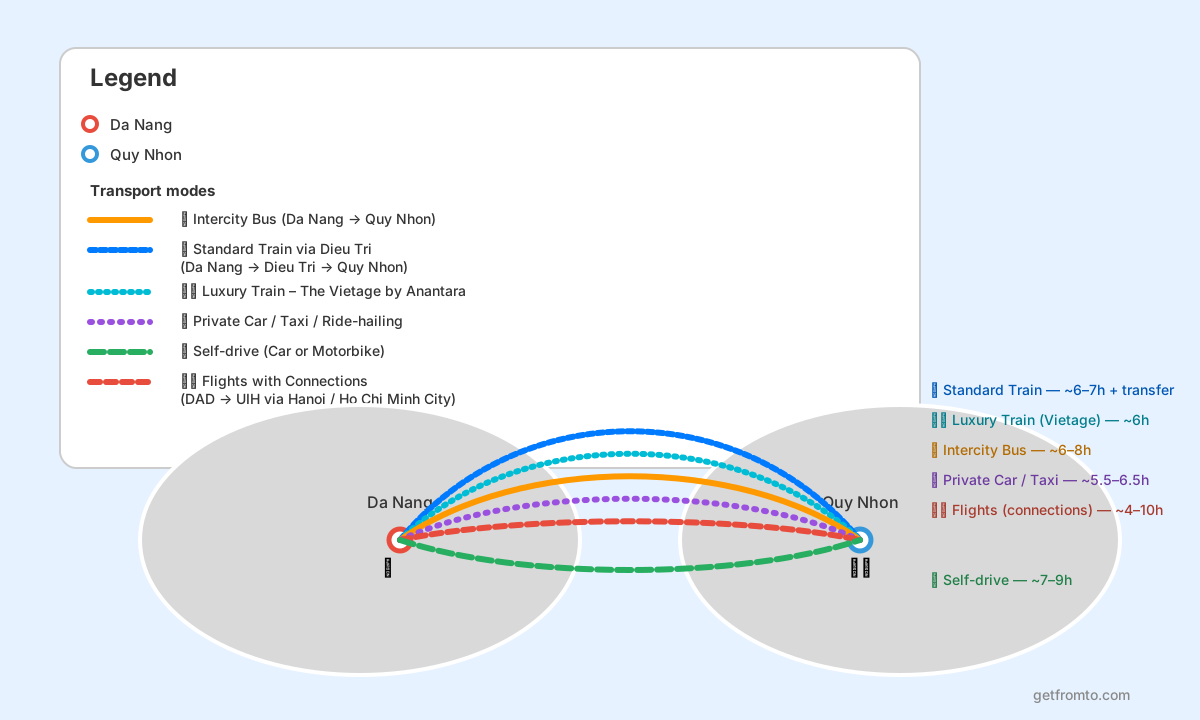
Travelling between Da Nang and Quy Nhon is straightforward, with buses, trains (including a luxury carriage), private cars and even motorbikes all following the same ~320 km stretch of Vietnam’s central coast.
At A Glance (Da Nang to Quy Nhon)
| Mode | Duration | Best For |
|---|---|---|
| 🚌 Intercity Bus (Da Nang → Quy Nhon) | ~6–8h including rest stops | Budget travelers, locals, backpackers |
| 🏷️ Cost: ~VND 280k–550k one-way » compare buses | alt. operators | ||
| 🚆 Standard Train via Dieu Tri (Da Nang → Dieu Tri → Quy Nhon) | ~6–7h on the train + 30–60m transfer | Comfort, scenery, predictable schedule |
| 🏷️ Cost: ~VND 300k–1.3m one-way depending on seat/berth » compare trains | official partner fares | ||
| 🚆✨ Luxury Train – The Vietage by Anantara | ~6h daytime journey | Special occasions, rail enthusiasts, maximum comfort |
| 🏷️ Cost: ~VND 10,000,000+ per person all-inclusive » official info | book via Klook | ||
| 🚗 Private Car / Taxi / Ride-hailing | ~5.5–6.5h door-to-door | Families, small groups, lots of luggage |
| 🏷️ Cost: ~VND 2.8–4.0m per car one-way (shared between passengers) » private car with sightseeing stops | GetTransfer quotes | ||
| 🛵 Self-drive (Car or Motorbike) | ~7–9h including fuel, meal and photo stops | Experienced riders, road-trip lovers |
| 🏷️ Cost: Motorbikes from ~VND 200k–350k/day, cars from ~VND 700k–1.2m/day » compare motorbike rentals | local Da Nang rentals | ||
| ✈️ Flights with Connections (DAD → UIH via Hanoi/Ho Chi Minh City) | ~4–10h including layovers + 45–60m airport transfer | Those combining with other flights, miles collectors |
| 🏷️ Cost: Often from ~VND 2.6m+ one-way » search flights | Trip.com fares | ||
Which Option or Route Should You Choose?
- Fastest / Most Comfortable: The Vietage luxury train or a private car / taxi keeps travel time around 5.5–6 hours with maximum comfort.
- Cheapest / Best Value: A direct sleeper or VIP bus or a standard Vietnam Railways train typically offers the lowest cost per person.
- Most Scenic / Flexible: The coastal train via Dieu Tri is wonderfully scenic, while a self-drive motorbike or car gives you full control over photo and food stops.
- For Tight Flight Schedules: If you’re chaining multiple flights or using air miles, connecting flights via Hanoi or Ho Chi Minh City can be useful, though rarely the most time-efficient for this route alone.
How to Book and Practical Tips
- Compare buses and trains online: Use platforms like 12Go Asia, Baolau, or Vexere to see real-time schedules and prices, then buy via those sites or at the station.
- For trains, know your classes: Hard/soft seats are cheapest, while soft-berth sleepers or VIP cabins cost more but are much more comfortable on overnight services. For official Vietnam Railways tickets, you can also book via their own system once you’re comfortable with the interface.
- Reserve early in peak season: Public holidays, Tet (Lunar New Year), and summer weekends can sell out days in advance for both buses and trains. Booking online or through your hotel at least a few days ahead is wise.
- Use trusted private transfer providers: Besides local car companies, you can book vetted drivers through platforms such as GetYourGuide, Welcome Pickups (available in selected Vietnamese cities), or intercity taxi aggregators like GetTransfer.
- Ride-hailing apps: Grab is widely used in Vietnam and can be used for short hops to stations and, if a driver agrees, even for long-distance rides between Da Nang and Quy Nhon. Always check the price and confirm the distance with your driver before starting.
- Motorbike rental safeguards: Only rent if you have a valid license (and ideally an International Driving Permit), good riding experience, and proper insurance. Reputable shops in Da Nang or online services like BikesBooking or dedicated local rental shops offer better-maintained bikes and clear contracts.
- Luggage storage: If you have time to kill in Da Nang before your departure, consider using left-luggage services or a dedicated network like Radical Storage so you can explore bag-free.
- Weather & safety: Central Vietnam can see heavy rain and occasional storms from roughly October to December. In bad weather, prioritize trains or private cars over motorbikes and allow extra buffer time for delays.
- Accommodation & add-ons: For overnight stays in Quy Nhon, you can browse a wide range of beachfront and city hotels on Booking.com. To fill spare days in Da Nang or Quy Nhon, look at city tours and day trips on platforms like GetYourGuide or the Da Nang activities pages on Booking.com Experiences and Trip.com.
🚌 Option #1 — Direct Bus (Most Popular, Good Value)
Low cost Frequent departures Variable comfort
- Overview: Direct buses (standard sleeper and VIP “limousine” buses) run regularly between Da Nang and Quy Nhon, usually overnight or in the late afternoon. Expect around 6–8 hours on the road depending on traffic and how many pick-ups and rest stops your company makes.
- How to book (with price): Typical fares range from about VND 280,000–550,000 per person for standard or VIP buses. You can compare companies and departure times on 12Go Asia or book directly with Vietnamese platforms like Vexere. Many hotels and hostels in Da Nang can also reserve tickets for you for a small fee.
- Pros: Cheapest point-to-point option; many daily departures; night buses let you save a hotel night and arrive early in Quy Nhon.
- Cons: Comfort and safety standards vary a lot by company; space can be tight if you are tall; toilet stops are occasional and sometimes basic; buses can be delayed by traffic or long pick-up routes.
- Best for: Backpackers and budget-conscious travelers who are used to Southeast Asian sleeper buses and want a direct, no-frills ride.
Step-by-step: Direct Bus
- Choose your company and bus type. Decide between a standard sleeper bus or a VIP limousine bus with larger seats or pods. Check recent reviews and photos on booking sites and aggregators before paying.
- Book your ticket. Reserve online via 12Go Asia, Vexere or through your accommodation in Da Nang. You’ll receive an e-ticket or booking code; keep a screenshot in case your data drops.
- Confirm your pick-up point. Some companies depart from Da Nang Central Bus Station, others from city offices or hotel pickups. Double-check the address, time and whether a shuttle will collect you from your hotel.
- Arrive 20–30 minutes early. Check in with staff, show your ticket or QR code, and store larger bags under the bus. Keep valuables (passport, electronics, cash) with you in a small daypack.
- Onboard etiquette. Air-con can be cold, so bring a light sweater. Wear easy-off footwear, pack earplugs and an eye mask, and fasten the provided seatbelt when available.
- Arrival in Quy Nhon. Buses usually arrive at or near Quy Nhon Bus Station or a central office. From there, you can take a metered taxi or Grab ride to your hotel or beach area.
Getting to the main embarking points in Da Nang
- By taxi or Grab: From central Da Nang or the beachfront, it’s straightforward to reach Da Nang Central Bus Station by metered taxi or using the Grab app. GrabCar and GrabBike are widely used and usually cheaper than flagging a random cab.
- From the airport: If you land in Da Nang and continue straight to Quy Nhon, you can take a short taxi or Grab ride from Da Nang International Airport to the bus station or the company’s downtown office before your scheduled departure.
- By local bus: Da Nang’s city buses connect the main districts with the central bus station. If you have time and want to save money, ask your hotel which route currently serves the station and allow extra time for traffic.
- Locations/Trip Planner: 🔗 Google Map / 🔗 OpenStreetMap
🚆 Option #2 — Standard Train via Dieu Tri (Comfortable, Scenic)
Scenic coastal views More legroom Fixed schedules
- Overview: Standard Vietnam Railways trains run along the North–South line from Da Nang Railway Station to Dieu Tri Station, about 10–15 km inland from Quy Nhon. Journey time is typically around 6 hours, plus 30–60 minutes to transfer from Dieu Tri into Quy Nhon city.
- How to book (with price): For regular trains like SE1, SE3, SE5, SE7 and others, expect fares roughly from VND 300,000–1,300,000 depending on seat or sleeper class. You can compare timetables on Vexere or 12Go Asia, then book directly on those platforms or at the station.
- Pros: Safer and smoother than many buses; separate toilets and the ability to walk around; scenic views of coast, mountains and villages. Trains are less affected by traffic jams.
- Cons: You must transfer at Dieu Tri rather than arriving directly in Quy Nhon; seats in lower classes can be crowded; air-con carriages can feel chilly; popular departures may sell out early.
- Best for: Travelers who value safety and comfort over absolute lowest cost, and anyone who enjoys watching the countryside roll by from a window seat.
Step-by-step: Standard Train via Dieu Tri
- Check departure times. Most Da Nang → Dieu Tri trains run during the day, with a few early-morning or later options. Look up your preferred date on a timetable site and note train numbers and times.
- Choose your class. For this mid-length route, soft seats are fine for many travelers, while soft-berth sleepers (4-berth or 6-berth cabins) provide more privacy and lying-down comfort if you prefer to nap.
- Book your ticket. Reserve online via Vexere or 12Go Asia, or buy directly at Da Nang Railway Station’s ticket counters. Bring your passport to purchase or collect tickets in person.
- Arrive at Da Nang Railway Station. Plan to arrive at least 30–40 minutes before departure to find your platform and carriage. Staff can direct you if you show your ticket or train number.
- Onboard the train. Stow big bags on upper racks or under bunks, keep valuables on your person, and enjoy snacks and drinks from onboard vendors or bring your own. Trains may make short stops at intermediate stations.
- Transfer from Dieu Tri to Quy Nhon. On arrival, you can take a metered taxi, Grab ride or local bus to Quy Nhon city (typically 30–40 minutes). Many hotels can pre-arrange a pick-up if you share them your train details.
Getting to the main embarking points in Da Nang
- From city center or beach: Da Nang Railway Station sits just northwest of the Han River. A short taxi or GrabCar ride from the beachfront or riverside districts usually takes 10–20 minutes, depending on traffic.
- From Da Nang Airport: The airport is about 10–15 minutes by taxi from the station. You can use airport taxis, Grab, or pre-booked services via Klook’s Da Nang Airport transfers or Welcome Pickups where available.
- By local bus or on foot: If you’re already in central Da Nang and traveling light, parts of the city center are walkable to the station; otherwise, local buses run nearby but change routes occasionally, so check with your hotel for up-to-date info.
- Locations/Trip Planner: 🔗 Google Map / 🔗 OpenStreetMap
🚆✨ Option #3 — Luxury Train: The Vietage by Anantara
All-inclusive Ultra-scenic Very high budget
- Overview: The Vietage is a luxury carriage attached to a regular Vietnam Railways train, running from Da Nang to Quy Nhon. With only a handful of private booths, gourmet meals, free-flow drinks and spa treatments, it turns the 6-hour train ride into a once-in-a-lifetime experience.
- How to book (with price): Tickets are generally from around VND 10 million per person, all-inclusive. Book directly via The Vietage’s official site or check curated listings on Klook. Seats are limited, so advance booking is essential.
- Pros: The most comfortable and scenic way to travel this route; fine dining, attentive service, and plenty of space to relax and enjoy the views.
- Cons: Several times more expensive than standard trains or buses; fixed schedule; needs advance planning.
- Best for: Honeymoons, special celebrations, rail fans, or anyone who wants to make the journey itself the highlight of their trip.
Step-by-step: The Vietage Luxury Train
- Check operating days and times. The Vietage generally runs once per day in each direction, usually in the daytime from Da Nang to Quy Nhon. Confirm the latest schedule on the official website.
- Reserve your booth. Choose between single or double occupancy booths and add any dietary or special requests when booking on the official website or via partners like Klook.
- Plan your transfers. You still depart from Da Nang Railway Station and arrive near Quy Nhon (typically connecting onward to your hotel or resort). Coordinate with your accommodation for pick-up in Quy Nhon, especially if you’re staying at partner resorts.
- Arrive early for boarding. Reach Da Nang Railway Station at least 45 minutes before departure; staff will guide you to The Vietage’s dedicated carriage and help with boarding and luggage.
- Relax and enjoy the ride. Once on board, settle into your private booth, enjoy the welcome drink, and savour the meal, drinks and scenery as you roll along Vietnam’s central coastline.
Getting to the main embarking points in Da Nang
- From Da Nang or Hoi An hotels: Many high-end hotels and resorts can arrange a private car to Da Nang Railway Station, timed with your Vietage departure. Ask at reception when you confirm your train booking.
- By taxi, Grab or private transfer: Use a standard taxi or Grab from anywhere in Da Nang, or book a more premium ride from providers like Welcome Pickups or airport transfer platforms like Klook if you are coming from the airport.
- Locations/Trip Planner: 🔗 Google Map / 🔗 OpenStreetMap
🚗 Option #4 — Private Car / Taxi / Ride-hailing (Fast, Door-to-door)
Fast road option Door-to-door Higher cost
- Overview: A private car or taxi transfer lets you travel directly from your hotel in Da Nang (or Hoi An) to your accommodation in Quy Nhon in around 5.5–6 hours, depending on traffic and stops.
- How to book (with price): Expect roughly VND 2.8–4.0 million for a one-way private car (4–7 seats), which becomes good value if you’re sharing as a group. You can book via local operators (e.g. transfer companies and tour agencies), or use online platforms such as GetYourGuide’s Da Nang/Hoi An–Quy Nhon private car or intercity ride providers like GetTransfer.
- Pros: Door-to-door convenience; choose your own departure time; flexible photo or meal stops along the way; you control the music, temperature and pace.
- Cons: Higher total price than bus or train (though reasonable when split between several passengers); long hours in a car; you’ll want a trusted, well-reviewed driver for safety.
- Best for: Families, groups with lots of luggage, or anyone wanting a smooth door-to-door transfer without juggling stations and transfers.
Step-by-step: Private Car / Taxi / Ride-hailing
- Request quotes. Ask your Da Nang hotel, local travel agencies, or online services like GetYourGuide and GetTransfer for quotes for a Da Nang → Quy Nhon transfer. Check what’s included (fuel, tolls, waiting time).
- Confirm vehicle type. Choose a suitable car size (4-seater, 7-seater, or minivan) depending on your group and luggage. For long trips, a larger, newer vehicle is worth the extra cost.
- Schedule departure. Early morning starts often mean less traffic and cooler temperatures. Confirm your exact pickup location and time, plus contact details for the driver.
- On the day of travel. Be ready 10–15 minutes before pickup; keep your valuables and documents in a small bag you can keep with you. Agree with the driver on rest/meal stops and approximate arrival time in Quy Nhon.
- Alternative: Grab long-distance ride. In some cases you can arrange a long-distance GrabCar from Da Nang to Quy Nhon via the app. Check the fare and discuss the long distance with the driver before confirming, and be aware not all drivers will accept such long trips.
Getting to the main embarking points in Da Nang
- Door-to-door pick-up: Most private car services and long-distance taxis will collect you directly from your hotel, homestay or Airbnb in Da Nang, so there’s usually no separate “embarking point” to reach.
- From the airport or train station: If you’re arriving by plane or train and heading straight to Quy Nhon, your driver can meet you in the arrivals hall or outside Da Nang Railway Station. Share your flight or train details in advance.
- Locations/Trip Planner: 🔗 Google Map / 🔗 OpenStreetMap
🛵 Option #5 — Self-drive (Car or Motorbike)
Adventure Most flexible For experienced drivers
- Overview: Riding or driving yourself down the coast from Da Nang to Quy Nhon is a rewarding road trip, typically taking 7–9 hours including fuel, food and photo stops. The main route follows National Highway 1A with optional detours to beaches and viewpoints.
- How to book (with price): Motorbike rental in Da Nang starts from around VND 200,000–350,000 per day for semi-automatic scooters and more for larger manual bikes. You can compare options through BikesBooking or rent from reputable local shops like Da Nang Motorcycles. Self-drive car rental is generally more expensive and often requires a Vietnamese license or special arrangements.
- Pros: Total flexibility over departure time and route; you can stop at scenic viewpoints, fishing villages or beaches along the way; perfect for those who love the open road.
- Cons: Long hours of concentration in variable traffic; exposure to sun, heat and rain; you must be very confident in your riding/driving skills and hold valid licenses and insurance.
- Best for: Experienced riders/drivers who have already driven in Vietnam or similar traffic conditions and want a more immersive, independent journey.
Step-by-step: Self-drive (Car or Motorbike)
- Check your documents. Make sure you have the correct license (and International Driving Permit if required), travel insurance that covers motorbike or car rental, and a helmet that fits properly.
- Choose and inspect your vehicle. Rent from a reputable shop or platform; test brakes, lights, horn and indicators. Take photos of existing scratches and confirm what’s covered in case of breakdowns.
- Plan your route. The simplest path is National Highway 1A, but you can add coastal detours for better scenery. Download offline maps on your phone in case of weak signal.
- Start early. Leave Da Nang in the morning to avoid riding too much in the dark and to give yourself time for rest, meals and unexpected delays.
- Ride defensively. Keep speeds moderate, watch for buses and trucks, and take frequent breaks. Avoid long rides during heavy rain or storms.
Getting to the main embarking points in Da Nang
- Rental shop pickup: Most motorbike rentals are in the city center or beach districts of Da Nang, which are easily reached on foot or by short taxi/Grab rides from your accommodation.
- Vehicle collection: Some rental providers deliver bikes or cars directly to your hotel for an extra fee. Arrange this the day before your trip so you can set off early.
- Locations/Trip Planner: 🔗 Google Map / 🔗 OpenStreetMap
✈️ Option #6 — Flights with Connections (Niche, Not Direct)
Short in-seat time Useful with onward flights More expensive
- Overview: There are no regular non-stop domestic flights from Da Nang (DAD) to Quy Nhon’s Phu Cat Airport (UIH); instead, itineraries normally involve at least one stop (usually in Ho Chi Minh City or Hanoi). When schedules align, total travel time door-to-door can compete with bus/train, but it’s often more expensive and involves more steps.
- How to book (with price): Use flight search tools like Booking.com Flights, Trip.com or airline sites to look for Da Nang → Quy Nhon itineraries. Fares are often from around VND 2.6 million+ one-way, depending on season and how far in advance you book.
- Pros: Potentially useful if you’re already connecting through Hanoi or Ho Chi Minh City, or if you are building around a complex multi-flight itinerary and using airline miles.
- Cons: Multiple legs and layovers; airport transfers at both ends; higher price than bus/train; more chances for delay or missed connection.
- Best for: Travelers combining this leg with other flights on the same ticket, or those for whom flight comfort outweighs cost and connection complexity.
Step-by-step: Flights with Connections
- Search for routes. Enter Da Nang (DAD) as your origin and Quy Nhon/Phu Cat (UIH) as your destination on Booking.com, Trip.com or your preferred airline site. Filter for reasonable total travel times and layovers.
- Check baggage rules. If your journey involves separate tickets or multiple airlines, confirm baggage transfer rules and allow extra layover time for re-checking bags if needed.
- Travel to Da Nang Airport. Use a taxi, Grab, or an airport transfer service (you can prebook via Klook, Welcome Pickups, or local transfer companies) and arrive at least 90 minutes early for domestic flights.
- Connect via major hub. Most itineraries route through Ho Chi Minh City (SGN) or Hanoi (HAN). Follow airport signage to your connecting gate and keep an eye on departure boards for any changes.
- Arrive at Phu Cat Airport. From Phu Cat, it’s about 45–60 minutes by car or shuttle into Quy Nhon city. You can use airport buses when available, taxis, Grab (if operating at the time you travel), or pre-booked transfers through platforms like GetTransfer or local operators.
Getting to the main embarking points in Da Nang
- From city hotels: Da Nang International Airport is only 10–15 minutes from the city center by taxi, GrabCar or private transfer. Most hotels can arrange a fixed-price car for you.
- From the beach area: Allow 20–30 minutes during busy times to get from My Khe Beach and other coastal neighborhoods to the airport.
- Locations/Trip Planner: 🔗 Google Map / 🔗 OpenStreetMap
FAQ (Da Nang to Quy Nhon)
Is there a direct train from Da Nang to Quy Nhon city?
- There is no longer a passenger train directly into Quy Nhon city itself. Instead, all long-distance trains stop at Dieu Tri Railway Station, around 10–15 km inland. From Dieu Tri, travellers connect by taxi, Grab or local bus into Quy Nhon (about 30–40 minutes).
How long does it take to travel from Da Nang to Quy Nhon?
- Bus: Usually around 6–8 hours, depending on traffic, route and rest stops.
- Standard train: About 6 hours on the train plus 30–60 minutes to transfer from Dieu Tri to Quy Nhon.
- Luxury train (The Vietage): Around 6 hours, daytime only.
- Private car/taxi: Roughly 5.5–6 hours door-to-door in normal traffic.
- Self-drive motorbike or car: Plan for 7–9 hours including breaks and photo stops.
- Flights with connections: Timings vary widely by route, but total door-to-door time is typically 4–10 hours once you factor in transfers and layovers.
What is the safest way to travel this route?
- For most travellers, the standard train via Dieu Tri or a private car with a professional driver offers the best balance of safety and comfort. Buses can be safe if you choose reputable companies, but standards vary. Self-drive is only recommended for experienced riders/drivers.
When is the best time of year to go from Da Nang to Quy Nhon?
- The drier months from roughly March to September usually bring more stable weather and calmer seas along the central coast, making road and rail travel more pleasant. The later rainy season (around October–December) can bring heavy showers and occasional storms, which may cause delays and slick road conditions.
Can I store my luggage if I have a long wait in Da Nang?
- Yes. Some hotels will hold bags for guests after check-out, and larger stations may offer left-luggage services. For more flexibility, look at third-party luggage storage networks like Radical Storage, which partners with shops and cafes around Da Nang so you can explore hands-free before your bus or train.
Is riding a motorbike from Da Nang to Quy Nhon safe?
- It can be an incredible adventure for experienced riders, but it does come with risks: busy highways, trucks and buses, variable road conditions and sudden weather changes. Only attempt the ride if you are comfortable in Vietnamese traffic, have proper safety gear and insurance, and are prepared to turn back or switch to another mode if conditions deteriorate.





Related Tours/Services
Popular Routes
Recent Routes
- How to get from PortMiami Cruise Terminal to Miami International Airport
- How to get from Samarkand to Bukhara
- How to get from Bell Tower (Xi’an) to Xi’an North Railway Station
- How to get from Canal City Hakata to Hakata Station
- How to get from Rialto Bridge (Venice) to Venezia Santa Lucia Station
- How to get from Florence Cathedral (Duomo) to Firenze Santa Maria Novella Station
- How to get from Nice to Paris
- How to get from Ribeira District (Porto) to Porto Campanhã Station
- How to get from Anne Frank House to Amsterdam Sloterdijk Station
- How to get from Buckingham Palace to London Victoria Station
Top Travel Gears

DUDE Wipes Unscented Pocket Packs, Adult Flushable Travel Wipes, 48 Count

zelin Anti Theft Zipper Clips, Travel Essentials, Carabiner, 4Pcs Grey

INIU 10000mAh 45W Fast Charging Portable Charger, Smaller Travel Power Bank | Flight-Safe, Detachable USB C Cable, Travel Essential, External Battery Phone Pack for iPhone 18 17 Samsung iPad etc
travel inspira Luggage Scale Digital Suitcase Weight Scale for Travel
2026 Travel Essentials for Apple Watch Charger,Cruise Vacation Camping Essentials,iPhone Charger,Multi Charging Cable,3 in 2 Charging Docks for iWatch Series 12 11-2/Ultra,iPhone 18 17-12,Car