
How to get from Dotonbori to Osaka Station
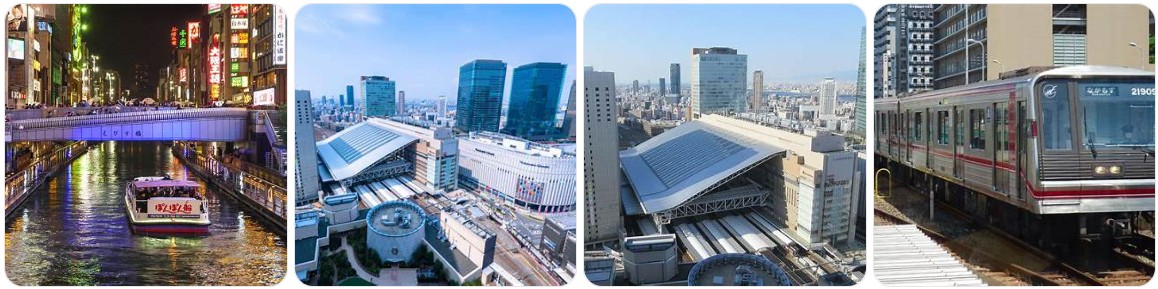
From Dotonbori (Minami/Namba area) to Osaka Station (Umeda/Kita area), the easiest route for most travelers is the Osaka Metro Midosuji Line: walk to Namba Station, ride north to Umeda Station, then follow underground signs to JR Osaka Station. It is fast, frequent, and usually the best balance of speed and cost, while taxis are convenient for heavy luggage and walking is possible if you want a city stroll.
At A Glance (Dotonbori to Osaka Station)
| Mode | Duration | Best For |
|---|---|---|
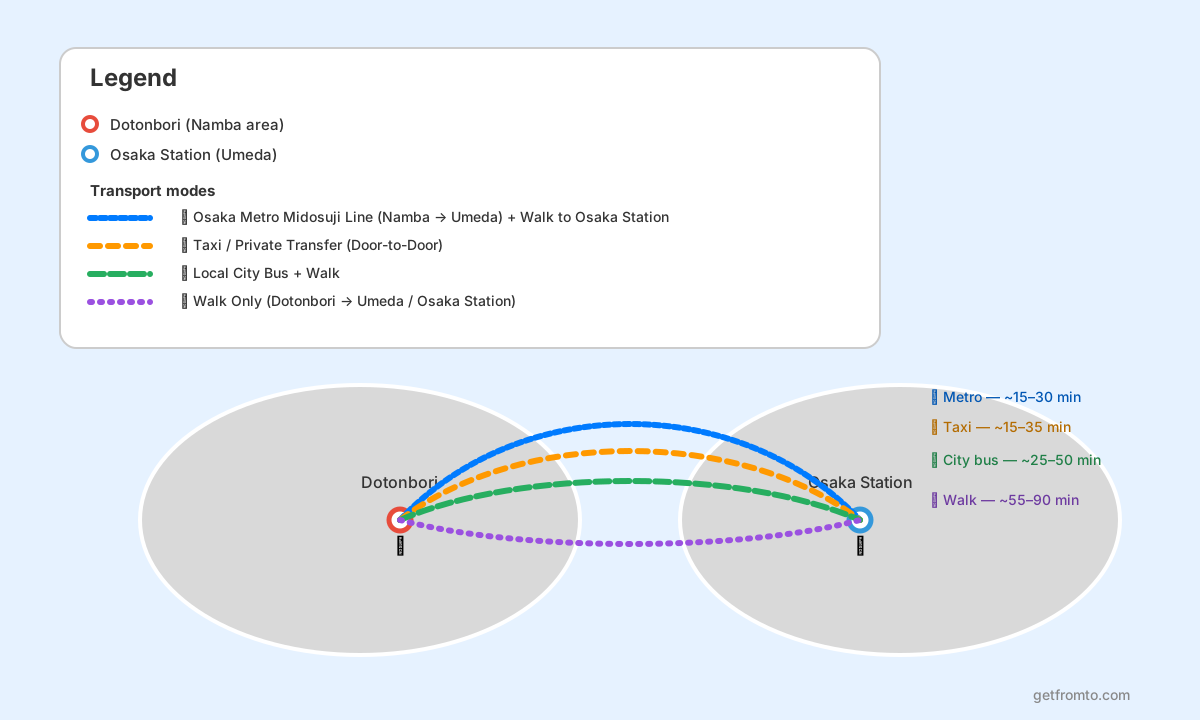
| 🚇 Osaka Metro Midosuji Line (Namba → Umeda) + Walk to Osaka Station | ~15–30 min total (walk to Namba + ~7–10 min train + station transfer walk) | Most travelers, fastest practical option |
| 🏷️ Cost: ~¥240 subway fare (+ optional IC card) » Osaka transit passes | route planning alt. | ||
| 🚕 Taxi / Private Transfer (Door-to-Door) | ~15–35 min (traffic-dependent) | Heavy luggage, families, late night/early morning |
| 🏷️ Cost: ~¥1,800–¥4,000+ depending on traffic/time » private pickup options | compare private transfers | ||
| 🚌 Local City Bus + Walk | ~25–50 min (route/traffic-dependent) | Budget travelers staying near a convenient stop |
| 🏷️ Cost: Usually low fixed city-bus fare / IC card fare » compare regional transport | ||
| 🚶 Walk Only (Dotonbori → Umeda/Osaka Station) | ~55–90 min | Sightseeing on foot, no luggage, daytime strolls |
| 🏷️ Cost: Free (except optional baggage storage) » luggage storage options | ||
Which Option or Route Should You Choose?
- Fastest / Most Convenient (most travelers): Option #1 — Osaka Metro Midosuji Line. It directly links Namba and Umeda, the two main hubs on this trip.
- Cheapest / Most Economical: Option #1 — Osaka Metro Midosuji Line is usually the best value and very frequent; Option #4 — Walk Only is free if you have time and light bags.
- Most Comfortable with Luggage / Kids: Option #2 — Taxi / Private Transfer, especially if you are heading to a specific entrance of Osaka Station City or a nearby hotel in Umeda.
- Flexible Sightseeing Route: Option #4 — Walk Only (or walk partway, then switch to subway) if you want to pass through Shinsaibashi and central Osaka streets.
How to Book and Practical Tips
- No advance booking is needed for the subway. Use an IC card (ICOCA/Suica/PASMO, etc.) or buy a single ticket at Osaka Metro ticket machines.
- Dotonbori is not a train station: you normally start by walking to Namba Station (best-known access point is around Exit 14 area for central Dotonbori), then take the subway.
- Osaka Metro Midosuji Line is the key line for this trip: Namba (M20) → Umeda (M16). After arriving at Umeda, follow signs for JR Line / Osaka Station.
- Allow extra time in Umeda/Osaka Station if you are new to the area. The station complex is large and connected to multiple railways and underground passages.
- For late-night or bulky luggage, compare a street taxi with Welcome Pickups or GetTransfer. In Osaka, ride-hailing/taxi apps like GO and Uber are also useful alternatives.
- If you want to explore before heading north, store bags using Radical Storage near Namba/Umeda, then travel light.
- If you are continuing beyond Osaka Station (e.g., Kyoto/Kobe airport-bus links, etc.), check onward timetables on the JR-West travel site.
🚇 Option #1 — Osaka Metro Midosuji Line (Fastest for Most Travelers)
Fast Frequent service Easy transfer to JR Osaka
- Overview: Walk from central Dotonbori to Osaka Metro Namba Station, then take the Midosuji Line north to Umeda Station and walk through the connected passages to Osaka Station City / JR Osaka Station.
- Typical time: ~15–30 minutes total depending on where you start in Dotonbori and which Osaka Station entrance/platform you need.
- How to book (with price): Usually no booking required. Buy a single Osaka Metro ticket (commonly around ¥240 for Namba → Umeda) at the station, or tap an IC card. If you plan multiple rides, compare Osaka transit pass listings on Klook.
- Pros: Fast, frequent, cheap, weatherproof for most of the route. Cons: Umeda/Osaka Station can feel complex the first time; peak-hour trains can be crowded.
Step-by-step: Osaka Metro Midosuji Line
- Start in Dotonbori: From the canal/Glico sign area, walk toward Namba Station. Central Dotonbori is commonly accessed from the Namba side (the Dotonbori shopping district’s access guidance highlights a short walk from Subway Namba Station, and Metro Nine also notes Dotonbori is about a few minutes from Namba Exit 14).
- Enter Osaka Metro Namba Station: Follow signs for Osaka Metro / Midosuji Line (M20). If you need elevators, check the Namba station guide for exit/elevator routing.
- Buy a ticket or tap IC card: Use an Osaka Metro machine (English available) or tap your IC card at the gate.
- Board the Midosuji Line northbound: Ride from Namba (M20) to Umeda (M16). It is a direct ride with no transfers.
- Arrive at Umeda Station: Follow signs for JR Line / Osaka Station. The Umeda station guide lists transfer routes to JR, Hankyu, and Hanshin lines.
- Reach Osaka Station: Continue through the underground connection or station passages to your target area in Osaka Station City (North Gate / South Gate / concourse areas).
Getting to the main embarking points (Namba Station / Dotonbori side)
- From central Dotonbori (Glico sign area): Walk toward Namba Station; many travelers use the Namba side approach for the quickest subway access.
- Best-known access point for central Dotonbori: The Dotonbori area is commonly associated with the Namba Exit 14 side for a short walk to the canal zone.
- With luggage or stroller: Use the Osaka Metro Namba station page to locate elevators and gate/exit combinations.
- If you are far east of Dotonbori: Nippombashi may be closer, but for a simple direct run to Osaka Station, many travelers still prefer walking to Namba (Midosuji Line).
- Locations/Trip Planner: 🔗 Google Map / 🔗 OpenStreetMap
🚕 Option #2 — Taxi / Private Transfer (Door-to-Door, Best with Luggage)
Door-to-door Great for luggage Traffic-dependent fare/time
- Overview: Take a taxi directly from your Dotonbori address/hotel to your preferred Osaka Station entrance or nearby Umeda hotel. This is the least walking and easiest if you have bags, strollers, or mobility needs.
- Typical time: ~15–35 minutes depending on time of day and traffic.
- How to book (with price): Street taxis are common in Osaka. Expect roughly ¥1,800–¥4,000+ for this short city ride depending on traffic and pickup point. You can also pre-arrange via Welcome Pickups or GetTransfer. Ride-hailing/taxi apps in Japan include GO and Uber.
- Pros: Simple, comfortable, minimal station navigation. Cons: More expensive; traffic can erase the time advantage during busy periods.
Step-by-step: Taxi / Private Transfer
- Choose your exact drop-off: If you need JR Osaka Station, say “Osaka-eki” (大阪駅). If you need a hotel in Umeda, provide the full address in Japanese/English.
- Book or hail: Use a street taxi, your hotel front desk, or a pre-booked service such as Welcome Pickups / GetTransfer.
- App alternatives in Osaka: GO (Japan taxi app) and Uber can be convenient if you prefer in-app payment or pickup tracking.
- Confirm destination entrance: Osaka Station/Umeda is a large district. If you know your gate/meeting point (Central Gate, South Gate, hotel entrance, etc.), show it to the driver.
- Keep extra time during rush hours: Evening congestion around Namba/Shinsaibashi/Umeda can add time and cost.
Getting to the main embarking points (Taxi pickup in Dotonbori)
- From narrow streets/canal side: Walk to a wider road (Midosuji-dori / main avenue frontage) for easier taxi pickup.
- From a hotel: Ask staff to call a taxi or confirm the best curbside pickup point.
- Late night: App-based booking can reduce time spent searching for a taxi in busy nightlife areas.
- Locations/Trip Planner: 🔗 Google Map / 🔗 OpenStreetMap
🚌 Option #3 — Local City Bus + Walk (Possible but Usually Slower)
Budget-friendly Good if stop is nearby Traffic + route complexity
- Overview: Osaka city buses can connect parts of Minami/Namba to Umeda/Osaka Station areas, but routes and stop names vary. For visitors, buses are usually less intuitive than the direct Midosuji subway.
- Typical time: ~25–50 minutes depending on waiting time, route, and traffic.
- How to book (with price): Usually no advance booking; pay onboard with IC card or cash (depending on route rules). Check transport/planning options on 12Go or local mapping apps if you specifically prefer buses.
- Pros: Can be convenient if your hotel is right by a bus stop and you want fewer stairs. Cons: Slower and less straightforward than the subway for this exact corridor.
Step-by-step: Local Bus + Walk
- Check your nearest stop: Use a route planner (Google Maps / local transit app) from your exact Dotonbori-side address.
- Confirm the destination area: Search for Osaka Station / Umeda bus stops, because the Umeda district has multiple stop names.
- Pay with IC card if possible: This makes boarding faster and avoids cash/change issues.
- Prepare for a short final walk: You may still need to walk through the station district to reach the exact JR Osaka Station entrance.
- Use this option selectively: If the route looks indirect or traffic is heavy, switch to Option #1 (Midosuji Line).
Getting to the main embarking points (Bus stops near Dotonbori/Namba)
- Best starting point varies by hotel/street: Dotonbori itself is a district, so the nearest practical bus stop depends on your exact location.
- Look for major roads: Stops on broader roads around Namba/Shinsaibashi are usually easier to identify than the canal-side lanes.
- If unsure: Walk to Namba Station and take the Midosuji Line instead.
- Locations/Trip Planner: 🔗 Google Map / 🔗 OpenStreetMap
🚶 Option #4 — Walk Only (Scenic Urban Walk)
Free Good for sightseeing Long with luggage
- Overview: Walk from Dotonbori north toward Shinsaibashi/Honmachi and continue to Umeda/Osaka Station. This is best if you want to explore Osaka on foot and are not in a hurry.
- Typical time: ~55–90 minutes depending on route and stops.
- How to book (with price): No booking needed. If bags are slowing you down, consider Radical Storage before walking.
- Pros: Free, flexible, great for photos and cafes. Cons: Tiring with luggage, weather-dependent, and less efficient than the subway.
Step-by-step: Walk Only
- Leave Dotonbori via Midosuji/Namba side: Start from the canal area and head toward a major northbound road.
- Follow a simple northbound axis: The broad Midosuji corridor is an easy reference line through central Osaka.
- Break the walk into segments: Dotonbori/Namba → Shinsaibashi → Honmachi/Yodoyabashi area → Umeda.
- Monitor time/weather: If it gets too hot/rainy/crowded, hop on the subway at any convenient Midosuji Line station and continue to Umeda.
- Arrive at Osaka Station/Umeda: Use station signs to reach your exact entrance, platform, or hotel in the station district.
Getting to the main embarking points (Walking route start points)
- Start from the canal/Glico sign side if you want the classic Dotonbori beginning.
- Use offline maps or OpenStreetMap if your phone signal is weak in busy streets/arcades.
- Travel light: If you plan a long walk before a train, storing luggage can make a big difference.
- Locations/Trip Planner: 🔗 Google Map / 🔗 OpenStreetMap
FAQ (Dotonbori to Osaka Station)
What’s the easiest way to get from Dotonbori to Osaka Station?
For most travelers, the easiest route is Osaka Metro Midosuji Line: walk to Namba Station, ride directly to Umeda Station, then follow signs to JR Osaka Station.
How long does it take?
Usually about 15–30 minutes total for the subway option, including the walk from Dotonbori to Namba and the transfer walk from Umeda to Osaka Station.
How much does it cost?
A single subway ride is typically around ¥240 for Namba → Umeda (subject to fare updates). Taxis usually cost much more but can save walking and simplify luggage handling.
Is Dotonbori itself a station?
No. Dotonbori is an entertainment/shopping district. You normally walk to a nearby station, most commonly Namba Station, to start your train journey.
Do I need to book subway tickets in advance?
No. Just use an IC card or buy a ticket at the station. Advance booking is generally unnecessary for this short Osaka Metro trip.
What if I have large luggage?
A taxi or private transfer may be easier, especially during peak hours. Another option is to use luggage storage and ride the subway with less baggage.
Can I use ride-hailing apps in Osaka?
Yes. Taxi/ride-hailing options in Japan include GO and Uber in Osaka, in addition to standard street taxis and hotel-arranged taxis.
Which station should I target: Umeda or Osaka Station?
If you are using Osaka Metro, you arrive at Umeda Station first, then walk through the connected complex to JR Osaka Station. They are closely connected but not the same ticket gates.




Related Tours/Services
Popular Routes
Recent Routes
- How to get from PortMiami Cruise Terminal to Miami International Airport
- How to get from Samarkand to Bukhara
- How to get from Bell Tower (Xi’an) to Xi’an North Railway Station
- How to get from Canal City Hakata to Hakata Station
- How to get from Rialto Bridge (Venice) to Venezia Santa Lucia Station
- How to get from Florence Cathedral (Duomo) to Firenze Santa Maria Novella Station
- How to get from Nice to Paris
- How to get from Ribeira District (Porto) to Porto Campanhã Station
- How to get from Anne Frank House to Amsterdam Sloterdijk Station
- How to get from Buckingham Palace to London Victoria Station
Top Travel Gears

DUDE Wipes Unscented Pocket Packs, Adult Flushable Travel Wipes, 48 Count

zelin Anti Theft Zipper Clips, Travel Essentials, Carabiner, 4Pcs Grey

INIU 10000mAh 45W Fast Charging Portable Charger, Smaller Travel Power Bank | Flight-Safe, Detachable USB C Cable, Travel Essential, External Battery Phone Pack for iPhone 18 17 Samsung iPad etc
travel inspira Luggage Scale Digital Suitcase Weight Scale for Travel
2026 Travel Essentials for Apple Watch Charger,Cruise Vacation Camping Essentials,iPhone Charger,Multi Charging Cable,3 in 2 Charging Docks for iWatch Series 12 11-2/Ultra,iPhone 18 17-12,Car