
How to get from Fisherman’s Wharf to San Francisco Powell Street Station
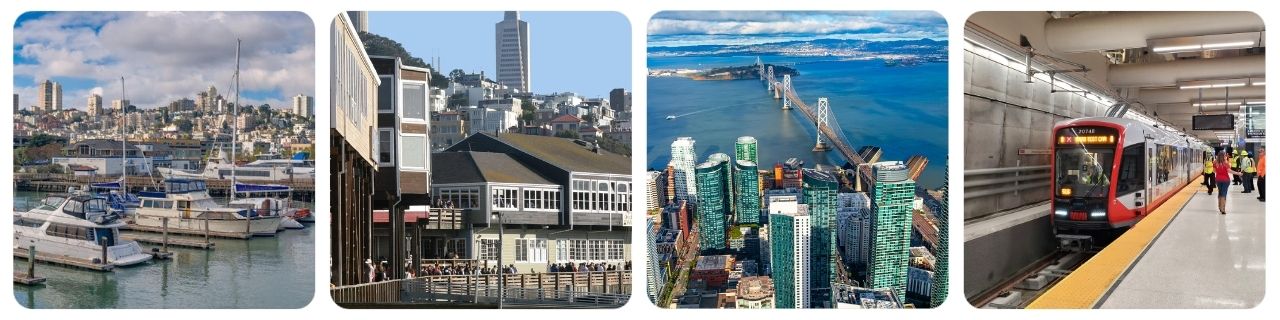
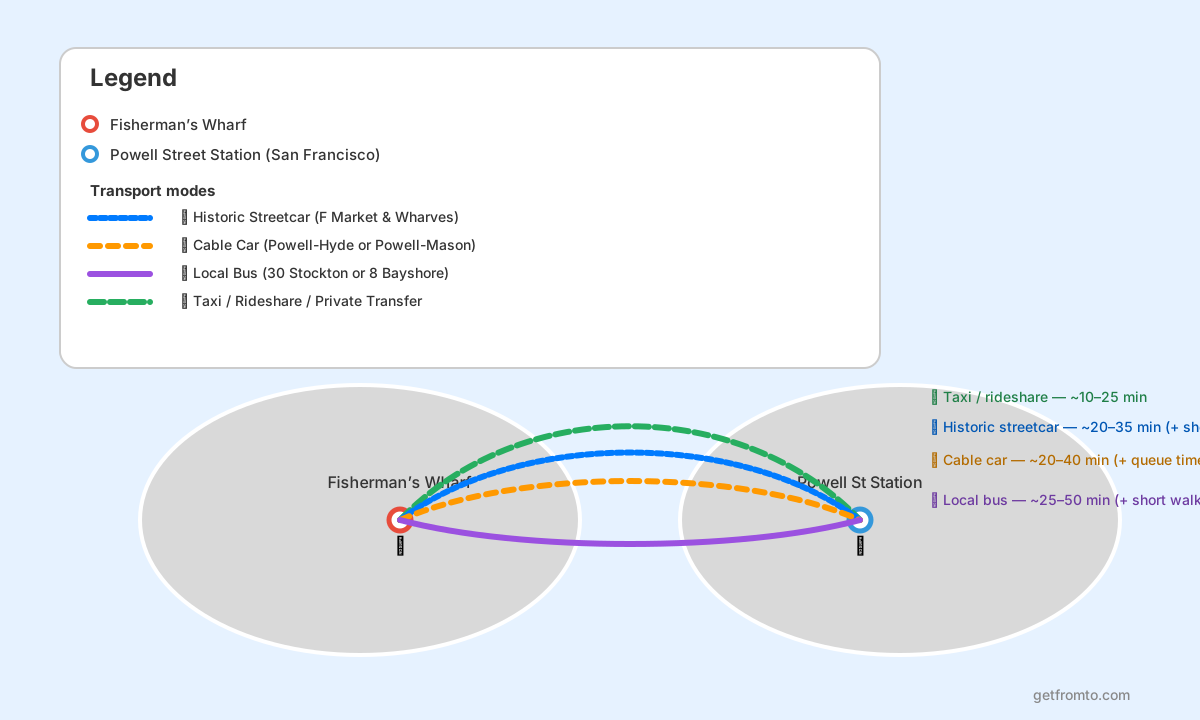
Fisherman’s Wharf is only a few miles from Powell Street Station, and you can get there easily by historic streetcar, cable car, local bus, or a quick rideshare/taxi—pick based on whether you want the fastest ride, the most scenic route, or the simplest luggage-friendly option.
At A Glance (Fisherman’s Wharf to San Francisco Powell Street Station)
| Mode | Duration | Best For |
|---|---|---|
| 🚋 Historic Streetcar (F Market & Wharves) | ~20–35 min ride + ~3–8 min walk | Most travelers, easy & good value |
| 🏷️ Cost: ~US$2.85 (Clipper/MuniMobile) or US$3.00 cash for a 120-minute Muni ride window | » official fare details | ||
| 🚡 Cable Car (Powell-Hyde or Powell-Mason) | ~20–40 min (line-dependent) + queue time | Most scenic, classic SF experience |
| 🏷️ Cost: US$9.00 one-way (no transfers) | » official cable car fare | tour-style ride option | ||
| 🚌 Local Bus (30 Stockton or 8 Bayshore) | ~25–50 min + ~3–10 min walk | Cheapest with lots of stops; locals |
| 🏷️ Cost: Same as Muni single-ride (US$2.85–3.00) | » Muni fare menu | ||
| 🚖 Taxi / Rideshare / Private Transfer | ~10–25 min (traffic-dependent) | Door-to-door, luggage, late night |
| 🏷️ Cost: ~US$15–35 typical city ride (surge/traffic can raise it) | » prebook a car | private driver style | ||
Which Option or Route Should You Choose?
- Fastest (when traffic is light): Taxi / rideshare is usually quickest door-to-door.
- Most convenient on public transit: F Market & Wharves streetcar is straightforward and drops you near Market Street.
- Most scenic / “only in SF”: Cable car if you want views and don’t mind queues and hills.
- Cheapest with the most coverage: 30 Stockton or 8 Bayshore if you’re close to the stop and okay with frequent stops.
How to Book and Practical Tips
- Paying for Muni: A Muni single ride is valid for 120 minutes and is cheaper with MuniMobile or Clipper than with cash. Activate tickets before boarding (especially for cable cars).
- Real-time arrivals: Use the official route pages for live predictions for F Market & Wharves and 30 Stockton.
- Cable car queues: Boarding at the Wharf terminals is fun but can be slow—if the line is huge, consider walking a couple stops “up the line” to board sooner (follow posted rules and staff directions).
- Luggage strategy: If you want to explore near Union Square before heading underground, consider luggage storage near Powell Street Station.
- Accessibility: Streetcars and buses are generally easiest for mobility aids; cable cars involve steps/standing and can be tricky when crowded. Plan extra time if you need elevators/escalators at Powell St. Station.
🚋 Option #1 — Historic Streetcar (F Market & Wharves) (Most Convenient)
Good value Simple route Crowds possible
- Overview: Ride the F Market & Wharves historic streetcar from Fisherman’s Wharf toward Market Street, then walk a few minutes to the station entrances at Powell & Market.
- Typical duration: ~20–35 minutes on the streetcar (traffic-dependent) + ~3–8 minutes walking.
- How to pay (with price): Use a Muni single ride (US$2.85 via Clipper/MuniMobile or US$3.00 cash) that’s valid for 120 minutes of transfers on Muni. Official details.
- Pros: One of the easiest public-transit ways; iconic vehicles; good for most luggage. Cons: Can bunch up or get crowded on weekends.
Step-by-step: F Market & Wharves
- Walk to an F-line stop in Fisherman’s Wharf: Common, easy-to-find stops are around Jones/Beach and near the Embarcadero end of the Wharf (look for “F Market & Wharves”). Use the route page for stop lists and live times: F Market & Wharves.
- Board the streetcar toward Market Street: Stay on until the stop closest to Powell Street Station (Market Street area). Keep your proof of payment/activated ticket handy.
- Walk into Powell St. Station: Follow signs for BART/Muni Metro at Powell & Market (multiple entrances along Market Street). Station info: Powell St. Station.
- Optional: make it a “hop-on” experience: If you want this as part of a sightseeing day, look at bundled city activity listings on San Francisco CityPASS or nearby attraction passes, depending on your itinerary.
Getting to the main embarking points (F-line stops in Fisherman’s Wharf)
- From Pier 39 / central Wharf: Walk toward the Embarcadero or Jones/Beach area; F-line stops are well-signed and usually within ~5–15 minutes on foot.
- From Hyde & Beach (Aquatic Park): You’re also close to the cable car terminal; if the streetcar is delayed, Option #2 is a scenic backup.
- With bikes: You can also bike most of the route and park/lock near Market St; compare rentals via bike rental options in San Francisco.
- Locations/Trip Planner: 🔗 Google Map / 🔗 OpenStreetMap
🚡 Option #2 — Cable Car (Powell-Hyde or Powell-Mason) (Most Scenic)
Iconic views Direct to Powell Queue time
- Overview: Take a cable car from Fisherman’s Wharf to downtown: either the Powell/Hyde line (Hyde & Beach terminal) or the Powell/Mason line (Bay & Taylor terminal). Both head to Powell & Market—steps from Powell Street Station.
- Typical duration: ~20–40 minutes riding, plus variable wait time (can be long mid-day and weekends).
- How to pay (with price): US$9.00 per one-way cable car ride (no transfers). The SFMTA requires advance purchase at major terminals during daytime hours; see Cable Car Single Ride.
- Pros: The most “San Francisco” route; fun for first-timers; drops you right at Powell & Market. Cons: Costlier than Muni; standing/steps; lines can be significant.
Step-by-step: Cable car to Powell & Market
- Choose your terminal:
- Powell/Hyde: Start at Hyde & Beach (near Aquatic Park). Route info: Powell/Hyde Cable Car.
- Powell/Mason: Start at Bay & Taylor (near the heart of the Wharf). Route info: Powell/Mason Cable Car.
- Buy your ticket before boarding: Use cash (exact change) or the official MuniMobile app (activate before you board). Terminal purchase rules are outlined on the official cable car fare page.
- Ride to Powell & Market: Enjoy the hills and views; keep a hand on your belongings and hold on when standing.
- Enter Powell Street Station: The turnaround is right by station entrances. Confirm station details here: Powell St. Station.
- Optional: make it guided: If you prefer a structured cable-car sightseeing experience, consider an activity listing like a cable car app-guided tour or similar.
Getting to the main embarking points (Cable car terminals at the Wharf)
- Hyde & Beach terminal: Best if you’re near Aquatic Park, Ghirardelli Square, or the west end of the Wharf.
- Bay & Taylor terminal: Best if you’re near Pier 39 and central Wharf hotels.
- If lines are too long: Consider walking to a non-terminal stop along the line (where allowed) or switch to Option #1 (F-line) for better value.
- Locations/Trip Planner: 🔗 Google Map / 🔗 OpenStreetMap
🚌 Option #3 — Local Bus (30 Stockton or 8 Bayshore) (Cheapest & Flexible)
Lowest cost Many stops Slower in traffic
- Overview: Use a regular Muni bus from the Wharf area into downtown/Market Street, then walk to Powell Street Station. Two common choices: 30 Stockton (great if you’re closer to North Beach/Chinatown/Stockton corridor) or 8 Bayshore (useful if you’re near North Point/Kearny/Powell corridors).
- Typical duration: ~25–50 minutes depending on traffic + walking time from your stop.
- How to pay (with price): Same Muni single-ride fare as other buses/streetcars: US$2.85 (Clipper/MuniMobile) or US$3.00 cash, valid for 120 minutes of Muni transfers. Official fare details.
- Pros: Frequent service and plenty of boarding points; good if the Wharf terminal lines are long. Cons: Slower and more stop-and-go; buses can be packed in peak times.
Step-by-step: Local bus to downtown
- Pick your bus based on where you are standing:
- 30 Stockton: Handy if you’re heading through Chinatown/Union Square areas; check service info here: 30 Stockton.
- 8 Bayshore: Runs through downtown corridors and has special peak-period patterns; see details here: 8 Bayshore.
- Buy/validate your fare: Use MuniMobile, Clipper, or exact cash. Keep proof of payment/transfer receipt.
- Ride toward Market Street / Powell area: Get off at the nearest convenient stop and walk to Powell & Market entrances for the station.
- Enter Powell Street Station: Verify station address and amenities on BART’s Powell St. Station page.
Getting to the main embarking points (Popular Wharf-area bus stops)
- Near Pier 39 / North Point: Look for stops along North Point Street and nearby cross streets—good for the 8 line.
- Near central Wharf hotels: You’ll usually have a bus stop within a few blocks; use the official route pages to find your closest stop and real-time arrivals.
- Locations/Trip Planner: 🔗 Google Map / 🔗 OpenStreetMap
🚖 Option #4 — Taxi / Rideshare / Private Transfer (Fastest Door-to-Door)
Door-to-door Great with luggage Traffic/surge
- Overview: A taxi or rideshare is the simplest way if you’re carrying bags, traveling with kids, or moving late at night. Typical pickups are easy around Pier 39/Jefferson, Beach Street, and major hotel entrances.
- Typical duration: ~10–25 minutes depending on traffic and pickup time.
- How to book (with price): For a fixed upfront quote and advance booking, compare services like GetTransfer in San Francisco. For a private-driver style option, see Welcome Pickups San Francisco. For on-demand ride-hailing, Uber and Lyft are widely available in San Francisco (pricing varies with demand).
- Pros: Minimal walking; quickest when transit is crowded. Cons: Surge pricing and traffic can make it slower/more expensive than expected.
Step-by-step: Taxi / rideshare
- Choose a safe pickup point: Hotel driveway/valet area, a designated rideshare curb, or a well-lit corner on Jefferson/Beach Street.
- Set destination precisely: Use “Powell St. Station (BART/Muni)” and confirm you want the entrance near Powell & Market (station info: Powell St. Station).
- For private bookings: Lock in your pickup time and luggage needs in advance via GetTransfer (bid/quote style) or Welcome Pickups (private transfer style).
- Plan for downtown drop-off rules: Market Street can have restrictions and heavy foot traffic—your driver may drop you on a nearby cross street; follow station signage on foot.
Getting to the main embarking points (Pickup hotspots at Fisherman’s Wharf)
- Pier 39 / Beach Street: Frequent taxi/rideshare flows; expect congestion on sunny weekends.
- Hotel entrances: Often easiest for luggage and accessible pickups.
- Extra: where to stay nearby: If you’re choosing accommodation to minimize transfers, compare hotels in Fisherman’s Wharf versus hotels in Union Square.
- Locations/Trip Planner: 🔗 Google Map / 🔗 OpenStreetMap
FAQ (Fisherman’s Wharf to San Francisco Powell Street Station)
What’s the easiest public transit route from Fisherman’s Wharf to Powell Street Station?
The simplest for most travelers is the F Market & Wharves streetcar followed by a short walk to the station entrances near Powell & Market.
How much does it cost to ride Muni buses/streetcars on this trip?
A Muni adult single ride is US$2.85 with Clipper/MuniMobile or US$3.00 with cash, and it’s valid for 120 minutes of Muni travel (including transfers). Check the current details on SFMTA’s fare page.
How much is a cable car, and can I transfer between lines?
A single cable car ride is US$9.00 and is not valid for transferring between cable car lines. The official rules and purchase guidance are on Cable Car Single Ride.
Which cable car line should I take from the Wharf?
If you’re near Aquatic Park, the Powell/Hyde line starts at Hyde & Beach; if you’re near Pier 39/central Wharf, the Powell/Mason line starts at Bay & Taylor. Both ride to Powell & Market.
Is Powell Street Station easy to find once I reach Market Street?
Yes—Powell Street Station is located at Powell & Market and has multiple entrances along Market Street. Station address and entrance info are on BART’s Powell St. Station page.
What if I have luggage and want to explore near Union Square first?
Consider dropping your bags at luggage storage near Powell Street Station so you can walk around Union Square and Market Street hands-free.




Related Tours/Services
Popular Routes
Recent Routes
- How to get from PortMiami Cruise Terminal to Miami International Airport
- How to get from Samarkand to Bukhara
- How to get from Bell Tower (Xi’an) to Xi’an North Railway Station
- How to get from Canal City Hakata to Hakata Station
- How to get from Rialto Bridge (Venice) to Venezia Santa Lucia Station
- How to get from Florence Cathedral (Duomo) to Firenze Santa Maria Novella Station
- How to get from Nice to Paris
- How to get from Ribeira District (Porto) to Porto Campanhã Station
- How to get from Anne Frank House to Amsterdam Sloterdijk Station
- How to get from Buckingham Palace to London Victoria Station
Top Travel Gears

DUDE Wipes Unscented Pocket Packs, Adult Flushable Travel Wipes, 48 Count

zelin Anti Theft Zipper Clips, Travel Essentials, Carabiner, 4Pcs Grey

INIU 10000mAh 45W Fast Charging Portable Charger, Smaller Travel Power Bank | Flight-Safe, Detachable USB C Cable, Travel Essential, External Battery Phone Pack for iPhone 18 17 Samsung iPad etc
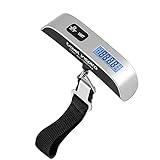
travel inspira Luggage Scale Digital Suitcase Weight Scale for Travel
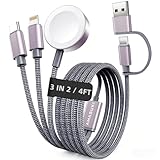
2026 Travel Essentials for Apple Watch Charger,Cruise Vacation Camping Essentials,iPhone Charger,Multi Charging Cable,3 in 2 Charging Docks for iWatch Series 12 11-2/Ultra,iPhone 18 17-12,Car