
How to get from Fukuoka to Yakushima
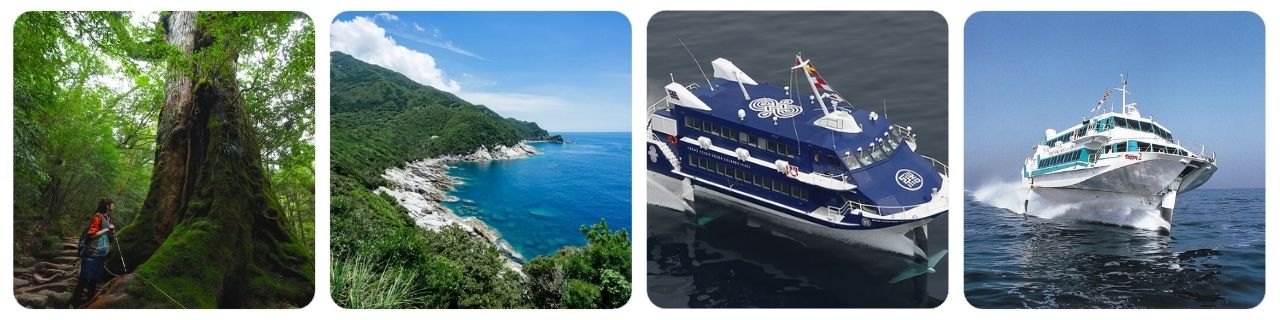
Thinking about swapping Hakata’s ramen stalls for Yakushima’s mossy cedar forests? This guide explains every practical way to get from Fukuoka to Yakushima—by direct flight or via Kagoshima by train and boat—plus booking tips, maps and FAQs so you can choose the route that fits your time, budget and travel style.
At A Glance (Fukuoka to Yakushima)
| Mode | Duration | Best For |
|---|---|---|
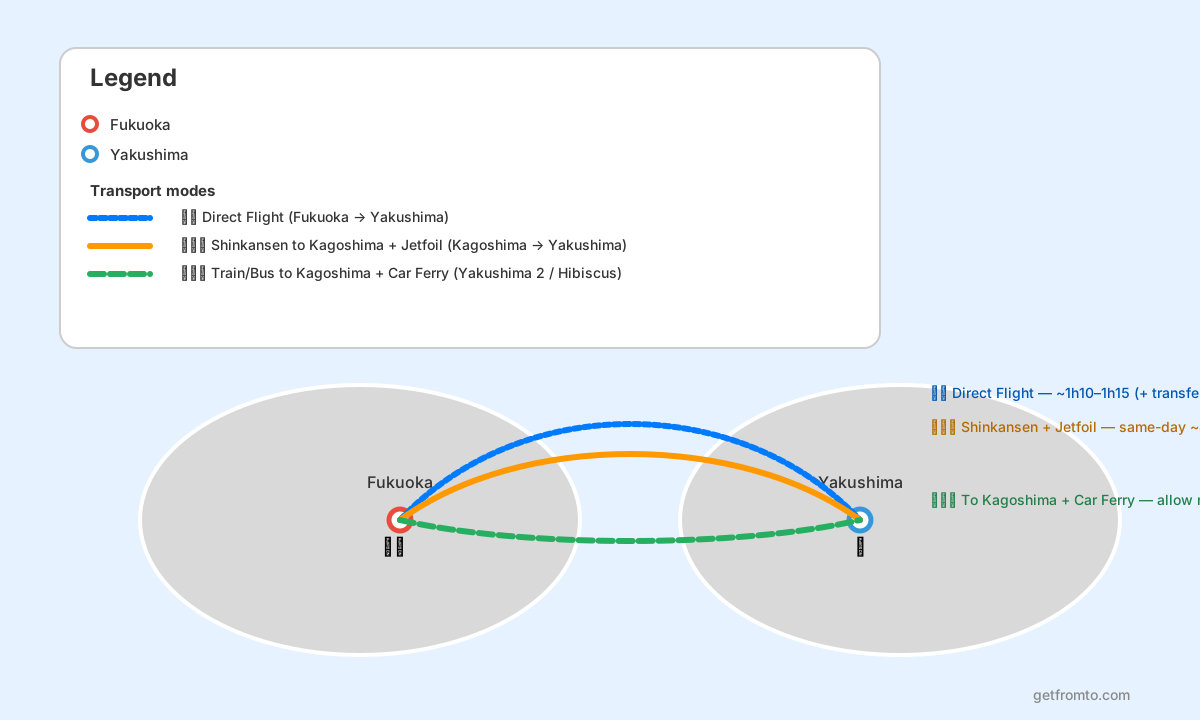
| ✈️ Direct Flight (Fukuoka → Yakushima) | ~1h10–1h15 flight (+ 30–60m airport transfers) | Fastest, short stays, avoiding sea travel |
| 🏷️ Cost: ~¥12,000–25,000 one-way » search flights | compare FUK–KUM deals | ||
| 🚄⛴️ Shinkansen to Kagoshima + Jetfoil (Kagoshima → Yakushima) | ~1.5–2h train + ~2–3h boat/port transfers (same-day 4–6h total) | Scenic route, rail pass users, more departure choices |
| 🏷️ Cost: ~¥20,000–30,000 total (train + jetfoil) » Fukuoka–Kagoshima trains/buses | Kagoshima–Yakushima boats | jetfoil tickets | ||
| 🚗⛴️ Train/Bus to Kagoshima + Car Ferry (Yakushima 2 / Hibiscus) | ~1.5–2.5h to Kagoshima + ~4h ferry (allow most of a day) | Travelers with cars, big luggage, slow & scenic travel |
| 🏷️ Cost: Foot passenger from ~¥8,000–10,000 one-way (car extra) » compare ferries | ||
Which Option or Route Should You Choose?
- Fastest / Most convenient: Go for Option 1 – Direct Flight Fukuoka → Yakushima if you want to be on the island in barely over an hour, have limited days, or dislike boats.
- Most scenic & flexible: Choose Option 2 – Shinkansen + Jetfoil via Kagoshima if you fancy a Kyushu rail ride, a night in Kagoshima, and a dramatic arrival by sea.
- Best with a car / gear-heavy trips: Pick Option 3 – Car Ferry via Kagoshima if you’re road-tripping Kyushu or carrying camping/hiking gear and want to bring a vehicle over.
- Cheapest overall (usually): For solo travelers, the cheapest route can be a sale direct flight; for groups with a car, the car ferry often wins once you spread costs across passengers.
- Most weather-resilient: Flights are less affected by rough seas but may still be delayed by storms. In typhoon season, monitor both airline and ferry notices and keep one flexible buffer day if you can.
How to Book and Practical Tips
- Compare flights online: You can search and filter Fukuoka–Yakushima flights on Booking.com (Flights) and check alternative times and prices on Trip.com. Booking 4–8 weeks ahead usually gives the best balance of availability and price.
- Use comparison tools for trains & ferries: To see shinkansen, bus and boat combinations on one screen, sites like 12Go Asia are handy, especially if you’re planning multi-stop Kyushu itineraries.
- Book jetfoil & tours in advance: Seats on the Toppy/Rocket jetfoils can sell out on weekends and holidays. You can pre-book high-speed boat tickets and related activities through platforms like GetYourGuide or browse Yakushima hikes and day tours on Klook.
- Reserve accommodation early in peak season: Yakushima gets busy during Golden Week, summer and autumn foliage season. Check availability and book stays on Booking.com (Yakushima hotels) as soon as your transport is fixed.
- Rental cars and two-wheelers: A rental car makes exploring Yakushima much easier. You can arrange cars around your gateway city on Booking.com (Fukuoka Airport car rental) or in Kagoshima. If you’re adding time in big cities like Tokyo, you can compare scooter and bike rentals through BikesBooking.
- Airport & station transfers: In Fukuoka you can ride the subway, take a regular taxi, or pre-book a private transfer through services such as Welcome Pickups, with ride-hailing apps like Uber, DiDi or GO Taxi as alternatives. For bespoke car/van transfers in Japan, you can also compare offers on GetTransfer.
- Luggage strategy: If you’re checking out of your hotel in Fukuoka or Kagoshima before heading onward, station coin lockers and hotel storage are common. For more flexible options, you can look for nearby partners via Radical Storage, then travel to Yakushima hands‑free.
- Always re-check schedules: Timetables and fares for flights, jetfoils and ferries change seasonally and may be disrupted by weather. Always confirm up‑to‑date information on the operators’ official websites before you travel.
✈️ Option 1 — Direct Flight Fukuoka → Yakushima (Fastest, Most Convenient)
Fastest Simple connections Weather-dependent
- Overview: Nonstop regional flights link Fukuoka Airport (FUK) and Yakushima Airport (KUM) in about 70–75 minutes. Services are usually operated by Japan Air Commuter (JAC), a Japan Airlines group airline, with roughly one round-trip per day.
- How to book (with price): Expect one-way fares of roughly ¥12,000–25,000 depending on season and how early you book. You can compare daily prices on Booking.com Flights and Trip.com, then cross‑check schedules and baggage rules on the airline’s official site such as Japan Airlines.
- Pros: By far the quickest route; you can land around lunchtime and still fit in a half‑day walk or onsen. It avoids potential seasickness and complicated transfers.
- Cons: Limited daily departures, higher prices in peak seasons, and occasional cancellations or delays in bad weather. Seats can sell out on weekends and holidays.
- Who it suits: Short trips (2–3 nights), families with kids, travelers with mobility concerns, and anyone connecting from another domestic flight into Fukuoka.
Step-by-step: Direct Flight Fukuoka → Yakushima
- Reach Fukuoka Airport (Domestic Terminal): From Hakata Station, take the Kuko (Airport) subway line two stops (about 5 minutes). From Tenjin, the same subway line takes ~11 minutes. If you prefer a car, you can use a local taxi, ride-hailing apps like Uber/DiDi/GO Taxi, or pre-book a meet‑and‑greet transfer via Welcome Pickups or compare private options on GetTransfer.
- Check in and security: Domestic flights in Japan are efficient, but aim to arrive at least 60–90 minutes before departure, especially if you need to check bags or pick up tickets. Have your passport or ID ready.
- Flight Fukuoka → Yakushima: Enjoy the short hop down the Kyushu coast. On clear days you may see Kagoshima Bay and volcanic peaks from the window as you approach Yakushima.
- Arrival at Yakushima Airport (KUM): The airport is small and easy to navigate. Pick up your luggage, then either meet your rental car, hop in a taxi, or take a local bus toward Miyanoura or Anbo. Driving time from the airport to Miyanoura is about 20 minutes.
- Continue on the island: Many travelers pre‑book rental cars near the airport or in Miyanoura. You can research rental options in your gateway cities on Booking.com Car Rental, and then confirm island‑specific details with local agencies or your accommodation.
Getting to the main embarking points (Fukuoka Airport Domestic)
- From Hakata Station: Ride the Kuko Line subway (Hakata ↔ Fukuoka Airport) directly to the domestic terminal station. Trains run every few minutes and the ride is about 5 minutes.
- From Tenjin or central Fukuoka: Take the same Kuko Line from Tenjin Station to the airport (~11 minutes), or use city buses if you prefer above‑ground travel.
- By taxi/ride-hailing: Standard taxis from central Fukuoka typically take 15–20 minutes depending on traffic. Ride-hail apps like Uber, DiDi, and GO Taxi work in the city and are useful if you don’t speak Japanese. For a pre‑booked English‑speaking driver and fixed price, consider Welcome Pickups Fukuoka or a prearranged car via GetTransfer.
- Locations/Trip Planner: 🔗 Google Map / 🔗 OpenStreetMap
🚄⛴️ Option 2 — Shinkansen to Kagoshima + Jetfoil to Yakushima (Scenic & Flexible)
Rail & sea combo More departures Sea‑conditions sensitive
- Overview: Take the Kyushu Shinkansen from Hakata (Fukuoka) to Kagoshima‑Chuo (~1.5–2 hours), transfer by tram/bus or taxi to Kagoshima Port, then board a high‑speed jetfoil (Toppy or Rocket) to Miyanoura or Anbo Port on Yakushima (about 2–3 hours including boarding).
- How to book (with price): Shinkansen fares run roughly ¥10,000–15,000 one‑way depending on seat type. Jetfoil tickets typically cost around ¥9,000–17,000 one‑way. You can compare routes and approximate prices via 12Go Asia and Kagoshima–Yakushima listings, or book specific jetfoil departures on platforms like GetYourGuide or Klook (often bundled with tours).
- Official operator info: Check latest timetables, ports and notices on the jetfoil operator’s site Toppy & Rocket (official) and Kagoshima Prefecture’s access guide to Yakushima.
- Pros: More daily departure options than direct flights; ideal if you’re already using a JR Rail Pass around Kyushu and want to see Kagoshima and Sakurajima along the way.
- Cons: Longer total journey than flying; jetfoils can be cancelled or bumpy in heavy seas. You must leave enough transfer time between train, port and boat.
- Who it suits: Rail fans, travelers planning a night or two in Kagoshima, and those who don’t mind a bit of boat time in exchange for flexibility and scenery.
Step-by-step: Shinkansen + Jetfoil via Kagoshima
- Hakata Station → Kagoshima-Chuo Station: Board a Kyushu Shinkansen (e.g., Mizuho, Sakura, or Tsubame) from Hakata. Journey time is roughly 1.5–2 hours. Reserve seats at JR ticket counters or machines, or use a relevant rail pass.
- Transfer to Kagoshima Port: From Kagoshima‑Chuo, ride the city tram or a local bus toward Kagoshima Port (Kagoshima Honko) or take a taxi (around 15–20 minutes). If you have big luggage or a group, a taxi or ride‑hail is easiest.
- Check in for the jetfoil: For Toppy/Rocket services, go to the high‑speed boat terminal. Arrive at least 30–45 minutes before departure to check in, exchange vouchers (if booked via a platform like GetYourGuide’s Kyushu ferry tickets) and drop checked bags if any.
- Sail to Yakushima (Miyanoura or Anbo): The crossing usually takes about 2–3 hours depending on route and intermediate stops. Choose Miyanoura if you want more accommodation and services, or Anbo for easier access to some hiking trailheads.
- Continue on Yakushima: From the port, walk to your stay if it’s nearby, use local buses, or pick up a rental car. Guided activities like trekking and sightseeing can be pre‑arranged via Klook Yakushima or GetYourGuide Yakushima tours.
Getting to the main embarking points (Hakata Station & Kagoshima Port)
- Hakata Station access: Most central Fukuoka hotels are either walking distance or a short subway/bus/taxi ride to Hakata. If you’re landing at Fukuoka Airport, ride the Kuko Line subway straight to Hakata in around 5 minutes.
- Kagoshima-Chuo to Kagoshima Port: Use the city tram (about 20 minutes) or taxi. Factor in extra time at rush hour. If you’re bringing luggage from a hotel, consider sending bags separately or storing extras with your hotel or a luggage service.
- Overnight stop in Kagoshima: If your jetfoil leaves early or you want to explore Sakurajima, consider a night in Kagoshima. You can browse central hotels and ryokan on Booking.com (Kagoshima) and add local tours or ferry experiences via GetYourGuide.
- Locations/Trip Planner: 🔗 Google Map / 🔗 OpenStreetMap
🚗⛴️ Option 3 — Train/Bus to Kagoshima + Car Ferry to Yakushima (Great With a Vehicle)
Bring your car Scenic & relaxed Slowest
- Overview: Travel overland from Fukuoka to Kagoshima (by shinkansen, highway bus or car), then board a slower car ferry to Yakushima. The main routes are Ferry Yakushima 2 (Kagoshima New Port ↔ Miyanoura) and Ferry Hibiscus (via Tanegashima). Crossing time is about 4 hours, but you can stay on deck and enjoy open‑sea views.
- How to book (with price): Overland travel Fukuoka → Kagoshima costs similar to Option 2. As a rough guide, foot passenger fares on the car ferries start around ¥8,000–10,000 one‑way, with additional fees for cars and larger vehicles. You can check and compare some options through 12Go Asia, but for definitive schedules and prices refer to official operators: Ferry Yakushima 2 (official) and Ferry Hibiscus (official).
- Bringing or renting a car: If you’re self‑driving Kyushu, you can take your vehicle on the ferry. Otherwise, many travelers rent a car in Kagoshima or on Yakushima itself. For reference prices and availability, browse cars around Kagoshima on Booking.com Car Rental.
- Pros: Ideal if you have a lot of hiking gear, surfboards or camping equipment, or if you prefer being on deck to sitting inside a jetfoil. It can work out economical for groups sharing a vehicle.
- Cons: Limited sailings (usually about one departure per day per route), longer journey, and more exposure to sea conditions. You’ll also need to reach Kagoshima New Port, which is further from the city center than the main ferry pier.
- Who it suits: Road‑trippers, photographers who love slow travel, and visitors planning a longer stay on Yakushima with lots of gear.
Step-by-step: Overland to Kagoshima + Car Ferry
- Fukuoka → Kagoshima: From Hakata Station, ride the Kyushu Shinkansen to Kagoshima‑Chuo, or take a long‑distance highway bus if you’re on a tight budget. If you prefer to drive, pick up a rental car in Fukuoka via Booking.com Car Rental and follow the expressway south (tolls apply).
- Reach Kagoshima New Port: From Kagoshima‑Chuo, use local buses or a taxi to reach Kagoshima New Port, where Ferry Yakushima 2 departs. New Port is different from the main central port, so double‑check the terminal name on your ticket.
- Board the car ferry: Arrive well before departure, especially if you have a vehicle (check‑in can be 60–90 minutes prior). Follow staff instructions for parking on board; foot passengers usually walk on via a ramp or gangway.
- Enjoy the crossing: The ~4‑hour sailing gives time to relax, buy snacks, or sit outside watching Yakushima’s mountains appear ahead. Bring layers—sea breezes can be cool even in warmer months.
- Disembark at Miyanoura: Drive or walk off the ferry at Miyanoura Port. From here it’s an easy drive or bus ride to accommodation around Miyanoura, Anbo or further around the island coast.
Getting to the main embarking points (Kagoshima New Port)
- Kagoshima-Chuo Station to New Port: Allow at least 30–40 minutes. Check which bus goes to the correct terminal, or take a taxi if you’re unsure—drivers are used to taking visitors to the Yakushima car ferries.
- With a rental car: Plan time to refuel and buy snacks before boarding, as options onboard may be limited and pricier. Ask your rental company about taking the car on ferries (many allow it, but always confirm in advance).
- Overnight near the port: If your ferry leaves early, consider staying in Kagoshima the night before. This makes check‑in less stressful and gives you a chance to explore the city’s food scene and onsen.
- Locations/Trip Planner: 🔗 Google Map / 🔗 OpenStreetMap
FAQ (Fukuoka to Yakushima)
Do I need to book Fukuoka → Yakushima transport in advance?
Most of the year you can sometimes find last‑minute seats, but for weekends, national holidays, Golden Week and school vacations, it’s wise to book flights, jetfoils and ferries at least a few weeks ahead. Accommodation on Yakushima can also sell out in peak hiking season, so try to lock in both transport and lodging together.
Is the direct flight or the Kagoshima route better?
If you’re short on time or prone to seasickness, the direct flight wins—it’s fastest and involves the fewest moving parts. If you want to see more of Kyushu, use a rail pass, or build in a Kagoshima stop (for Sakurajima, onsen and city food), the shinkansen + jetfoil or car ferry routes are more rewarding and flexible.
Can I use a Japan Rail Pass on this journey?
A nationwide or Kyushu JR Pass can cover the shinkansen segment between Hakata and Kagoshima‑Chuo, but not the jetfoils or car ferries to Yakushima. Those need separate tickets through the boat operators or booking platforms. If you’re only doing one or two shinkansen trips, buying regular tickets may be cheaper than a full pass.
Is Yakushima possible as a day trip from Fukuoka?
Technically, with the very earliest flight or shinkansen and the latest jetfoil you might manage a whirlwind day, but it would be rushed and vulnerable to delays. Most travelers stay at least 2–3 nights on the island to allow for weather changes and to properly enjoy hikes, waterfalls and onsens.
Do I need a rental car on Yakushima?
Not strictly, but it helps a lot. Public buses circle the island and sightseeing buses cover major highlights, yet service can be infrequent, especially early or late in the day. A car (or occasionally an e‑bike) gives you far more freedom with trailheads, beaches and hot springs. If you’d rather not drive, look at guided tours and island bus passes via providers on GetYourGuide or Klook.
What about my luggage if I’m stopping in Fukuoka or Kagoshima first?
Most hotels will store your bags before check‑in or after check‑out. Major stations also have coin lockers, though large ones can be limited. For full days of sightseeing without bags, look up nearby storage partners through Radical Storage or consider using Japan’s luggage forwarding (takkyubin) to send big suitcases to your next hotel while you travel light to Yakushima.
- useful references:
- https://www.town.yakushima.kagoshima.jp/en/e-tourism/e-hotsprings/
- https://www.kagoshima-kankou.com/for/highlights/yakushima_island/access
- https://www.japan.travel/en/destinations/kyushu/kagoshima/yakushima/
- https://www.japan.travel/national-parks/parks/yakushima/how-to-get-there/



Related Tours/Services
Popular Routes
Recent Routes
- How to get from PortMiami Cruise Terminal to Miami International Airport
- How to get from Samarkand to Bukhara
- How to get from Bell Tower (Xi’an) to Xi’an North Railway Station
- How to get from Canal City Hakata to Hakata Station
- How to get from Rialto Bridge (Venice) to Venezia Santa Lucia Station
- How to get from Florence Cathedral (Duomo) to Firenze Santa Maria Novella Station
- How to get from Nice to Paris
- How to get from Ribeira District (Porto) to Porto Campanhã Station
- How to get from Anne Frank House to Amsterdam Sloterdijk Station
- How to get from Buckingham Palace to London Victoria Station
Top Travel Gears

LISEN Airplane Travel Essentials for Flying Airplane Phone Holder for Desk | Phone Stand Hands Free MagSafe Travel Accessories Flying Long Flight International Travel Must Haves Gifts for Men
2026 Travel Essentials for Apple Watch Charger,Cruise Vacation Camping Essentials,iPhone Charger,Multi Charging Cable,3 in 2 Charging Docks for iWatch Series 12 11-2/Ultra,iPhone 18 17-12,Car
travel inspira Luggage Scale Digital Suitcase Weight Scale for Travel | Blue Backlight, Rubber Paint Handle, Tare & Data Lock, Auto-Off, Battery Included, 110 Pounds, Travel Essentials

zelin Anti Theft Zipper Clips, Travel Essentials, Carabiner, 4Pcs Grey | Elegant Zinc Alloy Zipper Pull Locks, Airplane Gadgets and Travel Accessories for Backpacks, Commuting and Outdoor Safety

DUDE Wipes Unscented Pocket Packs, Adult Flushable Travel Wipes, 48 Count | 6 pocket sized packs of 8 flushable butt wipes. Travel essentials. Hypoallergenic and fragrance free with aloe. Septic safe.