

How to get from Hanoi to Ha Giang

Planning to travel from Hanoi to Ha Giang for the famous Ha Giang Loop? This guide breaks down every realistic option—from sleeper buses and private cars to motorbike rentals and guided loop tours—so you can choose the route that best fits your time, budget, and riding confidence.
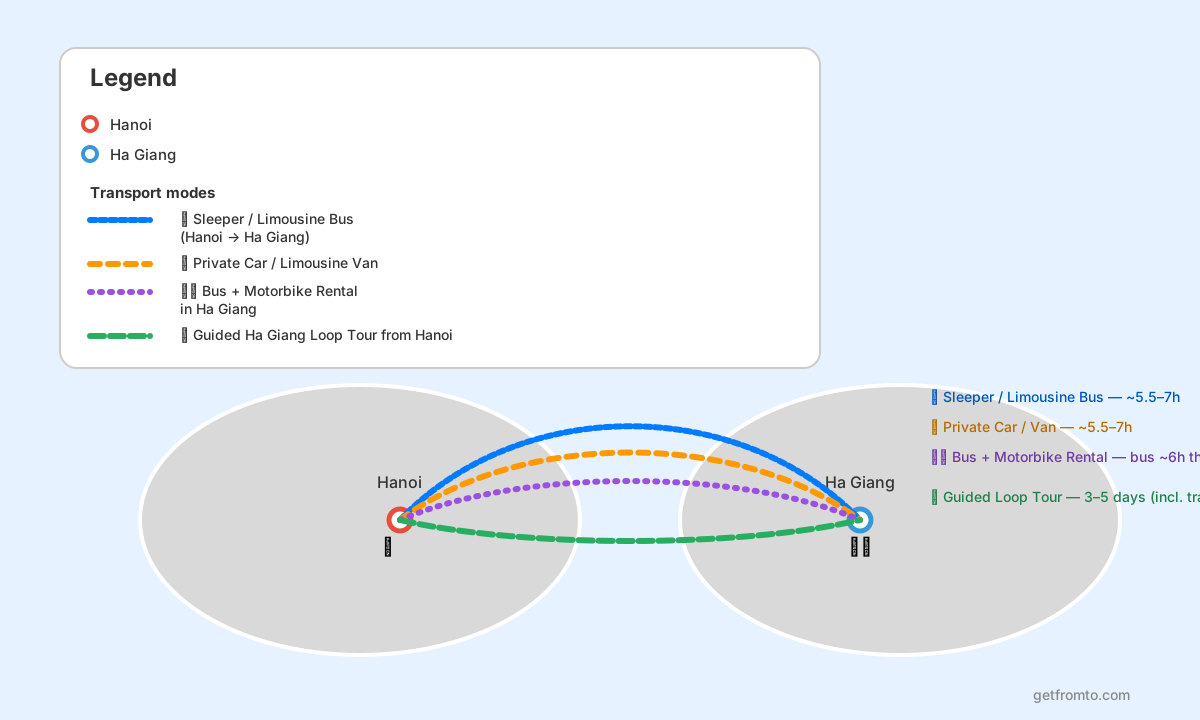
At A Glance (Hanoi to Ha Giang)
| Mode | Duration | Best For |
|---|---|---|
| 🚌 Sleeper / Limousine Bus (Hanoi → Ha Giang) | ~5.5–7h road time (often overnight) | Most travelers, budget-friendly & simple |
| 🏷️ Cost: ~VND 250,000–600,000 one-way depending on seat type and season. Compare companies and departure times on » buses & vans on 12Go or book specific rides like limousine and shared buses via Klook shared bus. | ||
| 🚐 Private Car / Limousine Van | ~5.5–7h door-to-door | Groups, comfort, flexible stops |
| 🏷️ Cost: From around US$120–200+ per vehicle one-way, depending on vehicle size. You can compare fixed-price private transfers on platforms such as GetYourGuide transfers or request quotes via GetTransfer Hanoi. | ||
| 🏍️ Bus + Motorbike Rental in Ha Giang | ~6h bus + 3–5 days riding the loop | Experienced riders, flexible explorers |
| 🏷️ Cost: Bus ~VND 250,000–500,000 each way + motorbike rental from ~VND 250,000–500,000 per day. Compare buses on 12Go, and check scooter & motorbike rentals on BikesBooking or Klook motorbike rental. | ||
| 🧭 Guided Ha Giang Loop Tour from Hanoi | 3–5 days including Hanoi–Ha Giang transfers | First-timers, solo travelers, easy riders |
| 🏷️ Cost: Typical 3–4 day packages from ~US$180–350 including round-trip bus, bike/jeep, guide, and homestays. Browse small-group and easy rider tours on GetYourGuide or Klook Ha Giang tours. | ||
Which Option or Route Should You Choose?
- Fastest / Most convenient: For most visitors, a direct sleeper or limousine bus is the simplest way to get from Hanoi to Ha Giang. You leave in the evening, sleep on the bus, and wake up ready to start the loop.
- Most comfortable door-to-door: If you’re traveling in a group, with kids, or carrying lots of luggage, a private car or limousine van gives you hotel-to-hotel service and full control over departure time and rest stops.
- Best for experienced riders: Confident motorbike riders often take a bus up, then rent a bike in Ha Giang for the loop, so they can ride light without doing the long night ride from Hanoi.
- Best for first-timers to Ha Giang: If you’re unsure about riding yourself, choose a guided Ha Giang Loop tour from Hanoi with an easy rider or jeep. Transport, accommodation, and permits are handled for you.
- Tight budgets: Overnight buses are usually the cheapest option, and they also save you one night of accommodation in Hanoi.
How to Book and Practical Tips
- Book buses in advance in high season: Weekends and holidays (especially September–November and Tet) sell out quickly. Use platforms like 12Go, Klook Ha Giang transport, or Trip.com bus listings to compare operators and departure points.
- Use apps for city transfers: To reach bus pick-up points and stations around Hanoi, locals commonly use ride-hailing apps like Grab, Gojek, and Be, or traditional taxis. For pre-arranged airport or hotel pickups, consider Welcome Pickups in Hanoi or a pre-booked car via GetTransfer.
- Store extra luggage in Hanoi: If you’re doing the loop with just a small bag, you can leave big suitcases at your Hanoi hotel or use staffed storage locations booked via Radical Storage in Hanoi.
- Book Ha Giang accommodation early in peak months: Homestays and hostels around Ha Giang, Dong Van, and Meo Vac can fill up in popular months. Browse and reserve flexible-rate stays on Booking.com (Ha Giang region).
- Check the weather before you go: Heavy rain or fog can make mountain roads more dangerous. If conditions are bad, consider delaying your loop or joining a guided jeep tour instead of riding yourself.
- Always wear proper gear: Whether you ride as driver or pillion, use a quality helmet, covered shoes, and layers. Many rental shops and tour operators include helmets and protective gear; ask when booking via BikesBooking or Klook motorbike rental.
🚌 Option #1 — Direct Sleeper or Limousine Bus (Most Popular, Good Value)
Low cost Central pick-up & drop-off Overnight-friendly
- Overview: Modern sleeper and limousine buses connect Hanoi and Ha Giang multiple times per day, with many departures in the evening. Most companies include hotel pick-up in Hanoi’s Old Quarter and drop you at Ha Giang City or your hostel there. Travel time is usually about 5.5–7 hours with one or two rest stops.
- How to book (with price): One-way fares typically range from about VND 250,000–600,000, depending on whether you choose a standard sleeper, VIP cabin, or limousine bus. Compare routes, departure points, and reviews on 12Go (Hanoi → Ha Giang), or book specific services such as shared buses and limousines on Klook or VIP sleeper bus transfers on GetYourGuide.
- Pros: Affordable; no need to drive yourself; overnight options save a hotel night; hotel pick-up in the Old Quarter is common. Cons: You may arrive in Ha Giang very early (around 3–4 am); sleep quality varies; tall travelers may find standard sleepers a bit short.
- Useful official info: For inspiration and up-to-date advice on traveling in Ha Giang, see the official guides from Vietnam’s national tourism website or local information on Ha Giang Tourist.
Step-by-step: Hanoi → Ha Giang by Direct Bus
- Choose your bus type: Decide between a classic sleeper bus, a VIP “cabin” bus with more privacy, or a limousine-style minivan with larger seats. Check photos and seat layouts on 12Go, Klook, Trip.com, or operator websites.
- Pick your departure time: Overnight departures (around 20:00–21:00) are popular because you sleep on the way and arrive around dawn. Daytime buses are better if you prefer to see the scenery and don’t like night travel.
- Confirm your pick-up point: Many operators offer pick-up from hotels in Hanoi Old Quarter, while others depart from specific offices or bus stations. Check your voucher carefully and keep your phone/WhatsApp reachable on departure day.
- Board and store luggage: Large bags go in the luggage hold; keep valuables and essentials in a small backpack with you. Remove shoes if requested and use the provided blanket and pillow.
- Rest stops: Expect one or two stops for bathroom breaks and snacks. Bring some cash (VND) and a light jacket in case the air-conditioning is strong.
- Arrival in Ha Giang: Many buses drop travelers at central hostels or offices that also rent motorbikes. If you arrive before check-in time, ask about early check-in or short rest options, or book a transfer-PLUS-hostel package such as sleeper bus with hostel layover.
Getting to the main embarking points (Hanoi Bus Pick-up Areas)
- Old Quarter hotel pick-up: Many buses include free pick-up at hotels in Hoan Kiem/Old Quarter. Make sure your hotel address is correctly listed when booking and be ready in the lobby 15–30 minutes before pick-up time.
- Operator offices in Hanoi: Some companies ask you to meet at their office near the Old Quarter. Use Grab, Gojek, or Be, or walk if it’s close by. Always arrive a little early to check in and tag your luggage.
- Ha Giang arrival points: Most buses finish in Ha Giang City at a hostel, bus office, or close to the main bus station. From there, you can walk or take a short taxi ride to your accommodation or motorbike rental shop.
- Locations/Trip Planner: 🔗 Google Map / 🔗 OpenStreetMap
🚐 Option #2 — Private Car or Limousine Van (Door-to-Door Comfort)
Comfort Flexible departure Higher cost
- Overview: A private transfer takes you directly from your Hanoi hotel (or Noi Bai Airport) to your accommodation in Ha Giang. It’s the most comfortable option and ideal for families or small groups who want flexibility with breaks and photo stops.
- How to book (with price): Expect prices from roughly US$120–200+ per vehicle one-way, depending on car size and season. You can find private transfer offers on sites like GetYourGuide transfers, GetTransfer (Hanoi), or dedicated transfer services. Costs split between several people can be comparable to multiple bus tickets.
- Pros: Door-to-door; full control over departure time; more leg room; good for those who get motion sick on buses. Cons: More expensive than buses; you miss the social vibe of shared travel.
- Useful official info: For trip-planning context, check the transport and safety sections on the official Viet Nam National Authority of Tourism site and local tips on vietnam.travel.
Step-by-step: Private Transfer Hanoi → Ha Giang
- Decide your departure point: Choose whether you want pickup from your Hanoi hotel, Old Quarter, or directly from Noi Bai Airport if you’re arriving and heading straight north.
- Choose vehicle size: Select a sedan for 1–3 travelers, an SUV/MPV for small groups, or a limousine van if you want extra comfort. Check luggage capacity carefully.
- Book online: Reserve your ride with your preferred provider (GetYourGuide, GetTransfer, or local agencies), entering your exact pickup address and time. Include your flight number if you’re coming from the airport.
- Confirm contact details: Keep your driver’s contact and meeting instructions handy. Many services message you by WhatsApp or within the booking app.
- Enjoy door-to-door travel: The drive usually takes around 5.5–7 hours, including short breaks. You can request quick stops for food, coffee, or photos as you travel north.
Getting to the main embarking points (Hanoi Hotels & Airport)
- Hanoi city hotels: Most private transfers collect you directly from your hotel lobby. Be ready 10–15 minutes early and keep your phone on in case the driver calls.
- Noi Bai International Airport: If you’re landing and heading straight to Ha Giang, your driver will typically meet you in the arrivals hall with a name sign. Consider pre-booking an airport–Hanoi city transfer via Welcome Pickups or GetYourGuide if you’d rather rest in Hanoi before continuing north.
- Ha Giang drop-off: You can usually choose your hotel or hostel in Ha Giang City as your final stop. Some services also offer onward private tours around the loop.
- Locations/Trip Planner: 🔗 Google Map / 🔗 OpenStreetMap
🏍️ Option #3 — Bus + Motorbike Rental in Ha Giang (For Independent Riders)
Adventure Flexible loop itinerary For confident riders only
- Overview: The most common way to ride the Ha Giang Loop independently is to take a bus from Hanoi to Ha Giang City, spend a night there, then rent a motorbike to explore the loop over 3–5 days. This avoids riding the long highway section from Hanoi and lets you focus your energy on the spectacular mountain roads.
- How to book (with price): Bus tickets Hanoi→Ha Giang are typically VND 250,000–500,000 each way (see options on 12Go or Klook transport). Motorbike rental in Ha Giang usually starts from around VND 250,000–500,000 per day depending on bike type. Compare rentals on BikesBooking or Klook motorbike rental, or contact reputable local shops directly.
- Pros: Maximum freedom; choose your own pace and homestays; ideal for experienced riders. Cons: Requires solid riding skills and travel insurance that covers motorbikes; roads can be steep, narrow, and affected by weather.
- Useful official info: For route ideas and safety tips, see the official Ha Giang Loop route article on vietnam.travel, as well as local travel advice on Ha Giang province.
Step-by-step: Bus + Motorbike in Ha Giang
- Bus to Ha Giang: Book a sleeper or limousine bus using 12Go, Klook, or Trip.com. Aim for an evening bus that arrives early the next morning, or a daytime bus if you prefer arriving in daylight.
- Check into a Ha Giang hostel/homestay: Many places double as motorbike rental shops and loop tour hubs. You can find well-reviewed stays on Booking.com (Ha Giang City).
- Choose your motorbike: Decide between semi-automatic (good balance of control and ease) or manual bikes for steeper climbs. Check brakes, lights, tires, and take a short test ride before committing.
- Sort paperwork and permits: Ask your hostel or rental shop to help arrange any necessary permits for riding in border areas, and ensure your travel insurance covers motorbike riding up to the engine size you choose.
- Plan your route: Most riders follow a 3–4 day loop Ha Giang → Yen Minh → Dong Van → Meo Vac → Du Gia → Ha Giang, adjusting based on weather and time. Mark fuel stops and homestays ahead of time.
- Return bike & bus back to Hanoi: When you finish the loop, return the bike in Ha Giang City, rest, then hop on a bus back to Hanoi using the same booking platforms.
Getting to the main embarking points (Ha Giang City)
- Ha Giang bus arrival: Buses usually stop near the main bus station or popular hostels. Many accommodations offer free pick-up from bus drop-off points—confirm this when booking.
- Motorbike rental shops: Rental shops cluster around central Ha Giang City. You can walk from many hostels, or take a short taxi/motorbike taxi (xe ôm) if needed.
- Accommodation around the loop: Book at least your first and last night in Ha Giang in advance; you can then book Dong Van, Meo Vac, and Du Gia homestays as you go, or have your Ha Giang hostel arrange them.
- Locations/Trip Planner: 🔗 Google Map / 🔗 OpenStreetMap
🧭 Option #4 — Guided Ha Giang Loop Tour from Hanoi (Easy Rider / Jeep)
Stress-free Local insight All-in-one package
- Overview: Guided loop tours bundle everything: Hanoi–Ha Giang transfers, motorbike or jeep with driver, fuel, English-speaking guide, accommodation, and some meals. You typically ride as a passenger behind an experienced local “easy rider” or in a jeep, which is ideal if you don’t want to drive yourself.
- How to book (with price): Expect prices from roughly US$180–350 per person for 3–4 day loop packages, depending on group size and comfort level. You can compare itineraries and reviews on GetYourGuide, where many tours include round-trip sleeper bus from Hanoi; or on Klook and Trip.com, which also list multi-day Ha Giang Loop tours.
- Pros: No route-planning or self-driving stress; support from local guides; easy to meet other travelers; permits and logistics handled. Cons: Less freedom than self-riding; fixed itinerary; usually need to commit to set departure dates.
- Useful official info: For background on the region’s culture and landscapes before your tour, check the official Ha Giang destination guide and the Ha Giang Loop four-day road trip article.
Step-by-step: Guided Ha Giang Loop Tour from Hanoi
- Choose your style: Decide between an easy rider motorbike tour (you ride pillion) or a jeep/4×4 tour if you prefer not to be on two wheels at all.
- Compare itineraries & reviews: Look at 3-day vs 4-day routes, what’s included (meals, entrance fees, Nho Que River boat trip), and group size. Platforms like GetYourGuide and Klook show detailed itineraries and recent feedback.
- Check what’s included from Hanoi: Many tours include Hanoi–Ha Giang sleeper bus transfers. Confirm where and when you’ll be picked up in Hanoi Old Quarter and what time you arrive back.
- Pack smart: Bring only a small bag for the loop and leave big suitcases in Hanoi or at your Ha Giang hostel. Most tours can store your extra luggage while you’re riding.
- Meet your group & guide: In Ha Giang City, you’ll meet your easy rider/driver and group, get fitted for helmet and gear, and have a briefing on safety and the route.
- Enjoy the loop: Sit back (or hang on!) while your local driver navigates mountain passes like Quan Ba Heaven Gate and Ma Pi Leng, stopping for viewpoints, minority villages, and homestay experiences along the way.
Getting to the main embarking points (Hanoi Old Quarter & Ha Giang City)
- Hanoi Old Quarter pick-up: Most tours start with an evening pick-up from your hotel or a central meeting point in Hoan Kiem. Double-check your voucher for the exact address and time.
- Ha Giang tour offices: On arrival in Ha Giang, you’ll usually be taken to your tour company’s hostel or office for a short rest before starting the loop the next morning.
- End of tour: After the loop, you’re often returned to Ha Giang City to shower and rest before boarding a night bus back to Hanoi, already arranged by the tour provider.
- Locations/Trip Planner: 🔗 Google Map / 🔗 OpenStreetMap
FAQ (Hanoi to Ha Giang)
How long does it take to travel from Hanoi to Ha Giang?
Most direct buses and private cars take around 5.5–7 hours depending on traffic and road conditions. Overnight buses may take a little longer due to rest stops, but you save a night of accommodation and arrive early enough to start the loop the same day if you wish.
What is the best way to get from Hanoi to Ha Giang?
For most travelers, an overnight sleeper or limousine bus is the best balance of price and convenience. If you value maximum comfort and flexibility, a private car or limousine van is ideal. For those who don’t want to self-ride the loop, guided tours including transfers from Hanoi are the easiest option.
Is it safe to ride the Ha Giang Loop on my own?
The Ha Giang Loop is spectacular but involves steep, narrow mountain roads where conditions can change quickly. It is best attempted only by confident, experienced riders with proper gear and insurance. If you’re unsure, consider hiring an easy rider or joining a guided jeep tour instead of driving yourself.
Do I need a permit to visit Ha Giang and ride the loop?
Some areas around the loop are border zones where permits are required. Most hostels, tour operators, and motorbike rental shops in Ha Giang can arrange this paperwork for you, often included in tour prices. Bring your passport and allow some time for processing when you arrive.
When is the best time of year to go from Hanoi to Ha Giang?
The loop is possible year-round, but many travelers prefer the drier, clearer months from about October to April. Rice terraces and buckwheat flowers add extra color in certain months. Heavy summer rains can mean slippery roads and occasional landslides, so always check local conditions before setting off.