

How to get from Hanoi to Ha Giang Loop
Adventure & Exploration · Scenic Journeys (Road & Rail) · Vietnam · Ha Giang · Ha Giang Loop · Hanoi
Planning how to get from Hanoi to the Ha Giang Loop? Here’s exactly how to go from the capital to the start of Vietnam’s most spectacular road trip, step by step.
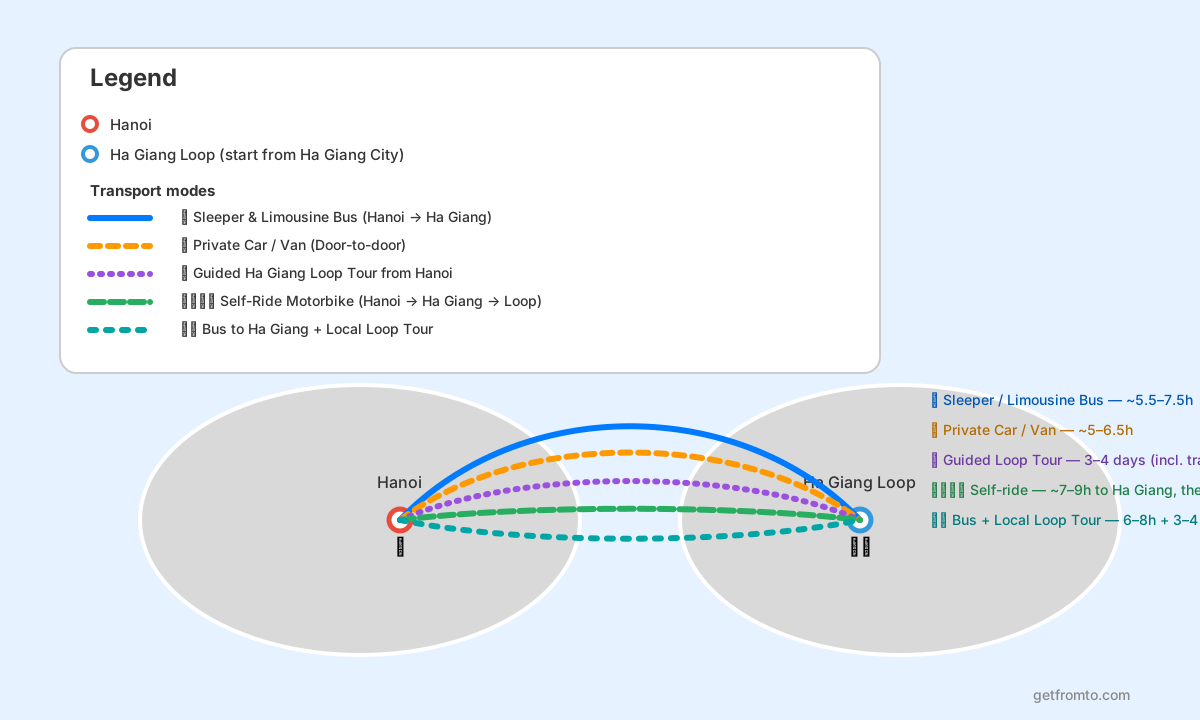
At A Glance (Hanoi to Ha Giang Loop)
| Mode | Duration | Best For |
|---|---|---|
| 🚌 Sleeper & Limousine Bus (Hanoi → Ha Giang) | ~5.5–7.5h road (day or night) | Most travelers, budget-friendly & simple |
| 🏷️ Cost: ~300,000–900,000 VND one-way per person » compare buses | shared bus listings | ||
| 🚗 Private Car / Van (Door-to-door) | ~5–6.5h road | Groups, comfort, flexible departures |
| 🏷️ Cost: ~1,800,000–3,600,000 VND per vehicle (4–9 seats) depending on class and season » quote private transfers | ||
| 🛵 Guided Ha Giang Loop Tour from Hanoi | 3–4 days including transfers | Non-riders, first-timers, hassle-free |
| 🏷️ Cost: ~US$250–650+ per person including transport, bike/driver, meals & stays » compare loop tours | ||
| 🚴♂️ Self-Ride Motorbike (Hanoi → Ha Giang → Loop) | ~7–9h riding to Ha Giang, then 3–4 riding days for the loop | Experienced riders seeking full road-trip experience |
| 🏷️ Cost: ~180,000–300,000 VND/day for bike rental in Ha Giang, plus fuel and gear » rental price guide | online rentals | ||
| 🚌🛵 Bus to Ha Giang + Local Loop Tour | 6–8h bus + 3–4 days on the loop | Safe, social way to ride the loop |
| 🏷️ Cost: Bus ~300,000–500,000 VND each way; loop tour from ~US$220–300+ from Ha Giang City » Hanoi–Ha Giang buses | loop tour ideas | ||
Which Option or Route Should You Choose?
- Fastest door-to-door: Option #2 – Private Car / Van Transfer is usually the quickest overall, especially if you’re flying into Hanoi and heading straight north. Great if you have 3–5 people to split the fare.
- Best balance of cost + comfort: Option #1 – Sleeper & Limousine Bus works for most travelers. Overnight buses save you a hotel night; day limousines are more scenic and less rushed.
- Safest way to enjoy the loop if you don’t ride: Option #3 – Guided Ha Giang Loop Tour from Hanoi or Option #5 – Bus + Local Loop Tour pair comfortable transfers with an experienced “easy rider” driver on the loop itself.
- Most flexible & adventurous: Confident riders can consider Option #4 – Self-Ride Motorbike from Hanoi, but highways, trucks, and mountain curves mean it’s only for those used to long riding days.
- On a tight budget: Overnight standard sleeper buses under Option #1 are usually the cheapest way to reach Ha Giang; once there you can rent a semi-automatic motorbike and stay in homestays to keep costs low.
How to Book and Practical Tips
- Compare buses and transfers online: Use platforms like 12Go Asia or Klook to view real-time Hanoi ↔ Ha Giang bus timetables, vehicle types, and traveler reviews before you commit.
- Bundle your loop tour: If you prefer everything organized, look for 3–4 day Ha Giang Loop tours that include Hanoi transfers on sites such as GetYourGuide; many packages cover transport, motorbike or jeep, fuel, meals, and accommodation.
- Book flights and Hanoi hotels first: If you’re flying into Vietnam, secure your flight to Hanoi and at least 1–2 nights in the Old Quarter using Booking.com Flights and Hanoi hotels on Trip.com or Booking.com.
- Reserve key tickets earlier in high season: Weekends and Vietnamese holidays see buses and popular loop tours sell out. Reserve your seat or tour several days ahead, especially from October–April.
- Use ride-hailing in Hanoi: To get between your hotel and the bus pick-up point, grab a metered taxi or use ride-hailing apps like Grab or the local electric taxi brand Xanh SM (often bookable via their app).
- Store extra luggage in Hanoi: Going light on the loop is much nicer. Many hotels will keep bags, or you can book secure luggage storage near Hanoi railway station with services such as Radical Storage.
- Think about licenses and insurance: If you plan to ride, check that your travel insurance covers motorbikes in Vietnam and that you have a valid license/IDP. If not, choose an easy-rider tour where a licensed local does the driving.
- Book Ha Giang motorbikes in advance in peak months: Reputable shops and online platforms (for example motorbike rentals listed on Klook or aggregators like BikesBooking) can run low on good bikes during holidays and weekends.
🚌 Option #1 — Sleeper & Limousine Bus (Most Popular, Good Value)
Low cost Many daily departures Direct to Ha Giang City
- Overview: Travel ~300 km from Hanoi to Ha Giang City in a night sleeper bus or day limousine van. Typical travel time is 5.5–7.5 hours depending on traffic and stops. Night buses let you arrive before sunrise; day limousines are more scenic and comfortable.
- How to book (with price): Expect to pay roughly 300,000–900,000 VND per person one-way, depending on seat type (standard sleeper vs. VIP cabin or limousine). You can compare many operators and departure times on 12Go Asia or via tourist buses sold on Klook shared transfers.
- Pros: Frequent departures, direct drop-off in Ha Giang; no need to drive yourself; cheaper than private cars. Some VIP buses offer private cabins, USB charging, Wi‑Fi, and blankets.
- Cons: Sleep quality on night buses can be hit-or-miss; bathroom breaks may be infrequent; taller travelers may find berths short. Motion sickness is possible on the last mountain stretches.
- Typical timetable: Day limousines often leave Hanoi between ~06:00 and 09:30, arriving early afternoon; night sleepers commonly depart between 20:00 and 22:00, arriving around 03:30–05:30.
Step-by-step: Taking the Sleeper or Limousine Bus
- Decide between a day limousine (better for scenery and comfort) and a night sleeper (saves time and a hotel night). If you plan to start riding the Ha Giang Loop the same day, a day bus that arrives midday is ideal.
- Check schedules and reviews on 12Go Asia or similar booking sites. Look for operators with good safety ratings and newer buses.
- Book your ticket online with your passport details and preferred pick-up point. Many tourist buses offer Old Quarter hotel pick-up; others depart from My Dinh bus station or specific offices.
- On travel day, arrive at the pick-up spot 20–30 minutes early. Wear comfy clothes, pack a light jacket (AC can be cold), and keep valuables in a small daypack you can hold on the bus.
- Once on board, store big bags in the luggage hold, keep your shoes in the provided bag (for sleeper buses), and settle into your assigned berth or seat. Use earplugs or headphones if you’re noise sensitive.
- In Ha Giang City, your bus will usually stop near the Ha Giang bus station or a central office. From there, walk or take a short taxi/Grab to your hotel or motorbike rental shop.
Getting to the main embarking points (Hanoi bus pick-ups)
- Old Quarter hotel pick-up: Many tourist buses and limousines include door-to-door pick-up in Hanoi Old Quarter. Confirm your exact time and wait at your hotel reception 10–15 minutes early.
- My Dinh Bus Station: Some local buses leave from My Dinh in western Hanoi. You can reach it in 20–35 minutes by taxi or ride-hailing (Grab / Xanh SM), depending on traffic.
- Operator offices in the Old Quarter: A few companies use their own mini-offices along Tran Nhat Duat, Hang Tre, or similar streets as starting points. Always double-check the address on your voucher.
- Locations/Trip Planner: 🔗 Google Map / 🔗 OpenStreetMap
🚗 Option #2 — Private Car / Van Transfer (Fastest, Most Comfortable)
Great for groups Door-to-door Most comfortable
- Overview: A private car or minivan collects you from your Hanoi hotel (or Noi Bai Airport) and drives you directly to your hotel or homestay in Ha Giang City. Travel time is usually around 5–6.5 hours, with flexible photo or coffee stops along the way.
- How to book (with price): Typical rates run from about 1,800,000–3,600,000 VND (roughly US$80–160) per vehicle for 4–9 seats, depending on vehicle type and season. You can request quotes on GetTransfer, arrange a pre-booked taxi from Welcome Pickups in Hanoi, or book intercity transfers through local agencies.
- Pros: No bus terminals, no transfers, plenty of legroom, and you choose when to depart. Perfect if you’re short on time or traveling with kids or lots of luggage.
- Cons: Significantly more expensive than buses if you’re solo or a couple; traffic into/out of Hanoi can still be heavy at peak hours.
- Ride-hailing alternative: For shorter city rides (e.g., airport to hotel or hotel to bus station) you can often use ride-hailing apps like GrabCar or book an electric Xanh SM taxi. Full intercity trips to Ha Giang via these apps may or may not be available, but they are excellent for getting to and from starting points.
Step-by-step: Booking a Private Transfer
- Confirm your arrival date and time in Hanoi (flight or prior hotel stay). If you land late at night, consider sleeping in Hanoi and leaving early the next morning to arrive in Ha Giang by afternoon.
- Request quotes on platforms such as GetTransfer or browse private transfer providers via your Hanoi hotel or trusted travel agencies.
- Choose a vehicle size (4-seat sedan, 7-seat SUV, 9-seat or 16-seat van) based on your group and luggage. Confirm whether tolls and fuel are included in the price.
- Share the exact pick-up point (hotel name and address, or Noi Bai Airport terminal) and your Ha Giang drop-off (hotel, hostel, or motorbike rental shop).
- On departure day, keep your phone and messaging app (WhatsApp/Zalo) reachable so the driver can contact you. Have cash or pre-arranged online payment ready.
- Ask to stop for lunch/coffee along the way and to avoid night driving if possible, as trucks on the highway can be intense after dark.
Getting to the main embarking points (Private transfer)
- From Noi Bai Airport: You can have your driver or a service like Welcome Pickups Hanoi meet you directly at arrivals with a sign and drive straight to Ha Giang, or first into the Old Quarter if you’re staying overnight.
- From Hanoi Old Quarter hotels: Most private transfers pick you up at your hotel lobby at the agreed time. Make sure reception knows you’re waiting so they can help coordinate.
- From other northern hubs: If you’ve been in Ninh Binh, Ha Long, or Sapa, some agencies can combine routes (e.g., Ninh Binh → Ha Giang) which you can search for via private car listings on Booking.com Car Rentals or local operators.
- Locations/Trip Planner: 🔗 Google Map / 🔗 OpenStreetMap
🛵 Option #3 — Guided Ha Giang Loop Tour from Hanoi (No Riding Required)
All-inclusive Easy rider driver Best for first-timers
- Overview: These packages include roundtrip Hanoi transfers plus a multi-day Ha Giang Loop tour with a local driver (“easy rider”) or jeep. You sit on the back of the bike, enjoy the scenery, and stay in family-run homestays along the route.
- How to book (with price): Expect around US$250–400+ for 3-day/2-night loops and US$350–650+ for 4-day/3-night itineraries including transport, bike/driver, fuel, accommodation, and many meals. You can browse options like the 3-day and 4-day Ha Giang Loop tours departing from Hanoi on GetYourGuide or similar sites.
- Pros: Zero logistics; safer if you don’t ride; guides know the best viewpoints, photo stops, and homestays; easy to meet other travelers.
- Cons: Less flexibility, early starts, and group pace. Slightly more expensive than organizing everything yourself.
- Who it suits: Ideal if you’re short on time, nervous about riding on mountain roads, or just want to relax and focus on the scenery and culture.
Step-by-step: Joining a Guided Loop from Hanoi
- Choose your loop length (commonly 3 days/2 nights or 4 days/3 nights) based on your total Vietnam itinerary and fitness level.
- Search for “Ha Giang Loop” tours starting in Hanoi on platforms such as GetYourGuide, then filter by duration, group size, and guest rating.
- Check what’s included: roundtrip transfers, fuel, safety gear, all or some meals, park or permit fees, and whether you ride pillion or drive your own bike.
- Book your preferred dates and provide your Hanoi hotel address for pick-up. Some tours start with a night bus from Hanoi, others use a day bus or private minivan.
- Pack light in a small duffel or backpack; most operators can store excess luggage in Hanoi or Ha Giang, or you can use a city luggage storage service before departure.
- Meet your guide in Ha Giang City, get a safety briefing and gear fitting, and then set off on the loop following a tested 3–4 day itinerary.
Getting to the main embarking points (Tour packages)
- Hanoi hotel pick-up: Most packages collect guests from Old Quarter or central Hanoi hotels and connect you with the bus or van to Ha Giang.
- Ha Giang tour offices: Some operators have an office or hostel in Ha Giang City where you meet the group, leave extra bags, and shower before or after the loop.
- Locations/Trip Planner: 🔗 Google Map / 🔗 OpenStreetMap
🚴♂️ Option #4 — Self-Ride Motorbike from Hanoi (For Experienced Riders Only)
High risk Most freedom Long riding day
- Overview: Ride your own bike from Hanoi to Ha Giang (~300 km, typically 7–9 hours including breaks) and then continue around the loop. The route is a mix of busy highways, trucks, and mountain curves — it’s considered challenging even for experienced riders.
- How to arrange (with price): Many travelers prefer to bus to Ha Giang and rent there, but if you truly want to ride from Hanoi, you’ll need a quality bike and proper documents. Motorbike rentals in Vietnam can cost anywhere from 150,000–400,000 VND/day depending on bike type; you can research options and price ranges on aggregators like BikesBooking or local rental websites.
- Pros: Full control of your schedule and stops; you can detour to other northern spots like Ba Be or Cao Bang before/after the loop.
- Cons: Long, tiring day in mixed traffic; higher accident risk; potential legal/insurance issues if you ride without a proper license or coverage. Not recommended in heavy rain or fog.
- Reality check: Unless you are a very confident rider used to long days on unfamiliar roads, it is usually safer and more relaxing to bus to Ha Giang and start riding from there.
Step-by-step: Riding from Hanoi to Ha Giang
- Make sure you have the right paperwork: an appropriate motorbike license from home, an International Driving Permit (if needed), and insurance that clearly covers motorbike riding in Vietnam.
- Rent a well-maintained bike from a reputable Hanoi shop, ideally a semi-auto or manual with enough power (125cc+) for hills. Test brakes, lights, horn, and tires.
- Start early (around sunrise) to avoid the worst traffic leaving Hanoi and to ensure you reach Ha Giang before dark.
- Follow the main highway north, sticking to a steady pace and giving trucks and buses plenty of space. Take regular breaks every 60–90 minutes to rest and check the bike.
- Refuel often; don’t let the tank drop too low as distances between stations can increase near the mountains.
- Arrive in Ha Giang by late afternoon, check into your accommodation, and consider resting a night before starting the high mountain roads of the loop.
Getting to the main embarking points (Self-ride)
- Hanoi rental shops: Many motorbike rental shops cluster around the Old Quarter and Tay Ho. Check reviews carefully and choose shops that specialize in long-distance touring bikes.
- Route planning: Download offline maps on Google Maps or Maps.me, and pre-save key waypoints like fuel stations and towns where you could stay overnight if delayed.
- Gear up: Bring or rent a quality full-face helmet, gloves, jacket, and rain gear. Riding in shorts and flip-flops is strongly discouraged on this route.
- Locations/Trip Planner: 🔗 Google Map / 🔗 OpenStreetMap
🚌🛵 Option #5 — Bus to Ha Giang + Local Motorbike Rental / Loop Tour
Popular combo Flexible Start riding fresh
- Overview: Take a bus from Hanoi to Ha Giang City, sleep a night, then rent a motorbike or join an easy-rider tour that starts from Ha Giang. This is the most common and arguably safest way to experience the Ha Giang Loop.
- How to book (with price): Combine a bus booked via 12Go Asia or Klook buses with motorbike rental in Ha Giang. Typical rental prices are around 180,000–230,000 VND/day for semi-automatic and 220,000–300,000 VND/day for manual 125–150cc bikes. Many tour companies in Ha Giang also offer full loop packages starting from the city.
- Pros: You avoid riding long highways, start the loop rested, and have plenty of shops and tour offices to choose from in Ha Giang City.
- Cons: Requires a bit more planning (bus + bike + accommodation), and you may need to leave some luggage in town while on the loop.
- Loop planning help: For an official four-day loop route overview, consult the Ha Giang loop road trip guide on Vietnam’s tourism website; it outlines a classic 4-day itinerary with daily stages and practical tips.
Step-by-step: Bus + Local Loop Tour
- Book your Hanoi ↔ Ha Giang bus for the day before your intended loop start (e.g., bus up on Day 0, ride Day 1). Reserve online via your preferred platform.
- Book your first night in Ha Giang City using hotel sites such as Booking.com or Trip.com (if you overnight again in Hanoi after returning).
- Research and reserve a motorbike or loop tour ahead of time, especially in peak months. Many reputable outfits have their own hostels in Ha Giang where you can rest before and after the loop.
- On arrival in Ha Giang City, walk or taxi to your hostel or rental shop, check in, and sort paperwork (passport, deposit, permits) for the loop.
- The next morning, leave larger luggage at your guesthouse (or in a storage room at your rental shop) and set off on a 3–5 day loop, following established routes through Yen Minh, Dong Van, Ma Pi Leng, and Meo Vac.
Getting to the main embarking points (Ha Giang City)
- Ha Giang bus station: Most buses drop you near the main bus station or a nearby office. From there it’s a short taxi or walk to many hostels and rental shops.
- Motorbike rental streets: Streets close to the bus station and city center host multiple loop-focused hostels and rental shops; your bus company or accommodation can point you to a reliable option.
- Luggage storage: Many Ha Giang hostels offer free or low-cost storage for bags during the loop; confirm this when you book.
- Locations/Trip Planner: 🔗 Google Map / 🔗 OpenStreetMap
FAQ (Hanoi to Ha Giang Loop)
How long does it take to travel from Hanoi to Ha Giang?
Most travelers take around 5.5–7.5 hours by bus or private car, depending on traffic and road conditions. It can be a bit longer during holidays or bad weather. Self-riding a motorbike usually takes a full day with breaks.
Is the Ha Giang Loop dangerous?
The loop involves steep mountain roads, tight curves, fog, and occasional landslides. For confident riders with experience on mountain roads, it can be manageable with caution. For most visitors, riding pillion behind an experienced local driver or doing a jeep tour is the safest way to enjoy the scenery. Always avoid riding in heavy rain or at night and wear proper protective gear.
Do I need a special permit to ride the Ha Giang Loop?
Foreign travelers no longer typically need a separate “border permit” when joining tours, but local authorities may adjust policies. Your tour operator or rental shop will advise if any permit is needed for your dates and can arrange it when required. You must still comply with Vietnamese licensing and insurance rules if you drive yourself.
When is the best time of year to do the Ha Giang Loop?
The loop is possible year-round, but the most popular months are roughly September to November and March to May, when the weather is cooler and views are generally clearer. Summer can be hot and stormy, while winter brings chillier temperatures and mist, especially in higher passes.
Can I do the Ha Giang Loop by car instead of motorbike?
Yes. Some agencies offer Ha Giang Loop tours using small cars or jeeps, which are ideal if you’re uncomfortable on motorbikes. Roads can be narrow, so drivers use smaller vehicles and may occasionally adjust routes depending on conditions.
How many days do I need for the loop?
A classic loop takes about 3–4 riding days from Ha Giang City, not counting transport days from Hanoi. You can add extra nights for trekking, photography, or slower days if you prefer a more relaxed pace.