

How to get from Hue to Hanoi

Getting from Hue to Hanoi is straightforward, with choices from slow and scenic overnight trains to budget sleeper buses, fast domestic flights, and private car transfers, so you can match the journey to your time, comfort level, and budget.
At A Glance (Hue to Hanoi)
| Mode | Duration | Best For |
|---|---|---|
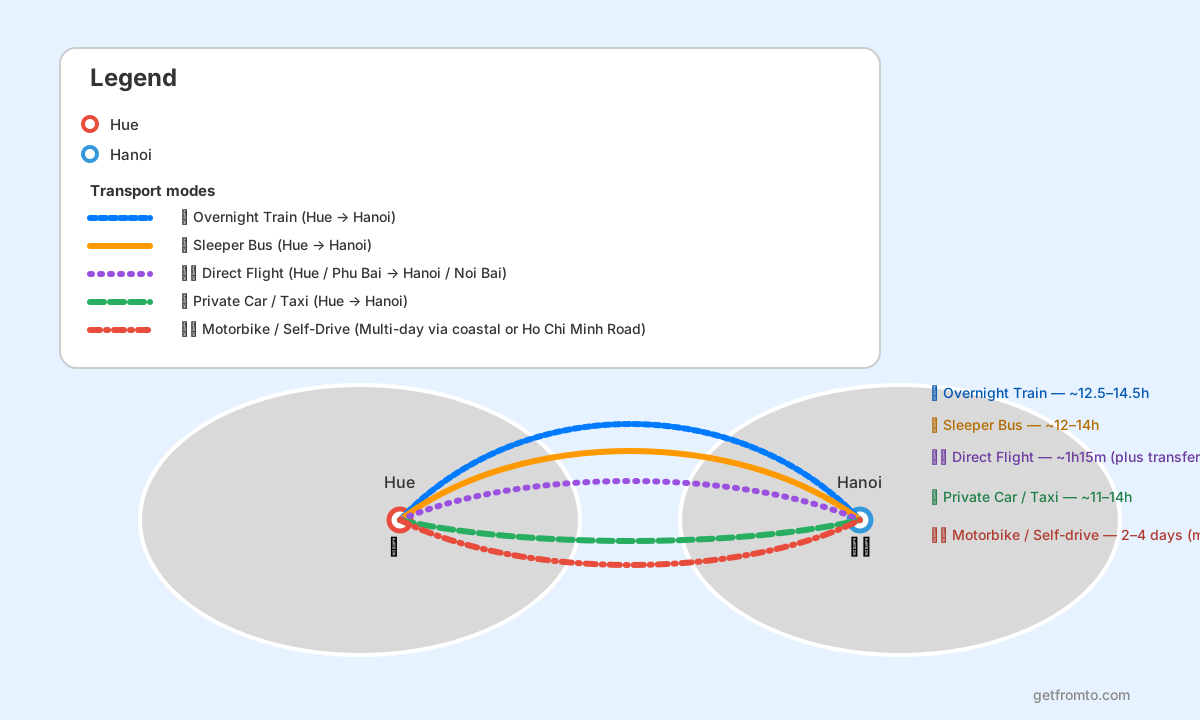
| 🚆 Overnight Train (Hue → Hanoi) | ~12.5–14.5h station-to-station | Comfortable budget travel, scenic route |
| 🏷️ Cost: ~VND 550,000–1,300,000 per person (seat vs. soft-sleeper) via Vietnam Railways or tourist trains. Compare services on 12Go Asia or check official schedules on Vietnam Railways. | ||
| 🚌 Sleeper Bus (Hue → Hanoi) | ~12–14h (usually overnight) | Cheapest fares, direct hotel-to-hotel options |
| 🏷️ Cost: ~VND 280,000–600,000 per person depending on operator and cabin type. Check sleeper buses on 12Go Asia or VIP buses like Hanoi–Hue cabins on Klook. | ||
| ✈️ Direct Flight (Hue/Phu Bai → Hanoi/Noi Bai) | ~1h15m flight + ~1–2h total airport transfers | Fastest option, tight itineraries |
| 🏷️ Cost: ~VND 1,000,000–2,500,000 one-way depending on season and airline. Compare airfares on Booking.com Flights or Trip.com. | ||
| 🚗 Private Car / Taxi (Hue → Hanoi) | ~11–14h door-to-door (with stops) | Families, groups, luggage-heavy, flexible stops |
| 🏷️ Cost: From ~VND 4,500,000–7,000,000 per vehicle (one-way), depending on car size and route. You can price out long-distance rides on services like GetTransfer or arrange custom quotes from Hue car services. | ||
| 🏍️ Motorbike / Self-Drive (Multi-day via coastal or Ho Chi Minh Road) | 2–4 days riding with sightseeing stops | Experienced riders, adventure & flexibility |
| 🏷️ Cost: Motorbike rental from ~VND 250,000–700,000 per day in Hue plus fuel and accommodation. Compare rentals on BikesBooking. | ||
Which Option or Route Should You Choose?
- Fastest / Most Convenient: If your priority is speed and you are short on time, choose the direct flight from Hue (HUI) to Hanoi (HAN). Door-to-door, it usually takes 3–4 hours including transfers. It pairs well with an airport pickup in Hanoi using services like Welcome Pickups or ride-hailing apps like Grab.
- Best Balance of Comfort and Cost: For many travelers, the overnight train is the sweet spot: lie-flat bunks, toilets and food on board, and safer than overnight buses. You also arrive right in central Hanoi at Ga Hà Nội (Hanoi Railway Station).
- Cheapest / Most Economical: If budget matters most, go for an overnight sleeper bus. Prices are usually lower than trains or flights, and some buses include pick-up in Hue city center. Just choose reputable companies and expect basic comfort.
- Most Scenic & Flexible: If you love slow travel, landscape views, and spontaneous stops, consider a multi-day motorbike ride or a private car that lets you detour via DMZ sites, Phong Nha, Vinh, or Ninh Binh on the way to Hanoi.
- Door-to-Door & Luggage-Friendly: For families, large groups, or travelers with lots of bags, the private car / taxi option or a bus service with hotel pick-up is often worth the cost for pure convenience.
How to Book and Practical Tips
- Compare all modes in one place: Use multi-modal platforms like 12Go Asia to compare trains, buses, flights, and private transfers on the Hue–Hanoi route.
- Use official channels for trains: For Vietnam Railways, you can check live schedules and book directly on the official site DSVN.vn. Bring your passport and e-ticket (printed or on your phone) when boarding.
- Flights and hotels together: For flight-and-hotel combos, compare deals on Booking.com Flights and Trip.com Hue–Hanoi flights, then lock in accommodation near Hanoi Old Quarter for easy onward travel.
- Transfers & tours: In both Hue and Hanoi you can pre-book transfers and local transport on Klook (Hue transport) or arrange onward airport transfers and tours in Hanoi via GetYourGuide.
- Ride-hailing apps: In most Vietnamese cities, Grab (car and motorbike), and sometimes Gojek or Be, are widely used and usually cheaper than metered taxis for getting to stations and airports.
- Luggage storage: If you have hours between check-out and departure in Hanoi, book secure luggage storage near the railway station through Radical Storage.
- Peak season & holidays: Around Tet (Lunar New Year) and major Vietnamese holidays, trains and buses sell out early. Book as far ahead as possible and double-check departure times 24 hours before travel.
- Weather considerations: Central Vietnam (Hue) is prone to heavy rain and flooding from roughly October–December. In bad weather, flights and trains are usually more reliable than buses or motorbikes.
🚆 Option #1 — Overnight Train (Most Comfortable, Scenic)
Good comfort Scenic & social Fixed schedule
- Overview: Classic Reunification Express trains run from Hue Railway Station (Ga Huế) to Hanoi Railway Station (Ga Hà Nội) in about 12.5–14.5 hours. Overnight services with soft-sleeper cabins let you go to bed in Hue and wake up in central Hanoi.
- How to book (with price): Soft seats start around VND 550,000–700,000, and air-conditioned 4-berth soft-sleeper cabins typically cost VND 900,000–1,300,000+ per person. Book directly on Vietnam Railways or via booking platforms like 12Go Asia and Klook train tickets if you prefer an English-language interface.
- Pros: Safer and smoother than buses; sleep horizontally; power outlets in many cabins; toilets and basic food onboard; arrives centrally in Hanoi for easy taxi or Grab to your hotel.
- Cons: Longer total travel time than flying; some older carriages can be a bit worn; light and noise in shared cabins; popular soft-sleepers sell out early in peak season.
Step-by-step: Taking the Overnight Train
- Choose your train and class: Look up Hue → Hanoi departures on DSVN.vn or compare options on 12Go Asia. For comfort, choose a 4-berth soft-sleeper. Trains such as SE2, SE4, SE6, SE8 typically serve this route.
- Book your ticket: Pay online with a card. If booking via Vietnam Railways, you’ll receive an electronic ticket or QR code. Through 12Go or Klook, you may get either an e-ticket or voucher with clear pickup instructions.
- Pack for the train: Bring a light jacket, earplugs, snacks, and water. Bedding is usually provided but a sleep mask and small travel towel are handy.
- Arrive early at Hue Railway Station: Get to the station at least 30–45 minutes before departure to find your platform and carriage. There are simple cafés and shops nearby for last-minute snacks.
- Board and settle in: Your coach number (toa) and berth (giường) are printed on the ticket. Store large bags under the lower bunks or on the overhead rack and keep valuables in a small daypack by your pillow.
- Overnight onboard: The train will make several stops, but you can generally sleep through. There is usually basic hot water for noodles, drinks, and snacks from the trolley cart or dining car on some services.
- Arrival in Hanoi: When the train arrives at Ga Hà Nội, follow signs to the main exit and use Grab, a metered taxi, or your hotel’s pickup to reach the Old Quarter (about 5–15 minutes’ drive depending on traffic).
Getting to the main embarking points (Hue Railway Station)
- From Hue city center: Hue Railway Station (2 Bùi Thị Xuân) is about 1 km from the citadel/central area. You can walk in 10–20 minutes, or take a short Grab car/motorbike or taxi.
- By taxi or Grab: Licensed taxis are widely available, but Grab often offers clearer pricing. Allow 10–20 minutes from most central hotels depending on traffic.
- From Hue’s southern hotels: If you’re staying south of the Perfume River, plan for 15–25 minutes by car or motorbike, especially in peak traffic hours.
- Locations/Trip Planner: 🔗 Google Map / 🔗 OpenStreetMap
🚌 Option #2 — Sleeper Bus (Cheapest, Direct)
Lowest cost Direct city-to-city Comfort varies
- Overview: Sleeper buses run daily between Hue and Hanoi, usually overnight, with reclining bunks in a 2–1 layout. Travel time is similar to trains (~12–14 hours) but often a bit cheaper.
- How to book (with price): Expect fares from about VND 280,000–600,000 depending on the operator and the type of sleeper (standard, VIP, or cabin-style). You can compare departures on 12Go Asia or book specific VIP bus routes such as Hanoi–Hue cabin buses on Klook. Some agencies in Hue (around the tourist streets) also sell paper tickets.
- Pros: Very budget-friendly; many departures; some operators provide hotel pick-up in Hue and drop-off close to Hanoi Old Quarter.
- Cons: Less space and rougher ride than trains; limited toilet facilities (usually rest stops instead of onboard toilets); safety and comfort vary by company—choose reputable operators with good reviews.
Step-by-step: Using the Sleeper Bus
- Pick a reputable operator: On 12Go or Klook, filter for well-rated companies and VIP cabin buses. Check photos and reviews; look for mentions of clean buses, safe driving, and on-time performance.
- Select departure time & seat: Overnight departures from Hue usually leave late afternoon or evening, arriving in Hanoi early morning. Choose a lower bunk if you prefer more stability, especially if you get motion sickness.
- Confirm pick-up details: Some services offer pickup from your hotel in Hue; others depart from a fixed office near the city center or bus station. Read your voucher carefully and confirm via WhatsApp/Zalo when possible.
- Arrive early: Be at the meeting point at least 20–30 minutes before departure. You may need to swap your online voucher for a physical ticket.
- Onboard etiquette: Take off shoes when asked, keep aisles clear, and use headphones. The bus will make several food and restroom stops at roadside stations.
- Arrival in Hanoi: Many buses drop you near the Old Quarter or along major roads rather than at a central terminal. From the drop-off, use Grab or a metered taxi to reach your accommodation.
Getting to the main embarking points (Hue bus pick-up)
- Common departure areas in Hue: Sleeper buses typically depart from offices or pick-up zones around Phạm Ngũ Lão, Nguyễn Công Trứ, or other central streets, as well as from the main southern bus terminal depending on the company.
- By hotel pick-up: Many VIP and tourist buses include pick-up at central hotels in Hue—confirm the time window and wait in your lobby 15–30 minutes before the stated time.
- By Grab or taxi: If you need to get to a bus company office, a short Grab car/motorbike ride from most central hotels will usually take 10–15 minutes.
- Locations/Trip Planner: 🔗 Google Map / 🔗 OpenStreetMap
✈️ Option #3 — Direct Flight (Fastest)
Very fast Easy with light luggage Airport transfers needed
- Overview: Direct flights connect Phu Bai International Airport (HUI) near Hue and Noi Bai International Airport (HAN) in Hanoi. Flight time is around 1 hour 15 minutes, plus check-in and travel to/from airports.
- How to book (with price): One-way fares typically range from VND 1,000,000–2,500,000 depending on airline and season. Compare airlines and times on Booking.com Flights and Trip.com (Hue → Hanoi). For airport facilities and official info, see the airport sites: Phu Bai Airport and Noi Bai Airport.
- Pros: Fastest way between Hue and Hanoi; plenty of flight options; ideal if you’re connecting to another international or domestic flight in Hanoi.
- Cons: Airports are outside city centers; time needed for check-in, security, and baggage; subject to delays during storms or low visibility; can be pricier than train/bus if booked last-minute.
Step-by-step: Flying from Hue to Hanoi
- Search flights: Check HUI → HAN on Booking.com Flights or Trip.com. Look at baggage rules and flight times—morning flights can be less affected by afternoon storms.
- Book and confirm: Reserve your ticket, then double-check the terminal and airline baggage limits. Domestic Vietnamese flights often have lower checked-bag allowances in base fares.
- Get to Phu Bai Airport: Phu Bai (HUI) is about 13–15 km from Hue center. A taxi, Grab car, or pre-booked transfer generally takes 30–40 minutes. You can also check airport information via the official Phu Bai Airport site.
- Check in and board: Arrive at least 1.5–2 hours before your domestic departure. Check in at the airline counter or online, go through security, then wait at your gate until boarding is called.
- Arrival at Noi Bai (HAN): After landing, follow signs to baggage claim and arrivals. Wi-Fi and ATMs are available. Official information on services, maps, and transport is on the Noi Bai Airport website.
- Transfer to Hanoi city: It’s about 28–30 km to Hanoi Old Quarter. Options include airport buses, metered taxis, Grab, or a pre-booked private transfer via Welcome Pickups or GetTransfer. Ride-hailing apps are usually the best value if you have a local data SIM.
Getting to the main embarking points (Phu Bai Airport)
- From Hue city center to HUI: A taxi or Grab car from central Hue to Phu Bai Airport usually takes 30–40 minutes depending on traffic.
- Shuttles and private cars: Some hotels and travel agents sell shared shuttles or private transfers to the airport. These can be convenient if you’re traveling with bulky luggage.
- From Noi Bai to central Hanoi: Airport buses and limo vans run to the city, but most visitors find Grab, Welcome Pickups, or pre-booked transfers easiest—especially for late-night arrivals.
- Locations/Trip Planner: 🔗 Google Map / 🔗 OpenStreetMap
🚗 Option #4 — Private Car / Taxi (Door-to-Door)
Door-to-door Flexible route Higher cost
- Overview: A private car with driver takes you directly from your Hue hotel to your Hanoi hotel, usually via Highway 1 or a mix of coastal and inland roads. Travel time is similar to the train or bus (~11–14 hours) but with flexible stops for food, photos, and rest.
- How to book (with price): Expect around VND 4,500,000–7,000,000 for a one-way trip in a standard car or minivan, depending on group size and stops. You can request quotes from local operators or browse national providers like GetTransfer. For airport-only legs in Hanoi, check Welcome Pickups.
- Pros: No transfers or hauling bags; fully flexible timing; ideal if traveling with kids, seniors, or surfboards, bicycles, and large luggage; can turn the day into a scenic road trip with sightseeing stops.
- Cons: More expensive than train or bus; a long day in the car; road conditions and traffic can be tiring. Use well-reviewed drivers and insist on seat belts for everyone.
Step-by-step: Booking a Private Car
- Decide your style of trip: Direct Hue → Hanoi, or do you want stops in places like Đồng Hới/Phong Nha, Vinh, or Ninh Bình? This affects the price and driving time.
- Request quotes: Ask your hotel in Hue to recommend trusted drivers, or compare online offers through services like GetTransfer. Confirm what’s included: fuel, tolls, driver’s accommodation (if overnight), and waiting time at sightseeing stops.
- Confirm vehicle size: For 2–3 travelers, a standard sedan is fine; for 4–7 people, request an MPV or minivan. Ensure everyone has a working seat belt.
- Arrange pick-up and route: Share your Hue hotel address, Hanoi destination, preferred departure time, and any planned stops. Keep a copy of the driver’s contact details and vehicle plate number.
- On the travel day: Keep passports handy for occasional police checkpoints. Plan regular breaks every 2–3 hours. Bring snacks, water, and power banks for phones.
Getting to the main embarking points (Hue city hotels)
- Hotel pick-up in Hue: Most private transfers collect you directly from your hotel. Be ready in the lobby 10–15 minutes before the agreed time and keep your phone on for WhatsApp/Zalo updates.
- Hanoi drop-off options: You can ask to be dropped at your hotel, airport, or another onward bus/train station in Hanoi. Confirm this in advance so the price is accurate.
- Alternative within cities: For shorter city runs (for example, hotel ↔ station), Grab is usually cheaper than taxis, while Welcome Pickups and similar services are good when you want a named driver waiting with a sign.
- Locations/Trip Planner: 🔗 Google Map / 🔗 OpenStreetMap
🏍️ Option #5 — Motorbike / Self-Drive (Adventure Route)
High adventure Maximum flexibility For experienced riders only
- Overview: Riding a motorbike from Hue to Hanoi is a classic Vietnamese adventure, usually spread over 2–4 days via the coast, the Hồ Chí Minh Road, or a mix of both. You can stop in Đồng Hới, Phong Nha, Khe Sanh, Vinh, or Ninh Bình along the way.
- How to book (with price): Daily motorbike rental in Hue typically starts from about VND 250,000–300,000 for basic semi-automatics and goes up to VND 600,000–700,000+ for larger touring bikes. Compare options and prices on BikesBooking (Hue motorbike rental). Many local rental shops and guided tour companies also offer one-way rentals Hue → Hanoi.
- Pros: Total freedom with route and pace; access to small towns, viewpoints, and rural roads; incredibly scenic, especially via the mountains and limestone karst regions.
- Cons: Requires solid riding skills and comfort with Vietnamese traffic; weather can be intense (heavy rain, heat); long days in the saddle; proper license and insurance are essential.
Step-by-step: Riding Hue to Hanoi
- Check your documents: Ideally you should have an International Driving Permit (IDP) with motorcycle endorsement plus your home license. Confirm with your rental agency what they require and whether your insurance is valid.
- Choose a reputable rental: Use comparison sites such as BikesBooking and read reviews of local shops. Make sure the bike is well maintained, has good brakes, and comes with helmets and basic tools.
- Plan your route and stops: Popular overnight stops include Đồng Hới or Phong Nha (for caves), then Vinh or Nghệ An, and finally Ninh Bình before reaching Hanoi. Build in buffer time for bad weather.
- Pack smart: Use a waterproof duffel or panniers, bring rain gear and warm layers (especially in the mountains), and keep valuables on your person, not in side bags.
- Ride safely: Avoid riding after dark, stick to reasonable speeds, and keep extra space around trucks and buses. Stop regularly to rest and hydrate.
Getting to the main embarking points (Hue motorbike rentals)
- Picking up your bike: Most rental shops in Hue are clustered in or near the tourist areas and may offer free delivery to your hotel—confirm pickup arrangements when booking.
- Leaving Hue: Plan your exit route in advance to avoid the busiest intersections. Using offline maps or saved routes in Google Maps/OpenStreetMap is highly recommended.
- Dropping off in Hanoi: Many long-distance rental services have partner shops in Hanoi where you can leave the bike; confirm the exact address and opening hours before departure.
- Locations/Trip Planner: 🔗 Google Map / 🔗 OpenStreetMap
FAQ (Hue to Hanoi)
How long does it take to travel from Hue to Hanoi?
Most overland journeys (train or sleeper bus) take around 12–14 hours between Hue and Hanoi. Allow extra time to get to/from stations. A direct flight takes about 1 hour 15 minutes in the air, plus roughly 1–2 hours for airport transfers and check-in.
Is the train or bus safer for overnight travel?
Generally, the overnight train is considered safer and more comfortable than most buses: it offers fixed tracks, professional staff, and the option of 4-berth soft-sleeper cabins. Buses can be perfectly fine with reputable operators, but driving styles and road conditions vary. If you’re nervous about overnight bus journeys, the train is usually the better choice.
When should I book my ticket?
For trains and buses, booking a few days ahead is usually enough in low season. During Vietnamese holidays, summer school breaks, and especially around Tet (Lunar New Year), tickets can sell out well in advance—book as early as you can on official channels like Vietnam Railways or aggregators like 12Go Asia. Flights can be cheapest when booked several weeks ahead.
Where can I store my luggage in Hanoi if I arrive early or depart late?
Many hotels will hold luggage for guests before check-in or after check-out. If that’s not an option, you can reserve secure off-site storage near Hanoi Railway Station through services like Radical Storage at Hanoi Central Station, which is handy if you’re continuing by train or bus later in the day.





Related Tours/Services
Popular Routes
Recent Routes
- How to get from Oslo Opera House to Oslo Central Station
- How to get from Helsinki Cathedral to Helsinki Central Station
- How to get from Bucharest Old Town to Gara de Nord
- How to get from Ban Jelačić Square (Zagreb) to Zagreb Glavni Kolodvor
- How to get from Knez Mihailova Street (Belgrade) to Belgrade Centre (Prokop) Station
- How to get from The Bund (Shanghai) to Shanghai Railway Station
- How to get from Odori Park (Sapporo) to Sapporo Station
- How to get from Plaza de Armas to Terminal Alameda (Santiago)
- How to get from Times Square to Penn Station (New York)
- How to get from India Gate to New Delhi Railway Station
Top Travel Gears

zelin Anti Theft Zipper Clips, Travel Essentials, Carabiner, 4Pcs Grey
2026 Travel Essentials for Apple Watch Charger,Cruise Vacation Camping Essentials,iPhone Charger,Multi Charging Cable,3 in 2 Charging Docks for iWatch Series 12 11-2/Ultra,iPhone 17-12,Car

INIU 10000mAh 45W Fast Charging Portable Charger, Smaller Travel Power Bank

LISEN Airplane Travel Essentials for Flying Airplane Phone Holder for Desk
FYY Electronic Organizer, Travel Tech Pouch Bag, Cable Organizer Black
