

How to get from Kyoto to Tokyo
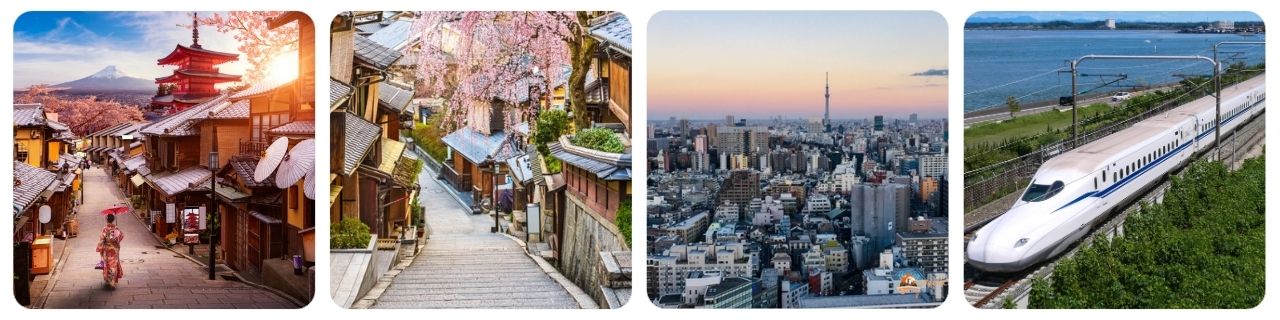
From ancient Kyoto to neon-lit Tokyo, getting between the two is straightforward once you know your options, typical costs, and how to book them.
At A Glance (Kyoto to Tokyo)
| Mode | Duration | Best For |
|---|---|---|
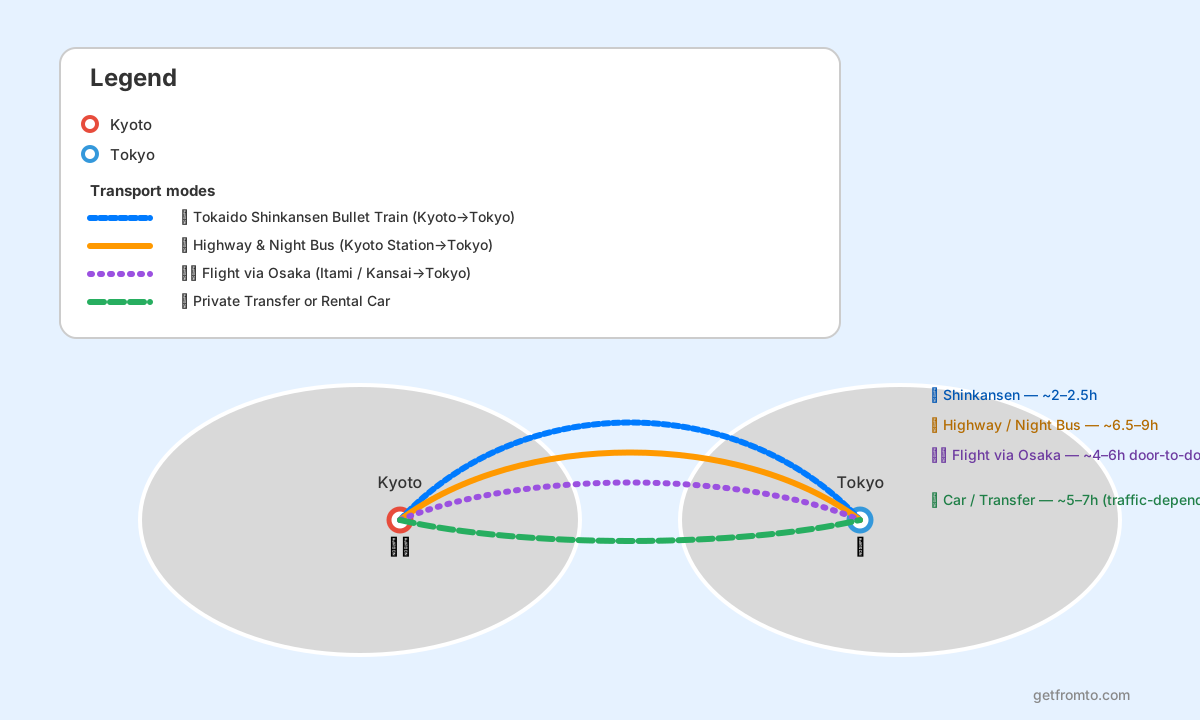
| 🚄 Tokaido Shinkansen Bullet Train (Kyoto→Tokyo) | ~2–2.5h on train (+15–30m station transfers) | Most travelers, speed & comfort |
| 🏷️ Cost: ~¥13,000–19,000 one-way (ordinary seat) » compare trains | JR tickets on Klook | Trip.com shinkansen | ||
| 🚌 Highway & Night Bus (Kyoto Station→Tokyo) | ~6.5–9h (often overnight) | Lowest cost, light sleepers, budget trips |
| 🏷️ Cost: ~¥4,000–9,000 one-way depending on seat type » compare buses | Klook bus options | ||
| ✈️ Flight via Osaka (Itami/Kansai→Tokyo) | ~4–6h door-to-door (Kyoto→Osaka airport→Tokyo) | Those connecting to other flights or using miles |
| 🏷️ Cost: ~¥12,000–30,000+ one-way (domestic leg only) » search flights | alt. flight deals | ||
| 🚗 Private Transfer or Rental Car | ~5–7h driving (traffic-dependent) | Families/groups wanting door-to-door, scenic stops |
| 🏷️ Cost: Expressway tolls & fuel from ~¥15,000+ per car, rentals from ~¥8,000+/day » compare rental cars | Tokyo private transfers | Welcome Pickups Tokyo | ||
Which Option or Route Should You Choose?
- Fastest & most convenient for most travelers: Option #1 — Tokaido Shinkansen Bullet Train. Ideal if you value time, comfort, and easy station-to-station travel.
- Cheapest / most economical: Option #2 — Highway & Night Bus. Good for backpackers, solo travelers on a tight budget, or those who don’t mind sleeping on the bus.
- Best if you’re already flying: Option #3 — Flight via Osaka. Makes sense if you’re connecting through Osaka or building a multi-city itinerary with air miles.
- Most flexible & scenic: Option #4 — Private Transfer or Rental Car. Works if you want to stop in places like Nagoya, Hakone, or Mount Fuji along the way and have confident drivers in the group.
How to Book and Practical Tips
- Compare multiple booking platforms: For trains and buses, you can compare schedules and prices on 12Go Asia, browse shinkansen and bus products on Klook, and check train times and prices on Trip.com before deciding.
- Use official sites for exact timetables: Once you’ve chosen a route, confirm final times and fares on JR’s official sites (for example, JR Central’s shinkansen fare tables) or on official highway bus portals like Japan Expressway Bus Net.
- Reserve in advance for peak periods: During Golden Week, Obon, New Year, and weekends, shinkansen reserved seats and night buses can sell out. Reserve your seat several days in advance via online booking (e.g., JR’s SmartEx system, or platforms like Klook and Trip.com).
- Consider rail passes: If you’re doing several long-distance trips (Tokyo–Kyoto–Hiroshima etc.), a rail pass like the nationwide Japan Rail Pass or regional passes can save money; you’ll find many of them sold through providers like GetYourGuide and Klook rail products.
- Book accommodation near the stations: To make early trains or late-night buses, it’s handy to sleep near Kyoto Station or Tokyo/Shinjuku Station; check options on Booking.com hotels in Tokyo or Kyoto.
- Luggage strategy: Shinkansen and buses have limited luggage space. For big suitcases, consider same-day or next-day luggage delivery or pre-booking storage near stations via Radical Storage in Kyoto and Radical Storage in Tokyo.
- Local transfers by taxi apps: For short hops between your hotel and stations/airports, taxi-hailing apps like GO, DiDi, or Uber (which dispatch licensed taxis in Japan) are useful alternatives to pre-booked transfers such as Welcome Pickups or GetTransfer.
- Explore by bike at each end: Once in Kyoto or Tokyo, renting a bicycle or scooter can be a fun way to sightsee; you can compare bike rentals in Tokyo on BikesBooking.
🚄 Option #1 — Tokaido Shinkansen Bullet Train (Fastest & Easiest)
Fastest Frequent departures Comfortable & scenic
- Overview: High-speed Tokaido Shinkansen trains link Kyoto Station and Tokyo Station in about 2–2.5 hours depending on train type (Nozomi, Hikari, Kodama). Trains are clean, punctual, and run from early morning to late evening.
- How to book (with price): A one-way ordinary-class fare is typically around ¥13,000–15,000 (more for Green Car/first class). You can book online via JR Central’s SmartEx system or other official JR reservation services, or compare/book tickets through Klook shinkansen tickets, 12Go Asia, or Trip.com trains.
- Seat choices: You can buy unreserved seats (cheaper, sit in the non-reserved cars on a first-come basis) or reserved seats (pick a specific seat in advance, recommended at busy times or with luggage).
- Pros: Fastest point-to-point option; ultra-reliable; departures every few minutes at peak times; easy connections to local JR and subway lines in both cities.
- Cons: More expensive than buses; luggage racks can fill up in peak seasons; rail passes and online discounts have rules and blackout dates to understand.
Step-by-step: Shinkansen from Kyoto to Tokyo
- Reach Kyoto Station: Take the JR lines or Kyoto City Subway (Karasuma Line) to Kyoto Station, or use a taxi/taxi app (GO, DiDi, Uber) from your accommodation. Aim to arrive 20–30 minutes before departure if you already have tickets, earlier if you still need to buy them.
- Buy or collect your ticket: Inside Kyoto Station, follow signs to the Shinkansen ticket offices or machines. You can purchase same-day tickets or pick up reservations you made online (e.g., via JR SmartEx, Klook, or Trip.com) using your booking confirmation and passport if required.
- Enter the shinkansen area: Pass through the dedicated shinkansen ticket gates and check departures on the big boards. Your ticket shows the train type (Nozomi/Hikari/Kodama), car number, seat number, and departure time.
- Board and store luggage: On the platform, queue at the numbered markings for your car. Inside, store smaller bags in the overhead racks and larger suitcases in dedicated spaces at the end of cars or behind the last row (on some services you may need a luggage reservation for very large items).
- Enjoy the ride & arrive in Tokyo: Watch for views of Mount Fuji on clear days (sit on the right-hand side leaving Kyoto). On arrival at Tokyo Station (or Shinagawa Station if that’s your stop), follow signs to JR lines, Shinkansen transfers, or subways. This is a good moment to tap into local trains, or check in to a hotel booked via Booking.com in central Tokyo.
Getting to the main embarking points (Sai Tai Mai)
- Kyoto Station (shinkansen platforms): Well connected by JR lines, the Karasuma Subway Line, city buses, and taxis. Signage is bilingual (Japanese/English) with clear icons for the Shinkansen gates.
- Tokyo Station: Arrivals are typically at the Yaesu or Marunouchi side of the station. You can transfer to JR Yamanote Line, Chūō Line, and many others, or walk into the surrounding business and shopping districts.
- Shinagawa Station (alternative stop): Some trains call at Shinagawa; this can be a quicker transfer point for areas like Shinagawa, Shibuya, or Haneda Airport.
- Locations/Trip Planner: 🔗 Google Map / 🔗 OpenStreetMap
🚌 Option #2 — Highway & Night Bus (Most Budget-Friendly)
Low cost Overnight travel Less comfort
- Overview: Long-distance highway buses connect Kyoto and Tokyo (often Kyoto Station or nearby stops to Shinjuku, Tokyo Station, or other hubs). Travel time is usually 6.5–9 hours, with many services running overnight so you “sleep and arrive.”
- How to book (with price): Typical fares range from about ¥4,000–9,000 one-way depending on seat type (standard vs. premium 3-row or 4-row, amenities, and date). You can compare companies and book via 12Go Asia buses, browse specific routes on Willer Express or official sites like Japan Expressway Bus Net, and check curated buses on Klook.
- Seat & comfort levels: Look for “3-row” buses (2+1 layout) for more space, and check whether your bus includes a toilet, Wi‑Fi, blanket, and power outlets.
- Pros: Often the cheapest option; saves a night of accommodation; many departure/arrival points around Tokyo (Shinjuku, Tokyo Station, etc.).
- Cons: Less legroom and sleep quality than a hotel or shinkansen Green Car; rest stops can interrupt sleep; not ideal if you have back problems or lots of luggage.
Step-by-step: Highway / Night Bus
- Choose your route & company: Decide whether you want to arrive in Shinjuku, Tokyo Station, or another area. Use comparison sites like 12Go or official aggregators like Japan Expressway Bus Net to compare times, prices, and comfort levels.
- Book online: Reserve your seat in advance—especially for weekends and holidays—through platforms such as 12Go, Klook, or the bus company’s own website. You’ll typically receive a QR code or booking number.
- Arrive early at the bus stop: Reach the departure point (often Kyoto Station Hachijo Exit or another designated stop) at least 20–30 minutes before departure. Staff will check your name or QR code and direct you to the correct bus bay.
- Boarding & luggage: Large suitcases go in the underside luggage compartment; keep valuables and an overnight kit with you in the cabin. Seat numbers are normally assigned—check your ticket.
- Rest stops & arrival: The bus may stop every 2–3 hours at service areas for restroom and snack breaks. In the morning, you’ll arrive at your designated terminal (often Shinjuku Expressway Bus Terminal or near Tokyo Station); from there, transfer onto JR or subway lines or a taxi to your final accommodation.
Getting to the main embarking points (Sai Tai Mai)
- Kyoto Station Hachijo Exit: Many highway buses depart from the south (Hachijo) side of Kyoto Station. Follow signs for “Highway Bus” or check your ticket for the exact bay number.
- Other Kyoto stops: Some routes depart from other Kyoto locations such as bus terminals along major roads; always confirm the stop name and look it up on a map before departure.
- Tokyo arrival terminals: Common arrival points include Shinjuku Expressway Bus Terminal and areas around Tokyo Station. These are directly connected to JR lines and subways, and taxis are easy to find or hail via apps like GO, DiDi, or Uber.
- Locations/Trip Planner: 🔗 Google Map / 🔗 OpenStreetMap
✈️ Option #3 — Flight via Osaka (Good with Flight Connections)
Works with long-haul flights Frequent services Airport transfers needed
- Overview: You travel from Kyoto to Osaka Itami (ITM) or Kansai International (KIX) by bus or train, fly to Tokyo Haneda (HND) or Narita (NRT), then head into central Tokyo by train or monorail. The flight itself is only about 1–1.5 hours, but total door-to-door time is usually 4–6 hours.
- How to book (with price): One-way fares on the Osaka–Tokyo route often range from about ¥12,000–30,000+ depending on airline, timing, and promotions. You can search and compare domestic flights on Booking.com Flights or Trip.com flights, and then add airport transfers via services like GetTransfer or local limousine buses.
- Pros: Convenient if you’re already at an airport or combining with international flights; can be good value with mileage tickets or airline campaigns; Haneda is close to central Tokyo.
- Cons: Airport transfers add time and cost; more steps than the shinkansen; weather and air traffic can cause delays.
Step-by-step: Flight via Osaka
- Travel from Kyoto to the airport: From Kyoto Station, limousine buses run to Itami Airport and Kansai Airport. Alternatively, you can use JR and private railway connections. Book tickets at Kyoto Station or via airport bus websites; taxis or taxi apps (GO, DiDi, Uber) are an option if you have heavy luggage.
- Check in & security: Arrive at the airport about 1.5–2 hours before your domestic departure. Check in at self-service kiosks or airline counters, then pass security.
- Fly Osaka → Tokyo: Board your flight to Haneda or Narita. Flight time is roughly an hour; airlines like ANA and JAL operate frequent services.
- Transfer into Tokyo: From Haneda, take the Tokyo Monorail or Keikyu Line into the city. From Narita, options include the Narita Express (N’EX), Keisei Skyliner, and airport buses. You can pre-book airport transfers or taxis in Tokyo via GetTransfer Tokyo or Welcome Pickups, or use taxi apps.
- Continue onto your hotel: Once in the city, JR lines and subways connect you to most neighborhoods; if you’re arriving late at night or with big bags, look for accommodation near major hubs using Booking.com in Tokyo prefecture.
Getting to the main embarking points (Sai Tai Mai)
- Kyoto Station: Your starting point for limousine buses and train connections to both Itami and Kansai airports.
- Osaka Itami Airport (ITM): Mainly domestic flights, closer to Kyoto than Kansai; reached via bus or train connections.
- Kansai International Airport (KIX): Major international hub on an artificial island; direct trains and buses from Kyoto and Osaka.
- Tokyo airports: Haneda is closer to central Tokyo; Narita has more long-haul flights and dedicated rail links.
- Locations/Trip Planner: 🔗 Google Map / 🔗 OpenStreetMap
🚗 Option #4 — Private Transfer or Rental Car (Door-to-door & Road Trip)
Flexible Door-to-door Higher cost
- Overview: Driving between Kyoto and Tokyo via the expressway network usually takes about 5–6 hours in good conditions, not counting rest stops. This route lets you detour to places like Nagoya, Lake Biwa, Hakone, or the Mount Fuji area.
- Costs: Expect expressway tolls and fuel to add up to around ¥10,000–15,000+ each way for a typical car, plus the cost of renting the vehicle or hiring a private driver. Parking in Tokyo can also be expensive.
- How to book (with price): Compare rental car prices (pickup in Kyoto, drop-off in Tokyo) on Booking.com car rentals in Japan or specifically in Tokyo. For a chauffeured car, you can request quotes via GetTransfer or explore custom transfers and airport pickups with Welcome Pickups.
- Pros: Maximum flexibility for side trips; door-to-door with no transfers; handy for families, large groups, or travelers with mobility needs.
- Cons: Driving rules, tolls, and parking can be stressful and expensive; winter or holiday traffic can cause long delays; in big cities public transport is usually quicker.
Step-by-step: Rental Car or Private Transfer
- Decide between self-drive and chauffeur: If you don’t feel confident driving in Japan, a private transfer (driver + vehicle) may be safer. Otherwise, choose a rental car with ETC (electronic toll collection) capability to simplify expressway tolls.
- Book your vehicle: Reserve a car online via Booking.com car rentals or request a Kyoto–Tokyo quote via GetTransfer. Confirm pickup/drop-off locations (e.g., near Kyoto Station and central Tokyo).
- Pick up in Kyoto: Collect the car, inspect it for damage, and confirm that the GPS or navigation app is set up in your preferred language. Keep your passport, driver’s license, and (if required) international driving permit handy.
- Drive the expressway route: Follow the expressways toward Nagoya and then Tokyo (signage is clear in English). Plan regular rest stops at service areas, and avoid peak holiday travel when traffic can be heavy.
- Arrive and drop off in Tokyo: Drop the car at the agreed rental office or your private transfer will deliver you to your exact hotel. For local moves within Tokyo afterwards, it’s usually easier to switch to trains, subways, and taxi apps like GO, DiDi, or Uber.
Getting to the main embarking points (Sai Tai Mai)
- Rental depots in Kyoto: Many car-rental branches are clustered around Kyoto Station and other major hubs; check your booking for the exact branch address.
- Expressway entry points: Navigate from central Kyoto to the nearest expressway entrances toward Nagoya/Tokyo; major interchanges are well signposted.
- Rental depots in Tokyo: Car-rental offices are scattered across central Tokyo (Tokyo Station area, Shinjuku, Shibuya, etc.). Choose a drop-off point that aligns with your hotel.
- Locations/Trip Planner: 🔗 Google Map / 🔗 OpenStreetMap
FAQ (Kyoto to Tokyo)
What is the fastest way to travel from Kyoto to Tokyo?
The fastest option for most travelers is the Tokaido Shinkansen bullet train, taking around 2–2.5 hours from Kyoto Station to Tokyo Station or Shinagawa, with very frequent departures.
What is the cheapest way to go from Kyoto to Tokyo?
Long-distance highway or night buses are usually the cheapest, with one-way fares often starting around ¥4,000 if you book early or choose standard seats.
Do I need to book shinkansen tickets in advance?
Not always, but advance booking is highly recommended during peak travel periods, weekends, and holidays. Outside busy times you can often buy unreserved tickets on the day, but reserved seats give peace of mind.
Is the Japan Rail Pass worth it just for Kyoto–Tokyo?
If you only travel round-trip between Kyoto and Tokyo, a rail pass usually costs more than regular shinkansen tickets. Passes make more sense if you’ll also visit other cities (e.g., Hiroshima, Kanazawa, Hokkaido) within the validity period.
Can I use IC cards like Suica or ICOCA on the shinkansen?
You generally need a specific shinkansen ticket or reservation; ordinary IC cards like Suica/ICOCA are mainly for local trains, subways, and buses. Some special services and apps link IC cards to shinkansen reservations, but standard practice is to use a dedicated ticket.
How much luggage can I bring?
On shinkansen, typical airline-style suitcases are fine, but very large or multiple oversized bags may require a reserved luggage space on certain services. Buses often have one large suitcase per person in the hold. For extra bags, consider luggage delivery or storage services such as Radical Storage near Kyoto Station or similar options in Tokyo.
Is driving from Kyoto to Tokyo recommended for first-time visitors?
It can be rewarding if you want to explore regions along the way and you’re comfortable driving, but for first-time visitors focused on city sightseeing, the shinkansen is usually far more convenient, faster, and less stressful than navigating toll roads and city traffic.




Related Tours/Services
Popular Routes
Recent Routes
- How to get from Oslo Opera House to Oslo Central Station
- How to get from Helsinki Cathedral to Helsinki Central Station
- How to get from Bucharest Old Town to Gara de Nord
- How to get from Ban Jelačić Square (Zagreb) to Zagreb Glavni Kolodvor
- How to get from Knez Mihailova Street (Belgrade) to Belgrade Centre (Prokop) Station
- How to get from The Bund (Shanghai) to Shanghai Railway Station
- How to get from Odori Park (Sapporo) to Sapporo Station
- How to get from Plaza de Armas to Terminal Alameda (Santiago)
- How to get from Times Square to Penn Station (New York)
- How to get from India Gate to New Delhi Railway Station
Top Travel Gears

zelin Anti Theft Zipper Clips, Travel Essentials, Carabiner, 4Pcs Grey
2026 Travel Essentials for Apple Watch Charger,Cruise Vacation Camping Essentials,iPhone Charger,Multi Charging Cable,3 in 2 Charging Docks for iWatch Series 12 11-2/Ultra,iPhone 17-12,Car

INIU 10000mAh 45W Fast Charging Portable Charger, Smaller Travel Power Bank

LISEN Airplane Travel Essentials for Flying Airplane Phone Holder for Desk
FYY Electronic Organizer, Travel Tech Pouch Bag, Cable Organizer Black
