

How to get from Manila to Catanduanes

Manila is your jumping-off point for the “Happy Island” of Catanduanes—here’s how to reach it by fast flight or classic bus-and-ferry routes.
At A Glance (Manila to Catanduanes)
| Mode | Duration | Best For |
|---|---|---|
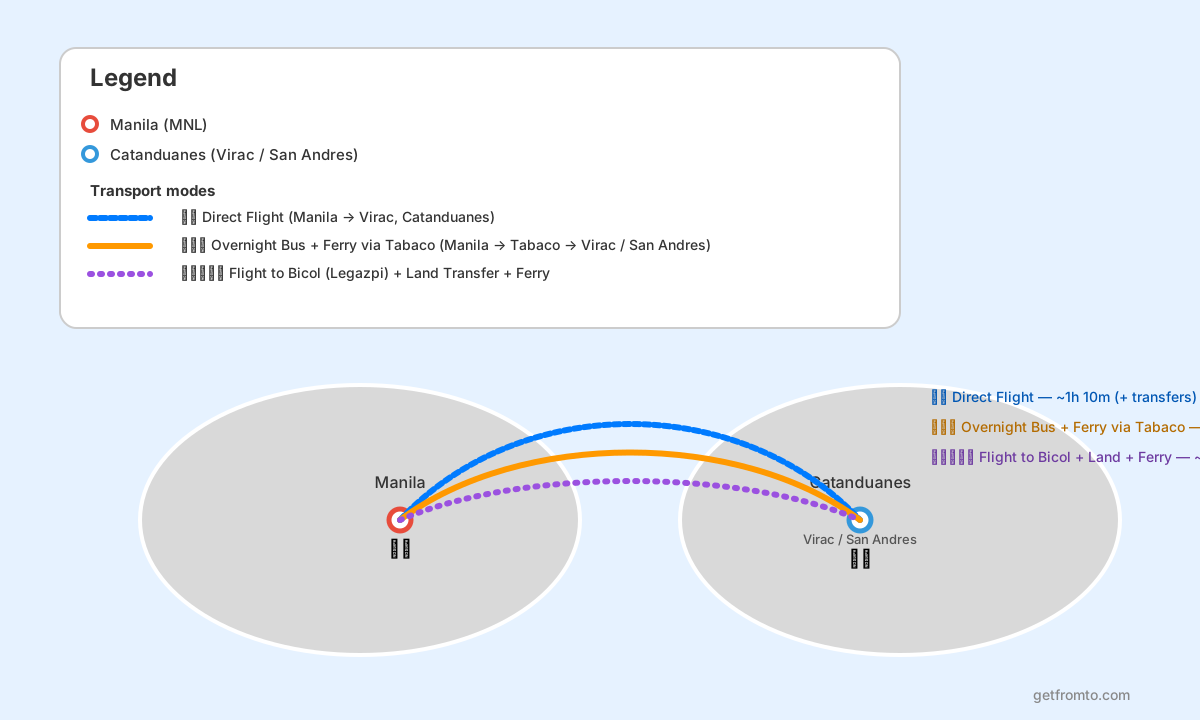
| 🚁 Direct Flight (Manila → Virac, Catanduanes) | ~1h 10m flight (+ 30–60m airport transfers) | Fastest trip, limited time, avoiding seasickness |
| 🏷️ Cost: ~₱2,500–5,500 one-way depending on season and promos » compare MNL→VRC flights | alt. deals |
||
| 🚌🛳️ Overnight Bus + Ferry via Tabaco (Manila → Tabaco → Virac/San Andres) | ~12h bus + 3.5–5h ferry (+ transfers/wait times) | Budget travelers, flexible schedules, those who enjoy overland journeys |
| 🏷️ Cost: Bus ~₱1,000–1,600 + ferry ~₱250–500 one-way » check Manila→Albay buses | Tabaco→Virac ferries |
||
| 🚁🚌🛳️ Flight to Bicol (Legazpi) + Land Transfer + Ferry | ~1h flight + 1.5–2h land + 3.5–5h ferry | When Virac flights are sold out, mixing air and sea travel |
| 🏷️ Cost: Flight to Albay from ~₱2,500–4,500 one-way » flights to Albay | land + ferry add-ons ~₱1,000–1,800 |
||
Which Option or Route Should You Choose?
- Fastest / Most Convenient: Choose the direct flight from Manila to Virac if your schedule is tight, you don’t like long road trips, or you’re flying in and out over a weekend.
- Cheapest / Most Economical: The classic overnight bus plus morning ferry via Tabaco usually has the lowest total cost, especially if you book regular AC bus seats and economy ferry class.
- Most Flexible / Backup Seats: If direct Virac flights are limited or pricey, fly to Legazpi/Bicol then connect by land and ferry. This gives more flight combinations and lets you add side trips around Mayon Volcano.
- For Road-Trip Lovers & Groups: Confident drivers or families can adapt the Tabaco route by renting a car or arranging a private transfer to Tabaco, then boarding the RORO with the vehicle.
How to Book and Practical Tips
- Booking flights: Compare Manila→Virac or Manila→Albay fares on
Booking.com Flights and
Trip.com; flights are limited so book weeks ahead for weekends and holidays. - Bus reservations: Popular Bicol bus lines can sell out on Fridays and before long weekends; use
12Go Asia to compare bus classes and departure times to Albay. - Ferry tickets: You can often buy on the day at Tabaco Port, but for peak dates consider reserving RORO seats via operators like Peñafrancia or Santa Clara (by phone/Facebook) or via
online ferry listings. - Airport & city transfers in Manila: NAIA traffic can be intense; pre-book a private transfer via
Klook airport transfers or
GetYourGuide, or use ride-hailing apps like Grab or JoyRide. - Private cars and long-distance rides: If you want a door-to-door car from Manila to Tabaco or to/from NAIA, check
Welcome Pickups or
GetTransfer.com, then compare with local Grab quotes. - Driving & motorcycle rental: Confident drivers can rent a car in Manila via
Booking.com car rentals or a scooter/motorbike for city use via
BikesBooking. Always check insurance coverage and your license requirements. - Luggage storage: If you have hours between a flight and night bus, store bags near NAIA through
Radical Storage in Manila so you can explore bag-free. - Weather & typhoons: Catanduanes faces the Pacific, so ferries and flights can be delayed by storms. Aim for the drier months (roughly December–May) and keep 1 buffer day in your schedule during wet season.
🚁 Option #1 — Direct Flight Manila → Virac (Fastest & Easiest)
Fastest
No sea crossing
Weather-dependent
- Overview: Take a domestic flight from Ninoy Aquino International Airport (NAIA) in Manila to Virac Airport (VRC) on Catanduanes. Flight time is about 1h 10m; from Virac, most resorts and towns are 15–60 minutes away by tricycle or van.
- Typical schedule & duration: There are usually a few flights per week (often in the morning). Including airport check-in and baggage claim, expect 3–4 hours total door-to-door time within Manila or Virac town.
- How to book (with price): One-way fares often start around ₱2,500–5,500 in economy if booked early, rising around holidays. Compare options on
Booking.com Flights (Manila→Virac) and
Trip.com, then book directly with the airline you prefer. - Onward transfers in Virac: From Virac Airport, you can ride a tricycle to Virac town or pre-arrange resort pickup. For surf towns like Puraran or tourist spots elsewhere on the island, ask your accommodation to send a van or coordinate a jeepney.
- Pros: Fastest and most comfortable; fewer connections; ideal if you get seasick or are traveling with kids/elderly.
- Cons: Limited flight days; fares can be higher than bus + ferry; cancellations or changes more likely in typhoon season.
- Good to know: Domestic flights in the Philippines are regulated by the
Civil Aviation Authority of the Philippines (CAAP); always monitor airline messages for weather-related advisories.
Step-by-step: Direct Flight to Virac
- Plan your dates: Decide if you are aligning with the dry season (roughly December–May) or traveling during wetter months when delays are more likely.
- Search flights: Use
Booking.com Flights or
Trip.com to check which days have Manila→Virac flights and compare fares. - Book & choose luggage: Pick a fare that matches your baggage needs (especially if you bring surfboards or diving gear). Read the airline’s sports-equipment policy carefully.
- Arrange Manila airport transfer: If you’re staying in the city before flying, pre-book a ride with
Klook’s NAIA transfers,
GetYourGuide airport transfers, or ride-hailing apps like Grab to avoid haggling at the airport. - Check in early: Arrive at NAIA at least 2 hours before departure (more if traveling around holidays). Print or download your boarding pass and keep ID ready.
- Land in Virac: On arrival, collect baggage and exit the small terminal. Meet your pre-arranged resort driver, grab a tricycle, or look for jeepneys heading toward your chosen town.
- Return planning: For your return flight, aim for morning departures from Virac and add enough buffer time if you have international connections via Manila.
Getting to the main embarking points (NAIA in Manila)
- From central Manila / Makati / BGC: Use Grab or JoyRide for metered-like app rides, or pre-book
Welcome Pickups for a meet-and-greet airport transfer (good if arriving late at night or with lots of luggage). - From other parts of Metro Manila: Jeepneys and city buses connect many districts to NAIA Road, but with luggage it’s easier to rely on ride-hailing or a pre-booked transfer via
GetTransfer.com. - Short layovers: If you land in Manila in the morning and fly to Virac the next day, you can book a nearby hotel on
Booking.com and store excess bags via
Radical Storage in Manila. - Locations/Trip Planner: 🔗 Google Map / 🔗 OpenStreetMap
🚌🛳️ Option #2 — Overnight Bus + Ferry via Tabaco (Budget-Friendly Classic Route)
Low cost
Night travel
Sea crossing
- Overview: Travel overnight from Manila (usually from Pasay or PITX terminals) to Tabaco City in Albay by bus, then board a morning RORO or ferry from Tabaco Port to Virac or San Andres in Catanduanes.
- Typical duration: Bus ~11–12 hours depending on traffic, plus 3.5–5 hours for the ferry, plus transfer and waiting time at the port. Expect a full travel day of around 15–18 hours door-to-door.
- How to book (with price): AC bus fares from Manila to Albay typically range around ₱1,000–1,600 depending on class. Check routes and approximate fares on
12Go Asia (Manila→Albay buses). Ferries from Tabaco Port to Virac Port are usually around ₱250–400 per person in economy; compare RORO options at
Tabaco→Virac listings. - Ferry operators: Peñafrancia and Santa Clara shipping lines commonly operate on the Tabaco–Virac route, with daily schedules (subject to weather). Some sail to San Andres, another gateway town in Catanduanes.
- Pros: Generally the cheapest route; flexible for carrying more luggage or even vehicles; more schedules than Virac flights on some days.
- Cons: Long travel day; basic bus and ferry comfort levels; crossings can be delayed or canceled during strong winds and typhoons.
- Official info: For port-related advisories, check the
Philippine Ports Authority, and always confirm final ferry schedules directly with the shipping company or Tabaco Port.
Step-by-step: Bus + Ferry via Tabaco
- Choose your departure night: Decide which evening you want to leave Manila so you can catch a morning ferry from Tabaco to Virac or San Andres the next day.
- Book your bus: Browse operators, seat classes (regular, deluxe, sleeper if available), and departure terminals on
12Go Asia. Aim for buses reaching Tabaco early morning (around 5–7 a.m.). - Reserve ferry space if needed: Contact Peñafrancia or Santa Clara via their Facebook or phone, or use
online ferry ticket aggregators to secure seats, especially in peak months. - Travel to the bus terminal in Manila: Use Grab/JoyRide, a pre-booked
Klook city transfer, or
GetTransfer.com if traveling from NAIA with lots of bags. - Overnight bus ride: Board your bus, keep valuables close, carry a light jacket (AC can be cold), and bring snacks as stops can be brief.
- Arrive at Tabaco City: From the bus drop-off, take a tricycle to Tabaco Port if the bus does not go directly there. Allow buffer time for traffic or unexpected stops.
- Buy or claim ferry tickets: Go to the shipping line’s ticket window at Tabaco Port, confirm your booking, and pay port and terminal fees if applicable. Keep tickets and receipts handy for boarding.
- Ferry crossing: Board the ferry, choose a seat in open-air or air-conditioned areas, and secure your bags. Enjoy views of Mayon Volcano and the Pacific while you sail to Virac or San Andres.
- On arrival in Catanduanes: Take tricycles or arranged vans to your hotel. For farther towns (e.g., Baras, Gigmoto), jeepneys and vans usually await at the port.
Getting to the main embarking points (Bus Terminals & Tabaco Port)
- Manila bus terminals (Pasay / PITX): Most Bicol-bound buses depart from Pasay, Cubao, or Paranaque Integrated Terminal Exchange (PITX). Use Grab or JoyRide from your hotel, or pre-book a ride through
Welcome Pickups if coming directly from NAIA. - Within Tabaco City: From the bus stop, hire a tricycle to Tabaco Port (tell the driver you are boarding the ferry to Catanduanes). Travel time is usually 5–15 minutes depending on traffic.
- Arriving in Virac or San Andres: Ports here are compact; tricycles wait outside the gates. Agree on a fare before boarding or ask your accommodation for typical price ranges.
- Locations/Trip Planner: 🔗 Google Map / 🔗 OpenStreetMap
🚁🚌🛳️ Option #3 — Flight to Bicol (Legazpi) + Land Transfer + Ferry
More flight choices
Side-trip friendly
More transfers
- Overview: Fly from Manila to Bicol (Legazpi/Bicol International Airport), travel by land to Tabaco City, then board a ferry to Virac or San Andres. Ideal if direct Virac flights are full but you still want to shorten the bus leg.
- Typical duration: ~1h flight + 1.5–2h land transfer to Tabaco Port + 3.5–5h ferry, plus waiting time between legs. Plan for roughly 8–10 hours total, depending on connections.
- How to book (with price): Flights from Manila to Albay often start around ₱2,500–4,500 one-way in economy, varying by airline and season. Search and compare on
Booking.com Flights (to Albay). Then budget another ₱1,000–1,800 total for land transfers and the ferry crossing, similar to Option #2. - Land transfers: From Bicol International Airport near Daraga/Legazpi, you can take a pre-arranged van to Tabaco City, hire a taxi/Grab (when available), or join shared vans bound for Tabaco.
- Pros: Shorter overall travel time than full bus; chance to explore Legazpi and Mayon Volcano before or after Catanduanes; more daily flights serving Bicol region.
- Cons: More segments to coordinate; slightly higher total cost than bus + ferry; still subject to weather for both flights and sea crossings.
- Official info: Check airline advisories and domestic aviation updates through the
Civil Aviation Authority of the Philippines (CAAP), and port status from the
Philippine Ports Authority if conditions look rough.
Step-by-step: Flight to Bicol + Ferry to Catanduanes
- Pick your travel day: Identify a Bicol flight that arrives early enough to comfortably reach Tabaco and catch an afternoon ferry.
- Book your Manila→Albay flight: Use
Booking.com Flights to Albay to compare airlines and fares, then confirm with your chosen carrier. - Arrange airport→Tabaco transfer: Coordinate with your hotel in Legazpi or book a private car/van to Tabaco. Alternatively, negotiate with airport taxis or vans for a direct Tabaco drop-off.
- Secure ferry tickets: As with Option #2, reserve ferry seats ahead if traveling on peak dates or traveling with a vehicle, using either the operators’ contact details or
12Go Asia’s Tabaco→Virac ferry page. - Connect to Tabaco Port: Ride your pre-arranged van/taxi to Tabaco Port (1.5–2 hours). Build in time for traffic and check-in at the ferry terminal.
- Board the ferry & sail: Follow boarding procedures, stow your luggage securely, and enjoy sea views en route to Virac or San Andres.
- Proceed to your accommodation: Use tricycles, vans, or resort pickups at the Catanduanes port as in the other options.
Getting to the main embarking points (Bicol Airport & Tabaco Port)
- From Bicol International Airport to Legazpi/Tabaco: Airport taxis and vans usually serve Legazpi City; ask to continue onward to Tabaco or transfer to a Legazpi-based van company headed there.
- Within Legazpi: Tricycles are common for short hops; for groups with luggage, consider hiring a private car or van for a half- or full-day excursion to both Legazpi and Tabaco.
- Locations/Trip Planner: 🔗 Google Map / 🔗 OpenStreetMap
FAQ (Manila to Catanduanes)
How long does it take to get from Manila to Catanduanes?
Most travelers flying directly from Manila to Virac take about 1h 10m of flight time, or roughly 3–4 hours total including airport procedures and transfers. By bus and ferry via Tabaco, expect around 15–18 hours door-to-door depending on traffic, waiting times, and sea conditions.
What is the safest and most reliable way to travel?
In good weather, both the flight and bus + ferry routes are generally safe. Flights are regulated nationally by the Civil Aviation Authority of the Philippines, while seaports fall under the Philippine Ports Authority. During typhoon season, flights may be delayed but are often prioritized to restart before ferries, which are more sensitive to rough seas. Always check advisories and consider travel insurance.
Do I need to book bus and ferry tickets in advance?
Advance booking is strongly recommended for weekends, holidays, and long weekends. Buses to Bicol and ferry cabins can sell out. Use online platforms like 12Go Asia for buses and some ferry routes, but remember that local shipping companies may still rely on phone or in-person reservations.
When is the best time of year to visit Catanduanes?
The drier months from roughly December to May usually bring calmer seas and more sunshine, ideal for surfing, waterfalls, and island exploration. June to November can still be beautiful but carries higher chances of rain and typhoons; if you visit then, keep flexible dates and monitor local weather updates.
Are there ATMs and card facilities on Catanduanes?
Virac town has several banks and ATMs, but smaller towns and remote beaches may be cash-only. Bring enough cash for transport, food, and small purchases, especially if you plan to stay outside Virac for several days.