

How to get from Nagoya to Tokyo
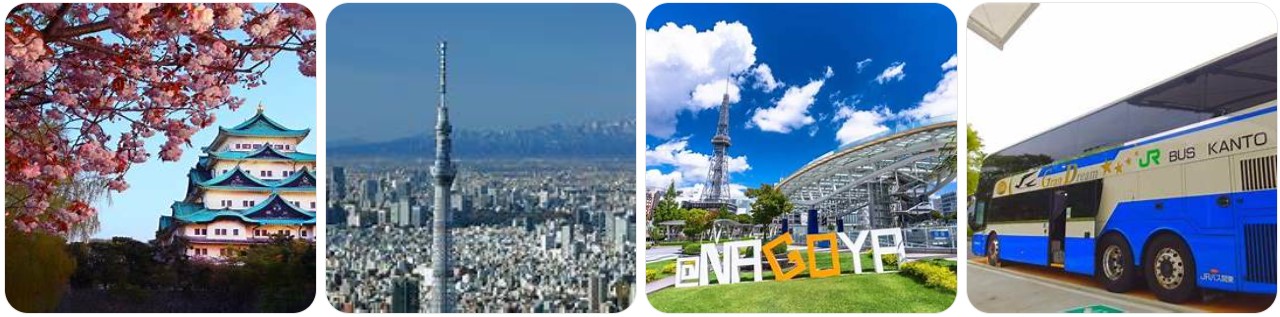
Nagoya to Tokyo is a classic Tōkaidō run: the Shinkansen bullet train is fastest and easiest, highway buses are cheapest (especially overnight), flights can work if you’re pairing with the airport, and self-drive or private charter suit special cases. Choose your style below—each option includes booking links and step-by-steps with map planners.
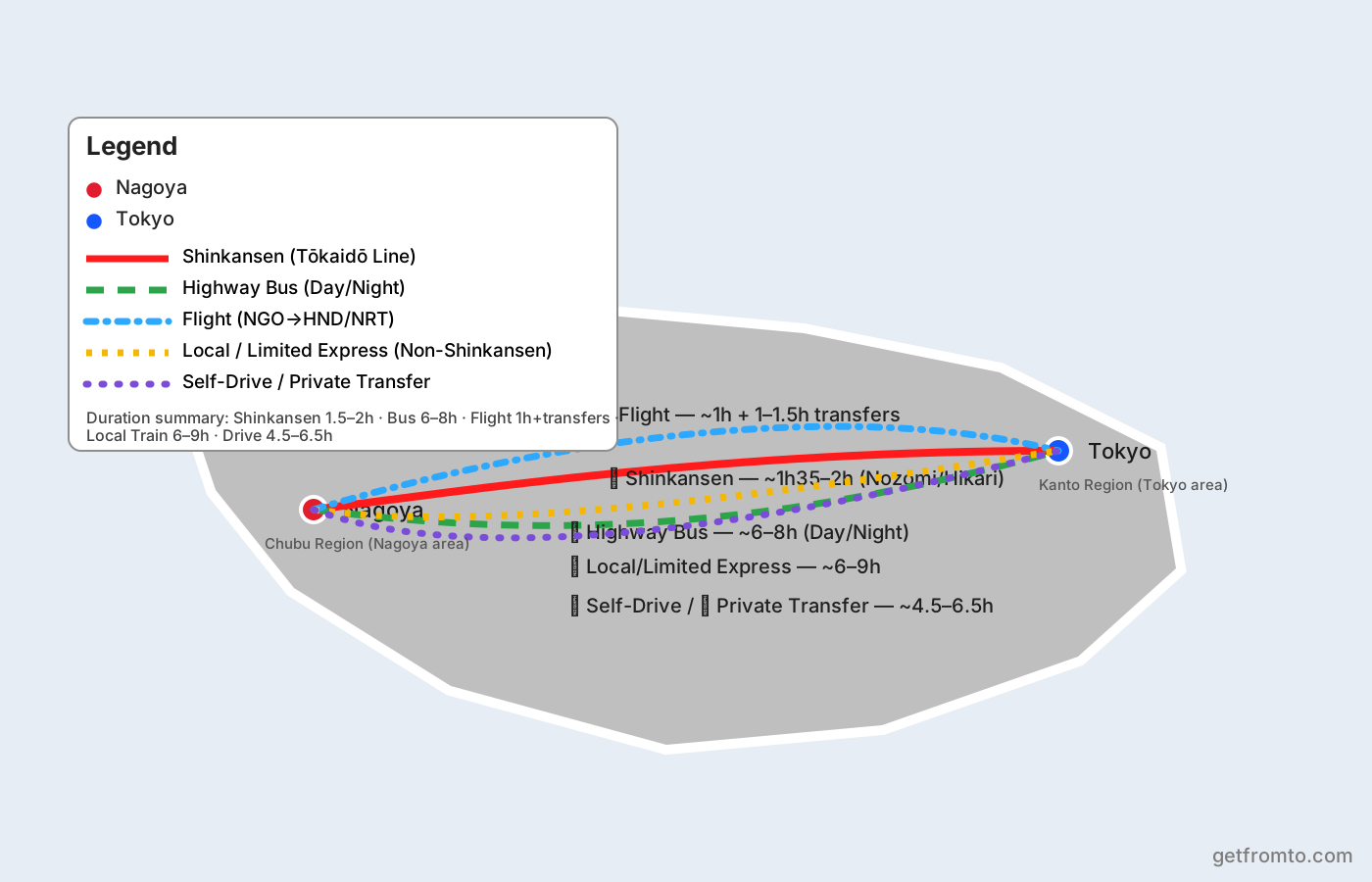
At A Glance (Nagoya to Tokyo)
| Mode | Duration | Best For |
|---|---|---|
| 🚄 Shinkansen (Tōkaidō) – Nozomi/Hikari | ~1h35–2h (Nagoya↔Tokyo) | Speed, comfort, city-center to city-center |
| 🏷️ Cost: ~JPY 11,000–15,000 one-way (seat/class/date) » check shinkansen tickets | compare trains | ||
| 🚌 Highway Bus (Day/Night) | ~6–8h (route-dependent) | Lowest cost, overnight travel |
| 🏷️ Cost: ~JPY 3,000–7,500 one-way » compare buses | ||
| ✈️ Flight (NGO→HND/NRT) + Rail to Central Tokyo | ~1h flight + 1–1.5h airport transfer | When starting/ending at an airport |
| 🏷️ Cost: ~JPY 6,000–18,000 (seasonal) » search flights | Trip.com fares | ||
| 🚃 Local/Limited Express (Non-Shinkansen) | ~6–9h (connections) | Rail fans, passes, super-saver days |
| 🏷️ Cost: ~JPY 6,000–9,000 (fares vary) » see rail options | ||
| 🚗 Self-Drive / 🚐 Private Transfer | ~4.5–6.5h (traffic/tolls) | Door-to-door, special luggage |
| 🏷️ Cost: Rental ~JPY 8,000–15,000/day + tolls/fuel » compare rentals | Private car from ~JPY 70,000+ » quotes | ||
Which Option or Route Should You Choose?
- Fastest/Most Convenient: Shinkansen (Nozomi/Hikari) from Nagoya Station to Tokyo/Shinagawa.
- Cheapest: Highway bus (overnight saves a hotel night).
- Airport-to-airport plans: Fly NGO→HND or NRT if you’re connecting flights or staying near the airport.
- Scenic/Slow travel or pass days: Local/limited express via the Tōkaidō Main Line.
- Door-to-door & special gear: Drive or book a private transfer.
How to Book and Practical Tips
- Seat reservations: Shinkansen reserved seats sell out on weekends/holidays—book ahead on Klook or compare on 12Go.
- Luggage: Big suitcases? Consider luggage forwarding or stash bags via Radical Storage Nagoya / Tokyo.
- City transfers: Use taxi apps (GO app, Uber limited in Japan) or station taxis; for fixed long rides compare GetTransfer.
- Stay near stations: For late arrivals, check hotels by Tokyo Station/Shinjuku on Booking.com.
🚄 Option #1 — Shinkansen (Tōkaidō) – Nozomi/Hikari (Fastest & Easiest)
~1h35–2h City-center to city-center Frequent departures
- Overview: Board at Nagoya Station and ride Nozomi (fastest; most frequent) or Hikari (slightly slower) to Tokyo Station or Shinagawa. Comfortable seats, restrooms, power outlets on many cars.
- How to book (with price): ~JPY 11,000–15,000 (class/date). Reserve online via Klook or compare times/fares on 12Go. Official: JR Central “Tōkaidō Shinkansen” for timetables.
- Pros: Fastest overall, frequent, reliable. Cons: Pricier than buses.
Step-by-step: Shinkansen
- Get to Nagoya Station (JR Central entrance). Use local subway/bus or taxi; if carrying big bags, consider luggage storage.
- Buy/reserve your ticket online (Klook/12Go) or at JR ticket machines/counters. Choose Nozomi/Hikari and seat type.
- Follow signs to the Shinkansen gates; scan ticket/QR and find your car number on the platform markings.
- Arrive at Tokyo Station (or Shinagawa). Continue by JR/subway or taxi; hotels nearby are on Booking.com.
Getting to the main embarking points (Nagoya Station → Tokyo/Shinagawa)
- Nagoya Station: Major hub with clear English signage; arrive 10–20 minutes early.
- Tokyo/Shinagawa: Easy transfers to JR lines, Ginza/Asakusa/Keikyu lines, and airport trains.
- Locations/Trip Planner: 🔗 Google Map / 🔗 OpenStreetMap
🚌 Option #2 — Highway Bus (Day/Night, Cheapest)
Budget Overnight saves hotel 6–8h ride
- Overview: Direct coaches link Nagoya Meitetsu Bus Center or Sakae with Shinjuku Expressway Bus Terminal (Busta) or Tokyo Station. Reclining seats, rest stops, toilets on many services.
- How to book (with price): ~JPY 3,000–7,500. Compare times/seats on 12Go (buses) or curated options on Trip.com activities.
- Pros: Cheapest, overnight arrival downtown. Cons: Slower than train; weekend traffic can add time.
Step-by-step: Highway Bus
- Reach Nagoya Meitetsu Bus Center (next to Meitetsu Nagoya Station) by subway or taxi.
- Book a seat on 12Go. Choose day/overnight, seat type (standard/premium).
- Arrive 15–20 minutes early; locate your bay number on the departure boards.
- Arrive at Busta Shinjuku or Tokyo Station; continue by JR/subway or walk to nearby hotels.
Getting to the main embarking points (Meitetsu Bus Center / Busta Shinjuku)
- Nagoya boarding: Meitetsu Bus Center is above Meitetsu Dept. Store; elevators/escalators available.
- Tokyo arrival: Busta sits atop JR Shinjuku Station (South Gate) with easy metro links.
- Locations/Trip Planner: 🔗 Google Map / 🔗 OpenStreetMap
✈️ Option #3 — Flight (NGO→HND/NRT) + Rail to Central Tokyo
1h flight Best if airport-based Add transfer time
- Overview: Fly from Chubu Centrair (NGO) to Haneda (HND) or Narita (NRT), then train/monorail/Keisei/JR to central Tokyo.
- How to book (with price): ~JPY 6,000–18,000 depending on sales/season. Search and compare on Booking.com Flights or Trip.com.
- Pros: Good if connecting to/from other flights or staying near airports. Cons: After landing, you still have 30–90 minutes into town.
Step-by-step: Flight
- Get to NGO (Centrair) by Meitetsu μ-SKY from Nagoya Station or taxi.
- Book your NGO→HND/NRT ticket via Booking.com Flights or Trip.com; check in online.
- At HND, take Tokyo Monorail/Keikyu to the city; at NRT, take Keisei Skyliner or JR Narita Express.
- Arrive at Tokyo Station/Shinjuku/Ueno depending on your chosen line and continue by JR/subway or taxi.
Getting to the main embarking points (Centrair & Haneda/Narita)
- NGO access: Meitetsu trains run frequently; allow 60–75 minutes from central Nagoya.
- HND/NRT to city: Fast rail links operate from both airports; follow English signage to ticket gates.
- Locations/Trip Planner: 🔗 Google Map / 🔗 OpenStreetMap
🚃 Option #4 — Local/Limited Express (Slow & Scenic, Pass-Friendly)
Budget days Scenic More transfers
- Overview: Ride conventional JR lines (Tōkaidō Main Line) via Gifu, Shizuoka, Atami, etc. Can be very cheap on certain pass days; otherwise slower with multiple transfers.
- How to book (with price): Check routes/fare combos on 12Go (trains) or Trip.com Trains.
- Pros: Savings and sightseeing stops. Cons: 6–9 hours with changes; seats unreserved on many legs.
Step-by-step: Local/Limited Express
- Start at Nagoya Station; buy a regular JR ticket or use an eligible rail pass.
- Take JR Rapid/Local eastward (e.g., to Hamamatsu/Shizuoka); transfer per timetable toward Atami.
- From Atami, continue JR to Tokyo Station (Tōkaidō Line) or Shinagawa.
- Use station signs/transfer boards; staff can help if unsure.
Getting to the main embarking points (Nagoya → Atami → Tokyo)
- Waypoints: Hamamatsu/Shizuoka/Atami are common transfer points; plan meal/stretch stops en route.
- Arrival: Tokyo/Shinagawa connects to the broader JR/subway network.
- Locations/Trip Planner: 🔗 Google Map / 🔗 OpenStreetMap
🚗 Option #5 — Self-Drive (Expressways) / 🚐 Private Transfer (Door-to-Door)
Flexible Direct Tolls & traffic
- Overview: Drive the Isewangan→Tōmei→Shin-Tōmei→Tōmei corridor toward Tokyo. Private charters are possible for groups or bulky gear.
- How to book (with price): Car rentals from ~JPY 8,000–15,000/day on Booking.com Car Rental or Trip.com Car Hire. Private transfers from ~JPY 70,000+ via GetTransfer.
- Pros: Door-to-door, luggage-friendly, stop where you like. Cons: Tolls (ETC), parking, and urban traffic.
Step-by-step: Self-Drive / Private Car
- Pick up your car in Nagoya (station/airport) or request a private transfer with pickup at your address/hotel.
- Set navigation to Tokyo Station (or your hotel). Plan rest stops (e.g., Shizuoka SA, Ebina SA) every 2–3 hours.
- Follow Shin-Tōmei/Tōmei expressways; use ETC where available for faster tolls.
- On arrival, confirm hotel parking or drop-off details in advance.
Getting to the main embarking points (Rental Depots & Expressways)
- Nagoya pickup: Station-area depots have longer hours; check international license requirements.
- Tokyo arrival: Central wards have paid parking; consider returning the car on the city outskirts.
- Locations/Trip Planner: 🔗 Google Map / 🔗 OpenStreetMap
FAQ (Nagoya to Tokyo)
Shinkansen: Nozomi vs Hikari?
Nozomi is fastest and most frequent; Hikari is slightly slower but often cheaper/compatible with some passes.
Which Tokyo station should I choose?
Tokyo Station is best for the Imperial Palace/Ginza/Tokyo Disney transfers; Shinagawa is great for southern/western Tokyo and Haneda access; Shinjuku if arriving by bus.
Are highway buses comfortable?
Yes—many have reclining seats, footrests, power outlets, and toilets. Premium/overnight classes offer extra space.
Is flying faster than Shinkansen?
Usually no for city-center to city-center. Flying can make sense if you’re airport-based or catching onward flights.
Can I store luggage at stations?
Yes—coin lockers and staffed storage are common; or book space with Radical Storage Tokyo / Nagoya.
Any ride-hailing?
Uber operates in Tokyo mainly as a taxi-hailing platform; the local “GO” app is widely used. For fixed long routes, compare GetTransfer.