

How to get from Okayama to Naoshima
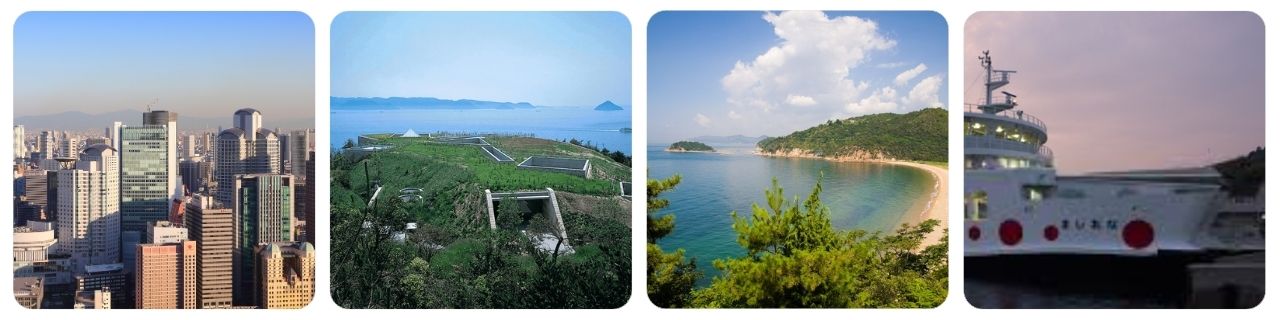
Getting from Okayama to Naoshima, Japan’s iconic art island in the Seto Inland Sea, is easy once you know how to combine JR trains or buses with short ferries from Uno Port to Miyanoura or Honmura on Naoshima.
At A Glance (Okayama to Naoshima)
| Mode | Duration | Best For |
|---|---|---|
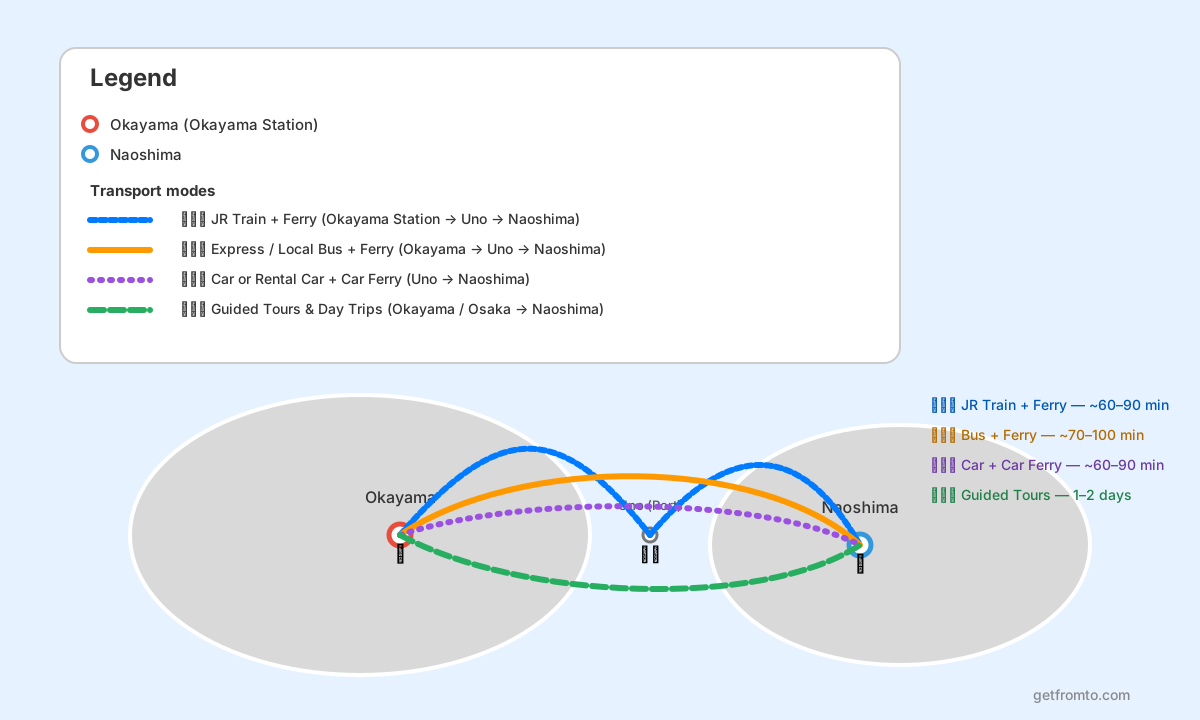
| 🚆⛴️ JR Train + Ferry (Okayama Station → Uno → Naoshima) | ~60–90 minutes total (45–60m train + 15–20m ferry) | Most travelers, simple & reliable |
| 🏷️ Cost: ~JPY 900–1,000 one-way (JR Uno Line ~JPY 580 + ferry ~JPY 300). If you’re coming from elsewhere in Japan, compare long-distance train options on 12Go Asia or shinkansen-inclusive routes on Trip.com Trains. | ||
| 🚌⛴️ Express/Local Bus + Ferry (Okayama → Uno → Naoshima) | ~70–100 minutes (traffic-dependent) | Travelers preferring buses or using day passes |
| 🏷️ Cost: Similar to the train overall (~JPY 900–1,100 including ferry). Check connection info from Uno to Okayama on the Naoshima Tourism site and look for tour-style bus connections on Klook’s Naoshima page. | ||
| 🚗⛴️ Car or Rental Car + Car Ferry (Uno → Naoshima) | ~60–90 minutes from Okayama city (including check-in for ferry) | Families, heavy luggage, road trips |
| 🏷️ Cost: Car ferry ~JPY 300 per passenger + vehicle fee (varies by size). For car rentals, compare offers in Okayama on Booking.com Car Rental or Trip.com Car Hire. | ||
| 🎨⛴️ Guided Tours & Day Trips (Okayama / Osaka → Naoshima) | 1 full day or 2 days including ferry and museum visits | Art lovers, first-time visitors, no-Japanese needed |
| 🏷️ Cost: From ~JPY 30,000+ per person for day or overnight packages including shinkansen, ferry, and museum access—see Naoshima tours on GetYourGuide or curated packages on Klook. | ||
Which Option or Route Should You Choose?
- Fastest and most straightforward: The JR Train + Ferry via Uno (Option #1) is the go-to for most visitors. Trains are frequent from Okayama to Uno, and ferries run many times per day to Miyanoura and Honmura.
- Cheapest & almost as easy: If you prefer buses or want to use certain regional passes, the bus + ferry combo (Option #2) is similarly priced and can be convenient if you’re staying near key bus stops.
- Best with luggage or kids: Families and road-trippers often choose the car ferry from Uno (Option #3), which lets you drive directly onto Naoshima and explore at your own pace.
- Most hassle-free for art-focused trips: If you’d rather not navigate timetables at all, look at guided tours and Naoshima packages (Option #4) from Okayama, Osaka, or Kyoto via platforms like GetYourGuide and Klook.
How to Book and Practical Tips
- Plan your long-distance leg first: If you’re coming from Tokyo, Kyoto, Osaka, or Hiroshima, secure shinkansen or limited express tickets to Okayama before worrying about the short Uno → Naoshima hop. You can compare rail options on 12Go Asia’s Japan routes or check bargains on Trip.com Trains.
- Use IC cards when possible: JR trains and many buses accept IC cards like Suica, Pasmo, or ICOCA, making transfers smoother. Have some coins handy for smaller local buses or lockers.
- Buy ferry tickets at the pier: On the Uno → Naoshima route, tickets are usually purchased at the ferry terminal just before boarding. Aim to arrive at least 15–20 minutes early, especially in peak seasons and on weekends.
- Stay near Okayama Station or Uno: For early ferries, it helps to sleep close to your departure point. Compare hotels at Okayama Station or around Uno using Booking.com, or look for Naoshima-friendly lodgings that mention easy ferry access in reviews.
- Store bulky luggage: Naoshima is easier with a daypack. Use station lockers or consider city storage services (for example, find a spot in Osaka or Tokyo via Radical Storage) and bring only what you need for the island.
- Rent bicycles or e-bikes on the island: Naoshima is hilly but compact, and a bike is perfect for hopping between museums. You’ll find several rental shops near Miyanoura Port; for broader Japan trips, you can also look at international scooter and bicycle rentals via BikesBooking.
- Arriving from an airport? If you’re flying into Kansai, Hiroshima, or Okayama airports and want a direct transfer to your hotel or train station, compare private car options on Welcome Pickups or GetTransfer, alongside Japan’s excellent airport trains and limousine buses.
- Check museum reservations: Chichu Art Museum and some Benesse Art Site Naoshima facilities require timed reservations. Align your ferry arrival with your first museum slot and allow generous transit time on the island.
🚆⛴️ Option #1 — JR Train + Ferry via Uno Port (Most Popular, Good Value)
Easy connections Frequent departures Short walk to ferries
- Overview: Take the JR Uno Line from Okayama Station to Uno Station, then walk about 5 minutes to Uno Port to catch a ferry or passenger boat to Naoshima (Miyanoura or Honmura). This is the classic way to reach the art island.
- Travel time: Around 45–60 minutes on the JR Uno Line, plus 15–20 minutes on the ferry and a short walk between the station and the pier. Total: roughly 60–90 minutes one way, depending on connections.
- Fares: JR Uno Line costs about JPY 580 each way between Okayama and Uno. Ferries and passenger boats to Naoshima cost roughly JPY 300 one way for adults.
- How to book (with price): JR local trains do not usually require reservations; you can tap an IC card or buy tickets at the station. For shinkansen or limited express trains into Okayama from major cities, compare routes and seat types on 12Go Asia or book rail journeys via Trip.com. Ferries between Uno and Naoshima are operated mainly by Shikoku Kisen and local companies—use the Naoshima Tourism Association’s access & timetable page or the Shikoku Kisen Uno–Naoshima timetable for up-to-date times and fares.
- Pros: Simple and well-signposted; covered by many JR passes; frequent departures; easy to plan around museum reservations.
- Cons: Can be busy at peak times; requires a transfer at Uno; last ferries back in the evening mean you must watch the clock if doing a day trip.
Step-by-step: JR Train + Ferry via Uno Port
- Reach Okayama Station: From cities like Tokyo, Kyoto, Osaka, or Hiroshima, ride the shinkansen or limited express to Okayama. Check and book intercity trains on 12Go Asia or compare options on Trip.com Trains. If you’re flying in, search for flights arriving at nearby airports with Booking.com Flights.
- Board the JR Uno Line: At Okayama Station, follow signs for the JR Uno Line toward Uno. Some trains go directly; others require an easy transfer at Chayamachi. Check departure times on station boards and give yourself a bit of buffer before your targeted ferry.
- Ride to Uno Station: Enjoy the 45–60 minute ride through suburban Okayama and coastal scenery. If you hold a Japan Rail Pass, the Uno Line is typically covered—just show your pass at the gates.
- Walk from Uno Station to Uno Port: Once you arrive at Uno Station, follow the clearly marked signs to the ferry terminal (around 5 minutes on foot). You’ll see the waterfront, ticket windows, and simple waiting areas.
- Buy your ferry ticket: Choose between the standard ferry (about 20 minutes, cars and bikes allowed) and the passenger boat (around 15 minutes, foot passengers only). Purchase your ticket at the window for Miyanoura or Honmura port on Naoshima.
- Board and cross to Naoshima: Line up at the correct gate shortly before departure. On board, you can sit inside or, on some boats, step out to enjoy the Seto Inland Sea views as you approach Naoshima.
- Arrive at Miyanoura or Honmura: Disembark and follow signs to the town bus, bike rentals, or your accommodation. From Miyanoura, Naoshima’s town bus connects to Honmura and Tsutsuji-so (gateway to Benesse Art Site Naoshima).
Getting to the main embarking points (Okayama Station & Uno Port)
- Within Okayama city: Most visitors stay near Okayama Station for easy access to the Uno Line. When browsing hotels on Booking.com, look for properties directly connected to or very close to the station if you have an early train or ferry.
- From Okayama Airport to Okayama Station: Airport limousine buses connect Okayama Airport and Okayama Station in about 30 minutes. Taxis and ride-hailing services are also available; you can compare private transfer options region-wide via GetTransfer or book a tailored airport pickup using Welcome Pickups (select the appropriate Japanese city).
- From Uno Port back to Okayama: The reverse route is just as simple: walk from the ferry to Uno Station and catch the JR Uno Line back to Okayama. The Naoshima Tourism site’s Uno–Okayama connection page outlines current JR and bus options.
- Locations/Trip Planner: 🔗 Google Map / 🔗 OpenStreetMap
🚌⛴️ Option #2 — Bus from Okayama to Uno + Ferry (Cheapest, Simple Transfers)
Budget-friendly Alternative to JR Traffic-dependent
- Overview: Instead of taking the JR Uno Line, you can ride highway or local buses from Okayama Station or city center to Uno, then continue by ferry to Naoshima. This is handy if buses line up better with your schedule or if you have bus passes.
- Travel time: Around 50–70 minutes by bus depending on traffic, plus the usual 15–20 minute ferry crossing to Naoshima.
- Fares: Similar to the train overall, usually under JPY 1,100 one-way including the ferry. Pay by cash or IC card on buses where accepted.
- How to book (with price): Bus tickets are typically bought on board or at bus terminals, so reservations are not usually required. For more structured bus–ferry–tour bundles or day-trip buses, check Naoshima-related products on Klook and look for offers that combine transport with art site visits.
- Pros: Straightforward boarding near Okayama Station; can be less crowded than trains; good backup if JR trains are disrupted.
- Cons: Road traffic can affect punctuality; fewer departures than the JR Uno Line; information and signage may be less visible in English than at JR stations.
Step-by-step: Bus + Ferry via Uno
- Start at Okayama Station or central Okayama: Locate bus stops serving Uno (check signage, tourist information counters, or your hotel front desk for the latest route numbers and platforms).
- Board the bus to Uno: Pay the driver or tap your IC card as indicated. Keep an eye on the onboard display or listen for announcements for Uno, or track your location on a maps app.
- Arrive near Uno Port: Buses serving Uno typically stop close to the ferry terminal. Follow the short signed route to the waterfront and look for the ticket office and boarding gates.
- Purchase ferry tickets: Choose Naoshima’s Miyanoura Port (most common) or Honmura Port, buy tickets for your preferred sailing, and take note of the return schedule so you don’t miss the last boat back.
- Cross to Naoshima: Board the ferry or passenger boat, find a seat, and enjoy the 15–20 minute crossing across the Seto Inland Sea.
- Connect on the island: After arrival, use the Naoshima Town Bus, bicycle rental, or walking paths to reach art sites and accommodation. The Naoshima Tourism Association’s “Getting around on Naoshima” page has an overview of local buses and walking routes.
Getting to the main embarking points (Bus Stops & Uno Port)
- Bus stops at Okayama Station: Outside Okayama Station you’ll find multiple bus stands; look for routes signed for Uno or consult the tourist information center inside the station for the latest bus guidance to Uno Port.
- Near Uno Port: At Uno, bus stops are within walking distance of the ferry terminal. If you’re unsure, follow the stream of travelers heading toward the waterfront or confirm with the driver when boarding.
- Combining bus and train: Some itineraries use a bus one way and JR Uno Line the other, depending on connection times. Both options are valid and interchangeable as long as you watch the ferry timetable.
- Locations/Trip Planner: 🔗 Google Map / 🔗 OpenStreetMap
🚗⛴️ Option #3 — Car or Rental Car + Car Ferry (Flexible, Great for Families)
Maximum flexibility Good with luggage Parking & reservations needed
- Overview: Drive from Okayama or elsewhere in Chugoku/Kansai to Uno Port, board a car ferry operated mainly by Shikoku Kisen, and disembark on Naoshima (usually at Miyanoura). This is ideal if you’re on a wider road trip or traveling with kids and gear.
- Travel time: Roughly 50–70 minutes’ drive from central Okayama to Uno, plus 20 minutes on the ferry. Allow extra time for ticketing, boarding, and parking if you’re leaving the car on the mainland.
- Fares: Passengers pay about JPY 300 per adult one way, with additional charges for vehicles depending on length and type. Return tickets may have limited validity periods.
- How to book (with price): Some car spaces on peak sailings can sell out, so it’s wise to check the Shikoku Kisen Uno–Naoshima timetable and fare page and follow their guidance on vehicle boarding. For rental cars, compare rates in Okayama on Booking.com Car Rental or Trip.com Car Hire.
- Parking considerations: Space is limited on Naoshima, and some travelers prefer to park on the mainland near Uno and board as foot passengers, then rent bicycles or use buses on the island. Check the Tamano tourism site’s “Access to Naoshima” guide for parking and access tips.
- Pros: Door-to-door control over your schedule; comfortable in bad weather; convenient for families and photographers with lots of gear.
- Cons: Driving in Japan requires valid licenses and sometimes an International Driving Permit; ferries for vehicles may require advance planning; parking on Naoshima and at museums can be limited.
Step-by-step: Driving & Car Ferry to Naoshima
- Pick up your rental car (if needed): Collect your car in Okayama or another major city and confirm that your contract allows ferry crossings and island driving.
- Drive to Uno Port: Use your GPS or mapping app to route to Uno Port in Tamano City. Expect expressways or local roads depending on your starting point; factor in potential congestion on weekends or holidays.
- Purchase vehicle and passenger tickets: At Uno Port, follow signs for car ferry check-in. Buy tickets for all passengers plus the vehicle, and confirm which lane to wait in for boarding.
- Board the car ferry: Staff will guide you onto the ferry deck. Once parked, turn off your engine and head up to the passenger decks to enjoy the crossing.
- Arrive on Naoshima: After docking, follow crew instructions to disembark in order. Drive carefully on the island’s narrow roads and heed local speed limits and parking rules.
- Explore and return: Use Naoshima’s main roads to reach Miyanoura, Honmura, and the Benesse art area. On your return day, arrive at the port early enough to queue for your chosen sailing back to Uno.
Getting to the main embarking points (Driving to Uno Port)
- From central Okayama: It’s about an hour’s drive from Okayama city to Uno Port, depending on route and traffic. Many navigation systems recognize “Uno Port” or “Uno Ferry Terminal” as a destination.
- From Kansai or Shikoku: If you’re combining Naoshima with Kansai or Shikoku, you might drive via the Seto Ohashi Bridge or other regional expressways. Make sure you understand Japan’s ETC toll system or be prepared to pay by cash where accepted.
- Leaving the car on the mainland: If you don’t want to drive on Naoshima, look for paid parking lots near Uno Port and switch to walking, buses, or bicycles on the island.
- Locations/Trip Planner: 🔗 Google Map / 🔗 OpenStreetMap
🎨⛴️ Option #4 — Guided Tours & Naoshima Packages (Most Hassle-Free)
Curated experience Transport bundled Higher cost
- Overview: If timetables and transfers sound like a headache, you can book guided tours that package shinkansen or limited express trains, ferries, on-island transport, and museum visits into one product. Many tours are art-focused and led by English-speaking guides.
- Travel time: A typical day trip from Osaka or Kyoto will be a full-day commitment, often 10–12 hours including shinkansen rides, ferry crossings, and time at museums like Chichu Art Museum and Benesse House.
- How to book (with price): Expect prices from around JPY 30,000–50,000+ per person for day tours including major costs. Browse Naoshima tours on GetYourGuide (including government-licensed private guides) and multi-day packages or day tours on Klook, some of which start from Okayama, Osaka, or Takamatsu.
- Pros: All major logistics arranged; ideal if you’re short on time, traveling with older family members, or want in-depth commentary on the art and architecture.
- Cons: More expensive than DIY; less flexibility to linger at favorite artworks or explore quieter corners of the island.
Step-by-step: Using Tours & Packages to Reach Naoshima
- Choose your starting city: Decide whether you’ll depart from Okayama, Osaka, Kyoto, or Takamatsu. Check which departure points each tour offers, and factor in where you’ll be staying the night before.
- Select and book a tour: On GetYourGuide or Klook, filter for Naoshima or Chichu Art Museum tours, then compare what’s included (train tickets, ferry fares, museum admission, bike rental, meals) and read recent reviews.
- Confirm meeting point & time: Many tours meet at major stations like Shin-Osaka, Okayama, or Takamatsu, or at Uno Port itself. Add the meeting time and location to your calendar and plan your route there early.
- Travel with your guide: Follow your tour leader through shinkansen or local trains, ferries, and island buses or bikes. You’ll typically have scheduled stops at key art sites and some free time built in.
- Return to your base: At day’s end, your guide will accompany you back to the original starting point. From there, you can continue by train, bus, or taxi to your accommodation.
Getting to the main embarking points (Tour Meeting Spots)
- From hotels to stations: If your tour starts at a big station like Okayama or Shin-Osaka, give yourself extra buffer time and consider using station-area hotels booked via Booking.com so you can walk to the meeting spot in the morning.
- Airport to tour start: Landing at Kansai or Hiroshima the night before? Use airport trains or airport buses to reach your base city, or compare private rides using Welcome Pickups or GetTransfer if you’re carrying large luggage or traveling in a group.
- DIY + local guide combo: You can also travel independently to Naoshima via the JR and ferry route, then join a local private tour that meets at Miyanoura Port or a museum, such as those listed on GetYourGuide.
- Locations/Trip Planner: 🔗 Google Map / 🔗 OpenStreetMap
FAQ (Okayama to Naoshima)
Do I need to reserve ferry tickets from Uno to Naoshima in advance?
In most cases, you buy ferry or passenger boat tickets at Uno Port shortly before departure, and reservations are not required for foot passengers. However, during busy holiday periods or if you are bringing a car, check Shikoku Kisen’s official timetable and any reservation guidance in advance.
Which Naoshima port should I use, Miyanoura or Honmura?
Miyanoura is the main gateway with more ferry departures, bike rentals, and buses; it’s generally the best choice for first-time visitors. Honmura is closer to the Art House Project and quiet village streets, and is served by some passenger boats from Uno and Takamatsu—use it if your accommodation or first stop is in that area.
Can I do Naoshima as a day trip from Okayama or Osaka?
Yes. From Okayama, a full day (e.g., morning ferry over, evening ferry back) is enough to see several key sites if you plan carefully. From Osaka or Kyoto, a day trip is possible using an early shinkansen to Okayama plus the JR Uno Line and ferry, but you’ll have less time on the island, so prioritize a few must-see museums.
How do I get around on Naoshima once I arrive?
Most visitors combine the Naoshima Town Bus, walking, and bicycle or e-bike rental. Bikes are available near Miyanoura Port and in other areas; the Naoshima Tourism Association’s bicycle rental information page lists current shops and prices. Museum guests may also be able to use shuttles provided by Benesse Art Site Naoshima.
Is Naoshima suitable for visitors who don’t speak Japanese?
Yes, but some signs, menus, and bus information may be Japanese-only. Booking accommodation and tours through platforms like Booking.com, GetYourGuide, or Klook can simplify things, and offline maps plus translation apps are very helpful on the island.