
How to get from Osaka to Naoshima
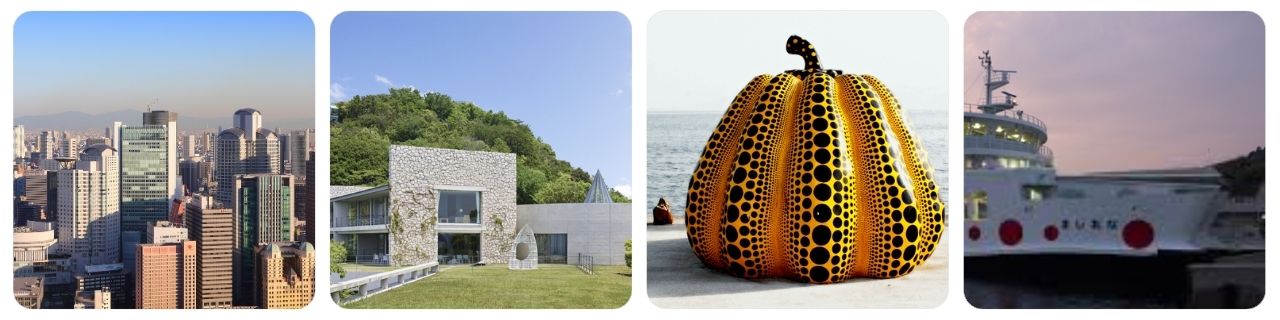
Heading from Japan’s food capital to its legendary art island? Here’s exactly how to get from Osaka to Naoshima by train, bus, car and ferry, with step-by-step routes and booking tips.
At A Glance (Osaka to Naoshima)
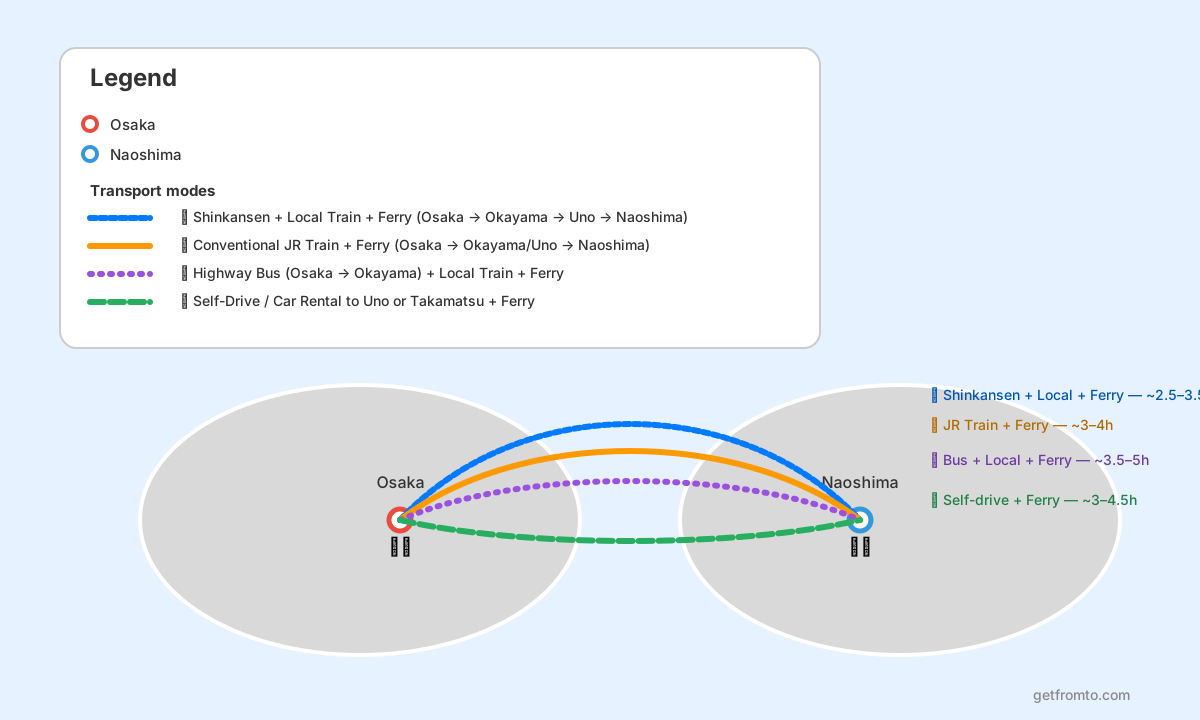
| Mode | Duration | Best For |
|---|---|---|
| 🚅 Shinkansen + Local Train + Ferry (Osaka → Okayama → Uno → Naoshima) | ~2.5–3.5h total (connection-dependent) | Fastest, most straightforward route |
| 🏷️ Cost: ~JPY 7,000–9,500 one-way (Shinkansen + local + ferry) » Osaka–Okayama train times | Naoshima travel overview | ||
| 🚆 Conventional JR Train + Ferry (Osaka → Okayama/Uno → Naoshima) | ~3–4h total | Rail-pass users, budget-conscious travelers |
| 🏷️ Cost: ~JPY 5,500–8,000 one-way (local/rapid + ferry) » JR West Kansai Rail Pass | Kansai Wide Pass (incl. Okayama) | ||
| 🚌 Highway Bus (Osaka → Okayama) + Local Train + Ferry | ~3.5–5h total | Cheapest, relaxed schedule |
| 🏷️ Cost: ~JPY 5,000–7,000 one-way (bus + local train + ferry) » Okayama transport info | ||
| 🚗 Self-Drive / Car Rental to Uno or Takamatsu + Ferry | ~3–4.5h total (traffic-dependent) | Families, small groups, flexible itineraries |
| 🏷️ Cost: Car rental from ~JPY 7,000–10,000/day + tolls, fuel & ferry » compare car rentals | Naoshima driving tips | ||
Which Option or Route Should You Choose?
- Fastest / Most Convenient: Choose Option #1 (Shinkansen + Local Train via Okayama & Uno) if you want minimal transfers and the smoothest experience, especially for a Naoshima day trip from Osaka.
- Best for JR Pass Holders & Budget Travelers: If you already have a Japan Rail Pass or JR West regional pass, Option #2 (Conventional JR + Ferry) keeps costs lower while staying flexible.
- Cheapest Cash Outlay: Travelers watching their budget but without a rail pass can look at Option #3 (Highway Bus + Local Train), trading speed for savings.
- Most Scenic / Flexible Schedule: Those planning a wider Setouchi road trip, or traveling as a family with luggage, will appreciate Option #4 (Self-drive via Uno or Takamatsu), combining coastal views, stops en route and easy timing.
- Zero-Planning Art Focus: If you mainly care about museums and installations, consider a guided Naoshima tour or a Naoshima tour from Osaka on Klook, where transport logistics are bundled.
How to Book and Practical Tips
- Train tickets: For Shinkansen and limited express seats from Osaka to Okayama, you can book at JR ticket offices, machines, or online using platforms like Trip.com’s Shinkansen listings or by purchasing a JR West pass on Klook.
- Ferry tickets: Uno–Naoshima and Takamatsu–Naoshima ferries are usually bought on the day at the port ticket office. Check latest schedules and any seasonal changes on the Naoshima Travel Information official site before you go.
- Accommodation: For early ferries or overnight stays, book hotels near Osaka Station, Shin-Osaka or Okayama in advance via Booking.com or look for Naoshima lodgings and ryokan on Trip.com’s Naoshima guide.
- Luggage strategy: Naoshima is best explored light. Store large bags at Osaka or Shin-Osaka using coin lockers or services like Radical Storage in Osaka, then travel on with just a daypack or small overnight bag.
- Seat reservations: On busy weekends and during Setouchi Triennale periods, reserve Shinkansen and limited express seats in advance and aim for morning ferries to avoid crowds.
- Weather & seas: Ferries may be delayed or cancelled in rough weather. Build slack into your schedule (especially if you have same-day museum reservations such as Chichu Art Museum) and always double-check the morning sailing status.
- Getting around Osaka to departure stations: Use JR lines or Osaka Metro to reach Osaka Station or Shin-Osaka. For groups or heavy luggage, you can also pre-book private transfers on Welcome Pickups or GetTransfer, or use ride-hailing apps like Uber or the local GO / DiDi apps.
- Day-trip vs overnight: A Naoshima day trip from Osaka is possible if you leave early and catch an evening ferry back, but staying one night on Naoshima or in Okayama gives you a more relaxed museum schedule.
🚅 Option #1 — Shinkansen + Local Train via Okayama & Uno (Fastest, Most Popular)
Fast Easy Transfers Higher Cost
- Overview: Travel Osaka/ Shin-Osaka → Okayama by Shinkansen, transfer to the JR Uno Line to Uno Station, walk a few minutes to Uno Port, then take the ferry to Naoshima (Miyanoura or Honmura Port).
- Typical timing: Shinkansen ~45–60 minutes, JR Uno Line ~50–60 minutes, walk ~5 minutes, ferry ~20 minutes. With transfers, plan on about 2.5–3.5 hours one way.
- How to book (with price): Shinkansen Osaka–Okayama tickets start around JPY 4,500–6,500 one-way in unreserved standard class; JR Uno Line is ~JPY 600; the Uno–Naoshima ferry is roughly JPY 300–600 depending on vessel. You can check train times and indicative fares on Trip.com’s Osaka–Okayama Shinkansen page, or use a JR West pass purchased via Kansai Wide Area Pass on Klook. Ferry timetables and details are published on the Naoshima Tourism Association site.
- Pros: Fastest and most straightforward; frequent Shinkansen departures; minimal walking; easy to combine with other Okayama sightseeing.
- Cons: More expensive than highway buses; requires 2–3 transfers; seats can book up during peak seasons.
Step-by-step: Shinkansen + Local Train via Okayama & Uno
- Start in Osaka: From central Osaka, ride JR or Osaka Metro to Shin-Osaka Station (or board at Osaka Station if using a limited express to Okayama).
- Take the Shinkansen to Okayama: Board a Sanyo Shinkansen train (e.g. Sakura, Hikari, Kodama) from Shin-Osaka to Okayama Station. Reserve seats in advance during busy times, especially if traveling with luggage.
- Transfer to the JR Uno Line: At Okayama Station, follow signs to the JR Uno Line for Uno. You may change at Chayamachi depending on the service; both routes are well signed.
- Arrive at Uno Station & walk to Uno Port: From Uno Station, follow the ferry/boat icons; Uno Port is about a 3–5 minute walk away.
- Buy ferry tickets: At Uno Port, purchase tickets for the ferry or passenger boat to Naoshima (Miyanoura or Honmura). Check which port is best for your accommodation or museum reservations.
- Ferry to Naoshima: Board the ferry (about 20 minutes). Sit outside for Seto Inland Sea views if the weather is calm.
- On arrival: Land at Miyanoura Port (main gateway) or Honmura Port. From there, use the town bus, rental bikes, or museum shuttle as outlined on the Naoshima official travel site.
Getting to the main embarking points (Shin-Osaka, Okayama & Uno)
- Osaka → Shin-Osaka Station: From Umeda/Osaka Station, take the JR Kyoto Line (2–5 minutes) or the Osaka Metro Midosuji Line. Follow Shinkansen signs once at Shin-Osaka.
- Within Okayama Station: After arriving by Shinkansen, exit to the conventional JR platforms and follow signs for the Uno Line. Allow 10–15 minutes to transfer between platforms, especially with luggage.
- Uno Station → Uno Port: From Uno Station’s main exit, walk straight downhill following ferry icons; the port building and ticket counters are clearly visible.
- Locations/Trip Planner: 🔗 Google Map / 🔗 OpenStreetMap
🚆 Option #2 — Conventional JR Trains via Okayama & Uno (Good Value for Rail Passes)
Rail Pass-Friendly Frequent Service Slightly Slower
- Overview: Follow a similar route to Option #1, but use conventional JR rapid/local trains instead of the Shinkansen for Osaka → Okayama (or Osaka → Uno via transfers), which can be covered efficiently by regional JR passes.
- Typical timing: Around 3–4 hours one-way, depending on the mix of rapid vs local services and connections.
- How to book (with price): Regular JR fares from Osaka to Okayama on conventional trains typically run around JPY 3,000–4,500. Add ~JPY 600 for the Uno Line and ~JPY 300–600 for the ferry. If you plan several Kansai/Setouchi trips, consider a JR West Kansai Rail Pass or Kansai Wide Pass from Klook for unlimited rides in the area.
- Pros: Can be significantly cheaper than Shinkansen; works very well with regional rail passes; still frequent and reliable.
- Cons: Longer travel time; trains may be more crowded during rush hours; more stops en route.
Step-by-step: Conventional JR via Okayama & Uno
- Osaka to Okayama by JR: From Osaka Station, take a JR rapid or limited express bound for Okayama or the Seto-Ohashi Line. Some services are direct; others require transfers (e.g. at Himeji).
- Change to the Uno Line: At Okayama Station, transfer to the JR Uno Line for Uno, as in Option #1.
- Walk to Uno Port & buy tickets: Exit Uno Station, walk to Uno Port and purchase ferry tickets to Naoshima.
- Ferry to Naoshima: Board the ferry to Miyanoura or Honmura; check the Naoshima official site for latest sailing times.
- Onward on Naoshima: Use the town bus, rental bicycle or museum shuttles to reach Chichu Art Museum, Benesse House, Art House Project and other highlights.
Getting to the main embarking points (Osaka Station, Okayama & Uno)
- From Namba / Umeda: Use Osaka Metro (Midosuji or Yotsubashi Lines) or JR Osaka Loop Line to connect into Osaka Station for rapid trains westbound.
- Okayama transfers: The Uno Line platforms are clearly signposted; leave at least one full train headway (~15–30 minutes) before your intended departure in case of crowds.
- Late arrivals: If you reach Uno on one of the last evening trains, confirm the final ferry departure beforehand to avoid being stranded on the mainland.
- Locations/Trip Planner: 🔗 Google Map / 🔗 OpenStreetMap
🚌 Option #3 — Highway Bus to Okayama + Local Train & Ferry (Cheapest)
Low Cost No Transfers in Kansai Slower
- Overview: Take a highway bus from Osaka (often from Umeda) to Okayama Station, transfer to the JR Uno Line, then continue by ferry to Naoshima.
- Typical timing: Highway bus ~3 hours (traffic-dependent), Uno Line ~50–60 minutes, ferry ~20 minutes. Plan on 3.5–5 hours one way.
- How to book (with price): One-way Osaka–Okayama highway buses often cost around JPY 2,500–4,000 depending on time of day and seat class. Add JR Uno Line (~JPY 600) and ferry (~JPY 300–600). You can compare bus and train options on Trip.com’s Okayama pages, or bundled Setouchi/Naoshima tours from Osaka on GetYourGuide and Klook.
- Pros: Lower cash outlay than Shinkansen; comfortable reclining seats; useful if you dislike train transfers in big stations.
- Cons: Vulnerable to traffic delays; fewer departures than trains; you still need to transfer to rail and ferry.
Step-by-step: Highway Bus + Local Train & Ferry
- Book a bus Osaka → Okayama: Choose a morning bus from Umeda/Osaka to Okayama Station so you arrive before midday. Confirm the precise bus stop and platform at least a day in advance.
- Ride to Okayama Station: Enjoy the highway ride across Hyogo and into Okayama Prefecture. Most buses offer toilets or rest stops.
- Transfer to JR Uno Line: From the bus arrival area at Okayama Station, follow signs into the JR station and board the Uno Line toward Uno, as in the train options.
- Walk to Uno Port and buy ferry tickets: Exit at Uno Station, follow the wayfinding to Uno Port and purchase tickets to Naoshima.
- Ferry crossing: Take the next ferry to Naoshima and continue with local transport on the island.
Getting to the main embarking points (Osaka Bus Terminal, Okayama & Uno)
- Osaka bus departure points: Long-distance buses commonly depart from around Umeda/Osaka Station or Namba. Check your operator’s exact boarding point and arrive 20–30 minutes early.
- Okayama Station transfers: Buses usually stop near the station’s main entrances; once you disembark, follow signs into JR Okayama Station for the Uno Line.
- Time buffer: Because highway buses can be delayed, avoid planning on the very last ferry to Naoshima on the same day.
- Locations/Trip Planner: 🔗 Google Map / 🔗 OpenStreetMap
🚗 Option #4 — Self-Drive / Car Rental to Uno or Takamatsu + Ferry
Flexible Great for Groups Tolls & Parking
- Overview: Rent a car in Osaka, drive via the Sanyo Expressway to Uno Port (Okayama) or via the Seto-Ohashi Bridge to Takamatsu Port (Kagawa), park near the port and continue as a foot passenger on the ferry to Naoshima.
- Typical timing: ~2.5–3.5 hours’ driving (traffic and chosen route) plus ferry time (~20 minutes from Uno or ~25–60 minutes from Takamatsu).
- How to book (with price): Day rentals in Osaka usually start from around JPY 7,000–10,000 for a compact car, with additional highway tolls and fuel. Compare rental companies and pick-up points on Booking.com car rentals in Osaka. For those who prefer not to drive, long-distance private transfers can be arranged via Welcome Pickups or GetTransfer, though trains are typically faster and cheaper.
- Pros: Door-to-door control over timing; easy to explore other Setouchi spots like Kurashiki or Takamatsu; convenient with kids or bulky luggage.
- Cons: Must navigate Japanese roads and expressways; tolls can add up; car spaces on Naoshima ferries are limited and many visitors prefer to leave cars on the mainland and explore the island by bus or bicycle.
Step-by-step: Self-drive to Uno or Takamatsu
- Rent a car in Osaka: Pick up your vehicle near your hotel, at Osaka Station, or at Kansai Airport using platforms like Booking.com Car Rental. Ensure you have an International Driving Permit if required.
- Drive toward Okayama or Kagawa: Take the expressways west toward Okayama (for Uno Port) or cross the Seto-Ohashi Bridge toward Takamatsu. Use ETC if available for smoother toll payments.
- Park near the port: At Uno or Takamatsu, choose a long-stay parking area near the ferry terminals. Many travelers leave their cars here and board the ferry on foot.
- Buy ferry tickets & sail to Naoshima: Purchase walk-on passenger tickets to Naoshima at the port ticket counters and board the next sailing.
- Explore Naoshima car-free: On the island, use rental bicycles, e-bikes or the town bus; car traffic is limited and streets are narrow around Honmura and museum areas.
Getting to the main embarking points (Uno & Takamatsu by car)
- Osaka → Uno Port (Okayama): Drive west via the Sanyo Expressway toward Okayama, then follow signs to Tamano/Uno Port. This is the most direct car route for the standard Naoshima ferries.
- Osaka → Takamatsu Port: Alternatively, continue over the Seto-Ohashi Bridge to Kagawa Prefecture and follow signs for Takamatsu Port, then ferry to Naoshima from there.
- Parking & timing: Arrive at least 30 minutes before your intended ferry departure to find parking, buy tickets and queue calmly.
- Locations/Trip Planner: 🔗 Google Map / 🔗 OpenStreetMap
FAQ (Osaka to Naoshima)
Is Naoshima doable as a day trip from Osaka?
Yes, a Naoshima day trip from Osaka is possible if you take an early-morning Shinkansen to Okayama, connect quickly to the Uno Line and catch an early ferry, then return on one of the last ferries and evening trains. However, your time on the island will be limited; an overnight stay on Naoshima or in Okayama is more relaxed, especially if you want to visit several museums.
Which port should I use – Uno or Takamatsu?
For travelers coming directly from Osaka, Uno Port via Okayama is usually the quickest and simplest. Takamatsu Port is better if you are also exploring Kagawa or other islands in the Seto Inland Sea. Both have ferries to Naoshima, but Uno generally offers the most convenient connection from Kansai.
Do I need to reserve the Uno–Naoshima ferry in advance?
Most foot passengers simply buy tickets on the day at Uno or Takamatsu ports and board the next ferry. Reservations may be required or recommended for vehicles on certain sailings, and ferries can be busy during Golden Week, Obon and the Setouchi Triennale. Always check the latest information on the Naoshima tourism and ferry operators’ official pages.
Can I use my JR Pass for this journey?
A nationwide Japan Rail Pass or eligible JR West regional pass typically covers the JR portions (Osaka–Okayama and Okayama–Uno), but not the ferries. Double-check the exact coverage of your pass before travel. If you plan several trips around Kansai and the Setouchi region, a JR West Kansai or Kansai Wide pass can offer very good value.
How should I handle luggage when visiting Naoshima?
Because Naoshima’s streets and buses are small, it’s best to travel light. Store big suitcases in Osaka or Okayama using station lockers or a luggage service (for example, Radical Storage locations around Osaka), and bring only a small bag for the island itself. Many Naoshima accommodations also offer limited luggage storage for guests before check-in.





Related Tours/Services
Popular Routes
Recent Routes
- How to get from PortMiami Cruise Terminal to Miami International Airport
- How to get from Samarkand to Bukhara
- How to get from Bell Tower (Xi’an) to Xi’an North Railway Station
- How to get from Canal City Hakata to Hakata Station
- How to get from Rialto Bridge (Venice) to Venezia Santa Lucia Station
- How to get from Florence Cathedral (Duomo) to Firenze Santa Maria Novella Station
- How to get from Nice to Paris
- How to get from Ribeira District (Porto) to Porto Campanhã Station
- How to get from Anne Frank House to Amsterdam Sloterdijk Station
- How to get from Buckingham Palace to London Victoria Station
Top Travel Gears

DUDE Wipes Unscented Pocket Packs, Adult Flushable Travel Wipes, 48 Count

zelin Anti Theft Zipper Clips, Travel Essentials, Carabiner, 4Pcs Grey

INIU 10000mAh 45W Fast Charging Portable Charger, Smaller Travel Power Bank | Flight-Safe, Detachable USB C Cable, Travel Essential, External Battery Phone Pack for iPhone 18 17 Samsung iPad etc
travel inspira Luggage Scale Digital Suitcase Weight Scale for Travel
2026 Travel Essentials for Apple Watch Charger,Cruise Vacation Camping Essentials,iPhone Charger,Multi Charging Cable,3 in 2 Charging Docks for iWatch Series 12 11-2/Ultra,iPhone 18 17-12,Car