

How to get from Osaka to Shodoshima
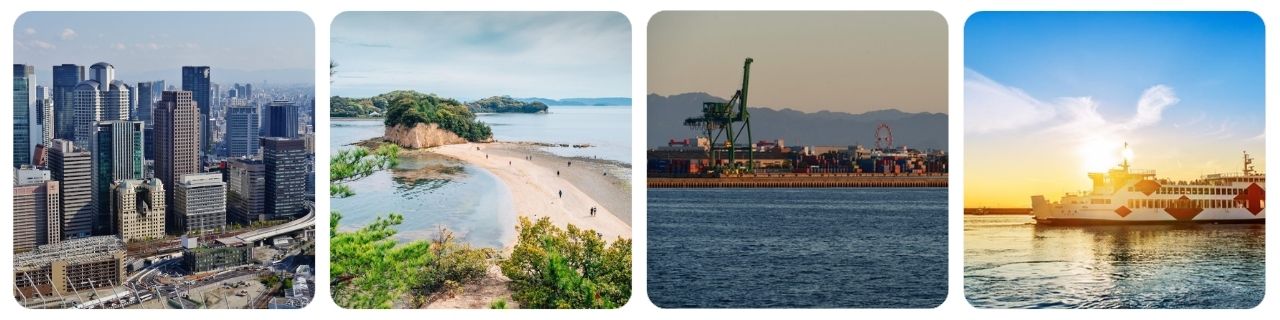
Osaka is one of the easiest gateways to reach Shodoshima, the olive-scented island in the Seto Inland Sea; here’s how to go from city to island with simple, step-by-step routes by train, ferry, car, and tours.
At A Glance (Osaka to Shodoshima)
| Mode | Duration | Best For |
|---|---|---|
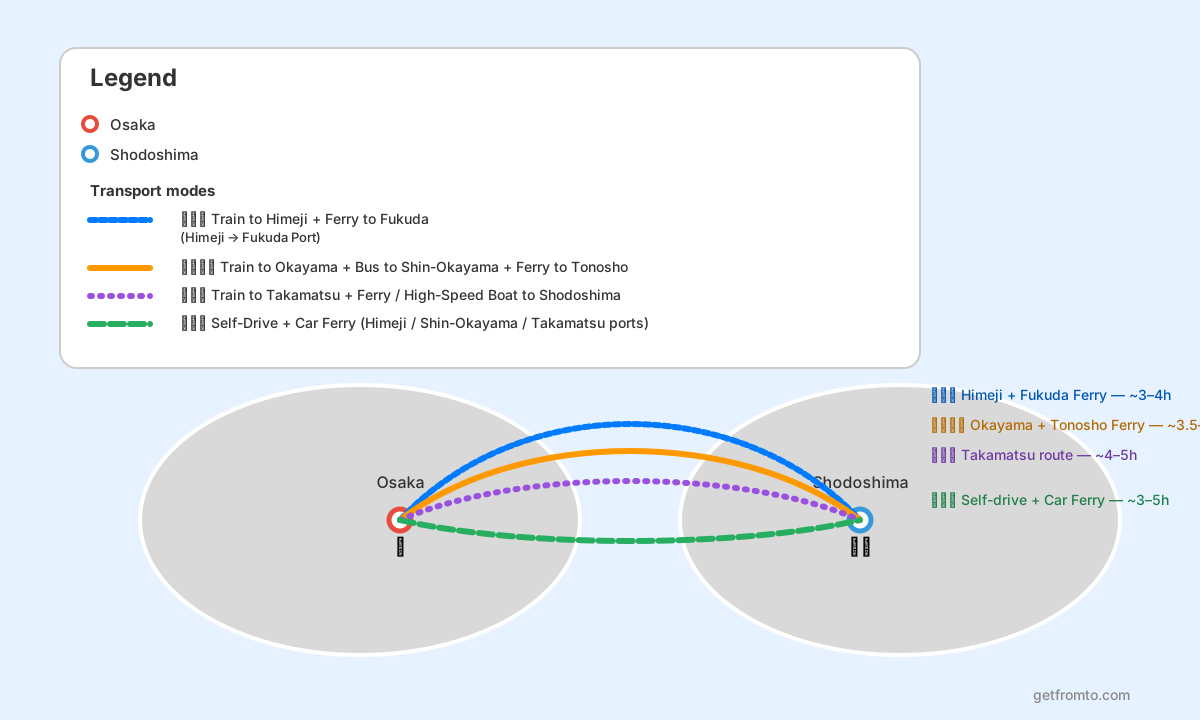
| 🚆⛴️ Train to Himeji + Ferry to Fukuda (Himeji → Fukuda Port) | ~3–4h total (Osaka⇄Himeji train + ~100m ferry) | First-timers, good balance of speed & cost |
| 🏷️ Cost: ~¥3,500–5,000 one-way (train + ferry) » compare JR-West trains | ferry e-tickets | ||
| 🚆🚌⛴️ Train to Okayama + Bus to Shin-Okayama + Ferry to Tonosho | ~3.5–4.5h (Shinkansen/local train + ~40m bus + ~70m ferry) | Travelers combining Osaka with Okayama/Kurashiki |
| 🏷️ Cost: ~¥7,000–9,000 one-way » search Shinkansen seats | Shin-Okayama⇄Tonosho timetable | ||
| 🚆⛴️ Train to Takamatsu + Ferry/High-Speed Boat to Shodoshima | ~4–5h (via Okayama + 60m ferry or 35m high-speed) | Those also visiting Kagawa, Naoshima & other art islands |
| 🏷️ Cost: ~¥8,000–10,000 one-way » plan a Takamatsu stopover | ferries & island passes | ||
| 🚗⛴️ Self-Drive + Car Ferry (Himeji / Shin-Okayama / Takamatsu ports) | ~3–5h (traffic & route dependent) | Families, road-trippers, lots of luggage |
| 🏷️ Cost: From ~¥15,000–25,000+ per day (rental car, tolls, fuel, ferry) » compare Osaka car rentals | sample car-ferry fares (PDF) | ||
Which Option or Route Should You Choose?
- Fastest / Most convenient for first-timers: Option #1 – Train to Himeji + Ferry to Fukuda. Simple transfers, plenty of departures, and easy same-day round trips from Osaka.
- Best if you also want to see Okayama or Kurashiki: Option #2 – Train to Okayama + Shin-Okayama–Tonosho ferry. Great if you’re already heading west on the Sanyo Shinkansen.
- Most scenic / art-island combo: Option #3 – via Takamatsu. Combine Shodoshima with Naoshima, Teshima and Kagawa’s sights in one loop of the Seto Inland Sea.
- Most flexible for exploring the island in depth: Option #4 – Self-drive + car ferry. Ideal if you want to chase viewpoints, remote beaches and hot springs at your own pace.
How to Book and Practical Tips
- Train tickets: For Shinkansen and limited express seats between Osaka, Okayama and Takamatsu, you can use ticket machines, JR-West counters, or book online through platforms such as Trip.com Trains. If you’re doing multiple long-distance rides, consider a JR Rail Pass, which some agencies (including 12Go’s JR-West offerings) can help you compare.
- Ferries: Most ferries to Shodoshima do not strictly require reservations for foot passengers outside of peak holidays, but it’s smart to check current schedules and fares on official sites like the Himeji–Fukuda and Takamatsu–Tonosho pages before you go. For peace of mind, you can also look for e-tickets on Klook.
- Hotels & packages: If you need a place near Osaka Station or on Shodoshima itself, platforms like Booking.com (Osaka hotels) and Booking.com (Tonosho/Shodoshima) make it easy to bundle hotels with flights into Kansai Airport.
- Luggage logistics: Big suitcase? Store it around Osaka Umeda or Namba and travel light to the island using services like Radical Storage near Osaka-Umeda Station or Radical Storage at Namba, then just bring a small overnight bag onto the ferry.
- On-island transport: Shodoshima has buses and taxis, but many visitors rent a car or bike to explore places like Kankakei Gorge, Olive Park and Angel Road more easily. You can check local scooter/bicycle options via aggregators such as BikesBooking, or use rental shops in Takamatsu and Osaka before boarding a ferry.
- Private transfers & ride-hailing: If you’re coming straight from Kansai International Airport or want door-to-port transfers, look at services like Welcome Pickups Osaka or GetTransfer in Osaka, and as an alternative in Japan you can also hail regular taxis via apps such as Uber (taxi-hailing only) or the GO taxi app in major cities.
🚆⛴️ Option #1 — Train to Himeji + Ferry to Fukuda (Most Popular, Good Value)
Low–mid cost Simple transfers Great for day trips
- Overview: Travel from Osaka (Osaka or Shin-Osaka Station) to Himeji by JR train, then connect by local bus or taxi to Himeji Port for the car ferry to Fukuda Port on Shodoshima (~100 minutes across the Seto Inland Sea).
- Typical timing: ~60m Osaka→Himeji by JR Special Rapid (or ~30m by Shinkansen from Shin-Osaka), plus ~20–30m to the port and ~100m on the ferry. Allow 3–4 hours total one-way including waiting time.
- How to book (with price):
- JR Osaka→Himeji: around ¥1,500–3,000 depending on train type. Check and pre-book through Trip.com Trains or buy at JR ticket machines.
- Himeji→Fukuda ferry: adult fares are roughly in the ¥1,500–2,000 range one-way for foot passengers, with 7 daily sailings on the Himeji–Fukuda route. See up-to-date times on the Himeji–Fukuda page at Shodoshima Ferry or Shikoku-Guide.
- Pros: Lots of departures, simple route, beautiful sea views and easy to combine with Himeji Castle on the same day.
- Cons: Two transfers (Himeji Station→Himeji Port and Fukuda→your accommodation); ferries can be affected by rough weather.
Step-by-step: Train to Himeji + Ferry to Fukuda
- Start in Osaka: From central Osaka, head to Osaka Station (JR) or Shin-Osaka Station if you prefer the Shinkansen. Both are easy to reach by subway or JR loop line.
- Ride JR to Himeji: Take a JR Special Rapid (shin-kaisoku) from Osaka Station or a Sanyo Shinkansen from Shin-Osaka to Himeji Station. Reserve seats online via Trip.com or simply tap in with an IC card and find a non-reserved car.
- Transfer to Himeji Port: At Himeji Station, follow signs for the bus stops and board the bus bound for Himeji Port (about 20–30 minutes), paying with cash or IC card. Alternatively, take a taxi from the station, or for door-to-door comfort you could pre-book a private car from Osaka directly to Himeji Port via GetTransfer or similar services, or use taxi/ride-hailing apps like Uber or GO in the Osaka area.
- Buy ferry tickets: At Himeji Port, go to the Shodoshima Ferry ticket counter, check the latest schedule and buy one-way or round-trip tickets to Fukuda Port. In busy seasons (Golden Week, Obon, New Year), arrive early as ferries can fill up.
- Board the ferry: Follow staff instructions to board. You can relax in indoor seating, on deck, or grab simple snacks and drinks while enjoying island views as you sail across the Seto Inland Sea.
- Arrive at Fukuda Port: At Fukuda, you’ll find buses and taxis to main resort areas and sights around Shodoshima, or you can pick up a pre-booked rental car or bicycle.
Getting to the main embarking points (Himeji Port)
- From central Osaka (Umeda): Take a JR Special Rapid from Osaka Station (about 60m to Himeji). Trains are frequent, and if you prefer more comfort you can target a limited express or Shinkansen via Shin-Osaka.
- From Namba/Shinsaibashi: Ride the subway or Nankai Line to JR Namba or Osaka Station, then connect to JR westbound trains. If you’re carrying big luggage, consider storing it around Namba or Umeda using Radical Storage near JR Namba or their Umeda options.
- From Kansai International Airport (KIX): Take the Haruka limited express or Nankai trains into Osaka, or pre-book a car with Welcome Pickups airport taxis, then continue by train to Himeji.
- Locations/Trip Planner: 🔗 Google Map / 🔗 OpenStreetMap
🚆🚌⛴️ Option #2 — Train to Okayama + Bus to Shin-Okayama Port + Ferry to Tonosho
Higher comfort Great if using JR Pass Good connections
- Overview: From Osaka or Shin-Osaka, ride the Sanyo Shinkansen (or conventional JR line) to Okayama Station, take a bus or taxi to Shin-Okayama Port, then board the car ferry to Tonosho Port on Shodoshima (about 70 minutes).
- Typical timing: ~45–60m by Shinkansen from Shin-Osaka to Okayama, ~40m by bus/taxi to the port, ~70–80m on the ferry. Allow around 3.5–4.5 hours total including transfers.
- How to book (with price):
- Osaka→Okayama train: Shinkansen fares are typically ¥5,000–7,000 one-way depending on seat class and booking channel. Compare options on Trip.com or with JR-West.
- Okayama→Shin-Okayama Port: Local buses run from Okayama Station to the port; pay with cash or IC card, or use a taxi if you’re in a group.
- Shin-Okayama→Tonosho ferry: Adult one-way passenger fares are roughly around ¥1,500–1,600, with multiple daily ferries. Check the current timetable and fares on the Shin-Okayama–Tonosho information page.
- Pros: Very JR Pass–friendly, comfortable Shinkansen ride, and Tonosho is a central port with good bus connections around the island.
- Cons: Slightly higher cost than Himeji route; an extra bus/taxi segment between Okayama Station and the port.
Step-by-step: Via Okayama & Shin-Okayama Port
- Head to Shin-Osaka Station: From anywhere in Osaka, ride the subway or JR lines to Shin-Osaka, the main Shinkansen hub.
- Take the Shinkansen to Okayama: Board a Sanyo Shinkansen train towards Hiroshima/Fukuoka and get off at Okayama. With a JR Pass, you can use Hikari or Sakura services without extra charge in most cases.
- Connect to Shin-Okayama Port: Outside Okayama Station, follow signs to the bus stops for Shin-Okayama Port or take a taxi (about 30 minutes). If you’re a group with luggage, consider a pre-booked car or minivan using services like GetTransfer Japan.
- Buy ferry tickets: At Shin-Okayama Port, purchase tickets for the Tonosho-bound car ferry. In busy seasons, aim for morning departures to maximize your time on the island.
- Arrive at Tonosho Port: Tonosho is Shodoshima’s main gateway, with buses to Olive Park, Kankakei Gorge, Angel Road and other attractions, plus several hotels within walking distance.
Getting to the main embarking points (Shin-Okayama Port)
- From Osaka Station: Ride a local JR train or subway to Shin-Osaka, then board the Sanyo Shinkansen to Okayama. If you prefer to avoid Shinkansen, slower JR lines are cheaper but take about 2+ hours.
- From Kansai Airport: Take the Haruka limited express to Shin-Osaka and transfer to the Shinkansen, or use a pre-booked airport transfer service such as Welcome Pickups or ride-hailing via Uber to reach Shin-Osaka first.
- Locations/Trip Planner: 🔗 Google Map / 🔗 OpenStreetMap
🚆⛴️ Option #3 — Train to Takamatsu + Ferry/High-Speed Boat to Shodoshima
Scenic Great with art islands Flexible ports
- Overview: Reach Takamatsu (Kagawa Prefecture) by train via Okayama, then sail to Shodoshima from Takamatsu Port by regular ferry (~60 minutes) or high-speed boat (~35 minutes) to Tonosho, Ikeda or Sakate ports.
- Typical timing: ~2.5–3h Osaka→Takamatsu (including change at Okayama), plus 35–60m on the boat. Allow ~4–5h total.
- How to book (with price):
- Osaka→Takamatsu: Use Shinkansen from Shin-Osaka to Okayama, then the Marine Liner to Takamatsu. Expect roughly ¥7,000–9,000 one-way without passes; check combos on Trip.com.
- Takamatsu→Shodoshima ferries: Foot-passenger fares are typically under ¥1,500 one-way depending on operator and speed. Schedules and times are listed on Takamatsu–Tonosho information pages and operators like Shodoshima Ferry and Jumbo Ferry.
- Tours & passes: If you prefer a packaged experience, look at day trips and multi-day Seto Inland Sea tours that include Shodoshima on sites such as GetYourGuide’s Shodoshima activities or broader Shikoku itineraries from Osaka.
- Pros: Easy to combine with Naoshima/Teshima and Kagawa’s highlights like Ritsurin Garden; multiple arrival ports give you flexibility for where you stay.
- Cons: Slightly longer overall travel time from Osaka; more planning if you’re trying to connect ferries with art island ferries.
Step-by-step: Via Takamatsu
- Osaka to Okayama: From Shin-Osaka, ride the Sanyo Shinkansen west to Okayama.
- Okayama to Takamatsu: Transfer to the Marine Liner train across the Seto-Ohashi Bridge to Takamatsu Station, right next to the port.
- Walk to Takamatsu Port: From the station, it’s only a few minutes on foot to Takamatsu Port, where ticket counters for Shodoshima-bound ferries and high-speed boats are clearly signposted.
- Choose your Shodoshima port: Decide whether you prefer Tonosho (most central), Ikeda or Sakate, depending on your hotel and planned sights.
- Buy your ticket & board: Purchase a ferry or high-speed boat ticket, then board when your sailing is announced. High-speed boats are faster but often cost a bit more and have less outdoor deck space.
- Arrive & transfer: At your chosen Shodoshima port, connect to buses, taxis or rental vehicles to reach Olive Park, Kankakei Gorge, Angel Road and other attractions.
Getting to the main embarking points (Takamatsu Port)
- From Osaka: The standard route is Shin-Osaka → Okayama (Shinkansen) → Takamatsu (Marine Liner). Some long-distance buses to Takamatsu also depart from Osaka/Umeda if you prefer an overnight option.
- From Kansai or Itami airports: Take airport buses or trains into central Osaka, then continue by rail. If you want a smoother start, private airport transfers from Welcome Pickups Osaka or taxis booked via Uber/GO can take you directly to Shin-Osaka Station.
- Locations/Trip Planner: 🔗 Google Map / 🔗 OpenStreetMap
🚗⛴️ Option #4 — Self-Drive from Osaka + Car Ferry
Very flexible Great for families Higher total cost
- Overview: Rent a car in Osaka, drive via expressways to Himeji Port, Shin-Okayama Port or Takamatsu Port, then board a car ferry to Shodoshima with your vehicle. Once on the island, you can easily reach viewpoints, remote beaches, farm roads and hot springs.
- Typical timing: ~1.5–2.5h drive from Osaka to the ports (depending on route and traffic), plus 60–100m ferry time.
- How to book (with price):
- Car rental: Expect around ¥8,000–15,000 per day for a compact–mid-size car in Osaka, plus highway tolls and fuel. Compare deals on Booking.com Car Rental in Osaka or similar platforms.
- Car ferry: Ferries charge a combined fee for vehicle length and driver, with additional fares for passengers. Sample discount tickets for cars 3–6m long between Shin-Okayama and Tonosho start around ¥9,670+ including driver.
- Pros: Maximum flexibility, easy luggage handling, convenient for families or groups, and great for exploring Shodoshima’s interior roads and viewpoints.
- Cons: Driving on Japanese expressways (tolls), navigating ports, and higher overall cost; you must be comfortable driving on the left with Japanese road rules.
Step-by-step: Self-Drive + Car Ferry
- Rent your car in Osaka: Pick up your vehicle around Umeda, Namba or Shin-Osaka through a major rental company or via aggregators like Booking.com Car Rental. Ensure your booking includes ETC for tolls if possible.
- Drive to your chosen port: Use your navigation app to head to Himeji Port, Shin-Okayama Port or Takamatsu Port. Plan rest breaks at service areas, and remember that Japan has strict drink-driving laws (zero tolerance).
- Buy car-ferry tickets: At the port, follow signs for car ferries, line up in the designated lane, and buy a ticket based on vehicle length and passenger count. Staff will direct you onto the ship.
- Onboard: Park where instructed, set your handbrake and take valuables with you to the passenger deck. Enjoy the views from the lounge or open deck.
- Arrive on Shodoshima: Drive off the ferry and continue to your accommodation. The island is hilly with narrow roads in some areas, so drive cautiously.
Getting to the main embarking points (by car)
- Osaka → Himeji Port: Follow the Hanshin and Sanyo expressways west towards Himeji, then local roads to Himeji Port.
- Osaka → Shin-Okayama Port: Drive via the Sanyo Expressway to Okayama and follow signs to Shin-Okayama Port.
- Osaka → Takamatsu Port: Use the Seto-Chuo Expressway across the Seto-Ohashi Bridge into Kagawa, then follow signs to Takamatsu Port.
- Locations/Trip Planner: 🔗 Google Map / 🔗 OpenStreetMap
FAQ (Osaka to Shodoshima)
Do I need to reserve ferry tickets from Himeji, Okayama or Takamatsu in advance?
Most foot passengers simply buy tickets at the port on the day, and in low–moderate seasons that’s usually fine. However, during peak periods (Golden Week, Obon, New Year, and weekends of major festivals like the Setouchi Triennale) popular sailings can fill up, especially for cars. In those cases, arrive early and consider using advance reservation systems where available, or look for e-tickets on platforms such as Klook or tour packages that include ferry seats.
Can I use a Japan Rail Pass or JR-West regional pass for this trip?
Yes, JR passes generally cover the JR train portions (Osaka/Shin-Osaka⇄Himeji/Okayama/Takamatsu) but not the private buses or ferries. Many travelers with passes choose the Okayama or Takamatsu routes to make better use of their long-distance rail coverage, then pay separately for buses and boats. Check the specific pass details before you travel and note that seat reservations on Shinkansen and limited express trains can still be made at JR counters.
What’s the best time of year to visit Shodoshima?
Shodoshima has a mild, Mediterranean-like climate with relatively warm winters and hot, humid summers, and it’s famous for olives, somen noodles and coastal scenery. Spring (March–May) offers comfortable temperatures and blossoms, summer is beach season, and autumn (late September–November) brings clearer skies and foliage in Kankakei Gorge. Winter is quieter but usually still milder than mainland regions.
How many days should I stay on Shodoshima?
A very fast visit is possible as a (long) day trip from Osaka via Himeji, but most people enjoy at least 1–2 nights on the island to explore Olive Park, Angel Road, Kankakei, soy sauce towns and scenic drives without rushing. With 3 days you can combine Shodoshima with neighbouring art islands like Naoshima or Teshima.
Can I get around Shodoshima without a car?
Yes, but you’ll need to plan around bus timetables. Buses link the main ports, Olive Park, Kankakei Gorge, Angel Road and several villages, and taxis are available at major hubs. For more freedom, many visitors rent a car, scooter or bicycle for at least a day, especially if staying in more remote areas.
Related Tours/Services
Popular Routes
Recent Routes
- How to get from Cairo International Airport to Egyptian Museum
- How to get from Amman Queen Alia Airport to Downtown Amman
- How to get from Punta Cana Airport to Punta Cana Resort
- How to get from Lima Jorge Chavez Airport to Barranco
- How to get from Bogotá El Dorado Airport to Monserrate
- How to get from Quito to Quilotoa Loop
- How to get from Taitung to Orchid Island
- How to get from Seoul to Ulleungdo
- How to get from Beijing to Harbin
- How to get from Osaka to Shodoshima
Top Travel Gears

Luggage Straps Bag Bungee, Luggage Straps Suitcase Adjustable Belt,Add a Bag Easy to Travel Suitcase Elastic Strap Belt – (Black)
COSLUS T40 Mini Water Flosser for Travel: Portable Compact Design, Cordless Oral Irrigator with 4 Modes, Removable Tank, IPX7 Waterproof for Braces, Orthodontic, Sensitive Teeth On-the-Go Use, Black

zelin Anti Theft Zipper Clips Double Opening Small Carabiner Clips, 4Pcs Elegant Zinc Alloy Zipper Pull Replacement for Travel, Commuting and Camping (Space Grey)

Zuihug 1Pack Travel Pill Organizer - 10 Compartments Pill Case, Compact and Portable Pill Box, Perfect for On-The-Go Storage, Pill Holder for Purse Gray

Weighted Eye Mask for Sleeping - 3D Blackout Sleep Mask for Women Men, Zero Eye Pressure, Lash-Friendly, Adjustable Strap, Airplane Travel Essentials for Long Flight & Road Trip, Meditation Mask(Gray)
