

How to get from Puerto Varas to Chiloe Island
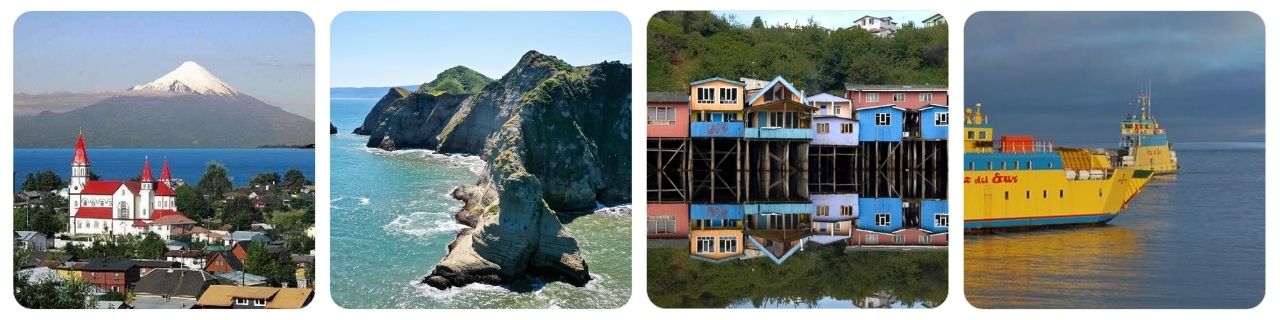
How to travel from Puerto Varas to Chiloe Island is straightforward once you understand how buses, ferries, and roads connect this corner of Chile’s Lake District.
At A Glance (Puerto Varas to Chiloe Island)
| Mode | Duration | Best For |
|---|---|---|
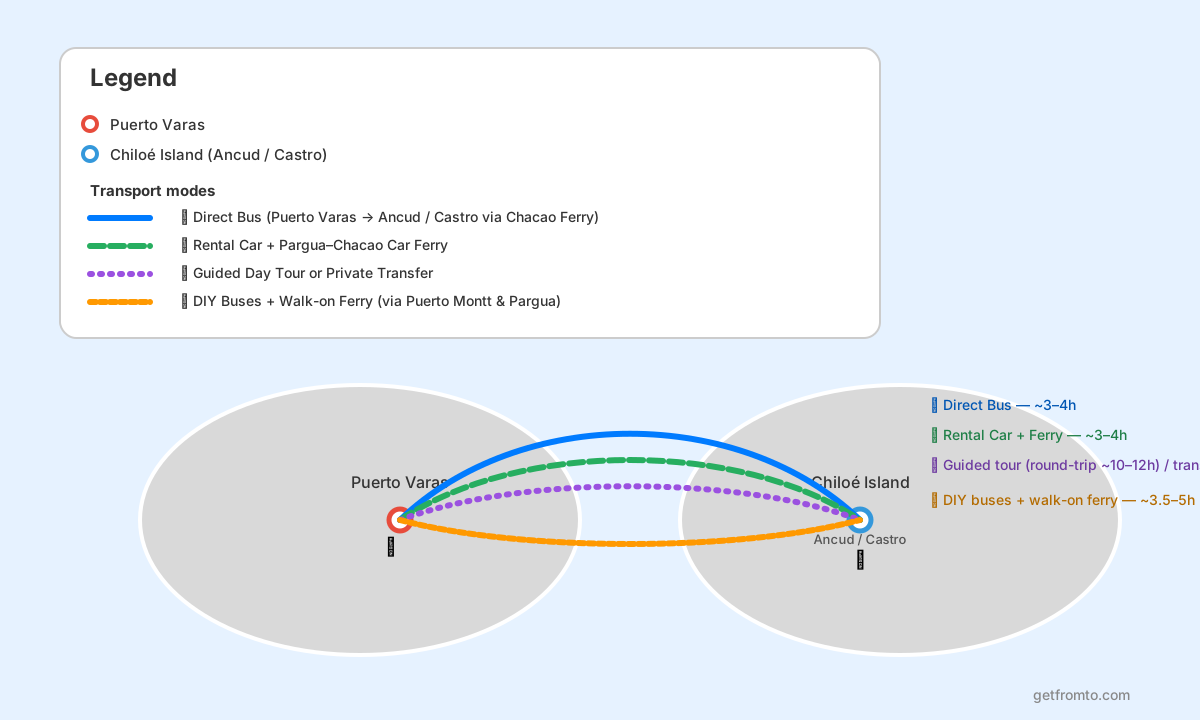
| 🚌 Direct Bus (Puerto Varas → Ancud / Castro via Chacao Ferry) | ~3–4 hours total | Most travelers, budget-friendly & simple |
| 🏷️ Cost: roughly CLP 6,000–12,000 per person one-way (about 7–13 USD), depending on destination and season | ||
| 🚗 Rental Car + Pargua–Chacao Car Ferry | ~3–4 hours door-to-door (Puerto Varas → Castro) | Scenic stops, road-trippers, small groups |
| 🏷️ Cost: car rental from roughly 40–70 USD per day plus ~15–25 USD per car for the ferry each way; fuel extra » compare car rentals | ||
| 🧭 Guided Day Tour or Private Transfer | ~10–12 hours round-trip (full-day tour) or ~3 hours one-way transfer | Hands-off logistics, first-time visitors |
| 🏷️ Cost: group day tours typically from ~60–100 USD per person; private transfers vary by vehicle size and route » see full-day tour options | ||
| 🧳 DIY Buses + Walk-on Ferry (via Puerto Montt & Pargua) | ~3.5–5 hours, depending on connections | Ultra-budget travelers, flexible itineraries |
| 🏷️ Cost: multiple local buses plus foot-passenger ferry, from roughly CLP 5,000–9,000 per person one-way » example regional bus schedules | ||
Which Option or Route Should You Choose?
- Fastest and most convenient overall: For most visitors, the 🚌 Direct Bus from Puerto Varas straight to Ancud or Castro is the best mix of speed, price, and simplicity. You stay on the same bus for the ferry crossing, and you do not need to worry about separate tickets for each segment.
- Best if you want to explore at your own pace: Choose the 🚗 Rental Car + Car Ferry route. This gives you freedom to stop in small villages, viewpoints, and side roads on both the mainland and Chiloe, and it is ideal if you plan to spend several days on the island.
- Most hassle-free for a short visit: If you just want a taste of Chiloe without dealing with logistics, the 🧭 Guided Day Tour from Puerto Varas is ideal. Hotel pickup, ferry, and key stops such as Chacao, Castro, and Dalcahue are usually bundled together.
- Cheapest and most flexible for slow travelers: The 🧳 DIY Buses + Walk-on Ferry option lets you fine-tune every leg, get off in smaller places, and travel like locals. It is a bit more work, but easy enough if you speak some Spanish.
How to Book and Practical Tips
- Getting to Puerto Varas: If you are starting elsewhere in Chile, you will typically fly or take an overnight bus to nearby Puerto Montt, then continue 20–30 minutes by bus or shuttle to Puerto Varas. You can compare long-distance buses and flights to Puerto Montt on 12Go, and search for flights on Booking.com Flights.
- Where to stay: For lake views and easy tour pickups, it is convenient to overnight in central Puerto Varas. You can compare hotel options in Puerto Varas on Trip.com or Booking.com, and later look for cozy palafito-style stays in Castro on Trip.com for Castro.
- Car rental and parking: If you plan to self-drive, reserve a vehicle in advance, especially in high season (December–February). You can compare deals from major brands via Booking.com Car Rental or look at boutique hotel packages with parking in Puerto Varas on sites like Klook-listed hotels.
- Tours and activities: For ready-made Chiloe day trips from Puerto Varas, browse options on GetYourGuide or check broader Chile tours and day trips on Klook.
- Transfers and ride-hailing: If you need an airport transfer in Santiago before flying south, you can pre-book a driver through Welcome Pickups or use ride-hailing apps like Uber, Cabify, or DiDi, which operate widely in Chile. For private car or van transfers directly between Puerto Varas and Chiloe (e.g. a family group to Castro), you can request quotes via GetTransfer.com.
- Luggage and storage: If you need to leave bags behind in a bigger city before heading to the island, check worldwide luggage networks like Radical Storage, or use left-luggage services (custodia) at major Chilean bus terminals where available.
- Onward travel and two-wheel options: Some travelers continue overland from Chiloe deeper into Patagonia, or loop back north along the Lake District. If you are planning a wider Chile road trip or road-and-bike adventure, you can browse motorbike and scooter rentals in major cities on BikesBooking.
- Season and weather: Weather is changeable all year. Pack layers and a waterproof jacket even in summer. In winter, allow extra time in case of heavy rain, strong winds, or fog across the Chacao Channel.
🚌 Option #1 — Direct Bus (Most Popular, Good Value)
Low cost Simple logistics Fixed schedule
- Overview: Buses run directly from Puerto Varas bus terminal to key towns on Chiloe, usually Ancud and Castro. The bus drives south along Route 5, boards the car ferry at Pargua, crosses the Chacao Channel, and continues on the island. You stay with your luggage the entire way.
- Typical travel time: About 3 hours from Puerto Varas to Ancud, and around 3.5–4 hours to Castro, depending on traffic, season, and ferry queues.
- How to book (with price): Most travelers buy tickets at the Puerto Varas bus terminal shortly before departure or the day before. Expect fares roughly in the CLP 6,000–12,000 range (about 7–13 USD) per person one-way, varying by operator and destination. If you are connecting from further away (for example, Santiago to Puerto Montt), you can compare long-distance bus and flight options on 12Go and then continue to Puerto Varas on a short local bus or shuttle.
- Pros: Cheapest and easiest option, only one ticket for the whole journey, no need to manage the ferry separately, and buses are comfortable with reclining seats.
- Cons: You are tied to the bus timetable, and it is harder to stop spontaneously at viewpoints or smaller villages along the way.
- When this option makes sense: Ideal if you are traveling with light to medium luggage, want the simplest route, and plan to base yourself in main towns such as Ancud or Castro.
Step-by-step: Direct Bus from Puerto Varas to Chiloe
- Make your way to the main bus terminal in Puerto Varas. It is a short walk or quick taxi ride from the central plaza and lakefront.
- At the ticket counters, ask for buses to Ancud or Castro on Chiloe. Note your departure time and platform (anden).
- Board the bus 10–15 minutes before departure. Keep your ticket handy, and store large luggage in the under-bus compartment while keeping valuables with you.
- The bus heads south on Route 5, usually passing by Puerto Montt and then Pargua, where all vehicles board the ferry. You stay either inside the bus or can get out onto the deck during the 30–40 minute crossing.
- After disembarking at Chacao, the bus continues along the island highway. It will first reach Ancud, then continue further south to Castro on some services.
- Once you arrive at your chosen town, collect your luggage and, if needed, connect to a local taxi or minibus to reach your accommodation.
Getting to the main embarking points (Puerto Varas Bus Terminal)
- On foot: If you are staying near the plaza or lakeside, you can usually walk to the bus terminal in 10–15 minutes. Allow extra time if traveling during rush hour or with luggage.
- Local bus or colectivo: Ask your host or hotel about colectivos or local buses that pass near the terminal. This can be cheaper than a taxi, but check schedules if traveling early or late.
- Taxi or ride-hailing: Standard taxis are easy to find in central Puerto Varas. You can also try ride-hailing apps such as Uber, Cabify, or DiDi (availability varies, so it is wise to have more than one app installed).
- Locations/Trip Planner: 🔗 Google Map / 🔗 OpenStreetMap
🚗 Option #2 — Rental Car + Pargua–Chacao Car Ferry (Most Scenic & Flexible)
Great for small groups Maximum flexibility Requires confident driving
- Overview: Drive from Puerto Varas to the ferry port of Pargua, take your car aboard a roll-on/roll-off ferry across the Chacao Channel, then continue driving on Chiloe to Ancud, Castro, or wherever you choose. Ferries operate frequently, and you pay directly at the dock.
- Typical travel time: From Puerto Varas to Pargua is usually around 1–1.5 hours. The ferry crossing takes roughly 30–40 minutes, and the onward drive to Ancud adds about 30–40 minutes; to Castro, about 1.5 hours more, depending on traffic and stops.
- How to book (with price): Rent your car in Puerto Varas or at Puerto Montt Airport. Daily rates often start around 40–70 USD, depending on car type and season. You do not need to pre-book the ferry for standard vehicles; simply queue and pay at the terminal. Fares are typically charged per vehicle (car plus passengers). For car rental comparisons, check Booking.com Car Rental, and if you prefer packages including hotels, some properties around the lake are also listed on Klook.
- Pros: Total freedom to detour into small fishing villages, viewpoints, and national parks, no need to carry luggage on and off buses, and easier if traveling as a family or group.
- Cons: More expensive than the bus once fuel, tolls, and ferry fees are included; driver must be comfortable with wet and sometimes windy conditions; parking in busier parts of Castro or Ancud can be tight.
- When this option makes sense: Best if you have at least two full days or more on Chiloe, want to explore rural backroads and remote churches, or are continuing a longer road trip through southern Chile.
Step-by-step: Self-drive from Puerto Varas to Chiloe
- Pick up your rental car in Puerto Varas or Puerto Montt. Check that your contract allows taking the vehicle on ferries and that you have the required insurance documents.
- From Puerto Varas, join Route 5 heading south toward Puerto Montt, then continue past the city in the direction of Pargua. Road signs clearly indicate the turn-offs for the ferry terminals.
- Arrive at Pargua and join the queue for the next available ferry. Staff will direct you when it is time to drive on board and tell you where to park on the deck.
- Pay for the ferry at the booth or with staff (usually in cash or by card, depending on operator). During the 30–40 minute crossing you can stay in the car or walk on deck for sea views and potential dolphin or seabird sightings.
- Disembark at Chacao on Chiloe Island and follow the main road toward Ancud or further south to Castro, Quellon, or your chosen destination.
- Refuel when convenient and always keep an eye on your tank if you plan to roam on smaller rural roads, where service stations are more widely spaced.
Getting to the main embarking points (Pargua Ferry Terminal)
- From Puerto Varas: Follow signs for Route 5 south toward Puerto Montt, then continue on Route 5 past the city toward Pargua. Stay alert for signs indicating ferries to Chiloe or Chacao.
- From Puerto Montt Airport: If you pick up a car at the airport, you can join Route 5 directly and head toward Pargua. This is a straightforward, well-traveled highway drive.
- Navigation: Most rental vehicles allow you to connect your phone via cable or Bluetooth, so using offline maps from your preferred app makes navigation easy, even if mobile signal drops.
- Locations/Trip Planner: 🔗 Google Map / 🔗 OpenStreetMap
🧭 Option #3 — Guided Day Tour or Private Transfer (Easiest, Door-to-Door)
No planning needed Hotel pickup Less flexibility
- Overview: Join a full-day tour from Puerto Varas that includes hotel pickup, highway transfer, the Pargua–Chacao ferry, and a circuit of main sights such as the town of Chacao, the palafitos (stilt houses) around Castro, and coastal villages like Dalcahue. Everything is prearranged.
- Typical travel time: Most itineraries last around 10–12 hours door-to-door. You will spend several hours on the road and ferry, plus sightseeing stops, lunch, and short walking tours.
- How to book (with price): Tours usually start around 60–100 USD per person, depending on inclusions and group size. You can browse detailed itineraries and reviews on GetYourGuide’s Chiloe day trips or look at other Chile excursions on Klook. For overnight stays before or after your tour, search hotel deals in Puerto Varas on Trip.com or Booking.com.
- Private transfers: If you prefer a one-way transfer (for example, from a Puerto Varas hotel to a Chiloe hotel), you can arrange a private car or van through platforms like GetTransfer.com, or ask your accommodation about local drivers. Ride-hailing apps such as Uber and Cabify are handy in bigger cities like Santiago or Puerto Montt but may be limited on the island itself.
- Pros: Driver and guide handle all the logistics, commentary brings Chilote culture to life, and you visit several highlights in one day without needing a car.
- Cons: Limited time at each stop, fixed timetable, and less freedom to linger or detour compared with self-driving.
- When this option makes sense: Great if you have only one free day in the region, dislike planning, or are traveling with someone who prefers a structured itinerary.
Step-by-step: Guided Day Tour from Puerto Varas
- Choose a tour that matches your interests (for example, classic highlights, UNESCO churches, or wildlife such as penguins) on GetYourGuide or a similar platform, and check pickup time and language options.
- On the day of the tour, be ready in your hotel lobby or designated meeting point 10–15 minutes before the agreed pickup time.
- Ride south along Route 5 with your group and guide. Your bus or minivan will drive onto the ferry at Pargua; you can usually step outside for photos during the crossing.
- Visit a planned selection of towns and viewpoints on Chiloe, such as Chacao, Ancud, Castro, and Dalcahue. Most tours include a stop for lunch at a local restaurant (usually at your own expense unless otherwise noted).
- In the afternoon, return via the same ferry crossing and highway to Puerto Varas. You are normally dropped back at your hotel or a central location in the early evening.
Getting to the main embarking points (Hotel or Central Pickup)
- Hotel pickups: Many tours include pickup from centrally located hotels in Puerto Varas. Make sure your booking confirms whether your accommodation is within the pickup zone.
- Central meeting points: If your lodging is outside the pickup area, the operator will usually give you a central meeting point such as the plaza or a specific hotel lobby. Arrive a little early to avoid delays.
- Reaching Puerto Varas: Before your tour day, you can reach Puerto Varas easily by local bus or shuttle from Puerto Montt. Fixed-route shuttles and vans are also listed on 12Go’s Puerto Montt–Puerto Varas page.
- Locations/Trip Planner: 🔗 Google Map / 🔗 OpenStreetMap
🧳 Option #4 — DIY Buses + Walk-on Ferry (Cheapest & Most Local)
Very budget-friendly Flexible stops More changes
- Overview: Instead of staying on a single through-bus, you can break the journey into smaller segments: Puerto Varas to Puerto Montt, Puerto Montt to Pargua, walk or ride onto the ferry as a foot passenger, then board local buses or colectivos on the Chiloe side.
- Typical travel time: Around 3.5–5 hours total, depending on how long you wait between connections and how many stops you choose to make.
- How to book (with price): Local buses are usually paid in cash directly to the driver or at simple ticket booths. The foot-passenger ferry ticket is inexpensive and bought at the terminal. If you want to pre-plan only the main legs (for example, Puerto Montt to Puerto Varas or vice versa), you can look at schedules and example fares on 12Go.
- Pros: Extremely flexible, makes it easy to stop for a few hours in Puerto Montt or small communities near the ferry, and lets you see how locals actually move around the region.
- Cons: More changes with luggage, more Spanish needed, and total travel time may be longer than taking a direct intercity bus.
- When this option makes sense: Suits slow travelers, backpackers, and those who enjoy piecing together local routes and lingering in lesser-known places.
Step-by-step: DIY Bus and Ferry Route
- Take a local bus or shuttle from Puerto Varas to Puerto Montt. These run frequently throughout the day and are inexpensive.
- At Puerto Montt bus terminal, look for buses heading south to Pargua or directly toward the Chiloe ferries. Confirm with the driver that the bus will drop you at the ferry terminal.
- Arrive at Pargua, pay for the foot-passenger ferry ticket, and board the vessel. Keep small change ready, as this is often the quickest way to pay.
- During the ferry crossing, enjoy views of the Chacao Channel, then disembark at Chacao on the Chiloe side.
- From Chacao, hop on local buses or colectivos traveling to Ancud or further to Castro and other towns. These usually depart soon after the ferry arrives but may be less frequent later in the evening.
- Once at your destination town, connect to local transport or walk to your accommodation as needed.
Getting to the main embarking points (Puerto Varas & Puerto Montt Terminals)
- Puerto Varas: Use the same access tips as in Option 1 to reach the bus terminal. Staff can point you toward frequent buses to Puerto Montt.
- Puerto Montt: From the Puerto Montt terminal, follow signage to platforms for southbound buses. If in doubt, ask for buses to Pargua or to the Chiloe ferry.
- Allow buffer time: When traveling this way, try to start early in the day, leaving a cushion in case one of your connecting buses is delayed.
- Locations/Trip Planner: 🔗 Google Map / 🔗 OpenStreetMap
FAQ (Puerto Varas to Chiloe Island)
Do I need to book the Pargua–Chacao ferry in advance?
For standard vehicles and foot passengers travelling between Pargua and Chacao, you normally do not need a reservation. Ferries run frequently throughout the day, and you simply queue and pay at the terminal. In very busy holiday periods, allow extra time for potential waiting lines.
Is the crossing to Chiloe rough or likely to be cancelled?
The Chacao Channel is short and usually manageable, but it can be windy and choppy in bad weather. Cancellations are relatively rare; the more common impact is slower boarding and possible delays. If a major storm is forecast, keep your plans flexible and check local updates before setting off.
Can I take a rental car onto the ferry?
Most rental cars can be taken on the Pargua–Chacao ferry without special arrangements, but always confirm with your rental company. Make sure your contract covers ferry crossings and that you have all necessary documents in the vehicle in case of inspections.
Is one day enough for Chiloe Island?
A full-day trip from Puerto Varas gives you a good first impression of Chiloe’s landscapes, palafitos, and a few towns. However, many visitors feel the island deserves at least two or three days to experience its quieter corners, local markets, and smaller fishing communities without rushing.