

How to get from Quito to Cuyabeno Reserve
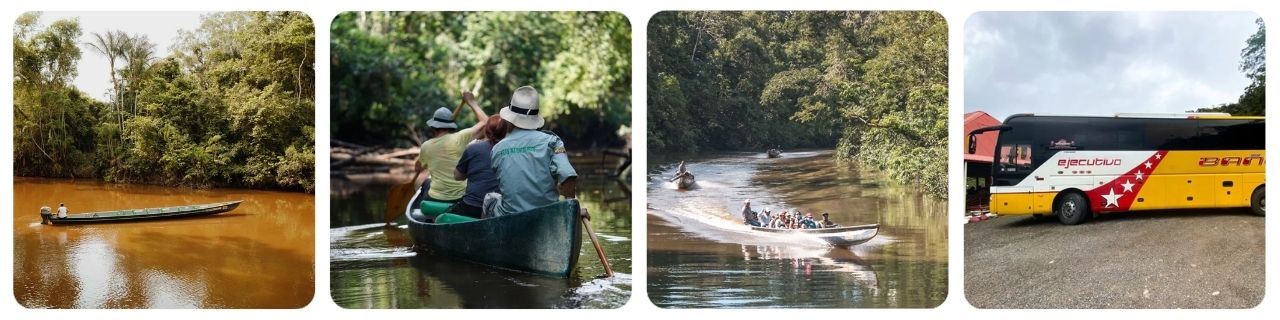
Planning your journey from Quito to Ecuador’s Cuyabeno Wildlife Reserve? Here’s how to combine buses, shuttles, flights, and canoe rides for a smooth trip into the Amazon.
At A Glance (Quito to Cuyabeno Reserve)
| Mode | Duration | Best For |
|---|---|---|
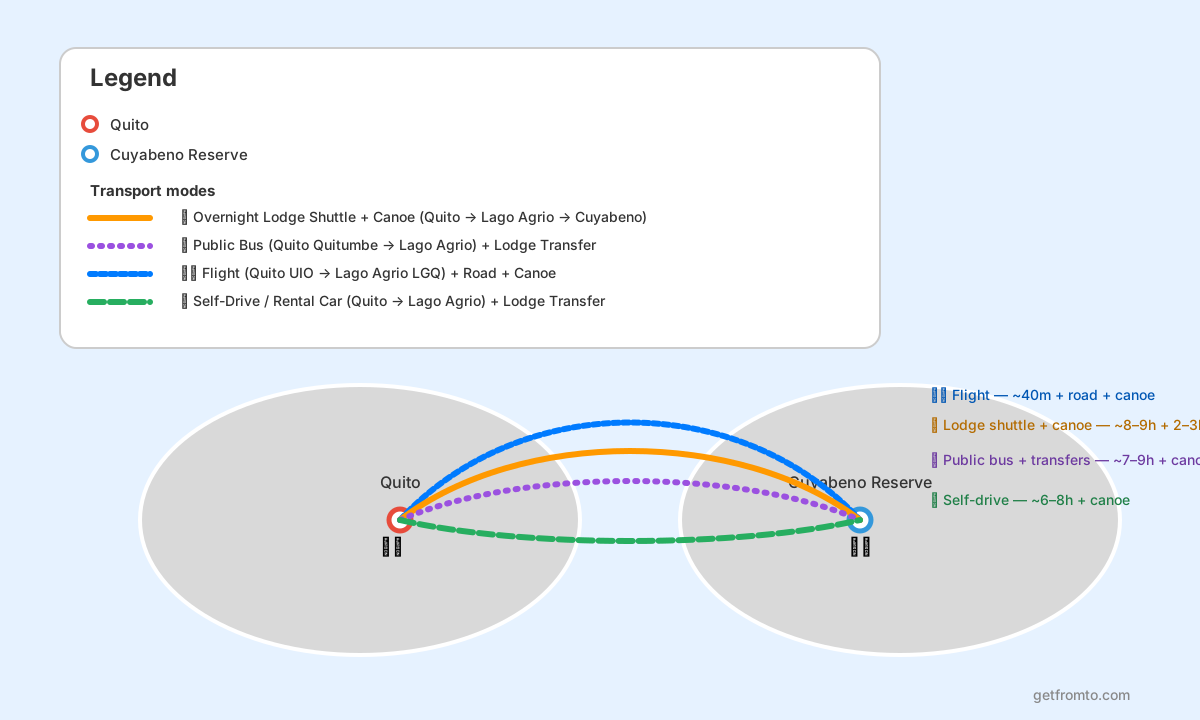
| 🚌 Overnight Lodge Shuttle + Canoe (Quito → Lago Agrio → Cuyabeno) | ~8–9h overnight by road + 2–3h canoe | Most travelers, stress-free & bundled with tours |
| 🏷️ Cost: Shuttle ~US$20–40 one-way (often added to Cuyabeno tour packages from ~US$280–450 for 3–5 days, all-inclusive). | ||
| 🚌 Public Bus (Quito Quitumbe → Lago Agrio) + Lodge Transfer | ~7–9h bus + 2h road + 2–3h canoe | Budget travelers, independent planners |
| 🏷️ Cost: Bus ~US$10–20 one-way; lodge transfer + canoe often included in tour price or ~US$20–40 extra. For other Ecuador bus routes you can compare options on 12Go. | ||
| ✈️ Flight (Quito UIO → Lago Agrio LGQ) + Road + Canoe | ~40m flight + 2h road + 2–3h canoe | Fastest travel, avoiding long overnight bus |
| 🏷️ Cost: Flight ~US$60–150+ one-way depending on season; transfers sometimes bundled with lodge. Check prices on Booking.com Flights or multi-leg itineraries on Trip.com. | ||
| 🚗 Self-Drive / Rental Car (Quito → Lago Agrio) + Lodge Transfer | ~6–8h driving + 2–3h canoe | Road-trip lovers, small groups sharing a car |
| 🏷️ Cost: Car hire from ~US$40–70/day from Quito or UIO Airport via Booking.com Car Rental; fuel & tolls extra. For two-wheel adventures around Quito, see motorcycle options on BikesBooking. | ||
Which Option or Route Should You Choose?
- Fastest / Most Convenient: Choose Option #3 – Flight via Lago Agrio if you prefer a short hop over the Andes and want to minimize overnight travel time.
- Most Popular & Hassle-Free: Option #1 – Lodge Shuttle + Canoe is usually the easiest because your Cuyabeno lodge handles buses, transfers, and the boat.
- Cheapest / Most Economical: Option #2 – Public Bus is the lowest-cost route if you’re comfortable navigating Quito’s bus terminal and booking tickets yourself.
- Most Scenic & Flexible: If you love road trips and may stop in small Andean and Amazonian towns en route, consider Option #4 – Self-Drive, but factor in long distances, changing weather, and cautious driving.
How to Book and Practical Tips
- Book your lodge first: Nearly all visits to Cuyabeno are via organized lodges or tours (3–5 days, full-board). Confirm where and when they pick you up (Quito, Lago Agrio, or Cuyabeno Bridge) before arranging transport.
- Use trusted platforms for flights & cars: For Quito–Lago Agrio flights and connecting tickets into Ecuador, compare fares on Booking.com Flights and build your itinerary. For self-drive plans, pre-book a vehicle at Quito or UIO Airport via Booking.com Car Hire at UIO.
- Quito airport & city transfers: If you land in Quito and connect later to a Cuyabeno bus or flight, consider door-to-door rides from Welcome Pickups or pre-booked taxis on GetTransfer.com. Within the city, ride-hailing apps like Uber complement standard yellow taxis.
- Pack light for the jungle: Many travelers leave big suitcases in Quito and bring only a duffel or backpack to Cuyabeno. You can book day luggage storage near major areas using RadicalStorage Quito.
- Give yourself buffer time: Weather, roadworks, and traffic can delay buses and flights. Avoid scheduling your Cuyabeno departure on the same day as your international arrival; spend at least one night in Quito first (search stays on Booking.com Quito Hotels).
- Fill extra days in Quito: Before or after your Amazon adventure, you can join city and day tours via GetYourGuide Quito or Klook’s Quito experiences, or plan a longer city stay using this Quito travel guide on Trip.com.
🚌 Option #1 — Lodge Shuttle + Canoe (Most Popular, Hassle-Free)
Low stress Bundled with tour Fixed schedule
- Overview: Many Cuyabeno lodges run their own overnight shuttle buses from Quito to Lago Agrio, then continue by lodge vehicle to the Cuyabeno Bridge and onward by motorized canoe to your lodge. You simply show up at the designated meeting point in Quito and travel with your group.
- Typical schedule & duration: Shuttles usually leave Quito late evening (~23:00), arriving in Lago Agrio around 08:00–09:00. After breakfast, a 1.5–2h road transfer takes you to the Cuyabeno Bridge (El Puente), followed by a 2–3h canoe ride into the reserve.
- How to book (with price): When reserving your lodge (for example 3–5 day packages with full board), ask to add the Quito–Lago Agrio shuttle. Prices are commonly US$20–40 each way per person, or included in tour prices of roughly US$280–450+ depending on lodge comfort and length.
- Pros: One-stop booking through your lodge; no need to juggle bus tickets; coordinated timing with the canoe departure; usually a guide or staff member travels with you.
- Cons: Fixed departure days and times; slightly higher cost than independent bus tickets; limited flexibility if you want to stop en route.
Step-by-step: Using a Lodge Shuttle
- Reserve your lodge & confirm transport: Choose a Cuyabeno lodge and confirm your travel dates. Ask specifically about their Quito–Lago Agrio shuttle (departure time, meeting point, and return schedule) and add it to your booking.
- Spend a night in Quito: Plan to arrive in Quito at least a day before the shuttle. Book a hotel in a central neighborhood (Centro Histórico, La Mariscal, La Floresta) through Booking.com.
- Get to the shuttle meeting point: Most shuttles depart from a central hotel or a known meeting spot. Use a licensed taxi, your hotel’s transfer, or a ride-hailing app like Uber to reach it on time. From the airport, consider pre-booked transfers with Welcome Pickups Quito or GetTransfer.
- Overnight ride to Lago Agrio: Board the shuttle, keep valuables in a daypack, and carry warm layers—high-altitude sections can be chilly. Try to sleep; earplugs and a travel pillow help a lot.
- Meet your guide in Lago Agrio: In the morning, your lodge’s staff typically meets you at a designated restaurant or bus terminal café. You’ll have time for breakfast, last-minute ATM stops, or buying snacks.
- Transfer to the Cuyabeno Bridge: Travel by lodge minibus or pickup along the paved road toward the reserve, usually 1.5–2 hours.
- Canoe into the reserve: At the Cuyabeno Bridge, switch to a motorized canoe. Your guide briefs you on safety and luggage handling; pack essentials (rain jacket, camera, sunscreen, insect repellent) in a small day bag that you can access on the boat.
Getting to the main embarking points (Quito meeting spots & Lago Agrio)
- From Quito neighborhoods: From Centro Histórico or La Mariscal, take a registered taxi or Uber directly to the shuttle meeting hotel. Ask your lodge for the exact address and share it with your driver.
- From Quito Airport (UIO): If you’re landing at UIO the same day, go first to your Quito hotel to rest, then to the meeting point. Pre-book an airport pickup with Welcome Pickups, via GetTransfer.com, or use a regulated airport taxi or Uber.
- Storing excess luggage: If your lodge has strict baggage limits, leave big suitcases in Quito using services like RadicalStorage or at your hotel’s luggage room.
- Locations/Trip Planner: 🔗 Google Map / 🔗 OpenStreetMap
🚌 Option #2 — Public Bus (Cheapest, More DIY)
Lowest cost Frequent departures More effort
- Overview: Take a regular intercity bus from Quito’s Terminal Terrestre Quitumbe to Lago Agrio (Nueva Loja), then meet your lodge transfer to the Cuyabeno Bridge and continue by canoe.
- Duration: Buses from Quito to Lago Agrio usually take about 7–9 hours depending on company, stops, and road conditions. Add 1.5–2h by road to the Cuyabeno Bridge and 2–3h by canoe.
- How to book (with price): You can buy tickets in person at Quitumbe terminal on the day of travel or the day before. Fares are typically around US$10–20 one-way depending on the operator and seat type. Some online agencies and local hostels can also book for a small fee.
- Overnight vs. daytime buses: Overnight buses (e.g., departing around 23:00) let you connect directly with morning lodge transfers, but you’ll sleep on the bus. Daytime buses offer scenery and fewer night-time safety concerns, but you’ll likely need to overnight in Lago Agrio before heading to Cuyabeno.
- Pros: Cheapest option; lots of departures; flexible dates. Good if you’re on a tight budget or traveling long-term.
- Cons: Less comfortable and secure than tourist shuttles; you must navigate the bus terminal and timings yourself; keep valuables close and avoid flashing electronics at night.
Step-by-step: Public Bus via Quitumbe
- Reach Quito’s Quitumbe bus terminal: Quitumbe is in the south of the city. Take a licensed taxi, Uber, or in some cases hotel-arranged transfer. Allow extra time for traffic, especially in rush hours.
- Buy your ticket: Inside the terminal, follow signs to ticket counters for buses to “Lago Agrio” or “Nueva Loja”. Compare departure times and prices; aim for a bus that arrives in Lago Agrio by around 08:00–09:00 to match lodge pickups.
- Board and store luggage: Big bags usually go in the hold; keep cash, documents, and electronics in a small bag that stays with you. Note your bus number and seat.
- Overnight journey: Expect several stops along the route. Bring warm layers, snacks, and water. If you’re sensitive to motion, consider motion-sickness tablets as roads can be winding.
- Arrival in Lago Agrio: Meet your lodge or pre-arranged driver at the terminal or a nearby café, as agreed when you booked your tour. If you’re overnighting in Lago Agrio, check into your hotel and join the lodge transfer the next morning.
- Continue as with other options: From Lago Agrio, follow your lodge’s instructions for the road transfer to the Cuyabeno Bridge and canoe ride to the lodge.
Getting to the main embarking points (Quitumbe & Lago Agrio)
- Within Quito: From central areas, take a licensed taxi or Uber directly to “Terminal Terrestre Quitumbe”. Build in at least 45–60 minutes from the historic center and longer from northern neighborhoods.
- From Quito Airport (UIO): If you land and want to go straight to Quitumbe, it’s usually easier to first check into a Quito hotel, rest, and then head to the terminal. You can pre-book an airport–hotel transfer with Welcome Pickups or GetTransfer.
- Layover logistics: If you have several hours before your bus, you might explore parks or cafés nearby, leaving heavy bags at terminal storage or a city service such as RadicalStorage.
- Locations/Trip Planner: 🔗 Google Map / 🔗 OpenStreetMap
✈️ Option #3 — Flight to Lago Agrio + Road & Canoe (Fastest)
Fastest Less tiring Higher cost
- Overview: Fly from Quito’s Mariscal Sucre International Airport (UIO) to Lago Agrio (LGQ), usually in under an hour, then meet your lodge’s vehicle for the transfer to the Cuyabeno Bridge and canoe into the reserve.
- Duration: The flight is around 35–45 minutes. Plan 1.5–2h for airport formalities in Quito, 30–45m on arrival in Lago Agrio, 1.5–2h by road to the Cuyabeno Bridge, and 2–3h by canoe.
- How to book (with price): Search for Quito (UIO) → Lago Agrio (LGQ) on Booking.com Flights or Trip.com Flights. Expect typical one-way fares in the ballpark of US$60–150+, varying by airline, date, and how early you book.
- Pros: Very quick; avoids overnight bus; comfortable if you’re prone to motion sickness. Ideal if your time in Ecuador is limited.
- Cons: More expensive; fewer daily frequencies than buses; weather or operational disruptions can affect flights, so always leave buffer time before international connections.
Step-by-step: Flight via Lago Agrio
- Coordinate with your lodge: Before booking flights, ask your lodge which flight arrival times they can meet in Lago Agrio. Some only pick up for morning arrivals.
- Book your flights: Once you know the acceptable times, search and book on Booking.com Flights, ideally with flexible fares in case of schedule changes.
- Travel to Quito Airport (UIO): UIO is about 45–60 minutes from central Quito by road. Use a pre-booked taxi via GetTransfer.com, a flat-fare service like Welcome Pickups, or Uber/airport taxis. Aim to arrive 2 hours before departure.
- Fly to Lago Agrio: Check in, go through security, and enjoy the short flight over the Andes and into the Amazonian lowlands.
- Meet your lodge in Lago Agrio: On arrival at LGQ, your lodge may meet you directly at the airport or ask you to take a taxi to a set meeting point in town. Confirm this in advance.
- Road transfer & canoe: Join the group transfer to the Cuyabeno Bridge and continue by canoe to your lodge, following the same pattern as with other options.
Getting to the main embarking points (Quito Airport & LGQ)
- From Quito hotels to UIO: Ask your hotel about fixed-price airport taxis or reserve online. Services like Welcome Pickups and GetTransfer let you book in advance with clear pricing.
- Around UIO: If you have time before your flight, you may leave larger bags at your Quito hotel or use storage services in the city (for example via RadicalStorage) and travel light to Cuyabeno.
- At Lago Agrio (LGQ): The airport is small; taxis are usually available. Verify the fare with the driver before leaving and head to the agreed meeting point if your lodge doesn’t pick you up at arrivals.
- Locations/Trip Planner: 🔗 Google Map / 🔗 OpenStreetMap
🚗 Option #4 — Self-Drive / Rental Car (Flexible but Demanding)
Flexible Great for groups Challenging driving
- Overview: Rent a car in Quito or at Mariscal Sucre Airport and drive yourself to Lago Agrio, where you meet your lodge’s transfer (either at the bus terminal, a set hotel, or directly at the Cuyabeno Bridge).
- Duration: The drive is typically 6–8 hours depending on route, stops, and road conditions. Add the same 1.5–2h road transfer (if you stop in Lago Agrio first) and 2–3h canoe time.
- How to book (with price): Reserve in advance via Booking.com Car Rental at UIO or the city. Daily rates often start around US$40–70 for a small SUV plus fuel, insurance, and any one-way fees.
- Road conditions & safety: Main highways are paved but can be winding, with fog and rain in mountain passes. Avoid night driving if possible, stick to speed limits, and refuel whenever you pass larger towns.
- Pros: Maximum flexibility to stop at viewpoints, hot springs, or small towns; good for families or small groups splitting costs.
- Cons: More tiring; you must handle navigation, parking, and potential breakdowns. Not ideal if you’re unused to mountain driving or Latin American traffic.
Step-by-step: Self-Drive to Cuyabeno
- Book a suitable vehicle: Choose an insured rental with unlimited mileage and good ground clearance via Booking.com Car Rental in Quito. Consider an automatic transmission if you are not comfortable with manual on mountain roads.
- Pick up your car: Collect the vehicle at Quito airport or city office, check the condition carefully, and take photos of any existing damage.
- Plan your route: Most drivers follow the main highways east toward Baeza, then continue toward Lago Agrio. Download offline maps in case of poor signal.
- Drive to Lago Agrio: Leave early in the morning to arrive in daylight. Take breaks in safe roadside cafés or gas stations; avoid picking up hitchhikers.
- Meet your lodge: Park where your lodge instructs (sometimes a partner hotel or secure parking lot). From there, join their transfer to the Cuyabeno Bridge and canoe to the lodge.
- Return & drop-off: After your tour, drive back to Quito, again aiming to avoid night driving, and return the car as agreed in your rental contract.
Getting to the main embarking points (Road Route & Parking)
- Departure from Quito: Factor in city traffic when leaving your hotel. It may be easier to stay a night closer to the road out of town and pick up the car at a nearby office.
- Fuel & services: Fill up your tank before leaving Quito and top up in larger towns along the way; don’t rely on small roadside stations late at night.
- Parking in Lago Agrio: Ask your lodge whether they recommend any secure parking lots or hotels where you can leave the car while you’re in the reserve.
- Locations/Trip Planner: 🔗 Google Map / 🔗 OpenStreetMap
FAQ (Quito to Cuyabeno Reserve)
Do I need to book a Cuyabeno lodge before arranging transport?
Most travelers do. Lodges typically handle your final logistics (road transfer from Lago Agrio and canoe to the lodge) and may provide shuttles from Quito. It’s much easier and safer to book the lodge first, then choose the transport option that fits their recommended arrival times.
Is it safe to travel overnight from Quito to Lago Agrio?
Overnight buses and shuttles are commonly used by both locals and tourists. As with any night travel, choose reputable operators, keep valuables with you, avoid showing expensive electronics, and follow current safety advice for Ecuador. If you’re uncomfortable with night travel, fly in the morning and stay a night in Lago Agrio before heading to Cuyabeno.
Can I visit Cuyabeno independently without a tour?
In practice, it’s quite difficult. Access is by river, and you need guides, boats, and lodge permissions to move within the reserve. Independent day visits are rare; almost everyone joins a multi-day package that includes accommodation, meals, and guided activities.
When is the best time of year to travel from Quito to Cuyabeno?
Cuyabeno is a rainforest, so you should expect rain year-round. Water levels and wildlife viewing can change by season, but there’s no strict “closed” period. Roads can be slower in very wet months; check recent updates from your lodge and your government’s travel advisory before finalizing plans.
What should I pack for the journey and lodge?
Bring light, quick-dry clothing, a rain jacket, long sleeves and pants for evenings, insect repellent, sunscreen, a hat, and a waterproof bag or dry sack for electronics. Most lodges provide rubber boots and basic rain ponchos, but double-check before traveling.
Are ATMs and card payments available en route?
There are ATMs in Quito and usually several in Lago Agrio, but outages do happen. Carry enough cash in small bills for snacks, tips, and emergencies, and pay your lodge balance online or in Quito if possible.
- useful references:
- https://ecuador.travel/opciones-turisticas-en-cuyabeno/
- https://www.turismo.gob.ec/cuyabeno-un-destino-natural-mas-alla-del-misterio-2/
- https://travel.state.gov/content/travel/en/traveladvisories/traveladvisories/ecuador-travel-advisory.html
- https://www.smartraveller.gov.au/destinations/americas/ecuador