

How to get from Quito to Quilotoa Loop
Ecuador · Mountains & Hiking Regions · Nature & Outdoors · Latacunga · Quilotoa · Quilotoa Loop · Quito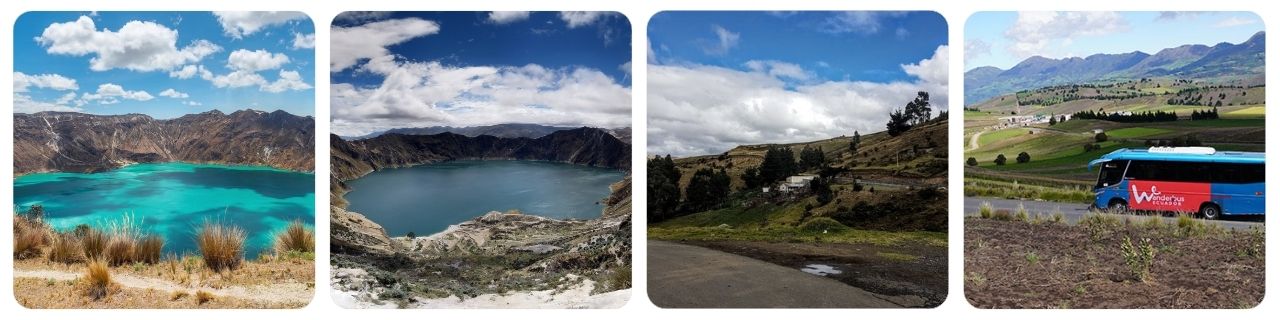
Going from Quito to the Quilotoa Loop is straightforward once you understand the combination of city transport, Andean buses, and a few key villages that link the crater lake with the multi-day hiking route.
At A Glance (Quito to Quilotoa Loop)
| Mode | Duration | Best For |
|---|---|---|
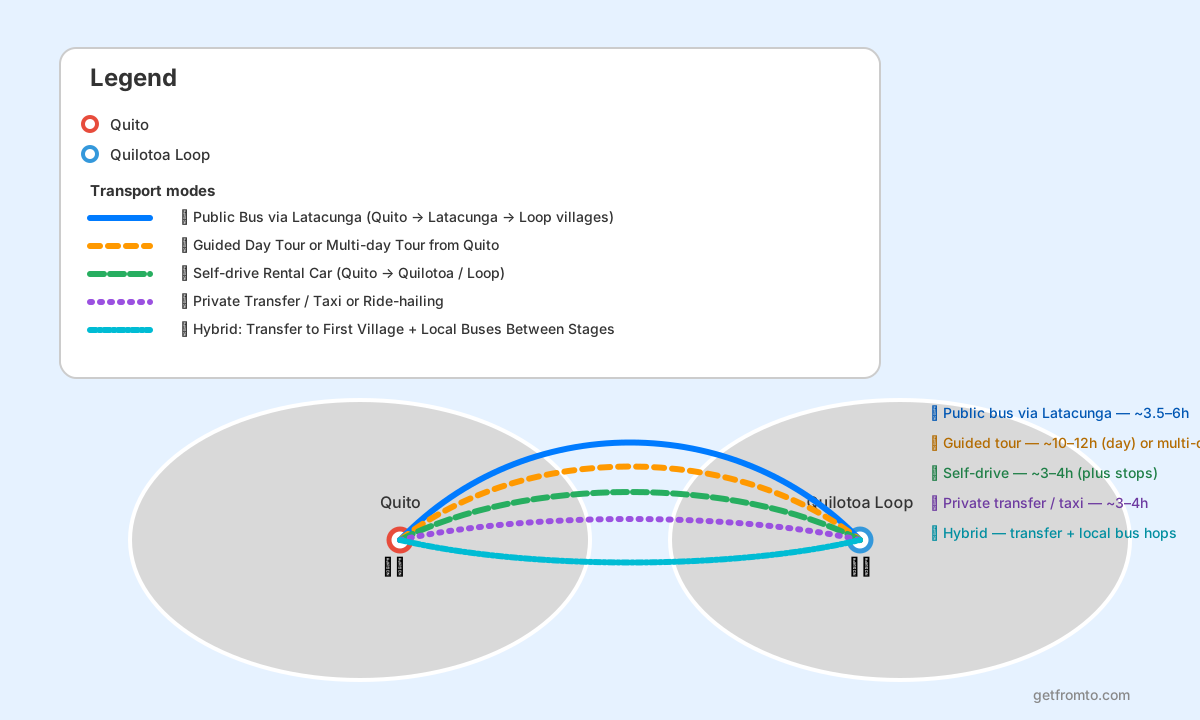
| 🚍 Public Bus via Latacunga (Quito → Latacunga → Loop villages) | ~3.5–6h total, depending on connections and village | Budget hikers, flexible schedules |
| 🏷️ Cost: ~US$5–8 one-way (all buses combined) » compare intercity buses in Ecuador | ||
| 🚌 Guided Day Tour or Multi-day Tour from Quito | ~10–12h (day tour) or 2–4 days including other Andes highlights | Short stays, easy logistics, English-speaking guide |
| 🏷️ Cost: ~US$60–150 per person » Quilotoa tours from Quito | alt. Andes day trips | ||
| 🚗 Self-drive Rental Car (Quito → Quilotoa / Loop) | ~3–4h driving from Quito to Quilotoa (longer if stopping en route) | Groups, photographers, maximum flexibility |
| 🏷️ Cost: Car rental from ~US$35–60/day + fuel & tolls » compare car rentals | stay near pickup points | ||
| 🚕 Private Transfer / Taxi or Ride-hailing | ~3–4h door-to-door (traffic & weather dependent) | Late arrivals, heavy luggage, limited mobility |
| 🏷️ Cost: ~US$120–220 per vehicle one-way, depending on group size » prebook a private transfer | quote-based transfers | ||
| 🚐 Hybrid: Transfer to First Village + Local Buses Between Stages | ~2.5–4h from Quito to first village, then 1–3h bus hops between towns | Loop hikers wanting an easier start or finish |
| 🏷️ Cost: Private leg from Quito from ~US$80–160 per group + US$1–3 per local bus | ||
Which Option or Route Should You Choose?
- Fastest / Most Convenient: If your time is limited or you are arriving in Quito late at night, Option 4 – Private Transfer / Taxi or Ride-hailing is the simplest door-to-door choice. Many travelers also book a day tour when they want a no-stress Quilotoa visit without overnighting on the Loop.
- Cheapest / Most Economical: For backpackers and hikers with flexible schedules, Option 1 – Public Bus via Latacunga is by far the best-value way to reach either Quilotoa itself or the Loop villages (Sigchos, Isinlivi, Chugchilán).
- Best for Hiking the Full Loop: Consider starting in Sigchos or Isinlivi and walking towards Quilotoa. Use Option 5 – Hybrid: Transfer to First Village + Local Buses to reach your starting village comfortably, then rely on cheap local buses or pickups between stages.
- Most Scenic / Flexible Schedule: Confident drivers who want to stop at viewpoints, indigenous markets, and small guesthouses will enjoy Option 3 – Self-drive Rental Car, but should be prepared for mountain curves, fog, and occasional livestock on the road.
- Best If You Don’t Want to Plan Anything: If you prefer a guide to handle logistics, weather, and timing, a guided day tour or multi-day package from Quito is ideal. These often combine Cotopaxi, Saquisilí/Zumbahua markets, and Quilotoa.
How to Book and Practical Tips
- Book buses locally, check times on arrival: Schedules from Quito’s Terminal Terrestre Quitumbe and Latacunga terminal change occasionally. Buy tickets at the counter and aim for morning departures for better connections.
- Use trusted platforms for tours: For fully-organized tours with hotel pickup and English-speaking guides, compare options on GetYourGuide or search Quilotoa experiences around Quito on Trip.com.
- Reserve accommodation ahead in small villages: Popular Loop stops like Isinlivi, Chugchilán, and Quilotoa village fill up in high season. Check guesthouses and lodges via Booking.com or Klook hotel listings if you also stay in Quito.
- Private transfers & ride-hailing: Besides classic yellow taxis, ride-hailing apps like Uber and DiDi operate in Quito. For a pre-set price to the Loop, compare offers on Welcome Pickups and GetTransfer.
- Travel light & pack for altitude: The Loop sits around 3,000–3,900 m. Bring layers, rain gear, sun protection, and sturdy footwear. If you’re leaving extra bags in Quito, ask your hotel to store them while you hike.
- Cash is king in villages: ATMs are available in Quito and Latacunga, but not in the smaller Loop communities. Carry enough small bills for buses, basic meals, and homestays.
- Check weather and trail conditions: In the wet season (roughly October–May), trails can be muddy and visibility at the rim changes quickly. Ask locals in each village about current conditions and safest routes.
🚍 Option 1 — Direct Bus (Most Popular, Good Value)
Low cost Frequent departures Multiple connections
- Overview: Travel entirely by public bus: first from Quito’s southern Terminal Terrestre Quitumbe to Latacunga, then connect to buses for Sigchos, Isinlivi, Chugchilán, or Quilotoa village, depending on where you start or finish the Loop.
- Typical route & duration: Quito (Quitumbe) → Latacunga (~1.5–2.5h), then Latacunga → your Loop village (~1.5–3h). Expect a total journey of 3.5–6 hours door-to-door, depending on connections and which village you choose.
- How to book (with price): Tickets are sold in person at the terminals. As a rough guide, expect around US$2.50–4 for Quito → Latacunga and US$2–4 for Latacunga → Quilotoa or other Loop villages. You can get a feel for long-distance bus prices in Ecuador on sites like 12Go, but most Quito–Latacunga–Quilotoa tickets are bought locally.
- Pros: Cheapest way to reach the Loop; departures run throughout the day; a great way to meet locals and see everyday life along the Pan-American Highway.
- Cons: Can be crowded, especially weekends and holidays; you may need to stand for parts of the journey; learning which bus bay to use and where to get off can be confusing on your first day in Ecuador.
- Good to know: Label your backpack and keep valuables with you on board. In Latacunga, watch for buses signed to Sigchos, Zumbahua, Quilotoa, or La Maná (some passing buses drop hikers near key junctions—ask the driver).
Step-by-step: Public Bus via Latacunga
- Reach Terminal Terrestre Quitumbe in Quito: From central Quito, ride the Trolebús south or take a licensed taxi/ride-hailing car (Uber/DiDi). Allow 45–60 minutes in traffic.
- Buy your ticket to Latacunga: Inside Quitumbe, look for counters serving Latacunga. Purchase a one-way ticket for the next departure and note the platform number.
- Board the bus and keep your luggage ticket: Your large backpack is usually tagged and placed under the bus. Keep the stub and verify your destination on the front sign.
- Arrive at Latacunga terminal: When the bus reaches Latacunga, follow the crowd into the terminal. Keep an eye on your luggage as it is unloaded.
- Connect to your Loop village: Find the ticket windows or departure bays for Sigchos, Zumbahua/Quilotoa, or Chugchilán. Buses usually leave every 1–2 hours; if in doubt, ask staff or fellow passengers.
- Ride to your chosen village: The road climbs into the highlands with beautiful valley and canyon views. Expect stops in small communities; stay alert so you don’t miss your stop.
- Walk or arrange pickup to your accommodation: In most Loop villages, guesthouses are within walking distance of the bus stop, but some can arrange pickups if you call ahead.
Getting to the main embarking points (Quitumbe Bus Terminal)
- From historic center or La Mariscal: Take the Trolebús southbound to the final stop at Quitumbe, or use a licensed taxi / Uber / DiDi if you have heavy bags or travel very early/late.
- From Quito airport (UIO): Take the airport shuttle or a taxi into the city first (often to the north bus terminal Carcelén or to your hotel), then transfer by Trolebús or taxi to Quitumbe. Direct taxis from the airport to Quitumbe are possible but more expensive.
- Ticket windows & amenities: Quitumbe has food stalls, ATMs, bathrooms, and luggage storage; arrive at least 30–45 minutes early if you need to find your way around.
- Locations/Trip Planner: 🔗 Google Map / 🔗 OpenStreetMap
🚌 Option 2 — Guided Day Tour or Multi-day Tour from Quito
All-inclusive Hotel pickup Less flexibility
- Overview: Join an organized tour from Quito that includes transport, guide, and usually entrance fees and lunch. Many tours stop at local markets (Saquisilí or Zumbahua), indigenous communities like Tigua, and viewpoints before reaching Quilotoa’s crater lake.
- Duration & style: Standard tours are long but manageable 10–12 hour day trips. Some packages add an overnight on the Loop or include Cotopaxi National Park for a 2–4 day circuit.
- How to book (with price): Expect around US$60–120 per person for day tours including transport and guide, with optional extra costs for kayaking or mule rides. Compare itineraries and reviews on GetYourGuide (Quilotoa Lagoon tours) and look at similar Quilotoa and Cotopaxi packages on Trip.com.
- Pros: No need to worry about bus changes or language barriers; convenient hotel pickup; guides share cultural and geological context; ideal if you’re short on time.
- Cons: Limited time actually on the trail; fixed schedule with little flexibility for independent wandering; often start very early in the morning.
- Tip: If you plan to stay overnight in Quilotoa or another Loop village, look for tours that allow “finish in Quilotoa” instead of returning to Quito, or ask in advance if you can bring luggage and be dropped off at your accommodation.
Step-by-step: Booking and Using a Guided Tour
- Decide between day trip or multi-day: If you only want a photo stop and a short hike down to the lake, a day tour is enough. For hiking the full Loop, look for itineraries with overnight stays.
- Compare itineraries online: On GetYourGuide and Trip.com, check inclusions (meals, entrance fees, hotel pickup, small group vs. big bus) and read recent reviews.
- Confirm pickup location and time: Many tours pick up from hotels in La Mariscal or the historic center; some use central meeting points. Save the operator’s contact details in case of delays.
- Prepare for altitude and weather: Bring layers, a rain jacket, and plenty of water. Even if breakfast and lunch are included, snacks are handy for the hike back up from the lake.
- Enjoy your day & plan onwards: Ask your guide about bus times or transfers if you will stay in the area instead of returning to Quito.
Getting to the main embarking points (Tour Pickup Areas)
- La Mariscal & modern Quito: Many tours start near Plaza Foch or along Avenida Amazonas; most hotels here are within walking distance of common pickup spots.
- Historic center: Some operators offer pickup from central squares like Plaza de San Blas or Plaza Grande; confirm exactly where to meet and arrive 10–15 minutes early.
- Staying far from the center: Use a taxi or Uber/DiDi to reach the designated pickup hotel or plaza, and allow extra time for traffic.
- Locations/Trip Planner: 🔗 Google Map / 🔗 OpenStreetMap
🚗 Option 3 — Self-drive Rental Car (Most Flexible)
Door-to-door Scenic stops Mountain driving
- Overview: Rent a car in Quito and drive yourself via the Pan-American Highway to Latacunga, then follow signed roads to Zumbahua and Quilotoa or other Loop villages. This is perfect if you’re traveling as a couple or small group and want maximum freedom with photo stops and side trips.
- Duration: Around 3–4 hours of driving from central Quito to Quilotoa without long stops; longer if you visit markets or viewpoints along the way.
- How to book (with price): International and local agencies operate from the airport and city center. Typical rates start around US$35–60/day for a small car, plus fuel and a deposit. Compare options on Booking.com Car Rentals, and consider staying your first/last night near the pickup point using Booking.com hotels in Quito or Klook’s Quito hotel listings.
- Pros: Start early to beat traffic; stop at Saquisilí or Zumbahua markets; reach small guesthouses that are off the main bus routes; ideal for sunrise/sunset at the crater.
- Cons: Andean roads can be steep, foggy, and narrow; city traffic in Quito is busy; you need valid documents, insurance, and confidence with mountain driving.
- Safety tip: Avoid driving after dark if possible, especially in fog or heavy rain. Watch for speed bumps, animals, and pedestrians in villages.
Step-by-step: Self-drive from Quito to the Quilotoa Loop
- Pick up your car in Quito or at the airport: Inspect the vehicle, take photos of any existing damage, and confirm whether your insurance covers gravel roads and rural areas.
- Exit Quito on the Pan-American Highway (E35): Head south following signs to Latacunga. Fuel up before leaving the city if your tank is low.
- Turn towards Zumbahua and Quilotoa: After Latacunga, follow the well-signed road towards Pujilí and Zumbahua, then up to Quilotoa. For the full Loop, branch off towards Sigchos or Isinlivi instead.
- Park near your accommodation or viewpoint: Villages like Quilotoa and Chugchilán have guesthouse parking; in peak times, follow local directions for safe parking areas.
- Drive between Loop villages as needed: If you are not hiking the full route, you can use your car to visit different viewpoints and short sections of the Loop trails.
Getting to the main embarking points (Car Rental Locations)
- Quito airport (UIO): Picking up at the airport is convenient if you fly into Quito and head straight south. Check that your rental contract allows late-night pickup if your flight arrives late.
- City center branches: Many agencies have offices in La Mariscal or the financial district. It can be easier to get used to the car in lighter traffic before joining the main highway.
- Parking in Quito: Choose hotels with secure parking to make pickup and drop-off simpler, especially if you will also explore the historic center on foot or via taxi.
- Locations/Trip Planner: 🔗 Google Map / 🔗 OpenStreetMap
🚕 Option 4 — Private Transfer / Taxi or Ride-hailing
Door-to-door comfort Great for groups Higher cost
- Overview: Book a private car or van from your hotel in Quito directly to a Loop village (often Quilotoa or Isinlivi). This is the most comfortable way to arrive, especially if you are tired from a long flight or traveling with young children.
- Duration: Similar to self-drive: around 3–4 hours from Quito to Quilotoa, depending on traffic and road conditions.
- How to book (with price): Prices generally range from US$120–220 per vehicle one-way, depending on the size of the car/van and your final village. You can request fixed-price quotes on Welcome Pickups or GetTransfer, or ask your guesthouse to arrange a trusted local driver.
- Pros: No transfers or ticket lines; can depart whenever suits you; door-to-door from city hotel or airport; more space for backpacks and hiking gear.
- Cons: Significantly more expensive than buses; you may miss the local experience; you still need to plan return transport or onward travel.
- Ride-hailing apps: In Quito, apps like Uber and DiDi are widely used. They are very convenient for shorter trips (e.g., your hotel → Quitumbe terminal) and sometimes for negotiating longer journeys, although not all drivers will want to go as far as Quilotoa.
Step-by-step: Using a Private Transfer
- Choose your destination village: Decide whether you want to go straight to Quilotoa, start your hike in Sigchos/Isinlivi, or stay in Chugchilán or Zumbahua first.
- Request a quote: Enter your pickup and drop-off details on Welcome Pickups or GetTransfer, or contact drivers recommended by your accommodation.
- Confirm capacity and luggage: Ensure the vehicle fits your group and trekking gear. Double-check child seats if traveling with kids.
- Share your exact location: In Quito, send your hotel or apartment pin via WhatsApp or the app so the driver can find you quickly.
- Pay in the agreed way: Some drivers prefer cash in US dollars; platforms and ride-hailing apps allow card payments.
Getting to the main embarking points (Pickup Locations)
- Hotels in La Mariscal / historic center: Most drivers can pick you up directly from your hotel lobby or a nearby safe corner; check if your street is accessible for large vans.
- Quito airport: If you arrive late, consider booking a transfer that picks you up at arrivals and drives straight to a Loop village or to an airport hotel for the first night.
- Bus terminals: Some travelers ride the bus one way and use a private transfer back. Agree a clear meeting point at Quilotoa village or Latacunga terminal if you do this.
- Locations/Trip Planner: 🔗 Google Map / 🔗 OpenStreetMap
🚐 Option 5 — Hybrid: Transfer to First Village + Local Buses
Easier logistics Local experience Some planning needed
- Overview: Combine a private transfer from Quito to your first Loop village (often Sigchos or Isinlivi) with cheap local buses or pickups between villages. This splits the difference between convenience and cost.
- Duration & cost: Expect 2.5–4 hours by car from Quito to your starting village (around US$80–160 per group) and then short, inexpensive hops of US$1–3 between villages like Isinlivi, Chugchilán, and Quilotoa.
- How to book (with price): Ask your first-night hostel (for example in Isinlivi or Sigchos) if they can arrange a driver from Quito. You can also use GetTransfer to request a quote to Sigchos or nearby towns, then pay only local bus fares for the rest of the Loop.
- Pros: Skips the trickiest part of navigating bus terminals on your first day; still lets you experience local buses between villages; efficient for early-morning hikes.
- Cons: Requires coordination between multiple accommodations; local bus schedules can change seasonally; you still need to be comfortable asking for directions in Spanish.
- Tip: Many popular Loop lodges exchange up-to-date bus times and route maps by email. Screenshot these before you head into areas with weaker signal.
Step-by-step: Hybrid Approach for Loop Hikers
- Plan your Loop direction: Most hikers go Sigchos → Isinlivi → Chugchilán → Quilotoa, but you can also walk it in reverse. Decide which village you want to reach first by car.
- Reserve accommodation & request a transfer: When booking your first-night hostel, ask if they can arrange a driver from Quito or Latacunga and confirm the price per group.
- Travel by car from Quito: Meet your driver at your hotel or the airport and ride to the village. Use the time to acclimatize and ask questions about the route.
- Use local buses between villages: Each morning, ask your hostel about bus departure times and where to wait. Most routes are short (1–2 hours) and inexpensive.
- Return to Quito: From Quilotoa or Zumbahua, take buses back to Latacunga and on to Quito (or use a pre-booked transfer if you’re tired).
Getting to the main embarking points (Loop Villages)
- Sigchos: A common starting point with accommodation and shops; easy to reach by car from Quito via Latacunga.
- Isinlivi: A small, peaceful village with popular hikers’ hostels; roads can be narrow but are generally passable by standard cars in dry conditions.
- Chugchilán: Another atmospheric base with canyon and crater views; often used as a middle point for Loop hikers.
- Locations/Trip Planner: 🔗 Google Map / 🔗 OpenStreetMap
FAQ (Quito to Quilotoa Loop)
How long does it take to travel from Quito to Quilotoa by bus?
Most travelers take around 3.5–6 hours in total, including the bus from Quito to Latacunga and the onward bus into the highlands (Sigchos, Zumbahua, or Quilotoa). Travel time depends on traffic leaving Quito and how long you wait for your connection.
Can I visit Quilotoa as a day trip from Quito?
Yes. Many organized tours run long day trips from Quito, usually departing early in the morning and returning after dark. Independent travel by bus is also possible as a long day, but staying at least one night near the crater or on the Loop makes the experience far more relaxed.
Do I need a guide to hike the Quilotoa Loop?
The main trails between villages are well-trodden and described in many hostel maps, so many hikers go without a guide. However, fog, changing paths, and new fences can make navigation confusing. Hiring a local guide or joining a guided trek is recommended if you are not comfortable with route-finding at altitude.
Is altitude sickness a concern at Quilotoa?
Quilotoa’s rim sits around 3,900 m, and even the villages are well above 3,000 m. Take it slowly, stay hydrated, avoid heavy alcohol your first night, and consider spending a night in Quito or Latacunga to acclimatize before hiking. If you feel unwell (headache, nausea, shortness of breath at rest), descend and rest.
Is it safe to travel by bus from Quito to the Quilotoa Loop?
Thousands of locals and travelers use these buses daily. However, you should keep valuables on your lap or in a small daypack worn in front, use the overhead racks with care, and avoid displaying expensive electronics. Travel during daylight, and choose seats away from open windows where pickpocketing can sometimes occur on crowded urban segments.
Related Tours/Services
Popular Routes
Recent Routes
- How to get from Cairo International Airport to Egyptian Museum
- How to get from Amman Queen Alia Airport to Downtown Amman
- How to get from Punta Cana Airport to Punta Cana Resort
- How to get from Lima Jorge Chavez Airport to Barranco
- How to get from Bogotá El Dorado Airport to Monserrate
- How to get from Quito to Quilotoa Loop
- How to get from Taitung to Orchid Island
- How to get from Seoul to Ulleungdo
- How to get from Beijing to Harbin
- How to get from Osaka to Shodoshima
Top Travel Gears

Luggage Straps Bag Bungee, Luggage Straps Suitcase Adjustable Belt,Add a Bag Easy to Travel Suitcase Elastic Strap Belt – (Black)
COSLUS T40 Mini Water Flosser for Travel: Portable Compact Design, Cordless Oral Irrigator with 4 Modes, Removable Tank, IPX7 Waterproof for Braces, Orthodontic, Sensitive Teeth On-the-Go Use, Black

zelin Anti Theft Zipper Clips Double Opening Small Carabiner Clips, 4Pcs Elegant Zinc Alloy Zipper Pull Replacement for Travel, Commuting and Camping (Space Grey)

Zuihug 1Pack Travel Pill Organizer - 10 Compartments Pill Case, Compact and Portable Pill Box, Perfect for On-The-Go Storage, Pill Holder for Purse Gray

Weighted Eye Mask for Sleeping - 3D Blackout Sleep Mask for Women Men, Zero Eye Pressure, Lash-Friendly, Adjustable Strap, Airplane Travel Essentials for Long Flight & Road Trip, Meditation Mask(Gray)
