

How to get from Salta to Cafayate
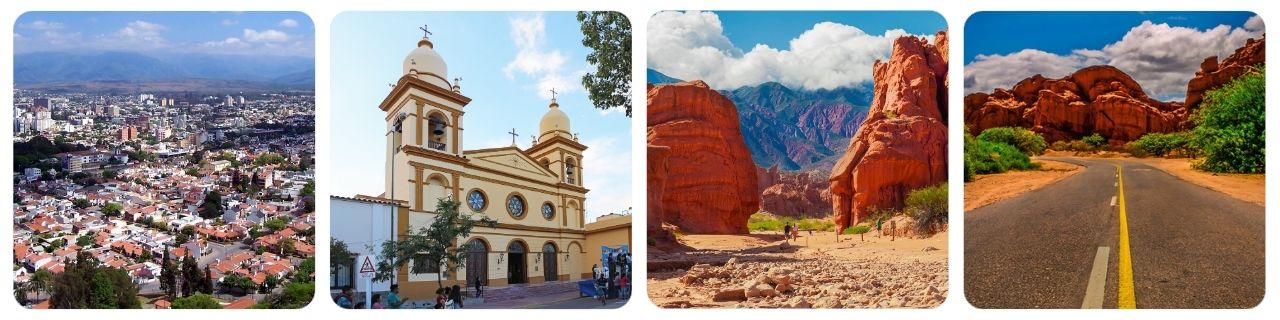
Driving or riding from Salta to Cafayate is one of northwest Argentina’s classic road trips, following Ruta Nacional 68 through red-rock canyons and vineyards; this guide explains every way to make the journey, how to book, and what to expect along the way.
At A Glance (Salta to Cafayate)
| Mode | Duration | Best For |
|---|---|---|
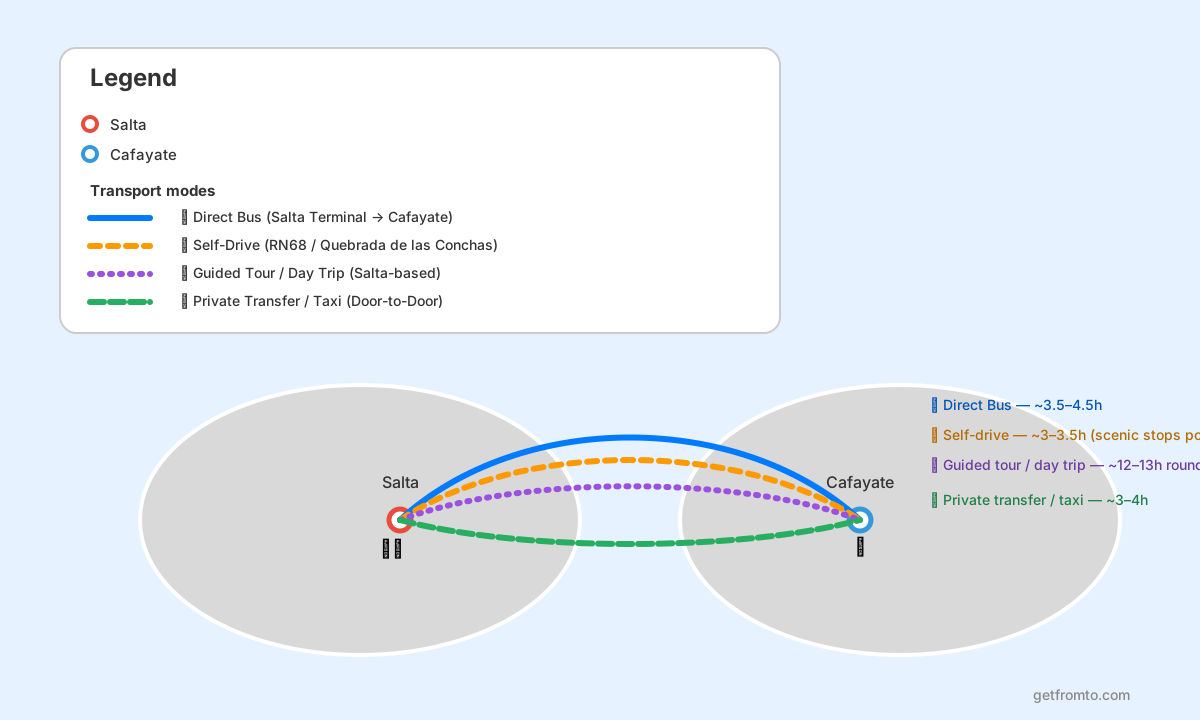
| 🚌 Direct Bus (Salta Bus Terminal → Cafayate) | ~3.5–4.5h | Budget travelers, backpackers, car‑free visitors |
| 🏷️ Cost: usually around USD 7–20 one-way depending on season and seat class; check current departures on » compare buses & vans | official Salta bus terminal info | ||
| 🚗 Self-Drive Rental Car (RN68 via Quebrada de las Conchas) | ~3–3.5h driving (+ scenic stops 5–8h total) | Scenic freedom, photographers, wine lovers |
| 🏷️ Cost: compact rentals often from ~USD 50–70/day plus fuel; compare deals on Booking.com Car Rentals or similar platforms. | ||
| 🚐 Guided Tour / Day Trip (Salta-based) | ~12–13h round-trip (day tour) | Hands-off logistics, commentary, wine-tasting without driving |
| 🏷️ Cost: typical small-group tours from about USD 60–120 per person including transport and guide; see options on GetYourGuide Cafayate tours | Trip.com full-day tour | ||
| 🚕 Private Transfer / Taxi (Door-to-Door) | ~3–4h | Groups, heavy luggage, late arrivals |
| 🏷️ Cost: roughly USD 120–220 per vehicle one-way depending on group size and vehicle type; you can pre-book with services like GetTransfer or Welcome Pickups airport taxi, or negotiate directly with local taxis/remises. | ||
Which Option or Route Should You Choose?
- Fastest & most convenient overall: For most visitors, the direct intercity bus or a private transfer is the easiest way to go door-to-door without worrying about driving or navigation.
- Cheapest / most economical: The regular bus is usually the lowest-cost choice, especially if you travel light and don’t mind fixed departure times.
- Most scenic & flexible schedule: Renting a car and self-driving via RN68 is unbeatable for scenery, letting you stop at viewpoints, rock formations, and wineries whenever you like.
- Best if you want commentary and tastings: A guided day trip or overnight tour bundles transport, guide, photo stops, and winery visits—ideal if you prefer not to drive after wine tasting.
- Best with lots of luggage or kids: Families and groups with bulky bags often find a pre-booked private transfer simplest, as it is door-to-door from your accommodation or the airport.
How to Book and Practical Tips
- Compare bus vs. van departures online: Platforms like 12Go Asia aggregate bus and minivan departures for the Salta–Cafayate route; cross-check times with the official bus terminal site and individual companies.
- Book tours ahead in high season: From June–August and December–February, Cafayate tours can sell out; reserve early on sites like GetYourGuide or Trip.com.
- Reserve your rental car early: If self-driving, book well in advance (especially for automatic cars) via Booking.com Car Rentals in Salta or similar sites.
- Plan luggage storage: If your bus or tour leaves later in the day, you can stash bags near the bus terminal using services such as Radical Storage at Salta Omnibus Terminal.
- Check road and weather conditions: RN68 is usually in good shape, but heavy rain can occasionally cause disruptions; always ask your accommodation or tour operator on the day of travel.
- Carry snacks and water: There are usually a couple of rest stops, but options can be limited; pack water, snacks, and layers for the changing temperatures between Salta and Cafayate.
- Overnight in Cafayate if possible: To fully enjoy wineries and the canyon scenery, consider staying a night (or more) in Cafayate; you can compare hotels on Booking.com or wine resorts like Patios de Cafayate on Klook.
🚌 Option #1 — Direct Bus (Most Popular, Good Value)
Low cost Fixed schedule Basic comfort
- Overview: Frequent intercity buses run from Terminal de Ómnibus de Salta to Cafayate’s small bus terminal, covering roughly 190–200 km along RN68 in about 3.5–4.5 hours depending on stops and traffic.
- How to book (with price): You can buy tickets at the bus terminal counters (cash or card) or compare schedules and online fares via aggregators such as 12Go Asia or local platforms. Expect roughly USD 7–20 one-way per person, varying by seat type and company.
- Official info: For platform information and terminal services, consult the official Terminal de Ómnibus de Salta website.
- Pros: Cheapest point-to-point option; multiple daily departures; central bus terminals in both Salta and Cafayate; no need to drive.
- Cons: Fixed schedule, limited legroom on some buses, and air-conditioning/heating can be strong; limited luggage space at busy times—arrive early.
- Good to know: Most buses are comfortable but not luxury; pack a light jacket and small pillow, and keep valuables in a daypack with you.
Step-by-step: Direct Bus Salta → Cafayate
- From your accommodation in Salta, take a taxi, remise, or rideshare (Uber and Cabify operate in the city) to Terminal de Ómnibus de Salta.
- At the terminal, locate your bus company’s ticket window; if you haven’t pre-booked, purchase your ticket and note the departure time and platform.
- Arrive at the platform 20–30 minutes before departure; staff will tag large bags for the hold and may check your ticket and ID.
- Enjoy the ride south along RN68 through the Lerma Valley and into the Quebrada de las Conchas; many buses make a short comfort stop en route.
- On arrival at Cafayate bus terminal, collect your luggage and walk or taxi to your hotel—most central accommodations are 10–20 minutes on foot.
Getting to the main embarking points (Terminal de Ómnibus de Salta)
- By taxi or remise: Standard taxis are widely available; ask for “Terminal de Ómnibus” and ensure the meter is running, or agree a fixed remise price beforehand.
- By rideshare: Apps such as Uber in Salta often work well from central neighborhoods to the bus terminal, especially early in the morning or late at night.
- By city bus: Local buses connect many districts with the terminal, but you will need a rechargeable card (SUBE/SAETA) and some Spanish; ask your hotel which line is best.
- Locations/Trip Planner: 🔗 Google Map / 🔗 OpenStreetMap
🚗 Option #2 — Self-Drive Rental Car via RN68 (Most Scenic, Most Flexible)
Maximum freedom Photo stops Driver must stay sober
- Overview: Rent a car in Salta and drive yourself along RN68 through the Quebrada de las Conchas to Cafayate. The direct drive is about 3–3.5 hours, but most travelers take 5–8 hours with stops at viewpoints, short walks, and wineries.
- How to book (with price): Daily rental rates for a small car typically start around USD 50–70, excluding fuel and optional insurance. Compare agencies and prices on Booking.com Car Rentals in Salta or similar sites, and book early if you need an automatic.
- Official info: For up-to-date road advisories and closures on national routes, check Argentina’s road authority pages via Vialidad Nacional (Spanish).
- Pros: Stop wherever you like (viewpoints like Garganta del Diablo, El Anfiteatro, La Yesera), choose your departure time, and easily visit wineries or side valleys.
- Cons: Requires confidence driving on mountain roads and gravel access tracks; the driver cannot fully enjoy wine tastings; fuel and insurance add to costs.
- Good to know: Drive with headlights on, respect speed limits, and avoid driving after dark—cattle and wildlife can be on the road.
Step-by-step: Self-Drive from Salta to Cafayate
- Pick up your rental car in Salta (city center or airport). Inspect the vehicle, take photos of any existing scratches, and confirm insurance coverage and mileage limits.
- Set your GPS or map app for Cafayate via RN68, and plan key scenic stops like Garganta del Diablo, El Anfiteatro, and La Yesera.
- Leave Salta heading south through the Lerma Valley, then continue into the Quebrada de las Conchas, allowing time for photo stops and short walks.
- Optionally, plan a lunch stop at a roadside parilla or in Cafayate itself, and visit one or two wineries or the Museo de la Vid y el Vino once you arrive.
- Either stay overnight in Cafayate (recommended) or drive back to Salta in daylight if you are doing a long day trip.
Getting to the main embarking points (Rental car pickups in Salta)
- Airport rentals: If you fly into Salta (SLA), many major agencies have desks at the airport; you can arrange a car in advance and drive directly out on RN51 then RN68.
- City-center rentals: Numerous rental offices are located within walking distance or a short taxi ride of Plaza 9 de Julio; confirm exact pickup address when booking.
- Navigation: Download offline maps and keep a physical map as backup in case of patchy mobile reception in the canyons.
- Locations/Trip Planner: 🔗 Google Map / 🔗 OpenStreetMap
🚐 Option #3 — Guided Day Trip or Multi-Day Tour (Hassle-Free, With Commentary)
Guided experience Wine-tasting friendly Less flexible timing
- Overview: Join a full-day or multi-day tour from Salta that includes transport along RN68, scenic stops in the Quebrada de las Conchas, winery visits, and free time in Cafayate before returning to Salta (or continuing onward).
- How to book (with price): Group day trips usually cost around USD 60–120 per person depending on group size and inclusions. You can compare itineraries and reviews on platforms like GetYourGuide (Cafayate tours) and Trip.com’s full-day Cafayate tour.
- Official info: For ideas on themed routes (wine, nature, culture) endorsed by local authorities, browse the provincial tourism site’s experiences at Experiencias Turismo Salta.
- Pros: No need to drive or navigate; built-in photo stops and explanations; hotel pickup/drop-off often included; safer option if you plan to drink wine.
- Cons: Fixed schedule and limited free time; lunch and tastings may cost extra; popular stops can be busy when multiple buses arrive.
- Good to know: Ask in advance which wineries are visited and whether tastings or entrance fees are included; bring cash for extras and tips.
Step-by-step: Joining a Guided Tour
- Choose a tour that matches your interests (more wineries, more hiking, or broader provincial highlights) and book online via platforms like GetYourGuide or Trip.com, or through your accommodation in Salta.
- Confirm pickup details and time—many tours collect guests from central hotels around Plaza 9 de Julio early in the morning.
- On the day of the tour, be ready 10–15 minutes before pickup with water, sunscreen, hat, and a light jacket; guides usually give an overview of the day’s route.
- Enjoy the journey with scheduled stops at viewpoints and rock formations, then continue to Cafayate for winery visits, tastings, and free time in town.
- Return to Salta in the late afternoon or evening, or continue with a multi-day itinerary if you chose an extended tour.
Getting to the main embarking points (Tour pick-up spots in Salta)
- Central hotels: Most tours collect from central Salta hotels; if you’re staying in a rental apartment, the operator may assign the nearest hotel or plaza as your meeting point.
- Plaza 9 de Julio: Many tours also use the main square as a backup meeting spot; it’s an easy landmark that is simple to reach on foot or by taxi.
- Airport pickups: Some private or higher-end tours can arrange pickup directly from Salta Airport (SLA); confirm any surcharges when booking.
- Locations/Trip Planner: 🔗 Google Map / 🔗 OpenStreetMap
🚕 Option #4 — Private Transfer or Taxi (Door-to-Door Comfort)
Door-to-door Flexible departure Higher cost
- Overview: Arrange a private car, van, or taxi from your hotel or Salta Airport directly to Cafayate. This is the most comfortable and flexible option, particularly for families, late-night arrivals, or travelers with bulky luggage.
- How to book (with price): Prices vary by vehicle size and operator, but a one-way transfer often falls around USD 120–220 per vehicle. You can request quotes and pre-book via services like GetTransfer or by arranging a remise through your hotel. If you are arriving by plane, premium services such as Welcome Pickups airport taxi may be available to connect the airport with Salta before continuing by road to Cafayate.
- Ride-hailing alternatives: Within Salta itself, you can often use Uber or similar apps like Cabify for shorter legs (e.g., hotel to bus terminal), though long intercity trips may be easier to arrange as a standard remise.
- Pros: Door-to-door, no waiting at the terminal; you can stop when you wish and customize the route; works very well for groups who can split the cost.
- Cons: More expensive than buses, and you should confirm the driver and vehicle quality in advance; availability can be tighter on holidays.
- Good to know: Always confirm whether tolls and fuel are included in the quoted price, and agree on total cost in advance if paying cash.
Step-by-step: Booking a Private Transfer
- Decide on your pickup point (airport, Salta bus terminal, or your hotel) and ideal departure time based on your flight or check-out.
- Request quotes from transfer platforms such as GetTransfer, or ask your accommodation in Salta to recommend a trusted remise company and book on your behalf.
- Share your full address, number of passengers, luggage details, and any child seat needs so the right vehicle is assigned.
- On the day, meet your driver at the agreed location; verify their name, company, and vehicle plate before setting off.
- Enjoy a direct ride to your accommodation in Cafayate, with optional stops in the Quebrada de las Conchas for photos or short walks.
Getting to the main embarking points (Hotel / Airport pick-ups)
- From Salta Airport (SLA): If your transfer begins at the airport, follow signs to the arrivals hall meeting point; some drivers wait with a sign showing your name.
- From central hotels: Most hotels have a lobby or designated pickup bay; be ready a few minutes early as drivers often time their arrival closely.
- From other locations: If starting from a rental apartment or guesthouse, choose a nearby landmark (large hotel or plaza) to simplify meeting your driver.
- Locations/Trip Planner: 🔗 Google Map / 🔗 OpenStreetMap
FAQ (Salta to Cafayate)
How long does it take to travel from Salta to Cafayate?
Most buses and direct transfers take about 3.5–4.5 hours depending on traffic and stops. A self-drive with scenic stops can easily turn into a relaxed 5–8 hour sightseeing day.
Is the road from Salta to Cafayate safe?
RN68 is a well-used paved highway and is generally safe in daylight and good weather. Take normal precautions: drive cautiously in curves, avoid night driving because of animals on the road, and slow down on gravel access tracks to viewpoints and wineries.
Do I need to book bus tickets in advance?
Outside peak Argentine holiday periods you can often buy tickets on the day, but for preferred departure times, weekends, and local holidays it is smart to book ahead either online or at the terminal a day or two before.
Can I do Salta to Cafayate as a day trip?
Yes. Many guided tours run the route as a full-day excursion, and you can also drive yourself there and back in one long day. However, staying at least one night in Cafayate lets you explore wineries, the town center, and nearby viewpoints without rushing.
Is there public transport within Cafayate?
Cafayate is compact and walkable; most central hotels, restaurants, and the main square are close together. For wineries and viewpoints further out, you can use taxis, rent bikes, or join local tours.
When is the best time of year to travel this route?
The route is accessible year-round, but many travelers prefer the drier, cooler months (roughly April–October) for clearer views and more comfortable daytime temperatures. Summer afternoons can be hot, with occasional storms.