

How to get from Santa Cruz de la Sierra to Samaipata
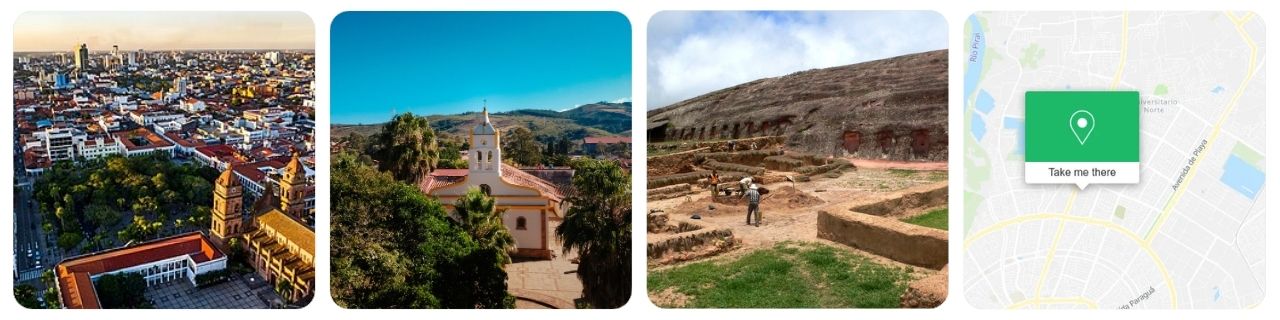
Getting from Santa Cruz de la Sierra to the mountain village of Samaipata is one of the classic road trips in eastern Bolivia, with options ranging from cheap local shared taxis to comfortable private transfers and scenic self-drives along Ruta 7.
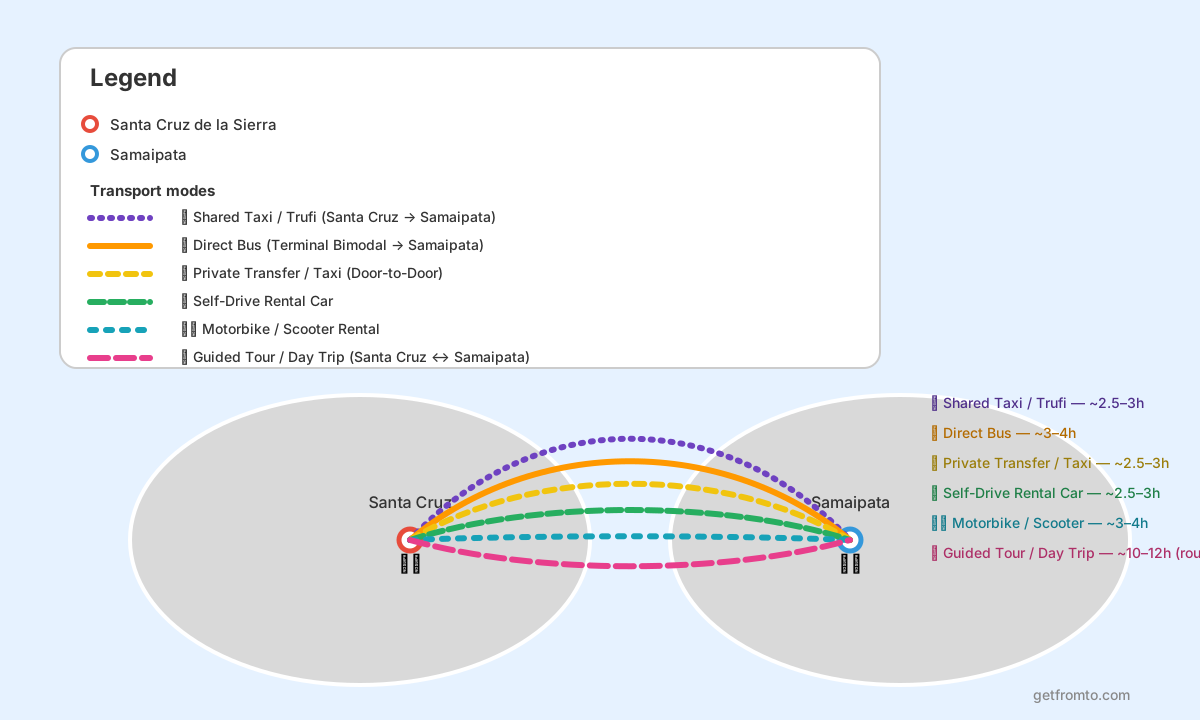
At A Glance (Santa Cruz de la Sierra to Samaipata)
| Mode | Duration | Best For |
|---|---|---|
| 🚐 Shared Taxi / Trufi (Santa Cruz → Samaipata) | ~2.5–3h | Fast & cheap, backpackers, locals |
| 🏷️ Cost: ~BOB 30–50 per person shared, ~BOB 120–200 for private hire. For longer bus routes around Bolivia you can » compare buses or check regional tickets via Bolivian operators. | ||
| 🚌 Direct Bus (Terminal Bimodal → Samaipata) | ~3–4h | Budget travelers, more luggage space |
| 🏷️ Cost: ~BOB 30–60 one-way. Check current options and other Bolivia routes on 12Go. | ||
| 🚖 Private Transfer / Taxi (Door-to-Door) | ~2.5–3h | Door-to-door comfort, families, late arrivals |
| 🏷️ Cost: Roughly ~US$60–120 per vehicle depending on size and stops. Prebook via services like GetTransfer or dedicated airport transfers such as Welcome Pickups, or negotiate with local taxis/ride-hailing apps once in Santa Cruz. | ||
| 🚗 Self-Drive Rental Car | ~2.5–3h (plus photo stops) | Scenic freedom, exploring Amboró & nearby villages |
| 🏷️ Cost: From ~US$50–80 per day for a basic car, plus fuel and insurance. Compare deals for Santa Cruz on Booking.com Car Rentals. | ||
| 🏍️ Motorbike / Scooter Rental | ~3–4h riding | Experienced riders, adventure seekers |
| 🏷️ Cost: From ~€5–25 per day depending on bike type. You can compare motorbike and scooter rental in Santa Cruz on BikesBooking or look at scooters and bicycles via their local listings. | ||
| 🌄 Guided Tour / Day Trip (Santa Cruz ↔ Samaipata) | ~10–12h door-to-door round trip | Sightseeing without logistics, short stays |
| 🏷️ Cost: Typically ~US$80–150 per person including transport and guide. Browse options around Santa Cruz & Samaipata on GetYourGuide or see regional day trips via Klook. | ||
Which Option or Route Should You Choose?
- Fastest / most convenient: A private transfer or taxi from your hotel or Viru Viru Airport to Samaipata is usually the smoothest, especially if you arrive late or with lots of luggage.
- Best value for most travelers: The mix of speed and price makes the shared taxi (trufi) the local favorite, with the direct bus a good alternative if you prefer a larger vehicle and set departure times.
- Cheapest: The direct bus from Terminal Bimodal is usually the lowest cash outlay, especially for solo backpackers who are not in a rush.
- Most scenic / flexible schedule: If you want to stop at viewpoints, waterfalls or side roads into Amboró National Park, choose a rental car or motorbike.
- Best for sightseeing in one day: Short on time? A guided day tour from Santa Cruz typically includes transport, a guide and key sights like El Fuerte and viewpoints over the valleys.
How to Book and Practical Tips
- Arriving by air: If you are flying into Santa Cruz, you can compare international and domestic flights on Trip.com or via Booking.com Flights, then connect onwards by bus, taxi or tour.
- Buying bus & trufi tickets: For direct buses and shared taxis, most travelers simply show up at Terminal Bimodal or the dedicated Samaipata taxi stands and pay in cash. For longer onward journeys in Bolivia, you can also book bus tickets in advance through platforms like 12Go.
- Private transfers & airport pickups: To avoid negotiating at the airport after a long flight, consider prebooking a car through GetTransfer or Welcome Pickups. Locally, standard taxis, Uber and inDrive are commonly used in Santa Cruz, and you can also ask your hotel to arrange a trusted driver.
- Rental cars & driving: For self-drive, compare car rentals in Santa Cruz on Booking.com Car Rentals Bolivia. Make sure you have insurance that covers rural roads, and avoid driving after dark due to curves, fog and occasional roadworks.
- Luggage storage in Santa Cruz: If you want to leave big bags in the city while you spend a night or two in Samaipata, you can prebook storage spots near the center using Radical Storage, then continue with just a small backpack.
- Weather & seasons: Heavy rains (roughly November–March) can bring fog, potholes and occasional landslides. Allow extra time, travel in the morning when visibility is better, and check local news or your accommodation for any road closures before you set off.
- Cash & safety: Bring enough bolivianos for fares, snacks and roadside stops; small notes are useful. Keep valuables on you on buses and in shared taxis, and avoid flashing electronics at the terminal.
🚌 Option #1 — Direct Bus (Most Popular, Good Value)
Low cost Simple route Fixed schedule
- Overview: Direct buses run from Terminal Bimodal in Santa Cruz de la Sierra to Samaipata along Ruta 7. Most are mid-sized regional buses or minibuses used by locals, with basic comfort, openable windows and space for luggage on the roof or in the back.
- Typical duration: About 3–4 hours depending on traffic leaving Santa Cruz and road conditions in the hills. Expect the bus to make short stops in small towns along the way.
- Frequency: Departures vary by company, but you can usually find several services per day, especially in the morning and early afternoon.
- Comfort level: Seats are basic; air‑conditioning, if present, may be intermittent. Pack a light layer for the cooler air as you gain altitude and consider a small travel pillow if you’re sensitive to bumpy roads.
- How to book (with price): Most travelers buy tickets in person at Terminal Bimodal on the day of travel. Expect to pay roughly BOB 30–60 (about US$5–10) one-way depending on the company and bus type. For longer legs before or after this trip (e.g. Santa Cruz–Sucre, La Paz, Uyuni), you can compare Bolivian bus routes and operators on 12Go and sometimes book online in advance.
- Pros: Cheapest “official” option; easy to understand (buy ticket, board bus); more comfortable than a tightly packed shared taxi; luggage is relatively secure inside or in the hold.
- Cons: Less flexible than a trufi; buses may wait until fuller before departure; slower through villages; limited departures in the late evening. Always keep valuables with you rather than in the external luggage compartment.
- Official info & terminals: Terminal Bimodal is Santa Cruz’s main combined bus and train terminal, with toilets, food stalls, ticket counters and basic tourist information. For general information on regulated intercity transport in Bolivia and passenger rights, you can consult the national transport regulator’s site (ATT) or ask at the ATT office usually present in major terminals.
Step-by-step: Direct Bus from Terminal Bimodal
- Plan your departure time: Ask your accommodation in Santa Cruz which bus companies currently serve Samaipata and roughly what times they depart. Aim for a morning or early afternoon bus to arrive before dark.
- Reach Terminal Bimodal: From central neighborhoods like the area around Plaza 24 de Septiembre, take a licensed taxi, ride‑hailing app (Uber or inDrive) or hotel-arranged transfer to Terminal Bimodal. If you’re arriving directly from Viru Viru Airport, you can book an airport transfer to the terminal via Welcome Pickups or GetTransfer, or use a regular airport taxi.
- Buy your ticket: Inside the terminal, look for counters or signs mentioning Samaipata. Compare times and prices, then buy your ticket in cash. Keep your ticket handy as it may be checked at the gate and again on board.
- Boarding & seats: Go to the indicated platform 15–20 minutes before departure. You may need to tag your large bag; smaller backpacks can usually stay with you. If seats are not assigned, board early to choose a comfortable spot away from speakers and doors.
- En route: The bus will head southwest on Ruta 7, gradually climbing into greener hills. Expect a few police or toll checkpoints; keep your passport or ID accessible. Snack vendors may board at some stops, but it’s wise to bring water and snacks from the terminal.
- Arrival in Samaipata: Buses usually drop passengers near the small bus stop or on the main road close to town. From there, it’s a short walk or quick taxi ride to most guesthouses around the plaza.
Getting to the main embarking points (Terminal Bimodal)
- From central Santa Cruz: Flag a licensed taxi on the street, use a ride‑hailing app (Uber or inDrive) or ask your hotel to call a radio taxi to Terminal Bimodal. Travel time is typically 15–30 minutes depending on traffic.
- From Viru Viru International Airport (VVI): The airport lies north of the city. Options include official airport taxis outside arrivals, prebooked shuttles, or private transfers arranged through services such as Welcome Pickups, GetTransfer or local providers booked via your hotel.
- By city bus: Several city buses connect central areas with Terminal Bimodal; routes and frequencies change, so check with your accommodation for the latest recommended route numbers and stops if you’re on a tight budget.
- Locations/Trip Planner: 🔗 Google Map / 🔗 OpenStreetMap
🚐 Option #2 — Shared Taxi / Trufi (Fast & Local Experience)
Local prices Frequent departures Tight seating
- Overview: Shared taxis, known locally as trufis, are one of the most popular ways for locals to get between Santa Cruz and Samaipata. Vehicles are usually station wagons or vans that depart once all seats are filled, offering a faster and more direct ride than most buses.
- Departure points: There are dedicated taxi stands for Samaipata in Santa Cruz (often called paradas), commonly found along or near Av. Grigotá and other southbound avenues. Ask your accommodation for the current exact location, as stands sometimes move a block or two.
- Typical duration: Around 2.5–3 hours with minimal stops, as trufis usually go straight to Samaipata once full.
- Typical price: Expect approximately BOB 30–50 per person in a shared trufi. If you want the vehicle to yourself (express service), you can negotiate a flat fare of about BOB 120–200, useful if you are a small group or have a lot of luggage.
- Comfort & luggage: Seating can be tight, especially in the back row. Pack light if possible; large backpacks may be tied to the roof rack, so use a rain cover and keep valuables in a small daypack with you.
- Pros: Quicker than most buses; departures throughout the day once full; door-to-door options possible in Samaipata if you agree with the driver.
- Cons: No fixed schedule—if you arrive when few passengers are waiting, you may have to wait until the trufi fills. Limited legroom and less space for big luggage than buses.
Step-by-step: Shared Taxi / Trufi
- Ask for the current taxi stand: In Santa Cruz, ask your guesthouse or hotel reception, or check recent online forums, for the latest location of the Samaipata parada (taxi rank). They’ll usually give you a street corner or landmark.
- Get to the stand: Take a city taxi or ride‑hailing app (Uber or inDrive) from your accommodation to the specified corner. Tell the driver you are going to the “parada de Samaipata” so they know exactly where to drop you.
- Choose your vehicle: At the stand, several drivers may call out “Samaipata.” Confirm the price per person and ask how many seats are left. If you’re in a group, you can ask how much it would cost to leave immediately as a private ride.
- Wait for departure: Once you’ve chosen a trufi, your name may be noted and your bag loaded. Departure happens when all seats are filled; this can be fast at busy times or take 30–60 minutes in quieter hours.
- En route: The trufi will take Ruta 7 towards Samaipata, stopping briefly at checkpoints or for quick bathroom breaks. Keep your seatbelt fastened and avoid distracting the driver on narrow or curvy sections.
- Arrival in Samaipata: Trufis usually drop passengers close to the main plaza or a small taxi rank in Samaipata. From there, it’s an easy walk to central accommodations or a short moto-taxi ride if you’re staying farther out.
Getting to the main embarking points (Samaipata Taxi Stands)
- From central Santa Cruz: Use a regular taxi or ride‑hailing app to reach the Samaipata taxi stand (ask for “parada de Samaipata en la Av. Grigotá” or the current street address). It’s usually a 10–20 minute ride from the central plaza, depending on traffic.
- From other neighborhoods: If you’re staying farther out, ask your host which ring road (anillo) you’re closest to and let the taxi driver know; they’ll choose the quickest route south.
- From Viru Viru Airport: It’s usually easiest to go first to your accommodation in Santa Cruz, then continue to the taxi stand once you’ve rested and dropped off any luggage you don’t need for Samaipata.
- Locations/Trip Planner: 🔗 Google Map / 🔗 OpenStreetMap
🚖 Option #3 — Private Transfer / Door-to-Door Taxi
Most comfortable Door-to-door Highest cost
- Overview: A private transfer is the most relaxed way to travel from Santa Cruz to Samaipata. You’ll be picked up at your hotel or directly at Viru Viru Airport and driven straight to your accommodation in Samaipata, with the option to stop for viewpoints, snacks or short walks along the way.
- Vehicle types: Cars, SUVs or minivans, depending on group size and luggage. Most companies use modern vehicles with air‑conditioning and seatbelts for all passengers.
- Typical duration: Around 2.5–3 hours, allowing time for one or two short stops.
- Typical price: Expect approximately US$60–120 per vehicle, depending on the company, vehicle size, and whether you are starting from the city or directly from the airport. Prices are often quoted in US dollars or bolivianos.
- How to book (with price): You can ask your hotel or a local tour agency in Santa Cruz to arrange a driver, or book online with transfer platforms. For example, you can browse transfer options across Bolivia on GetTransfer or arrange a reliable airport pickup and onward transfer with Welcome Pickups. Prices vary by date and demand; booking a few days ahead usually gives better availability.
- Pros: No waiting for other passengers; door-to-door service; easiest option if you don’t speak Spanish or are traveling with children, surfboards or bulky luggage.
- Cons: Significantly more expensive than a shared taxi or bus; you’ll rely on your driver’s knowledge for photo stops unless you pre-plan them.
- Ride‑hailing alternatives: In Santa Cruz, apps like Uber and inDrive operate for city trips. For a one-way ride all the way to Samaipata, you may be able to negotiate with a driver directly in the app or offline, but always agree the fare beforehand and confirm that the driver is comfortable with the mountain road.
- Official & safety note: For information on regulated transport services and passenger rights in Bolivia, you can consult the national transport regulator (ATT) and follow any road‑safety notices issued by Bolivian authorities, especially in the rainy season.
Step-by-step: Private Transfer / Taxi
- Get quotes: Contact your hotel in Santa Cruz, a local travel agency, or check online platforms such as GetTransfer for door‑to‑door options. Share your date, pickup time, number of passengers and amount of luggage.
- Confirm details: Once you’ve chosen a provider, confirm the total price, vehicle type, and whether payment is in cash or by card. Ask if short photo or bathroom stops along Ruta 7 are included.
- Airport pickup (if arriving by air): If you land at Viru Viru, send your flight number so the driver can track delays. Services like Welcome Pickups typically meet you at arrivals with a sign and drive you straight towards Samaipata.
- Departure & route: The driver will take the ring roads out of Santa Cruz and join Ruta 7, climbing gradually into the hills. You can request a quick pause for photos or a snack at roadside viewpoints or small restaurants.
- Arrival in Samaipata: You’ll be dropped directly at your hotel, guesthouse or rental. Confirm with your driver if they will come back to collect you for your return journey or if you’ll book a different option back to Santa Cruz.
Getting to the main embarking points (Your Pickup Location)
- Hotel or apartment in Santa Cruz: Most private transfers will pick you up at your front door. Make sure your address is clearly shared (including any apartment or gate codes) and that your phone or WhatsApp is reachable on the day of travel.
- Viru Viru International Airport: If you’re being collected at the airport, confirm the meeting point (inside arrivals vs. outside) and whether your driver will be holding a sign with your name.
- Central meeting points: Some budget transfers or shared shuttles use central meeting points in Santa Cruz, such as near major plazas or shopping centers; be sure you know the exact landmark and time.
- Locations/Trip Planner: 🔗 Google Map / 🔗 OpenStreetMap
🚗 Option #4 — Self-Drive Rental Car
Maximum flexibility Scenic stops Requires confident driving
- Overview: Renting a car in Santa Cruz and driving yourself to Samaipata gives you full control over stops and timing. The road is paved but includes curves, climbs and occasional rough patches, especially in the rainy season.
- Typical duration: Around 2.5–3 hours of driving without long stops. Many travelers turn it into a half‑day outing with viewpoints and coffee breaks.
- Car type: A standard sedan is usually sufficient in dry conditions, but a higher‑clearance vehicle (SUV) is more comfortable if you plan to explore dirt roads around Amboró National Park or visit waterfalls down side tracks.
- How to book (with price): Compare rental agencies and prices in Santa Cruz using Booking.com Car Rentals, where daily rates for small cars often start around US$50–80 depending on season, plus fuel and insurance. Make sure to check mileage limits and cross‑region restrictions.
- Driving tips: Leave Santa Cruz after rush hour (avoid early morning and late afternoon peaks), keep headlights on in fog or rain, and slow down on blind curves. Watch for animals, slow trucks and occasional roadworks.
- Parking in Samaipata: Many guesthouses have small parking areas or can point you to nearby secure parking for a small nightly fee. Avoid leaving valuables visible in the car.
- Pros: Total flexibility; easy to add stops at Amboró viewpoints, small villages and miradores; ideal for friends or families splitting the cost.
- Cons: Higher overall cost; you need an appropriate license and to be comfortable driving in Latin American traffic and mountain conditions; responsibility for any damage or flat tires rests with you.
Step-by-step: Self-Drive from Santa Cruz to Samaipata
- Reserve a car: Book a vehicle in advance through Booking.com Car Rentals Bolivia or directly with a local agency. Choose pickup either at Viru Viru Airport or in the city center.
- Pick up the vehicle: Check the car carefully for existing damage and ensure that the spare tire, jack and tools are present. Confirm emergency numbers and whether roadside assistance is included.
- Navigate out of Santa Cruz: Use offline maps (Google Maps, Maps.me or similar) and follow signs towards Cochabamba / Samaipata via Ruta 7. Filling up on fuel before leaving the city is recommended.
- Drive Ruta 7: Enjoy the changing scenery as you climb into greener hills. Take regular breaks at safe lay-bys or roadside cafés; avoid stopping on blind corners.
- Arrival & parking: On arrival in Samaipata, locate your accommodation and park inside their lot or at a recommended secure parking area. Check any local regulations about parking on narrow streets.
Getting to the main embarking points (Rental Offices & Exit Route)
- Rental offices: Most car rental offices are in central Santa Cruz or at Viru Viru Airport. Confirm opening hours, especially if you arrive on a late flight.
- Fuel stations: Before heading to Samaipata, fill up at a reputable gas station near the edge of the city to avoid queues and to ensure you have enough fuel for mountain stretches where stations are sparse.
- Navigation: Download offline maps in advance in case mobile data drops along the route. Save key locations like your hotel, Samaipata’s plaza and nearby attractions.
- Locations/Trip Planner: 🔗 Google Map / 🔗 OpenStreetMap
🏍️ Option #5 — Motorbike / Scooter Rental
Adventure Easy photo stops Weather dependent
- Overview: Experienced riders can rent a motorbike or scooter in Santa Cruz and ride themselves to Samaipata. This is an exhilarating way to experience the changing landscapes, but it requires solid riding skills and protective gear.
- Bike types & prices: Rental companies offer scooters, motorbikes and sometimes dual‑sport bikes. Daily rates often start around €5–10 for small scooters and €20–30 for larger motorbikes. You can compare models and prices in Santa Cruz on BikesBooking or browse scooters and bicycles via their local listings.
- Requirements: A valid motorbike license is usually required for larger bikes; some companies may accept a car license for scooters. An International Driving Permit is strongly recommended.
- Gear & safety: Always ride with a full‑face helmet, long trousers, sturdy shoes and a jacket. Weather can change quickly; pack rain gear and a warm layer in case of fog and drizzle at higher elevations.
- Road conditions: The main route is paved but may have potholes, gravel patches and occasional mud, especially in the rainy season. Exercise extra caution on curves and when overtaking trucks or buses.
- Pros: Maximum sense of freedom and connection with the landscape; easy to stop for photos or short walks; ideal if you’re comfortable on two wheels.
- Cons: Unsafe in heavy rain or at night; limited luggage space; more exposure to traffic and weather; not suitable for inexperienced riders.
Step-by-step: Riding from Santa Cruz to Samaipata
- Book your bike: Reserve online through BikesBooking or contact a local rental shop directly. Confirm what’s included (helmet, lock, luggage rack, insurance, mileage).
- Inspect and gear up: On pickup, inspect the bike carefully, checking brakes, lights and tires. Ensure your helmet fits properly and test any luggage straps or racks.
- Plan your route & stops: Save your route to Samaipata on your phone or GPS device and identify a few safe pull‑off spots for rest and photos. Avoid riding in the dark if possible.
- Ride Ruta 7: Leave Santa Cruz during daylight hours, ride defensively and maintain extra distance from larger vehicles. Take breaks to stay alert and hydrated.
- Arrival & parking: In Samaipata, most accommodations allow you to park your bike inside their gate or courtyard. Use a disk lock or chain at night for added security.
Getting to the main embarking points (Rental Shops & Exit Route)
- Rental shop locations: Many motorbike and scooter rental shops are located in central Santa Cruz. Use your booking confirmation or online map to navigate there by taxi or on foot.
- Fuel & maintenance: Fill your tank before leaving the city and ask the rental shop where they recommend refueling along the route.
- Navigation: Mount your phone or GPS on the handlebars if possible; otherwise, stop frequently in safe lay‑bys to check your route instead of looking at your phone while riding.
- Locations/Trip Planner: 🔗 Google Map / 🔗 OpenStreetMap
🌄 Option #6 — Guided Day Tour or Multi-Day Trip
Sightseeing included No planning Less independence
- Overview: Many agencies in Santa Cruz offer day trips or overnight tours that include transport to Samaipata, visits to attractions like El Fuerte (the UNESCO‑listed archaeological site) and Amboró National Park, and a local guide.
- Typical duration: Full‑day tours usually last 10–12 hours, departing early in the morning and returning in the evening. Multi‑day tours combine Samaipata with nearby natural areas.
- Typical price: Expect prices roughly in the range of US$80–150 per person for group day tours including transport and guiding (sometimes lunch and entrance fees as well). Private tours cost more but offer flexibility with stops and pacing.
- How to book (with price): You can book in advance through international platforms such as GetYourGuide, which lists Samaipata tours and nearby experiences, or browse broader Santa Cruz adventures on Klook. Prices and inclusions are detailed for each tour.
- Pros: Ideal if you want to see El Fuerte and scenic viewpoints without handling transport logistics yourself; includes a guide who can share local history and nature insights.
- Cons: Less flexible than traveling independently; you’ll follow a set timetable and may spend less free time wandering Samaipata’s streets or cafés.
- Who it suits: Travelers with limited time in Bolivia, those who prefer organized excursions, and visitors who feel more comfortable having a guide handle Spanish‑language interactions and logistics.
- Official inspiration: If you are planning a longer itinerary, you can explore other regions and suggested routes on the official Bolivia Travel portal (Spanish) and then use Samaipata as one of your first stops from Santa Cruz.
Step-by-step: Guided Tour from Santa Cruz
- Research and choose a tour: A few weeks or days before you arrive, browse itineraries and reviews on GetYourGuide or talk with agencies recommended by your accommodation in Santa Cruz.
- Confirm inclusions: Check whether entrance fees for El Fuerte and national parks are included, if meals are provided, and whether hotel pickup and drop‑off are part of the package.
- Book & pay: Reserve your spot online with card payment or in person at an agency using cash. Note the pickup time, meeting point and what to bring (passport, walking shoes, jacket, sun protection).
- Pickup and drive: On the day, your guide or driver will collect you from your hotel or a designated meeting point. You’ll drive along Ruta 7 towards Samaipata, stopping at viewpoints or roadside cafés as per the itinerary.
- Exploration & return: Depending on the tour, you’ll explore El Fuerte, nearby waterfalls or Amboró trails and then return to Santa Cruz in the late afternoon or evening.
Getting to the main embarking points (Tour Meeting Points)
- Hotel pickup: Many tours include pickup from central hotels in Santa Cruz. Confirm your hotel’s eligibility and ensure you’re ready a few minutes before the scheduled time.
- Central meeting spots: If your accommodation is outside the pickup zone, the tour operator may specify a meeting point such as a central plaza or shopping mall. Use a taxi or ride‑hailing app to get there.
- After-tour logistics: Back in Santa Cruz, you can either be dropped at your hotel or, if you’re continuing your trip, ask the guide to drop you near Terminal Bimodal or the airport transfer point.
- Locations/Trip Planner: 🔗 Google Map / 🔗 OpenStreetMap
FAQ (Santa Cruz de la Sierra to Samaipata)
How long does it take to travel from Santa Cruz de la Sierra to Samaipata?
Most travelers take between 2.5 and 4 hours, depending on the mode of transport and road conditions. Shared taxis and private cars are typically fastest, while buses may be slightly slower due to additional stops.
Is the road between Santa Cruz and Samaipata safe?
The road is paved and widely used, but it is a mountain route with curves, occasional fog and the potential for landslides or roadworks in the rainy season. Travel during daylight, wear seatbelts, and choose reputable transport operators. In periods of heavy rain or political blockades, check local news, your accommodation or tour operator for the latest updates before traveling.
Do I need to book my bus or trufi in advance?
For buses and shared taxis, most people buy tickets or secure seats on the day of travel at Terminal Bimodal or the Samaipata taxi stands. That said, around major holidays or long weekends it’s wise to go earlier in the day. Private transfers and guided tours should always be booked in advance.
Can I store big luggage in Santa Cruz while I visit Samaipata?
Yes. Many accommodations will hold bags for returning guests, and you can also use city-center luggage storage services to leave large suitcases while you travel light to Samaipata.
Is Samaipata a good base for exploring Amboró National Park and El Fuerte?
Absolutely. Samaipata is the main base for visiting the UNESCO‑listed El Fuerte archaeological site and nearby sectors of Amboró National Park, with local agencies offering guided hikes, waterfall trips and cultural tours.