

How to get from Santiago to Valparaiso

Planning a day trip or longer escape from Chile’s capital to the colorful port city of Valparaíso? This guide walks you through every realistic way to get from Santiago to Valparaíso, with step-by-step instructions, booking tips, costs, and safety advice.
At A Glance (Santiago to Valparaiso)
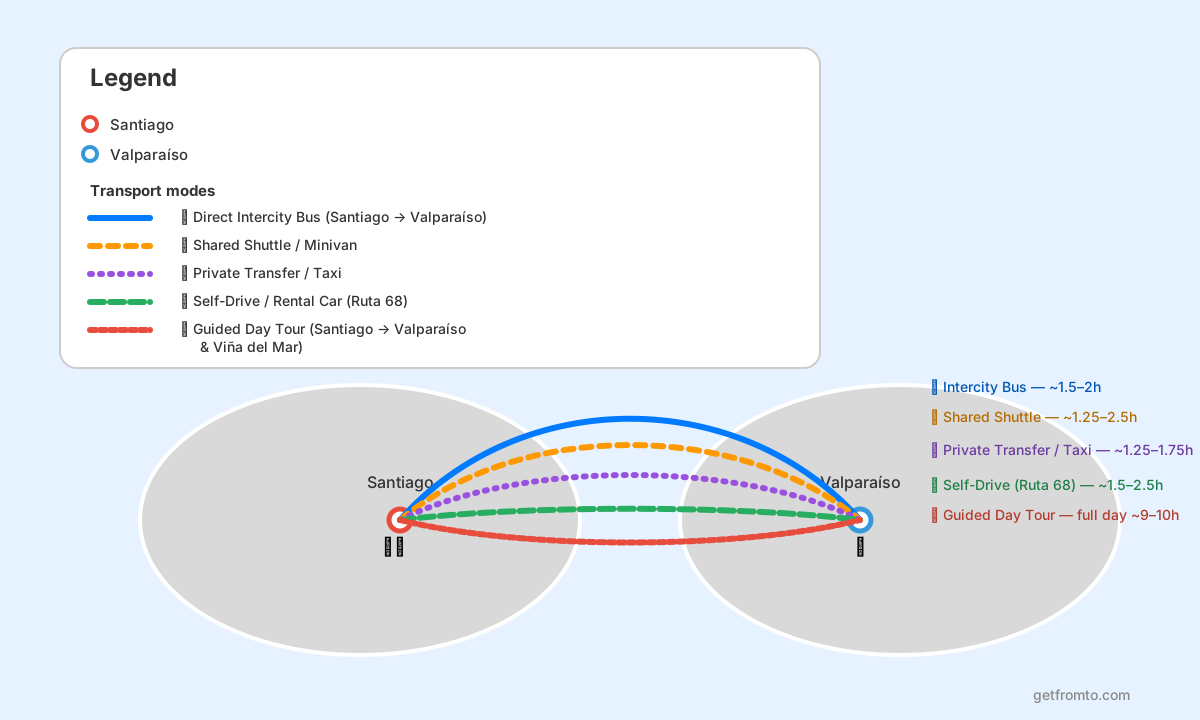
| Mode | Duration | Best For |
|---|---|---|
| 🚌 Direct Intercity Bus (Santiago → Valparaíso) | ~1.5–2h | Most travelers, cheap & frequent |
| 🏷️ Cost: ~CLP 4,000–8,000 (≈US$4–8) one-way, depending on company and time of day » compare buses | bus & transfer options | ||
| 🚐 Shared Shuttle / Minivan | ~1.25–2.5h (route- and pickup-dependent) | Door-to-door comfort without full private cost |
| 🏷️ Cost: ~US$20–50 per person, often bookable online as airport or hotel transfers » see vans | ||
| 🚖 Private Transfer / Taxi | ~1.25–1.75h | Max comfort, groups, lots of luggage, late arrivals |
| 🏷️ Cost: From ~€120 (≈US$130) total from Santiago Airport, a bit less from downtown, depending on provider and vehicle size » prebook transfer | quote via GetTransfer | ||
| 🚗 Self-Drive / Rental Car (Ruta 68) | ~1.5–2.5h (longer with scenic stops) | Scenic flexibility, stops in Casablanca Valley or Viña del Mar |
| 🏷️ Cost: Rental from ~US$40–50/day plus fuel and tolls (~CLP 5,500–8,000 each way on Ruta 68 in normal/peak hours) » compare car rentals | ||
| 🎨 Guided Day Tour (Santiago → Valparaíso & Viña del Mar) | Full day ~9–10h | First-time visitors, no-hassle sightseeing |
| 🏷️ Cost: ~US$70–120 per person incl. transport and guide » sample tour | check Klook | Trip.com options | ||
Which Option or Route Should You Choose?
- Fastest / Most convenient door-to-door: Choose a private transfer or taxi if you are landing at Santiago Airport with luggage or traveling late at night. It’s the least stressful way to reach Valparaíso directly.
- Best balance of price and simplicity: The direct intercity bus from Terminal Alameda or Pajaritos is the classic choice: frequent departures, low fares, and straightforward logistics.
- Best if you want flexibility and scenic stops: A rental car via Ruta 68 lets you stop in Casablanca Valley wineries or detour via Viña del Mar on the same day.
- Best for guided sightseeing (no planning): Book a full-day tour from Santiago that bundles transport, guide, and key viewpoints in Valparaíso and Viña del Mar.
- Good compromise for comfort and price: Shared shuttles/minivans are ideal if you want hotel pickup but don’t need a fully private ride.
How to Book and Practical Tips
- Buy bus tickets online or at the terminal: For peace of mind on busy summer weekends and holidays, prebook a seat using platforms that list multiple bus companies, such as 12Go, or local sites like Recorrido and Kupos. Same-day purchase at the terminal is usually fine on regular weekdays.
- Aim for early departures: Leaving Santiago between 7:00–9:00 in the morning usually means lighter traffic and more time exploring Valparaíso. Evenings, long weekends, and special events (like the Peregrinación a Lo Vásquez) can create heavy congestion and occasional closures along Ruta 68, so check traffic advisories in advance.
- Use contactless payment and small bills: Intercity buses and tolls typically accept cash in Chilean pesos; some terminals and agencies accept cards. Keep small bills and coins for snacks and local buses in Valparaíso.
- Download offline maps: Save “Terminal Alameda”, “Terminal de Buses Pajaritos” and “Terminal Rodoviario Valparaíso” in your map app so you can navigate even without mobile data.
- Leverage ride-hailing apps: In greater Santiago and Valparaíso, Uber, Cabify and DiDi are widely used alongside metered taxis; they’re handy for short hops to and from bus terminals, especially late at night.
- Travel light or store bags: If you’re doing a quick day trip, consider luggage storage in Santiago near central metro stations or key areas using services like Radical Storage so you don’t haul big suitcases to Valparaíso.
- Book accommodation near transport hubs: If you’re staying overnight, look for hotels or apartments near central metro stops in Santiago and near the flat area (plan) of Valparaíso; use platforms like Booking.com to filter by location and guest rating.
- Keep an eye on seasonal events: Around New Year’s fireworks, summer weekends (December–February), and religious holidays, both buses and roads can be extremely busy; book earlier and allow extra time.
🚌 Option #1 — Direct Bus (Most Popular, Good Value)
Low cost Frequent departures Traffic-dependent
- Overview: Frequent intercity buses connect Santiago (Terminal Alameda, Terminal San Borja and Terminal Pajaritos) with Valparaíso’s Terminal Rodoviario. The ride follows Ruta 68 through tunnels Lo Prado and Zapata and usually takes about 1.5–2 hours depending on traffic and the exact departure point.
- Operators: Major companies include Turbus, Pullman Bus Costa Central, FlixBus Chile and others, offering semi-cama (reclining) seats and air conditioning.
- How to book (with price): Expect one-way fares from roughly CLP 4,000–8,000 (~US$4–8) if bought in advance or on-site. You can compare companies and schedules on 12Go, or buy directly on operator sites such as Turbus and local aggregators like Recorrido or Kupos.
- Pros: Cheapest option, very frequent departures (often every 15–30 minutes in the day), reasonably comfortable, no need to drive or deal with tolls.
- Cons: Journey time can increase with weekend/holiday traffic; you need to get yourself to/from the terminals at both ends; no guaranteed luggage space if you arrive last-minute on a very full bus.
Step-by-step: Direct Bus
- From your accommodation in Santiago, head to one of the main bus terminals: Terminal Alameda (next to Estación Central metro), Terminal San Borja (near Estación Central) or Terminal Pajaritos (Pajaritos metro, Line 1). Choose whichever is closest to you.
- Buy your ticket: either in advance online (recommended for weekends and high season) using sites like 12Go or the bus company’s website, or at the ticket counters in the terminal. Check whether your bus is listed as “directo” to Valparaíso Rodoviario.
- Arrive at the terminal 20–30 minutes before departure to locate your platform (anden). Show your ticket and ID if requested and label any large bags you’ll stow underneath.
- Ride to Valparaíso via Ruta 68. Enjoy the changing scenery as you pass vineyards and hills; many buses offer Wi‑Fi and power outlets, but don’t rely on them 100%.
- Arrive at Terminal Rodoviario Valparaíso. From here you can take a local bus, trolleybus, colectivo, taxi or ride-hailing service up to your accommodation in the hills or to nearby Viña del Mar.
Getting to the main embarking points (Bus Terminals)
- Terminal Alameda: Located beside Estación Central metro (Line 1). Simply take Line 1 to Estación Central and follow signs to the bus terminal; allow 10 extra minutes to find your platform.
- Terminal San Borja: Also near Estación Central metro; you walk a few minutes north from the station through the commercial complex. Good backup if one terminal is very busy.
- Terminal Pajaritos: On Line 1 between central Santiago and the airport access highway. This is ideal if you’re connecting from the airport bus or staying in the western part of the city; just exit the metro, go upstairs and follow signs for intercity buses.
- From Santiago Airport (SCL): Take an airport bus (Centropuerto or Turbus) to Pajaritos station, then transfer directly to a Valparaíso bus in the same complex. Many travelers use this route instead of going into downtown first.
- Local connections in Valparaíso: From Terminal Rodoviario you can walk or take short local buses/trolleys down to Plaza O’Higgins, Avenida España, or up to Cerro Alegre/Cerro Concepción, or ride to Viña del Mar along the coast.
- Locations/Trip Planner: 🔗 Google Map / 🔗 OpenStreetMap
🚐 Option #2 — Shared Shuttle / Minivan
Door-to-door Comfortable Higher cost than bus
- Overview: Shared shuttles and minivans run between Santiago (including the airport and major hotels) and Valparaíso. You share the vehicle with other passengers but are usually dropped closer to your accommodation than a regular bus terminal.
- How to book (with price): Expect prices around US$20–50 per person, depending on pickup point and time. Compare minivan and car options on multi-operator platforms like 12Go, or through global booking sites and local agencies.
- Pros: More comfortable than a bus, often includes hotel or port pickup/drop-off, less hassle with luggage, and fewer transfers if you’re coming straight from the airport.
- Cons: More expensive than public buses; departure times less frequent; you may spend extra time collecting other passengers before leaving the city.
Step-by-step: Shared Shuttle / Minivan
- Search for shuttles on your travel dates using a comparison site (for example the minivan listings on 12Go) or via local agencies recommended by your hotel.
- Choose your pickup location (airport, a specific hotel, or a central point like Estación Central) and confirm whether drop-off will be at your hotel or a central point in Valparaíso.
- Reserve online with your contact details and flight number (if applicable). Keep your voucher or confirmation email accessible on your phone.
- On the day, be at your pickup point 10–15 minutes early. Look for a van or minibus with the company logo and confirm your name with the driver before boarding.
- Ride to Valparaíso, where the driver will drop passengers at their respective stops. Have a map ready to confirm your final stop is close enough to your accommodation.
Getting to the main embarking points (Shuttles)
- Airport pickups: Most shuttles meet passengers in the arrivals hall at Arturo Merino Benítez Airport with a sign. Check your voucher for the exact meeting point and instructions.
- Hotel pickups in Santiago: Confirm with your accommodation whether the shuttle can pick you up directly; if not, arrange to meet at a nearby large hotel or landmark.
- Central pickup points: Some shared services use locations like Estación Central, Plaza Italia or major metro stations. Plan to arrive by metro, taxi or rideshare and allow extra time for traffic.
- Locations/Trip Planner: 🔗 Google Map / 🔗 OpenStreetMap
🚖 Option #3 — Private Transfer / Taxi (Fastest, Most Comfortable)
Door-to-door Great for groups Highest cost
- Overview: A private transfer or taxi takes you directly from the airport or your hotel in Santiago to your accommodation or cruise terminal in Valparaíso, using Ruta 68. Travel time is usually 75–90 minutes in normal traffic.
- How to book (with price): Prebooked transfers from Santiago Airport to Valparaíso typically cost from around €120 (≈US$130) per car, depending on vehicle size and time of day. Compare services and book online via providers like Welcome Pickups or get custom quotes on GetTransfer.
- Ride-hailing and local taxis: Within Santiago and Valparaíso, Uber, Cabify and DiDi operate alongside official black-and-yellow taxis. For the full intercity journey, it’s safer and clearer to agree a fixed price in advance or use a prebooked transfer rather than an on-the-spot deal.
- Pros: Easiest option with luggage or children, most time-efficient, flexible departure time, ideal when arriving late or leaving very early.
- Cons: Significantly more expensive than bus; cost can rise with heavy traffic or surcharges if you don’t fix the rate ahead of time.
Step-by-step: Private Transfer / Taxi
- Get a quote and book online before you travel, selecting your pickup (Santiago Airport or hotel) and destination (hotel/port in Valparaíso). Ensure your flight number and arrival time are correct.
- Receive confirmation detailing where to meet your driver (often just outside customs at the airport, or outside hotel reception). Save the contact number in case of delays.
- Upon arrival, meet your driver at the agreed point, confirm your name and destination, and check that the vehicle type matches your booking.
- Drive to Valparaíso via Ruta 68. Expect at least two main toll plazas (Lo Prado and Zapata); tolls are usually included in your prebooked fare, but confirm this in advance.
- Arrive directly at your accommodation or cruise terminal, avoiding transfers and extra local transport.
Getting to the main embarking points (Private Transfers)
- Airport pickups: Santiago Airport has clearly signed meeting points in the arrivals hall where prebooked drivers wait with name boards. Avoid unlicensed touts who approach you directly.
- Hotel pickups in Santiago: Most central hotels and apartments are reachable by car. Make sure your accommodation shares door codes or building access details with the driver if needed.
- Cruise terminals in Valparaíso: If you’re boarding a cruise, confirm the exact terminal and berth with your cruise line and share it with the transfer company so they can drop you at the correct gate.
- Locations/Trip Planner: 🔗 Google Map / 🔗 OpenStreetMap
🚗 Option #4 — Self-Drive / Rental Car via Ruta 68
Most flexible Great for side trips Tolls & parking
- Overview: Driving from Santiago to Valparaíso via Ruta 68 takes about 1.5 hours without stops. The highway crosses the coastal range through tunnels Lo Prado and Zapata and passes near wine country (Casablanca Valley), making it a scenic option if you plan stops en route.
- How to book (with price): Daily rental rates start around US$40–50/day for a small car, plus insurance and fuel. Compare deals and pick up in downtown Santiago or at the airport using platforms like Booking.com Cars or the airport car rental page.
- Tolls and fuel: For a standard car, expect to pay around CLP 5,500–8,000 in tolls each way on Ruta 68 (Lo Prado and Zapata plazas, with higher “punta” rates on peak days), plus fuel for roughly 120 km. Some tolls are fully electronic (TAG); confirm with your rental company how charges are handled.
- Pros: Total flexibility on departure time and route, easy to combine with Viña del Mar or Casablanca wineries, convenient for families or groups with luggage.
- Cons: You must navigate busy Santiago traffic, pay tolls and parking in Valparaíso’s hilly streets, and watch for special traffic measures (holiday closures, reversible lanes) on Ruta 68.
Step-by-step: Self-Drive / Rental Car
- Reserve a car online for pickup in Santiago or at SCL Airport, checking that your driving licence and credit card meet local requirements.
- Collect the car, inspect it with photos or video, and ask the rental agent how tolls (TAG) are billed and whether highway assistance is included.
- Set your GPS to Valparaíso via “Ruta 68”. Leaving early in the morning helps avoid city congestion and midday heat.
- Drive west along Ruta 68, passing Curacaví and Casablanca. If you’ve planned winery or food stops, make sure they have safe parking and reservations where necessary.
- As you approach Valparaíso, follow signs toward “Valparaíso centro” or “Plan” and then to your hotel or parking garage. Many travelers choose to park in a secure lot on the flat area and explore the hills on foot or by funicular.
Getting to the main embarking points (Driving)
- Rental car offices: You’ll find agencies both at the airport and in central neighborhoods like Providencia, Las Condes and downtown. Check opening hours if you plan an early start.
- Highway access from Santiago: From most central districts you’ll join either Autopista Central or Costanera Norte and then connect to Ruta 68 heading west. Your GPS or map app will guide you through the interchanges.
- Parking in Valparaíso: Street parking on the hills is often steep and tight. Many visitors prefer guarded parking lots near the port or around Plaza Sotomayor and explore on foot from there.
- Locations/Trip Planner: 🔗 Google Map / 🔗 OpenStreetMap
🎨 Option #5 — Guided Day Tour from Santiago
Sightseeing-focused No planning Group schedules
- Overview: Organized day tours bundle round-trip transport from Santiago with guided walks through Valparaíso’s colorful hills and time in nearby Viña del Mar or the Casablanca wine valley. They’re perfect if you want context and stories rather than just transport.
- How to book (with price): Full-day group tours typically cost US$70–120 per person, depending on group size and inclusions (lunch, wine tasting, funicular tickets). Browse options and reviews on platforms like GetYourGuide, Klook and Trip.com.
- Pros: No need to navigate or manage tickets; you’ll see key viewpoints plus Viña del Mar in one day; a guide explains history, street art and local life.
- Cons: Less flexibility to wander on your own; early departures; larger groups on some tours; not ideal if you dislike fixed schedules.
Step-by-step: Guided Day Tour
- Choose a tour that matches your interests (art and history, wineries, coastal focus) and check what’s included. Look at recent reviews and group size.
- Book online with your hotel address and contact number. Confirm whether the tour includes door-to-door pickup or uses a central meeting point.
- On the day, be ready at your meeting point 10–15 minutes before the pickup window with sunscreen, comfortable shoes and a light jacket (it can be windy on the coast).
- Ride to Valparaíso via Ruta 68, stopping at scenic viewpoints or wineries if included. Follow your guide through key neighborhoods like Cerro Alegre and Cerro Concepción.
- Return to Santiago in the late afternoon or evening, usually dropped near your original pickup point.
Getting to the main embarking points (Tours)
- Hotel pickup in central areas: Many tours pick up in popular neighborhoods like Centro, Lastarria, Providencia and Las Condes. If you’re staying in an apartment, you may be asked to meet at the nearest big hotel instead.
- Central meeting points: Some operators gather groups at landmarks like Plaza Italia or key metro stations. Check your voucher carefully and plan to arrive by metro or taxi.
- Cruise passenger options: If embarking or disembarking in Valparaíso, look for tours that begin or end at the port so you can combine a city tour with your transfer to/from Santiago.
- Locations/Trip Planner: 🔗 Google Map / 🔗 OpenStreetMap
FAQ (Santiago to Valparaiso)
What is the cheapest way to get from Santiago to Valparaíso?
The cheapest option is almost always the direct intercity bus from Santiago (Alameda, San Borja or Pajaritos terminals) to Valparaíso’s Terminal Rodoviario. If you buy in advance or outside peak times, you can find fares from around CLP 4,000–5,000 one-way with reputable companies, and buses run from early morning until late at night.
Do I need to book my bus ticket in advance?
On regular weekdays, you can usually just show up and buy a ticket for the next departure. However, around Chilean holidays, summer weekends (December–February), and major events like New Year’s fireworks in Valparaíso, buses can sell out or be very busy. In those cases it’s smart to prebook online and arrive at the terminal early.
Is there a train between Santiago and Valparaíso?
There is currently no passenger train operating all the way between Santiago and Valparaíso. Existing rail services (like the Limache–Puerto line in the Valparaíso region) don’t connect directly with Santiago for this journey. Various governments have studied a new Santiago–Valparaíso rail project, but it’s still in planning and not available for travelers yet. For now, road transport (bus, car, transfer or tour) is the practical choice.
How do I get from Santiago Airport (SCL) directly to Valparaíso?
The most convenient way is a prebooked private transfer or taxi from the airport to Valparaíso, taking about 75–90 minutes, depending on traffic. A budget-friendly alternative is to take an airport bus to Pajaritos metro/bus station and then transfer to a direct intercity bus to Valparaíso from the same terminal complex.
Is a day trip from Santiago to Valparaíso enough?
A day trip gives you a good first taste of Valparaíso’s murals, viewpoints and historic hills, especially if you combine it with nearby Viña del Mar. You’ll typically have 5–7 hours on the coast before returning. If you enjoy slow wandering, photography or nightlife, consider staying at least one night in Valparaíso to explore at a more relaxed pace.
Is it safe to travel between Santiago and Valparaíso?
The road and bus routes are well used by locals and tourists. As in any major city, keep an eye on your belongings at terminals and on board, avoid flashing valuables, and use licensed taxis or trusted ride-hailing apps for late-night transfers. Driving at night is common, but extra caution is wise in heavy rain or during holiday traffic.
Can I take a bike or motorcycle between Santiago and Valparaíso?
Yes. Experienced riders and cyclists often use Ruta 68 or alternative routes, though you must be comfortable with highway conditions, tunnels and variable weather. If you want to rent a motorcycle rather than bring your own, you can compare offers around Santiago using platforms like BikesBooking or specialized local rental agencies.