

How to get from Seoul to Andong
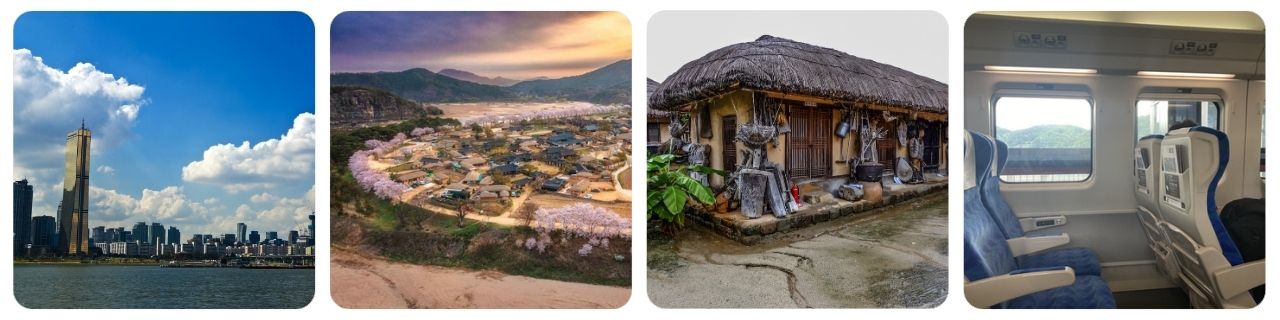
Getting from Seoul to Andong, gateway to Hahoe Folk Village and Korea’s Confucian heartland, is straightforward once you understand the intercity buses, new KTX-Eum trains, and tour or transfer options that fit your style and budget.
At A Glance (Seoul to Andong)
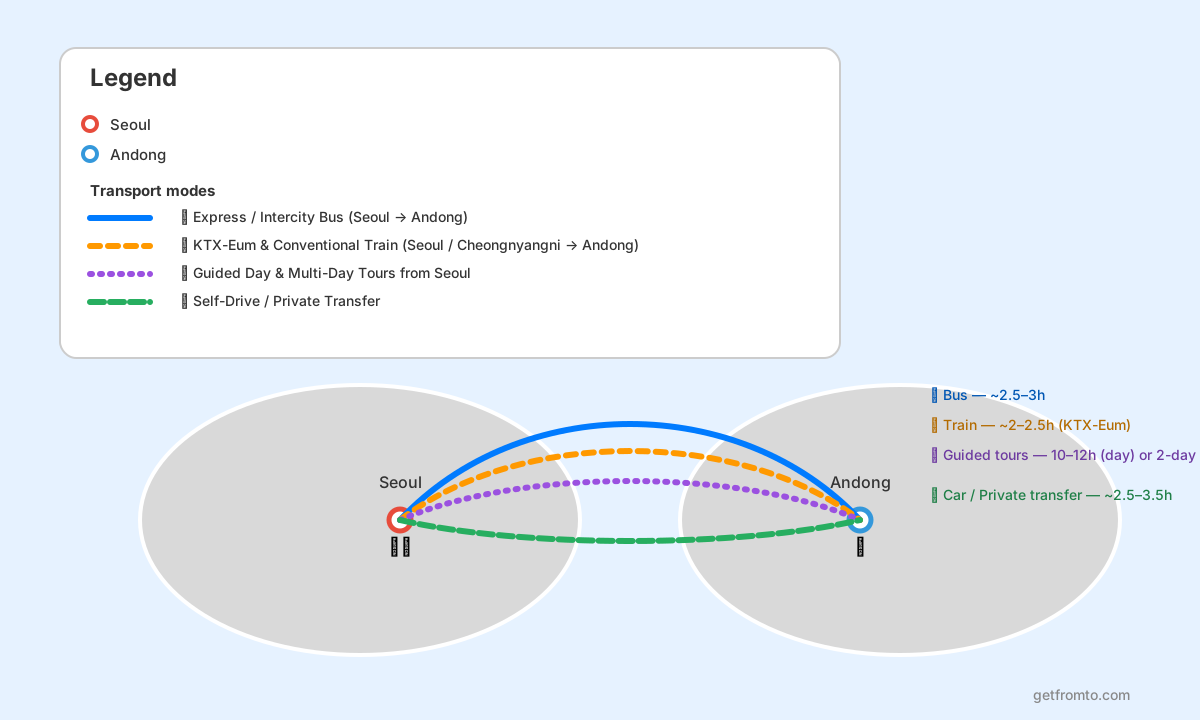
| Mode | Duration | Best For |
|---|---|---|
| 🚌 Express / Intercity Bus (Seoul → Andong) | ~2.5–3h from Seoul Express or Dong Seoul Terminal | Most travelers, budget-friendly & frequent |
| 🏷️ Cost: ~KRW 16,000–27,000 one-way depending on time and bus type. Check official timetables via Andong City and reserve seats or bus e-tickets through Korean platforms or products like Seoul–Andong express bus tickets on Klook. | ||
| 🚄 KTX-Eum & Conventional Train (Seoul / Cheongnyangni → Andong) | ~2–2.5h by KTX-Eum, ~3h+ by regular trains | Fast, comfortable, scenic ride |
| 🏷️ Cost: ~KRW 25,000–40,000 one-way depending on class and train type. Compare Seoul–Andong rail options on 12Go Asia trains or check KTX/ITX fares via Trip.com Korail route listings. | ||
| 🧭 Guided Day & Multi-Day Tours from Seoul | 10–12h day trips or 2-day small-group tours | Hands-off planning, culture-focused trips |
| 🏷️ Cost: From ~KRW 120,000–300,000+ per person depending on duration and inclusions. Browse Andong & Hahoe tours on GetYourGuide Andong day trips or Klook’s Andong UNESCO tours. | ||
| 🚗 Self-Drive / Private Transfer | ~2.5–3.5h by car from central Seoul | Flexible schedules, families or groups |
| 🏷️ Cost: Rental cars from ~KRW 60,000–100,000 per day plus fuel and tolls; private transfers from ~KRW 200,000+ per vehicle. Compare rental deals on Booking.com Car Rentals or request vehicle quotes via GetTransfer. | ||
Which Option or Route Should You Choose?
- Fastest and most comfortable overall: Take the KTX-Eum from Seoul or Cheongnyangni to Andong (Option #2) if you prefer speed, reserved seats, and minimal traffic worries. It’s ideal for a long day trip or tight schedules.
- Cheapest and easiest to book last-minute: The express/intercity buses from Seoul to Andong (Option #1) remain the classic choice, with frequent departures from both Dong Seoul and Seoul Express Bus Terminals.
- Most immersive with minimal planning: If you’d rather not juggle timetables, consider guided day or 2‑day tours (Option #3) that bundle transport, guiding and Hahoe Folk Village tickets.
- Best for road-trip lovers and families: Confident drivers who want to explore rural Gyeongsangbuk-do at their own pace should look at self-drive or private transfers (Option #4), combining Andong with nearby cities like Gyeongju or Daegu.
How to Book and Practical Tips
- Use official rail and bus sites for schedules: For trains, check Korail timetables and book seats via the international-friendly Let’s Korail site or partner platforms like Trip.com’s Seoul–Andong page and 12Go Asia. For buses, Andong’s tourism site lists current services from Seoul terminals.
- Reserve in advance on peak weekends: Autumn foliage season, Chuseok, and festival dates (e.g., Andong Maskdance Festival) can see trains and buses sell out. Lock in your tickets a few days ahead, especially for morning departures.
- Combine online platforms and local kiosks: Foreign cards may not always work on Korean-only websites. If that happens, use international platforms (12Go Asia, Klook, Trip.com) or buy on-site at station/bus terminal ticket windows.
- Plan your Seoul transfers: To reach Seoul Station or the bus terminals from Incheon/Gimpo Airport or your hotel, you can use AREX trains, subways, or taxis. For a smooth arrival, consider a pre-booked airport transfer with Welcome Pickups in Seoul, or ride-hailing/taxi apps like Kakao T and Uber.
- Travel light if you’re detouring via Andong: If Andong is a short side-trip between longer city stays, leave big suitcases in Seoul. Book luggage storage near major hubs with Radical Storage in Seoul and continue to Andong with a smaller bag.
- Stay overnight if you can: While a fast train makes Andong viable as a day trip, an overnight stay lets you enjoy quieter evenings, try Andong soju and jjimdak, and visit Hahoe Village without rushing. Compare hanok stays and hotels via Booking.com Andong hotels.
- Get around Seoul & Andong on two wheels: In Seoul, consider public bikes (Seoul Bike/Ddareungi) or rentals via sites like BikesBooking bicycle rentals in Seoul or motorcycle rentals for side trips. In Andong, most sights are accessible by local bus or taxi, with some accommodation offering bike rental.
🚌 Option #1 — Express / Intercity Bus (Most Popular, Great Value)
Low cost Frequent departures Traffic-dependent
- Overview: Direct express buses connect Seoul Express Bus Terminal (Gangnam/Central City) and Dong Seoul Bus Terminal with Andong Intercity/Express Bus Terminal. Journey time is typically around 2.5–3 hours, depending on traffic and service type.
- Schedules: According to Andong’s official information, buses from Seoul Express Bus Terminal run roughly from early morning (~06:10) until late evening (~20:10), with additional late-night services on some days. Dong Seoul Terminal services run from around 07:00 to 18:30 with multiple departures per day.
- How to book (with price): Expect one-way fares around KRW 16,000–27,000. You can buy tickets on the day at the terminal ticket counters or reserve via Korean-only sites like KoBus or BusTago listed on the Andong tourism bus page. For an English-friendly option, look at products such as Seoul–Andong express bus tickets on Klook, which include reserved seats on selected departures.
- Pros: Frequent, affordable, simple point-to-point journey; luggage stored underneath; departures from two different Seoul terminals give you flexibility depending on where you stay.
- Cons: Subject to road traffic (especially when leaving Seoul or returning Sunday evening); announcements and signage can be mainly in Korean; fewer toilets onboard compared with trains (though buses often stop at rest areas on longer runs).
- Official info: For the latest routes and frequencies from both Dong Seoul Terminal and Seoul Express Bus Terminal to Andong, refer to the “Getting to Andong by Bus” section on the Andong tourism site, which also lists contact numbers for the bus terminal and main operators.
Step-by-step: Express Bus from Seoul to Andong
- Choose your departure terminal: If you’re staying south of the river (Gangnam, Itaewon areas), Seoul Express Bus Terminal is usually most convenient. For many central or eastern neighborhoods, Dong Seoul Bus Terminal may be easier to reach.
- Check departure times: Look up buses on Andong’s official tourism page or via an English-friendly booking product like Klook’s Seoul–Andong bus ticket. Decide which specific departure works with your hotel checkout and any onward connections in Andong.
- Buy tickets: Purchase at the terminal on the day (cash or card) or pre-book online. At the terminal, use the English button on the ticket machines if available, or show the staff the word “Andong” (안동) and your desired departure time.
- Arrive early: Be at your terminal at least 20–30 minutes before departure to find your gate, collect tickets if needed, use the restroom and buy snacks.
- Board and store luggage: When your bus is called, line up, stow large bags in the luggage compartment, and keep valuables and essentials (water, light jacket, phone) in a small daypack onboard.
- Arrive at Andong Bus Terminal: On arrival, follow signs into the terminal building. From there, take a local bus or taxi to your accommodation or directly toward Hahoe Folk Village if you’re connecting onwards.
Getting to the main embarking points (Seoul Bus Terminals)
- Seoul Express Bus Terminal (Gangnam/Central City): Located in southern Seoul, directly connected to Express Bus Terminal Station (Lines 3, 7 and 9). Follow signs for the Express Bus/Seoul Central City mall once you exit the subway turnstiles.
- Dong Seoul Bus Terminal: Situated next to Gangbyeon Station (Line 2). Exit toward the riverside and follow the overhead walkway signs to the terminal building.
- From airports or other districts: Use the subway network, airport limousine buses, or a taxi/rideshare (Kakao T or Uber) to reach your chosen terminal. If you prefer a seamless arrival, a private transfer with Welcome Pickups can drop you directly at the bus terminal from Incheon or Gimpo.
- Andong Bus Terminal to city & Hahoe: Taxis wait outside the terminal, and local buses connect to downtown Andong and on toward Hahoe Folk Village; schedule details are summarized on Andong’s English “Getting to Andong by Bus” page.
- Locations/Trip Planner: 🔗 Google Map / 🔗 OpenStreetMap
🚄 Option #2 — KTX-Eum & Conventional Train (Fast & Comfortable)
Fastest land option Reserved seats Limited daily departures
- Overview: Modern KTX-Eum high-speed services and conventional trains connect Seoul / Cheongnyangni Station with Andong Station via the Jungang Line. KTX-Eum cuts the journey to around 2–2.5 hours, while Mugunghwa or ITX trains take around 3 hours or slightly more.
- Schedules: There are usually several KTX-Eum departures per day between Seoul/Cheongnyangni and Andong, supplemented by slower trains. Exact times vary by season, so always consult current timetables.
- How to book (with price): One-way fares to Andong generally range from about KRW 25,000–40,000 depending on class and train type. You can check routes and book via the official Let’s Korail booking site, or use international partners such as 12Go Asia’s Seoul–Andong trains and Trip.com’s Korail route page.
- Seat classes and facilities: Trains offer reserved seats in standard and sometimes first class, luggage racks, toilets, and power outlets on many services. Snacks and drinks can be bought at the station or via vending machines onboard certain trains.
- Pros: Fast, smooth, weather-resilient; easy to read timetables; less affected by highway traffic; great for early start/late return day trips.
- Cons: Fewer departures than buses; you must travel to/from specific stations (Seoul or Cheongnyangni); last-minute tickets can sell out on popular trains.
- Official info: Andong City’s official “By Train” page summarizes services between Andong and Seoul (Cheongnyangni) and links directly to Korail’s booking site for real-time schedules.
Step-by-step: Train from Seoul to Andong
- Decide your departure station: Seoul Station is central and convenient for many visitors; Cheongnyangni Station is east of downtown and closer to some train origins. Check whether your preferred train starts at Seoul or Cheongnyangni.
- Search for trains: Enter “Seoul” or “Cheongnyangni” to “Andong” on the Let’s Korail website, or use 12Go Asia or Trip.com for English-friendly booking and pricing.
- Choose train type and time: Pick a KTX-Eum departure if speed is your priority, or a slightly slower ITX/Mugunghwa train if you want to save a little money and don’t mind extra travel time.
- Book seats: Reserve your tickets online using an international credit card where supported, or buy them at station ticket counters. Keep a screenshot or printed copy of your reservation with you.
- Arrive at the station: Get to Seoul or Cheongnyangni Station 20–30 minutes early to find your platform. Stations are well signed in English and Korean; electronic boards show car and seat numbers.
- Ride to Andong: Board your assigned car, store large bags in luggage racks or overhead, and enjoy rural scenery as you head into Gyeongsangbuk-do. At Andong Station, follow signs toward the exit, taxis, and local buses.
Getting to the main embarking points (Seoul & Andong Stations)
- Seoul Station: A major hub served by subway Lines 1 and 4, airport AREX, and multiple bus routes. If you’re transferring directly from Incheon Airport, AREX or airport buses are the easiest options.
- Cheongnyangni Station: Accessed by subway Line 1, the Gyeongui–Jungang Line, and the Suin–Bundang Line. Follow station signage to the main concourse and long-distance rail section.
- Local transfers by taxi or ride-hailing: Use Kakao T (widely used in Korea) or Uber to get from your hotel to the station with door-to-door convenience, or ask your hotel to call a taxi.
- Andong Station to city & Hahoe: Taxis line up outside the station, and local buses head into downtown and toward Hahoe Folk Village. Andong’s official train information page summarizes onward options.
- Locations/Trip Planner: 🔗 Google Map / 🔗 OpenStreetMap
🧭 Option #3 — Guided Day Trips & Multi-Day Tours (Most Hassle-Free)
Guided experience Transport included Less flexibility
- Overview: If you prefer to let someone else handle logistics, join an organized tour from Seoul that includes round-trip transport to Andong plus visits to Hahoe Folk Village, Confucian academies and riverside viewpoints. Options range from long day trips to 2‑day small-group tours.
- Types of tours: Classic day tours focus on Hahoe Folk Village and central Andong, while multi-day itineraries may combine Andong with Gyeongju or other UNESCO sites in Korea.
- How to book (with price): Expect prices from around KRW 120,000–200,000 for a full-day trip and more for overnight tours. Compare itineraries, group sizes and inclusions on GetYourGuide’s Andong day trip listings and on Klook’s dedicated pages such as Andong UNESCO Heritage Full Day Tour from Seoul or the 2‑day Andong Hahoe & Byeongsanseowon tour.
- What’s usually included: Round-trip coach or minibus transport from central Seoul, English-speaking guide, admission to Hahoe Folk Village and other attractions, and sometimes lunch. Check whether hotel pickup is offered or if you meet at a central point.
- Pros: No need to navigate stations or terminals; insightful commentary; optimized itineraries that maximize sightseeing time; ideal for visitors with limited days in Korea.
- Cons: Fixed schedule and limited personal time; less flexible if you want to linger at a specific site, revisit Hahoe in the evening, or stay overnight in a hanok.
Step-by-step: Joining a Tour from Seoul to Andong
- Compare itineraries: Decide whether you want a single long day or a slower-paced 2‑day experience. Browse detailed descriptions and reviews on GetYourGuide and Klook.
- Check inclusions and group size: Confirm what’s included (transport, entrance fees, meals) and how many people will be in your group. Smaller groups generally mean more flexibility and personalized guiding.
- Reserve your date: Tours to Andong can be popular, especially when weather is pleasant in spring and autumn. Secure your preferred date online, then watch for confirmation emails and any pre-tour instructions.
- Prepare for the day: Wear comfortable shoes and layers, as you’ll spend time walking in Hahoe’s lanes and open courtyards. Bring cash or a card for snacks and souvenirs.
- Meet your guide: On the day, arrive at the designated meeting point or hotel lobby 10–15 minutes before the scheduled pickup time and look for your guide’s sign or branded vehicle.
Getting to the main embarking points (Central Seoul Meeting Spots)
- Hotel pickup in central Seoul: Many tours include pickup from popular areas like Myeongdong, Hongdae or around Seoul Station. Check if your hotel falls within the free pickup zone when booking.
- Designated meeting points: If hotel pickup isn’t available, you’ll be asked to meet at a landmark (e.g., near a subway exit or major hotel). Use the subway or a Kakao T taxi to get there.
- After the tour: Coaches typically return you to the original meeting point or a central subway station, from which you can head back to your accommodation or onward evening plans.
- Locations/Trip Planner: 🔗 Google Map / 🔗 OpenStreetMap
🚗 Option #4 — Self-Drive & Private Transfers (Most Flexible)
Door-to-door Great for groups Tolls & traffic
- Overview: Driving from Seoul to Andong along expressways takes around 2.5–3.5 hours depending on your exact route and traffic. This option works well if you’re planning a broader regional itinerary and want to explore villages and countryside at your own pace.
- Routes: Most drivers take the main expressways heading southeast toward Wonju/Yeongju or Daegu and then to Andong. Navigation apps like Kakao Map, Naver Map or Google Maps give reliable turn-by-turn guidance.
- How to book a car (with price): Compact rentals typically start around KRW 60,000–100,000 per day, plus fuel and expressway tolls. Compare car types and pick-up locations (Incheon Airport, Gimpo, or central Seoul) on Booking.com Car Rentals.
- Private transfers: If you prefer to relax in the back seat, arrange a private transfer. Prices vary by vehicle size and company but often start around KRW 200,000–300,000 per vehicle one-way. Use GetTransfer to request quotes for custom Seoul–Andong routes, or combine airport pickups in Seoul with city transfers via Welcome Pickups.
- Pros: Complete schedule freedom; easy to combine Andong with side trips to Gyeongju, Daegu or rural Confucian academies; convenient for families and groups carrying extra luggage.
- Cons: Navigating unfamiliar expressways and city traffic; parking fees in urban areas; toll and fuel costs; winter driving conditions can require extra caution.
Step-by-step: Self-Drive or Private Transfer Seoul → Andong
- Decide on rental vs driver: If you’re comfortable driving in Korea and reading road signs, a rental car gives maximum flexibility. If not, opt for a private transfer through platforms like GetTransfer.
- Book your vehicle: On Booking.com Car Rentals, choose pick-up and drop-off points (e.g., Incheon Airport → Seoul, or Seoul city → return in Seoul or Busan). Verify whether your driving license and, if needed, an International Driving Permit (IDP) are accepted.
- Plan your route and stops: Use Kakao Map or Naver Map to preview your drive and identify rest areas along the way. You might combine Andong with stops at scenic valleys or historic towns en route.
- Drive to Andong: Depart Seoul outside of rush hours if possible. Follow your navigation app’s expressway instructions and keep cash or a card ready for tolls if your rental car doesn’t include an electronic toll tag.
- Park and explore: In Andong, park near your accommodation or major attractions like the riverside or Hahoe Village parking area, then continue on foot or via local shuttles.
Getting to the main embarking points (Car Rental Depots & Andong)
- Airport vs city rental: Renting at Incheon Airport is convenient if you plan to drive immediately, while city-centre depots may be better if you’ll stay in Seoul a few days first. Check pick-up hours and one-way fees when comparing options on Booking.com.
- Navigating Seoul traffic: Use navigation apps in English mode and allow extra time leaving or entering the city, especially around weekends and holidays.
- Parking in Andong & Hahoe: Check whether your hotel offers free parking. At Hahoe Folk Village, you’ll park in a designated lot outside the village and take a shuttle bus to the entrance.
- Locations/Trip Planner: 🔗 Google Map / 🔗 OpenStreetMap
FAQ (Seoul to Andong)
Is it better to take the train or bus from Seoul to Andong?
For most travelers, the KTX-Eum train offers the best balance of speed and comfort, taking around 2–2.5 hours with reserved seats and minimal traffic delays. However, express buses are usually a bit cheaper and depart more frequently from two different Seoul terminals, which can be more convenient depending on where you’re staying.
Can I visit Andong and Hahoe Folk Village as a day trip from Seoul?
Yes, it’s doable, especially if you take an early KTX-Eum train or join a dedicated day tour. Expect a long but rewarding day, with several hours of travel plus time in Andong and Hahoe. Many visitors still prefer to stay overnight so they can enjoy evening views, local food and a more relaxed pace.
How do I get from Andong to Hahoe Folk Village once I arrive?
From Andong Bus Terminal or Andong Station, you can take a local bus toward Hahoe (often signposted in English on schedules) or a taxi directly to the village parking area. From the parking lot outside Hahoe, shuttle buses run to the entrance of the UNESCO-listed village. Your accommodation in Andong can advise on the latest bus numbers and schedules.
Are reservations necessary for trains and buses?
Reservations are strongly recommended for weekends, holidays and festival periods, as popular trains and buses can sell out. On quieter weekdays, you may be able to buy tickets shortly before departure, but it’s still wise to check availability and book ahead if you’re on a tight schedule.
Can I store my big luggage in Seoul while I make a side trip to Andong?
Yes. Seoul Station and many subway stations have coin lockers for short-term storage, and citywide services like Radical Storage offer longer-term luggage storage via partner cafés and shops. Storing large suitcases in Seoul and taking only an overnight bag to Andong makes regional travel much easier.