

How to get from Seoul to Gangneung
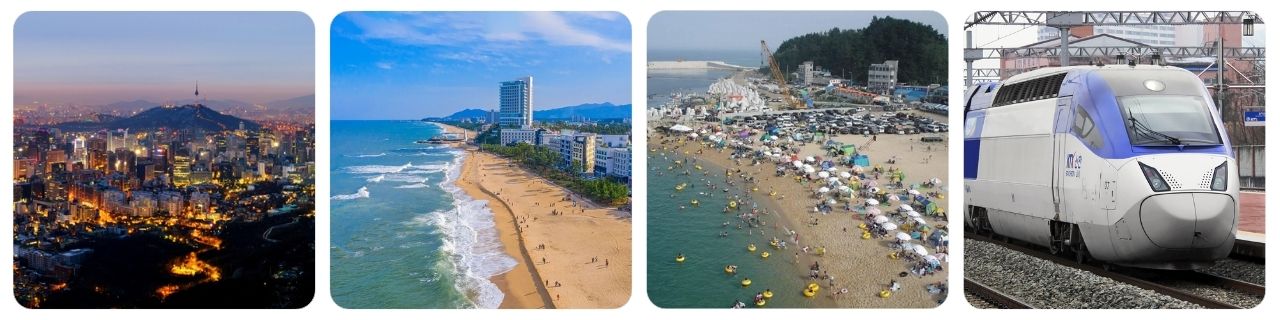
Heading from Seoul’s skyscrapers to Gangneung’s beaches is straightforward: you can ride the KTX high-speed train, hop on an express bus, drive a rental car along the Yeongdong Expressway, or arrange a private transfer or guided tour. This guide breaks down each option with typical timings, costs, and step-by-step booking tips so you can pick what fits your schedule and budget.
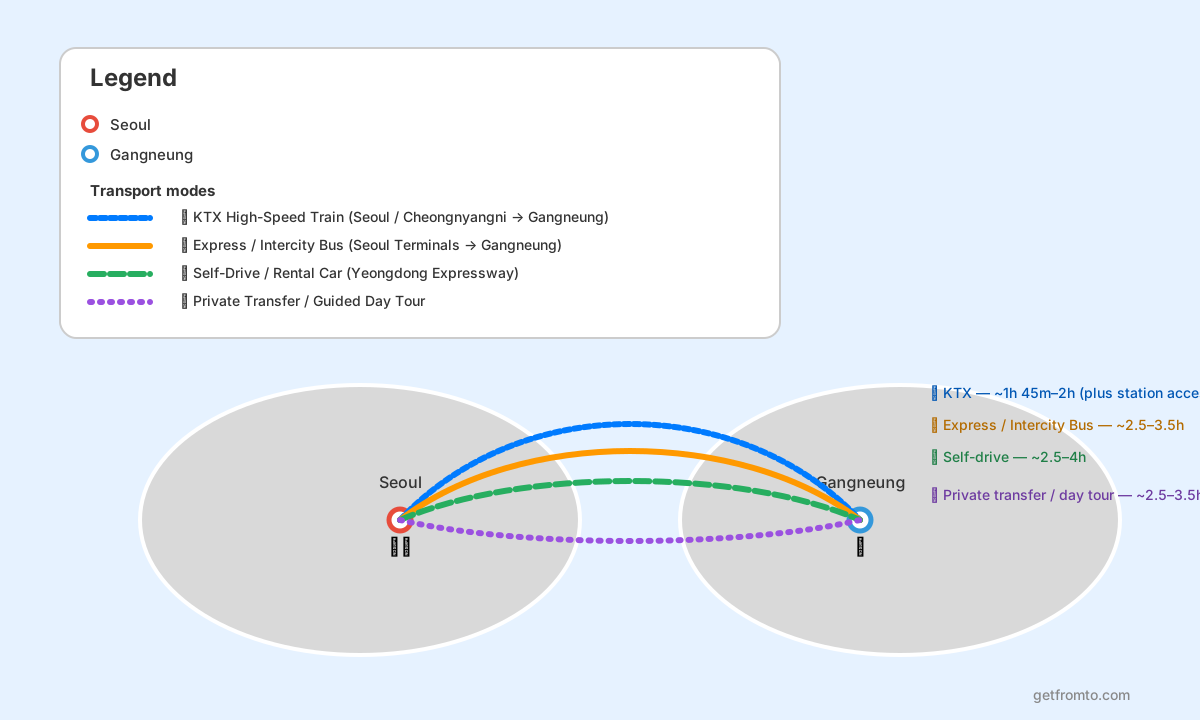
At A Glance (Seoul to Gangneung)
| Mode | Duration | Best For |
|---|---|---|
| 🚄 KTX High-Speed Train (Seoul / Cheongnyangni → Gangneung) | ~1h 45m–2h on the train (+ 20–40m to reach station) | Fastest, easiest for most travelers |
| 🏷️ Cost: ~₩27,000–40,000 one-way » compare trains | check KTX tickets | ||
| 🚌 Express / Intercity Bus (Seoul Terminals → Gangneung) | ~2.5–3.5h (route & traffic-dependent) | Cheapest fares, late-night options |
| 🏷️ Cost: ~₩15,000–25,000 one-way » book Korea express buses | ||
| 🚗 Self-Drive / Rental Car (Yeongdong Expressway) | ~2.5–4h door-to-door | Families, road-trippers, flexible itineraries |
| 🏷️ Cost: Car rental from ~₩70,000–150,000/day + tolls & fuel » compare car rentals | scooter & bike options | ||
| 🚐 Private Transfer / Guided Day Tour | ~2.5–3.5h one-way (tours 11–12h round-trip) | Door-to-door comfort, groups, K‑drama & BTS fans |
| 🏷️ Cost: Private car/van from ~₩250,000 per vehicle; shared tours ~₩90,000–150,000 pp » airport & city transfers | Gangneung day trips | ||
Which Option or Route Should You Choose?
- Fastest / Most convenient: The KTX high-speed train is usually best if you value time and comfort, especially on weekends or holidays when road traffic towards Gangwon-do can be heavy.
- Cheapest / Most economical: The express or intercity buses from Seoul’s major bus terminals often undercut KTX prices and have frequent departures throughout the day and late at night.
- Most scenic / Flexible schedule: A self-drive road trip along the Yeongdong Expressway (and coastal detours) lets you stop at mountain passes, service areas, and beaches like Yangyang or Sokcho.
- Most hands-off: If you want everything arranged, including local sightseeing, a private transfer or guided tour works well for families, small groups, or K‑pop/K‑drama fans focused on specific filming locations.
How to Book and Practical Tips
- Booking KTX tickets: Reserve online in advance for weekends and holidays. You can buy tickets directly via the official KORAIL site or app, or use international platforms like 12Go Asia, Trip.com, or KTX combo products on Klook.
- Choosing the right terminal: Buses to Gangneung depart mainly from Seoul Express Bus Terminal (Gangnam), Dong Seoul Bus Terminal (east of the river), and sometimes Sangbong. Pick whichever is closest to your accommodation to reduce transfer time.
- Map apps in Korea: Google Maps is fine for basic planning, but for real-time directions in Korea most travelers rely on Naver Map or KakaoMap. Use Google Maps or OpenStreetMap just to visualize the overall route, then navigate locally with a Korean app.
- Tickets & payment methods: Intercity/express buses accept online bookings and same-day purchases at the terminal. KTX accepts major cards; transportation cards (like T-money) are for city buses/subways, not long-distance trains. Keep some cash for small purchases at service areas or markets.
- Luggage & storage: Both Seoul Station and Gangneung Station have coin lockers, but they can sell out on busy days. If you want to explore luggage-free, you can pre-book off-site storage near key areas in Seoul via Radical Storage.
- Seasonal considerations: Winter brings snow to the mountains around Gangneung; build extra buffer time if you’re driving, and consider KTX for more reliable timing. In summer, weekend traffic from Seoul to the east-coast beaches can be intense, so early-morning departures are best.
🚄 Option #1 — KTX High-Speed Train (Fastest, Most Convenient)
Fast Comfortable Seat reservation required
- Overview: KTX-Eum high-speed trains on the Gyeonggang Line connect Seoul Station (and some departures from Cheongnyangni Station) to Gangneung Station in about 1h 45m–2h, with clean, modern carriages and assigned seating.
- Schedule: There are usually multiple departures daily from early morning to late evening. Trains can sell out around weekends, cherry blossom season, summer beach season, and big holidays.
- How to book (with price): Standard-class tickets generally start from around ₩27,000–30,000 one-way, with first class closer to ₩40,000 depending on date and time. Book directly via KORAIL or use international-friendly platforms like 12Go Asia, Trip.com, or a bundled KTX ticket on Klook.
- Seat types: Most travelers choose standard class; first class offers wider seats and a quieter carriage. Some services may have family seats or standing tickets when sold out.
- Pros: Fastest option, comfortable, no road traffic, easy for non-Korean speakers.
- Cons: Fixed departure times, seats can sell out at peak times, slightly higher cost than buses.
Step-by-step: KTX from Seoul to Gangneung
- Pick your station and time: Decide whether you’ll depart from Seoul Station (best if you’re staying in central Seoul / Myeongdong / Hongdae) or Cheongnyangni Station (convenient for the northeast of the city). Check departure times that fit your plans.
- Reserve tickets online: Use the official KORAIL website or app, or book via 12Go Asia, Trip.com, or Klook if you prefer English interfaces and card payments.
- Collect or verify your ticket: Depending on the booking channel, you’ll either receive an e-ticket with QR/barcode or a reservation number. At the station you can print tickets at the machines or simply show the QR code/booking details when required.
- Arrive early: Reach the station 20–30 minutes before departure to find your platform, grab snacks and use restrooms. KTX platforms are clearly signposted in English.
- Board your carriage: Check your carriage and seat number on the ticket (for example, Car 5, Seat 12A). Platform markings show carriage numbers; line up in the correct zone and board once the train arrives.
- Enjoy the ride: Store larger bags in luggage racks at the ends of the carriage or overhead, settle into your seat, and enjoy Wi‑Fi (where available), power outlets (on newer trains), and countryside views en route to Gangneung.
- Arrival in Gangneung: Once at Gangneung Station, follow signs for exits, city buses, and taxis. Many buses and some local tours depart from near the station area.
Getting to the main embarking points (Seoul Station & Cheongnyangni Station)
- By subway: Seoul Station is on Lines 1 and 4, the Airport Railroad (AREX), and the Gyeongui–Jungang Line. Cheongnyangni Station is on Line 1 and the Gyeongui–Jungang Line. Follow signs for “KTX” or intercity trains once inside.
- From Incheon / Gimpo airports: Take the Airport Railroad (AREX) to Seoul Station, then transfer upstairs to the KTX platforms. From Gimpo, you can also transfer via Line 5 or Line 9 plus Line 1/4 depending on where you’re staying.
- By taxi or ride-hailing: Regular taxis are plentiful; for app-based rides, Kakao T or K-ride are widely used, while Uber Taxi also operates in Seoul. From the airport or your hotel, you can pre-book a transfer to the station through Welcome Pickups or GetTransfer if you prefer a fixed-price, English-friendly service.
- Locations/Trip Planner: 🔗 Google Map / 🔗 OpenStreetMap
🚌 Option #2 — Express / Intercity Bus (Cheapest, Good Coverage)
Low cost Frequent departures Traffic-dependent
- Overview: Direct express and intercity buses run from Seoul to Gangneung Express Bus Terminal, usually taking about 2.5–3.5 hours depending on traffic and the specific route.
- Terminals in Seoul: The main departures are from Seoul Express Bus Terminal (Gangnam), Dong Seoul Bus Terminal (east of the river near Gangbyeon Station), and sometimes Sangbong Bus Terminal in the northeast.
- Bus types: You’ll usually see “regular”, “excellent”, or “premium” buses; higher grades give more legroom and fewer seats per row for a modest price increase.
- How to book (with price): One-way fares typically range from about ₩15,000–25,000 depending on bus grade and time. Check and book seats online using a dedicated Korea bus platform such as the express bus tools on Klook, or buy tickets at the terminal ticket counters and machines on the day of travel.
- Pros: Cheap, frequent, and often available even close to departure, with comfortable reclining seats.
- Cons: Journey time and comfort depend on road and weather conditions; rest stops are fixed; fewer English announcements than on KTX.
Step-by-step: Express Bus from Seoul to Gangneung
- Choose your terminal and departure time: Pick the terminal closest to your accommodation (Express Bus Terminal, Dong Seoul, or Sangbong). Check approximate travel times and decide on a morning, afternoon, or evening departure.
- Check schedules and reserve seats: Use the bus booking tools on Klook or another booking site to see departure times and classes. Alternatively, arrive at the terminal 30–45 minutes early and purchase tickets at the counter or self-service machines.
- Arrive at the terminal: Once at your chosen terminal, follow the signs for intercity/express buses and look up the platform number for buses to Gangneung. Terminals have convenience stores, cafés, and restrooms.
- Boarding: Show your ticket (paper or mobile) to the staff, place larger bags in the underfloor compartment, and keep valuables in a small backpack with you. Find your seat number inside the bus.
- On the road: Buses usually make one highway rest stop where you can buy snacks and use restrooms. Listen for announcements or watch the screen for “Gangneung” approaching.
- Arrival in Gangneung: Most services terminate at Gangneung Express Bus Terminal, not far from Gangneung Station. From there, take a local bus or taxi to beaches like Gyeongpo or to your accommodation.
Getting to the main embarking points (Seoul Express, Dong Seoul & Sangbong Terminals)
- Seoul Express Bus Terminal (Gangnam): Connected to subway Lines 3, 7, and 9 at Express Bus Terminal Station. Follow signs to the bus terminal concourse; allow extra time as it’s a large complex with underground malls.
- Dong Seoul Bus Terminal: Located near Gangbyeon Station on Line 2 (Green Line). Use Exit 4 or 5 and walk a few minutes across to the terminal building.
- Sangbong Bus Terminal: Accessible via Sangbong Station on Lines 7 and Gyeongui–Jungang. It’s quieter than the other terminals and handy if you stay in northeast Seoul.
- From central Seoul / airports: Use the subway to the nearest terminal, or take a taxi / Kakao T / Uber Taxi if you have luggage or are short on time. From Incheon or Gimpo airports, airport buses and AREX connections make it easy to reach the city first, then connect to the terminal.
- Locations/Trip Planner: 🔗 Google Map / 🔗 OpenStreetMap
🚗 Option #3 — Self-Drive / Rental Car (Most Flexible & Scenic)
High flexibility Great for detours Tolls & navigation
- Overview: Driving from Seoul to Gangneung via the Yeongdong Expressway (and connecting roads) covers roughly 230 km and usually takes 2.5–3h, longer on busy summer weekends or snowy winter days.
- Who it suits: Ideal for families, groups, or travelers planning to visit multiple towns and beaches (e.g., Pyeongchang, Yangyang, Sokcho) on the way.
- How to book (with price): Daily car rentals in Seoul often start around ₩70,000–150,000 depending on vehicle class, insurance, and season. Compare options using Booking.com Car Rental, then consider scooters or motorbikes for urban exploring via BikesBooking if you prefer two wheels once you’re back in the city.
- Tolls & fuel: Expressways charge tolls; rental companies often provide a Hi-Pass device, with fees settled when you return the car. Budget extra for fuel and parking, especially near Gangneung’s popular beaches.
- Navigation: Use Korean navigation apps (KakaoMap or Naver Map) for the best routing and real-time traffic. Most rentals come with Korean-language nav units; setting your destination by phone number or coordinates is common.
- Pros: Complete flexibility over departure time and stops, ideal for side trips and scenic viewpoints.
- Cons: Driving in winter or holiday traffic can be tiring; parking can be tight near beaches; international license requirements apply for many visitors.
Step-by-step: Self-drive from Seoul to Gangneung
- Book your car: Reserve a vehicle in advance with pick-up in central Seoul, Gangnam, or at Incheon/Gimpo airports, comparing prices on Booking.com Car Rental. Make sure your reservation includes the required international driving permit (if needed) and full insurance options.
- Pick up the car: Inspect the vehicle, photograph any existing damage, and confirm how tolls and fuel will be charged. Ask staff to set your first destination in the navigation system or show you how to use it.
- Plan your route: The classic route follows the Yeongdong Expressway heading east from Seoul. You can add stops at service areas or attractions in Gangwon-do; allow more time for weekend or holiday travel.
- Drive to Gangneung: Follow expressway signs towards Gangneung and the East Sea. Rest areas are well-equipped with food courts, coffee, and restrooms.
- Arrival & parking: In Gangneung, follow signs or app directions to your hotel, Gyeongpo Beach, or the downtown area. Many hotels and pensions provide parking; check this when booking accommodation.
- Return or continue: Either drive back to Seoul or continue along the coast. If you’re dropping the car in Seoul, factor in city traffic when choosing your return time.
Getting to the main embarking points (Rental Locations in Seoul)
- Central Seoul rental branches: Many international and local companies have offices near Seoul Station, City Hall, and Myeongdong. These are convenient if you’re staying downtown and want to start your drive immediately.
- Gangnam / Jamsil branches: Ideal if your hotel is south of the river. You can collect the car after exploring central Seoul, then head directly to the Yeongdong Expressway.
- Airport pick-up: Picking up your car at Incheon or Gimpo airports means you avoid city traffic on the way out, but remember you’ll need to navigate into Seoul or straight to Gangneung after a flight.
- Locations/Trip Planner: 🔗 Google Map / 🔗 OpenStreetMap
🚐 Option #4 — Private Transfer or Guided Day Tour (Door-to-Door)
Door-to-door Great for groups Higher cost
- Overview: A private transfer or small-group tour picks you up in Seoul (often from your hotel), drives you to Gangneung, and brings you back the same day or drops you at your accommodation in Gangneung.
- Types of services: You can book simple point-to-point transfers, or themed tours focusing on BTS bus stop, “Goblin” filming locations, coffee street at Anmok Beach, or coastal viewpoints.
- How to book (with price): Door-to-door airport or city transfers usually start from around ₩250,000+ per vehicle depending on size and season. Compare fixed-price rides with Welcome Pickups and GetTransfer. For full-day tours (including transport and guiding), browse options on GetYourGuide, Klook Gangneung tours, or multi-day itineraries on Trip.com combined with hotel bookings.
- Pros: No need to navigate Korean-language booking sites or drive yourself; hotel pick-up, a guide, and curated stops can make the day very easy.
- Cons: Higher cost than buses or KTX; less freedom to change the schedule on group tours.
- Alternatives: For shorter hops within Seoul or from stations to your hotel, use local ride-hailing apps like Kakao T or K-ride, or Uber Taxi, rather than booking a full intercity transfer.
Step-by-step: Using a Private Transfer or Tour
- Decide on transfer vs tour: If you mainly need transportation (for example, from your airport hotel to a Gangneung hotel), choose a one-way transfer. If you want sightseeing and activities, look for day or multi-day tours instead.
- Compare offers: On Welcome Pickups or GetTransfer, enter your pick-up and drop-off locations, time, and number of passengers to see vehicle types and prices. On GetYourGuide or Klook, read itineraries and reviews before booking.
- Confirm details: After booking, check your voucher for pick-up time, location, and contact details. Some services offer in-app chat; others provide a direct phone/WhatsApp contact.
- Pick-up in Seoul: Be at your hotel lobby or specified meeting point 5–10 minutes early. Your driver/guide will usually hold a sign or send a message through the app.
- Travel to Gangneung: The drive typically takes 2.5–3 hours each way, with rest stops upon request. Tours will include scheduled attractions and free time at key sights like beaches or markets.
- Return or drop-off: For day tours, you’ll be driven back to your original meeting point in Seoul. For transfers, confirm your Gangneung drop-off address in advance (hotel, guesthouse, or station).
Getting to the main embarking points (Hotel Lobbies & Designated Meeting Spots)
- Hotel pick-up: Many private transfers collect you directly from your hotel in central Seoul, Myeongdong, Hongdae, Gangnam, or near the main stations.
- Designated meeting points: Group tours often use easy-to-find spots like subway exits in Myeongdong, Hongdae, or near Seoul Station. Carefully read your voucher for the exact exit number and landmark.
- Back-up transport: If you miss your tour or transfer, you can still fall back on KTX or express buses, then use Kakao T / Uber Taxi or K-ride within Gangneung for local transfers.
- Locations/Trip Planner: 🔗 Google Map / 🔗 OpenStreetMap
FAQ (Seoul to Gangneung)
Is the KTX the best option for a day trip from Seoul to Gangneung?
Yes. The KTX high-speed train is usually the most reliable way to fit Gangneung into a single day. You can leave Seoul early in the morning, arrive in Gangneung before mid-morning, spend several hours exploring beaches and cafés, and return by an evening train.
Do I need to book KTX or buses in advance?
For weekends, holidays, or peak summer and festival periods, you should absolutely book KTX seats in advance. Buses can sometimes be booked on the day, but popular time slots also sell out. On quieter weekdays in shoulder seasons, same-day tickets are more realistic.
Which is better for budget travelers: bus or train?
Buses generally win on price, especially regular-grade buses. However, if you value time and comfort (and can find a discounted fare or pass), the KTX may provide better overall value despite being a bit more expensive.
Is the route safe to drive, and what about winter conditions?
The expressways between Seoul and Gangneung are modern and well-maintained, but winter brings snow and ice to the mountains. If you’re not used to winter driving, consider KTX instead during snowy weeks, or allow extra time and check road conditions in advance.
Is there luggage storage at Seoul or Gangneung stations?
Both stations offer coin lockers, but they may fill up on busy days. If you plan to explore Seoul or Gangneung between check-out and departure, you can also reserve off-site luggage storage near major subway hubs via Radical Storage so you can walk around hands-free.
Can I combine a train or bus with an organized tour?
Yes. Some travelers prefer to travel independently on KTX or bus, then join a shorter local tour in Gangneung, while others book full-day packages that include return transport from Seoul. You can mix and match by using Booking.com for your hotel and browsing activities on GetYourGuide, Klook, or related platforms.
Related Tours/Services
Popular Routes
Recent Routes
- How to get from Houston George Bush Intercontinental Airport to Port of Galveston Cruise Terminal
- How to get from Seattle–Tacoma International Airport to Seattle Cruise Terminal at Pier 91
- How to get from Anchorage Ted Stevens International Airport to Whittier Cruise Terminal
- How to get from Honolulu Daniel K. Inouye International Airport to Honolulu Cruise Terminal at Pier 2
- How to get from Southampton Airport to Southampton Cruise Terminal
- How to get from Seoul to Gangneung
- How to get from Cali to Salento
- How to get from Phnom Penh to Kampot
- How to get from Tacloban to Sohoton Cove National Park
- How to get from Bangkok to Trang
Top Travel Gears

MiiKARE Airplane Travel Essentials Phone Holder, Universal Handsfree Phone Mount for Flying with 360 Degree Rotation, Accessory for Airplane, Travel Must Haves Phone Stand for Desk, Tray Table
travel inspira Luggage Scale, Portable Digital Hanging Baggage Scale for Travel, Suitcase Weight Scale with Rubber Paint, 110 Pounds, Battery Included - Silver

Travel Utensils with Case, Quatish Portable Silverware Set for Work, Stainless Steel Reusable Travel Cutlery Set, Fork and Spoon Set for Camping, Picnic, Gadgets, Lunch Box for Men, Black

Zuihug 1Pack Travel Pill Organizer - 10 Compartments Pill Case, Compact and Portable Pill Box, Perfect for On-The-Go Storage, Pill Holder for Purse Gray

zelin Anti Theft Zipper Clips Double Opening Small Carabiner Clips, 4Pcs Elegant Zinc Alloy Zipper Pull Replacement for Travel, Commuting and Camping (Space Grey)
