

How to get from Tokyo to Hakone
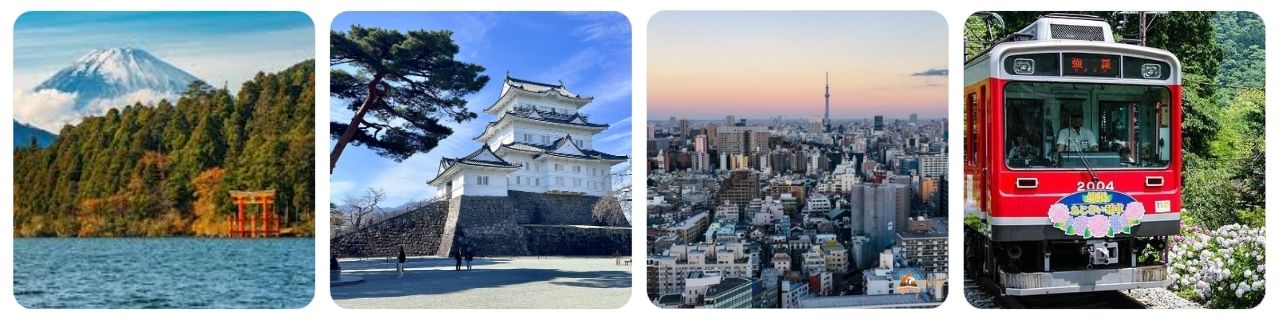
Planning a trip from Tokyo to Hakone for hot springs, lake cruises, and Mt. Fuji views? This guide breaks down every way to get there, how to book, and which route fits your time and budget.
At A Glance (Tokyo to Hakone)
| Mode | Duration | Best For |
|---|---|---|
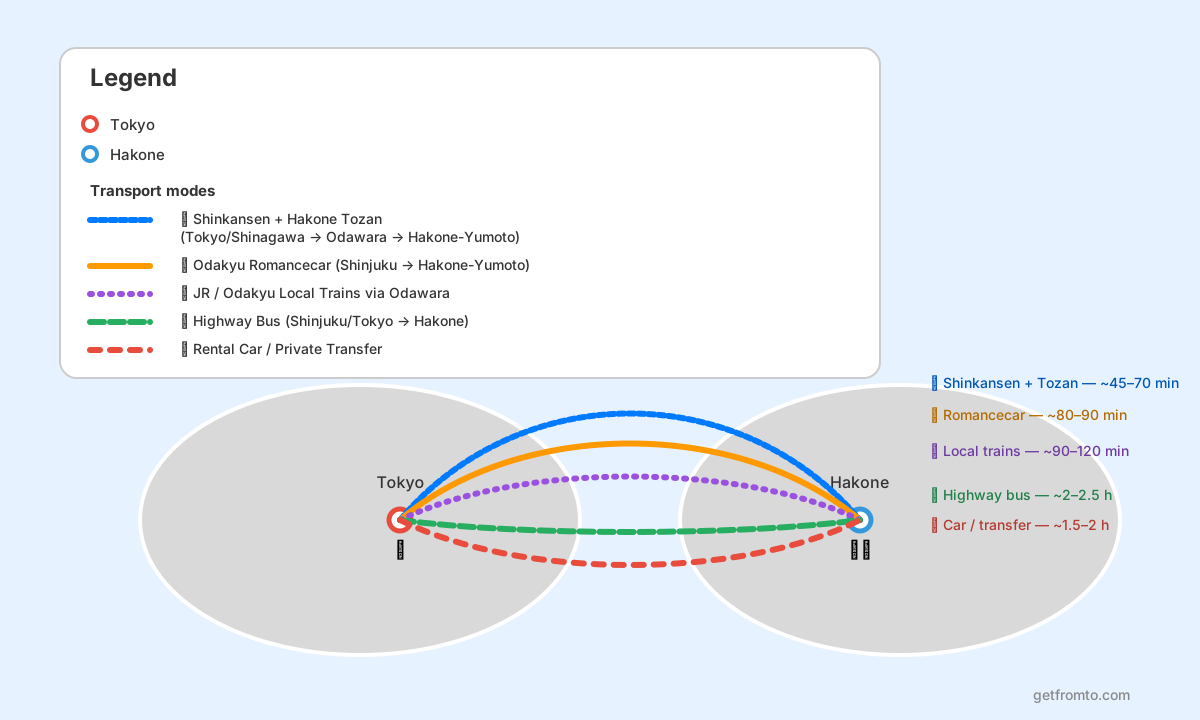
| 🚄 Shinkansen + Hakone Tozan (Tokyo/Shinagawa → Odawara → Hakone-Yumoto) | ~45–70 min total (fastest rail) | Speed, JR Pass users, flexible timetables |
| 🏷️ Cost: ~¥4,000–6,000 one-way (varies by seat type) » compare trains | check JR tickets | ||
| 🚆 Odakyu Romancecar (Shinjuku → Hakone-Yumoto) | ~80–90 min direct | Comfort, views, simple first-time trip |
| 🏷️ Cost: ~¥2,500–3,500 one-way incl. limited-express fee » official Romancecar info | reserve rail seats | ||
| 🚉 JR / Odakyu Local Trains via Odawara | ~90–120 min (1+ transfers) | Cheapest rail option, IC card users |
| 🏷️ Cost: ~¥1,800–2,500 one-way depending on route » compare rail options | ||
| 🚌 Highway Bus (Shinjuku/Tokyo → Hakone) | ~2–2.5 h (traffic-dependent) | Simple point-to-point, light luggage |
| 🏷️ Cost: ~¥2,000–3,000 one-way » bus schedules | day-tour buses | ||
| 🚗 Rental Car / Private Transfer | ~1.5–2 h door-to-door | Families, lots of luggage, scenic drives |
| 🏷️ Cost: Rental car from ~¥8,000–12,000/day » compare car rentals | private transfer typically ¥30,000+ | ||
Which Option or Route Should You Choose?
- Fastest / Most Flexible: Choose Option #1 (Shinkansen + Hakone Tozan) if you value speed, already use JR trains, or hold a JR rail pass. Easy to fit into any itinerary and great if you might continue toward Kyoto/Osaka later.
- Most Convenient from Shinjuku: Go for Option #2 (Odakyu Romancecar) if you are staying in Shinjuku and want a comfy, direct train with big windows, few decisions, and clear signage in English.
- Cheapest Rail: Consider Option #3 (JR / Odakyu local trains) if you’re watching your budget, don’t mind 1–2 transfers, and are happy to use IC cards (Suica/PASMO) instead of reserved seats.
- Simplest Point-to-Point: Pick Option #4 (Highway Bus) if you dislike transfers, want to board once in Tokyo and get off close to your Hakone hotel or sightseeing loop.
- Most Scenic / Door-to-Door Comfort: Choose Option #5 (Rental Car / Private Transfer) if you have kids, big luggage, or want maximum freedom to stop at outlets, viewpoints, or other Fuji–Hakone spots en route.
How to Book and Practical Tips
- Decide your base first: Book your Hakone ryokan or hotel (Yumoto, Gora, Lake Ashi, etc.) before picking transport, since some trains/buses stop closer to certain areas. You can compare stays on Booking.com Hakone hotels & ryokan.
- Check passes: If you’ll ride ropeways, sightseeing cruise and local buses, look into the Hakone Freepass, which can bundle transport from Shinjuku or Odawara plus local transit.
- Reserve seats in advance in busy seasons: Weekends, cherry blossom, and autumn foliage can sell out popular departures. Reserve Romancecar seats via Odakyu or rail products via Klook Japan Rail or Trip.com trains.
- Use comparison tools for mixed options: For a quick overview of trains, buses, and taxis between Tokyo and Hakone, you can compare routes on 12Go Asia.
- Store big luggage in Tokyo: For a light overnight in Hakone, consider leaving big bags with a provider like Radical Storage in Tokyo so you only carry a small bag on mountain trains and buses.
- Cash & IC cards: Most trains accept IC cards (Suica, PASMO), but some buses, ropeways or smaller shops are still cash-friendly. Keep a few thousand yen on hand, especially in more rural parts of Hakone.
- Weather & visibility: Cloudy days can hide Mt. Fuji. If the forecast looks poor, favor flexible options (JR/local trains) over locked-in guided tours so you can shift your Hakone day.
- Last trains and buses: Always check final departure times from Hakone back toward Odawara/Shinjuku if you’re doing a long day trip; missing the last train can mean an expensive taxi ride.
🚄 Option #1 — Shinkansen + Hakone Tozan (Fastest, Most Flexible)
Fastest overall JR Pass-friendly Many departure times
- Overview: Take a Tokaido Shinkansen from Tokyo Station or Shinagawa Station to Odawara, then transfer to the Hakone Tozan Line for Hakone-Yumoto (and onward to Gora, if needed). This is usually the fastest way to reach Hakone.
- Typical duration: ~30–40 min on the Shinkansen + ~15–20 min on the Hakone Tozan train (plus transfer time in Odawara), so about 45–70 minutes total from Tokyo.
- How to book (with price): A one-way Shinkansen ticket Tokyo → Odawara typically runs around ¥3,000–4,000 depending on seat type; the Hakone Tozan segment adds about ¥300–400. Check official timetables and reserved seats via JR Central or JR East or compare options on Trip.com trains and 12Go Asia trains.
- Passes: The Shinkansen segment can be covered by some JR rail passes, while the Hakone area is best explored with a Hakone Freepass or other area passes.
- Pros: Fastest travel time; frequent departures; comfortable; easy if you’re continuing on the Tokaido Shinkansen route later.
- Cons: Slightly higher cost than local trains; requires a transfer at Odawara; seats can book out during peak holidays.
Step-by-step: Shinkansen + Hakone Tozan
- From central Tokyo, decide whether you’ll depart from Tokyo Station or Shinagawa Station (both are on the Tokaido Shinkansen line toward Odawara).
- Buy or reserve your Shinkansen ticket to Odawara Station. You can do this at station ticket machines, JR ticket counters, or online via official JR sites or third parties like Trip.com and Klook.
- Arrive 15–20 minutes early at Tokyo/Shinagawa to find the correct Shinkansen platform. Look for signs for the Tokaido Shinkansen (Kodama or some Hikari services stop at Odawara).
- Ride the Shinkansen to Odawara. Keep your ticket handy for inspection and arrival gates.
- At Odawara, follow signs for Hakone Tozan Line. This is the local mountain railway serving Hakone-Yumoto and Gora.
- Buy a regular ticket or activate your Hakone Freepass for the Odawara → Hakone-Yumoto leg. Trains run several times per hour during the day.
- Board the Hakone Tozan train to Hakone-Yumoto Station. If staying in Gora or near a ropeway/cable car, continue on the mountain line or transfer to the cable car/ropeway as needed.
Getting to the main embarking points (Tokyo Station / Shinagawa)
- From Shinjuku/Shibuya: Take the JR Yamanote Line or Chuo Line toward Tokyo Station, or the Yamanote Line toward Shinagawa. IC cards (Suica/PASMO) make these quick and cashless.
- From other Tokyo neighborhoods: Use Tokyo Metro/Toei lines to reach the Marunouchi/Otemachi area for Tokyo Station, or the Asakusa/Keikyu lines for Shinagawa depending on where you start.
- From the airports: Narita Express and some Keisei services connect directly to Tokyo Station; Haneda has direct trains to Shinagawa. If you prefer door-to-door, consider booking a private airport transfer with Welcome Pickups Tokyo or a pre-booked car via GetTransfer in Tokyo, or use ride-hailing apps like Uber or local taxi apps such as GO.
- Locations/Trip Planner: 🔗 Google Map / 🔗 OpenStreetMap
🚆 Option #2 — Odakyu Romancecar from Shinjuku (Most Comfortable Direct)
Direct from Shinjuku Reserved seats Scenic route
- Overview: The Odakyu Limited Express Romancecar runs directly from Shinjuku Station to Hakone-Yumoto with all-reserved, comfortable seats and large viewing windows. No transfers are needed.
- Typical duration: About 80–90 minutes platform to platform.
- How to book (with price): A one-way fare from Shinjuku to Hakone-Yumoto is roughly ¥2,500–3,000, combining the base Odakyu fare and the limited-express surcharge. You can book online through the official Romancecar site, at Odakyu ticket machines, or via rail agents. For English-friendly info and tickets, see Odakyu Romancecar or bundled passes and rail seats on Klook and Trip.com Hakone packages.
- Hakone Freepass combo: Many travelers pair Romancecar with the Hakone Freepass for unlimited local transport (buses, ropeway, cruise, etc.).
- Pros: No transfers; clear English signage; scenic mountain views; great if staying in Shinjuku.
- Cons: Slightly more expensive than local trains; specific departure times can sell out in peak periods; starts from Shinjuku (not ideal if you’re staying near Tokyo Station).
Step-by-step: Romancecar from Shinjuku
- Head to Shinjuku Station and locate the Odakyu Line area (separate from JR and Metro sections). Look for Odakyu signage and the Romancecar departure boards.
- Purchase or collect your Romancecar ticket. You can buy on the day (subject to availability) from Odakyu machines/counters, or in advance via the official website or partners like Klook and Trip.com passes.
- Arrive 15 minutes early and find your car and seat number printed on the ticket. Romancecar cars and platforms are clearly marked with staff around to help.
- Enjoy the ride from Shinjuku to Hakone-Yumoto. Snacks and drinks are allowed; some trains have trolley service.
- On arrival at Hakone-Yumoto, follow signage for local buses, the Hakone Tozan train (to Gora), or taxis to reach your accommodation.
Getting to the main embarking points (Shinjuku Station)
- From central Tokyo (Tokyo/Ueno): Take the JR Chuo Line, Sobu Line, or Yamanote Line to Shinjuku. Tokyo Metro Marunouchi Line also connects to Shinjuku.
- From Shibuya/Harajuku: Use the JR Yamanote Line directly to Shinjuku (about 5–10 minutes from Shibuya).
- From airports: The Narita Express and some airport limousine buses serve Shinjuku. You can also book a private transfer with Welcome Pickups airport transfers or GetTransfer airport–Shinjuku rides, or use ride-hailing apps like Uber and GO taxi for a metered car.
- Locations/Trip Planner: 🔗 Google Map / 🔗 OpenStreetMap
🚉 Option #3 — JR / Odakyu Local Trains via Odawara (Cheapest Rail)
Budget-friendly Frequent departures More transfers
- Overview: Instead of taking the Shinkansen, ride JR or Odakyu local/rapid trains to Odawara, then transfer to the Hakone Tozan Line for Hakone-Yumoto. It’s slower but cheaper and still relatively straightforward.
- Typical duration: Around 90–120 minutes total depending on your starting station and connection times.
- How to book (with price): Local JR fares Tokyo → Odawara are usually around ¥1,500 one-way; the Odawara → Hakone-Yumoto segment is about ¥300–400. You can just tap in/out with an IC card or buy paper tickets at the station. If you want to pre-plan ticket types or passes, sites like 12Go Asia, Klook Japan Rail, and Trip.com are useful for route ideas.
- Pros: Cheapest rail route without needing a Shinkansen; trains run often; flexible if you miss one departure.
- Cons: Slower and usually more crowded; you may need to stand at peak times; at least one transfer at Odawara is required.
Step-by-step: Local Trains via Odawara
- From your nearest JR station (for example, Tokyo, Shinjuku, or Shibuya), ride JR lines toward Odawara. Common options include the JR Tokaido Line from Tokyo or the Shonan–Shinjuku Line from Shinjuku/Shibuya.
- Use an IC card or buy a ticket to Odawara. Check departure boards for trains bound for Odawara/Atami.
- On arrival at Odawara Station, follow signs to the Hakone Tozan Line area.
- Purchase a ticket (or use your Hakone Freepass) for Hakone-Yumoto and board the next Hakone Tozan train.
- Continue deeper into Hakone if needed by transferring at Hakone-Yumoto to trains, buses, or ropeways covered by your pass.
Getting to the main embarking points (Tokyo / Shinjuku JR hubs)
- Using JR Yamanote Line: Most central Tokyo areas connect directly to either Tokyo Station or Shinjuku via the circular Yamanote Line; from there, transfer to Tokaido or Shonan–Shinjuku Line trains.
- Using Metro + JR: Ride Tokyo Metro (e.g., Marunouchi, Hibiya, Ginza Lines) to a major JR hub, then follow station signs to JR platforms serving Odawara.
- Trip planning: Besides Japanese route apps, you can get a quick visual of train versus bus options via 12Go Asia route planner.
- Locations/Trip Planner: 🔗 Google Map / 🔗 OpenStreetMap
🚌 Option #4 — Direct Highway Bus (Simple, Good Value)
Low hassle No transfers Traffic-dependent
- Overview: Highway buses, especially from Shinjuku Expressway Bus Terminal (Busta Shinjuku), run directly to various points in Hakone (e.g., Sengoku, Togendai). You board once in Tokyo and get off close to the sightseeing loop or your hotel bus stop.
- Typical duration: Around 2–2.5 hours depending on traffic and exact stop.
- How to book (with price): Fares are typically ¥2,000–3,000 one-way. You can reserve seats via bus company websites or multilingual booking platforms. Check departures and compare operators on 12Go Asia buses, or consider a full-day package from Tokyo that includes guided sightseeing on Klook Fuji & Hakone day trips or GetYourGuide Hakone tours.
- Pros: No need to navigate transfers; seats are reserved; luggage storage under the bus; some routes go directly to Lake Ashi/Togendai.
- Cons: Subject to highway traffic; fewer departures than trains; bathroom breaks depend on route; less flexibility if you decide to change plans mid-journey.
Step-by-step: Highway Bus from Shinjuku
- Book your bus in advance (especially weekends and holidays) via a bus company or aggregator like 12Go Asia, or join a day tour with guaranteed seats via Klook Hakone trips or GetYourGuide.
- On the day of travel, go to Shinjuku Expressway Bus Terminal (above JR Shinjuku Station’s south/NEWoMan area). Allow extra time if it’s your first visit.
- Find your bus company counter or automated machine and collect your ticket or QR code if needed. Confirm the platform number and departure time.
- Queue at the assigned gate 10–15 minutes before departure. Staff will check tickets and help stow larger luggage under the bus.
- Ride the highway bus to your Hakone stop (for example, Togendai on Lake Ashi or stops near museums/hotels). From there, transfer to local buses, ropeway, or hotel shuttles if needed.
Getting to the main embarking points (Shinjuku Expressway Bus Terminal)
- From within Shinjuku: Follow signs inside JR Shinjuku Station for “Expressway Bus Terminal” or “Busta Shinjuku” toward the south exit area.
- From other Tokyo stations: Use JR/Yamanote/Metro lines to Shinjuku, then follow station signs upstairs to the bus terminal levels.
- From airports: Limousine buses and Narita Express trains serve Shinjuku. If you prefer door-to-door, private cars via Welcome Pickups, GetTransfer, or ride-hailing apps like Uber and GO can drop you right at the terminal.
- Locations/Trip Planner: 🔗 Google Map / 🔗 OpenStreetMap
🚗 Option #5 — Rental Car or Private Transfer (Most Scenic, Door-to-Door)
Door-to-door Great with luggage Driver needed
- Overview: Drive from Tokyo to Hakone via the Tomei or other expressways, or hire a private driver to handle everything. This offers the most flexibility to stop at service areas, outlets, or viewpoints along the way.
- Typical duration: Around 1.5–2 hours depending on your exact starting point and traffic.
- How to book a rental car (with price): Daily rental rates in Tokyo often start around ¥8,000–12,000 for a compact car excluding tolls and fuel. Compare options, pick-up locations, and drop-offs on Booking.com car rentals in Tokyo. Confident drivers with an International Driving Permit and familiarity with Japanese road rules will find this straightforward.
- How to book a private transfer: If you prefer not to drive, pre-book a car and driver. Platforms like Welcome Pickups Tokyo and GetTransfer in Japan offer fixed-price rides from hotels or airports to Hakone. On-demand apps like Uber and local taxi apps such as GO or Didi (in some areas) can also be used, but long-distance trips should be price-checked in advance.
- Two-wheels or bikes: If you’re an experienced rider, you can explore rental motorcycles or bicycles in Tokyo via BikesBooking motorcycle rentals in Tokyo, though Hakone’s mountain roads and weather mean this is best for confident, well-prepared riders.
- Pros: Maximum flexibility; no transfers; perfect for families, groups, or heavy luggage; you can stop at Gotemba Premium Outlets or viewpoints on the way.
- Cons: Tolls and parking fees add up; mountain roads can be narrow and steep; winter conditions may require snow tires; navigation is your responsibility.
Step-by-step: Driving or Private Transfer from Tokyo
- Decide whether you will self-drive (rental car) or book a private driver. If self-driving, confirm you have the correct license and International Driving Permit where required.
- For rental cars, choose a convenient pick-up (Tokyo Station, Shinjuku, or airport) and book via Booking.com car rentals. For private transfers, set your hotel pick-up and drop-off details on Welcome Pickups or GetTransfer.
- Plan your route in a navigation app (Google Maps, in-car GPS). Many drivers use expressways via Tomei Expressway or other main routes toward Odawara/Hakone.
- Depart Tokyo, pay tolls at gates (cash or electronic toll card), and follow signs for Hakone. Allow extra time around long weekends and holidays.
- On arrival in Hakone, follow your hotel’s parking instructions or park near ropeway/cruise terminals if just day-tripping.
Getting to the main embarking points (Rental branches / hotel pick-up)
- Rental branches: Major car rental desks cluster around Tokyo Station, Shinjuku, Shibuya, and airports (Narita, Haneda). Choose a branch near your accommodation to minimise city driving.
- Hotel pick-up: Many private transfer providers meet you at your hotel lobby in central Tokyo; just confirm pick-up time and where the driver will wait.
- Bikes & scooters in Tokyo: If you’d like to explore Tokyo by bike before or after Hakone, compare options on BikesBooking bicycle rentals in Tokyo or use local bike-share services.
- Locations/Trip Planner: 🔗 Google Map / 🔗 OpenStreetMap
FAQ (Tokyo to Hakone)
Is Hakone an easy day trip from Tokyo, or should I stay overnight?
Hakone is absolutely doable as a day trip, especially with the Shinkansen or Romancecar, but staying at least one night in a ryokan lets you enjoy onsen, dinner, and the ropeway/cruise at a relaxed pace. Many travelers do one or two nights to see both Lake Ashi and the museums.
What’s the single best way to get from Tokyo to Hakone for a first-time visitor?
If you’re staying around Shinjuku, the Odakyu Romancecar is the simplest: one train, reserved seats, and clear English guidance. If you’re based near Tokyo Station or using a JR Pass, the Shinkansen to Odawara plus Hakone Tozan train is usually best.
Do I need to buy tickets in advance, or can I just tap with Suica/PASMO?
You can tap IC cards on JR/Odakyu local trains and many buses, but for Shinkansen, Romancecar, and most highway buses you’ll want a reserved seat ticket. In peak seasons, pre-book at least your preferred outbound time.
Is the Hakone Freepass worth it?
If you plan to ride multiple local buses, ropeways, the sightseeing cruise, and perhaps go up to Gora/Owakudani, the Hakone Freepass often pays for itself, especially for 2–3 day stays. For a short half-day visit with minimal transport, buying individual tickets can be cheaper.
Can I bring large luggage on trains or buses to Hakone?
Yes, but it’s not always comfortable on crowded local trains and buses. Consider taking only a small bag and leaving big suitcases in Tokyo with coin lockers or luggage services such as Radical Storage, then picking them up on your return.