

How to get from Tokyo to Matsumoto
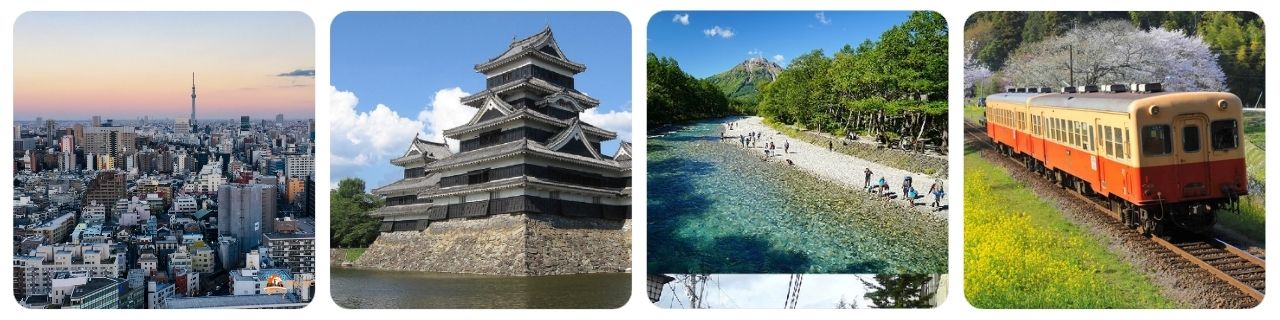
Tokyo to Matsumoto is a classic Japan Alps route that combines smooth big-city departures with castle-town charm and mountain scenery.
At A Glance (Tokyo to Matsumoto)
| Mode | Duration | Best For |
|---|---|---|
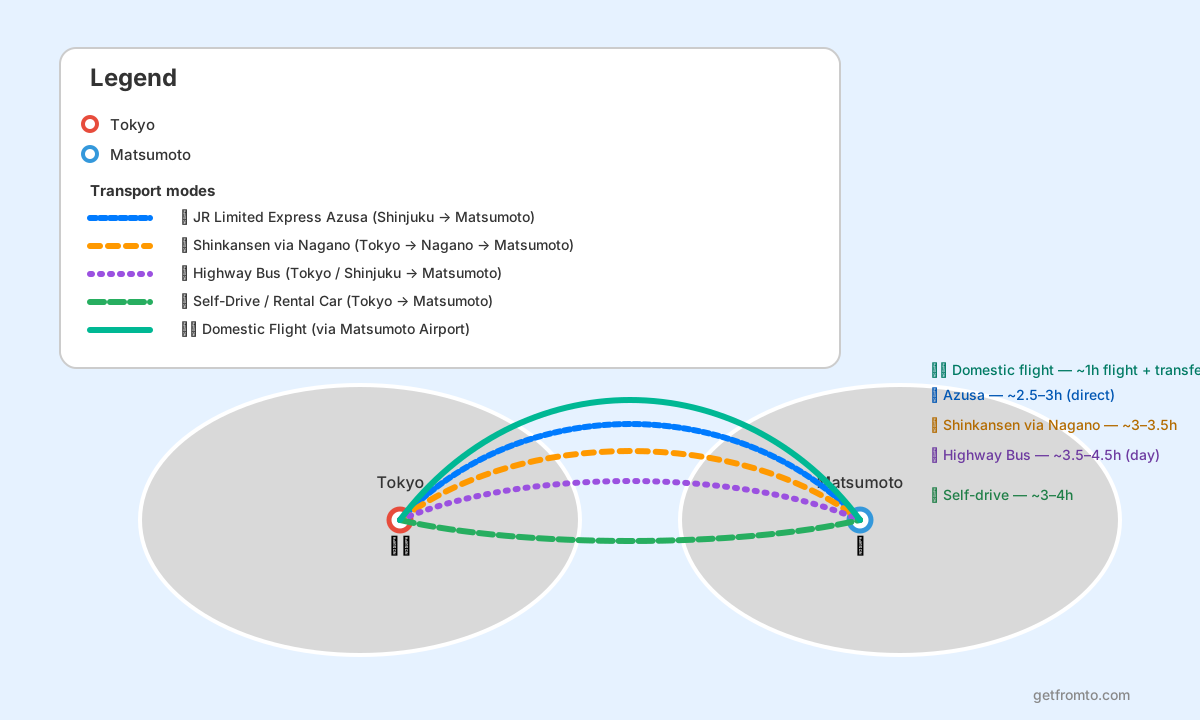
| 🚆 JR Limited Express Azusa (Shinjuku → Matsumoto) | ~2.5–3h, direct | Most travelers; comfort + scenery |
| 🏷️ Cost: ~¥6,500–¥7,500 one-way reserved seat (JR Pass & many regional passes cover it). » compare train options | book JR tickets | Trip.com schedules | ||
| 🚄 Shinkansen via Nagano (Tokyo → Nagano → Matsumoto) | ~3–3.5h (incl. transfer at Nagano) | Peak seasons, rail pass users, seat choice |
| 🏷️ Cost: ~¥9,500–¥11,000 one-way reserved. » Japan Rail tickets & passes | JR East reservations | ||
| 🚌 Highway Bus (Tokyo/Shinjuku → Matsumoto) | ~3.5–4.5h (day); ~6–7h (overnight) | Budget travelers, light luggage |
| 🏷️ Cost: ~¥3,500–¥5,000 one-way. » compare buses | Alpico official timetable | ||
| 🚗 Self-Drive / Rental Car (Tokyo → Matsumoto) | ~3–4h via Chuo Expressway | Groups, side trips, maximum flexibility |
| 🏷️ Cost: Car rental from ~¥7,000+/day plus ~¥5,000–¥8,000 in tolls and fuel. » compare car rentals | motorbike options | ||
| ✈️ Domestic Flight (via Matsumoto Airport) | ~1h flight + ~1–1.5h transfers each side | Those already flying via Haneda/other cities |
| 🏷️ Cost: Often from ~¥20,000+ one-way, limited routes. » search domestic flights | check HND→MMJ options | ||
Which Option or Route Should You Choose?
- Fastest / Most Convenient: For most visitors, the JR Limited Express Azusa direct from Shinjuku is the sweet spot of speed, comfort, and price—especially if you are staying on the west side of Tokyo (Shinjuku/Shibuya).
- Best for Rail Pass Users & Peak Seasons: If you hold a nationwide JR Pass or are traveling in peak leaf/snow season when Azusa seats sell out, the Hokuriku Shinkansen via Nagano gives you more trains per day, better flexibility, and a “bullet train” experience.
- Cheapest / Most Economical: When your priority is saving money and you do not mind a slower ride, choose the highway bus. Overnight services are handy if you want to save both time and a night of accommodation.
- Most Scenic & Flexible: If you plan to explore nearby spots like Kamikochi, Norikura, or the Japan Alps countryside, a self-drive itinerary gives maximum flexibility, especially for families or small groups.
- When Flights Make Sense: A domestic flight via Matsumoto Airport is usually only worth it if you are already stringing together several flights in Japan or hunting a specific mileage run—it is rarely faster door-to-door from central Tokyo.
How to Book and Practical Tips
- Reserve train seats early in busy seasons: Golden Week, Obon, and New Year can see Azusa trains and Shinkansen fully booked days ahead. Reserve at JR ticket machines, Travel Service Centers, or online via JR East’s reservation site, or use trusted partners such as Klook Japan Rail and Trip.com Trains.
- Consider rail passes for wider itineraries: If you are also visiting Nagano, Kanazawa, or other JR East areas, compare a regional or nationwide JR Pass using calculators like the JR Rail Pass guides, then buy passes or tickets through official JR counters or partners such as JR Alpine Takayama-Matsumoto rail passes on Klook.
- Use bus booking platforms: Highway bus tickets can be booked on official sites (Alpico, Keio, Japan Bus Online) or via aggregators like 12Go Asia, which lets you compare operators and departure times in English and pay by card.
- Stay near the station for easy departures: If you have an early train or bus, consider a hotel within walking distance of Shinjuku, Tokyo, or Matsumoto stations; you can compare options and filter by distance using Booking.com hotels near Matsumoto Station.
- Sort out luggage: Large suitcases are allowed on Azusa and Shinkansen, but racks can fill up. For stress-free station time, you can temporarily store bags around major stations with coin lockers or through services like Radical Storage locations in Tokyo.
- Use taxi & ride-hailing wisely: Taxis are plentiful in Tokyo and Matsumoto. If you prefer app-based bookings, consider the Japanese GO taxi app, or pre-book private transfers through Welcome Pickups in Tokyo or GetTransfer in Tokyo.
- Check weather & seasons: Winter snow around Nagano and the Alps can affect driving times and, occasionally, bus schedules. Trains are very reliable, but always check the latest status for typhoons or heavy snow before you travel.
🚆 Option #1 — JR Limited Express Azusa (Most Popular, Fast & Scenic)
Good balance of cost & comfort Direct from Shinjuku Seat reservation recommended
- Overview: Take the JR Limited Express Azusa from Shinjuku Station on the JR Chuo Line straight to Matsumoto Station. Trains typically take around 2.5–3 hours with fully reserved seating, overhead racks, and large windows looking out to the Chuo mountains.
- Schedule & frequency: Roughly 1–2 Azusa departures per hour during the day from Shinjuku, with a mix of trains stopping at key stations like Hachioji and Kofu before continuing to Matsumoto.
- How to book (with price): A reserved seat from Shinjuku to Matsumoto is usually around ¥6,500–¥7,500 one-way. You can buy tickets at green (Midori-no-madoguchi) counters, multi-lingual machines, via JR East’s online reservation service, or through partners like Klook JR tickets and Trip.com.
- Rail passes: The Azusa is covered by the nationwide JR Pass and several JR East regional passes (if the route is inside the coverage map). If you are already planning multiple long-distance train rides, compare pass prices versus point-to-point tickets.
- Seat tips: When reserving, you can choose window or aisle; for more mountain views, aim for the side facing the mountains after Kofu (often the left-hand side from Tokyo, but this can vary by service).
- Pros: Direct, comfortable, scenic, and easy even for first-time visitors. Matsumoto’s compact center is walkable from the station.
- Cons: Fewer departures late at night; seats can sell out during weekends, holidays, and festival days in Matsumoto or Kamikochi.
Step-by-step: JR Limited Express Azusa
- Check the timetable: Look up Azusa departure times from Shinjuku to Matsumoto using JR East’s English timetable pages or partners like Klook and Trip.com, then decide on a departure that matches hotel check-out and connecting plans.
- Buy or reserve tickets: At Shinjuku Station, follow signs for JR Lines and look for green JR ticket machines or counters. Select “Limited Express” → “Azusa” → choose your date, departure, and seat. If you prefer reserving ahead, you can use JR East’s online booking or a reseller before you arrive in Japan.
- Arrive at Shinjuku early: Reach the platform 15–20 minutes before departure—the station is large, and you may need time to find your car and seat number printed on the ticket.
- Board and stow luggage: Place smaller bags in overhead racks and large suitcases in the luggage space at the end of the car. Set your seat back only modestly on busy trains and keep valuables with you.
- Enjoy the ride: After the Tokyo suburbs, you’ll pass Kofu’s vineyards and climb gradually into the mountains before descending into Matsumoto’s basin; snacks and drinks can be bought at Shinjuku or from vending machines before boarding.
- Arrival at Matsumoto: Follow exit signs to the Oshiro-guchi (Castle side) for easy access to most hotels and Matsumoto Castle; city buses, taxis, and rental cars are clustered outside the station.
Getting to the main embarking points (Shinjuku Station)
- From other Tokyo hubs by train: From Tokyo Station, take the JR Chuo Line (Rapid) directly to Shinjuku (about 15 minutes). From Shibuya or Ueno, use the JR Yamanote Line to reach Shinjuku and then follow signs for the JR Chuo Line platforms.
- By subway: Tokyo Metro Marunouchi Line, Toei Shinjuku Line, and Toei Oedo Line all connect to Shinjuku. After exiting the subway gates, follow JR transfer or “JR Lines” signage until you reach the JR Chuo Line concourse.
- By taxi or app: Any licensed Tokyo taxi can bring you to the Shinjuku Station west or south exits. If you prefer app-based booking, the GO taxi app is widely used in Japan; you can also pre-book private rides from airports or hotels with Welcome Pickups or GetTransfer.
- Arriving with bulky luggage: If you reach Shinjuku early, consider dropping bags at station coin lockers or in off-site storage such as Radical Storage near major Tokyo stations before boarding.
- Locations/Trip Planner: 🔗 Google Map / 🔗 OpenStreetMap
🚄 Option #2 — Shinkansen via Nagano (Most Flexible for Rail Pass Users)
High frequency Great with JR Pass One easy transfer
- Overview: Travel from Tokyo Station to Nagano Station on the Hokuriku Shinkansen, then transfer to a JR limited express or local train on the Shinonoi Line to Matsumoto. This is slightly longer than the direct Azusa but offers more train choices and the Shinkansen experience.
- Duration: Tokyo → Nagano by Shinkansen takes about 1.5 hours, and Nagano → Matsumoto about 50–60 minutes, plus transfer time on the platform (usually 10–20 minutes).
- How to book (with price): Expect around ¥9,500–¥11,000 one-way in reserved ordinary class, depending on train type and seat selection. Book via JR ticket machines or online, or through partners like Klook Japan Rail tickets or Trip.com.
- Rail passes: Very attractive if you hold a JR Pass or relevant JR East pass, as the full route is covered, making it a good option if you also plan side trips to Nagano, Kanazawa, or Toyama.
- Pros: Numerous departures each hour between Tokyo and Nagano; easy-to-use stations, great onboard comfort, and strong weather resilience in winter.
- Cons: Slightly more expensive and involves a transfer in Nagano, which might be less appealing with heavy luggage or young children.
Step-by-step: Shinkansen via Nagano
- From your Tokyo hotel to Tokyo Station: Use any JR or subway line (Yamanote, Keihin-Tohoku, Marunouchi, etc.) to reach Tokyo Station. Give yourself extra time because the station is large and can be confusing.
- Buy Shinkansen tickets: At Tokyo Station, look for “Shinkansen” ticket machines or counters. Buy a ticket to Nagano (Hokuriku Shinkansen) and a separate ticket for Nagano → Matsumoto if needed, or have staff issue both at once. Reserve seats if you want guaranteed seating.
- Board the Hokuriku Shinkansen: Follow signs to the Hokuriku Shinkansen platforms (usually 20s tracks). Board your reserved car, placing luggage in overhead racks or designated spaces.
- Transfer at Nagano: On arrival, watch exit signs and follow the transfer route to JR conventional lines. Check departure boards for Matsumoto-bound trains and walk to the correct platform; transfers are typically on the same concourse.
- Ride Nagano → Matsumoto: Local or limited express trains take under an hour and provide a more local, countryside feel. Keep your ticket handy for inspection.
- Arrive in Matsumoto: Exit the gates and head to your hotel on foot, by local bus, or by taxi from the station taxi stand.
Getting to the main embarking points (Tokyo & Nagano Stations)
- Tokyo Station access: Well-connected by JR (Yamanote, Keihin-Tohoku, Chuo) and Tokyo Metro (Marunouchi Line). Follow red “Shinkansen” signs once inside to reach the bullet-train concourse.
- Nagano Station transfer: The Shinkansen arrives on upper-level platforms; follow signs to JR local lines and check the departure boards for Matsumoto or Shinonoi Line trains, typically on the lower level.
- Taxi & app access: Both Tokyo and Nagano stations have taxi ranks at their main exits. The GO taxi app can hail nearby taxis, while private transfers to or from your hotel can be arranged through services like GetTransfer or airport taxis from Welcome Pickups.
- Locations/Trip Planner: 🔗 Google Map / 🔗 OpenStreetMap
🚌 Option #3 — Highway Bus (Cheapest, Simple Point-to-Point)
Budget friendly Direct to city center Traffic-dependent
- Overview: Long-distance highway buses link Busta Shinjuku (Shinjuku Expressway Bus Terminal) and sometimes Tokyo Station directly with Matsumoto Bus Terminal, just a short walk from Matsumoto Station and downtown hotels.
- Duration: Daytime services usually take about 3.5–4.5 hours, depending on traffic and rest stops. Overnight services can take slightly longer but save you a night’s accommodation.
- How to book (with price): One-way fares typically range from about ¥3,500–¥5,000, with dynamic pricing for busy dates. You can book on official sites like Alpico Bus and Keio Bus, or on aggregators such as 12Go Asia or Japan Bus Online.
- Seat & comfort: Reclining seats, reading lights, and sometimes Wi-Fi and outlets. Overnight buses may offer extra privacy with curtain partitions, but legroom is still more limited than trains.
- Luggage: Suitcases usually go in the underfloor hold; bring valuables and fragile items onto the bus in a small bag.
- Pros: Lowest general cost, direct to central Matsumoto, and many departures (including early morning and late night).
- Cons: Traffic delays are possible, especially on Sundays, holidays, and during long weekends; less space to move around compared to trains.
Step-by-step: Highway Bus from Tokyo/Shinjuku
- Choose your departure terminal: Most travelers use Busta Shinjuku, directly connected to JR Shinjuku Station’s south exit. Some services may also depart from Tokyo Station’s Yaesu side or other central terminals.
- Search schedules and book: Check official timetables on Alpico or Keio Bus websites, or use 12Go Asia to view multiple operators and choose your favorite departure time and bus type. Reserve seats especially for weekends and holiday periods.
- Arrive early at the terminal: Get to Busta Shinjuku at least 20–30 minutes before departure. Locate your bus company’s counter and confirm your boarding gate number.
- Check in and tag luggage: Staff will often tag underfloor bags with destination labels. Keep your ticket or QR code handy for boarding.
- Enjoy the ride & rest stops: Buses typically stop at highway service areas once or twice for bathroom and snack breaks. Take valuables with you off the bus.
- Arrival in Matsumoto: Most buses terminate at Matsumoto Bus Terminal, a few minutes’ walk from Matsumoto Station and many hotels. Follow the signs or ask staff if you need directions.
Getting to the main embarking points (Busta Shinjuku / Tokyo Station)
- To Busta Shinjuku: From anywhere in Tokyo, ride JR or subway lines to Shinjuku Station, then follow signs for the South Exit and “Expressway Bus Terminal.” Busta is located above the station in a modern multi-level complex.
- To Tokyo Station bus stops: Some buses use the Yaesu or Nihombashi-guchi side of Tokyo Station. After arriving by train or subway, follow station maps to the indicated exit and look for highway bus stops and signage.
- Taxis & apps: Standard taxis can drop you directly at Busta Shinjuku or Tokyo Station. For an app-based option, try the GO taxi app, or for door-to-door private rides, services like GetTransfer or Welcome Pickups.
- Locations/Trip Planner: 🔗 Google Map / 🔗 OpenStreetMap
🚗 Option #4 — Self-Drive / Rental Car (Most Scenic & Flexible)
Great for side trips Door-to-door convenience Expressway tolls apply
- Overview: Drive from Tokyo to Matsumoto via the Chuo Expressway, passing Kofu and Suwa, or combine it with a broader road trip through the Japan Alps. Total distance is roughly 230 km, usually taking around 3–4 hours depending on traffic and rest stops.
- Costs: Expect about ¥7,000+ per day for a compact rental car plus around ¥5,000 in one-way tolls and additional fuel costs. Actual prices vary by season, car class, and pick-up location.
- How to book: Compare car rentals around Tokyo using Booking.com car rentals in Tokyo. For two-wheeled adventures, you can compare scooter or motorbike rentals on BikesBooking in Tokyo.
- License & rules: Many visitors will need an International Driving Permit (IDP) based on the 1949 Geneva Convention plus their home license. Japan drives on the left, and speed limits on expressways are typically 80–100 km/h.
- Navigation: Most rental cars include GPS with English support; alternatively, use smartphone navigation with offline maps as backup.
- Pros: Full flexibility for side trips to places like Kamikochi, Norikura Kogen, Azumino, or the Kiso Valley; easier with kids or bulky outdoor gear.
- Cons: Tolls and parking costs add up; winter driving requires snow tires and potentially chains in mountainous areas; city driving in Tokyo can be stressful for first-timers.
Step-by-step: Self-Drive from Tokyo to Matsumoto
- Book your vehicle: Reserve a car through Booking.com’s Tokyo car rental listings or directly with major Japanese rental companies. Confirm that English GPS and ETC (electronic toll collection) cards are available.
- Pick up your car: Choose a pick-up near your hotel, Tokyo Station, Shinjuku, or one of the airports. Bring your passport, driving license, and IDP (if required).
- Join the expressway: Follow signs toward the Chuo Expressway (Chuo EXPWY), generally heading west toward Kofu, Suwa, and Matsumoto. Use service areas for rest stops, meals, and fuel.
- Approach Matsumoto: Exit the expressway near Matsumoto and follow signs into the city center. Many hotels have parking; for others, use coin parking near your accommodation.
- Return or continue: After exploring Matsumoto and the Alps, you can drive onward toward Takayama, Kanazawa, or back to Tokyo, dropping the car at a different location if your rental company allows one-way returns.
Getting to the main embarking points (Rental Locations)
- City pick-up: Many rental offices are clustered around Tokyo Station, Shinjuku, and other major hubs. Check which branch you booked and allow time to walk there from the station.
- Airport pick-up: If you are arriving at Narita or Haneda and driving straight out of the city, renting at the airport can avoid driving through dense central Tokyo traffic.
- Using taxis to reach rental offices: Short taxi rides or the GO taxi app can easily get you to your rental location if walking with luggage is inconvenient.
- Locations/Trip Planner: 🔗 Google Map / 🔗 OpenStreetMap
✈️ Option #5 — Domestic Flight via Matsumoto Airport (Niche but Possible)
Can pair with other flights Scenic alpine landing Limited routes
- Overview: Matsumoto is served by Shinshu-Matsumoto Airport (MMJ), located southwest of the city. Direct Tokyo–Matsumoto flights may be limited or involve connections, but flights from other cities (e.g., Fukuoka, Kobe, Sapporo) can be combined with a train leg to or from Tokyo.
- Duration: Flight time between the Tokyo area and Matsumoto’s region is roughly 1 hour in the air, but check-in, security, and airport transfers typically make this a 3–4+ hour journey door-to-door.
- How to book (with price): Search domestic routes and combinations on major flight search tools or OTAs like Booking.com Flights or Trip.com HND–MMJ listings. Prices vary widely by date but often start around ¥20,000+ one-way.
- Airport access: Matsumoto Airport is connected to the city by local buses and taxis. From Tokyo, you’ll generally depart from Haneda Airport (HND), accessible by monorail, Keikyu Line, limousine buses, or taxi/transfer.
- Pros: Can be convenient if you’re already flying around Japan and want to drop into the Matsumoto region as part of a multi-stop itinerary.
- Cons: Rarely faster or cheaper than trains; routes and schedules can change, so always verify current service before planning around a flight.
Step-by-step: Using a Domestic Flight
- Plan your route: Decide whether a flight makes sense versus trains. When connecting from or to another Japanese city, check whether flying into Matsumoto (MMJ) or a nearby airport combined with trains is more efficient.
- Search flights: Use Booking.com Flights or Trip.com to check current options and prices, then book your preferred schedule.
- Get to the airport: From central Tokyo, reach Haneda Airport by train (Tokyo Monorail or Keikyu Line), airport limousine bus, or taxi/transfer services such as Welcome Pickups or GetTransfer.
- Fly and connect to Matsumoto city: On arrival at Matsumoto Airport, follow signs for buses or taxis into the city center. The ride to central Matsumoto typically takes less than an hour.
Getting to the main embarking points (Airports)
- Haneda Airport access: Take the Tokyo Monorail from Hamamatsucho or the Keikyu Line from Shinagawa, or use airport limousine buses from major hotels and stations.
- Matsumoto Airport access: Airport buses and taxis link the terminal with Matsumoto Station and key hotels; check the latest timetable before travel.
- Private and app-based options: Besides regular taxis, you can book set-price airport transfers via Welcome Pickups, GetTransfer, or hail taxis using the GO app where available.
- Locations/Trip Planner: 🔗 Google Map / 🔗 OpenStreetMap
FAQ (Tokyo to Matsumoto)
What is the best way to get from Tokyo to Matsumoto for a first-time visitor?
For most first-time visitors, the JR Limited Express Azusa from Shinjuku to Matsumoto offers the best balance of speed, simplicity, and price. You board once, ride for about 2.5–3 hours, and arrive right in the center of Matsumoto with minimal stress.
Is the highway bus much cheaper than the train?
Highway buses are usually a bit cheaper—often in the ¥3,500–¥5,000 range versus around ¥6,500–¥7,500 for the Azusa—but the difference is not enormous. If your budget is tight or you want an overnight option, the bus is great value; otherwise, many travelers prefer the comfort and reliability of the train.
Do I need to reserve seats on the Azusa or Shinkansen?
Seat reservations are strongly recommended, especially on weekends, holidays, and during peak leaf or snow seasons. Some trains offer non-reserved cars, but they can fill quickly. Reservations also make travel smoother if you’re carrying large luggage or traveling with a group.
Is a JR Pass worth it just for Tokyo–Matsumoto?
For a single round-trip between Tokyo and Matsumoto, a nationwide JR Pass is usually not cost-effective. However, if you will also ride other long-distance JR trains (e.g., Tokyo–Nagano–Kanazawa–Kyoto), a pass may save money. Compare the total of individual tickets with pass prices before deciding.
Can I do Matsumoto as a day trip from Tokyo?
Yes. A direct Azusa train makes a long but manageable day trip possible—many people visit Matsumoto Castle and nearby sights on a one-day itinerary. That said, staying one night lets you enjoy the evening atmosphere and pair Matsumoto with nearby nature spots.
What about winter or bad weather?
Trains between Tokyo and Matsumoto are very reliable even in winter conditions, though heavy snow can still cause delays. Buses and cars are more affected by road conditions, so if snow is in the forecast and timing is important, opt for rail.
Is it easy to get around Matsumoto without a car?
Yes. Matsumoto’s main sights, including the castle and downtown streets, are walkable from the station. For trips further afield (e.g., Kamikochi, Norikura), use buses, tours booked through platforms like GetYourGuide or Klook, or rent a car for a day or two.