

How to get from Uyuni to Eduardo Avaroa Reserve
Adventure & Exploration · Bolivia · Remote & Off-the-Beaten-Path · Eduardo Avaroa Reserve · Salar de Uyuni · Sud Lípez · Uyuni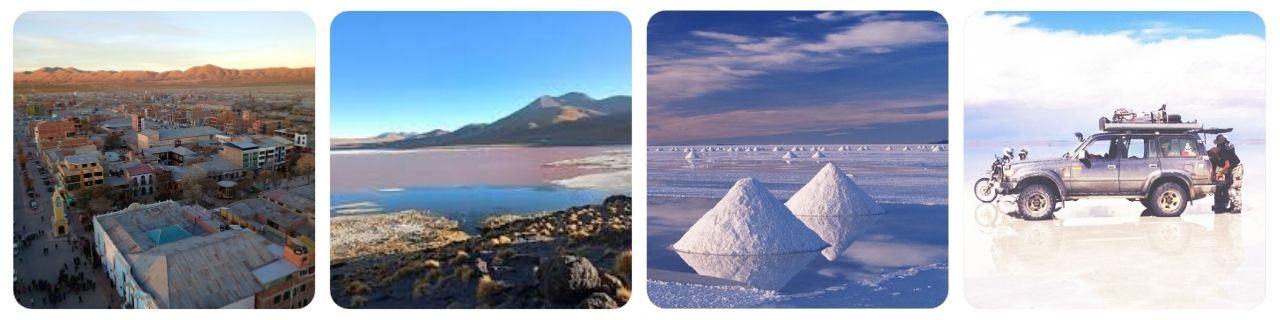
Getting from Uyuni to the Eduardo Avaroa Andean Fauna National Reserve is almost always done on a guided 4×4 tour that combines the Uyuni Salt Flats with high-altitude lagoons, geysers and surreal desert scenery; this guide breaks down the main tour types, what they cost, how long they take and how to book safely based on your route, time and budget.
At A Glance (Uyuni to Eduardo Avaroa Reserve)
| Mode | Duration | Best For |
|---|---|---|
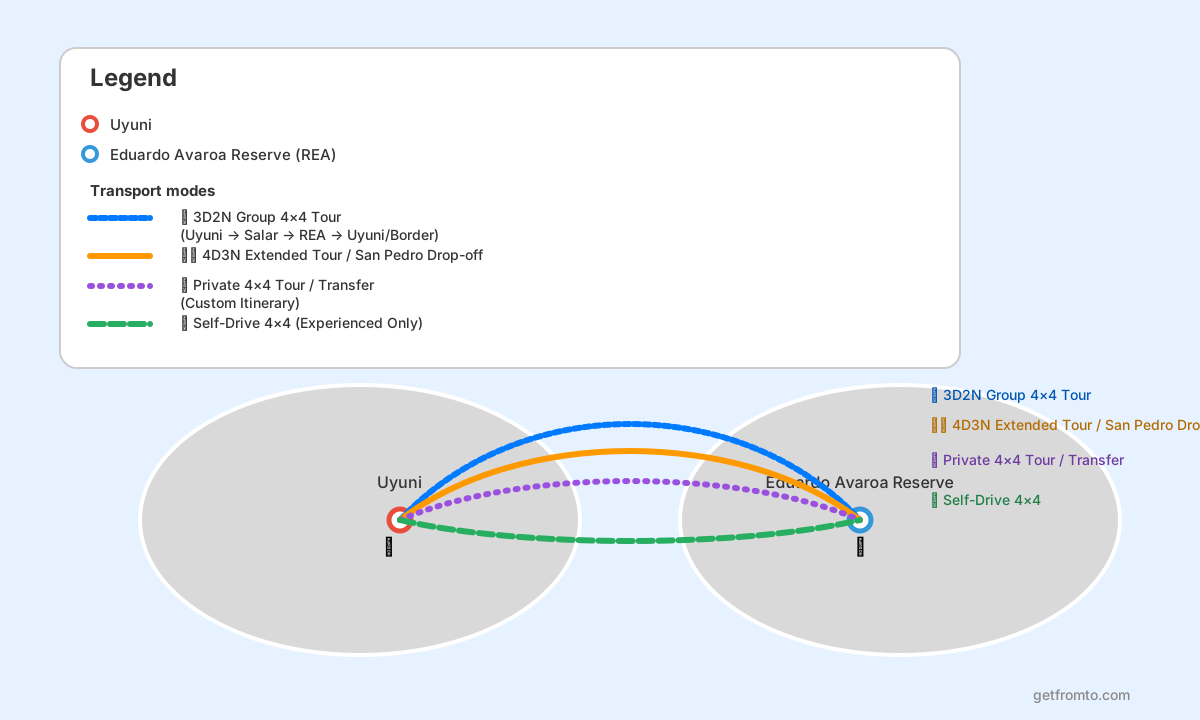
| 🚙 3D2N Group 4×4 Tour (Uyuni → Salar → REA → Uyuni/Border) | 3 days / 2 nights (full circuit) | Most travellers, classic experience |
| 🏷️ Cost: ~BOB 1,000–1,500 pp (≈US$140–210) + park fee ~BOB 150–250 » compare 3-day tours | alt. operators | ||
| 🗺️ 4D3N Extended Tour / San Pedro Drop-off | 4 days / 3 nights (slower pace or Chile transfer) | Continuing to Chile, more time at lagoons |
| 🏷️ Cost: ~BOB 1,400–2,000 pp + border/park fees » multi-day options | Uyuni tour listings | ||
| 🚐 Private 4×4 Tour / Transfer (Custom Itinerary) | 2–4 days depending on route | Small groups, photographers, custom stops |
| 🏷️ Cost: ~BOB 3,500–6,000 per vehicle (3D2N) + fees » sample private tours | ||
| 🚗 Self-Drive 4×4 (Experienced Only) | 2–3 long days of driving | Highly experienced off-road drivers |
| 🏷️ Cost: 4×4 rental from ~US$80–120/day (usually from major cities) + fuel, lodging & park fees » check 4×4 rentals | ||
Which Option or Route Should You Choose?
- Classic / First-Time Visit: Choose the 3D2N group 4×4 tour. It includes the Uyuni Salt Flats, key lagoons inside Eduardo Avaroa Reserve, and highland deserts at a reasonable price.
- Heading to Chile (San Pedro de Atacama): Pick a 4D3N extended tour or a 3D2N route that ends at the Hito Cajón border, then connects to San Pedro.
- More Comfort / Custom Itinerary: Go for a private 4×4 tour, ideal for families, photographers, or travellers who want flexible timings and better accommodation.
- Expert Adventurers Only: Self-drive 4×4 can work if you have serious off-road experience, navigation skills and Spanish—otherwise it’s risky and not recommended.
How to Book and Practical Tips
- Book ahead in high season (Jun–Aug, Dec–Feb): Tours fill up quickly. Compare itineraries and inclusions on GetYourGuide Uyuni tours, Klook Uyuni activities and Trip.com Uyuni tours.
- Check what’s included: Confirm if your tour includes meals, accommodation (basic hostel vs. salt hotel), sleeping bags, hot springs entry, and whether the Eduardo Avaroa park fee is paid separately in cash.
- Altitude & weather: Expect elevations of 4,000–5,000 m with freezing nights. Bring layers, a good jacket, hat, gloves, sunscreen and lip balm. Consider arriving in Uyuni or another highland city a day or two early to acclimatise.
- Cash and tickets: ATMs in Uyuni can be unreliable. Bring enough Bolivianos for park fees, toilets, snacks and tips. Many local agencies don’t accept cards.
- Luggage strategy: Space in the jeep is limited. Leave big suitcases at your Uyuni hotel or a trusted storage service. If you’re staging your trip via La Paz or Santa Cruz, you can use city luggage networks such as Radical Storage in La Paz or Radical Storage Santa Cruz.
- Where to stay before/after: Base yourself in town so you can reach agencies on foot. Browse accommodations in Uyuni or, if continuing to Chile, in San Pedro de Atacama.
🚙 Option #1 — 3D2N Group 4×4 Tour (Most Popular)
Classic route Good value Basic comfort
- Overview: The standard 3D2N circuit leaves from Uyuni, visits the Salt Flats on day 1, then heads south through desert scenery to the Eduardo Avaroa Andean Fauna National Reserve, including coloured lagoons, geysers and hot springs. Most tours either return to Uyuni on day 3 or drop passengers at the Hito Cajón border for San Pedro de Atacama.
- How to book (with price): Expect around BOB 1,000–1,500 (≈US$140–210) per person for a shared tour (4–6 people per jeep) including accommodation and meals. Compare itineraries and reviews on GetYourGuide 3-day Uyuni & REA tours, browse more options on Klook Uyuni multi-day tours, or check package deals via Trip.com. The REA park fee (typically BOB 150–250) is usually paid in cash at the entrance.
- Pros: Easiest and cheapest way to reach Eduardo Avaroa; includes all major sights; simple logistics.
- Cons: Basic accommodation (shared rooms, limited heating), long days in the jeep, fixed schedule.
Step-by-step: 3D2N Group 4×4 Tour
- Pick your dates & direction: Decide whether you want to start and end in Uyuni, or finish at the Chilean border for San Pedro de Atacama.
- Compare operators: Read recent reviews and compare day-by-day itineraries on platforms like GetYourGuide, Klook and Trip.com, or visit agencies around Uyuni’s centre the day before.
- Check inclusions: Confirm group size per jeep, accommodation standard, whether sleeping bags are provided, and how the REA park fee and hot springs entry are handled.
- Book & pay deposit: Many agencies take online reservations; others require you to book in person and pay a cash deposit. Keep a copy of your voucher/receipt.
- Arrive in Uyuni & acclimatise: Aim to arrive at least one day early by bus or flight, stay in a central hotel booked via Booking.com, drink plenty of water and avoid heavy alcohol.
- Departure morning: Be at the agency office around 9–10 am (confirm time). Load your main bag on the roof and keep essentials (water, snacks, warm clothes, camera, medicines) in a small daypack inside the jeep.
- Inside the reserve: On day 2 and 3 you’ll enter Eduardo Avaroa, pay the park fee at the checkpoint and visit lagoons, geysers and hot springs. Follow guide instructions closely—this is a remote high-altitude area.
- Return or border drop: On the final day, either drive back to Uyuni or continue to Hito Cajón for the shuttle to San Pedro de Atacama (often arranged by your tour operator).
Getting to the main embarking points (Uyuni town centre)
- From Uyuni bus terminal: Most agencies are 5–15 minutes’ walk from the terminal around the central plaza. If you’re carrying lots of luggage, take a short taxi ride.
- From Uyuni airport (Joya Andina): The airport is a few kilometres outside town. Taxis wait at arrivals and take about 10–15 minutes to town; you can book a hotel with airport transfer via Booking.com.
- Storing extra bags: Ask your Uyuni accommodation or tour agency if they can keep large bags while you’re on tour; confirm opening hours for your return day.
- Locations/Trip Planner: 🔗 Google Map / 🔗 OpenStreetMap
🗺️ Option #2 — 4D3N Extended Tour / San Pedro Drop-Off
More time Chile connection Higher cost
- Overview: A 4D3N tour follows a similar route to the 3D2N circuit but at a slower pace, sometimes adding extra stops (more lagoons, rock formations, viewpoints) or allowing a more relaxed schedule. Many itineraries finish with a border drop at Hito Cajón and a shuttle to San Pedro de Atacama.
- How to book (with price): Prices are typically BOB 1,400–2,000 per person depending on group size and lodging quality. Look for extended itineraries or San Pedro drop-off packages on GetYourGuide multi-day tours and Trip.com Uyuni–San Pedro tours.
- Pros: Less rushed schedule; good for photographers and those who want more time inside Eduardo Avaroa; convenient if continuing into Chile.
- Cons: Extra day adds cost; still basic accommodation in remote areas; long border day if heading to San Pedro.
Step-by-step: 4D3N Extended Tour
- Decide if you want to finish the tour back in Uyuni or in San Pedro de Atacama (Chile). This affects which operator and paperwork you need.
- Search for 4-day itineraries on GetYourGuide or through agencies in Uyuni; check that Eduardo Avaroa Reserve is clearly included.
- Confirm border logistics if going to Chile: early departure time, immigration process, included shuttle to San Pedro and any Chilean entry requirements.
- Pack for one extra night at altitude (extra warm clothing, snacks, power bank). Ask if you can charge devices at your overnight stops.
- Enjoy additional time at viewpoints and lagoons inside the reserve, which is especially useful for sunrise/sunset or photography stops.
Getting to the main embarking points (Uyuni meeting offices)
- Central agencies: Extended tours usually depart from the same cluster of agencies in central Uyuni; meeting points are often your hotel or the agency office near the main plaza.
- Night-before briefing: Some operators hold a short briefing or paperwork session the evening before—plan to be in town by then.
- Locations/Trip Planner: 🔗 Google Map / 🔗 OpenStreetMap
🚐 Option #3 — Private 4×4 Tour / Transfer (Customisable)
Flexible More comfortable Higher budget
- Overview: Private tours use the same 4×4 route through the Salt Flats and Eduardo Avaroa Reserve but let you customise the schedule, photo stops, accommodation type and pick-up/drop-off points (e.g. Uyuni–San Pedro, or Uyuni–border–back).
- How to book (with price): A private jeep with driver/guide typically costs around BOB 3,500–6,000 for a 3D2N itinerary (split among your group), plus park fees and lodging upgrades. Use platforms like Trip.com private Uyuni tours or enquire directly with well-reviewed agencies in Uyuni.
- Pros: Set your own pace; better for families, photographers or travellers who prefer smaller groups; easier to request dietary needs or specific photo stops.
- Cons: Significantly more expensive; still remote and basic in places; Spanish is often useful even with a guide.
Step-by-step: Private 4×4 Tour
- Decide on group size and dates, plus whether you want 2, 3 or more days in the area and if you plan a one-way transfer to Chile.
- Contact agencies via email or messaging (using contact details on their tour pages) and request a quote for a private Uyuni–Eduardo Avaroa itinerary, including accommodation level and meals.
- Compare quotes and what’s included (driver experience, oxygen availability, vehicle condition, language skills).
- Pay a deposit via card/bank transfer if offered; keep written confirmation of your exact route and inclusions.
- Meet your driver in Uyuni on the start day for a vehicle check and route briefing before heading out.
Getting to the main embarking points (Uyuni hotel / agency pickup)
- Door-to-door pickup: Many private operators will collect you directly from your Uyuni hotel at an agreed time—confirm this when booking.
- If arriving the same morning: Morning flights and overnight buses can line up with tour departures, but delays are common; staying one night in Uyuni is safer.
- Locations/Trip Planner: 🔗 Google Map / 🔗 OpenStreetMap
🚗 Option #4 — Self-Drive 4×4 (Experienced Only)
Maximum independence Adventure High risk
- Overview: Driving yourself from Uyuni to Eduardo Avaroa involves unmarked tracks, salt flats, river crossings and high-altitude passes with limited fuel and services. It’s only suitable for very experienced off-road drivers with solid navigation skills.
- How to book (with price): 4×4 rentals are limited in Uyuni; most travellers who self-drive pick up a vehicle in bigger Bolivian cities (La Paz, Sucre, Santa Cruz) or neighbouring countries. Expect from US$80–120 per day for a capable 4×4 plus extra insurance. Check availability via Booking.com Car Rental and confirm that taking the vehicle onto the salt flats and into remote areas is allowed.
- Pros: Total schedule control; you can linger at favourite viewpoints and avoid crowds.
- Cons: Navigation challenges, mechanical risks, lack of rescue services, altitude issues and extreme weather. For most travellers, guided tours are far safer.
Step-by-step: Self-Drive 4×4
- Plan your route, fuel points and overnight stops in detail using offline maps and reliable GPS tracks. Include contingencies for road closures or bad weather.
- Secure a suitable 4×4 (high clearance, low range, good tyres and recovery gear) and confirm that your rental contract allows travel to Uyuni, the salt flats and Eduardo Avaroa Reserve.
- Carry extra fuel, water, food, warm clothing, a first-aid kit and tools/spares. Travel with at least one other vehicle if possible.
- Upon entering the reserve, pay the park fee and ask rangers about current road conditions, closures and safe routes.
Getting to the main embarking points (Uyuni & REA checkpoints)
- Uyuni as staging point: Use Uyuni to top up fuel, buy supplies and check conditions with local agencies before setting off.
- Inside Eduardo Avaroa: Always stop at ranger posts where required, respect speed limits and stay on established tracks to protect fragile ecosystems.
- Locations/Trip Planner: 🔗 Google Map / 🔗 OpenStreetMap
FAQ (Uyuni to Eduardo Avaroa Reserve)
Do I need a tour to visit Eduardo Avaroa Reserve from Uyuni?
Most travellers visit Eduardo Avaroa as part of a guided 4×4 tour from Uyuni. The roads are rough and largely unmarked, fuel and services are sparse, and weather/altitude can be extreme. Unless you’re an expert off-road driver with local knowledge, a group or private tour is strongly recommended.
How many days do I need to see the main sights inside the reserve?
A standard 3D2N tour gives you time for the Uyuni Salt Flats plus headline Eduardo Avaroa sights such as Laguna Colorada, geysers and hot springs. If you prefer a slower pace, are serious about photography or want to continue to Chile, consider a 4D3N extended itinerary.
What is the altitude like and how can I prepare?
Uyuni itself sits around 3,650 m, while parts of Eduardo Avaroa reach 4,500–5,000 m. To reduce the risk of altitude sickness, spend at least a day or two at high altitude before touring, drink plenty of water, eat light meals and avoid heavy alcohol. If you have heart or lung conditions, consult a doctor before travelling.
Can I visit Eduardo Avaroa Reserve as a day trip from Uyuni?
No—distances and terrain make it impractical as a day trip. Reaching the main lagoons and geothermal areas requires long driving days, so itineraries are built as multi-day circuits. If you’re short on time, you can do a day trip to the Uyuni Salt Flats only, but you won’t reach the core of the reserve.
Is the Eduardo Avaroa Reserve open year-round?
In general the reserve is open year-round, but access to some areas and tracks can be affected by heavy rain (particularly Jan–Mar), snow, or occasional closures for conservation or safety. Check recent conditions with your tour operator and, if possible, via official park or environment channels before travelling.