
How to get from Tokyo to Nikko
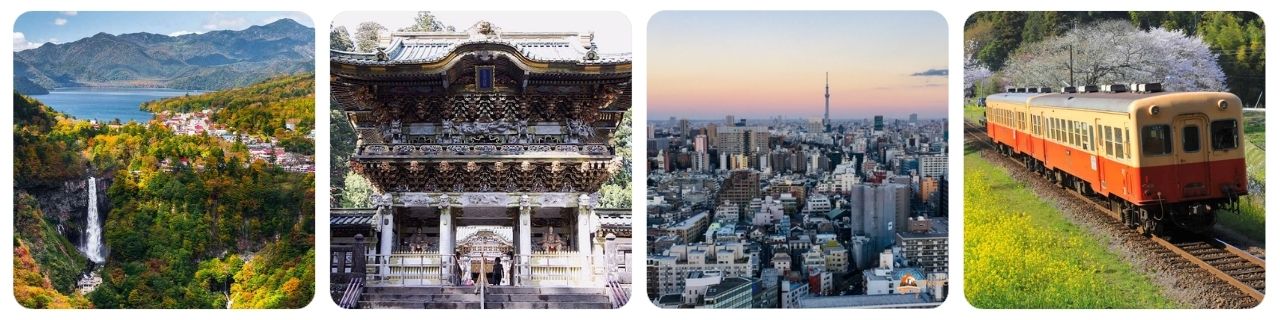
Tokyo to Nikko is one of the easiest classic day trips from Tokyo, with fast trains, direct buses, guided tours and self-drive options to fit almost any budget and travel style.
At A Glance (Tokyo to Nikko)
| Mode | Duration | Best For |
|---|---|---|
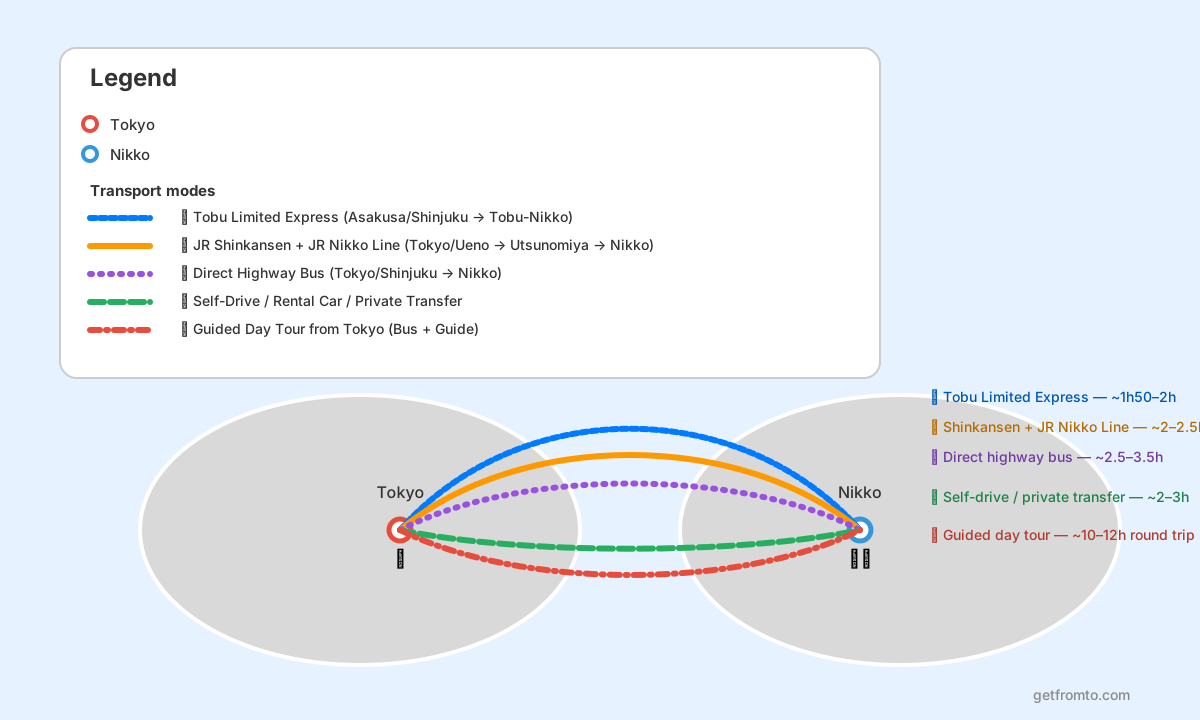
| 🚆 Tobu Limited Express (Asakusa/Shinjuku → Tobu-Nikko) | ~1h50–2h on the train (~2–2.5h door-to-door) | Most visitors, good value, simple route |
| 🏷️ Cost: ~JPY 3,000–4,000 one-way (ticket + limited express surcharge) » compare Tobu trains | reserve tickets online | ||
| 🚄 JR Shinkansen + JR Nikko Line (Tokyo/Ueno → Utsunomiya → Nikko) | ~1h–1h10 Shinkansen + ~45m local train (~2–2.5h door-to-door) | JR Pass holders, fastest rail option, comfort |
| 🏷️ Cost: ~JPY 4,000–6,500 one-way without a pass (often fully covered by JR passes) » check shinkansen fares | JR TOKYO Wide Pass info | ||
| 🚌 Direct Highway Bus (Tokyo/Shinjuku → Nikko) | ~2.5–3.5h depending on traffic | Budget travelers, those who dislike transfers |
| 🏷️ Cost: ~JPY 3,000–4,500 one-way » compare bus options | Tobu highway & local buses | ||
| 🚗 Self-Drive / Rental Car / Private Transfer | ~2–3h by expressway (traffic-dependent) | Families, photographers, flexible itineraries |
| 🏷️ Cost: Rental car from ~JPY 8,000–12,000/day + tolls/fuel; private transfer from ~JPY 25,000–40,000 per car » search rental cars | private transfer quotes | ||
| 🎫 Guided Day Tour from Tokyo (Bus + Guide) | ~10–12h round trip (full-day excursion) | First-timers, minimal planning, sightseeing focus |
| 🏷️ Cost: ~JPY 12,000–18,000 per person including transport and key sights » browse Nikko tours | Nikko day bus tour | ||
Which Option or Route Should You Choose?
- Fastest / Most convenient overall: If you have a JR Pass or want maximum speed and comfort, take the JR Shinkansen + JR Nikko Line (Option #2). It is the quickest rail route and easy to board from Tokyo or Ueno.
- Best value for most travelers: For a good balance of price and convenience, especially if you are staying in Asakusa or Shinjuku, choose the Tobu Limited Express (Option #1) and consider a NIKKO PASS for local buses and trains.
- Cheapest & simplest without transfers: If you do not mind a slightly longer ride and want to avoid changing trains, the direct highway bus (Option #3) from Tokyo or Shinjuku is usually the lowest-stress choice.
- Most scenic & flexible: Travelers who want to stop at viewpoints, onsen towns, or outlets along the way will love self-driving or hiring a private transfer (Option #4).
- Zero-planning, guided experience: If you prefer a guide, commentary, and a pre-set itinerary covering Toshogu Shrine, Lake Chuzenji and Kegon Falls, book a guided day tour (Option #5) from Tokyo.
How to Book and Practical Tips
- Reserve long-distance seats in advance: For Tobu limited express and JR Shinkansen, book seats several days ahead in peak seasons (autumn foliage, weekends, Golden Week). You can use Tobu’s Limited Express reservation page or JR-East Train Reservation, or third-party platforms like Klook Japan Rail.
- Consider rail passes if you are exploring more than Nikko: For Tobu lines, look at the NIKKO PASS series. For JR trains, the JR TOKYO Wide Pass can be very cost-effective if you will also visit other Kanto destinations.
- Base yourself smartly: If you want an early departure and late return, staying near major hubs like Tokyo Station, Ueno, Asakusa or Shinjuku helps. You can compare hotel deals in Nikko or stay in Tokyo and visit Nikko as a long day trip.
- Travel light: For a day trip, leave big bags in Tokyo. Major hubs like Tokyo Station and Asakusa have coin lockers, or you can pre-book convenient luggage storage via Radical Storage locations in Tokyo.
- Use IC cards and keep some cash: While limited express seats require paper or e-tickets, you can use Suica/PASMO for local lines and buses. Always carry some cash for rural buses, shrine entrance fees, and small shops.
- Ride-hailing and taxis: Around Tokyo, apps like Uber and Japan’s GO taxi app are widely used and can be a stress-free way to get to early-morning departures, in addition to pre-booked transfers from services like Welcome Pickups.
🚆 Option #1 — Tobu Limited Express from Asakusa/Shinjuku (Most Popular)
Good value Direct to Tobu-Nikko Seat reservation required
- Overview: Take a Tobu limited express (SPACIA, SPACIA X or Revaty) from Tobu Asakusa Station or Shinjuku directly to Tobu-Nikko Station. The ride takes about ~1h50–2h, and Tobu-Nikko is a short bus or taxi ride from Nikko’s World Heritage shrines.
- How to book (with price): One-way fares are typically around JPY 3,000–4,000 per adult (base fare + limited express surcharge, season-dependent). Reserve online via Tobu Limited Express reservations or bundle with a NIKKO PASS on TOBU Japan Trip Tickets. You can also compare train times and prices through 12Go Asia or book selected services with Klook.
- Pros: Direct or near-direct connection, relatively low fares, easy from Asakusa, good for combining with Tokyo Skytree sightseeing. Cons: Limited seat availability at peak times, slightly more complex for travelers staying far from Asakusa or Shinjuku.
- Good to know: NIKKO PASS options (like World Heritage Area or All Area) include round-trip Tobu travel from Tokyo and unlimited buses in parts of Nikko; limited express surcharges may be extra but still offer great value.
Step-by-step: Tobu Limited Express from Asakusa/Shinjuku
- Choose your departure station: Most visitors depart from Tobu Asakusa Station, directly connected to Asakusa’s sightseeing area. Some limited express services (such as the Nikko or SPACIA Nikko) also run from Shinjuku Station via JR-Tobu through services.
- Reserve seats online or at the station: On Tobu’s website, TOBU Japan Trip Tickets, or Klook, select your date, train (SPACIA, SPACIA X or Revaty) and seat type. Alternatively, buy tickets in person at Tobu Asakusa or Shinjuku ticket counters or machines.
- Arrive early at the platform: Get to the station at least 20–30 minutes before departure. Follow signs for the Tobu Skytree Line / Tobu Nikko Line and confirm the car and seat number on departure boards.
- Ride to Tobu-Nikko Station: Enjoy the ride with mountain views as you approach Tochigi Prefecture. Keep your ticket handy for onboard inspections; all seats are reserved on limited express trains.
- Transfer to local transport: From Tobu-Nikko Station, you can walk, take a bus or taxi to the World Heritage area. For bus routes and passes, see the Tobu Bus Nikko area guide.
Getting to the main embarking points (Asakusa / Shinjuku)
- From central Tokyo to Asakusa: Use the Tokyo Metro Ginza Line from Shibuya/Ueno, or the Toei Asakusa Line from Nihombashi and other points. Follow signs to the Tobu Asakusa platforms (separate from the metro ticket gates).
- From Tokyo Station: Take the JR Yamanote or Keihin-Tohoku Line to Ueno, then transfer to the Ginza Line for Asakusa; total journey is around 25–30 minutes.
- From Shinjuku: If your train departs from Shinjuku, simply follow signs to the JR platforms used by the Nikko/Spacia limited express. Otherwise, take the JR Chuo Line or Yamanote Line to Kanda or Ueno, then transfer to the Ginza Line for Asakusa.
- From the airports: From Narita or Haneda, airport trains or limousines to Ueno or Asakusa stations work well. For a door-to-door ride to your hotel or directly to Asakusa/Shinjuku, consider booking a transfer with Welcome Pickups or using ride-hailing apps like Uber or GO.
- Traveling light: If your hotel check-in time is late, drop big bags at a Radical Storage location near Tokyo Station or at coin lockers, and carry only a daypack to Nikko.
- Locations/Trip Planner: 🔗 Google Map / 🔗 OpenStreetMap
🚄 Option #2 — JR Shinkansen + JR Nikko Line (Fastest with JR Pass)
Fastest rail Great with JR passes One easy transfer
- Overview: From Tokyo Station or Ueno Station, ride the JR Tohoku Shinkansen to Utsunomiya, then transfer to the JR Nikko Line for JR Nikko Station. Total journey is about ~2 hours.
- How to book (with price): Without a pass, reserved seats typically cost around JPY 5,500–6,500 one-way depending on train type and class. You can reserve online through JR-East Train Reservation, or search timetables and fares on Trip.com or Klook.
- Pass coverage: Many JR passes, including the JR TOKYO Wide Pass, fully cover this route (Shinkansen to Utsunomiya + JR Nikko Line), making it the best-value option for heavy JR users.
- Pros: Very fast, frequent departures, all on JR lines, excellent if you already hold a JR pass. Cons: Slightly more expensive than Tobu if paying cash, requires a transfer at Utsunomiya.
Step-by-step: JR Shinkansen via Utsunomiya
- Start at Tokyo or Ueno Station: Reach either station by JR Yamanote Line, subway, taxi or ride-hailing.
- Board the Tohoku Shinkansen: Look for services bound for Sendai, Morioka or further north that stop at Utsunomiya. Follow the Shinkansen signs, go through the Shinkansen ticket gates and find your platform and car.
- Ride to Utsunomiya: The Shinkansen ride is around 50 minutes. Keep your ticket ready for inspection.
- Transfer to JR Nikko Line: At Utsunomiya, follow signs to the JR Nikko Line platforms. Trains run roughly 1–2 times per hour and take about 45 minutes to reach JR Nikko Station.
- Arrive in Nikko: JR Nikko Station is a short walk or quick bus/taxi ride from the main Nikko area and sits close to Tobu-Nikko Station, making transfers between lines easy.
Getting to the main embarking points (Tokyo Station / Ueno)
- From Shinjuku / Shibuya: Take the JR Yamanote Line clockwise to Tokyo Station (via Shibuya, Shinjuku, Ikebukuro, Ueno) or counter-clockwise to Ueno, then walk to the Shinkansen concourse.
- From Asakusa: Board the Ginza Line to Ueno, then transfer to JR or directly walk to JR Ueno Station for the Shinkansen.
- By taxi or ride-hailing: Taxis and ride-hailing apps like Uber and GO are convenient early in the morning when trains are less frequent. They can drop you at the Marunouchi or Yaesu entrances of Tokyo Station, or outside Ueno Station.
- From the airports: The Narita Express and Haneda Airport monorail + JR lines connect directly to Tokyo Station. If you prefer door-to-door service, airport transfers with Welcome Pickups can bring you straight to your hotel or to the station before your Nikko trip.
- Locations/Trip Planner: 🔗 Google Map / 🔗 OpenStreetMap
🚌 Option #3 — Direct Highway Bus (Budget, Simple)
Low cost No transfers Traffic-dependent
- Overview: Several operators run highway buses from Tokyo (often from Shinjuku or Tokyo Station) to the Nikko area, sometimes directly to Tobu-Nikko or nearby stops. Journeys typically take 2.5–3.5 hours depending on traffic on the Tohoku Expressway.
- How to book (with price): One-way fares usually range from JPY 3,000–4,500. Reserve seats on operators’ official sites such as JR Bus Kanto or Tobu Bus, or compare services and departure times through 12Go Asia’s Tokyo–Nikko bus listings.
- Pros: No train transfers, comfortable reclining seats, optional onboard Wi‑Fi on some services. Cons: More affected by traffic delays, fewer departures than trains, may have limited luggage space.
- Good to know: In high season, highway buses can sell out; reserve a few days in advance, especially for weekends and foliage season.
Step-by-step: Direct Highway Bus
- Choose your departure terminal: Common terminals include Shinjuku Expressway Bus Terminal and Tokyo Station (Yaesu area). Check your ticket for the exact stop and gate.
- Book tickets: Use the JR Bus Kanto or Tobu Bus websites (they often have English pages) or third-party booking sites like 12Go Asia. Print or save your e-ticket on your phone.
- Arrive early: Be at the bus terminal 20–30 minutes before departure. Confirm your platform/gate number on the departure boards.
- Board and stow luggage: Show your ticket or QR code to the staff, place large suitcases in the hold and keep valuables with you.
- Arrival in Nikko: Depending on the service, you may arrive near Tobu-Nikko Station, JR Nikko Station or other local stops. From there, connect to local buses or walk to your accommodation or the World Heritage area.
Getting to the main embarking points (Shinjuku / Tokyo Station bus terminals)
- To Shinjuku Expressway Bus Terminal: Located above JR Shinjuku Station (South Exit / New South Gate). Follow signs to the bus terminal once inside the station.
- To Tokyo Station Yaesu area: Use JR lines or Tokyo Metro to reach Tokyo Station, then follow signs to the Yaesu South or North bus terminals at street level.
- By taxi or ride-hailing: For early departures or late returns, taxis and Uber/GO rides are convenient and relatively affordable, especially if shared among 2–3 travelers.
- Locations/Trip Planner: 🔗 Google Map / 🔗 OpenStreetMap
🚗 Option #4 — Self-Drive / Rental Car or Private Transfer
Most flexible Door-to-door Tolls & parking
- Overview: Renting a car or booking a private transfer lets you travel from Tokyo to Nikko in around 2–3 hours, depending on traffic and your exact starting point. You will mostly use the Tohoku Expressway and local roads into the mountains.
- How to book (with price): Standard rental cars from Tokyo typically start around JPY 8,000–12,000 per day plus tolls and fuel. Compare deals via Booking.com Car Rental. For a door-to-door ride without driving yourself, check fixed-price private transfers on GetTransfer; prices vary by vehicle size but often start around JPY 25,000–40,000 one-way for a small group.
- Pros: Maximum flexibility for side trips to places like Edo Wonderland, Lake Chuzenji, or onsen towns. Ideal for families, groups or heavy luggage. Cons: Expressway tolls and parking fees add up; winter driving can be challenging in snow; foreign drivers need an appropriate license (e.g. IDP) and must follow Japanese road rules.
- Extras: If you love exploring on two wheels, consider renting a bicycle or scooter in Tokyo via BikesBooking for city days before or after your Nikko trip.
Step-by-step: Driving or Private Transfer from Tokyo to Nikko
- Pick up your vehicle: Collect your rental car from a Tokyo location (major hubs include Shinjuku, Shibuya, Tokyo Station and the airports) or meet your private driver at your hotel.
- Join the expressway: From central Tokyo, follow signs for the Tohoku Expressway heading north. Use ETC (electronic toll collection) if your rental car is equipped, or pay tolls in cash/credit card at toll booths.
- Exit toward Nikko: Leave the expressway near Utsunomiya and follow local roads signed for Nikko. Most GPS systems have English settings; search for major landmarks such as Nikko Toshogu Shrine or Tobu-Nikko Station.
- Park near the sights: Paid parking is available around Nikko’s World Heritage area, Lake Chuzenji, and other attractions. Keep coins or small bills for parking machines.
- Return or continue: Either drive back to Tokyo the same evening or stay overnight in Nikko and explore Oku-Nikko the next day before returning.
Getting to the main embarking points (Car rental locations in Tokyo)
- Major rental hubs: Look for rental offices near Tokyo Station, Shinjuku, Shibuya and the airports. They are usually a short walk from the station exits and are clearly signposted.
- Reaching rental locations: Use JR or subway lines to your chosen pickup point, or take a taxi/ride-hailing service if you have luggage. Apps like Uber and GO work well in central Tokyo.
- Before you drive: Make sure you have your passport, international or Japanese license, and know how to operate basic functions (lights, wipers, ETC toll card). Ask staff to set the navigation to English.
- Locations/Trip Planner: 🔗 Google Map / 🔗 OpenStreetMap
🎫 Option #5 — Guided Day Tour from Tokyo
All-inclusive English-speaking guide Fixed itinerary
- Overview: Guided day tours by bus or minivan depart from Tokyo (often Shinjuku, Asakusa or pick-up at selected hotels) and include round-trip transport plus visits to key sights such as Nikko Toshogu Shrine, Shinkyo Bridge, Lake Chuzenji and Kegon Falls. Expect a 10–12 hour day.
- How to book (with price): Typical prices are around JPY 12,000–18,000 per person, sometimes including lunch and attraction fees. Browse options on GetYourGuide’s Tokyo–Nikko day tours or Klook’s Nikko activities.
- Pros: Minimal planning, English-speaking guide, priority access at some sites, built-in transport and timing. Cons: Less flexibility on timing and stops; can feel rushed during peak seasons.
Step-by-step: Guided Day Tour from Tokyo
- Pick your tour: Decide whether you want a small-group or large-bus tour, and whether lunch and entrance fees are included. Read reviews and check cancellation policies on GetYourGuide or Klook.
- Confirm meeting point: Many tours depart from convenient areas like Shinjuku Station, Ueno Station or hotel pickup points. Save the exact meeting location and time in your calendar.
- Arrive 10–15 minutes early: Guides usually hold signs with the tour name or company logo. Show your voucher (on your phone is fine) and check in.
- Enjoy the itinerary: Relax on the bus while your guide explains the history and culture of Nikko. Follow their instructions for free time at shrines, waterfalls and viewpoints.
- Return to Tokyo: You will usually be dropped back at the original meeting point in the evening, with time for dinner around Shinjuku, Asakusa or Ueno.
Getting to the main embarking points (Tour meeting spots)
- Shinjuku: Use JR, subway or private rail lines to reach JR Shinjuku Station, then follow the instructions in your tour confirmation (often near the West or South exits).
- Asakusa / Ueno: From most of central Tokyo, take the Ginza Line to Asakusa or Ueno. Tour operators often choose easily visible spots such as station exits or landmarks.
- Using taxis and ride-hailing: When meeting very early, consider a taxi or ride-hailing app (Uber/GO) to avoid missing the bus, especially if you are far from the meeting point.
- Locations/Trip Planner: 🔗 Google Map / 🔗 OpenStreetMap
FAQ (Tokyo to Nikko)
Is Nikko realistic as a day trip from Tokyo?
Nikko is absolutely doable as a day trip if you take an early train or tour and return in the evening. A typical schedule is a 7:00–8:00 departure and a 18:00–20:00 return. However, if you want to explore Oku-Nikko, Lake Chuzenji and onsen areas at a relaxed pace, consider staying one or two nights.
Which is better: Tobu Limited Express or JR Shinkansen?
If you already have a JR pass or value maximum speed and comfort, the JR Shinkansen via Utsunomiya is usually best. If you are paying cash and especially if you are staying near Asakusa or Shinjuku, Tobu limited express trains paired with a NIKKO PASS often work out cheaper and more convenient.
Do I need to reserve seats in advance?
For Tobu limited express and JR Shinkansen, seat reservations are strongly recommended and sometimes mandatory, especially on weekends, holidays and during autumn foliage season. Local JR/Tobu trains and highway buses may allow walk-up tickets, but advance booking is still wise for peace of mind.
Where should I stay if I want to visit Nikko?
You can either stay in Nikko itself (for a quiet, nature-focused experience and easier access to early-morning shrines) or in Tokyo near major hubs like Asakusa, Ueno, Tokyo Station or Shinjuku. For inspiration, you can browse Nikko hotels or see ranking-style recommendations on Trip.com.
Are there luggage storage options for a Nikko side trip?
Yes. Tokyo’s big stations have lockers, but they can fill up. Pre-booking with a service like Radical Storage near Tokyo Station, Ueno, Shinjuku or Asakusa makes it easy to leave big suitcases behind and visit Nikko with a small day bag.
Can ride-hailing apps take me all the way to Nikko?
In practice, ride-hailing apps like Uber and GO are mostly used for shorter city transfers (hotel → station, airport → hotel). For the long distance between Tokyo and Nikko, trains or highway buses are usually better value. If you want a car the whole way, a pre-booked long-distance transfer via GetTransfer or a rental car makes more sense than a metered city taxi.


Related Tours/Services
Popular Routes
Recent Routes
- How to get from PortMiami Cruise Terminal to Miami International Airport
- How to get from Samarkand to Bukhara
- How to get from Bell Tower (Xi’an) to Xi’an North Railway Station
- How to get from Canal City Hakata to Hakata Station
- How to get from Rialto Bridge (Venice) to Venezia Santa Lucia Station
- How to get from Florence Cathedral (Duomo) to Firenze Santa Maria Novella Station
- How to get from Nice to Paris
- How to get from Ribeira District (Porto) to Porto Campanhã Station
- How to get from Anne Frank House to Amsterdam Sloterdijk Station
- How to get from Buckingham Palace to London Victoria Station
Top Travel Gears

DUDE Wipes Unscented Pocket Packs, Adult Flushable Travel Wipes, 48 Count

zelin Anti Theft Zipper Clips, Travel Essentials, Carabiner, 4Pcs Grey

INIU 10000mAh 45W Fast Charging Portable Charger, Smaller Travel Power Bank | Flight-Safe, Detachable USB C Cable, Travel Essential, External Battery Phone Pack for iPhone 18 17 Samsung iPad etc
travel inspira Luggage Scale Digital Suitcase Weight Scale for Travel
2026 Travel Essentials for Apple Watch Charger,Cruise Vacation Camping Essentials,iPhone Charger,Multi Charging Cable,3 in 2 Charging Docks for iWatch Series 12 11-2/Ultra,iPhone 18 17-12,Car