
How to get from Nagoya to Tokyo
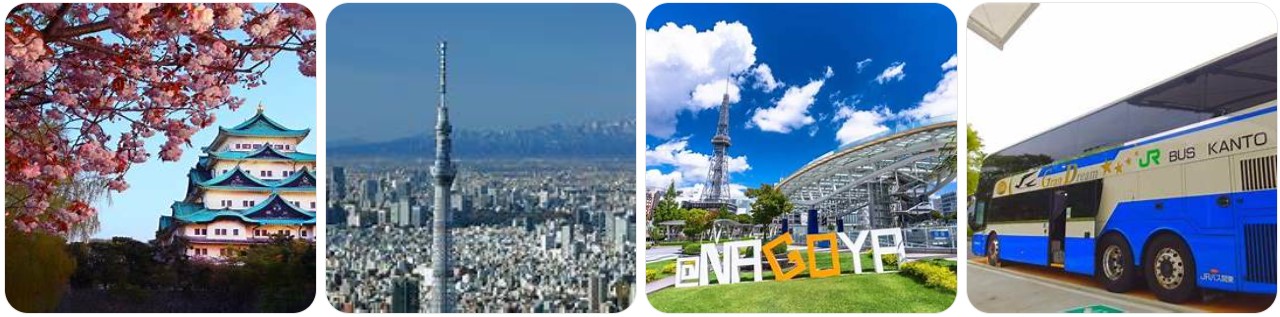
Nagoya to Tokyo is a classic Tōkaidō run: the Shinkansen bullet train is fastest and easiest, highway buses are cheapest (especially overnight), flights can work if you’re pairing with the airport, and self-drive or private charter suit special cases. Choose your style below—each option includes booking links and step-by-steps with map planners.
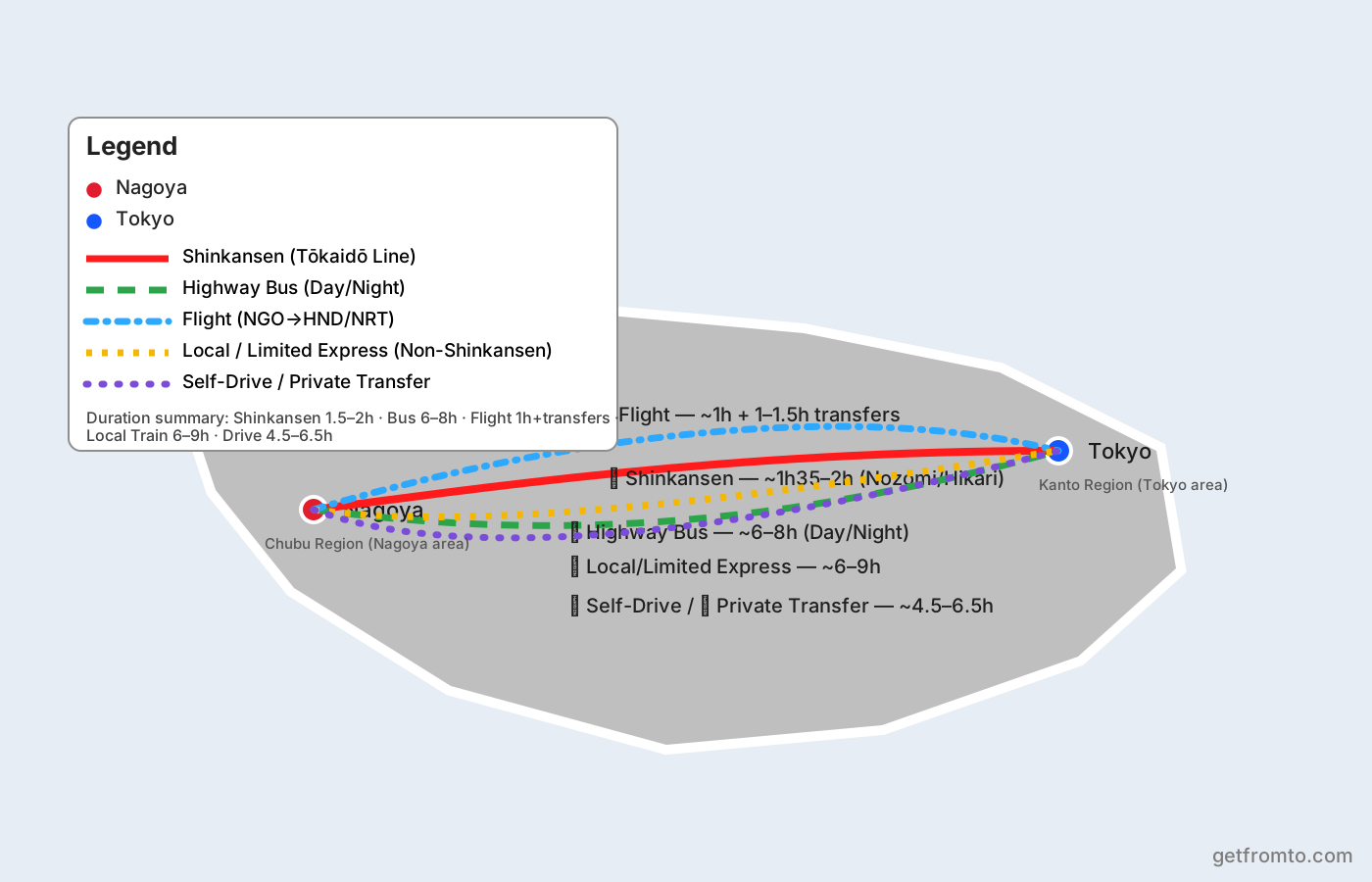
At A Glance (Nagoya to Tokyo)
| Mode | Duration | Best For |
|---|---|---|
| 🚄 Shinkansen (Tōkaidō) – Nozomi/Hikari | ~1h35–2h (Nagoya↔Tokyo) | Speed, comfort, city-center to city-center |
| 🏷️ Cost: ~JPY 11,000–15,000 one-way (seat/class/date) » check shinkansen tickets | compare trains | ||
| 🚌 Highway Bus (Day/Night) | ~6–8h (route-dependent) | Lowest cost, overnight travel |
| 🏷️ Cost: ~JPY 3,000–7,500 one-way » compare buses | ||
| ✈️ Flight (NGO→HND/NRT) + Rail to Central Tokyo | ~1h flight + 1–1.5h airport transfer | When starting/ending at an airport |
| 🏷️ Cost: ~JPY 6,000–18,000 (seasonal) » search flights | Trip.com fares | ||
| 🚃 Local/Limited Express (Non-Shinkansen) | ~6–9h (connections) | Rail fans, passes, super-saver days |
| 🏷️ Cost: ~JPY 6,000–9,000 (fares vary) » see rail options | ||
| 🚗 Self-Drive / 🚐 Private Transfer | ~4.5–6.5h (traffic/tolls) | Door-to-door, special luggage |
| 🏷️ Cost: Rental ~JPY 8,000–15,000/day + tolls/fuel » compare rentals | Private car from ~JPY 70,000+ » quotes | ||
Which Option or Route Should You Choose?
- Fastest/Most Convenient: Shinkansen (Nozomi/Hikari) from Nagoya Station to Tokyo/Shinagawa.
- Cheapest: Highway bus (overnight saves a hotel night).
- Airport-to-airport plans: Fly NGO→HND or NRT if you’re connecting flights or staying near the airport.
- Scenic/Slow travel or pass days: Local/limited express via the Tōkaidō Main Line.
- Door-to-door & special gear: Drive or book a private transfer.
How to Book and Practical Tips
- Seat reservations: Shinkansen reserved seats sell out on weekends/holidays—book ahead on Klook or compare on 12Go.
- Luggage: Big suitcases? Consider luggage forwarding or stash bags via Radical Storage Nagoya / Tokyo.
- City transfers: Use taxi apps (GO app, Uber limited in Japan) or station taxis; for fixed long rides compare GetTransfer.
- Stay near stations: For late arrivals, check hotels by Tokyo Station/Shinjuku on Booking.com.
🚄 Option #1 — Shinkansen (Tōkaidō) – Nozomi/Hikari (Fastest & Easiest)
~1h35–2h City-center to city-center Frequent departures
- Overview: Board at Nagoya Station and ride Nozomi (fastest; most frequent) or Hikari (slightly slower) to Tokyo Station or Shinagawa. Comfortable seats, restrooms, power outlets on many cars.
- How to book (with price): ~JPY 11,000–15,000 (class/date). Reserve online via Klook or compare times/fares on 12Go. Official: JR Central “Tōkaidō Shinkansen” for timetables.
- Pros: Fastest overall, frequent, reliable. Cons: Pricier than buses.
Step-by-step: Shinkansen
- Get to Nagoya Station (JR Central entrance). Use local subway/bus or taxi; if carrying big bags, consider luggage storage.
- Buy/reserve your ticket online (Klook/12Go) or at JR ticket machines/counters. Choose Nozomi/Hikari and seat type.
- Follow signs to the Shinkansen gates; scan ticket/QR and find your car number on the platform markings.
- Arrive at Tokyo Station (or Shinagawa). Continue by JR/subway or taxi; hotels nearby are on Booking.com.
Getting to the main embarking points (Nagoya Station → Tokyo/Shinagawa)
- Nagoya Station: Major hub with clear English signage; arrive 10–20 minutes early.
- Tokyo/Shinagawa: Easy transfers to JR lines, Ginza/Asakusa/Keikyu lines, and airport trains.
- Locations/Trip Planner: 🔗 Google Map / 🔗 OpenStreetMap
🚌 Option #2 — Highway Bus (Day/Night, Cheapest)
Budget Overnight saves hotel 6–8h ride
- Overview: Direct coaches link Nagoya Meitetsu Bus Center or Sakae with Shinjuku Expressway Bus Terminal (Busta) or Tokyo Station. Reclining seats, rest stops, toilets on many services.
- How to book (with price): ~JPY 3,000–7,500. Compare times/seats on 12Go (buses) or curated options on Trip.com activities.
- Pros: Cheapest, overnight arrival downtown. Cons: Slower than train; weekend traffic can add time.
Step-by-step: Highway Bus
- Reach Nagoya Meitetsu Bus Center (next to Meitetsu Nagoya Station) by subway or taxi.
- Book a seat on 12Go. Choose day/overnight, seat type (standard/premium).
- Arrive 15–20 minutes early; locate your bay number on the departure boards.
- Arrive at Busta Shinjuku or Tokyo Station; continue by JR/subway or walk to nearby hotels.
Getting to the main embarking points (Meitetsu Bus Center / Busta Shinjuku)
- Nagoya boarding: Meitetsu Bus Center is above Meitetsu Dept. Store; elevators/escalators available.
- Tokyo arrival: Busta sits atop JR Shinjuku Station (South Gate) with easy metro links.
- Locations/Trip Planner: 🔗 Google Map / 🔗 OpenStreetMap
✈️ Option #3 — Flight (NGO→HND/NRT) + Rail to Central Tokyo
1h flight Best if airport-based Add transfer time
- Overview: Fly from Chubu Centrair (NGO) to Haneda (HND) or Narita (NRT), then train/monorail/Keisei/JR to central Tokyo.
- How to book (with price): ~JPY 6,000–18,000 depending on sales/season. Search and compare on Booking.com Flights or Trip.com.
- Pros: Good if connecting to/from other flights or staying near airports. Cons: After landing, you still have 30–90 minutes into town.
Step-by-step: Flight
- Get to NGO (Centrair) by Meitetsu μ-SKY from Nagoya Station or taxi.
- Book your NGO→HND/NRT ticket via Booking.com Flights or Trip.com; check in online.
- At HND, take Tokyo Monorail/Keikyu to the city; at NRT, take Keisei Skyliner or JR Narita Express.
- Arrive at Tokyo Station/Shinjuku/Ueno depending on your chosen line and continue by JR/subway or taxi.
Getting to the main embarking points (Centrair & Haneda/Narita)
- NGO access: Meitetsu trains run frequently; allow 60–75 minutes from central Nagoya.
- HND/NRT to city: Fast rail links operate from both airports; follow English signage to ticket gates.
- Locations/Trip Planner: 🔗 Google Map / 🔗 OpenStreetMap
🚃 Option #4 — Local/Limited Express (Slow & Scenic, Pass-Friendly)
Budget days Scenic More transfers
- Overview: Ride conventional JR lines (Tōkaidō Main Line) via Gifu, Shizuoka, Atami, etc. Can be very cheap on certain pass days; otherwise slower with multiple transfers.
- How to book (with price): Check routes/fare combos on 12Go (trains) or Trip.com Trains.
- Pros: Savings and sightseeing stops. Cons: 6–9 hours with changes; seats unreserved on many legs.
Step-by-step: Local/Limited Express
- Start at Nagoya Station; buy a regular JR ticket or use an eligible rail pass.
- Take JR Rapid/Local eastward (e.g., to Hamamatsu/Shizuoka); transfer per timetable toward Atami.
- From Atami, continue JR to Tokyo Station (Tōkaidō Line) or Shinagawa.
- Use station signs/transfer boards; staff can help if unsure.
Getting to the main embarking points (Nagoya → Atami → Tokyo)
- Waypoints: Hamamatsu/Shizuoka/Atami are common transfer points; plan meal/stretch stops en route.
- Arrival: Tokyo/Shinagawa connects to the broader JR/subway network.
- Locations/Trip Planner: 🔗 Google Map / 🔗 OpenStreetMap
🚗 Option #5 — Self-Drive (Expressways) / 🚐 Private Transfer (Door-to-Door)
Flexible Direct Tolls & traffic
- Overview: Drive the Isewangan→Tōmei→Shin-Tōmei→Tōmei corridor toward Tokyo. Private charters are possible for groups or bulky gear.
- How to book (with price): Car rentals from ~JPY 8,000–15,000/day on Booking.com Car Rental or Trip.com Car Hire. Private transfers from ~JPY 70,000+ via GetTransfer.
- Pros: Door-to-door, luggage-friendly, stop where you like. Cons: Tolls (ETC), parking, and urban traffic.
Step-by-step: Self-Drive / Private Car
- Pick up your car in Nagoya (station/airport) or request a private transfer with pickup at your address/hotel.
- Set navigation to Tokyo Station (or your hotel). Plan rest stops (e.g., Shizuoka SA, Ebina SA) every 2–3 hours.
- Follow Shin-Tōmei/Tōmei expressways; use ETC where available for faster tolls.
- On arrival, confirm hotel parking or drop-off details in advance.
Getting to the main embarking points (Rental Depots & Expressways)
- Nagoya pickup: Station-area depots have longer hours; check international license requirements.
- Tokyo arrival: Central wards have paid parking; consider returning the car on the city outskirts.
- Locations/Trip Planner: 🔗 Google Map / 🔗 OpenStreetMap
FAQ (Nagoya to Tokyo)
Shinkansen: Nozomi vs Hikari?
Nozomi is fastest and most frequent; Hikari is slightly slower but often cheaper/compatible with some passes.
Which Tokyo station should I choose?
Tokyo Station is best for the Imperial Palace/Ginza/Tokyo Disney transfers; Shinagawa is great for southern/western Tokyo and Haneda access; Shinjuku if arriving by bus.
Are highway buses comfortable?
Yes—many have reclining seats, footrests, power outlets, and toilets. Premium/overnight classes offer extra space.
Is flying faster than Shinkansen?
Usually no for city-center to city-center. Flying can make sense if you’re airport-based or catching onward flights.
Can I store luggage at stations?
Yes—coin lockers and staffed storage are common; or book space with Radical Storage Tokyo / Nagoya.
Any ride-hailing?
Uber operates in Tokyo mainly as a taxi-hailing platform; the local “GO” app is widely used. For fixed long routes, compare GetTransfer.





Related Tours/Services
Popular Routes
Recent Routes
- How to get from PortMiami Cruise Terminal to Miami International Airport
- How to get from Samarkand to Bukhara
- How to get from Bell Tower (Xi’an) to Xi’an North Railway Station
- How to get from Canal City Hakata to Hakata Station
- How to get from Rialto Bridge (Venice) to Venezia Santa Lucia Station
- How to get from Florence Cathedral (Duomo) to Firenze Santa Maria Novella Station
- How to get from Nice to Paris
- How to get from Ribeira District (Porto) to Porto Campanhã Station
- How to get from Anne Frank House to Amsterdam Sloterdijk Station
- How to get from Buckingham Palace to London Victoria Station
Top Travel Gears

DUDE Wipes Unscented Pocket Packs, Adult Flushable Travel Wipes, 48 Count

zelin Anti Theft Zipper Clips, Travel Essentials, Carabiner, 4Pcs Grey

INIU 10000mAh 45W Fast Charging Portable Charger, Smaller Travel Power Bank | Flight-Safe, Detachable USB C Cable, Travel Essential, External Battery Phone Pack for iPhone 18 17 Samsung iPad etc
travel inspira Luggage Scale Digital Suitcase Weight Scale for Travel
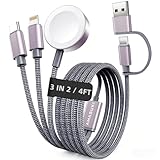
2026 Travel Essentials for Apple Watch Charger,Cruise Vacation Camping Essentials,iPhone Charger,Multi Charging Cable,3 in 2 Charging Docks for iWatch Series 12 11-2/Ultra,iPhone 18 17-12,Car