
How to get from Hanoi to Hue

Traveling from Hanoi to Hue is one of Vietnam’s classic north‑to‑central routes, with options ranging from quick flights to scenic overnight trains, budget sleeper buses, private cars, and even multi‑day motorbike trips.
At A Glance (Hanoi to Hue)
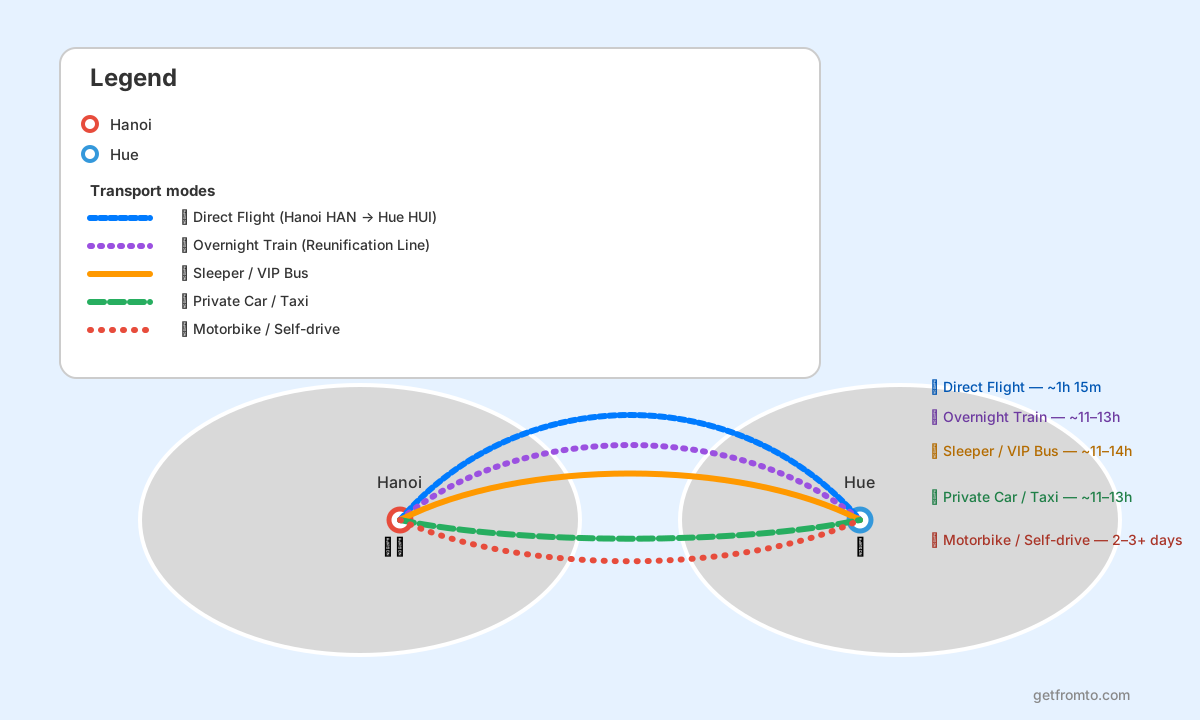
| Mode | Duration | Best For |
|---|---|---|
| 🛫 Direct Flight (Hanoi HAN → Hue HUI) | ~1h 15m in the air + ~2–3h total with airport transfers | Fastest overall, tight itineraries |
| 🏷️ Cost: ~990,000–2,500,000 VND one-way (airlines & season dependent) » search flights | compare HAN→HUI fares | ||
| 🚆 Overnight Train (Reunification Line) | ~11–13h | Scenery, comfort, travelling while you sleep |
| 🏷️ Cost: ~480,000–1,200,000 VND (soft seat to 4-berth sleeper) » compare trains | Vietnam Railways e-tickets | ||
| 🚌 Sleeper / VIP Bus | ~11–14h overnight | Lower budgets, flexible travelers |
| 🏷️ Cost: ~367,000–800,000 VND one-way » bus times & tickets | all transport options | ||
| 🚕 Private Car / Taxi | ~11–13h driving (with rest stops) | Groups, door-to-door comfort, custom stops |
| 🏷️ Cost: ~3,000,000–5,500,000 VND per car depending on size & class » long-distance quotes | airport transfers | ||
| 🛵 Motorbike / Self-drive | 2–3+ days with sightseeing stops | Experienced riders, adventure itineraries |
| 🏷️ Cost: ~200,000–400,000 VND/day (bike rental, fuel extra) » compare motorbike rentals | ||
Which Option or Route Should You Choose?
- Fastest / Most Convenient: Choose the direct flight if you want to minimise travel time, are connecting with other flights, or have just a few days in central Vietnam.
- Most Balanced (Comfort + Experience): The overnight train gives you a classic Vietnamese rail experience, horizontal beds, and saves a night of accommodation without airport transfers.
- Cheapest / Most Economical: A sleeper bus is usually the lowest cash outlay for solo travellers and backpackers, especially if you pick a standard sleeper instead of VIP cabins.
- Most Scenic & Flexible: If you love road trips and have time, a multi-day motorbike or private-car journey via Ninh Binh and Phong Nha lets you explore caves, mountains, and countryside along the way.
- Most Comfortable for Families or Groups: A private transfer allows door-to-door service, flexible departure times, and easy meal/toilet stops — good for kids, elders, or heavy luggage.
How to Book and Practical Tips
- Compare all major transport types in one place: Platforms like 12Go Asia show trains, buses, and some private cars on the same route, with live schedules and reviews.
- Flights: Use meta-searches such as Trip.com alongside Booking.com Flights to find direct Hanoi (HAN) → Hue (HUI) tickets and filter by baggage, departure time, and airline.
- Trains: For official tickets, check Vietnam Railways’ online system on dsvn.vn; you can also book through agencies on 12Go if you prefer an English-language interface.
- Buses: Many reputable companies (including VIP-cabin buses) list their Hanoi→Hue seats on 12Go Asia, where you can compare on-board amenities like Wi-Fi, toilets, and sleeper cabins.
- Airport & city transfers: For easy airport pickup, pre-book a ride via Klook airport transfers, Welcome Pickups, or GetTransfer. On the ground, popular ride-hailing apps like Grab and Gojek are widely used for shorter city rides.
- Accommodation: Consider breaking the trip with a night in Ninh Binh or Phong Nha; you can search stays easily on Booking.com (for both Hanoi and Hue hotels).
- Luggage storage: If you have awkward check-in/out times, luggage services in both cities (for example near Hanoi station or Hue walking street) can be booked via Radical Storage in Hanoi or Radical Storage in Hue.
- Weather & disruptions: Central Vietnam (including Hue) can experience heavy rains and occasional flooding, particularly from about September to November. In such periods, trains and roads may be delayed or temporarily suspended, so always check current transport notices before you travel.
🛫 Option #1 — Direct Flight (Fastest & Easiest)
Shortest travel time Good for tight schedules Higher cost than bus/train
- Overview: Fly from Hanoi’s Noi Bai International Airport (HAN) to Hue’s Phu Bai International Airport (HUI). The flight is about 1h 15m, and including transfers, expect ~3 hours door-to-door if traffic is light.
- How to book (with price): Typical one-way fares start around ~990,000 VND but can rise to 2,500,000+ VND in peak seasons or for last-minute bookings. Check national and low-cost carriers on Trip.com or compare across airlines with Booking.com Flights.
- Pros: Fastest overall; predictable schedule; ideal if you’re connecting to other flights or want to avoid overnight overland travel.
- Cons: Airport transfers add cost and time; luggage limits can bite if you’re carrying sports gear or bulky backpacks; flights can be disrupted in storms or heavy fog.
Step-by-step: Direct Flight from Hanoi to Hue
- Get to Noi Bai Airport (HAN): From the Old Quarter, a taxi or Grab ride takes ~40–60 minutes depending on traffic. You can pre-book a fixed-price transfer via Klook, Welcome Pickups, or GetTransfer if you want a driver waiting with your name sign.
- Check in & security: Domestic flights usually ask you to arrive 90 minutes before departure. Check your airline’s baggage policy (especially on low-cost carriers) and print or download your boarding pass.
- Flight to Hue (HUI): Flight time is around 1h 15m. Many services are early morning or evening, so you can still have a sightseeing day in Hanoi or Hue.
- Arriving at Phu Bai Airport: Phu Bai Airport is about 15–20 km from Hue city center. Grab taxis are usually available, or you can pre-book a car or shuttle via Klook’s Hue transport options or arrange a pickup with your hotel.
- Check into your hotel: Many Hue hotels offer pickup or can help you book a taxi. You can browse and book stays in advance on Booking.com.
Getting to the main embarking points (Hanoi → Noi Bai Airport)
- By ride-hailing: Open Grab or Gojek, set your pickup in the Old Quarter (or wherever you’re staying) and choose “Airport” as the destination. Pricing is dynamic but usually good value, especially if you share with friends.
- By taxi: Metered taxis are plentiful in central Hanoi. Ask your hotel to call a reputable company, confirm whether you’re going to Domestic Terminal T1 or International Terminal T2, and confirm the approximate fare before setting off.
- By airport bus: Airport bus routes (like the high-quality Bus 86) link the Old Quarter and other districts with Noi Bai. This is the cheapest option but takes longer and involves carrying your luggage through bus stops.
- Locations/Trip Planner: 🔗 Google Map / 🔗 OpenStreetMap
🚆 Option #2 — Overnight Train (Comfortable & Scenic)
Sleep while you travel Atmospheric journey Longer than flying
- Overview: Board an evening train at Hanoi Railway Station and wake up in Hue the next morning. The route is about 688 km and generally takes around 11–13 hours depending on the train number and stops.
- Classes: Common options include hard/soft seats, 6-berth sleepers, and more comfortable 4-berth air-conditioned cabins. For this length of journey, most travellers choose a sleeper berth.
- How to book (with price): Expect fares from about ~480,000 VND for basic seats up to around 1,200,000+ VND for comfortable 4-berth sleepers. You can buy tickets directly via Vietnam Railways’ booking site or use 12Go Asia for English-language booking and seat selection.
- Pros: More space than buses; you can lie flat; safer than overnight buses for many travellers; great way to see Vietnamese countryside at dawn.
- Cons: Slight rocking and noise; arrival times can be early morning; popular dates (Tet, national holidays) sell out days or weeks in advance.
Step-by-step: Overnight Train Hanoi → Hue
- Buy or confirm your ticket: Book online in advance and keep your e-ticket or booking code ready. If buying in person, visit Hanoi Railway Station ticket counters earlier in the day to secure your preferred class.
- Arrive at Hanoi Railway Station: Aim to be there at least 30–45 minutes before departure. Check the departure board for your train number (for example SE1, SE3, SE5, SE7) and platform.
- Board your carriage: Each carriage has a number; your ticket shows the coach and berth. Staff can help you find your cabin. Stow big luggage under the lower bunks or on overhead racks; consider using a small padlock for zippers.
- Onboard comfort: Trains usually provide basic bedding in sleeper cabins. Bring a light jacket (air-con can be cool), earplugs, snacks, and drinking water. Toilets are at the ends of the carriages.
- Arriving in Hue: Hue Railway Station is close to the city centre. Once off the train, you can walk, grab a taxi, or order a Grab ride to your hotel or directly to the Imperial City area.
Getting to the main embarking points (Hanoi Railway Station)
- From the Old Quarter on foot: If you travel light and enjoy walking, the station on Le Duan Street is about 20–30 minutes’ walk from many Old Quarter hotels.
- By taxi or Grab: This is the easiest with luggage. Just set “Hanoi Railway Station” as the destination in Grab, or show the name “Ga Hà Nội” to your taxi driver.
- Before your train: If you arrive early and don’t want to haul bags around, luggage services near the station (e.g. via Radical Storage at Hanoi Central Station) can store your bags while you explore.
- Locations/Trip Planner: 🔗 Google Map / 🔗 OpenStreetMap
🚌 Option #3 — Sleeper / VIP Bus (Budget Night Travel)
Low cost Multiple daily departures Less space than train
- Overview: Overnight sleeper buses (including VIP cabin buses) connect Hanoi and Hue in roughly 11–14 hours depending on traffic and rest stops. Buses usually depart from offices around Hanoi’s Old Quarter or major streets, then drop passengers near central Hue.
- Types of buses: Standard sleepers have two or three rows of reclining bunk-style seats; VIP buses may offer individual mini-cabins with curtains and more privacy.
- How to book (with price): You can often find fares from around ~367,000 VND up to 800,000 VND for VIP options. Use 12Go Asia’s Hanoi→Hue bus listings to compare departure times, onboard amenities, and reviews.
- Pros: Very budget-friendly; no need to pay for a night’s accommodation; flexible departure times; hotel pickups sometimes included.
- Cons: Less legroom than trains; road conditions and traffic can make for a bumpy night; light sleepers may not rest well; always choose reputable companies with good safety records.
Step-by-step: Hanoi → Hue Sleeper Bus
- Choose a bus company & type: Look at reviews and photos on 12Go or through your guesthouse. Decide between standard sleeper or VIP cabin options.
- Confirm pickup point: Some operators offer hotel pickup in the Old Quarter; others require you to meet at their office or a designated curbside spot. Double-check this when booking.
- Arrive 20–30 minutes early: Give yourself time to check in, tag your luggage, and take your assigned sleeper bed. Keep valuables in a small daypack you can keep with you inside the bus.
- On the road: Buses typically stop every few hours at service stations. Bring a light blanket or hoodie, as the air-conditioning can be strong, plus earplugs and an eye mask.
- Arrival in Hue: Drop-off points are usually in or near the city centre. From there, take a short taxi or Grab ride to your hotel or directly to the riverside/Imperial City area.
Getting to the main embarking points (Hanoi Bus Offices)
- From your hotel: Many bus companies offer shuttle pickup from popular Old Quarter streets. Confirm whether this is included or costs extra when you book.
- By ride-hailing: If you need to reach a specific office or street stop, plug the company name into Grab or Gojek and follow the app’s pin. This is ideal if you’re staying outside the Old Quarter.
- With luggage: If your bus leaves late at night and you’ve already checked out of your hotel, store your bags with your hotel for the day or use luggage services around the centre such as Radical Storage in Hanoi.
- Locations/Trip Planner: 🔗 Google Map / 🔗 OpenStreetMap
🚕 Option #4 — Private Car / Taxi (Door-to-door Flexibility)
Maximum comfort Custom itinerary High cost
- Overview: Hire a private driver or taxi to take you directly from your Hanoi hotel to your Hue accommodation. The drive is around 670 km and usually takes 11–13 hours with rest and meal stops.
- How to book (with price): Expect prices from roughly ~3,000,000–5,500,000 VND for a standard car, more for larger vans or luxury vehicles. You can request quotes for custom long-distance rides via GetTransfer, or combine shorter legs and airport transfers with services like Welcome Pickups.
- Pros: True door-to-door convenience; full control over departure time and rest stops; ideal for families, groups, or those who dislike buses and trains.
- Cons: Most expensive option; a long day on the road; road conditions and weather can impact comfort and timing.
Step-by-step: Private Transfer Hanoi → Hue
- Gather details: Decide your desired departure time, pick-up and drop-off addresses, and whether you want scenic detours (e.g. Ninh Binh or Phong Nha) on the way.
- Request quotes: Use platforms like GetTransfer to submit your route and compare offers from different drivers and vehicle types.
- Confirm the route & inclusions: Clarify whether tolls, fuel, and driver accommodation (if overnight) are included in the price, and agree on expected travel time and break schedule.
- Travel day: Keep cash or a card handy for meals, coffee stops, and any additional entrance fees if you add sightseeing. Make sure everyone has seatbelts and, if travelling with children, appropriate car seats.
- Arrival in Hue: Ask the driver to drop you at your hotel or guesthouse entrance. If you’re continuing by train or bus later, you can be dropped directly at Hue Railway Station or main bus stops.
Getting to the main embarking points (Your Hotel in Hanoi)
- Hotel lobby pickup: Most private transfers will collect you directly from your hotel or apartment. Share the exact address and a WhatsApp/phone contact with the driver in advance.
- Alternative meet points: If your accommodation is in a small lane, you may agree on a nearby wide street or landmark for pickup (e.g. a main road, cafe, or convenience store).
- Locations/Trip Planner: 🔗 Google Map / 🔗 OpenStreetMap
🛵 Option #5 — Motorbike / Self-drive (Adventure Route)
Adventure Highly flexible route For experienced riders only
- Overview: Confident riders sometimes tackle Hanoi→Hue as a multi-day road trip by motorbike or car, often stopping in Ninh Binh, Phong Nha, and other central destinations. It’s best split into 2–3+ days rather than riding directly.
- Licences & safety: You should have a valid motorcycle licence recognised in Vietnam (often via an International Driving Permit), always wear a quality helmet, and be realistic about your off-city riding skills.
- How to book (with price): Daily scooter or motorbike rental commonly runs around ~200,000–400,000 VND depending on model and term. You can compare rates and options in Hue on BikesBooking, or rent from reputable local shops in both Hanoi and Hue.
- Pros: Ultimate freedom to explore rural backroads and small towns; you can time your arrival to ride the famous Hai Van Pass (between Da Nang and Hue) under your own steam.
- Cons: Long distances, variable weather, and traffic; not suitable for beginners; higher risk than public transport; you’ll need to manage navigation, breakdowns, and parking yourself.
Step-by-step: Planning a Motorbike Route
- Plan realistic stages: Break the journey into manageable legs (for example Hanoi→Ninh Binh, Ninh Binh→Phong Nha, Phong Nha→Hue) and book accommodation in each stop via platforms like Booking.com.
- Choose a reputable rental: Compare reviews and rental conditions. Consider online platforms like BikesBooking or well-reviewed local companies that allow one-way rentals if you’re not riding back to Hanoi.
- Gear up: Check that your bike comes with two helmets, registration papers, and basic tools. Consider renting or buying extra protective gear and a waterproof bag for the rainy season.
- Ride with caution: Start early each day, avoid riding after dark wherever possible, take regular rest stops, and keep an eye on weather forecasts, especially during the central Vietnam rainy months.
- Arriving in Hue: Arrange with your rental company where you’ll return the bike — often near the city centre or at your accommodation.
Getting to the main embarking points (Rental Locations)
- Hanoi rentals: Many rental shops are located around the Old Quarter and Tay Ho. Walk in, or contact them in advance to confirm availability and one-way rental policies.
- Hue rentals: If you’re starting the ride south from Hue, you can book motorbikes in advance online (for example via scooter rentals in Hue) or through your accommodation.
- Luggage solutions: If you’re doing side trips without big bags, use a storage service in Hue near the Imperial City or walking street, which you can find through Radical Storage Hue listings.
- Locations/Trip Planner: 🔗 Google Map / 🔗 OpenStreetMap
FAQ (Hanoi to Hue)
How long does it take to travel from Hanoi to Hue?
Most travellers spend about 11–13 hours on the overnight train or a similar length of time on long-distance buses. Flights are only around 1h 15m, but once you add airport transfers and check-in time, expect a total of ~3–4 hours door-to-door.
Is it better to fly or take the train from Hanoi to Hue?
If you’re short on time, flying is usually worth the extra cost. If you prefer a slower, more atmospheric journey where you can sleep in a bunk and watch the countryside, the overnight train is the most enjoyable option. Buses are the most budget-friendly but less spacious than trains.
Do I need to book Hanoi–Hue tickets in advance?
For flights and trains, booking ahead is strongly recommended in peak travel periods, weekends, and Vietnamese holidays (especially Tet and summer school holidays). Sleeper buses can sometimes be booked closer to departure, but VIP cabins and top-rated operators often sell out early.
Is the route affected by weather or flooding?
Central Vietnam, including Hue, can experience heavy rains and occasional flooding, particularly from late September to November. In such times, train lines and highways may face delays or temporary closures, and airlines can cancel or reroute flights. Always check recent conditions and local news before you travel, and avoid very tight connections.
Can I do Hanoi → Hue as a day trip?
Because of the distance, Hanoi→Hue is not practical as a same-day there-and-back trip. Plan at least one or two nights in Hue to explore the Imperial City, royal tombs, riverside, and nearby beaches.





Related Tours/Services
Popular Routes
Recent Routes
- How to get from PortMiami Cruise Terminal to Miami International Airport
- How to get from Samarkand to Bukhara
- How to get from Bell Tower (Xi’an) to Xi’an North Railway Station
- How to get from Canal City Hakata to Hakata Station
- How to get from Rialto Bridge (Venice) to Venezia Santa Lucia Station
- How to get from Florence Cathedral (Duomo) to Firenze Santa Maria Novella Station
- How to get from Nice to Paris
- How to get from Ribeira District (Porto) to Porto Campanhã Station
- How to get from Anne Frank House to Amsterdam Sloterdijk Station
- How to get from Buckingham Palace to London Victoria Station
Top Travel Gears

DUDE Wipes Unscented Pocket Packs, Adult Flushable Travel Wipes, 48 Count

zelin Anti Theft Zipper Clips, Travel Essentials, Carabiner, 4Pcs Grey

INIU 10000mAh 45W Fast Charging Portable Charger, Smaller Travel Power Bank | Flight-Safe, Detachable USB C Cable, Travel Essential, External Battery Phone Pack for iPhone 18 17 Samsung iPad etc
travel inspira Luggage Scale Digital Suitcase Weight Scale for Travel
2026 Travel Essentials for Apple Watch Charger,Cruise Vacation Camping Essentials,iPhone Charger,Multi Charging Cable,3 in 2 Charging Docks for iWatch Series 12 11-2/Ultra,iPhone 18 17-12,Car