

How to get from Pakse to Bolaven Plateau
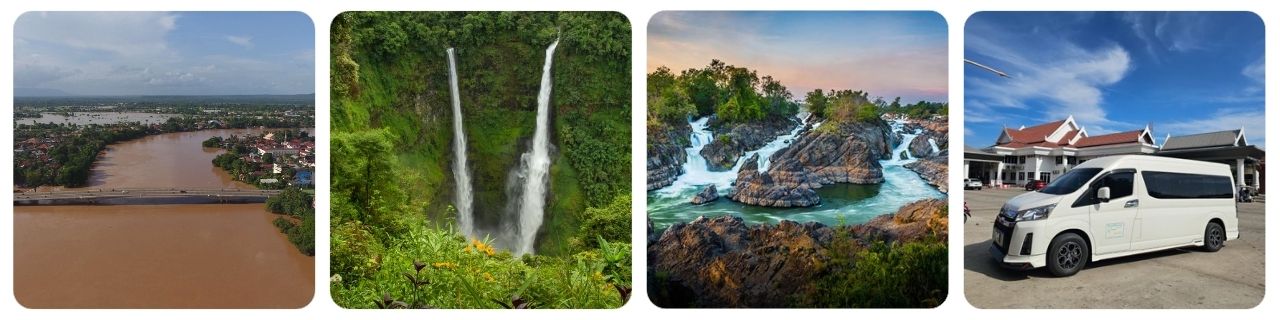
From Pakse, the Bolaven Plateau is an easy escape into cool highlands, coffee plantations and waterfall-filled valleys—here’s exactly how to get there by bus, bike, or private transfer.
At A Glance (Pakse to Bolaven Plateau)
| Mode | Duration | Best For |
|---|---|---|
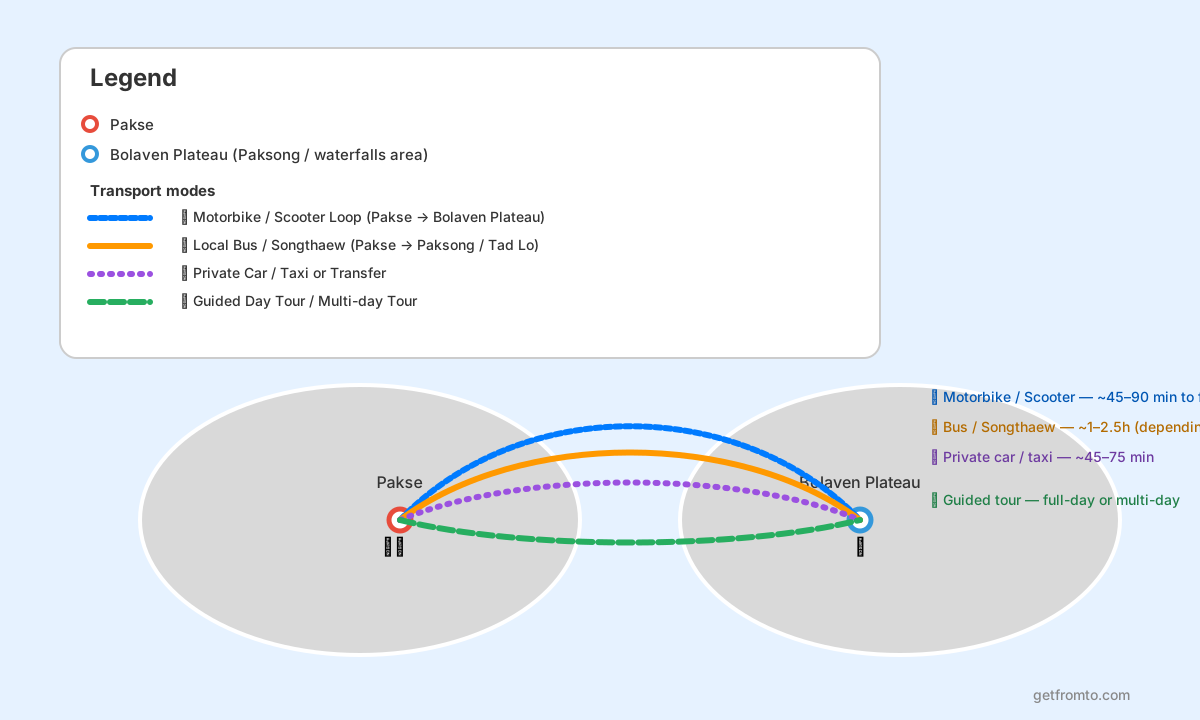
| 🛵 Motorbike / Scooter Loop (Pakse → Bolaven Plateau) | ~45–90 min Pakse→first waterfalls, 1–4 days total if doing the loop | Independent travelers, scenic stops, sunrise/sunset flexibility |
| 🏷️ Cost: Rental from ~LAK 100,000–150,000 per day + fuel; compare regional motorbike rentals on BikesBooking or book locally in Pakse. | ||
| 🚌 Local Bus / Songthaew (Pakse → Paksong / Tad Lo) | ~1–2.5h depending on destination and stops | Budget travelers, those without a motorbike licence |
| 🏷️ Cost: From ~LAK 25,000–40,000 Pakse→Paksong and ~LAK 40,000–60,000 Pakse→Tad Lo region; check Pakse bus and van operators on 12Go Asia for regional routes. | ||
| 🚗 Private Car / Taxi or Transfer | ~45–75 min Pakse→waterfalls, half or full-day hire | Groups, comfort, limited time, heavy luggage |
| 🏷️ Cost: From ~US$70+ for online private transfers Pakse→Paksong, or ~US$40–80 for negotiated local day hire; compare taxi/van options on 12Go or prebook a private ride via GetTransfer. | ||
| 🌄 Guided Day Tour / Multi-day Tour | Full-day (~8–10h) or 2–3 day itineraries from Pakse | Hands-off planning, coffee & culture focus, nervous riders |
| 🏷️ Cost: Typical day tours from ~US$40–120 per person depending on group size and inclusions; browse Bolaven Plateau tours from Pakse on GetYourGuide or Klook. | ||
Which Option or Route Should You Choose?
- Fastest & Most Convenient: A private car or transfer gets you from your Pakse hotel to major waterfalls like Tad Fane and Tad Yuang in under 1.5 hours door-to-door, ideal if you have just one day or are arriving late into Pakse.
- Cheapest & Most Local: Use local buses and songthaews from Pakse’s markets and bus terminals to reach towns such as Paksong or Tad Lo, then connect by tuk-tuk—slower and less predictable, but very budget-friendly.
- Most Scenic & Flexible: Riding the motorbike / scooter loop lets you stop at viewpoints, coffee farms and villages at your own pace; many travelers spend 2–4 days completing a small or big loop of the plateau.
- Best for Zero Planning: Join a guided day tour that includes hotel pickup in Pakse, waterfall stops and coffee tastings—perfect if you’re short on time, nervous about driving, or prefer a local guide to explain the region.
How to Book and Practical Tips
- Base yourself in Pakse: Book a guesthouse or hotel near the river or main markets so you are close to motorbike rental shops and songthaew stands; compare stays on Booking.com’s Pakse listings or on Trip.com.
- Arriving in Pakse: If you’re flying in, you can use Booking.com Flights to search into Pakse (PKZ) and then pre-book an airport transfer via GetTransfer or Laos-focused taxis and shuttles.
- Booking road transport: For long-distance buses, vans and taxis to/from Pakse (e.g. Vientiane or 4000 Islands) and onward connections to the plateau, you can compare regional operators on 12Go Asia and show your e-ticket at the station.
- Motorbike / scooter rental: In high season, reserve your bike a day in advance—either by messaging Pakse rental shops directly or by comparing options on global platforms like BikesBooking; always check the brakes, lights and tyres before you head up to the plateau.
- Luggage storage: Most Pakse hotels and motorbike rental shops will hold big bags while you loop the plateau; if you’re transiting via bigger hubs on either side of your Laos trip, you can also look for city luggage storage partners through Radical Storage’s destination list.
- When to go: The Bolaven Plateau is cooler than Pakse; the dry season (roughly November–March) offers the easiest riding, while waterfalls are fullest towards the end of the rainy season—pack a light jacket either way.
- Cash & fuel: ATMs are rare once you leave Pakse, and only larger towns like Paksong have multiple fuel stations; fill up your tank and withdraw enough Kip before you ride the loop.
🛵 Option #1 — Motorbike / Scooter Loop (Most Popular & Most Scenic)
High flexibility Waterfalls & coffee stops For confident riders
- Overview: Start in Pakse, ride east on Route 16E towards Paksong and the Dong Hua Sao National Protected Area, stopping at waterfalls such as Tad Fane and Tad Yuang, then either loop back (small loop) or continue further to Tad Lo and the eastern plateau (big loop) before returning to Pakse.
- Typical duration & distance: It’s about 40–45 km (around one hour) from Pakse to Tad Fane, and 50–60 km to Paksong. A relaxed small loop takes 1–2 days; the big loop including Tad Lo and more remote villages takes 3–4 days.
- How to book (with price): Expect to pay roughly LAK 100,000–150,000 per day for a semi-automatic scooter (110–125cc) from Pakse rental shops, usually including helmets and a basic map; fuel is inexpensive and a full tank often costs just a few euros for ~100 km of riding. You can also compare motorbike and scooter rentals across Laos on BikesBooking, then contact Pakse-based companies directly to confirm availability and insurance.
- Documents & safety: A valid motorbike licence plus an International Driving Permit is strongly recommended to stay insured; always wear a helmet, check your lights, carry rain gear and avoid riding after dark due to potholes, livestock and limited lighting.
- Pros: Ultimate freedom to explore villages, viewpoints and coffee plantations; sunrise/sunset flexibility; easy to stop at homestays or eco-lodges last-minute.
- Cons: Not ideal in heavy rain or if you’re inexperienced on two wheels; you carry your own gear; breakdowns are rare but possible—carry basic tools and a local SIM.
- Official / semi-official resources: For inspiration and up-to-date ideas on waterfalls and coffee experiences, see plateau-focused features on DiscoverLaos.Today, which is produced in collaboration with Laos tourism authorities.
Step-by-step: Motorbike / Scooter Loop from Pakse
- Book your base and bike in Pakse: Reserve a hotel or guesthouse with parking via Booking.com (Pakse) or Trip.com, then contact motorbike rentals (e.g. around Route 13 and the central market) a day before you want to start your loop; ask if they can store your main luggage while you are away.
- Pick up the bike early: Do paperwork, photograph any existing scratches and test brakes, horn and lights. Pick up by 8–9am so you have plenty of daylight for the climb onto the plateau and your first waterfall stops.
- Ride Route 16E to the first waterfalls: Leave Pakse heading east towards Paksong; Tad Fane and Tad Yuang are signposted around KM38–40. Park at each site (small fee), walk to the viewpoints or trails and, if you like, join onsite activities such as zip-lining above the falls.
- Choose small or big loop: For a 1–2 day small loop, base around Paksong and nearby villages, exploring waterfalls and coffee farms. For the 3–4 day big loop, continue further east and north towards Tad Lo, overnighting in simple guesthouses or homestays along the way.
- Return to Pakse: Plan to descend from the plateau back to Pakse by mid-afternoon on your final day to avoid riding at night and to allow for photo stops or unexpected roadworks.
- Drop off the bike & collect luggage: Refuel close to Pakse, return your scooter at the agreed time, and allow 15–20 minutes for inspection. Collect your stored luggage and either stay another night in town or continue onward by bus or flight.
Getting to the main embarking points (Pakse city & motorbike rental area)
- From Pakse bus terminals: If you’re arriving by bus, many services drop at the Southern (8 km) Bus Terminal or near Daoheuang (Morning) Market. From there, shared tuk-tuks and songthaews into the centre are common and inexpensive—ask to be dropped near the riverside or market area where most rental shops cluster.
- From Pakse Airport (PKZ): Grab a taxi or pre-book a transfer (for example via GetTransfer) directly to your hotel; once checked in, most rentals are within a short walk or a brief tuk-tuk ride.
- Within central Pakse: The town is walkable; many travelers simply stroll from their hotel to rental shops in and around the main streets north of the Xe Don riverbank. Your accommodation can usually point you to a reputable renter.
- Locations/Trip Planner: 🔗 Google Map / 🔗 OpenStreetMap
🚌 Option #2 — Local Bus / Songthaew (Cheapest & Most Local)
Low cost Authentic local travel Less fixed schedules
- Overview: Local buses and songthaews (shared pickup trucks or minivans) run from Pakse’s markets and bus terminals up towards Paksong, Salavan and Tad Lo. You’ll likely combine one or two public legs with a short tuk-tuk ride to reach specific waterfalls or coffee farms.
- Typical duration: Pakse→Paksong is roughly 1 hour, while Pakse→Tad Lo area via Salavan can take 2–3 hours depending on stops and the type of vehicle.
- Costs: Expect fares around LAK 25,000–30,000 Pakse→Paksong by bus or songthaew, and slightly more if continuing towards Tad Lo; local tuk-tuks from Paksong to nearby waterfalls can be around LAK 50,000 or shared among several people.
- Where services leave from: Songthaews for nearby destinations typically depart from the Morning Market (Daoheuang Market) or the 8km/Southern Bus Terminal east of town; ask your guesthouse which stand is currently used for Paksong or Tad Lo.
- How to book (with price): Most routes are paid in cash directly to the driver or conductor; arrive 20–30 minutes early to secure a seat. For longer regional routes into or out of Pakse (e.g. to other provinces or the Thai border), check schedules and pre-book seats on 12Go Asia so you know when you’ll arrive and can line up your plateau transport accordingly.
- Pros: Cheapest way to reach the plateau without riding yourself; great for people-watching and chatting to local passengers.
- Cons: Limited English signage, irregular departures (they may wait to fill up), and buses usually drop you on the main road, so you still need a tuk-tuk or short walk to individual waterfalls or lodges.
- Official resources: For a general overview of how buses and songthaews work around Pakse and southern Laos, check transportation information on national and provincial tourism portals such as Laos Tourism – Transports in Pakse.
Step-by-step: Using Local Buses & Songthaews
- Confirm your destination town: Decide whether you’re heading first to Paksong (for Tad Fane / Tad Yuang and coffee farms) or towards Tad Lo (for more rustic village life and river swimming). Ask your accommodation which station or stand currently serves that route.
- Go early to the station or market stand: Head to Daoheuang (Morning) Market or the Southern/8km Bus Terminal soon after sunrise—many services depart in the morning and thin out later in the day.
- Find the right vehicle: Look for signs or ask for “Paksong” or “Tad Lo / Salavan”. Keep your small backpack with you and store larger bags at your Pakse hotel if you are returning after a short stay on the plateau.
- Ride to the plateau: Pay your fare in cash, then enjoy the climb through villages, farmland and coffee plantations. Buses may stop frequently to pick up or drop off passengers and goods.
- Transfer to local transport: Once you arrive in Paksong or near Tad Lo, negotiate with tuk-tuk drivers for the last few kilometres to your guesthouse or chosen waterfall—agree the price before getting in and clarify whether it’s one-way or return.
- Plan your return: Ask locals or your guesthouse what time the last bus or songthaew heads back towards Pakse, especially on Sundays or public holidays when schedules may be reduced.
Getting to the main embarking points (Pakse bus terminals & markets)
- Daoheuang (Morning) Market: Many local songthaews originate around the market near the Xe Don river; it’s an easy walk or short tuk-tuk from most central hotels. Look for vehicles with destinations written in Lao script and check with drivers.
- Southern (8km) Bus Terminal: Located several kilometres east of town along Route 13, this terminal handles longer-distance and regional buses; you can reach it by tuk-tuk or motorbike taxi from the city centre.
- Pakse VIP / regional stops: Some minivans and tourist shuttles use private offices or roadside stops; if you booked via an agency or an online platform like 12Go, your voucher will show the exact pick-up point.
- Locations/Trip Planner: 🔗 Google Map / 🔗 OpenStreetMap
🚗 Option #3 — Private Car / Taxi or Transfer (Fast & Comfortable)
Door-to-door Best with luggage or family Higher cost
- Overview: Hire a private car with driver for a half or full day to visit waterfalls and villages on the Bolaven Plateau directly from Pakse. This is the most comfortable option if you don’t ride a scooter or are travelling with children, older relatives or a lot of luggage.
- Typical duration: A straightforward Pakse→Tad Fane / Tad Yuang round-trip with photo stops can be done in 5–6 hours; many travellers opt for a full-day 8–10 hour hire to include Paksong and additional waterfalls or coffee plantations.
- Costs: Door-to-door private cars booked locally often range around US$40–80 for a full day depending on vehicle size, route and negotiation. Online private transfer platforms for Pakse-region routes can start around US$70+ one-way for shorter distances like Pakse→Paksong when booked in advance.
- How to book (with price): Ask your hotel in Pakse to arrange a car and driver with a clear quote, or compare taxi/van offers on 12Go’s Pakse→Paksong page. For transfers that include airport pick-up or multi-stop itineraries in Laos, you can also pre-book vehicles via GetTransfer or look into international services like Welcome Pickups when connecting through larger cities with that coverage.
- Self-drive car rental: Experienced drivers can consider renting a car instead of a driver; compare car rentals on Booking.com Car Rental and pick up in major hubs, then drive down to Pakse and the plateau. Road conditions are generally paved but narrow, with occasional potholes and animals on the road.
- Pros: Maximum comfort and shade; easy to keep gear secure in the vehicle; flexible timing without needing to ride yourself.
- Cons: Most expensive option; you still need to pay waterfall entry fees separately; road access to some remote tracks may be limited to 4×4 vehicles or short walks from the main road.
- Ride-hailing alternatives: Laos has emerging app-based services (such as locally operated taxi apps) primarily in bigger cities; in Pakse you’re more likely to arrange rides via your hotel, agencies or direct negotiation with drivers rather than via global ride-hailing apps.
Step-by-step: Private Car or Transfer from Pakse
- Plan your route: Decide whether you want a short trip (e.g. Tad Fane and Tad Yuang only) or a longer day reaching Paksong and additional waterfalls or coffee farms on the plateau.
- Request quotes: Ask your hotel reception for price estimates and what is included (fuel, waiting time, language skills). In parallel, check online options by entering your dates and route (for example Pakse→Paksong) on platforms such as 12Go or GetTransfer.
- Confirm details in writing: Make sure pick-up time, route, duration, total cost and whether you pay in Kip or US dollars are clearly agreed by message or in your booking confirmation.
- Pick-up in Pakse: Your driver will collect you at your hotel or designated spot; double-check that your intended waterfall stops (e.g. Tad Fane, Tad Yuang, possibly Tad Champee) are understood.
- Explore the plateau: At each stop, pay entrance fees, walk to viewpoints or trails, and agree how long you’ll stay with your driver before moving on to the next location.
- Return and settle payment: Back in Pakse, pay the remaining balance, tip if you wish, and confirm timing for any onward transfer (e.g. to the bus station or airport) if arranged with the same company.
Getting to the main embarking points (Pakse hotels & pick-up spots)
- Hotel lobby pick-up: Most private drivers and tour operators will collect you directly from your Pakse hotel—be ready in the lobby 5–10 minutes early.
- Airport or bus station pick-up: If you’re arriving and heading straight to the plateau, arrange a meet-and-greet at Pakse Airport or the bus terminal and have the driver’s contact details handy.
- Tour agency offices: Some agencies in central Pakse use their own shopfront as a meeting point; if so, confirm the exact address and landmark and show it on your phone map when taking a tuk-tuk there.
- Locations/Trip Planner: 🔗 Google Map / 🔗 OpenStreetMap
🌄 Option #4 — Guided Day Tour / Multi-day Tour (Most Hassle-Free)
Guided experience Hotel pickup Fixed schedule
- Overview: Join an organised tour from Pakse that covers key Bolaven Plateau highlights in one long day—typically Tad Fane, Tad Yuang, one or two more waterfalls, and a coffee plantation—or opt for a multi-day trip with homestays on the plateau.
- Typical duration: Standard day tours run 8–10 hours including hotel pickup and drop-off. Multi-day itineraries add additional waterfalls and villages and may include trekking or coffee-focused experiences.
- Costs: Group day tours usually start around US$40–60 per person, while small-group or private experiences can range from US$80–150+ depending on inclusions (meals, entrance fees, guides, transport type).
- How to book (with price): Browse reviews and itineraries for Bolaven Plateau and waterfall tours ex-Pakse on GetYourGuide (Pakse), where many tours include Tad Fane and Tad Yuang, or on Klook. You can also ask Pakse guesthouses and local agencies to match or customise similar routes.
- Pros: No need to navigate or ride yourself; local guide explains culture, coffee and nature; often includes lunch and entrance fees in a single price.
- Cons: Fixed schedule and less flexibility for lingering at favourite spots; may visit only the most famous waterfalls and skip more remote corners.
- Official resources: For background on the plateau’s waterfalls, eco-lodges and community tourism projects, browse ecotourism listings for Tad Fane and Tad Lo on Ecotourism Laos and coffee-focused articles on DiscoverLaos.Today.
Step-by-step: Joining a Guided Tour
- Choose your style of tour: Decide between a classic day tour (several waterfalls plus a coffee stop) or a more in-depth, possibly multi-day experience that may involve trekking or homestays on the plateau.
- Compare itineraries and reviews: On GetYourGuide’s Bolaven Plateau page and similar sites, compare what’s included—entrance fees, meals, group size, language, hotel pickups—and check recent reviews to see how organised and eco-conscious each operator is.
- Book and confirm pickup: Reserve your chosen date; make sure your Pakse hotel address is correct and note the pickup time. If needed, ask your hotel to call the operator the evening before to reconfirm.
- Prepare day-pack essentials: Pack a light rain jacket, swimsuit, towel, insect repellent, sunscreen, cash for small purchases and any personal snacks, plus a dry bag if you’re bringing camera gear.
- Enjoy your guided day out: Your guide will manage timings at each stop, explain local customs and coffee production, and liaise with drivers so you can relax and focus on the scenery.
- Review & tip: After returning to Pakse, consider leaving an online review to help future travellers and tipping your guide/driver if local custom and service warrant it.
Getting to the main embarking points (Pakse hotels & tour offices)
- Hotel pickups: Many tours include direct pickup from central Pakse hotels; wait in the lobby or by the street at the agreed time with your voucher and ID.
- Agency meeting points: If your tour departs from a downtown office or café, ask for a map pin in advance and show that to a tuk-tuk driver.
- After the tour: Most operators offer drop-off at your original hotel; if you’re connecting to a night bus or onward flight, tell your guide so they can time your return accordingly.
- Locations/Trip Planner: 🔗 Google Map / 🔗 OpenStreetMap
FAQ (Pakse to Bolaven Plateau)
How long does it take to get from Pakse to the Bolaven Plateau?
Most access points on the plateau (such as Tad Fane, Tad Yuang and Paksong town) are 40–60 km east of Pakse; by motorbike, car or minivan it typically takes 45–90 minutes depending on roadworks, weather and traffic. Local buses and songthaews stop frequently and can take a bit longer, but you’ll usually be on the plateau within 2 hours of leaving Pakse.
Do I need a motorbike licence to ride the Bolaven Plateau loop?
Legally, you should hold a motorbike licence from your home country plus an International Driving Permit that covers motorcycles to be fully insured in Laos. Rental shops in Pakse sometimes rent to travellers without checking, but doing so may void your travel insurance if you have an accident. If you’re not comfortable riding or don’t have the right licence, consider a guided tour or hiring a private car instead.
Can I visit the Bolaven Plateau as a day trip from Pakse?
Yes. A packed but realistic day trip from Pakse can visit Tad Fane and Tad Yuang waterfalls, a coffee plantation and perhaps one additional viewpoint before returning in the late afternoon or early evening. To go deeper into the plateau or complete a full loop with Tad Lo and more remote villages, plan at least 2–4 days.
When is the best time of year to go to the Bolaven Plateau?
The plateau is cooler than Pakse year-round. The dry season (roughly November–March) is best for comfortable riding and clear roads, while waterfalls are at their most powerful towards the end of the rainy season (around August–October). Some smaller dirt side-roads can be muddy or washed out in heavy rain, so check conditions locally if visiting in peak monsoon.
Is it easy to find accommodation on the Bolaven Plateau?
Yes, there are guesthouses, homestays and a few eco-lodges scattered around Paksong, Tad Fane/Tad Yuang area and Tad Lo. Many riders simply show up mid-afternoon and look around, but in peak season or if you prefer specific eco-lodges, it’s worth reserving ahead via apps like Booking.com (search nearby towns and waterfalls) or checking recommendations from DiscoverLaos.Today and Ecotourism Laos.



Related Tours/Services
Popular Routes
Recent Routes
- How to get from Oslo Opera House to Oslo Central Station
- How to get from Helsinki Cathedral to Helsinki Central Station
- How to get from Bucharest Old Town to Gara de Nord
- How to get from Ban Jelačić Square (Zagreb) to Zagreb Glavni Kolodvor
- How to get from Knez Mihailova Street (Belgrade) to Belgrade Centre (Prokop) Station
- How to get from The Bund (Shanghai) to Shanghai Railway Station
- How to get from Odori Park (Sapporo) to Sapporo Station
- How to get from Plaza de Armas to Terminal Alameda (Santiago)
- How to get from Times Square to Penn Station (New York)
- How to get from India Gate to New Delhi Railway Station
Top Travel Gears

zelin Anti Theft Zipper Clips, Travel Essentials, Carabiner, 4Pcs Grey

2026 Travel Essentials for Apple Watch Charger,Cruise Vacation Camping Essentials,iPhone Charger,Multi Charging Cable,3 in 2 Charging Docks for iWatch Series 12 11-2/Ultra,iPhone 17-12,Car

INIU 10000mAh 45W Fast Charging Portable Charger, Smaller Travel Power Bank

LISEN Airplane Travel Essentials for Flying Airplane Phone Holder for Desk
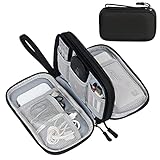
FYY Electronic Organizer, Travel Tech Pouch Bag, Cable Organizer Black
