

How to get from Fushimi Inari Shrine to Kyoto Station
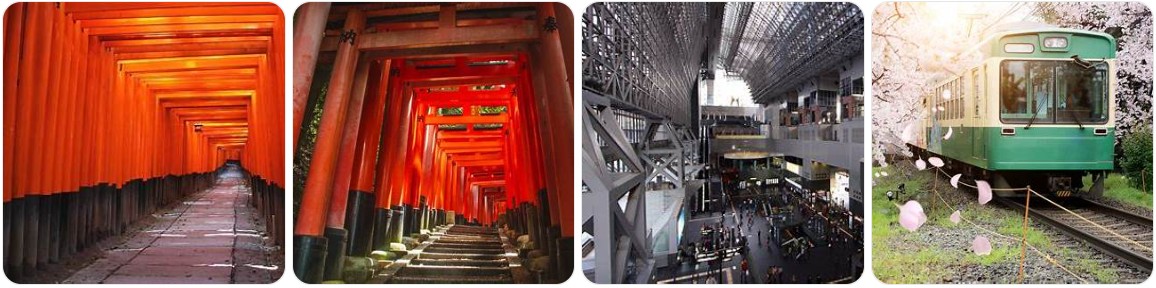
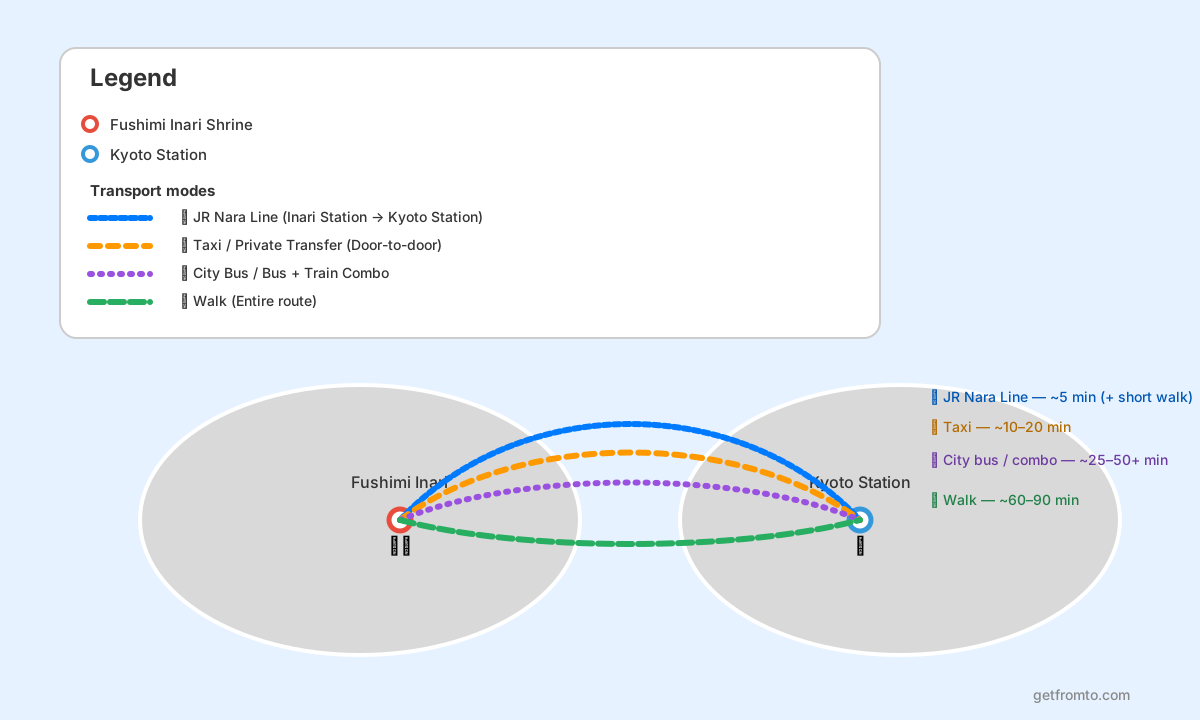
Fushimi Inari Taisha is one of the easiest major sights to leave for central Kyoto because JR Inari Station is right next to the shrine. For most travelers, the fastest and simplest route to Kyoto Station is the JR Nara Line local train (about 5 minutes on the train), while taxis/private transfers are handy if you have luggage, are traveling early/late, or want door-to-door convenience.
At A Glance (Fushimi Inari Shrine to Kyoto Station)
| Mode | Duration | Best For |
|---|---|---|
| 🚆 JR Nara Line (Inari Station → Kyoto Station) | ~5 min train ride (+ 2–8 min walk to Inari Station gate) | Fastest public option, easiest route, JR Pass/IC card users |
| 🏷️ Cost: ~¥150 one-way (local train) » JR West listings on 12Go | Kyoto transport options | ||
| 🚖 Taxi / Private Transfer (Door-to-door) | ~10–20 min (traffic-dependent) | Luggage, families, rainy weather, early/late departures |
| 🏷️ Cost: ~¥2,000–¥4,000 per car in typical city traffic » private transfer example | GetTransfer Kyoto | ||
| 🚌 City Bus / Bus + Train Combo | ~25–50+ min (waits + traffic + transfer-dependent) | Budget travelers already using city buses/subway passes |
| 🏷️ Cost: ~¥230–¥500 depending on route/transfer mix » Kyoto City Bus/Subway guide | ||
| 🚶 Walk (Entire route) | ~60–90 min | Flexible sightseeing, photos, no rush |
| 🏷️ Cost: Free (except snacks/lockers) » luggage storage in Kyoto | near Kyoto Station storage | ||
Which Option or Route Should You Choose?
- Fastest / Most Convenient (Public Transport): Use the JR Nara Line local train from Inari Station to Kyoto Station. It is the standard route and usually the least stressful.
- Cheapest / Most Economical: Also the JR Nara Line local train, especially if you already use an IC card (ICOCA/Suica/PASMO-compatible) or a JR pass.
- Best with Luggage / Kids / Rain: Choose a taxi or private transfer for door-to-door travel.
- Most Scenic / Flexible Schedule: Try the walking option (or a partial walk + train) if you want to stop for coffee, photos, or local streets on the way.
- If JR service is delayed: Use the bus + subway/train combo or a taxi while checking live rail updates on the JR-West Kansai train status page.
How to Book and Practical Tips
- No advance booking needed for JR: This is a short local ride. Tap in with an IC card or buy a same-day ticket at Inari Station.
- Take a local train: JR West specifically notes that express trains do not stop at Inari Station.
- Use a transfer only when it adds value: For a short city hop, taxis can be faster door-to-door if you are carrying luggage or traveling with a group.
- Ride-hailing alternatives in Kyoto: In addition to pre-booked transfers, many travelers use GO Taxi and Uber (often dispatching licensed taxis in Japan).
- Store luggage before/after the shrine: If you are sightseeing before heading to Kyoto Station, Radical Storage locations in Kyoto can make the route easier.
- Staying near Kyoto Station? Compare Kyoto hotels on Booking.com so you can drop bags quickly after arrival.
🚆 Option #1 — JR Nara Line Local Train (Fastest & Easiest)
Fastest public option Very easy navigation Use local train only
- Overview: Walk from the shrine grounds to JR Inari Station, then take a JR Nara Line local train northbound to Kyoto Station. The train ride is about 5 minutes.
- How to book (with price): Usually no pre-booking needed; buy at the station or tap an IC card. Typical fare is about ¥150 one-way for this short ride. If you prefer checking rail booking platforms while planning a bigger Japan itinerary, you can compare JR-related listings on 12Go (JR West operator page) or browse broader rail options on Trip.com.
- Pros: Fast, frequent, simple, cheap. Cons: Can be crowded at peak sightseeing times; limited luggage space compared with a car.
Step-by-step: JR Nara Line to Kyoto Station
- From the shrine exit area, walk to JR Inari Station: The shrine’s official access page notes the station is right next to the shrine on the JR Nara Line.
- Enter JR Inari Station: Use an IC card (ICOCA/Suica/PASMO etc.) or buy a paper ticket.
- Check the departure board carefully: Board a Local train for Kyoto direction. JR West’s Kyoto travel page warns that express services do not stop at Inari.
- Ride to Kyoto Station: Travel time is about 5 minutes (2 stations from Kyoto Station to Inari in the opposite direction per the shrine access page).
- Arrive at Kyoto Station: Follow signs for JR lines, shinkansen, subway, buses, or station exits depending on your next transfer.
Getting to the main embarking points (JR Inari Station)
- Main boarding point: JR Inari Station (JR Nara Line), immediately beside Fushimi Inari Taisha.
- If you walked deeper into the torii trails: Budget extra downhill walking time to return to the station entrance before departure.
- If JR is disrupted: Check the JR-West train status page and switch to taxi/private transfer or bus options.
- Locations/Trip Planner: 🔗 Google Map / 🔗 OpenStreetMap
🚖 Option #2 — Taxi / Private Transfer (Door-to-Door, Best with Luggage)
Door-to-door Great for groups Traffic-dependent
- Overview: Taxis are widely available around Kyoto, and this short cross-city trip is often the easiest option when you have big luggage, kids, strollers, or bad weather.
- How to book (with price): Street-hail a taxi, use hotel staff assistance, or pre-book a transfer. Budget roughly ¥2,000–¥4,000 per car depending on traffic/time. For pre-booking, compare GetTransfer Kyoto or a city transfer option like Klook private Kyoto Station/Kyoto City transfer. If you are arriving via Osaka airports and continuing into Kyoto, Welcome Pickups airport-to-Kyoto service can be useful.
- Pros: Minimal walking, best comfort, easier with suitcases. Cons: Highest cost, traffic can slow the trip.
Step-by-step: Taxi / Private Transfer to Kyoto Station
- Choose pickup point: Pick an easy landmark near the shrine entrance (not inside crowded pedestrian areas).
- Confirm destination clearly: Tell the driver Kyoto Station and, if relevant, specify JR central entrance, Hachijo (south) side, or a hotel near the station.
- If pre-booking: Enter your luggage count and pickup time, then save the confirmation screenshot in case signal is weak after sightseeing.
- Use ride-hailing apps if needed: GO Taxi and Uber are practical alternatives in Kyoto (availability varies by hour).
- For onward travel: If you need a hotel near the station after drop-off, compare properties on Booking.com Kyoto hotels.
Getting to the main embarking points (Shrine pickup areas)
- Best pickup spot: A road-accessible point near the main shrine approach or near JR Inari Station, where cars can stop safely.
- Avoid confusion: Share a map pin and mention a visible landmark (station sign, convenience store, or major gate area).
- Busy periods: Expect slower pickups during peak daytime crowds, weekends, and holidays.
- Locations/Trip Planner: 🔗 Google Map / 🔗 OpenStreetMap
🚌 Option #3 — City Bus / Bus + Train Combo (Budget Backup, More Flexible)
Budget backup Good with city passes Slower and less direct
- Overview: Fushimi Inari can be reached by city bus (the shrine notes a walk from the Inari Taisha-mae stop on the Minami 5 line), so a bus-based return to Kyoto Station is possible, but it is usually slower than JR.
- How to book (with price): Pay on board (IC card/cash depending on route rules) or use applicable day passes. Check route maps, fares, and live route tools in the Kyoto City Bus & Subway Information Guide.
- Pros: Useful when your next stop is not Kyoto Station, or if you are already traveling with a bus/subway day pass. Cons: Can involve waiting, transfers, and road traffic.
Step-by-step: Bus / Bus + Train combo
- Start with your exact destination inside Kyoto Station area: JR side, subway, bus terminal, or hotel side (north/south), since this affects the best route.
- Use Kyoto’s official route tools: Open the Kyoto City Bus & Subway guide and use the route search / maps to compare bus-only vs bus+subway vs train alternatives.
- Check walking distance from the shrine: The shrine’s official access page notes the city bus stop requires a short walk.
- Allow extra buffer time: If you need to catch a shinkansen/airport train, the JR Nara Line option is usually safer timing-wise.
Getting to the main embarking points (Inari Taisha-mae / nearby stops)
- Main reference stop area: Inari Taisha-mae bus stop (as listed on the shrine access page).
- Best practice: Verify stop name and direction on the day, since bus stop names can have opposite-direction platforms.
- Good backup strategy: If a bus is crowded or delayed, walk back to JR Inari Station and switch to the JR train.
- Locations/Trip Planner: 🔗 Google Map / 🔗 OpenStreetMap
🚶 Option #4 — Walk to Kyoto Station (Scenic, Flexible, No Transport Needed)
Free Flexible Longest time
- Overview: Walking can work if you want a slow transition from the shrine area back to central Kyoto and have time for cafés or neighborhood stops.
- How to plan (with price): Free aside from food/drinks. If carrying bags, use Radical Storage in Kyoto or a Kyoto Station-area storage point first.
- Pros: Great for photos and flexibility. Cons: Time-consuming; not ideal in summer heat, rain, or if you need a timed train.
Step-by-step: Walking route
- Start at the shrine main area: Confirm you are heading toward Kyoto Station (north/northwest direction depending on your route choice).
- Use a live map app: Navigation apps help you avoid unnecessary detours and choose quieter streets.
- Break up the route: If tired, switch to the JR Nara Line at Inari Station or grab a taxi.
- Plan arrival side of Kyoto Station: Kyoto Station is large, so know whether you need the north side, south (Hachijo) side, JR gates, or bus terminal.
Getting to the main embarking points (Walking start points)
- Best starting point: Fushimi Inari Taisha main entrance area after you finish your visit.
- Weather tip: In rain/heat, shorten the route by taking the JR train and walking from Kyoto Station instead.
- Locations/Trip Planner: 🔗 Google Map / 🔗 OpenStreetMap
FAQ (Fushimi Inari Shrine to Kyoto Station)
What is the easiest way to get from Fushimi Inari Shrine to Kyoto Station?
For most travelers, the JR Nara Line local train from JR Inari Station to Kyoto Station is the easiest and fastest public option.
How long does it take?
The JR ride is about 5 minutes, plus a short walk to JR Inari Station. Door-to-door time is often around 10–20 minutes depending on where you are in the shrine grounds.
Do all JR Nara Line trains stop at Inari Station?
No. Use a local train. JR West’s Fushimi Inari access page warns that express trains do not stop at Inari Station.
Can I use an IC card?
Yes, using an IC card is usually the easiest way for this short ride. You can also buy a regular ticket at the station.
Is a taxi worth it for this route?
It can be worth it if you have luggage, children, mobility concerns, or are traveling in bad weather. See taxi/private transfer options.
What if I have luggage and want to sightsee first?
Use Kyoto Station lockers or a luggage storage service such as Radical Storage before or after visiting the shrine.
Can I take a bus instead?
Yes, but it is usually slower and less direct than JR. Check the bus/bus+train combo and official Kyoto City route tools.
Where can I check train delays before leaving the shrine?
Use the JR-West Kansai train status page for current service information.





Related Tours/Services
Popular Routes
Recent Routes
- How to get from Oslo Opera House to Oslo Central Station
- How to get from Helsinki Cathedral to Helsinki Central Station
- How to get from Bucharest Old Town to Gara de Nord
- How to get from Ban Jelačić Square (Zagreb) to Zagreb Glavni Kolodvor
- How to get from Knez Mihailova Street (Belgrade) to Belgrade Centre (Prokop) Station
- How to get from The Bund (Shanghai) to Shanghai Railway Station
- How to get from Odori Park (Sapporo) to Sapporo Station
- How to get from Plaza de Armas to Terminal Alameda (Santiago)
- How to get from Times Square to Penn Station (New York)
- How to get from India Gate to New Delhi Railway Station
Top Travel Gears

zelin Anti Theft Zipper Clips, Travel Essentials, Carabiner, 4Pcs Grey
2026 Travel Essentials for Apple Watch Charger,Cruise Vacation Camping Essentials,iPhone Charger,Multi Charging Cable,3 in 2 Charging Docks for iWatch Series 12 11-2/Ultra,iPhone 17-12,Car

INIU 10000mAh 45W Fast Charging Portable Charger, Smaller Travel Power Bank

LISEN Airplane Travel Essentials for Flying Airplane Phone Holder for Desk
FYY Electronic Organizer, Travel Tech Pouch Bag, Cable Organizer Black
