
How to get from Sapporo to Furano
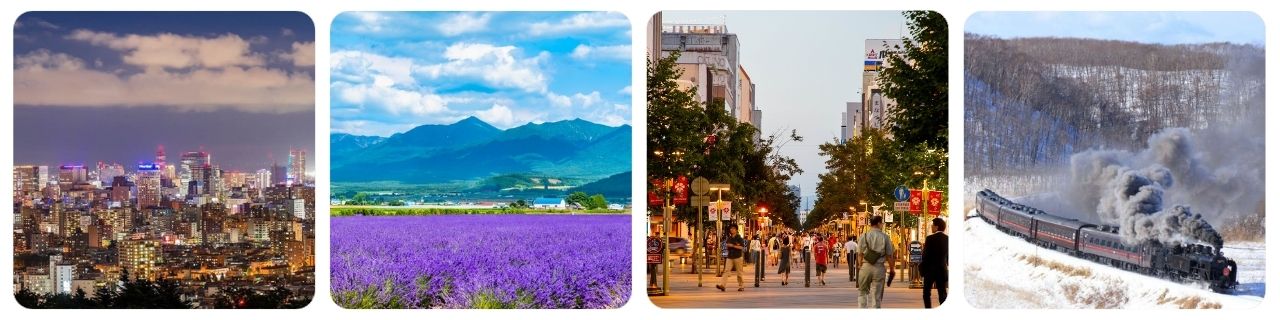
Planning a trip from Sapporo to Furano? Here’s how to choose between train, highway bus, rental car, and private transfer in every season.
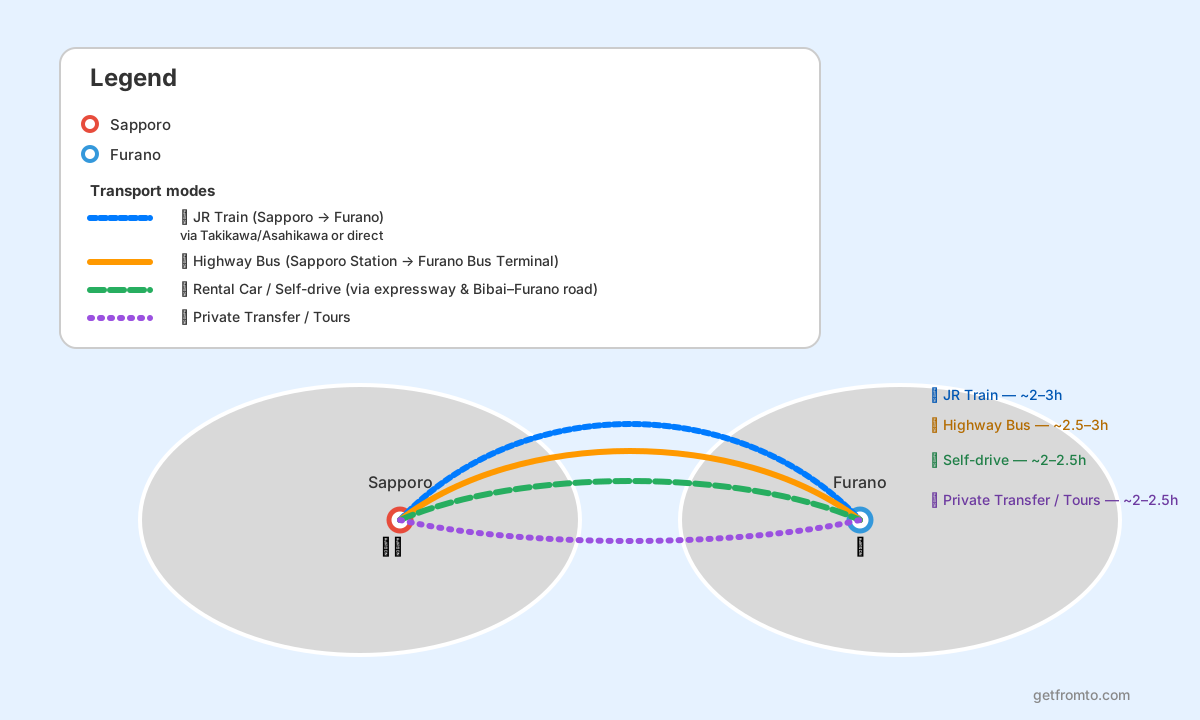
At A Glance (Sapporo to Furano)
| Mode | Duration | Best For |
|---|---|---|
| 🚄 JR Train (Sapporo → Furano, via Takikawa/Asahikawa or direct) | ~2–3h total (season & transfer-dependent) | Fast, comfortable, all-weather travel |
| 🏷️ Cost: ~JPY 4,000–6,500 one-way (reserved seat) » compare trains & passes | times & fares | ||
| 🚌 Highway Bus (Sapporo Station → Furano Bus Terminal) | ~2.5–3h (traffic & weather-dependent) | Budget travelers, simple point-to-point |
| 🏷️ Cost: ~JPY 2,500–3,000 one-way (online or station booking) | ||
| 🚗 Rental Car / Self-drive (via expressway & Bibai–Furano road) | ~2–2.5h driving (longer in winter) | Scenic stops, flexibility, small groups |
| 🏷️ Cost: Rental from ~JPY 7,000–10,000/day + fuel & tolls » compare car rentals | alt. providers | ||
| 🚕 Private Transfer / Tours | ~2–2.5h door-to-door (plus photo stops) | Door-to-door comfort, groups, lots of luggage |
| 🏷️ Cost: From ~JPY 35,000–60,000/vehicle or tour (varies by group size & inclusions) » sample Furano day tours | more Furano activities | ||
Which Option or Route Should You Choose?
- Fastest / Most Convenient: 🚄 For most seasons, Option #1 — JR Train is the most reliable and weather-proof, especially when the seasonal Furano Lavender Express is running in summer.
- Cheapest / Most Economical: 🚌 Option #2 — Highway Bus usually has the lowest cash outlay and a simple point-to-point ride with no transfers.
- Most Scenic / Flexible Schedule: 🚗 Option #3 — Rental Car / Self-drive lets you stop at viewpoints, farm cafes, and Biei’s hills en route, ideal for families or photographers.
- Lowest Effort Door-to-door: 🚕 If you have heavy ski gear or limited mobility, Option #4 — Private Transfer / Tours removes all transfers and language barriers (at a premium price).
How to Book and Practical Tips
- Book early in peak seasons: Lavender season (late June–August) and ski season (December–February) see seats sell out. Reserve JR trains, buses, and popular hotels in Furano via platforms like Booking.com hotels in Furano or JR rail passes on Trip.com.
- Consider a rail pass: If you’ll also visit Biei, Asahikawa, Otaru, or Noboribetsu, the Sapporo–Furano Area Pass or JR Hokkaido Rail Pass can save money on multiple JR trips (sold via Trip.com, Klook, and JR counters).
- Reserve seats on key departures: Limited express trains and highway buses are popular on weekends and holidays—seat reservations are highly recommended.
- Travel light if possible: For bulky luggage, consider coin lockers or services around Sapporo Station, or off-station storage via Radical Storage locations in Sapporo before heading to Furano.
- Winter driving caution: If renting a car in winter, choose vehicles with proper snow tires, drive slowly on icy rural roads, and avoid night driving in heavy snow.
- Ride-hailing & taxis: In Sapporo, taxi-hailing apps like Uber (taxi only) and local app GO can be helpful for getting to stations; for airport transfers you can also prebook through services such as Welcome Pickups Sapporo airport transfers.
🚄 Option #1 — JR Train (Fastest, Most Comfortable)
Scenic route JR Pass-friendly All-weather reliable
- Overview: Travel from Sapporo Station to Furano Station by JR train. In summer, the Furano Lavender Express often runs directly Sapporo → Furano in about 2 hours. Outside that period, you typically ride a limited express (e.g., Lilac/Kamui) Sapporo → Takikawa or Asahikawa, then transfer to the JR Furano Line local train, for a total of about 2–3 hours.
- How to book (with price): One-way fares Sapporo → Furano are usually around JPY 4,000–6,500 depending on train type and reserved vs. non-reserved seat. You can check and prebook tickets and JR Hokkaido rail passes via 12Go Asia or Trip.com’s JR Hokkaido Pass page, or buy directly at JR ticket counters/automats in Sapporo.
- Pros: Comfortable seating, toilets on board, scenic rivers and farmland views, usually unaffected by road traffic or snow. Rail passes make side-trips to Biei/Asahikawa easy.
- Cons: You may need to transfer once; local trains on the Furano Line are less frequent, and some accommodation is a short taxi/bus ride from Furano Station.
Step-by-step: JR Train from Sapporo to Furano
- Start at Sapporo Station: Arrive 20–30 minutes early, especially if you need to buy tickets or exchange a rail pass. Follow signs for JR lines.
- Buy or collect your ticket: Use ticket machines or the Midori-no-Madoguchi counter. Show any e-vouchers from Trip.com, Klook, or 12Go if you’re exchanging for a physical JR pass.
- Board the first train: Either the seasonal Furano Lavender Express (direct), or a limited express toward Takikawa/Asahikawa. Check the overhead departure boards for track numbers.
- Transfer if needed: At Takikawa or Asahikawa, follow signs to the JR Furano Line platform and board the local train to Furano. Trains are usually timed for easy connections, but in quieter seasons you may wait 20–40 minutes.
- Ride to Furano Station: Enjoy views of rural Hokkaido, especially in summer and autumn. In winter, snow scenes are spectacular but dress warmly—platforms can be cold during transfers.
- On arrival: From Furano Station, walk or take a short taxi/bus to your hotel or ski resort. Many properties, such as the Furano Prince Hotels, offer shuttle buses—check your booking details.
Getting to the main embarking points (Sapporo Station)
- By subway: Take the Namboku, Toho, or Tozai subway lines to Sapporo or Odori and follow signs underground to JR Sapporo Station. This is the easiest way in bad weather.
- By city bus: Numerous city buses stop around Sapporo Station’s north and south exits; allow extra time in winter traffic.
- By taxi / ride-hailing: Taxis are plentiful; you can hail one on the street or use apps like Uber (taxi dispatch) or GO. Show “札幌駅” (Sapporo-eki) on your phone to the driver.
- On foot: Many central Sapporo hotels are within a 5–15 minute walk of the station via underground shopping streets.
- Locations/Trip Planner: 🔗 Google Map / 🔗 OpenStreetMap
🚌 Option #2 — Highway Bus (Most Popular Budget Choice)
Low cost Direct downtown → Furano Traffic-dependent
- Overview: The Sapporo–Furano Highway Bus (operated mainly by Hokkaido Chuo Bus) runs directly from the Sapporo Station area to Furano, typically in about 2.5–3 hours. It’s a comfortable coach with luggage storage underneath.
- How to book (with price): Fares are usually around JPY 2,500–3,000 one-way. You can book in advance through Japanese bus booking sites or at counters near Sapporo Station Bus Terminal; English information is linked via the Nakafurano Tourism site. Klook often sells seasonal ski and lavender buses that include Furano, such as Hokkaido Ski Bus packages.
- Pros: No transfers, lower cost than train, good luggage space, convenient for accommodation near Furano Bus Terminal or central town.
- Cons: Vulnerable to winter road closures or holiday traffic; fewer departures per day than trains; motion sickness is possible on winding rural roads.
Step-by-step: Highway Bus from Sapporo to Furano
- Confirm your schedule: Check the latest Sapporo–Furano Highway Bus timetable on Hokkaido Chuo Bus-linked pages (via Nakafurano or Furano tourism websites) and note your preferred departure.
- Reserve a seat: In busy seasons, reserve at least a few days ahead via online booking sites, phone, or directly at the Sapporo Station Bus Terminal counter.
- Arrive at the terminal: Be at the platform 10–15 minutes before departure. Staff will check your name or ticket and tag any large luggage for the hold.
- Board and ride: Choose your seat (or sit in the one assigned). Buses usually make a short rest stop along the expressway; toilets may or may not be on board depending on the bus type.
- Arrive in Furano: Most buses stop at Furano Bus Terminal, near central hotels and the tourism information center. From here you can walk, take a hotel shuttle, or grab a taxi.
Getting to the main embarking points (Sapporo Station Bus Terminal)
- From JR Sapporo Station: Follow signs to the bus terminal on the north side (often connected directly via underground and concourse passages).
- By subway: Use Sapporo or Odori subway stations and follow signage toward the bus terminal exits.
- By taxi / ride-hailing: Ask for “札幌駅前バスターミナル” (Sapporo Ekimae Bus Terminal) and confirm with your driver.
- Locations/Trip Planner: 🔗 Google Map / 🔗 OpenStreetMap
🚗 Option #3 — Rental Car / Self-drive (Most Scenic & Flexible)
Freedom to stop Great for groups Weather & snow dependent
- Overview: Driving Sapporo → Furano takes about 2–2.5 hours in good conditions via expressways and the newer Bibai–Furano road, which shortens the trip slightly. It’s a pleasant drive through farmland and low hills, especially in summer and autumn.
- How to book (with price): Compact rentals typically start around JPY 7,000–10,000 per day plus fuel and tolls. Compare companies and pick-up locations using Booking.com Cars or Trip.com car rentals. In winter, be sure your car has studless snow tires and consider 4WD.
- Pros: Maximum flexibility, easy detours to Biei, Blue Pond, farm cafes, or ski resorts; convenient with kids or lots of luggage.
- Cons: Winter snow and ice can be challenging; highway tolls and fuel add to cost; drivers must be comfortable with Japanese road rules and signage.
Step-by-step: Driving from Sapporo to Furano
- Pick up your rental car: Collect your vehicle in Sapporo or at New Chitose Airport. Check that you have your international driving permit (if required) and that snow tires are fitted in winter.
- Set your navigation: Enter your Furano accommodation or “Furano Station” into your GPS or phone navigation app (offline maps are strongly recommended in rural areas).
- Exit Sapporo: Follow signs toward the expressway heading east/southeast (via routes toward Bibai or Takikawa). Once on the main route, driving is mostly straightforward highway and national roads.
- Enjoy scenic stops: Consider pausing at roadside stations (michi-no-eki), farm stands, or viewpoint parking areas for photos and snacks.
- Arrive in Furano: Follow local signs to your hotel, ski resort, or the central town area. Parking is generally easy, though some accommodations charge a small nightly fee.
Getting to the main embarking points (Rental car pick-up)
- Airport pick-up: Many travelers arrive via New Chitose Airport and drive straight to Furano. Consider a direct airport–Furano shuttle (e.g., via Klook’s Furano ski resort shuttle) in winter if you’re nervous about snowy roads.
- Sapporo city pick-up: Rental offices around Sapporo Station and Susukino are accessible by subway; simply follow the address in your confirmation email.
- Fuel & rest stops: Highway service areas and roadside stations have fuel, food, and toilets—fill up before late-night driving.
- Locations/Trip Planner: 🔗 Google Map / 🔗 OpenStreetMap
🚕 Option #4 — Private Transfers & Guided Tours
Door-to-door Great with luggage Highest cost
- Overview: Private transfers and full-day tours connect Sapporo with Furano and nearby Biei. You’re driven in a private car or van, often with an English-speaking driver or guide, and can customize stops at lavender farms, Blue Pond, Ningle Terrace, or ski areas.
- How to book (with price): Expect from roughly JPY 35,000–60,000 per vehicle or per tour for a full-day Sapporo–Furano–Biei itinerary, depending on group size and inclusions. Check platforms such as GetYourGuide Furano/Biei tours from Sapporo, Klook’s Furano/Biei day tours, or transfer specialists like Welcome Pickups in Sapporo and GetTransfer’s Hokkaido services.
- Pros: No transfers or language hassles, flexible custom itineraries, ideal with kids, seniors, or lots of ski gear.
- Cons: Significantly more expensive than public transport; specific pickup areas and times must be confirmed in advance.
Step-by-step: Private Transfer or Tour Sapporo → Furano
- Choose your provider: Compare reviews and inclusions on GetYourGuide, Klook, or specialist transfer platforms. Decide if you want a simple point-to-point transfer or a full sightseeing day.
- Set your itinerary: Note must-see spots (e.g., Farm Tomita, Blue Pond, Ningle Terrace, Furano Ski Resort) and confirm them with your driver or tour operator.
- Confirm pickup: Share your hotel or airport details. For airport arrivals, consider a New Chitose → Sapporo transfer first (e.g., via Welcome Pickups), then a separate day-trip to Furano once you’re settled.
- Enjoy a door-to-door day: On the day, your driver meets you at your accommodation, helps with luggage, and handles all navigation and parking while you enjoy the scenery.
- Return to Sapporo or stay overnight: Many tours return to Sapporo in the evening, but some allow drop-off at Furano hotels so you can stay longer.
Getting to the main embarking points (Hotel or Airport Pickup)
- Hotel pickups: Most tours and transfers pick up from major Sapporo hotels around Sapporo Station and Susukino—check the exact list of eligible hotels on your booking page.
- Airport pickups: If you land at New Chitose Airport and head straight to Furano, confirm that your chosen operator serves this route and allow time for luggage and customs.
- Locations/Trip Planner: 🔗 Google Map / 🔗 OpenStreetMap
FAQ (Sapporo to Furano)
Is it better to go from Sapporo to Furano by train or bus?
For most travelers, the JR train is the safest all-weather option, especially in deep winter and peak lavender season. The highway bus is cheaper and still comfortable, but subject to road conditions and traffic. If you value comfort and flexibility and may also visit Biei or Asahikawa, the train (possibly with a Sapporo–Furano area rail pass) is usually the best choice.
How long does it take to travel from Sapporo to Furano?
By direct seasonal limited express (Furano Lavender Express), it can take about 2 hours. Regular JR routes via Takikawa or Asahikawa usually take 2–3 hours door-to-door, similar to the highway bus. Driving also takes about 2–2.5 hours in good conditions, but can be longer in snow or heavy traffic.
Can I visit Furano as a day trip from Sapporo?
Yes. A day trip is very feasible if you leave early in the morning and return in the evening. With a direct limited express or early train/bus, you can have 5–7 hours on the ground to visit flower farms in summer or the ski slopes in winter. However, staying at least one night in Furano gives you a more relaxed pace and sunrise/sunset photo opportunities.
When does the Furano Lavender Express run?
The Furano Lavender Express is a seasonal limited express train that typically operates between Sapporo and Furano during flower season (summer months). Exact dates and daily departure times change annually, so always check the latest timetable on JR Hokkaido’s official site before you go.
Is winter driving from Sapporo to Furano safe?
It can be safe for confident drivers used to snow and ice, but conditions vary. Roads may be snowy, icy, and dark in late afternoon. If you’re not experienced with winter driving, consider the train or a ski bus/transfer instead of driving yourself.
Do I need to reserve seats on the train or bus?
Reservations are highly recommended in peak seasons, weekends, and national holidays. For limited express trains and the Sapporo–Furano highway bus, seat reservations greatly reduce the risk of standing or missing your preferred departure.
- useful references:
- JR Hokkaido – Furano Lavender Express & Furano/Biei trains
- Furano Tourism Association – Access
- Japan Guide – How to get to and around Furano
- HOKKAIDO LOVE! – Sapporo–Furano Area Pass info




Related Tours/Services
Popular Routes
Recent Routes
- How to get from PortMiami Cruise Terminal to Miami International Airport
- How to get from Samarkand to Bukhara
- How to get from Bell Tower (Xi’an) to Xi’an North Railway Station
- How to get from Canal City Hakata to Hakata Station
- How to get from Rialto Bridge (Venice) to Venezia Santa Lucia Station
- How to get from Florence Cathedral (Duomo) to Firenze Santa Maria Novella Station
- How to get from Nice to Paris
- How to get from Ribeira District (Porto) to Porto Campanhã Station
- How to get from Anne Frank House to Amsterdam Sloterdijk Station
- How to get from Buckingham Palace to London Victoria Station
Top Travel Gears

DUDE Wipes Unscented Pocket Packs, Adult Flushable Travel Wipes, 48 Count

zelin Anti Theft Zipper Clips, Travel Essentials, Carabiner, 4Pcs Grey

INIU 10000mAh 45W Fast Charging Portable Charger, Smaller Travel Power Bank | Flight-Safe, Detachable USB C Cable, Travel Essential, External Battery Phone Pack for iPhone 18 17 Samsung iPad etc
travel inspira Luggage Scale Digital Suitcase Weight Scale for Travel
2026 Travel Essentials for Apple Watch Charger,Cruise Vacation Camping Essentials,iPhone Charger,Multi Charging Cable,3 in 2 Charging Docks for iWatch Series 12 11-2/Ultra,iPhone 18 17-12,Car