

How to get from Seoul to Suncheon Bay
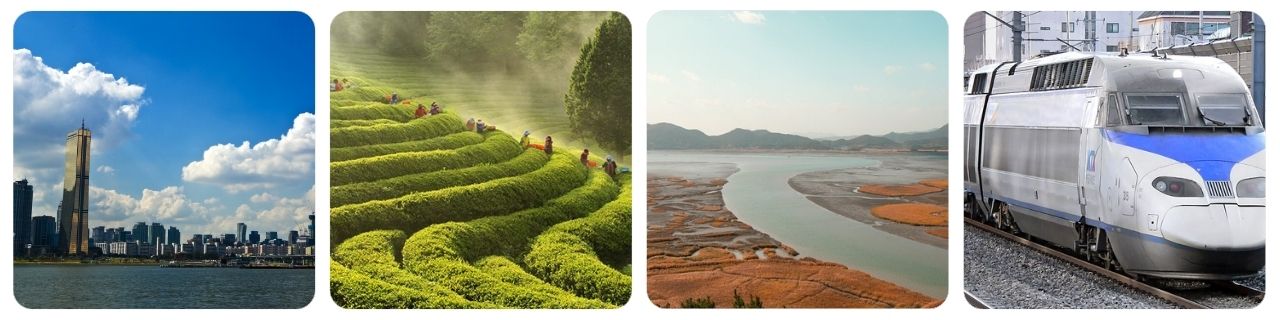
From Seoul’s buzzing streets to the peaceful reed fields of Suncheon Bay, this guide walks you through every way to get from the capital to Suncheon Bay National Garden and Suncheon Bay Wetland Reserve, including trains, buses, self-drive and tours, plus step-by-step instructions and booking tips.
At A Glance (Seoul to Suncheon Bay)
| Mode | Duration | Best For |
|---|---|---|
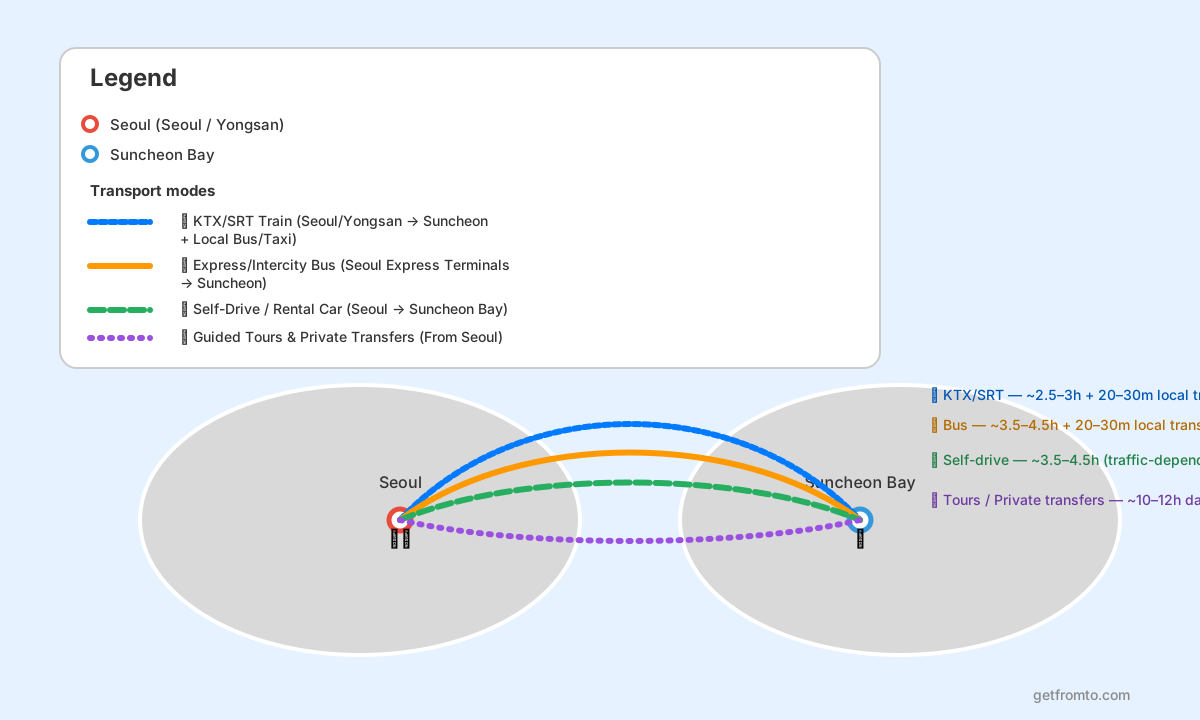
| 🚄 KTX/SRT Train (Seoul/Yongsan → Suncheon + Local Bus/Taxi) | ~2.5–3h train + 20–30m local transfer | Fast, comfortable, reliable schedules |
| 🏷️ Cost: ~KRW 42,000–60,000 one-way reserved seat » compare KTX/SRT trains | Korail official booking | ||
| 🚌 Express/Intercity Bus (Seoul Express Terminals → Suncheon) | ~3.5–4.5h bus + 20–30m local transfer | Budget-conscious travelers, frequent departures |
| 🏷️ Cost: ~KRW 25,000–40,000 one-way depending on bus grade » official express bus booking (KR) | alt. online tickets | ||
| 🚗 Self-Drive / Rental Car (Seoul → Suncheon Bay) | ~3.5–4.5h driving each way (traffic-dependent) | Maximum flexibility, side trips around Jeollanam-do |
| 🏷️ Cost: Car rental from ~KRW 80,000–150,000 per day + fuel & tolls » compare car rentals | Suncheon travel ideas | ||
| 🚐 Guided Tours & Private Transfers (From Seoul) | ~10–12h day trips or 2–5 day itineraries | Hands-off planning, small groups, families |
| 🏷️ Cost: ~KRW 200,000–500,000+ per person depending on tour length » Suncheon Bay tours | multi-day UNESCO tours | ||
Which Option or Route Should You Choose?
- Fastest & Most Convenient: The 🚄 KTX/SRT train from Seoul or Yongsan to Suncheon is usually the quickest and most stress-free. You get reserved seats, predictable travel times, and easy connections by taxi or local bus to Suncheon Bay.
- Cheapest / Most Economical: The 🚌 express or intercity bus from Seoul Express Bus Terminal or Dong Seoul Bus Terminal can be slightly slower than the train but often cheaper, especially on weekdays or with standard-grade buses.
- Most Scenic & Flexible: Renting a 🚗 car from Seoul lets you stop at service areas, coastal viewpoints and nearby attractions like Naganeupseong Folk Village or Yeosu along the way.
- Most Hassle-Free (No Korean Needed): If you prefer not to navigate tickets or timetables, book 🚐 guided tours or private transfers that include transport directly from Seoul hotels or central pickup points to Suncheon Bay and other highlights.
How to Book and Practical Tips
- Reserve trains early on weekends & holidays: KTX/SRT seats can sell out during cherry blossom season and autumn foliage. Use the Korail official booking page or compare departures via 12Go Asia’s Seoul–Suncheon trains to lock in times that match daylight hours at the bay.
- Use online bus booking tools: For express buses, you can buy tickets on the official TxBus T-money website (KR) or via platforms like Klook intercity buses if you’re more comfortable with English interfaces.
- Sort accommodation near the station or garden: To maximize your time in nature, stay in Suncheon itself. Browse hotels close to Suncheon Station or Suncheon Bay Garden on Booking.com Suncheon hotels or via Trip.com’s Suncheon guide.
- Last-mile to the bay: From Suncheon Station or Express Bus Terminal, local buses signposted for Suncheonman Gukga Jeongwon (Suncheon Bay National Garden) or Suncheonman Wetland run frequently. For door-to-door comfort, hail a Kakao T taxi or pre-book a car with Welcome Pickups in Seoul or GetTransfer from the airport/city.
- Pack light or store luggage: If you’re traveling straight from Seoul with big suitcases, consider lockers or hotel storage in Seoul, or book luggage storage near major stations through Radical Storage in Seoul so you can enjoy the reed fields hands-free.
- Consider bikes or scooters: To explore Seoul before/after your Suncheon trip, you can use public bike-sharing (Seoul Bike/Ddareungi) or compare scooter and motorbike rentals on BikesBooking for Seoul, but driving/riding is not necessary in Suncheon itself.
🚄 Option 1 — KTX/SRT Train from Seoul to Suncheon (Fast & Comfortable)
Fast Reserved seating Weather-resistant
- Overview: Take a KTX or SRT high-speed train from Seoul Station or Yongsan Station to Suncheon Station (about 2.5–3 hours), then transfer by city bus or taxi (20–30 minutes) to Suncheon Bay National Garden and Suncheon Bay Wetland Reserve.
- How to book (with price): Standard reserved seats typically cost around KRW 42,000–60,000 one-way depending on the train and time. Check live schedules and fares on the Korail official timetable & fares page, book directly via the Korail booking portal, or compare options through 12Go’s Seoul–Suncheon train listings.
- Pros: Fastest land option; comfortable seats with Wi‑Fi and outlets on many services; easy to combine with other KTX routes if you’re touring Korea by rail.
- Cons: Seats can sell out on popular dates; you still need a short transfer from Suncheon Station to the garden/wetland; slightly higher cost than buses.
Step-by-step: KTX/SRT Train from Seoul to Suncheon
- Buy your ticket in advance: Go online to the Korail reservation page or use 12Go to choose a departure from Seoul or Yongsan to Suncheon. Morning trains are best if you want same-day exploration at Suncheon Bay.
- Head to Seoul Station or Yongsan Station: Use the Seoul Metro (Lines 1 & 4 for Seoul Station; Line 1 for Yongsan) or take a taxi/ride-hail. From Incheon or Gimpo airports, you can transfer via AREX or airport limousines to reach downtown stations.
- Arrive 20–30 minutes early: Find the KTX/SRT gates, check your car and seat number, and be at the correct platform when boarding begins. Tickets show your car (Coach) and seat number clearly.
- Enjoy the ride: The route towards Yeosu/Suncheon passes countryside, rivers and low mountains. Use the travel time to plan hiking paths or boardwalk loops at Suncheon Bay using guides like Trip.com’s Suncheon itineraries.
- Arrive at Suncheon Station: Follow signs to the station concourse and exit to the bus stops or taxi stand. There are convenience stores and cafes inside if you want a quick snack.
- Transfer to Suncheon Bay: Local buses signed for the National Garden/Wetland Reserve run regularly (ask for “Suncheonman Gukga Jeongwon”). A taxi ride is around 15–20 minutes depending on traffic and is relatively inexpensive if you’re sharing.
Getting to the main embarking points (Seoul & Yongsan Stations)
- From central Seoul (Myeongdong, City Hall, Jongno): Take Seoul Metro Line 4 directly to Seoul Station (for Myeongdong → Seoul Station, it’s only two stops). Alternatively, walk or take a short taxi ride if you have heavier luggage.
- From Gangnam: Ride Line 2 to Seoul Nat’l Univ. of Education, transfer to Line 3 toward Gyeongbokgung, and change to Line 1 at Jongno 3-ga for Seoul Station; or take airport limousine buses and taxis if you prefer door-to-door.
- From Hongdae/Mapo: Use the AREX all-stop train or Line 2/5 combos to reach Seoul Station. If you’re short on time or carrying multiple bags, hail a Kakao T taxi.
- Yongsan Station access: Yongsan Station is on Line 1 and the Jungang Line; it’s also a short taxi ride from Itaewon and Hannam-dong. Some Jeolla-line trains to Suncheon depart here instead of Seoul Station.
- Locations/Trip Planner: 🔗 Google Map / 🔗 OpenStreetMap
🚌 Option 2 — Express & Intercity Buses (Most Budget-Friendly)
Low cost Frequent departures More time on road
- Overview: Buses run from Seoul Express Bus Terminal (Central City) in Gangnam and Dong Seoul Bus Terminal in the east of the city to Suncheon Express Bus Terminal. From there, local buses and taxis connect you to Suncheon Bay National Garden and Suncheon Bay Wetland.
- How to book (with price): Expect fares around KRW 25,000–40,000 one-way, depending on whether you choose standard, luxury, or premium buses. You can check schedules and reserve on the official TxBus T-money site (Korean), or look for English-friendly options on Klook’s Korea bus tickets.
- Pros: Often cheaper than high-speed trains; departures throughout the day; comfortable reclining seats, especially on premium buses.
- Cons: Slightly longer travel time; traffic delays are possible around Seoul and Gwangju; bus terminals can be busy during holidays.
Step-by-step: Express Bus from Seoul to Suncheon
- Choose your terminal: Most visitors prefer Seoul Express Bus Terminal (Central City) in Gangnam, but you can also depart from Dong Seoul Bus Terminal on the east side of the city. Check which terminal has departure times that match your schedule.
- Book your ticket: Use the TxBus online booking system or purchase in person at the ticket counters (card-friendly). If you prefer English booking, search for Seoul–Suncheon routes on Klook or check aggregators like 12Go.
- Arrive 20–30 minutes early: Bus terminals are large; allow time to find your gate/platform. Your ticket will show the bus type, departure time, and gate number.
- Ride to Suncheon: The journey is usually around 3.5–4.5 hours with one highway rest stop. Use this time for a nap or to read about Suncheon’s nature on guides like Trip.com’s Suncheon travel guide.
- Arrive at Suncheon Express Bus Terminal: From here, you can either walk or take a short local bus to Suncheon Station area, or catch a taxi directly to Suncheon Bay National Garden or the Wetland Reserve.
- Connect to the bay: Look for buses signed for the National Garden or Wetland; staff at the information desk can point you to the right platform. Taxis are plentiful and inexpensive if you’re traveling in a small group.
Getting to the main embarking points (Seoul Express & Dong Seoul Terminals)
- Seoul Express Bus Terminal (Gangnam): Located in the Central City complex, accessible via Subway Lines 3, 7, and 9 at Express Bus Terminal Station. Follow signs for “Express Bus” after exiting the ticket gates.
- Dong Seoul Bus Terminal: Located near Gangbyeon Station on Line 2. Once you exit, follow signs to the bus terminal building adjacent to the river.
- From major tourist areas: From Myeongdong or Hongdae, ride Line 2/3/4 connections to reach either Express Bus or Gangbyeon stations, or take a Kakao T taxi during off-peak hours if you’re carrying large luggage.
- Locations/Trip Planner: 🔗 Google Map / 🔗 OpenStreetMap
🚗 Option 3 — Self-Drive / Rental Car (Flexible Road Trip)
High flexibility Door-to-door Tolls & navigation
- Overview: Rent a car in Seoul and drive approximately 300 km south to Suncheon Bay via expressways. This option lets you stop at service areas, small towns, and attractions like Naganeupseong Folk Village or nearby Yeosu along the way.
- How to book (with price): Daily rentals usually start around KRW 80,000–150,000 for a compact car, excluding fuel and expressway tolls. Compare deals from international and local rental companies via Booking.com Car Rentals or similar platforms.
- Pros: Ultimate flexibility with your schedule; easy to reach more remote viewpoints and temples; good option for families or groups splitting costs.
- Cons: Korean road signs are mostly bilingual but traffic can be dense near Seoul; tolls may add up; parking fees at attractions or in the city; you’ll need an International Driving Permit plus your home license in most cases.
Step-by-step: Driving from Seoul to Suncheon Bay
- Rent a car in Seoul: Pick up your vehicle from downtown rental locations or airports. Filter by automatic transmission if you’re not used to manual, and confirm GPS or smartphone navigation support (Naver Map or Kakao Map).
- Plan your route: The common route is via expressways through Daejeon and Gwangju toward Suncheon. Your navigation app will show up-to-date traffic and toll estimates.
- Allow extra time: Budget about 3.5–4.5 hours of actual driving, plus short breaks at highway rest areas. Rest areas in Korea are well-equipped with food courts, convenience stores, and clean bathrooms.
- Arrive in Suncheon city: Once you exit the expressway, follow signs for Suncheon Bay National Garden or Suncheonman Wetland. There are large parking lots at both the garden and wetland entrances.
- Explore the region: With your own car, it’s easy to add nearby attractions such as Seonamsa Temple or Yeosu’s coastal viewpoints either en route or as separate day trips.
Getting to the main embarking points (Rental Locations & Highways)
- Downtown rental hubs: Many international agencies have offices near Seoul Station, Gangnam, and major hotels. Check pick-up location details carefully when booking so you can reach them easily by subway or taxi.
- Airport rentals: If you’re arriving at Incheon or Gimpo and heading straight south, renting at the airport can save backtracking. Combine this with a pre-booked airport transfer service like Welcome Pickups only if you plan to stay in Seoul first; otherwise go directly to the rental desks.
- Navigation & parking at the bay: Suncheon Bay National Garden and Suncheon Bay Wetland have dedicated parking areas; follow on-site signage and staff directions. Parking is usually paid but affordable.
- Locations/Trip Planner: 🔗 Google Map / 🔗 OpenStreetMap
🚐 Option 4 — Guided Tours & Private Transfers (Hassle-Free)
Guided Door-to-door Higher cost
- Overview: Join an organized tour from Seoul that includes Suncheon Bay as part of a broader southern Korea itinerary (often combined with Yeosu, Gwangju or Busan), or book a private driver/transfer for maximum comfort.
- How to book (with price): Multi-day tours that include Suncheon Bay typically range from KRW 200,000–500,000+ per person, depending on duration and inclusions. Check curated options like a 5-day UNESCO sites tour from Seoul or a 2-day Yeosu & Suncheon journey, or explore Suncheon-focused packages on Klook’s Suncheon Bay tours.
- Pros: No need to worry about language barriers, timetables, or transfers; guides provide context about the wetland’s ecology and Suncheon’s culture; ideal if you prefer to follow a set itinerary.
- Cons: Less flexibility on timing at each stop; higher cost per person; itineraries may emphasize photo stops over long, quiet walks if you’re on a tight schedule.
Step-by-step: Booking a Tour or Private Transfer
- Decide on day trip vs multi-day: A single long day from Seoul is possible but rushed. Many tours bundle Suncheon Bay with Yeosu or Busan over 2–5 days for a more relaxed pace.
- Browse and compare: Use Klook, GetYourGuide, or Trip.com’s Suncheon pages to compare itineraries, reviews, and what’s included (meals, entrance fees, hotel).
- Confirm pickup details: Many tours depart from central Seoul spots like Myeongdong or near City Hall. Some may offer hotel pickup in popular districts; check the fine print before booking.
- Consider private transfers: If you just want comfortable transport, pre-book a car and driver from Seoul or the airports via Welcome Pickups or GetTransfer, then explore Suncheon Bay independently.
- Coordinate accommodations: Some tours include hotel stays in Yeosu or Suncheon; if not, use Booking.com Suncheon hotels to find lodging near Suncheon Bay National Garden or the station.
Getting to the main embarking points (Tour Meeting Spots)
- Central Seoul meeting points: Many tours use Myeongdong, Hongdae, or near Seoul Station as their pickup areas. These are easily reached via subway from most neighborhoods.
- Hotel pickup: Some premium tours and private transfers offer direct hotel pickup; be ready in the lobby 10–15 minutes before the scheduled time and keep your phone/WhatsApp accessible for messages.
- Return logistics: Tours typically drop you back at the same meeting point in Seoul or at your hotel, so you can plan evening activities or onward train/flight connections.
- Locations/Trip Planner: 🔗 Google Map / 🔗 OpenStreetMap
FAQ (Seoul to Suncheon Bay)
How long does it take to get from Seoul to Suncheon Bay?
Most travelers spend about 3–4.5 hours door-to-door in one direction. KTX/SRT trains take roughly 2.5–3 hours from Seoul or Yongsan to Suncheon Station, plus 20–30 minutes by local bus or taxi to the National Garden or Wetland Reserve. Express buses usually take 3.5–4.5 hours including a short rest stop, then another 20–30 minutes to the bay.
Do I need to book KTX/SRT tickets in advance?
For weekends, public holidays, cherry blossom season (spring) and foliage season (autumn), it’s wise to book at least a few days ahead. On quieter weekdays, you might still find seats near departure time, but trains can sell out on popular routes. Use the Korail timetable & ticket info page or the online booking portal to secure seats.
Is Suncheon Bay doable as a day trip from Seoul?
A motivated traveler can visit Suncheon Bay as a very long day trip, especially by taking an early KTX/SRT train and a late return, but you’ll have limited time on the boardwalks and reed fields. Many visitors prefer an overnight stay in Suncheon so they can enjoy sunset or sunrise at the bay. Look for lodging close to the garden or station via Booking.com or similar hotel platforms.
How do I get from Suncheon Station or Bus Terminal to Suncheon Bay?
From either Suncheon Station or Suncheon Express Bus Terminal, local buses signed for Suncheon Bay National Garden or the Wetland Reserve run frequently during the day. Staff at information counters are used to helping visitors find the right bus. Alternatively, taxis are plentiful at both locations, and the ride to the garden or wetland typically takes 15–20 minutes.
When is the best time to visit Suncheon Bay?
Suncheon Bay is beautiful year-round, but many visitors choose spring and autumn for mild temperatures and colorful scenery. Spring offers fresh greens and flowers, while autumn showcases golden reeds and migratory birds. Winter can be cold but atmospheric with crisp air and fewer crowds; summer is lush but more humid.
Are there combined tickets for the National Garden and Wetland Reserve?
Ticketing policies may change with special events, but there are often combined or linked tickets that cover both the Suncheon Bay National Garden and the Suncheon Bay Wetland Reserve, sometimes with shuttle options between them. Check current details on the official Suncheon Bay site or on local signage when you arrive.



Related Tours/Services
Popular Routes
Recent Routes
- How to get from Oslo Opera House to Oslo Central Station
- How to get from Helsinki Cathedral to Helsinki Central Station
- How to get from Bucharest Old Town to Gara de Nord
- How to get from Ban Jelačić Square (Zagreb) to Zagreb Glavni Kolodvor
- How to get from Knez Mihailova Street (Belgrade) to Belgrade Centre (Prokop) Station
- How to get from The Bund (Shanghai) to Shanghai Railway Station
- How to get from Odori Park (Sapporo) to Sapporo Station
- How to get from Plaza de Armas to Terminal Alameda (Santiago)
- How to get from Times Square to Penn Station (New York)
- How to get from India Gate to New Delhi Railway Station
Top Travel Gears

zelin Anti Theft Zipper Clips, Travel Essentials, Carabiner, 4Pcs Grey
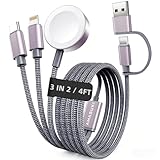
2026 Travel Essentials for Apple Watch Charger,Cruise Vacation Camping Essentials,iPhone Charger,Multi Charging Cable,3 in 2 Charging Docks for iWatch Series 12 11-2/Ultra,iPhone 17-12,Car

INIU 10000mAh 45W Fast Charging Portable Charger, Smaller Travel Power Bank

LISEN Airplane Travel Essentials for Flying Airplane Phone Holder for Desk
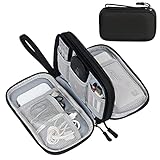
FYY Electronic Organizer, Travel Tech Pouch Bag, Cable Organizer Black
