
How to get from Seoul to Boseong

Getting from Seoul to Boseong, home of Korea’s famous green tea fields, is straightforward once you understand the options for express buses, trains, self-drive routes, and organized tours.
At A Glance (Seoul to Boseong)
| Mode | Duration | Best For |
|---|---|---|
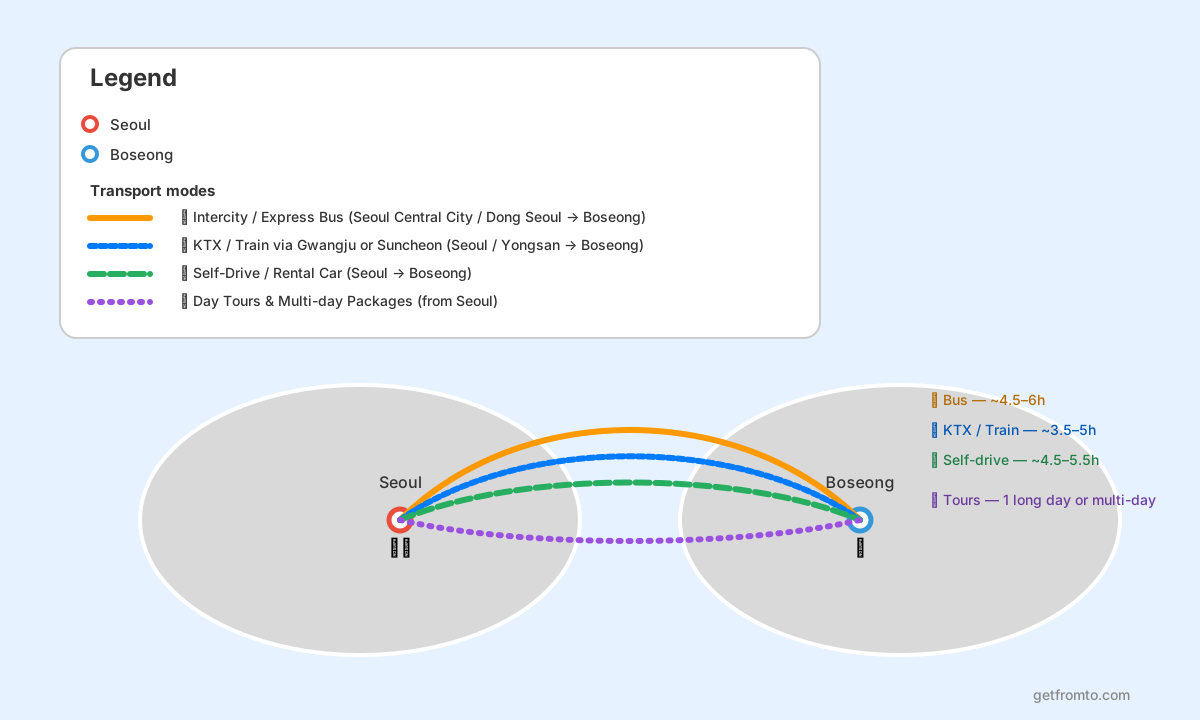
| 🚌 Intercity/Express Bus (Seoul Central City / Dong Seoul → Boseong) | ~4.5–6h (direct or via Gwangju) | Budget travelers, simple point-to-point |
| 🏷️ Cost: ~KRW 24,000–42,000 one-way depending on class and route. Check and reserve seats via Korea’s official bus sites (e.g. Kobus or TxBus) or compare intercity bus options on Klook Korea bus tickets. | ||
| 🚄 KTX/Train via Gwangju or Suncheon (Seoul / Yongsan → Gwangju Songjeong / Suncheon → Boseong) | ~3.5–5h total (connection-dependent) | Comfort, speed, rail pass users |
| 🏷️ Cost: KTX Seoul/Yongsan → Honam region from ~KRW 35,000–60,000 one-way, plus ~KRW 7,000–15,000 for local train/bus to Boseong. You can check KTX routes and prices on 12Go Asia (Seoul–Gwangju) or compare Honam-line trains on Trip.com trains, then book tickets on the Korail official site. | ||
| 🚗 Self-Drive / Rental Car (Seoul → Boseong) | ~4.5–5.5h via expressways (traffic-dependent) | Small groups, flexible itineraries |
| 🏷️ Cost: 1–2 day rental from ~KRW 70,000–120,000/day plus fuel and tolls. Compare car rentals in Seoul on Booking.com Car Rentals and consider splitting costs in a group. | ||
| 🧳 Day Tours & Multi-day Packages (from Seoul) | 1 long day or 2–5 days including other cities | Hassle-free sightseeing, first-time visitors |
| 🏷️ Cost: ~KRW 120,000–250,000+ per person depending on inclusions. Look for Boseong tea field day trips or Korea multi-day tours that stop in Boseong on Klook’s Discover Korea tour or browse tea plantation tours in Korea on GetYourGuide. | ||
Which Option or Route Should You Choose?
- Fastest and most comfortable: Combine KTX and local transport via Option #2 (KTX/Train via Gwangju or Suncheon) if you like smooth, quick journeys and want to use a Korea Rail Pass or KTX discounts. It’s particularly good in peak seasons when road traffic is heavy.
- Cheapest & most straightforward: Take the intercity or express bus from Seoul to Boseong (Option #1). This is usually the most economical way and avoids transfers between train and bus stations, though you’ll spend longer on the road.
- Most flexible & scenic: If you’re comfortable driving in Korea, self-driving to Boseong (Option #3) lets you detour to Suncheon Bay, Damyang bamboo forest, or coastal towns along the way.
- Zero-planning, guided experience: Choose day tours or multi-day packages (Option #4) if you prefer a guide, want hotel pickup in Seoul, and don’t speak Korean. These often bundle KTX tickets, local transfers, and admission to the Boseong tea fields.
How to Book and Practical Tips
- Use Korea’s official booking platforms: For trains, check schedules and buy tickets on the Korail global reservation site, or compare KTX routes first on 12Go’s KTX page and Trip.com trains. For intercity and express buses, use integrated sites like TxBus or Kobus, linked from the official VisitKorea express bus guide.
- Secure peak-season seats early: Weekends, holidays, and tea festival periods (spring) can sell out in advance. Reserve KTX and bus tickets several days ahead, especially if your time in Boseong is limited.
- Book accommodation close to transport: In Seoul, consider staying near Seoul Station or Express Bus Terminal; near Boseong, look at stays around Boseong-eup or near Daehan Dawon. Compare guesthouses and hotels on Booking.com Seoul and Booking.com Boseong.
- Take advantage of tours and passes: If you’ll ride several long-distance trains, check the South Korea rail passes on 12Go. For guided experiences, browse Boseong-related products such as the Boseong Tea Plantation & Suncheon National Garden tour on Klook.
- Use ride-hailing and taxis where it helps: In Seoul, Kakao T is the main ride-hailing app, with some limited Uber availability. You can also pre-book airport or hotel transfers with Welcome Pickups or compare private car prices on GetTransfer if you want a direct door-to-door ride to a station or hotel.
- Travel light and store large bags: Boseong and the tea fields involve hills and unpaved paths. If you’re doing a quick side trip, consider leaving big suitcases in Seoul using city luggage services such as Radical Storage in Seoul, then continue south with a small backpack.
- Get around on two wheels: Within Seoul, you can explore river paths before or after your Boseong trip using the city’s public bike system, or compare private bike rentals on BikesBooking’s Seoul bike rental page.
🚌 Option #1 — Direct Bus & One-Transfer Bus Routes (Most Popular, Good Value)
Low cost Simple route Schedule-dependent
- Overview: Several daily buses run from Seoul toward Boseong, either directly from Central City (Express Bus Terminal/Central City Terminal) to Boseong Bus Terminal, or with a change in Gwangju (U-Square) or another Jeolla hub. Total journey time is usually around 4.5–6 hours depending on traffic and routing.
- Where buses depart in Seoul: Most travelers use Central City / Seoul Express Bus Terminal on the Honam Line for southwestern destinations, with some additional services from Dong Seoul Bus Terminal.
- How to book (with price): Expect fares around KRW 24,000–42,000 one-way depending on bus grade (standard vs. premium). Check timetables and reserve tickets via integrated bus platforms linked from the official VisitKorea express/intercity bus guide, which points to sites like Kobus and TxBus. You can also search intercity routes and buy e-tickets on Klook’s Korea bus booking page.
- Upon arrival in Boseong: You’ll arrive at Boseong Intercity Bus Terminal or occasionally Beolgyo Terminal. From Boseong Terminal, it’s about 20–25 minutes by local bus or taxi to Daehan Dawon Tea Plantation and other tea fields.
- Pros: Affordable, no need to navigate transfers between train and bus stations; luggage goes in the bus hold; frequent services on popular dates via Gwangju if direct buses are full.
- Cons: Longer overall travel time than KTX; traffic delays possible leaving Seoul; limited English signage at some terminals (use Naver Map or KakaoMap for route numbers).
Step-by-step: Bus from Seoul to Boseong
- Reach Central City / Seoul Express Bus Terminal: Ride Seoul Metro Line 3, 7, or 9 to Express Bus Terminal Station. Follow signs for “Central City” or “Honam Line” to reach the correct concourse. If you’re staying elsewhere in Seoul, taxis or Kakao T can also bring you directly to the terminal.
- Buy or collect your ticket: Purchase tickets at the terminal or online in advance via the integrated systems linked from VisitKorea’s Express Bus page, or through Klook’s bus search. Allow at least 20–30 minutes before departure to find your gate.
- Board the bus to Boseong or Gwangju: On the departure board, look for Boseong (보성) or Gwangju (광주). If taking a connection, buy tickets through to Boseong or purchase the second leg at Gwangju U-Square Terminal.
- Rest stops and arrival: Long-distance buses typically stop at a highway rest area once or twice. When you arrive at Boseong Intercity Bus Terminal, follow signs to the taxi stand or local bus stops.
- Continue to the tea fields: Take a local bus toward Yulpo/Nokcha-bat (녹차밭) or simply hop in a taxi for a 15–20 minute ride to Daehan Dawon Tea Plantation, one of the main green tea attractions described on the official VisitKorea Daehan Dawon page.
Getting to the main embarking points (Seoul Bus Terminals)
- Within Seoul: Use the subway to reach Express Bus Terminal Station (Lines 3, 7, 9) for Central City/Seoul Express Bus Terminal, or Gangbyeon Station (Line 2) for Dong Seoul Bus Terminal. The official Seoul TOPIS bus terminal guide provides maps and background information.
- From Incheon Airport: Limousine buses, AREX trains, and airport-city buses link directly to Seoul Station and major transfer hubs. You can also arrange a private pickup via Welcome Pickups in Seoul or use Kakao T to reach your bus terminal.
- From elsewhere in Korea: If you’re already in cities like Busan, Gwangju, or Suncheon, check regional bus terminals for direct buses to Boseong, or use the integrated intercity reservation systems recommended by local governments, such as Incheon’s official intercity bus guide.
- Locations/Trip Planner: 🔗 Google Map / 🔗 OpenStreetMap
🚄 Option #2 — KTX/Train via Gwangju or Suncheon (Fast & Comfortable)
Fast travel Comfortable seats One easy transfer
- Overview: Ride a KTX or ITX train from Seoul/Yongsan down the Honam or Gyeongjeon lines to hubs like Gwangju Songjeong or Suncheon, then transfer to a regional train or intercity bus to Boseong. This keeps most of your journey on fast, comfortable rails.
- Typical routing: Many travelers go Yongsan → Gwangju Songjeong (KTX), then either take a Mugunghwa/local train on the Gyeongjeon Line toward Boseong or transfer by bus at Gwangju U-Square. Alternative: Seoul → Suncheon (KTX) and then bus/train to Boseong.
- How to book (with price): KTX fares from Seoul to Gwangju/Suncheon are usually KRW 35,000–60,000 one-way, with regional add-ons of about KRW 7,000–15,000. Check and reserve tickets through the Korail official reservation page, or compare options on 12Go (Seoul–Gwangju), 12Go (Seoul–Suncheon), or Trip.com’s Seoul–Suncheon route.
- Rail passes: If you plan several long-distance train journeys, consider the South Korea rail passes on 12Go or the official Korail passes for overseas visitors.
- Pros: Fast, reliable, comfortable; easy to work/read on board; less affected by road traffic; good if you’re based near Seoul Station or Yongsan.
- Cons: Slightly more expensive than buses; requires at least one transfer; regional train/bus schedules may be less frequent in the evening.
Step-by-step: KTX/Train Route to Boseong
- Head to Seoul Station or Yongsan: Use the subway or taxi to reach your departure station. Many KTX services to Gwangju Songjeong and Suncheon depart from Yongsan Station, while others use Seoul Station.
- Board a KTX to Gwangju Songjeong or Suncheon: Reserve seats in advance through Korail or via partners like 12Go’s KTX portal. Aim for a morning departure to give yourself ample daylight in Boseong.
- Transfer to a local train or bus: From Gwangju Songjeong, you can connect to a regional train on the Gyeongjeon Line or take a short taxi/bus to Gwangju U-Square Bus Terminal and ride an intercity bus to Boseong. From Suncheon, similar options exist via regional train or bus.
- Arrive at Boseong Station or Bus Terminal: Once in Boseong, follow local signs to the taxi stand or check bus stop information for routes toward the tea plantations.
- Continue to Daehan Dawon: A taxi from Boseong Station or Terminal to Daehan Dawon Tea Plantation typically takes about 15–20 minutes. Check opening hours and seasonal events on the official VisitKorea Daehan Dawon page before you go.
Getting to the main embarking points (Seoul & Regional Train Hubs)
- Seoul Station & Yongsan: Both are major transit hubs connected by multiple subway lines and city buses. If you’re staying near the Han River, consider using the public bike system or taxis to avoid transfers with luggage.
- From Incheon Airport to Seoul Station: Take the AREX airport train or airport limousine buses; book private airport pickups via Welcome Pickups or use Kakao T/Uber if you prefer door-to-door rides.
- Regional hubs (Gwangju Songjeong & Suncheon): These stations are small enough to navigate easily. If you have time between trains, you can store large luggage in station lockers and explore briefly; for longer storage in bigger cities like Seoul or Busan, use services such as Radical Storage.
- Locations/Trip Planner: 🔗 Google Map / 🔗 OpenStreetMap
🚗 Option #3 — Self-Drive Road Trip from Seoul (Most Scenic & Flexible)
Maximum flexibility Great for groups Tolls & navigation
- Overview: Pick up a rental car in Seoul and drive about 350 km south to Boseong via major expressways. This option is excellent if you want to stop at places like Jeonju, Damyang, or Suncheon Bay along the way.
- Typical route: Most drivers follow a combination of Gyeongbu and Honam expressways toward Gwangju, then local roads toward Boseong. Navigation apps like Naver Map or KakaoMap are more accurate than some global apps in Korea.
- How to book (with price): Expect KRW 70,000–120,000 per day for a compact or mid-size rental, plus fuel and tolls. Compare deals and pick-up locations (Seoul Station, Gangnam, Incheon Airport) on Booking.com Car Rentals in Korea.
- Driving considerations: International Driving Permit (IDP) plus your home license is usually required. Expressways are well-maintained and signed in Korean and English, but local roads in the countryside can be narrow and winding.
- Pros: Full control over timing and stops, perfect for friends or families visiting multiple Jeolla attractions in one trip.
- Cons: Tolls, navigation, and parking may be stressful if you’re new to driving in Korea; not ideal in winter storms or heavy rain.
Step-by-step: Driving from Seoul to Boseong
- Arrange a rental car: Reserve in advance via Booking.com’s Korea car rental search, choosing a pick-up spot convenient to your hotel or arrival airport.
- Collect your vehicle: Bring your passport, IDP, and credit card. Inspect the car, note any existing damage, and confirm electronic toll (Hi-Pass) arrangements if available.
- Plan your route: Enter “Boseong Bus Terminal” or “Daehan Dawon Tea Plantation” into your navigation app. Consider adding scenic stops like Damyang’s bamboo forest or Suncheon Bay if you have time.
- Drive south from Seoul: Follow the expressway network toward Gwangju/Jeollanam-do, taking rest stops as needed. Many service areas have food courts, convenience stores, and clean restrooms.
- Arrive in Boseong: Check into your accommodation (many pensions and guesthouses can be found via Booking.com’s Jeollanam-do listings), then continue by car to the major tea plantations.
Getting to the main embarking points (Rental Locations & Highways)
- Seoul pickup locations: Popular rental desks are near Seoul Station, Gangnam, and Incheon Airport. Use public transport or a short taxi/Kakao T ride to reach your chosen branch.
- Fuel and tolls: Expressways are tolled; you can pay at booths with cash/card or use Hi-Pass if your rental includes it. Fuel stations are frequent along highways and in towns.
- Parking at the tea fields: Daehan Dawon and other plantations have dedicated parking areas with posted fees. Arrive early on weekends and holidays to avoid queues.
- Locations/Trip Planner: 🔗 Google Map / 🔗 OpenStreetMap
🧳 Option #4 — Day Tours & Multi-day Packages from Seoul (Hassle-Free)
Guided experience Transport included Less flexibility
- Overview: Several tour operators offer full-day or multi-day itineraries from Seoul that include Boseong’s tea plantations along with Damyang’s bamboo forest, Suncheon Bay, or other southern highlights. These usually bundle KTX or tour bus transport, guides, admission fees, and sometimes meals.
- How to book (with price): Expect about KRW 120,000–250,000+ per person for a full-day tour with train tickets, local transfers, and entry fees. Check options such as the Boseong Tea Plantation & Suncheon National Garden train/bus tour on Klook or longer itineraries like the Discover Korea multi-day tour from Seoul. For even more ideas, browse tea plantation and countryside trips on GetYourGuide’s tea plantation tours in Korea.
- What’s typically included: Round-trip transport from Seoul (KTX or tour coach), local transfers between stations, bus terminals and the tea fields, entry fees, and a guide (often with English commentary). Some tours include lunch and additional attractions like bamboo forests or wetlands.
- Pros: No need to navigate Korean booking sites or interpret bus timetables; ideal if you’re short on time or prefer a structured itinerary.
- Cons: Set schedules with limited free time; higher cost than independent travel; tours can sell out during tea festivals and holidays.
Step-by-step: Using Organized Tours from Seoul
- Choose a tour style: Decide between a single long day-trip or a multi-day circuit that includes Boseong plus other cities like Gwangju, Suncheon, or Yeosu.
- Browse and compare: Use filters and reviews on Klook and GetYourGuide to compare Boseong-focused tours, checking start times, group size, and what’s included.
- Reserve and confirm: Once you book, you’ll receive a voucher with meeting location and time (often Seoul Station, Yongsan, or a central subway exit). Make sure your contact details are correct so the operator can reach you about any schedule changes.
- Meet your group in Seoul: Arrive at the designated spot 10–20 minutes early. If you’re staying far from the pickup point, consider a taxi or Kakao T ride to avoid getting lost or delayed.
- Enjoy Boseong with a guide: Follow your guide’s instructions for walking routes, photo spots, and tea tastings at the plantations. Tours usually allow some free time before heading to the next destination or back to Seoul.
Getting to the main embarking points (Tour Meeting Spots)
- Central Seoul meeting points: Many tours meet near subway exits at Seoul Station, Yongsan, or popular downtown districts. Check your confirmation voucher carefully and screenshot the location in your map app.
- Using public transport: Seoul’s subway is efficient and well signed in English. If you’re unsure, leave earlier than you think you need and ask station staff for help.
- Before and after the tour: If you’re changing hotels or flying soon after your tour, consider storing luggage centrally with services like Radical Storage in Seoul so you can travel light.
- Locations/Trip Planner: 🔗 Google Map / 🔗 OpenStreetMap
FAQ (Seoul to Boseong)
Can I visit Boseong as a day trip from Seoul?
Yes, but it will be a very long day if you go independently. A round-trip by bus or KTX plus local connections can easily total 8–10 hours of travel. If you want a day trip, consider organized KTX tours that bundle transport and guiding, or stay at least one night in Boseong or nearby Suncheon to explore more leisurely.
What is the easiest way to get from Seoul to Boseong for first-time visitors?
Most first-time visitors find the direct or one-transfer intercity/express bus easiest because it’s point-to-point and avoids changing between train and bus stations. If you’re comfortable with trains, the KTX/Train route via Gwangju or Suncheon is faster and more comfortable.
How do I get from Boseong Bus Terminal or Station to the green tea fields?
From Boseong Intercity Bus Terminal or Boseong Station, you can take a local bus toward Yulpo/green tea fields (녹차밭) or simply hop in a taxi for a 15–20 minute ride to Daehan Dawon Tea Plantation. Taxis are straightforward and relatively inexpensive for this distance; have the plantation name “대한다원” written down or saved on your phone.
Do I need to book transport in advance?
It’s strongly recommended during weekends, public holidays, and during the Boseong Green Tea Festival in spring. Reserve KTX seats and long-distance bus tickets a few days ahead. Outside peak periods, you may still find seats on the day, but advance booking gives better choice of departure times.
Is English widely spoken on this route?
In Seoul’s major stations and terminals, staff often have basic English support, and signage is in English. In Boseong and smaller towns, English is less common, so using translation apps and Korean map apps (Naver Map, KakaoMap) is very helpful. Using organized tours or booking hotels through platforms like Booking.com can also make communication easier.
When is the best time of year to visit Boseong?
Spring (especially April–May) is ideal for fresh green tea leaves and festival season; summer is lush but humid; autumn brings milder weather and beautiful colors; winter evenings sometimes feature illumination festivals in the tea fields. Check seasonal events and opening hours on the official VisitKorea Daehan Dawon tea plantation page before you finalize dates.




Related Tours/Services
Popular Routes
Recent Routes
- How to get from PortMiami Cruise Terminal to Miami International Airport
- How to get from Samarkand to Bukhara
- How to get from Bell Tower (Xi’an) to Xi’an North Railway Station
- How to get from Canal City Hakata to Hakata Station
- How to get from Rialto Bridge (Venice) to Venezia Santa Lucia Station
- How to get from Florence Cathedral (Duomo) to Firenze Santa Maria Novella Station
- How to get from Nice to Paris
- How to get from Ribeira District (Porto) to Porto Campanhã Station
- How to get from Anne Frank House to Amsterdam Sloterdijk Station
- How to get from Buckingham Palace to London Victoria Station
Top Travel Gears

DUDE Wipes Unscented Pocket Packs, Adult Flushable Travel Wipes, 48 Count

zelin Anti Theft Zipper Clips, Travel Essentials, Carabiner, 4Pcs Grey

INIU 10000mAh 45W Fast Charging Portable Charger, Smaller Travel Power Bank | Flight-Safe, Detachable USB C Cable, Travel Essential, External Battery Phone Pack for iPhone 18 17 Samsung iPad etc
travel inspira Luggage Scale Digital Suitcase Weight Scale for Travel

2026 Travel Essentials for Apple Watch Charger,Cruise Vacation Camping Essentials,iPhone Charger,Multi Charging Cable,3 in 2 Charging Docks for iWatch Series 12 11-2/Ultra,iPhone 18 17-12,Car